

Dominica: 16 Must-Dos on a Heavenly Island on Earth
Updated On: January 18, 2024 by  Ahmed Samir
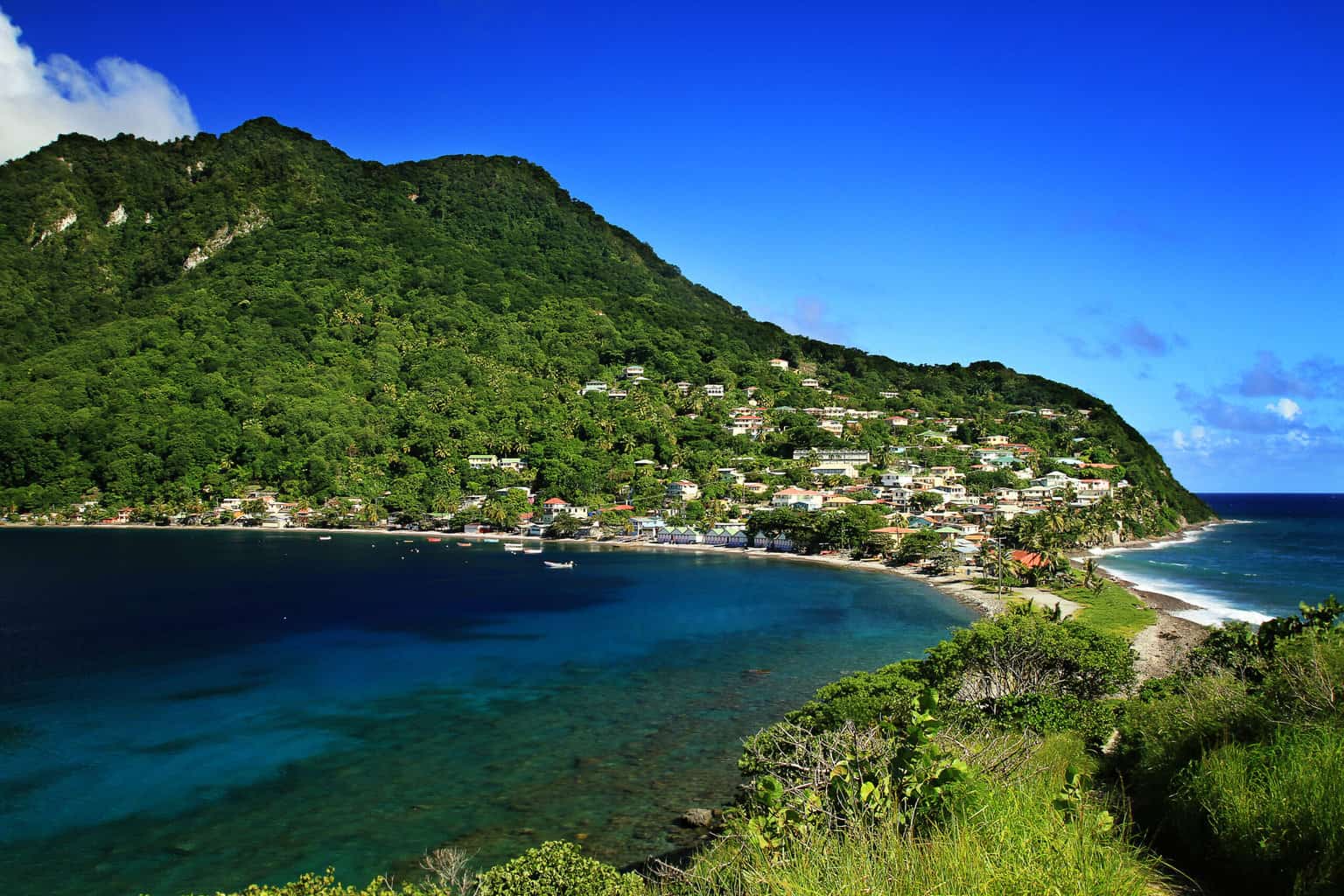
Dominica is an island in the Caribbean characterised by the softness of its sand, its rugged terrain, and its mountains surrounded by lush rainforests formed by volcanic activity. The island spans an area of 754 km².
The many volcanic slopes on Dominica form a chain of hills in the centre of the island. The highest point on the island, the peak of Mourne Diablotins, is 1447 metres tall.
Dominica is classified into ten dioceses, including the Diocese of Sand Andrew and the Diocese of Saint David. The capital of Dominica is Roseau, a wonderful city full of history and culture. The island is bordered on the East by the Atlantic Ocean, on the West by the Caribbean Sea, on the North and Northwest by Guadeloupe, and on the Southeast, it is bordered by Martinique.
In this article, we explore the history of Dominica, as well as the best times to visit and 16 popular tourist attractions on the Island. Scroll down to read more, or click on one of the highlighted sections below to jump ahead!
Table of Contents
The History of Dominica
The island was named Dominica when Christopher Columbus discovered it on a Sunday, or Dominica in Latin, on 3 November 1493. Decades later, France abandoned Dominica in the United Kingdom in 1763. In 1838, this country became the first British colony in the Caribbean.
In 1896, the United Kingdom imposed its control over the island again and turned it into a crown colony; it became a province of the West Indies Federation between 1958 and 1962 and then gained its independence in 1978.
How to Get Around the Island
Dominica has a variety of local transportation, which enables you to move between its cities easily. These means of transportation are:
- Taxi: You can take a cab around Dominica if you want to take a sightseeing tour around the island. It is costly, but you can negotiate with the drivers.
- Minibuses: It is cheaper to get around Dominica using minibuses, which can be found everywhere on the main streets.
- Cars: Driving is the most efficient way to get around Dominica. However, it is not for those with little experience. Only confident drivers should rent a car as the roads are very rough. It is important to know the way and drive carefully through the mountains and potholed streets.
Weather in Dominica
It has a tropical climate and is surrounded by the world’s warmest sea, the Caribbean Sea. The island experiences two main seasons: the dry and rainy seasons.
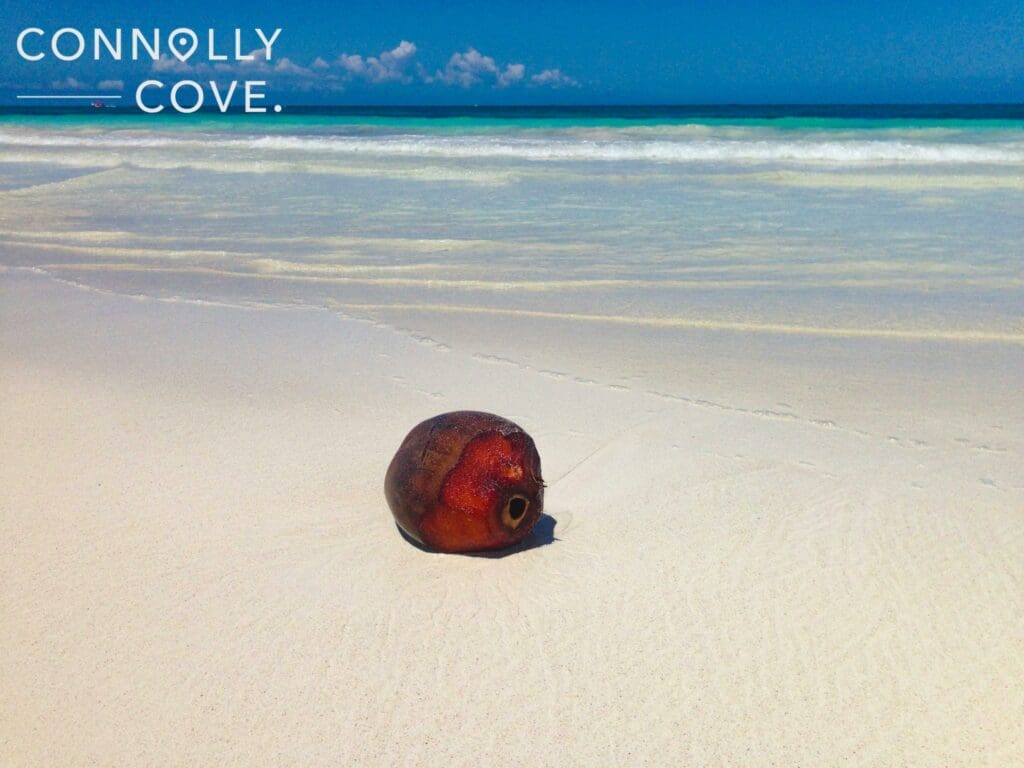
The rainy season runs from April to November. These months are filled with extensive rainfall. Showers are more frequent from May to September. During the summer, ocean water temperatures exceed 30 degrees.
From December to March, the island experiences a dry season. These months see little rainfall. The temperature varies throughout the year. If you visit in January, you can expect the temperature to reach around 27 degrees Celcius, while in August, it can get to 32 degrees Celcius.
The Best Time to Visit Dominica
The best time to visit Dominica is between October and January when hotel rates go down, and the rainfall begins waning. This time of year is an ideal time to stroll around the island and go to the beaches. Alternatively, visiting the country between February and April is always lovely. During these months, the sky is sunny, and the atmosphere is ideal for tourism.
The Best Tourist Cities on the Island
Dominica is full of many beautiful cities that draw in tourists from around the world. Here are some of the most famous cities in Dominica:
Roseau
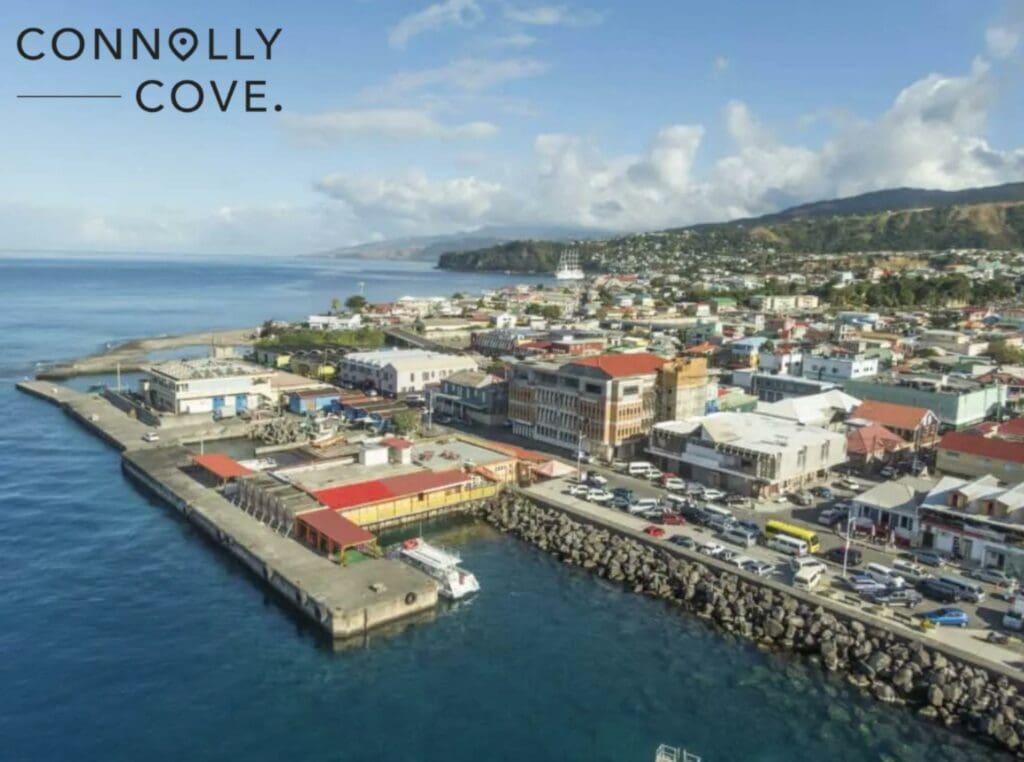
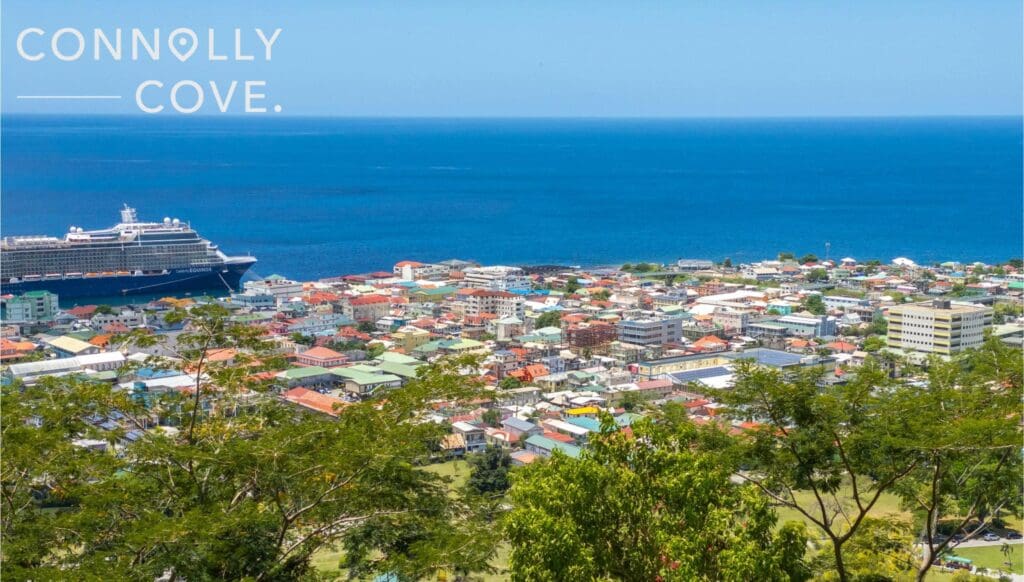
Roseau, the nation’s capital, is one of the most magnificent cities in Dominica, with its many enchanting landscapes and a colourful mixture of western Indian huts, bustling market stalls, and modern buildings. In the city, you can walk along the seacoast; it has a cruise ship dock and an old market filled with fresh tropical fruits.
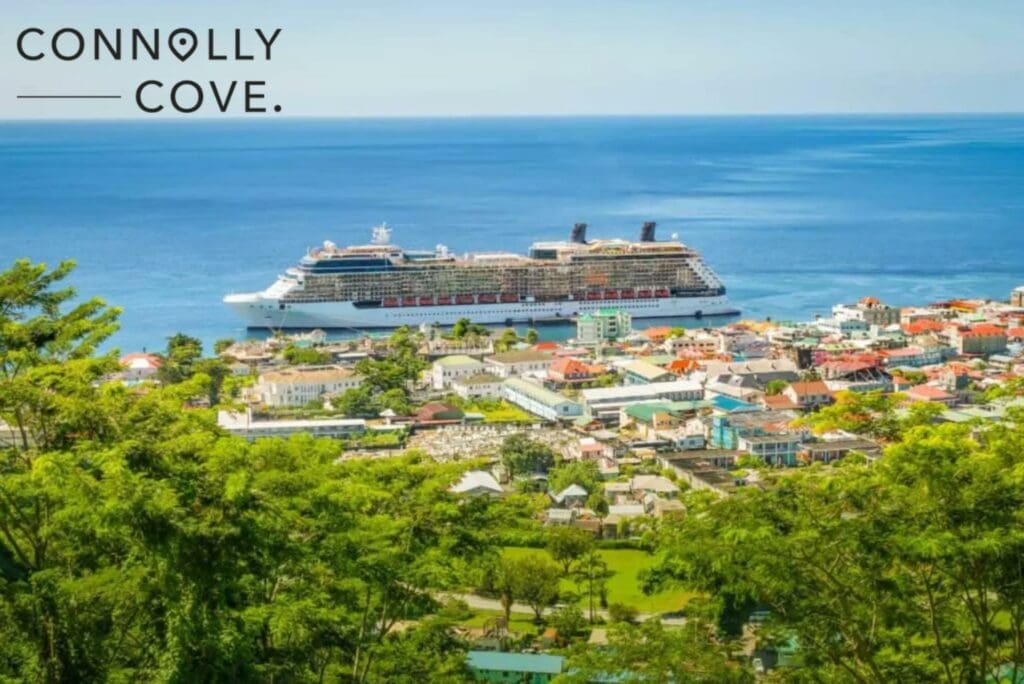
Also, you can visit the Dominica Museum and Dominica Botanical Gardens and explore the stunning architecture of 19th-century St. Patrick’s Catholic Cathedral.
Marigot
Marigot Village is the largest village in Saint Andrew Parish in Northeastern Dominica, and there are many important areas to visit in Marigot Village, including Melville Hall Airport, River Melville Hall, and Wesley on NA Island. Also, Mourne Diabloten National Park is located in the Northern Mountain ranges of Dominica.
Soufriere
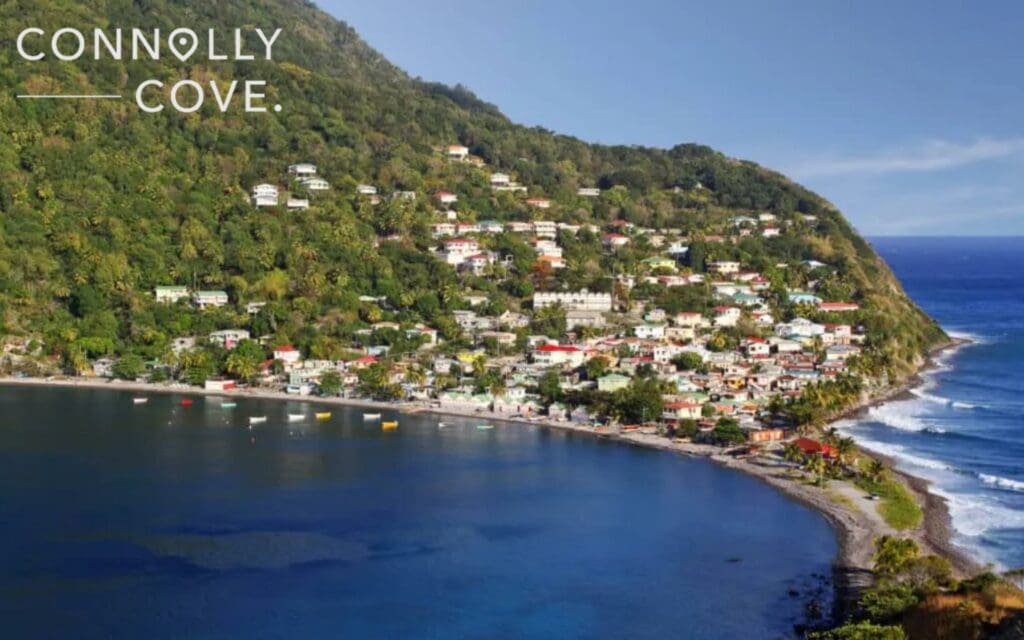
The village of Soufriere is located in a wonderful geographical position in the Soufriere Valley in the southwestern corner of Dominica. Soufriere is a sunny village close to the Dominica Marine Reserves, which makes it ideal for leisurely exploration and picnics.
Portsmouth
Portsmouth’s village is one of Dominica’s most important and beautiful tourist cities. It is located Northwest of Dominica on the Indian coast in Saint John Parish.
The village is very welcoming, and tourists will enjoy many different outdoor experiences here. The most common thing to do is relax on the sandy beaches. The village is also ideal for swimming, fishing, diving, and snorkelling to explore the abundant coral reefs.
La Plaine
The village of La Plaine is located in the Saint Patrick area. Here, tourists can enjoy exploring wildlife, visiting impressive monuments, watching volcanoes, hiking, and checking out historical sites. The village also holds festivals throughout the year, celebrating different events and holidays.
Other fun things to do in La Plaine include visiting cathedrals, swimming, and going to the village’s museums and art galleries. No matter what you choose to do here, La Plaine is a very pleasant area of the island to explore.
Things to do in Dominica
Tourism plays a vital role in the economy of Dominica, where there are many historical and archaeological sites. These tourist attractions, in addition to the many resorts, hotels, gardens, and parks on the island, attract many tourists from all over the world.
Visitors can tour around Dominica, explore its attractions, visit its famous markets, and more. The country has a plethora of cafes and restaurants that serve delicious local cuisines that will delight your tastebuds. Additionally, souvenir shops are abundant, allowing you to take home a piece of Dominica from your holiday.
Cabrits National Park
Cabrits National Park is located on the Northwest side of Dominica, specifically outside Portsmouth. It maintains lush rainforest, swampland, black-sand beaches, and thriving coral reefs that offer mind-blowing snorkelling and diving opportunities.
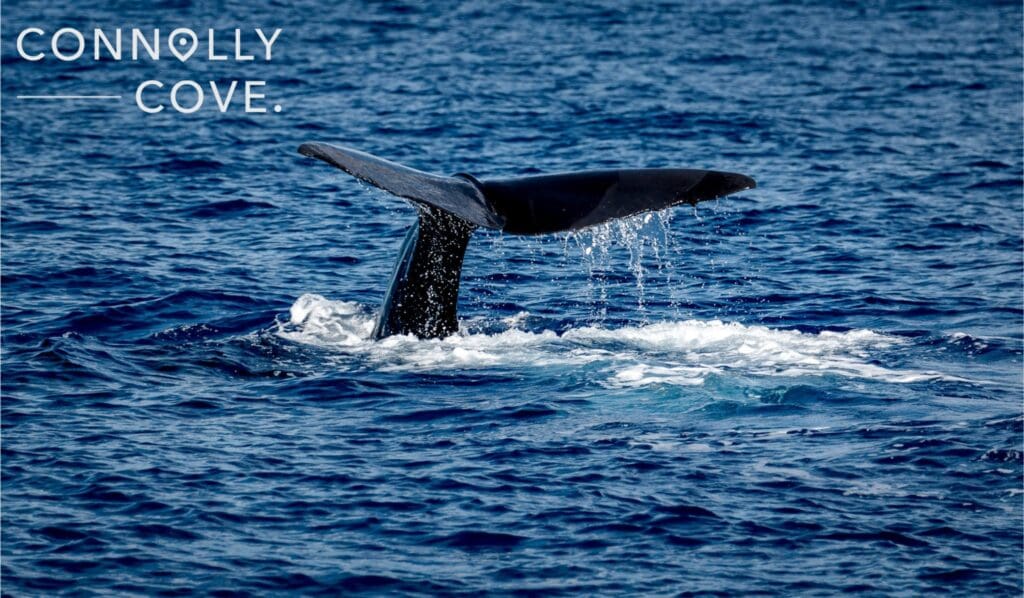
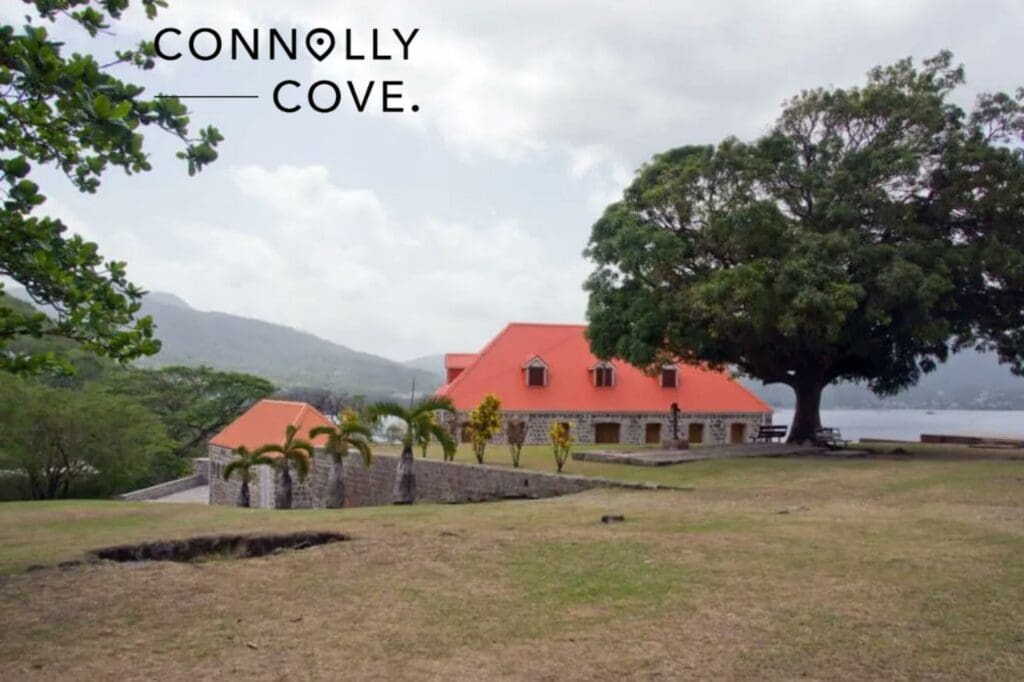
When you visit the park, you will find a lovely historical site of Fort Shirley. The fort is an 18th-century British plastron that gives you a magnificent view of Prince Rupert Bay. If you want to know more about the history of Dominica, pay a visit to the museum located there.
Cabrits National Park is also famous for being home to stunning natural areas, including gardens of tropical forests and stretches of wetlands. The park offers its visitors many hiking trails and excursions to explore and become surrounded by nature.
Mourne Trois Pitons National Park
Mourne Trois Pitons National Park is well-known as a UNESCO World Heritage Site on 17000 acres and is famous for its stunning natural beauty and amazing biodiversity. The park is home to mountainous areas and waterfalls such as Victoria Waterfall, Trafalgar Falls, Emerald Pool, and Middleham Falls.
In addition to the falls, the park also features hot springs, freshwater lakes, and dense forests. Among the most popular natural features in the park is the famous Mourne Trois Pitons volcanic mountain, which exceeds 1,300 metres in height. It is the highest and most famous mountain in the park.
Another unmissable attraction in Mourne Trois Pitons Nation Park is Titou Gorge, where you can swim in a green pool through the narrow canyon to a beautiful waterfall. Fun Fact – this location was used during filming for the Pirates of the Caribbean!
Boiling Lake
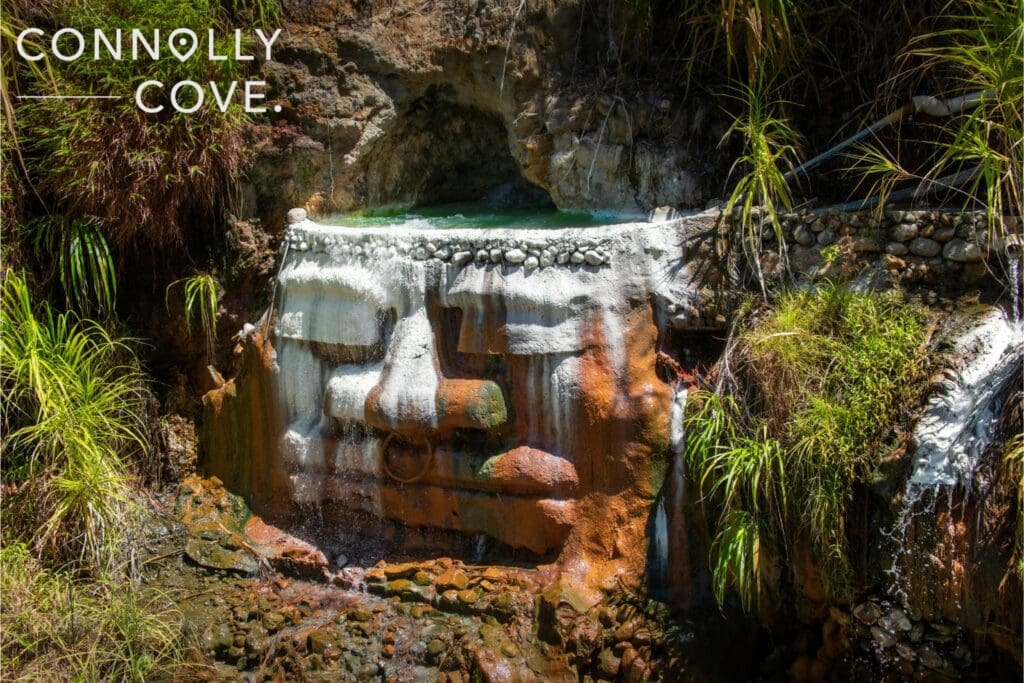
The Boiling Lake is considered one of the most famous lakes in Mourne Trois Pitons National Park. The Boiling Lake is a bubbling pool filled with grey-green water. The pool is located on the world’s second-largest earth crack, allowing hot gases to vent from the molten lava located below. These gases heat the water temperature to between 82 and 92 degrees.
It only makes sense that such an amazing natural wonder would be hidden from sight deep within the trees. In order to reach the lake, park visitors must set out on a 3-hour hike through the forest. We promise it’s worth it!
Emerald Pool
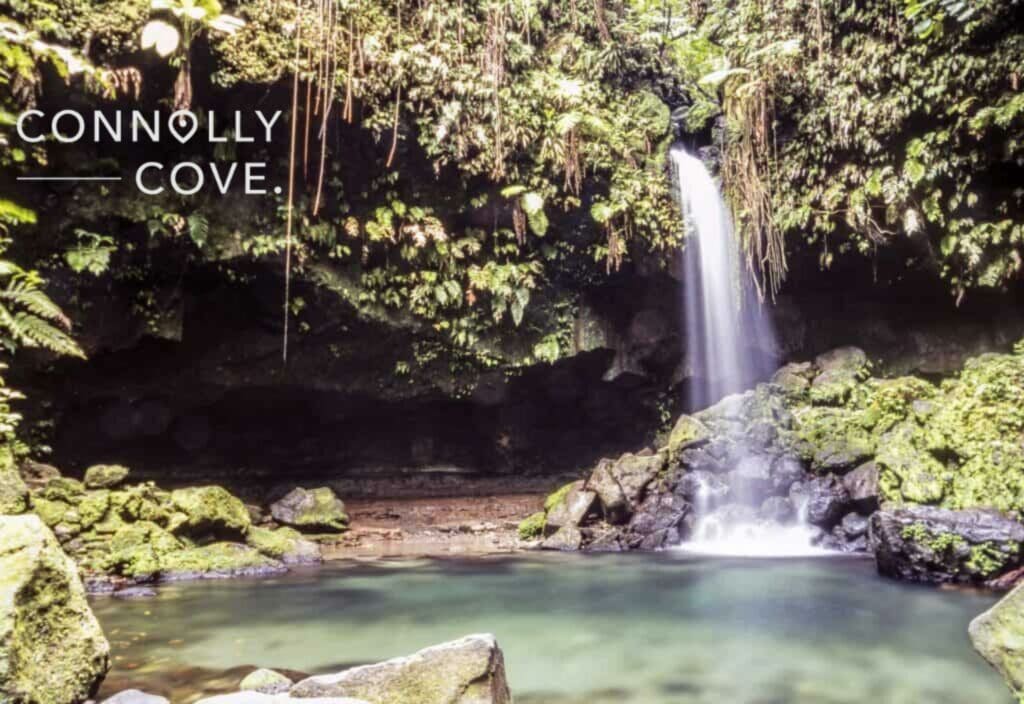
The Emerald Pool is located inside the Mourne Trois Piton National Park. In order to reach the pool, visitors must hike for 30 minutes through the park’s rainforest. On your way to the vista, you can find the waterfall grotto along the road to Castle Bruce.
When you reach the pool, you will find that the bottom is very rocky and strewn with boulders. Because of this, it is recommended that anyone swimming in the pool wear water shoes. Near the pool, there is a cave and walkway that leads behind the waterfall. It is a beautiful area to explore.
Freshwater Lake
The journey to Freshwater Lake starts at the village of Laudat. From there, visitors must head into Mourne Trois Pitons National Park. To get there, you can take a car or taxi; if you are adventurous, you can take a 12-hour hike.
A great trail surrounds the lake. Anyone who visits this beautiful area will love walking on the trail and admiring the variety of tropical flora, including heliconias, orchids, bromeliads, and much more. While at the lake, you can rent a kayak and explore the waters.
Trafalgar Falls
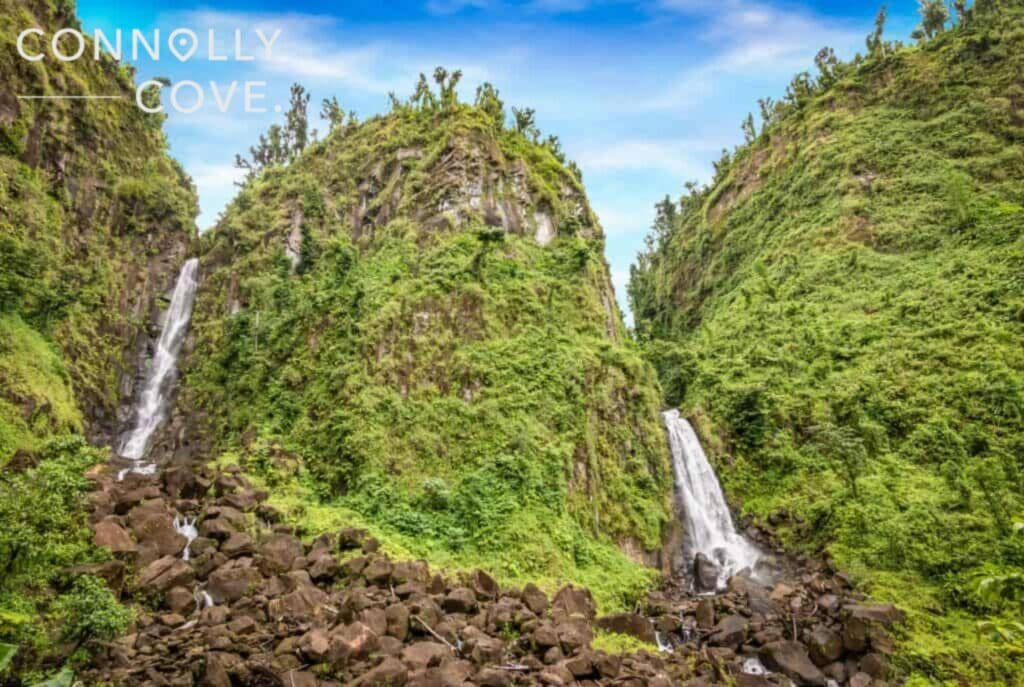
Trafalgar Falls is located 20 minutes outside Roseau. The falls are actually twin falls, with two separate waterfalls adjacent to each other. Father Fall, at 85 metres, is on the left, and Mother Fall, at 40 metres, is on the right.
While you visit the falls, you will find a visitor centre featuring local flora and birds. The visitor centre has many amenities, including bathrooms, changing rooms, souvenirs, and a snack bar. There is also a platform where you can take beautiful pictures of Mother Fall.
The Dominica Museum
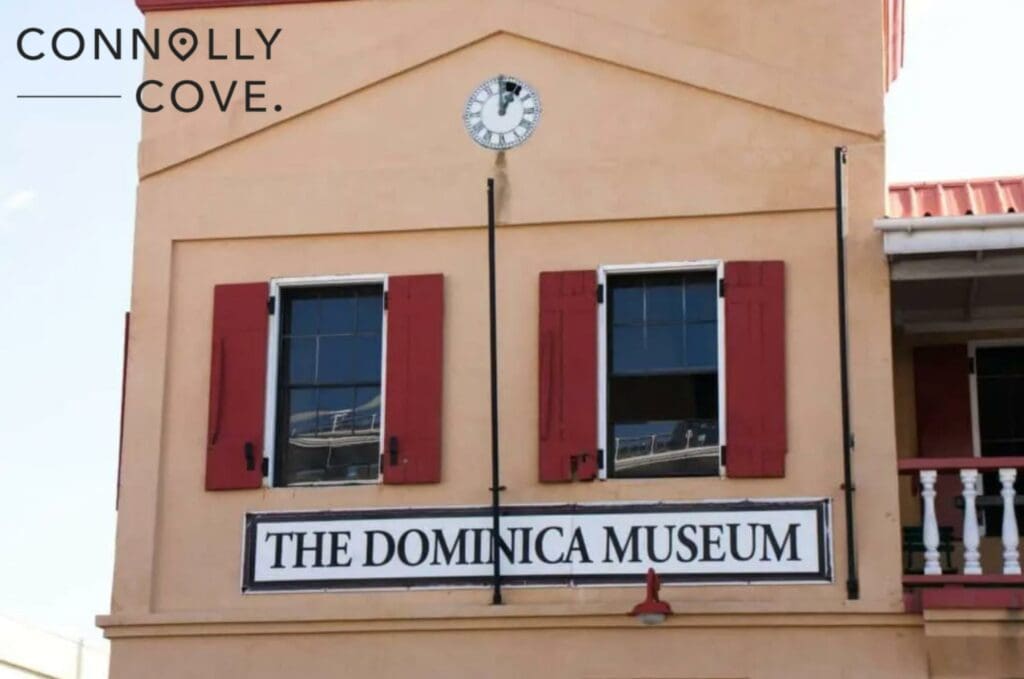
The Dominica Museum is located in the old part of the capital city, Roseau. It is considered the national museum of Dominica and consists of two storeys. When you visit the museum, you will find photos, portraits, furniture, bird and fish specimens, and indigenous artefacts.
Additionally, visitors can admire the old musical instruments and other displayed items that are related to the island’s culture, history, geology, and much more. The museum is the perfect place to visit to learn more about the island’s history.
Dominica Botanical Gardens
The Dominica Botanical Gardens are considered the most significant green space in Roseau. The gardens are located on 40 acres and are home to 50 different species of plants and trees. Additionally, the island’s national birds call these gardens home.
This green paradise is a perfect place for local celebrations and parades. Check to see if there are any events on during your visit! The botanical gardens also offer recreational opportunities for both locals and tourists. Check the weather before you visit, though, because tropical storms often drench the gardens.
Champagne Reef
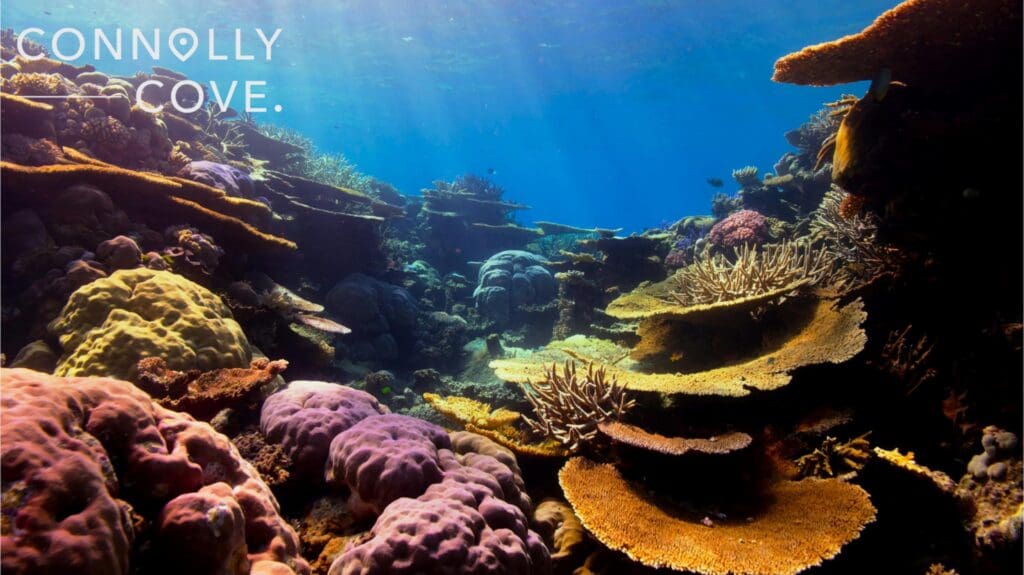
Champagne Reef is considered the number one diving and snorkelling site in Dominica. Snorkelers will love seeing thousands of warm bubbles emitted from geothermal springs that vent gases through the water.
While snorkelling in the reef, it is common to see hawksbill turtles, lobsters, sponges, parrot fish, and more. It is mesmerising to watch the sea life in their natural habitat! Diving responsibly and protecting the marine environment are top priorities at Champagne Reef, so make sure to follow your guides’ instructions.
Mourne Watt
Climbing to the top of Mourne Watt is an adventure you won’t want to miss when visiting Dominica. To start this journey, you will go to the village of Wotton Waven, where a skilled and knowledgeable guide should accompany you as you hike.
The tour to the summit can take about 3 to 4 hours to complete. On your way, you will find a Creole restaurant, Café Mon Plezi, and a French restaurant, La Petite Paradise. Both of these restaurants will offer you a delicious meal after a long hike.
Waitukubuli National Trail
Waitukubuli National Trail is located at the end of the first long-distance trail in the Caribbean. Here, visitors will be able to experience Dominica’s heritage and culture and the island’s rugged interior. The trail is so lengthy that it has been divided into 14 sections.
There is a lot to visit along the trail. Some of the most popular attractions include organic farms, sulfur spas, waterfalls, homestays, and many exhibits of Kalinago’s indigenous culture. Additionally, the trail passes by spots for kayaking and diving, making it great for fans of aquatic sports.
Soufriere Sulphur Springs
The Soufriere Sulphur Springs is considered a geologic wonder. The springs are located east of Soufriere Village. The Sulphur Springs was known to be the meeting place for the Kalinagos people from the Caribbean islands.
This area is one of the most amazing places in Dominica, where you can relax and rejuvenate in naturally heated mineral pools. The Glo Gayak stream is considered healing water, and residents often drink small amounts of it as a cleansing method. The Glo Cho are diverted into four artificial pools, and their temperatures are higher in the rainy season and lower in the dry season.
Bois Cotlette Estate
Bois Cotlette Estate is known as Dominica’s oldest estate. It is a French colonial Maison and organic farming estate that offers amazing Heritage and Chocolate tours for tourists. The volcanic soil at the estate produces cocoa, coffee, and sugar cane.
The estate is located on 53 acres, where food, water, and power are produced and completely restored. The tour also includes visiting Dominica’s only windmill and an herb garden where medicinal and cooking herbs are planted.
Kalinago Territory
The Kalinago Territory includes eight villages spread across 3700 acres. It is located from the Northern village of Bataca to its Southern counterpart of Sineku. Across the territory, there are several small villages, such as Salybia and Concord.
While visiting the territory, you will find several roadside shops selling handcrafted gifts, including traditional aroma basket products. It is also common to see traditional cultural singing and dance performances throughout the area. Additionally, traditional boatbuilding is on display in Salybia with the master boatbuilder, Emmanuel Napoleon Sanford.
The Old Mill Cultural Centre
The Old Mill Cultural Centre was founded in 1985 as a centre for art lessons. It was intended to be a place where people can learn more about Dominica’s cultural, architectural, and environmental heritage.
At the centre, there is a gallery that displays the artistic works of local artists, posters of sugar cane and coffee processing, artefacts, and information about Dominica’s Kalinago people. Also, it offers a space for performance artists and community gatherings celebrating Dominica’s cultural heritage.
Beautiful Beaches
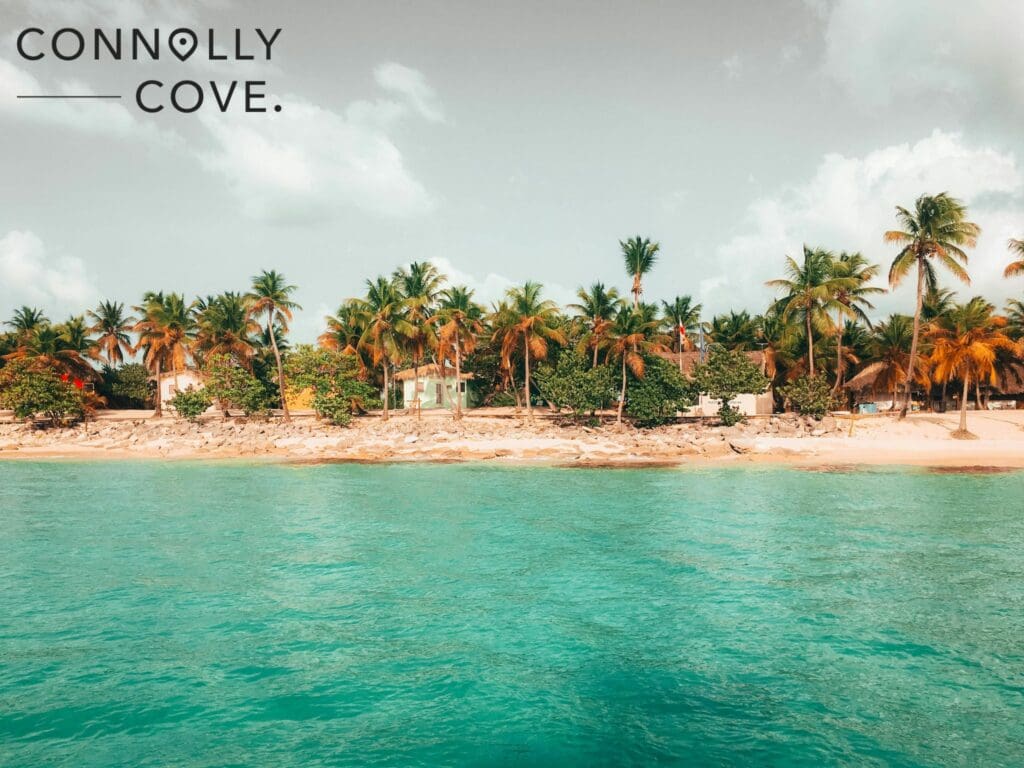
Dominica is full of many magnificent beaches that tourists come from all over the world just to enjoy. The beautiful water and sand are ideal for relaxing and having a great time with friends or family. Here are some of the beaches located there:
- Champagne Beach: One of the most famous beaches in the country that provides access to Champagne Reef, a popular tourist attraction.
- Mero Beach: Just a 25-minute drive from the capital, Roseau, this beach is a place where you will find many cruise ships. There are bamboo cottages along the shoreline where you can rent umbrellas and sun loungers and purchase drinks and snacks.
- Batibou Beach: located on the north coast of Dominica, visitors will find thick coconut palm forests fringe the sand here. There is a 5-dollar fee to access this beach.
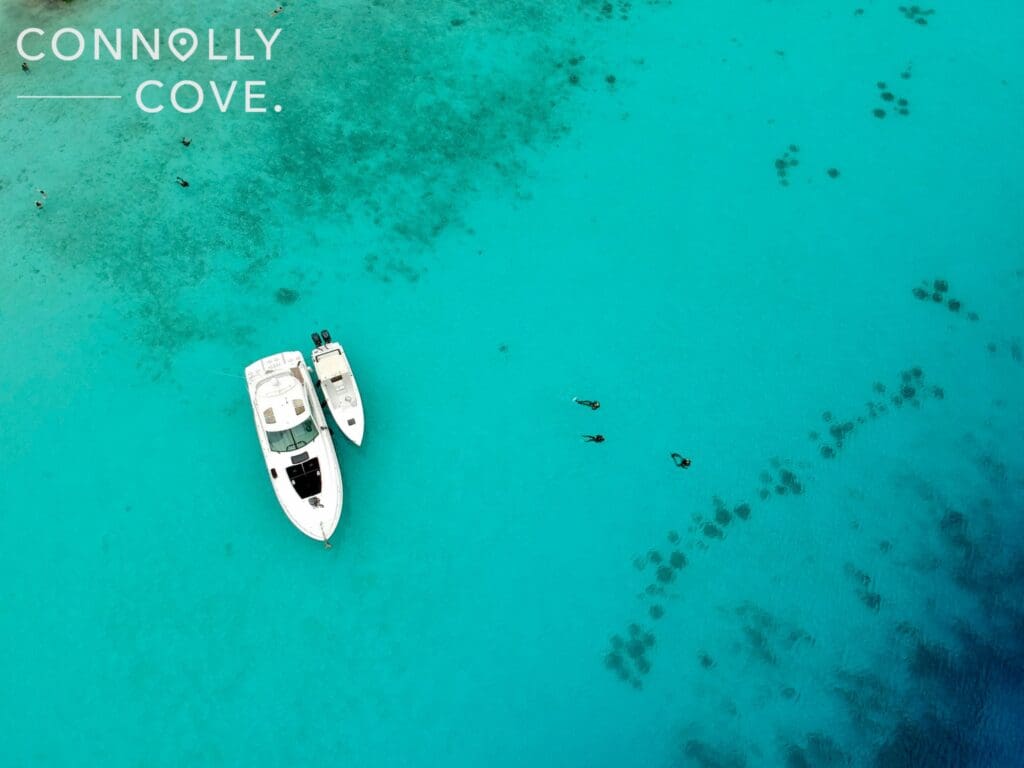
Dominica is an Excellent Destination to Explore
Dominica is a truly enchanting destination for tourists seeking a unique and authentic Caribbean experience. From its pristine rainforests, majestic waterfalls, and inviting hot springs to its vibrant cultural festivals and welcoming local communities, Dominica captivates the hearts of visitors with its natural beauty and warm hospitality.
The lush landscapes, biodiversity, and rich cultural heritage make Dominica an exceptional choice for nature enthusiasts, adventure seekers, and anyone looking to escape the hustle and bustle of everyday life. Whether it’s exploring the underwater world, hiking through dense forests, or enjoying the local culture, Dominica promises an unforgettable experience.
If you enjoyed this article, why not read some of our other blogs on Caribbean destinations?
Top Things to do in the Caribbean | Unravel the Caribbean’s 50 Shades of Pink! | Roatan Island: The Astonishing Star of the Caribbean | The Caribbean: Your Next 12 Perfect Destinations For A Breezy Summer Vacation | 14 Things to do in Honduras a Heaven in the Caribbean | Barbados: 25 Exciting Spots to Live the Authentic Caribbean Life | Aruba’s Hidden Gems: Best Things to Do in Aruba
An Ultimate Guide to 6 of the Finest Castle Tours in England
England
26/04/2024
Unveiling the Most Terrifying Haunted Tours in Scotland
Scotland
25/04/2024

7 Top Amusement Parks in England for an Unforgettable Adventure
England
25/04/2024
Miami Tourism Statistics: A Comprehensive Overview of Visitor Numbers and Revenue
Travel Statistics
25/04/2024

The Enchanting Charm of Scotland Wedding Castles!
Scotland
25/04/2024