


From Bean to Bliss: A Guide to the Finest British Chocolates
Updated On: January 23, 2024 by  Noha Basiouny
Aside from the famous afternoon tea and crumpets, chocolate is another national treasure vying for the top spot in British hearts (and stomachs). Yet, it is not just any chocolate, mind you. We are talking cocoa symphonies woven by artisan hands, where each bite is a passport to pure bliss. These symphonies are even so diverse that navigating their realm can feel like conquering a maze blindfolded.
Yet, fear not, chocoholics! We have got you covered with this comprehensive guide to the crème de la crème of British chocolatiers, where quality reigns supreme and where the only bitterness you will encounter is the bittersweet pang that every delectable indulgence is yet finite.
So, ditch the biscuits for now, put down that Earl Grey, and prepare to have your preconceived chocolate notions utterly obliterated. Welcome to the realm of the truly, madly, utterly divine. Welcome to the world of the finest UK chocolates.
The Best UK Chocolates
The UK has a rich history of chocolate consumption dating back to the 17th century when cocoa first arrived on its shores. Over the centuries, a deep-rooted appreciation for chocolate has become ingrained in British culture, which has ultimately given rise to a strong tradition of chocolate making, with many iconic brands tracing their roots back generations.
This British excellence in chocolate making is primarily attributed to the UK chocolatiers’ commitment to innovation and artisanship. Whether it is experimenting with unique flavour combinations, incorporating local ingredients, or pushing the boundaries of chocolate design, their dedication to creativity and quality has elevated the country’s reputation in the global chocolate scene.
Chocolatiers in the UK often source high-quality cocoa beans from different regions globally known for their unique flavour profiles. This is to meet the increased demand for a wide variety of chocolate products and satisfy the country’s diverse and cosmopolitan population. Such premium ingredients have contributed to the exceptional taste, quality, richness and complexity of British chocolate.
Another point that enhances the appeal of UK chocolates both domestically and internationally is related to sustainability. Many UK chocolate makers are promoting ethical and sustainable practices in the industry. From fair trade initiatives to environmentally conscious sourcing, there is a growing awareness among producers and consumers alike about the importance of responsible chocolate production.
This harmonious blend of historical appreciation, innovative spirit, ethical considerations, and commitment to crafting exceptional chocolate experiences has fostered generations of skilled chocolatiers and established iconic brands that continuously refine their craft and innovate, maintaining a high standard for British chocolate.
Let’s now explore some of the top brands making the best of the best UK chocolates.
1. Cadbury
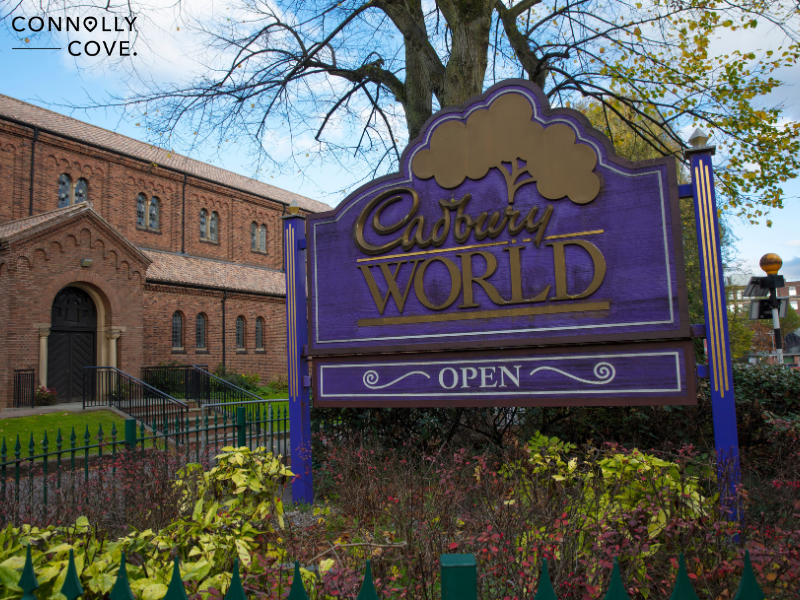
Cadbury is a big deal in the UK and one of the world’s most iconic chocolate brands. It was founded by John Cadbury in 1824 in Birmingham, England, with an initial focus on selling tea, coffee, and drinking chocolate, which was introduced as a healthy alternative to alcohol. Years later, Cadbury introduced its first chocolate bar, laying the foundation for the brand’s prominence in the confectionery industry.
This also marked the beginning of Cadbury’s journey into the world of solid chocolate.
Cadbury Dairy Milk, arguably its most famous product, made its debut in 1905 and immediately won the hearts of the crowds and revolutionised the chocolate market with its smooth, creamy texture.
Throughout the 20th century, Cadbury continued introducing new solid chocolate products, including Milky Tray in 1915, Cadbury Flake in 1920, Cadbury Creme Egg in 1971, and Wispa in 1983, among many others. The chocolate’s recognisable purple packaging was first introduced in 1914, making it one of the longest-standing brand colour associations in history.
Cadbury’s global presence expanded significantly over the years, and it became a multinational confectionery giant known and enjoyed in various countries, with a strong presence in markets like the UK, India, and Australia. In 2010, Cadbury faced a high-profile takeover bid by Kraft Foods. Despite initial resistance, Cadbury shareholders eventually accepted the offer, and the company became a part of the Kraft Foods Group, now Mondelez International.
As it is celebrating its 200th anniversary this year, Cadbury is reintroducing some of the classic Cadbury Dairy Milk packs that first came out in 1905. This nostalgic delight is available at stores throughout the UK but for a limited time only. The company has also initiated a competition encouraging Cadbury lovers to find an old family picture with any of their products to win £1000 and get featured in their advertising campaign.
It does not stop here. Cadbury is also giving away hundreds of limited-edition vintage-style chunk mugs as well as £2000.
2. Hotel Chocolat
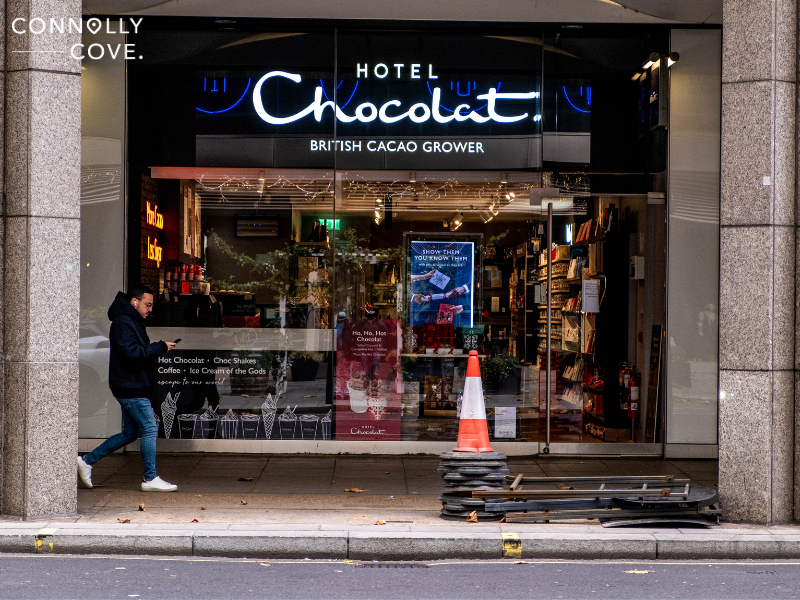
Hotel Chocolat is a British chocolatier and cocoa grower with a unique blend of luxury chocolate-making and ethical sourcing. It was founded in 1993 by Angus Thirlwell and Peter Harris, who have their very own cocoa plantation, called Rabot Estate, in Saint Lucia in the Caribbean, which supplies cocoa beans for their chocolate production.
What makes Hotel Chocolat different from other chocolate companies is their bean-to-bar approach. They have complete control of the entire chocolate-making process, from growing their cocoa beans to manufacturing the final products. This ensures a high level of quality control and a direct connection to the sourcing of cocoa.
Hotel Chocolat offers a huge range of luxury chocolate types, such as caramel, chilli, cherry, cookie, coffee, milk, fruity, and ginger chocolates and products like chocolate bars, boxes, gift sets, biscuits and flakes in addition to varieties catering to various dietary preferences and price ranges.
The brand has received several awards for its high-quality chocolates. Hotel Chocolat’s products are often recognised for their exceptional taste, innovative flavours, and premium ingredients. The company is also committed to ethical and sustainable sourcing of cocoa and is actively involved in initiatives to promote fair trade, support local communities, and ensure environmentally responsible practices in cocoa production.
One interesting point about this chocolate brand is that it has extended itself beyond chocolates with the introduction of Cocoa Juvenate, a line of skincare products infused with cocoa and including body lotions, scrubs, and other beauty products.
In addition to selling chocolates online and through various retailers, Hotel Chocolat operates its own boutiques and cafés. These locations offer customers the chance to experience the brand in a more immersive way and sometimes offer chocolate-tasting experiences in some of its locations.
3. Thorntons
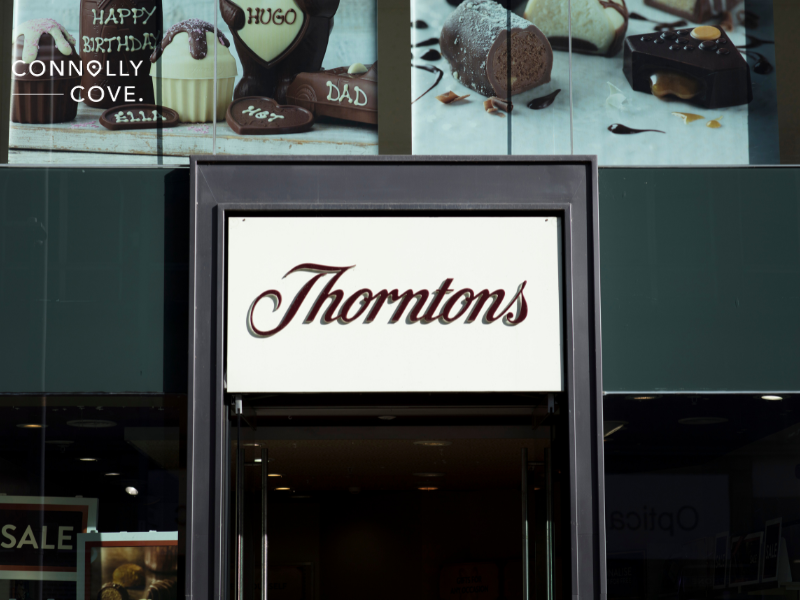
Thorntons is another well-known British chocolate company with a long history in the confectionery industry. Founded by Joseph William Thornton in Sheffield, England, in 1911, the company started as a small shop that sold high-quality chocolates. Though it remained a family-owned business for many years, Thorntons has always focused on creating high-quality, handcrafted chocolates and gradually established a reputation for excellence.
One of Thorntons’ notable product lines is “Thorntons Continental,” which was introduced in the 1950s. This range features a selection of European-inspired chocolates and pralines. However, it is particularly known for its Easter eggs, often featuring a wide range of sizes, flavours, and decorative designs.
Thorntons Toffee, a caramel confection, is another of the brand’s signature products that has gained a dedicated fan base for its rich and buttery flavour.
Over the years, Thorntons expanded its presence on the high street and became a well-known name in the British confectionery market. The company operated a chain of chocolate shops across the United Kingdom. In 2015, Ferrero, the Italian chocolate and confectionery giant, acquired Thorntons, marking a significant development in the history of the latter by transitioning it from a publicly traded company to becoming part of the Ferrero Group.
Following the acquisition, Ferrero made the decision to close many of Thornton’s retail stores in the UK. The move was part of a broader strategy to focus on other distribution channels, including online sales and partnerships with other retailers.
4. Artisan du Chocolat
Artisan du Chocolat is a British luxury chocolate brand yet quite unlike the giants we discussed so far.
Renowned for its handcrafted creations, innovative spirit, and dedication to leveraging the finest ingredients and creating unique flavour combinations, Artisan du Chocolat was founded in 1999 in London by Gerard Coleman, an English chef, and Anne Weyns, a chocolate-passionate management consultant, with a focus on creating high-quality handmade chocolates.
True to its name, Artisan du Chocolat is known for its meticulous attention to detail and dedication to traditional chocolate-making techniques. They source their cocoa beans directly from sustainable plantations around the world, ensuring the highest quality and ethical sourcing. Then, their skilled chocolatiers carefully roast, refine, conch, and temper the beans to create unique flavour profiles.
They experiment with a variety of ingredients, including spices, herbs, and exotic fruits, to offer a diverse range of flavours, from classic dark chocolate to adventurous options like Earl Grey tea with lavender, smoked paprika with caramel, and even wasabi with lime.
One of the standout creations from Artisan du Chocolat is its sea-salted caramels. The combination of smooth caramel, rich chocolate, and a touch of sea salt has become a signature offering for the brand. They also offer various chocolate collections, including seasonal releases, limited editions, and curated assortments with a diverse range of flavours and textures.
Beyond traditional chocolates, Artisan du Chocolat has introduced innovative products such as liquid chocolate pearls, chocolate-covered fruits, and unique confectionery creations. They place importance on the presentation of their chocolates, so their packaging is often luxurious and stylish, reflecting the premium nature of the products.
Artisan du Chocolat has boutique stores in London and other locations where customers can explore and purchase a variety of handcrafted chocolates. The boutiques often feature a stylish and welcoming atmosphere.
5. Montezuma’s
The fifth British chocolate company we have on the list is Montezuma’s, a brand known for its commitment to producing high-quality, ethically sourced chocolates with unique flavour combinations. It was founded in 2000 by Helen and Simon Pattinson, a husband-and-wife team and takes its name from the Aztec emperor Montezuma II.
The brand is known for its creative and adventurous flavours. Like Artisan du Chocolat, Montezuma’s chocolates often feature unconventional ingredients such as chilli, lime, sea salt, and various spices, providing a distinctive taste experience. They offer a range of products, including chocolate buttons, bars and truffles. Their Mixed Bar Library is a collection of diverse chocolate bars with distinct flavour profiles, allowing customers to explore and enjoy different combinations.
Montezuma’s places a strong emphasis on sustainability. The company is constantly working to minimise its environmental impact, and it uses recyclable and compostable packaging for its products.
Montezuma’s is also known for its festive offerings, including chocolate advent calendars with a selection of treats for the holiday season. They continually introduce innovative chocolate products, including seasonal releases, limited editions, and even collaborations with other brands.
6. House of Dorchester
The sixth British chocolate brand we have today is House of Dorchester. It has a rich heritage, with a history dating back to 1963, and since then, it has established itself as a reputable brand in the world of chocolate.
The company is known for its handmade chocolates, often crafted using traditional techniques. They adopt an artisanal approach to chocolate making, focusing on quality ingredients and meticulous attention to detail in the manufacturing process. This emphasis on craftsmanship contributes to the premium quality of their products.
The attention to detail is not only limited to the chocolates themselves but extends to the company’s overall presentation as well for their packaging is typically elegant and luxurious. Chocolates are often featured in gift collections, making them a popular choice for special occasions and gifts. Some types, however, may be released as limited editions or seasonal offerings, adding an element of exclusivity to certain products.
House of Dorchester products may be available in select retail outlets, high-end department stores, or speciality shops, both in the UK and potentially in other international markets.
7. M&S
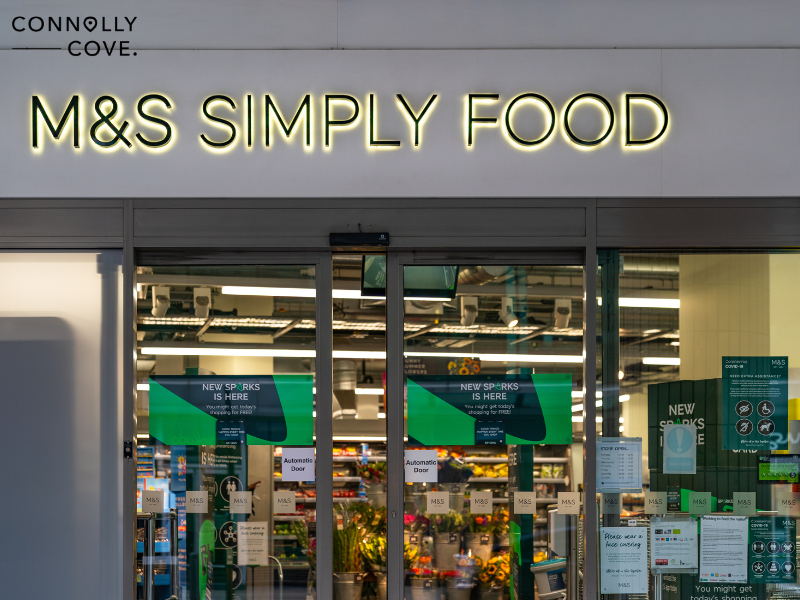
Marks & Spencer (M&S) is a British multinational retailer founded in 1884 and known for offering a wide range of products, including their very own brand of chocolate. These chocolates are explicitly sourced and produced for M&S, and the company sometimes collaborates with various suppliers to create a diverse range of chocolate products.
M&S typically provides a variety of chocolate products, ranging from classic milk and dark chocolates to more exotic and innovative flavours. Their selection may include chocolate bars, truffles, pralines, and seasonal offerings. They also have exclusive lines with other chocolatiers, introducing unique and premium chocolate products that are distinct to the brand.
With the aim of catering to changing consumer tastes and preferences, Marks & Spencer may introduce innovative chocolate flavours and combinations. This could include incorporating trendy ingredients or experimenting with unique taste profiles, and like many retailers, they often introduce seasonal chocolate products to coincide with holidays or special occasions.
Quality also extends to presentation. M&S often presents its chocolates in aesthetically pleasing packaging, making them suitable for gifts and special occasions.
8. Charbonnel & Walker
Charbonnel & Walker, originally Charbonnel et Walker—yes, French—is another renowned British chocolate company established in 1875 and is one of Britain’s first luxury and finest chocolatiers. It has a rich history and is known for its traditional approach to chocolate-making.
Charbonnel & Walker was the brainchild of a serendipitous meeting. As the story goes, Madame Charbonnel, a Parisian chocolate master from Maison Boissier, was introduced to Mrs Walker, a Londoner renowned for crafting jewellery boxes, by none other than Edward VII, then Prince of Wales. Their collaboration birthed this legendary brand and their first shop opened at 173 New Bond Street, Mayfair. It remains on Bond Street to this day.
The brand holds a prestigious Royal Warrant as chocolate manufacturers to Her Majesty The Queen—that was Queen Victoria. Such a coveted honour recognises Charbonnel & Walker’s exceptional quality and standards.
The company is particularly famous for its handmade truffles, which come in a variety of flavours and are often presented in distinctive packaging. Other products may also include pralines, creams, and assorted chocolate boxes, most of which are available internationally, often in upscale department stores and luxury retailers.
Like many premium chocolate brands, Charbonnel & Walker releases seasonal collections and limited-edition offerings featuring unique flavours or packaging to coincide with holidays.
9. Willie’s Cacao
Willie’s Cacao, not Willy Wonka, is a famous British chocolate brand, the only small-batch producer of bean-to-bar chocolate in the UK. Willie Harcourt-Cooze, the company’s founder, a chocolate enthusiast, and adventurer, personally sources the finest single-estate cacao beans, handcrafts each batch, and operates all the machinery himself.
Since 1996, Willie Harcourt-Cooze has been cultivating cocoa at Hacienda El Tesoro, a cocoa farm situated in Henri Pittier National Park in Venezuela. Primarily identified as a cocoa farmer before being an artisan chocolate maker, Willie’s unique position allows for the hands-on creation of chocolate from bean to bar. He possesses the knowledge to discern the specific type of beans he desires and procure it directly from the farmers.
Willie’s Cacao offers a variety of chocolate products, including chocolate bars, cooking chocolate, chocolate hampers, gift collections, letterboxes, and Willie’s Signature Truffles. Speaking of the type of chocolate, the company produces dark, milk, white, nut, fruit, salted caramel, and vegan chocolates, as well as 100% cacao chocolates with no added sugar.
From the traditional giants like Cadbury and Marks & Spencer to the innovative bean-to-bar artisans like Montezuma’s and Willie’s Cacao, the UK chocolate landscape is a vibrant tapestry of flavours and experiences. Each company on this list brings something unique, whether it is generations of tradition, ethical sourcing, a dedication to handcrafted artistry, or unexpected flavour combinations to satisfy every sweet tooth.
This journey through the UK’s finest chocolatiers has been a celebration of diversity, craftsmanship, and the pure joy of discovering a new favourite. Yet, remember that the best chocolate is ultimately a matter of personal taste. So, grab a square, savour the experience, and let your taste buds be your guide.

Unveiling the Enigma of Cronk Sumark: A Mesmerising Ancient Celtic Hill Fort with Stunning Views!
Culture Exploration
03/05/2024

Dylan Thomas: Exploring The Life of Wales’ Creative Wordsmith!
Language and Literature
03/05/2024

The Mythical Power of Viking Ravens: Huginn and Muninn!
Mythology and Folklore
03/05/2024

Exploring the Remote Beauty of the magnificent Shetland Island!
Scotland
03/05/2024

Understanding the Meaning and Symbolism of Heraldry Symbols!
History and Heritage
03/05/2024