


California Automobile Museum: The USA’s Rich History of Cars

Updated On: April 29, 2024 by  Courtney Augello
The California Automobile Museum is a hidden gem that draws in automotive enthusiasts from around the world. The museum is a sanctuary of automotive history and innovation that offers a captivating journey through time, American culture, and society.

The museum showcases Americans ‘ fascination with the open road and automobiles with its extensive collection of classic cars, captivating exhibits, and commitment to education and preservation.
To fully explore the California Automobile Museum, we’re delving into its rich history, diverse collections, and engaging exhibits that make it a must-visit institution in the capital city of Sacramento, California.
Table of Contents

Where is the California Automobile Museum?
The California Automobile Museum is located in the heart of Sacramento, California, making it easily accessible to both local residents and tourists. The museum is situated at 2200 Front Street and has a prime spot along the scenic Sacramento River.
This central location is close to many of Sacramento’s other attractions and historical sites, making it a convenient stop for those exploring the city’s rich cultural heritage. The museum’s address is easy to locate, contributing to its status as a key destination for automotive enthusiasts.
Accessibility and Transportation
The California Automobile Museum is very accessible, thanks to Sacramento’s well-developed transportation infrastructure. Visitors travelling by car can take advantage of ample parking facilities provided by the museum.
Additionally, the museum is easy to get to via public transportation, with several bus routes serving the area and the Sacramento Valley Station, a major transit hub, just a short drive away. For those who prefer cycling, the museum is conveniently located along Sacramento’s scenic bike trails.
The closest airport to the California Automobile Museum is the Sacramento International Airport (SMF). Sacramento International Airport is located approximately 12 miles (about 19 kilometres) northwest of the museum, making it the most convenient option for tourists arriving by air.

The short distance between the airport and the museum ensures that visitors can quickly transition from their flights to exploring the automotive history on display at the California Automobile Museum.
Hours and Admission
The California Automobile Museum welcomes visitors throughout the week, with operational hours designed to accommodate various schedules. Typically, the museum is open from Wednesday to Monday, from 10:00 a.m. to 5:00 p.m.
Additionally, the California Automobile Museum offers reasonable pricing to ensure that it remains accessible to a broad audience. General admission rates are $12, and the museum provides discounts for seniors, students, and military personnel.
The museum also offers special rates for groups, making it an attractive destination for field trips and family outings. By providing a variety of pricing options, the California Automobile Museum strives to make the world of automotive history accessible to all.
History of the California Automobile Museum
The history of the California Automobile Museum dates back to the early 1980s. It began when a group of dedicated automotive enthusiasts and preservationists came together with a shared passion for collecting and showcasing vintage automobiles.

In 1982, this group officially established the museum with the vision of creating a space where the rich history of automobiles could be celebrated and shared with the public. The initial location was a modest one, but it provided a foundation upon which the museum’s future would be built.
Over the years, the museum’s founders and supporters worked tirelessly to acquire an impressive collection of automobiles. They created an educational institution that would become a cornerstone of automotive history in California.
Evolution
Since its humble beginnings, the California Automobile Museum has undergone significant growth and development. The museum’s commitment to preserving and showcasing the history of automobiles has led to multiple relocations and expansions.
In 1987, the museum moved to a larger space within the Sacramento area. The space allowed them to display more vehicles and create innovative exhibits. This move was pivotal in the museum’s evolution, as it began to attract a broader audience and solidify its reputation as a premier automotive museum in California.
The museum has continued to evolve over the years, adding new exhibits and collections that span the entire spectrum of automotive history. Whether it’s showcasing classic cars, vintage race cars, or iconic automobiles that shaped American culture, the California Automobile Museum is a dynamic and engaging institution.

Significant Milestones
The California Automobile Museum has achieved several significant milestones that have contributed to its prominence in the world of automotive history and culture. One noteworthy achievement is its dedication to preserving and restoring rare and historically significant vehicles.
The museum’s skilled mechanics and restoration experts have breathed new life into many classic cars, ensuring that they remain in pristine condition for generations to come.
Additionally, the museum has consistently expanded its educational programs and outreach efforts, engaging with schools, colleges, and community organisations to promote an understanding and appreciation of automotive history.
It has also played a crucial role in hosting special events, car shows, and auctions, bringing together automotive enthusiasts from across the country and providing a platform for exchanging knowledge and passion for automobiles.
As the California Automobile Museum continues to write its history, it remains dedicated to its mission of preserving and celebrating the rich heritage of automobiles, making it a vital cultural institution for both residents and visitors of California.
Through its commitment to education, preservation, and community engagement, the museum has firmly established itself as a haven for automotive history enthusiasts and a testament to the enduring legacy of the automobile in American culture.

About the California Automobile Museum’s Collection
The California Automobile Museum boasts an extensive and diverse collection of automobiles, making it a treasure trove for automotive enthusiasts and history buffs. The collection spans over a century of automotive history, encompassing a wide range of makes, models, and styles.
From classic cars of the early 20th century to iconic vehicles of the mid-century, the museum’s collection provides visitors with a comprehensive look at the evolution of the automobile.
Whether you have an appreciation for vintage roadsters, muscle cars, or electric vehicles, the museum’s collection has something to offer for every visitor. The museum provides a vivid timeline of the automobile’s role in shaping American culture.
Rare and Unique Vehicles
Among the numerous vehicles in the museum’s collection, several standout pieces capture the essence of automotive history. These rare and unique vehicles are often the stars of the museum’s exhibits, drawing visitors from far and wide to California.
One gem in the collection is the elegant 1915 Ford Model T, a car that revolutionised personal transportation and became an icon of the early 20th century. Alternatively, the museum’s collection features a vintage 1960s Chevrolet Corvette, a symbol of American muscle and style.

Beyond the classics, the collection also includes innovative electric cars and prototypes that reflect the ever-evolving nature of the automotive industry. These highlights serve as windows into different eras and technologies, allowing visitors to appreciate the evolution of automotive design and engineering.
Preservation and Restoration Efforts
A critical aspect of the California Automobile Museum’s mission is the preservation and restoration of its automotive treasures. The museum’s dedicated team of mechanics and restoration experts works tirelessly to ensure that each vehicle in the collection is meticulously cared for.
Preservation efforts involve protecting the original features and historical integrity of each vehicle, maintaining their authenticity for future generations to enjoy. Simultaneously, the museum takes on restoration projects to breathe new life into deteriorated vehicles, returning them to their former glory.
This commitment to preservation and restoration ensures that the museum’s collection remains in excellent condition and continues to tell the story of automotive history with accuracy and reverence.
Exhibits at the California Automobile Museum
Permanent Exhibits
One of the most captivating aspects of the California Automobile Museum’s permanent exhibits is its comprehensive display of classic cars through the ages. Visitors are treated to a chronological journey that begins with the earliest horseless carriages and spans through decades of automotive design, technology, and cultural impact.
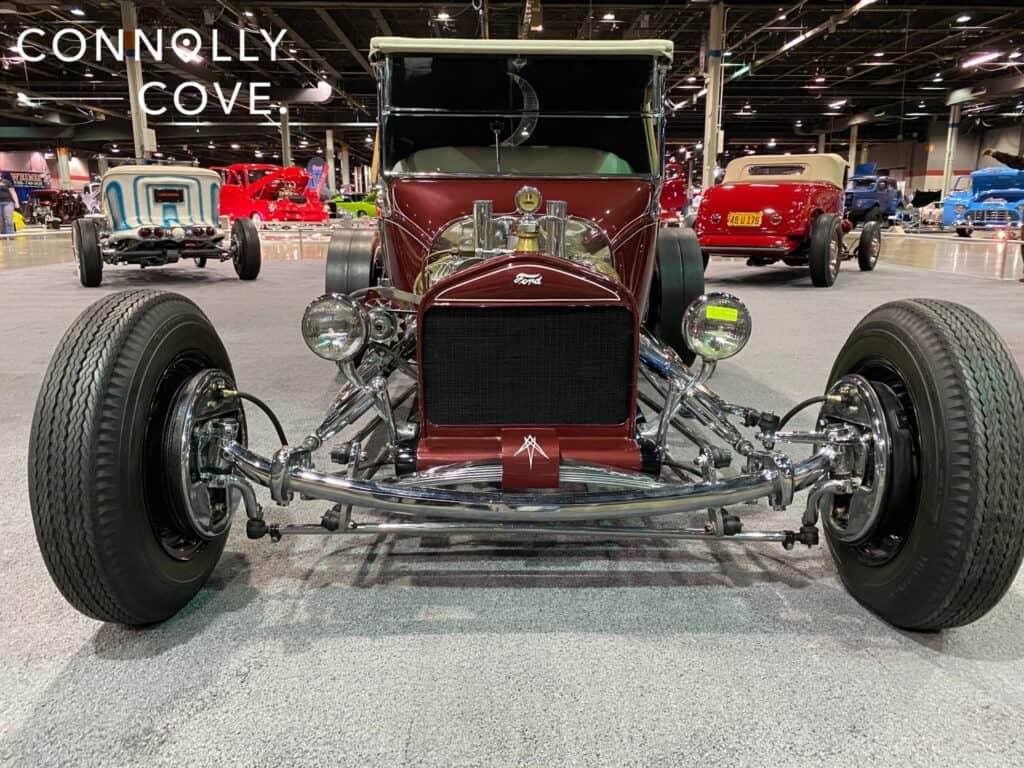
From the iconic Model T Ford that revolutionised personal transportation in the early 1900s to the elegant and extravagant luxury cars of the 1920s and ’30s, each era is beautifully represented.
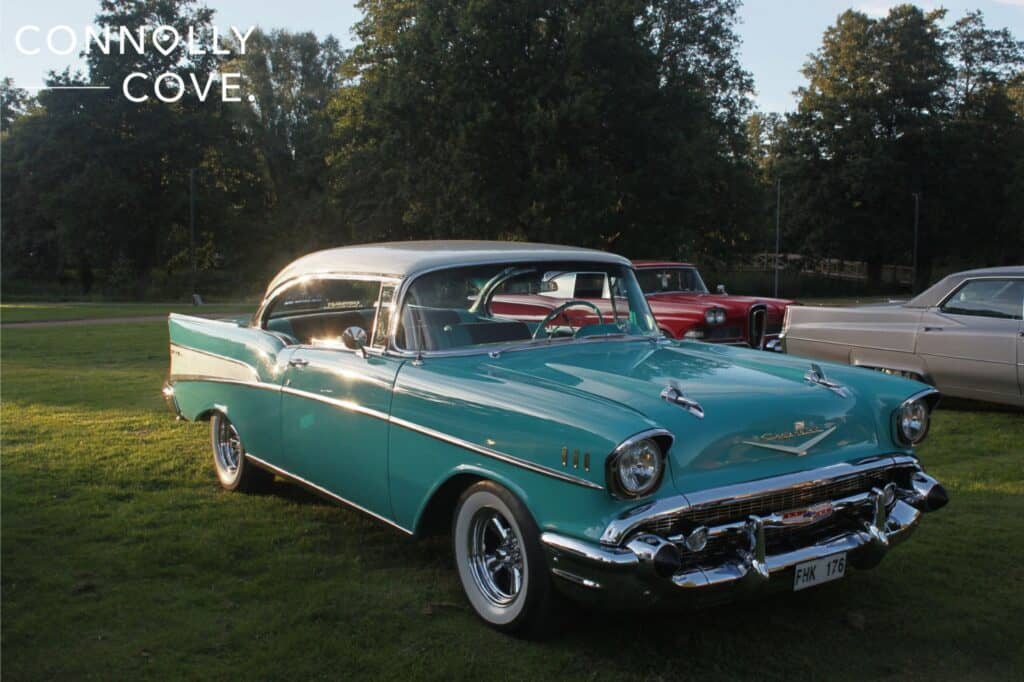
Visitors can marvel at the sleek lines of mid-century classics like the Chevrolet Bel Air and the Ford Mustang, which defined an era of American automotive innovation. The collection also extends to more recent decades, offering a glimpse of the nostalgia-inducing cars that became cultural icons.
These exhibits provide an immersive experience that transports visitors back in time, celebrating the timeless beauty and significance of classic automobiles.
Themed Displays
In addition to the chronological display of classic cars, the California Automobile Museum features captivating themed exhibits that delve into specific aspects of automotive history. One such theme is the exhibition of vintage race cars, which offers a thrilling look into the world of motorsports.
Visitors can get up close to legendary race cars that once sped around iconic tracks, from the days of open-wheel racers to the powerful muscle cars of NASCAR. These themed displays provide insight into the engineering marvels and innovations that made these vehicles competitive and highlight the brave individuals who raced them.

Beyond racing, the museum also features thematic exhibitions on electric cars, showcasing the evolution of green technology and its growing importance in the automotive world. These themed displays offer a deeper understanding of the diverse roles that automobiles have played in society, from thrilling competition to environmental sustainability.
Such themed exhibits enrich the museum’s collection. They ensure that there’s always something new and exciting for visitors to explore and learn from during their visit.
Rotating Exhibits
The California Automobile Museum’s rotating exhibits breathe new life into its galleries, providing a fresh and exciting experience during each visit. These exhibitions showcase a dynamic array of themes and vehicles that span the spectrum of automotive history.
Current rotating exhibitions can range from retrospectives on a particular manufacturer, such as Ford or Chevrolet, to themed displays like “Cars of Hollywood,” which highlights iconic vehicles featured in famous films and TV shows.
The museum’s dedication to providing visitors with diverse and engaging content means that there’s always something new to explore. The anticipation and excitement of upcoming exhibitions entice regular visitors and invite newcomers to visit the museum and discover the newest exhibit.

Themes and Significance
The themed rotating exhibits at the California Automobile Museum are more than just car showcases. They are carefully curated experiences that delve into the featured vehicles’ cultural, technological, and historical significance.
These exhibits often explore the impact of automobiles on society, including their role in shaping popular culture, promoting technological innovation, and influencing design trends.
For example, an exhibit focusing on classic convertibles might highlight the aesthetic beauty of these vehicles and delve into their role in symbolising freedom and adventure in American culture.
Similarly, a thematic exhibit on electric vehicles could educate visitors about the evolution of eco-friendly transportation and its potential to address contemporary environmental concerns.
These rotating exhibits serve as educational tools, providing valuable insights into the broader context of automotive history. They invite visitors to contemplate how cars have shaped our lives and society as a whole.
By exploring themed exhibits, visitors gain a greater understanding of the impact of automobiles on the world and the industry’s evolution over time. These exhibitions play a crucial role in making the California Automobile Museum a dynamic and engaging institution that continually captivates and educates its audience.

Events at the California Automobile Museum
The California Automobile Museum is not just a static display of automotive history. It is a vibrant hub of activity, offering a wide range of regular events and programs that cater to diverse interests.
These events include guided tours, lectures, and interactive exhibits that provide visitors with a deeper understanding of the museum’s collection and the automotive world. The museum’s commitment to education is evident in its programs, which encourage the younger generation to appreciate the heritage and significance of automobiles.
Regular events also provide opportunities for enthusiasts and families to engage with the museum’s exhibits in fun and informative ways. They help make the California Automobile Museum a great destination for a family holiday.
Special Events
Car Shows and Auctions
Two of the most anticipated special events at the California Automobile Museum are its car shows and auctions. These gatherings bring together automotive aficionados from far and wide to celebrate their passion for classic and vintage vehicles. For those looking to sell their own classics in the state, services like cash for cars in California provide convenient localized options.
The car shows feature an impressive array of meticulously maintained cars, showcasing the dedication of collectors and enthusiasts. Auctions at the museum provide an opportunity to exchange unique and valuable automobiles, making these events not only exciting but also significant in the collector car world.

Whether you’re a seasoned collector or a casual admirer, these events allow visitors to see automotive history first-hand and admire some of the most fascinating vintage and classic automobiles.
Educational Programs and Workshops
Education is a cornerstone of the California Automobile Museum’s mission, and its special events reflect this commitment. The museum regularly hosts educational programs and workshops that delve into various aspects of automotive history and technology.
These programs are designed for visitors of all ages, providing hands-on experiences and opportunities to learn from experts in the field. Whether it’s a workshop on automotive restoration techniques or a lecture on the cultural impact of cars, these events offer valuable insights and promote a deeper appreciation for the world of automobiles.
Community Engagement and Outreach
Beyond its walls, the California Automobile Museum is deeply committed to community engagement and outreach. The museum actively collaborates with local schools, offering programs and resources to enhance students’ understanding of science, technology, engineering, and mathematics (STEM) through the lens of automotive history.
Additionally, the museum participates in community events and partners with local organisations to promote the appreciation of automobiles and their role in shaping American culture.
By fostering these connections and engaging with the community, the California Automobile Museum serves as a vital cultural institution. It enriches the lives of those it touches and inspires a deeper connection to the world of automobiles.
Tourist Attractions Near the California Automobile Museum
The California Automobile Museum is located in the vibrant city of Sacramento, which boasts a plethora of attractions and historical sites for visitors to explore.
Just a short distance away from the museum, Old Sacramento State Historic Park epitomises the Gold Rush era with cobbled streets, historic buildings, and fascinating museums like the Sacramento History Museum.
Additionally, the nearby California State Capitol offers guided tours, allowing visitors to learn about the state’s political history and architecture. Sutter’s Fort State Historic Park is also close to the museum and provides a glimpse into California’s pioneer past, making it a must-visit destination for history enthusiasts.
With a variety of rich historical and cultural attractions, the city of Sacramento complements the automotive history on display at the museum. It invites guests to explore and gain a deeper understanding of the state’s broader heritage.

Nearby Museums and Cultural Institutions
Sacramento is home to a diverse array of museums and cultural institutions, many of which are in close proximity to the California Automobile Museum. The Crocker Art Museum, known for its extensive collection of California art, is a short drive away and offers a journey through various artistic movements.
In addition, the Aerospace Museum of California appeals to aviation enthusiasts with its aircraft displays and interactive exhibits. For those interested in science and nature, the Discovery Museum Science & Space Center also provides an engaging educational experience.
These cultural institutions enhance the experience of anyone visiting Sacramento. They allow tourists to explore different facets of art, history, and science while enjoying their holiday in California’s capital.
Parks and Recreational Areas
Nature lovers and outdoor enthusiasts will find solace in the numerous parks and recreational areas that dot the Sacramento landscape. William Land Park, located nearby, offers beautiful gardens, a golf course, and the Sacramento Zoo, making it an ideal destination for families.
For a more natural experience, the American River Parkway offers miles of scenic trails for hiking, biking, and birdwatching along the American River. The proximity of these green spaces allows visitors to balance their automotive explorations with opportunities to connect with nature and enjoy the California outdoors.

Dining and Shopping Options
After a day of exploring the California Automobile Museum and the surrounding attractions, tourists can indulge in the diverse culinary and shopping offerings of the city. The historic district of Old Sacramento features a variety of restaurants serving both local and international cuisine, providing a delightful experience along the waterfront.
Additionally, boutique shops and souvenir stores in the area offer unique finds and mementoes. Those seeking a modern shopping experience can explore Downtown Commons (DOCO), a vibrant district that includes shops, entertainment venues, and numerous restaurants.
Whether you enjoy savouring local flavours or indulging in retail therapy, the area around the museum provides endless opportunities for relaxation and enjoyment.
Cities and Destinations near the California Automobile Museum
Beyond the immediate vicinity of the California Automobile Museum, visitors can embark on road trips and weekend getaways to explore the diverse attractions Northern California has to offer.
Within a short drive, tourists can venture to Napa Valley, renowned for its picturesque vineyards and world-class wineries. It is one of the best holiday destinations in the USA for wine lovers.
Alternatively, visiting Lake Tahoe provides opportunities for outdoor adventures. In the winter, visitors can enjoy skiing among the scenic alpine landscapes. The summer months bring warm weather perfect for hiking and watersports.

History buffs can journey to the historic gold rush towns of Placerville and Auburn, where the remnants of California’s mining past come to life. These day trips and weekend getaways allow tourists to experience Northern California’s natural beauty, culture, and history.
Explore the Diverse Regions of California
Sacramento’s strategic location in Northern California makes it an excellent hub for exploring the state’s diverse regions. To the west, San Francisco beckons with its iconic landmarks, such as the Golden Gate Bridge and Alcatraz Island, as well as its vibrant cultural scene and culinary delights.
A drive to the east leads to the Sierra Nevada Mountains, where Yosemite National Park offers breathtaking landscapes, waterfalls, and hiking trails. The Central Valley to the south is dotted with agricultural landscapes and charming small towns, offering a taste of California’s agricultural heritage.
Further north, the rugged coastline of Mendocino County offers a dramatic contrast from the city with its rugged cliffs, redwood forests, and scenic coastal drives.
Whether you’re interested in urban exploration, natural beauty, or cultural experiences, Sacramento’s central location provides a convenient starting point to explore the diverse regions that make California such a multifaceted and captivating state.

The California Automobile Museum is a Fascinating Display of History
The California Automobile Museum is a testament to the enduring fascination and cultural significance of the automobile in American society. Located in the heart of Sacramento, the institution preserves the rich history of automotive innovation and serves as a dynamic and engaging centre for visitors of all backgrounds.
From its humble beginnings to its current status as a premier automotive destination, the museum’s dedication to its mission is evident in its extensive collection, captivating exhibits, educational programs, and community outreach efforts.
As a gateway to other tourist attractions and diverse regions of California, the California Automobile Museum invites visitors to explore the state’s rich history, culture, and natural beauty. The museum’s central location offers a convenient starting point for further adventures.
If you’re planning a holiday in California, check out Seaport Village: the #1 Best Scenic Area in San Diego.

Exploring Aillwee Caves in County Clare, Ireland
County Clare
01/05/2024

Visiting Glasgow | Ultimate Travel Guide
Scotland
01/05/2024

Discovering Ireland | Explore County Tyrone
County Tyrone
01/05/2024

10 Charming Irish Towns You Must Visit
Ireland
01/05/2024

The Art of Solomon’s Knot: Complete Guide
Culture Exploration
02/05/2024