


Death Valley: The Ultimate Travel Guide & 6 Great Attractions

Updated On: November 08, 2023 by  Courtney Augello
Death Valley is known around the world for its insanely hot temperatures. However, what is less well-known about Death Valley is its beauty and attractions. From stunning mountain views to one of the lowest points on Earth, Death Valley has a lot to offer.
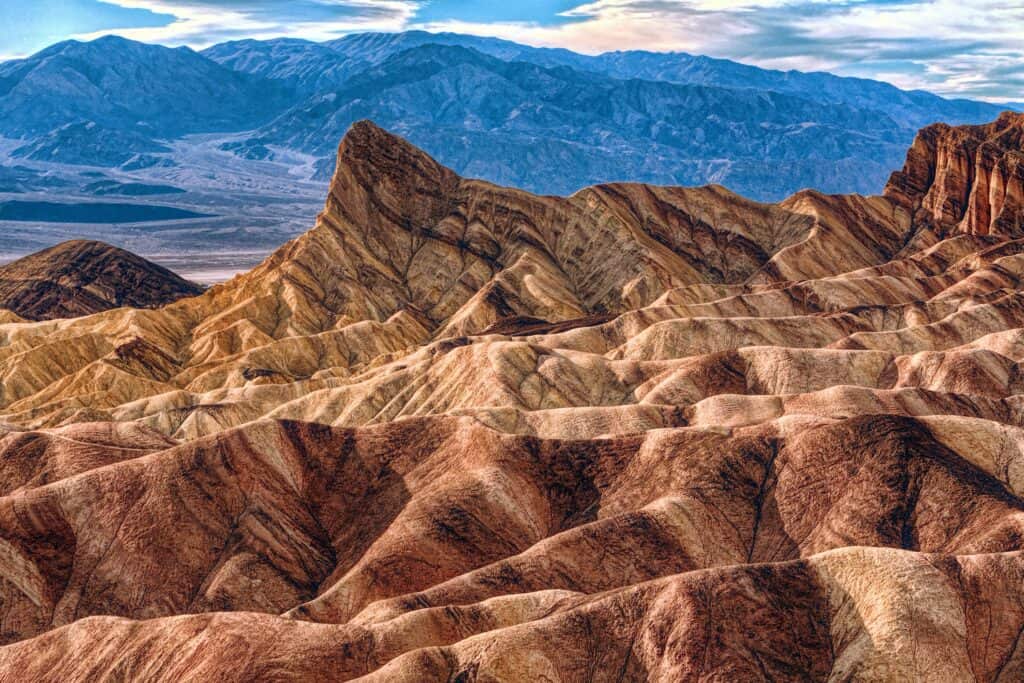
There are endless possibilities for things to do in Death Valley. Hundreds of kilometres of hiking trails span the desert, and historic structures tell stories of America’s past. Whether you visit for a day or stay a bit longer, Death Valley is an amazing destination.
To help you make the most out of your trip to Death Valley, we’ve broken down the area’s history, provided essential tips, and listed 6 of the desert’s best attractions.
Table of Contents
The History of Death Valley
Death Valley is a desert in California near the Mojave Desert. The desert is located near the border between California and Nevada. It sits between two mountain ranges: the Amargosa Range and the Panamint Range.
The climate in Death Valley is subtropical and extremely hot. In fact, it is considered to be the hottest location on the planet. In July 1913, temperatures in Death Valley reached 56.7 ℃, which is the highest air temperature ever recorded on Earth’s surface.
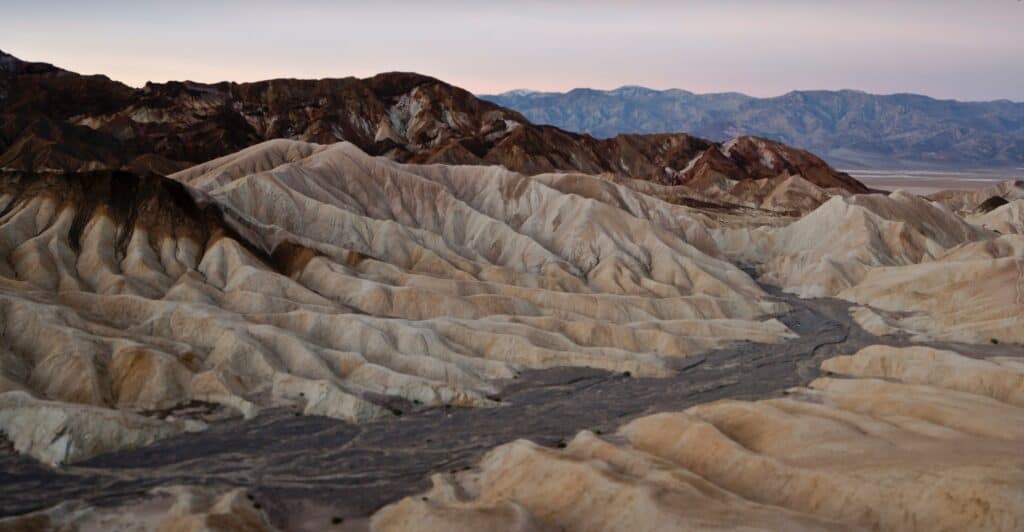
Due to the climate of Death Valley, the area receives very little rain. Summers in Death Valley are long with high temperatures, and even winters are warm in the area. Due to the extreme heat and lack of rainfall, vegetation is sparse throughout the desert.
In spite of the sparse vegetation throughout Death Valley, the desert has a lot of biodiversity. Flowers bloom in the desert each spring, the ponds in the valley support fish, and animals such as sheep, donkeys, and hawks inhabit the area.
The original inhabitants of Death Valley were Native American Tribes. Although many tribes have left the desert, some families still live there. Death Valley was discovered by European settlers during the California Gold Rush.
In 1849, prospectors moving to California attempted to cross through the desert as a shortcut to the mines. The group became lost in the valley and could not find their way out for weeks.
The group of prospectors were forced to burn the wood from their wagons to make fire and eat their oxen in order to survive. Some men died while they were lost due to the heat and lack of food or water. When they finally found a way to leave the desert, they named the area Death Valley, signifying how difficult it was to survive there.
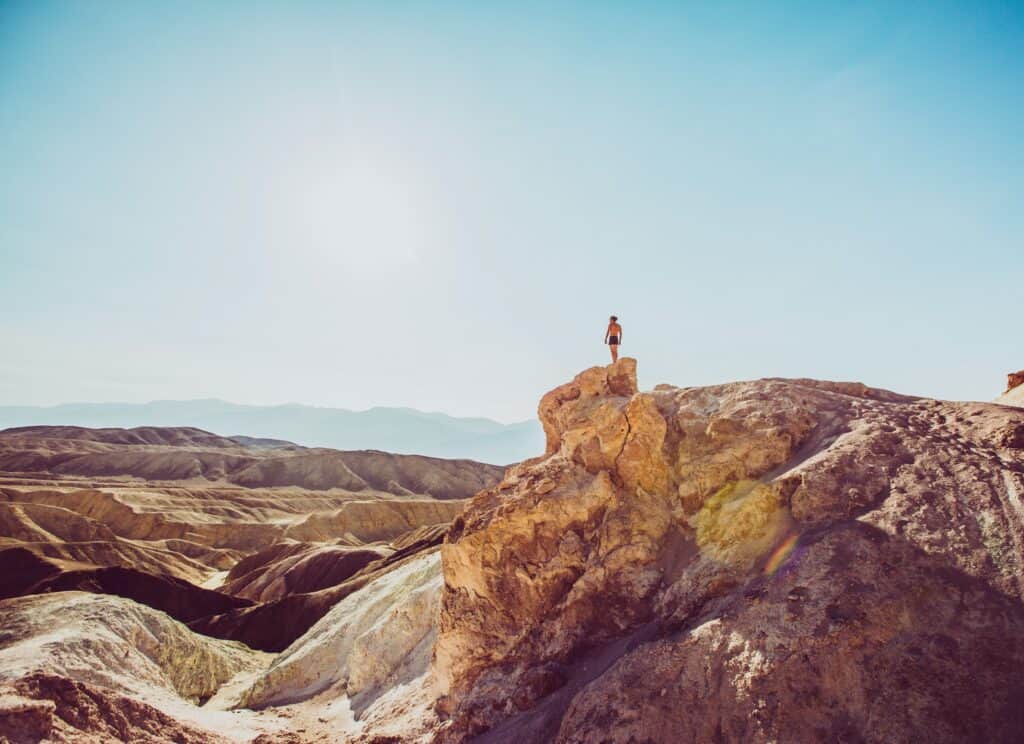
Tourism in Death Valley began to boom in the 1920s, and resorts were built. In February 1933, US President Herbert Hoover declared Death Valley a National Monument. In 1994, the desert was redesignated into a National Park.
About Death Valley National Park
Death Valley National Park is one of the most fascinating natural wonders in the world. It covers over 3.3 million acres and is the largest, driest, and hottest national park in the United States. In fact, some of the hottest temperatures in the world have been recorded there.
Although the valley became federally protected land in the 1930s, mining and excavating were still allowed in the area. The mining companies seized the opportunity to prospect in the area, creating strip mines and pits on the desert surface.
The American public became very upset by the mines destroying the natural beauty of Death Valley. The negative press and publicity generated led to the US Congress stopping nearly all mining operations in the park in 1976. The last mine closed in 2005.
In addition to being one of the most popular National Parks in the United States, Death Valley is also a popular filming location for television and movies. Multiple locations across the park were used as the setting for scenes in the original Star Wars movie in 1977.

Why Visit Death Valley?
Although Death Valley may seem desolate or unexciting, it is a fantastic destination to explore. The desert is secretly thriving with wildlife and plants, and it is only when you take a closer look that you begin to notice the valley’s beauty.
Death Valley is also a fascinating destination due to its past. The remnants of the mines from the California Gold Rush tell stories of what life was like for prospectors living in the new frontier.
For anyone with an interest in US history, Death Valley is the perfect place to explore. And, even if you’re not a history buff, the stunning vistas and endless hiking trails will make a trip to Death Valley one to remember.
How to Get to Death Valley
For tourists visiting California from another US state or a different country, you will most likely fly into Los Angeles International Airport (LAX), one of the busiest airports in the USA. However, Los Angeles is quite far from Death Valley.
Death Valley is approximately 270 miles from Los Angeles. If you choose to drive from LA to the park, it will take over 5 hours to reach your destination, with additional time added on for any stops you make along the way.
Travelling from San Francisco to Death Valley is even less ideal. The national park is over 500 miles away from the city, which means it takes about 8 hours to drive from San Francisco to Death Valley.
If you must travel from San Francisco, consider making it a road trip. The route has fantastic scenic views, and there are many interesting places to stop along the way. A 3-day trip from San Francisco to Death Valley is a great way to spend a long weekend holiday.
The closest airport to Death Valley is Harry Reid International Airport in Las Vegas, Nevada. The park is less than 150 miles from the airport, and it takes roughly 2 hours to complete the drive.
The short distance and drive time allows tourists to take day trips from Los Vegas to Death Valley. If you’re on holiday in Sin City and are looking for things to do that aren’t gambling, exploring Death Valley is a wonderful option.
How Much Time Do You Need at Death Valley?
Although day trips are popular at Death Valley, there really isn’t enough time in one day to fully explore the national park. It is the largest national park in the United States, after all. At a minimum, 2 days are needed to see all of the best attractions at Death Valley.
If you have time to spend 3 days at Death Valley National Park, you will be able to see the main attractions as well as some lesser-known areas. If you have extra time during your visit, check out some of the longer hikes throughout the park.
When is the Best Time to Visit Death Valley?
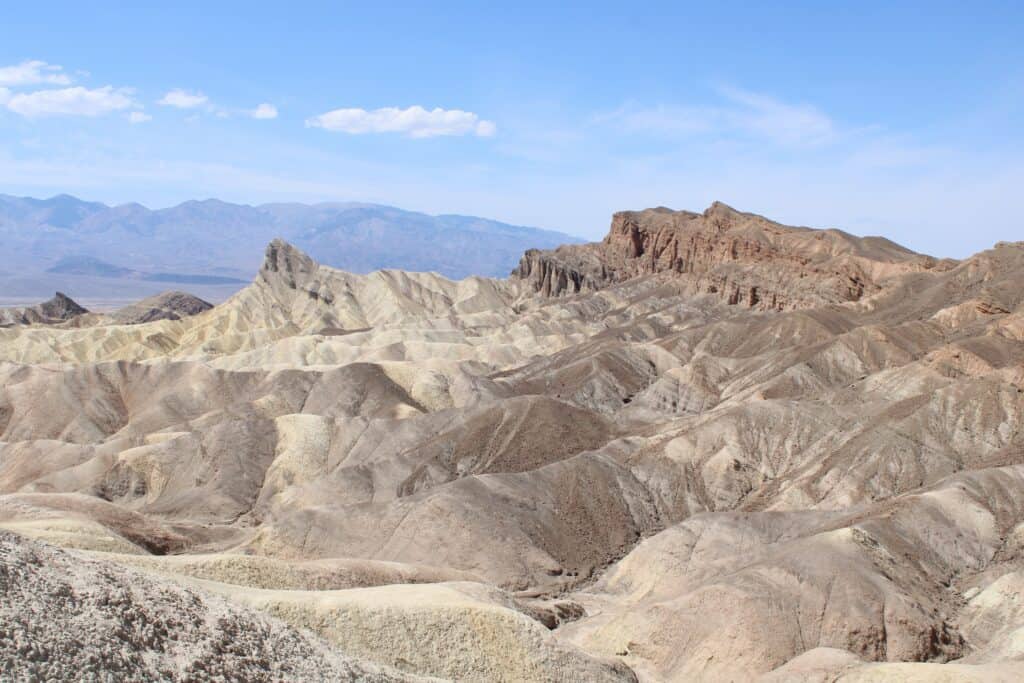
Death Valley National Park is open all year; even during winter, the weather is warm and perfect for exploring the desert, although it does cool down significantly at night. However, some months of the year are better than others for a visit.
Due to the extremely hot weather in Death Valley during the peak summer months, they are not popular times for tourists to explore the park. The normal season for tourists is from Mid-October to Mid-May. These months do not have as high temperatures.
What to Bring to Death Valley
Depending on the time of year you visit Death Valley, it can be very hot and dry. Any trip to Death Valley will require water, sun protection, and spare clothing, but it is smart to bring extra during the summer months.
A cooler is also recommended for any holiday in Death Valley. If you plan on hiking, you may be too far from a restaurant or store for every meal. It is important to keep a cooler full of water, lunch, and snacks with you while you’re out in the heat.
Although there is not much cell phone service in Death Valley, you will not want your phone to run out of battery. The scenery is so beautiful that you’re sure to want photos of your visit. To keep your phone charged, bring a battery pack that fits in your backpack.
Things to Do at Death Valley
1. The Golden Canyon and Gower Gulch Hike
The Golden Canyon and Gower Gulch hiking trail is one of the most popular hikes in Death Valley. Although you can do the Golden Canyon and Gower Gulch hikes individually, many people recommend that they are completed together.
The entire loop trail is just over 10 kilometres long. The hike is considered moderately challenging due to the terrain and weather, so beginners should go either with a guide or an experienced hiking partner.
2. Artist’s Palette Drive
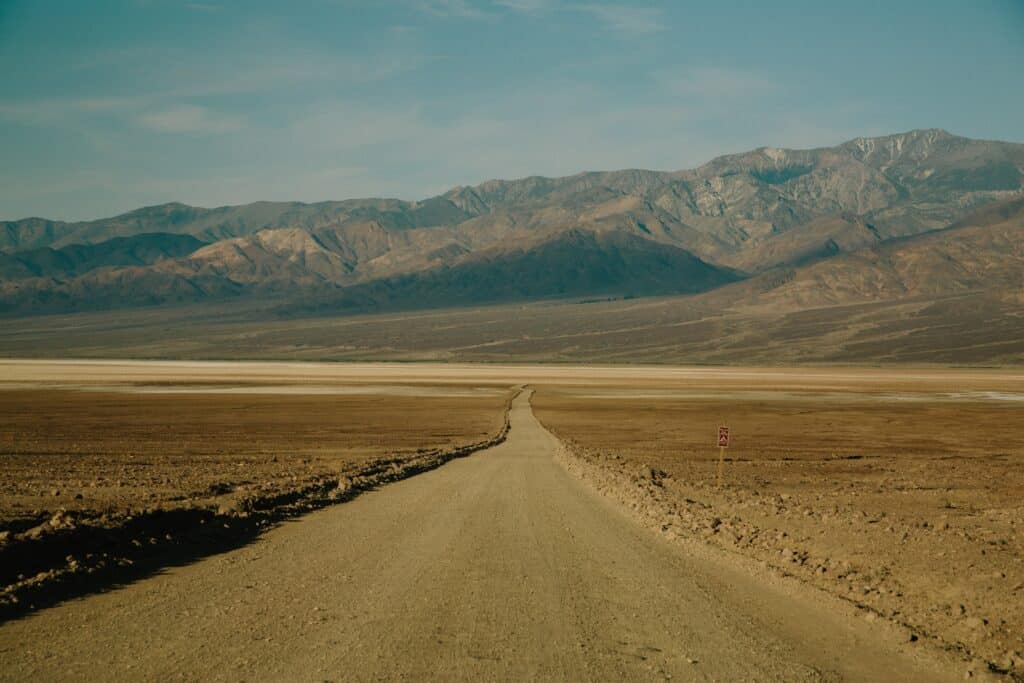
There’s nothing better than Artist’s Palette Drive for a scenic drive through Death Valley. The road takes guests through the rock formations that decorate the desert. The road is 9 miles long one-way and perfect for a moment off your feet.
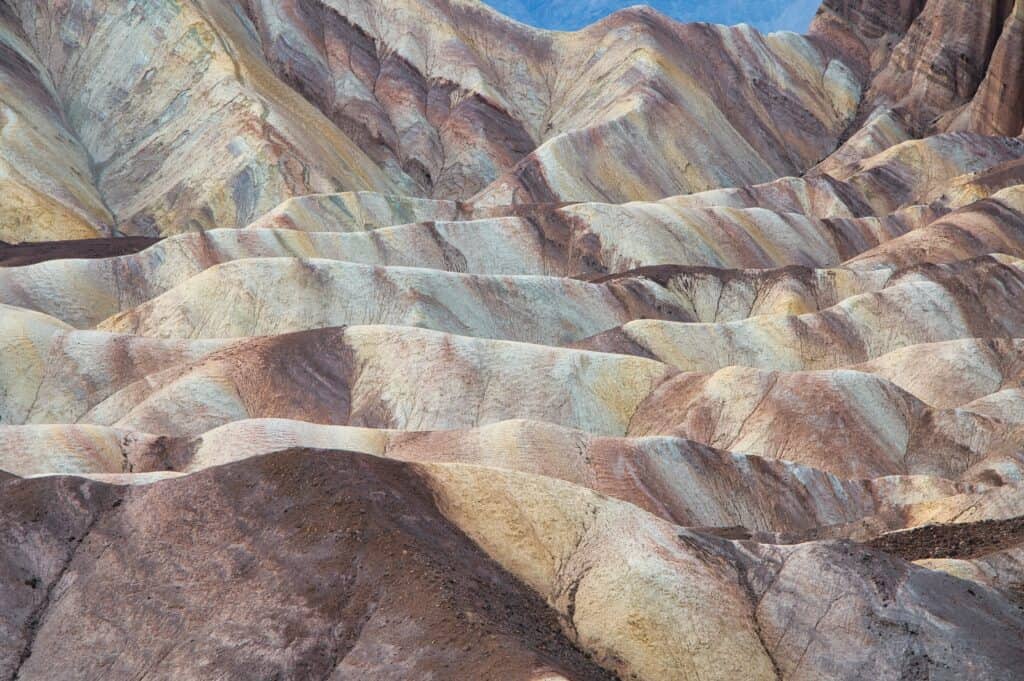
The rainbow-coloured rocks are stunning along the road. In addition, multiple points along the drive allow you to pull off the road and hike farther into the desert. Artist’s Palette Drive is located near Badwater Basin, making it great for day trips.
3. Badwater Basin
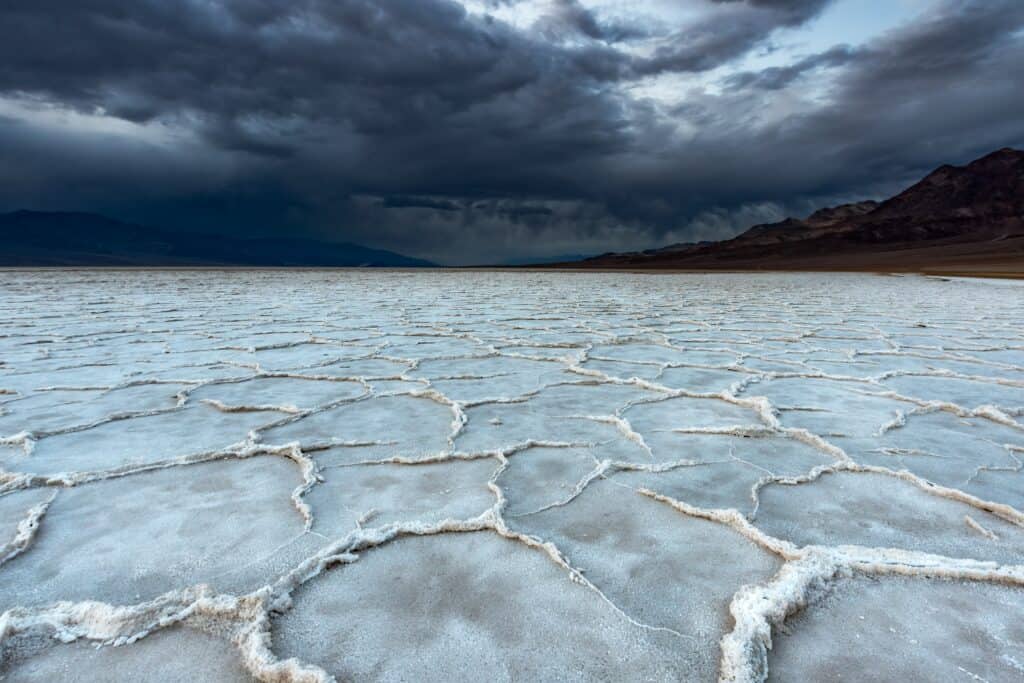
Badwater Basin is a large aquifer in Death Valley. The basin spans over 120,000 acres of salt flats found in the park. The basin is a 20-minute drive from Furnace Creek, making it an easy area to get to.
The Badwater Basin is the lowest elevation point in North America. It sits at 86 metres below sea level. Coincidentally, the highest point in the United States, Mount Whitney, is less than 85 miles away from Badwater Basin.
It is called Badwater Basin due to the salt levels in the water. When prospectors surveyed the area, their animals would not drink from the pool. This caused them to think the water in this part of Death Valley was “bad”.
4. Rhyolite Ghost Town
Although Rhyolite Ghost Town is not technically inside Death Valley National Park, it is still a great location to visit in the area. Rhyolite was built during the California Gold Rush. The town boomed as more prospectors came to the area.
After just 20 years, what was once a thriving town was desolate and in disrepair due to the end of the Gold Rush. Today, visitors can explore the old buildings, check out the town’s abandoned rail cars, and more.

5. Dante’s View
Dante’s View is a staggering 1,670-metre-tall terrace on Coffin Peak. It is 15 miles from Furnace Creek and provides amazing views of Death Valley. The Badwater Basin and Panamint Mountains can be seen from Dante’s View.
The best time to admire the panoramic vista is during the early morning when the weather is cool, and the sun is rising. Visiting at night is also beautiful, and visitors interested in astronomy have been known to set up telescopes on the terrace.
6. Go Camping
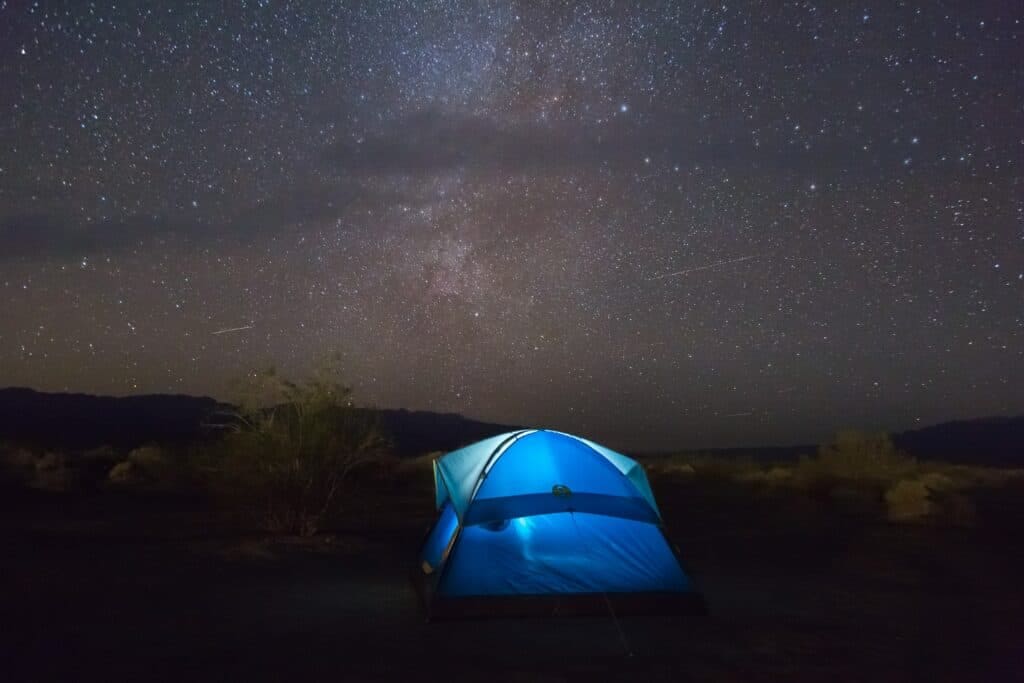
Camping is very popular at Death Valley National Park. The park features nearly 700 miles of backcountry roads and many areas to set up camp. If you choose to camp in the backcountry, make sure you follow the park’s rules.
As long as your campsite is at least a mile away from a paved road, camping is free. However, the park only permits backcountry camping in areas that have been previously disturbed in order to minimise damage to the landscape.
Death Valley National Park also has designated camping sites available for rent. The sites are first-come, first-served, so it is best to arrive early to secure a spot. Some campsites are open year-round at the park, but others close during summer due to the high temperatures.
Death Valley is a Fascinating Tourist Destination
Death Valley is one of the hottest places on Earth but is also one of the most fascinating. The unique rock formations, hiking trails, and history amaze tourists as they explore the desolate desert.
Whether you visit Death Valley National Park on a day trip from a nearby city or camp in the park for a couple of nights, you will find many things to do during your stay. Death Valley is a great place to learn about the past, explore ghost towns, and connect with nature.
If you’re planning a trip to the United States, check out our list of the Best City Breaks in the USA.

Top Places to Visit on a Day Trip to Alexandria
Egypt
09/05/2024

Kilmainham Gaol; Former Prison Turned Tourist Attraction
County Dublin- Dublin
09/05/2024

25 of the Best Irish Comedians: The Irish Humour
Ireland
09/05/2024

Royal County Down Golf Club: One of the Oldest Irish Courses
Northern Ireland
09/05/2024

The Dingle Peninsula: A Beautiful Part of Ireland
Ireland
08/05/2024