


Crocker Art Museum: the Amazing 1st West USA Public Art Museum
Updated On: November 09, 2023 by  Courtney Augello
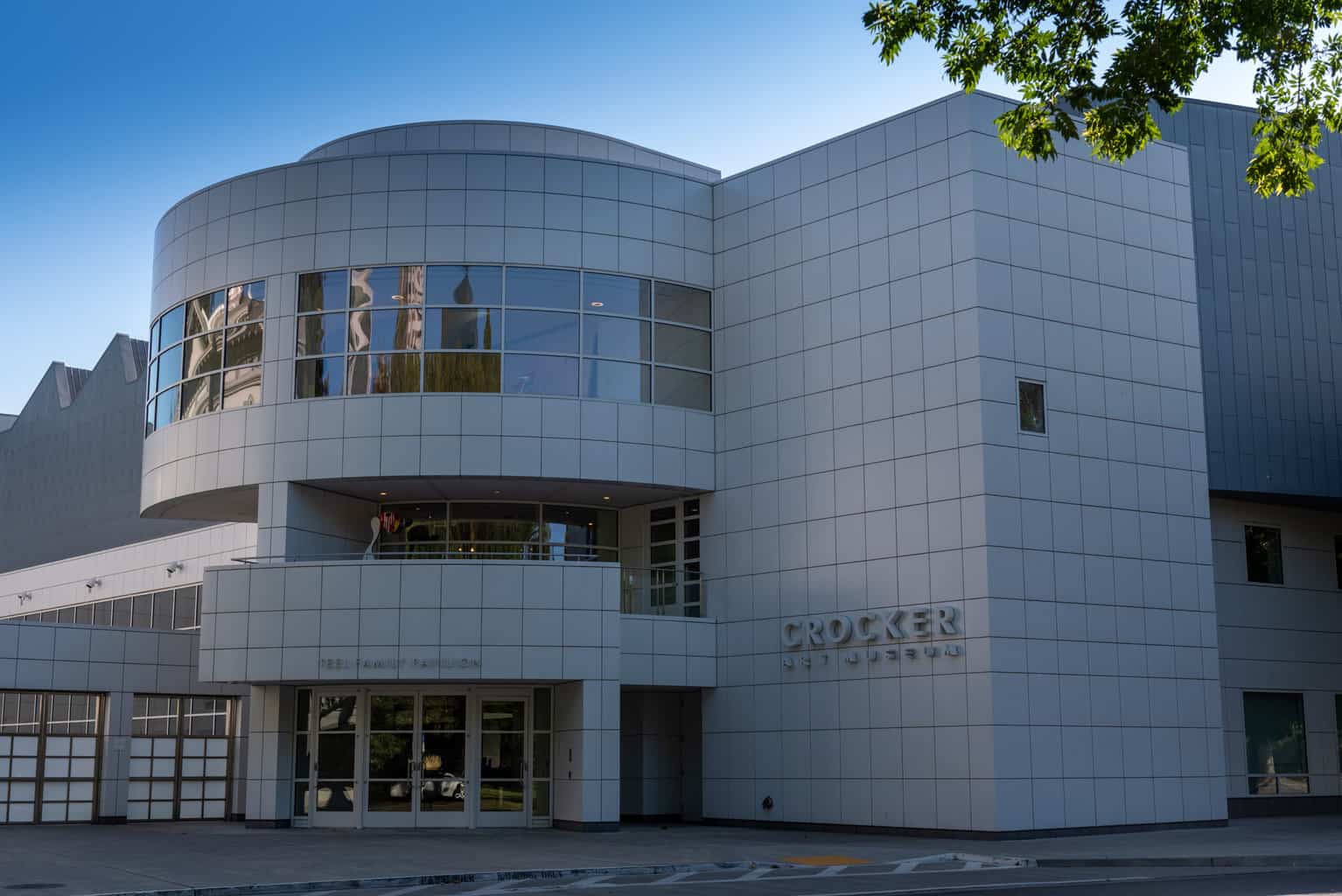
The Crocker Art Museum in Sacramento, California, stands as a beacon of artistic expression, cultural enrichment, and historical significance. The museum is a vibrant institution that captivates visitors and fosters a deeper appreciation for the arts.
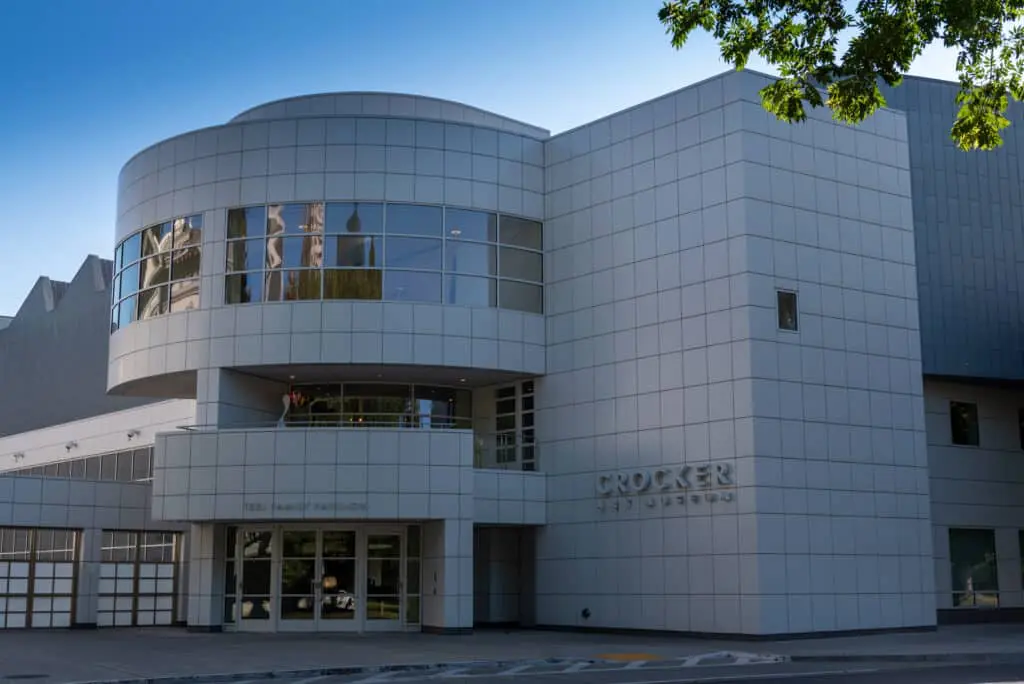
There is much to see and do at the Crocker Art Museum. The profound impact it has had on Sacramento is revealed by exploring the museum’s beginnings, collections, and engagement with the local community.
Table of Contents
Where is the Crocker Art Museum?
The Crocker Art Museum is located in the heart of Sacramento, the capital city of California, USA. Sacramento is located in Northern California, making it easily accessible for visitors from various regions.
Aside from the Crocker Art Museum, the Sacramento area boasts numerous attractions and landmarks. The California State Capitol, situated adjacent to the museum, is a significant historical and political site, housing the state government offices.

Additionally, the region offers beautiful natural landscapes, including the American River Parkway and the nearby Sierra Nevada Mountains, providing opportunities for outdoor activities such as hiking, biking, and water sports.
Sacramento is surrounded by several notable cities, including San Francisco, approximately 90 miles southwest of Sacramento. San Francisco is renowned for its iconic landmarks, such as the Golden Gate Bridge, Alcatraz Island, and Fisherman’s Wharf.
Another nearby city is Davis, located about 15 miles west of Sacramento. The city is home to the University of California, Davis, known for its prestigious arts program. The close proximity to Davis allows for the exchange of artistic and intellectual ideas between the museum and the university community.
Travelling to the region is convenient, thanks to the availability of several airports. Sacramento International Airport (SMF) is the primary airport serving the area. It is located approximately 12 miles northwest of downtown Sacramento.
History
The museum was founded by Edwin B. Crocker and his wife, Margaret Crocker, prominent art collectors and patrons in California. Edwin Crocker, a successful lawyer and businessman, amassed a significant art collection during his travels to Europe.
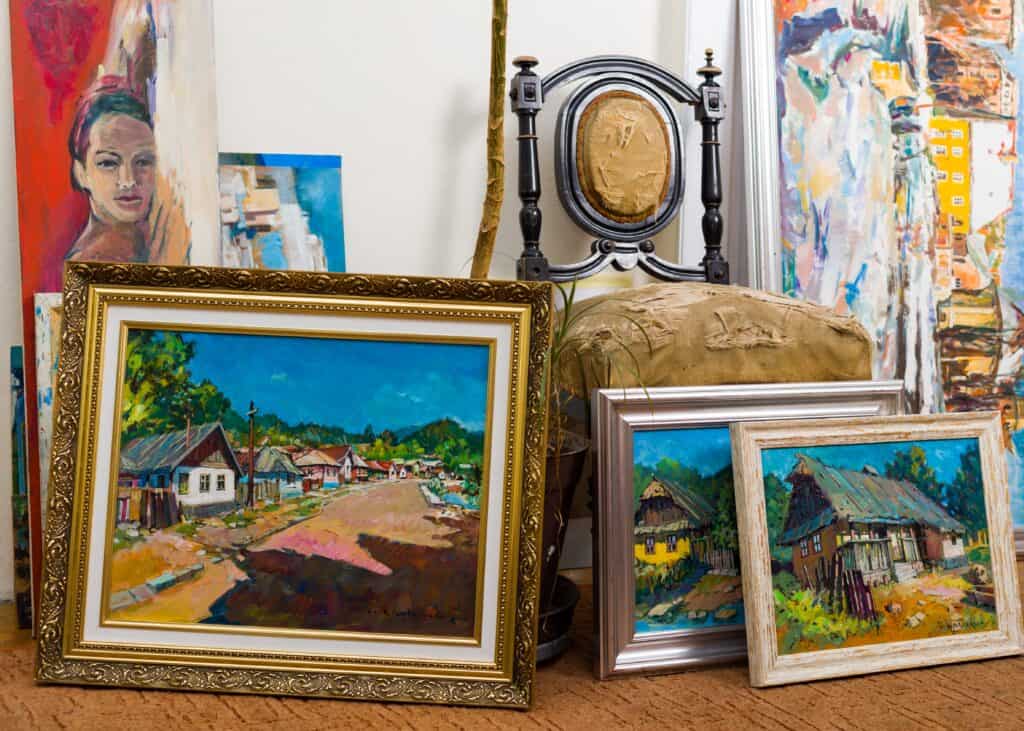
Upon his death in 1875, Margaret Crocker decided to honour her husband’s legacy by establishing a public art gallery.
The early years of the Crocker Art Museum were marked by a series of milestones and developments. In 1885, Margaret Crocker donated the family’s mansion and the entire art collection to the City of Sacramento, providing the foundation for the museum.
The mansion itself was an architectural masterpiece designed by Seth Babson. It featured elements of the Italianate and Queen Anne styles. The museum was the first public art museum in the Western United States when it opened in 1885.
Over the years, the museum experienced several expansions and renovations to accommodate its growing collection and the increasing number of visitors. In 1936, a major expansion took place, adding a new wing to the museum building.
Another notable development occurred in 2010 when the Crocker Art Museum underwent a significant expansion, adding a stunning new building. This expansion more than doubled the museum’s size, providing galleries, education spaces, and a striking central courtyard.

The Crocker Art Museum’s architectural features and design contribute to its unique identity. The original mansion, which serves as part of the museum, showcases intricate woodwork, decorative details, and elegant rooms that house artworks from various periods.
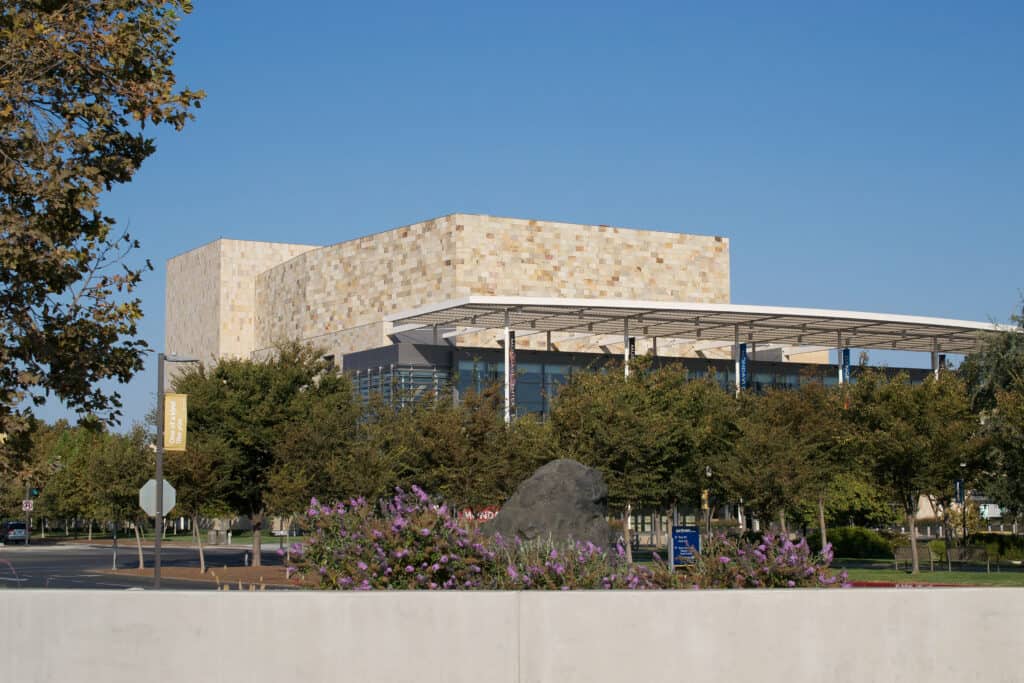
The 2010 expansion introduced a modern and contemporary aesthetic to the museum’s architecture. The new building features a sleek and angular design with large windows that allow natural light to flood the galleries.
The central courtyard, known as the Teel Family Pavilion, acts as a gathering space and creates a visual connection between the new and old sections of the museum. The overall architectural design of the Crocker Art Museum demonstrates a successful balance between preserving historical elements and embracing modernity.
Through its history, milestones, and architectural design, the Crocker Art Museum has established itself as a prominent institution in California and a treasure trove of artistic and cultural heritage.
Collection and Exhibitions
The Crocker Art Museum boasts a diverse range of artworks spanning various periods, styles, and mediums. The collection encompasses over 15,000 pieces, including paintings, sculptures, photographs, ceramics, and textiles.
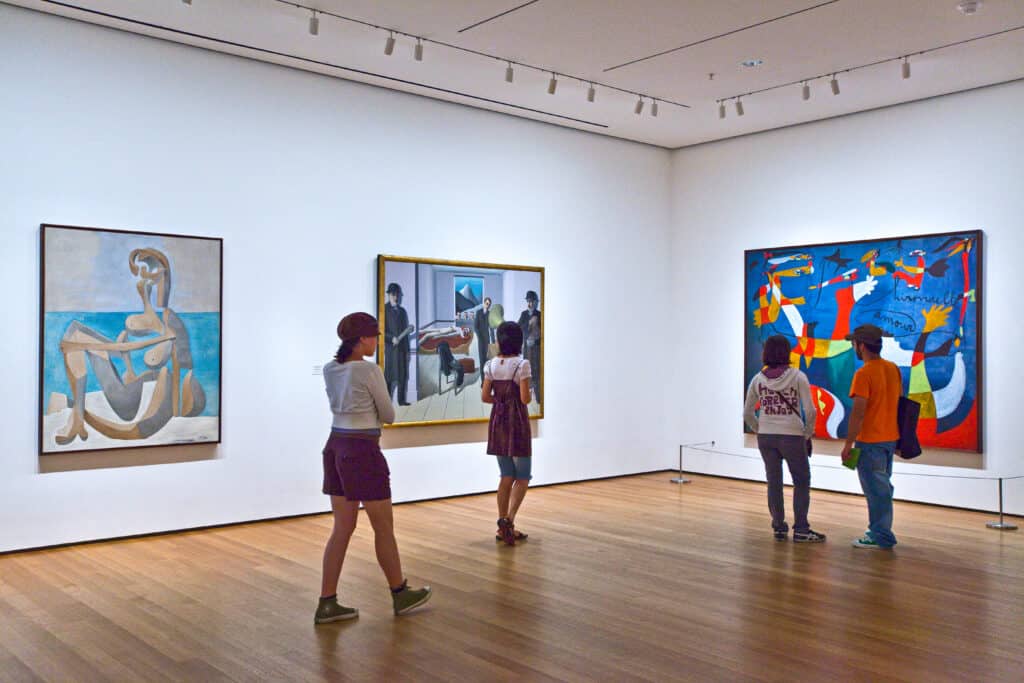
Visitors can explore artworks from ancient civilisations to contemporary art movements. The collection encompasses European masterpieces, American paintings, Asian art, African and Oceanic art, and California art, offering a comprehensive view of global artistic traditions.
Notable Artists
The museum’s collection features works by renowned artists, both internationally recognised and locally significant. Notable artists represented in the collection include Thomas Hill, Albert Bierstadt, and William Keith, who captured the landscapes of the American West.
European masters such as Monet, Renoir, and Degas are also represented, showcasing their Impressionist and Post-Impressionist works. The collection further highlights California artists like Wayne Thiebaud, whose paintings of desserts are synonymous with the state’s art scene.
Significance
The significance of the Crocker Art Museum’s collection extends beyond individual artworks and artists. The collection provides a window into art history and cultural heritage, offering insights into diverse artistic movements, styles, and cultural contexts.
It allows visitors to explore the evolution of art across time and geographies. From ancient Egyptian artefacts to modern and contemporary pieces, the collection reflects the cultural and artistic diversity that enriches our understanding of human creativity.
Curation
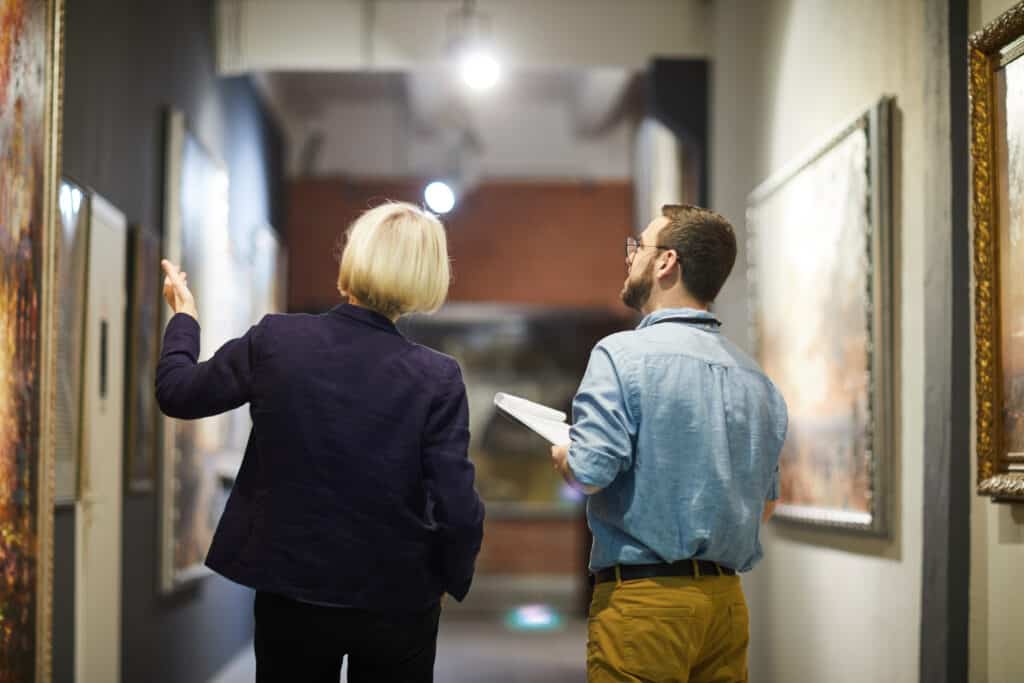
The Crocker Art Museum demonstrates a thoughtful approach to curating exhibitions and rotating displays, ensuring a dynamic and engaging experience for visitors. The museum curates exhibitions that showcase various themes, periods, and artistic movements.
The museum often collaborates with other museums and institutions to bring travelling exhibitions with artworks from around the world. The museum also organises thematic exhibitions that explore specific topics or artists in depth.
In addition to the permanent collection and temporary exhibitions, the Crocker Art Museum organises various programs and events to enhance visitors’ experience. These include lectures, workshops, artist talks, and interactive activities for all ages.
By curating diverse exhibitions and offering engaging programming, the museum ensures that each visit is a unique and enriching experience, catering to a wide audience with varying interests and levels of art knowledge.
Education and Outreach Programs
The Crocker Art Museum is committed to providing extensive educational initiatives that enrich the visitor experience and foster a deeper understanding and appreciation of art. The museum offers a range of programs tailored to different age groups and interests.
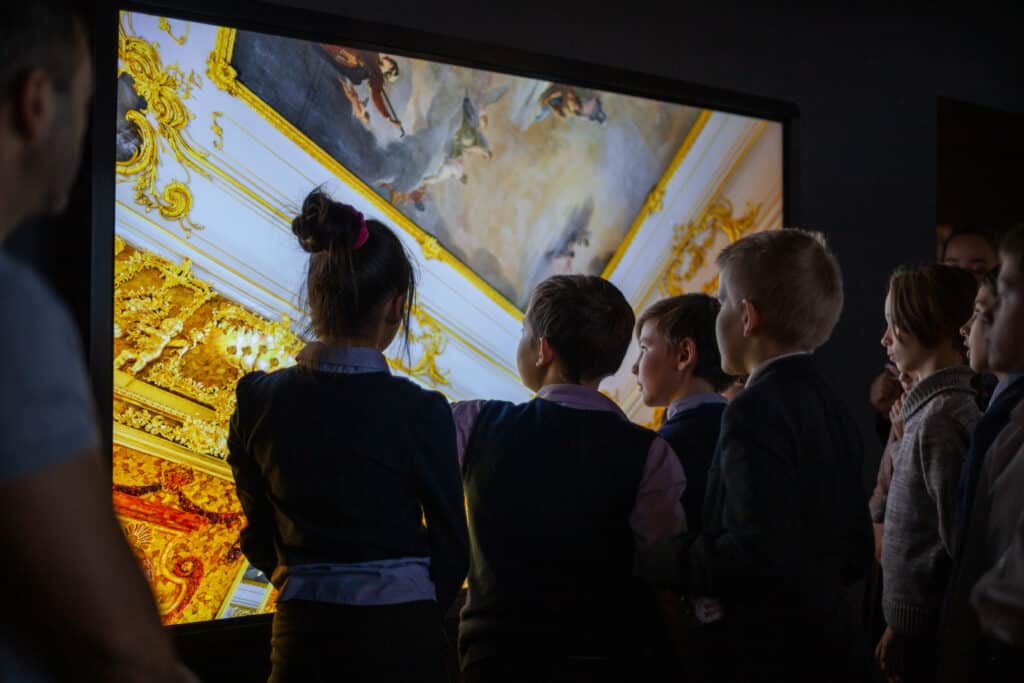
These initiatives engage visitors in interactive and participatory experiences that encourage critical thinking, creativity, and cultural understanding. Through workshops, classes, and tours, the museum provides hands-on exploration of artistic techniques, art history, and appreciation.
Community Programs
The museum actively seeks to engage with the local community and schools, recognising the importance of art education for individuals of all ages. The Crocker Art Museum collaborates with schools to develop curriculum-based programs.
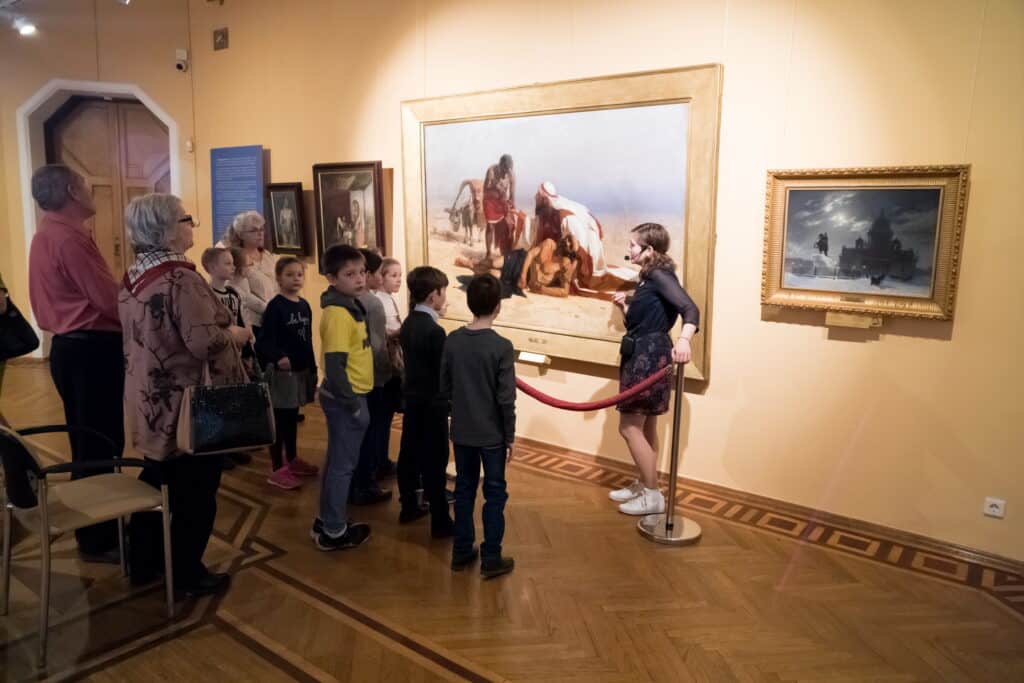
These programs often include guided tours, art-making activities, and classroom resources to enhance students’ understanding of art. By offering free or discounted admission to schools and organising specialised programs for students, the museum ensures that art education remains accessible and inclusive.
Other Programs at the Museum
The Crocker Art Museum offers a range of programs designed to cater to different audiences and interests. Workshops and classes provide hands-on art experiences led by professional artists, allowing participants to explore different artistic mediums, techniques, and styles.
Lectures and artist talks bring experts and artists to the museum to share their knowledge, insights, and perspectives on various aspects of art. Family-oriented activities, such as workshops, storytelling, and interactive gallery tours, allow families to engage in art together.
The museum also organises special events and festivals that celebrate art and culture, often in collaboration with community organisations. These events feature live performances, music, dance, and interactive installations.
By offering a diverse range of educational initiatives, collaborating with schools, and engaging with the local community through various programs, the Crocker Art Museum reinforces its commitment to making art accessible, educational, and enjoyable for all.
These efforts not only promote art appreciation but also cultivate creativity, critical thinking, and cultural understanding, enriching the lives of individuals and fostering a vibrant and inclusive cultural community.
Community Impact
The Crocker Art Museum has had a significant impact on the local community, serving as a cultural hub and fostering a sense of pride and identity. The museum provides a space for individuals to engage with art, fostering creativity, inspiration, and personal growth.
It offers a platform for local artists to showcase their work, encouraging artistic expression and supporting the local creative community. Through its educational programs, the museum plays a vital role in enhancing art education and providing valuable resources for students.
Contributions to the Local Culture
The Crocker Art Museum contributes significantly to the cultural enrichment of the area. By offering a diverse range of artworks and exhibitions, the museum exposes visitors to various artistic styles, periods, and cultural traditions.
It provides a platform for dialogue and understanding, encouraging individuals to explore different perspectives and engage in conversations about art and culture. The museum’s collection reflects the region’s heritage and contributes to preserving and celebrating diverse cultural identities.
Through its programming, the museum promotes cultural exchange, fosters creativity, and encourages visitors to develop a deeper appreciation for the arts, thereby enriching the cultural fabric of the region.
Collaborations with Cultural Organisations
The Crocker Art Museum actively collaborates with other cultural institutions and community organisations to further extend its impact and reach. These collaborations take various forms, including joint exhibitions, educational initiatives, and community outreach programs.
By partnering with other museums and galleries, the Crocker Art Museum facilitates the exchange of artworks, bringing travelling exhibitions to the region and allowing local audiences to experience art from around the world.
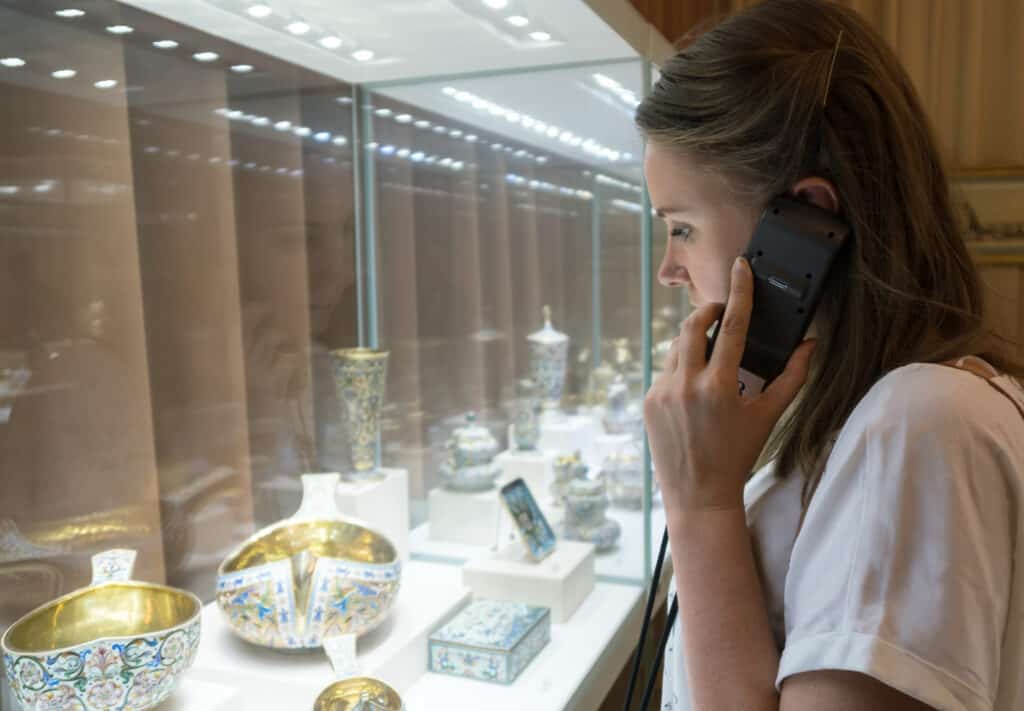
Collaborations with community organisations and local artists provide opportunities for meaningful community engagement, connecting the museum with diverse audiences and addressing community-specific needs.
Technological Innovations
The Role of Technology at the Museum
The Crocker Art Museum recognises the role of technology in enhancing the museum experience for visitors. It leverages various technological innovations to provide interactive and engaging encounters with art.
Technology serves as a tool to facilitate deeper exploration, interpretation, and understanding of the artworks on display. The museum uses digital signage, touchscreen displays, and interactive kiosks.
These allow visitors to access information, multimedia content, and interactive features that provide context, historical background, and artist insights. These technologies enhance engagement and create a more immersive and personalised museum experience.
Digital Initiatives
The museum has embraced digital initiatives to extend its reach beyond its physical space. Online exhibitions offer virtual access to selected artworks, allowing art enthusiasts from around the world to explore the Crocker Art Museum’s collection remotely.
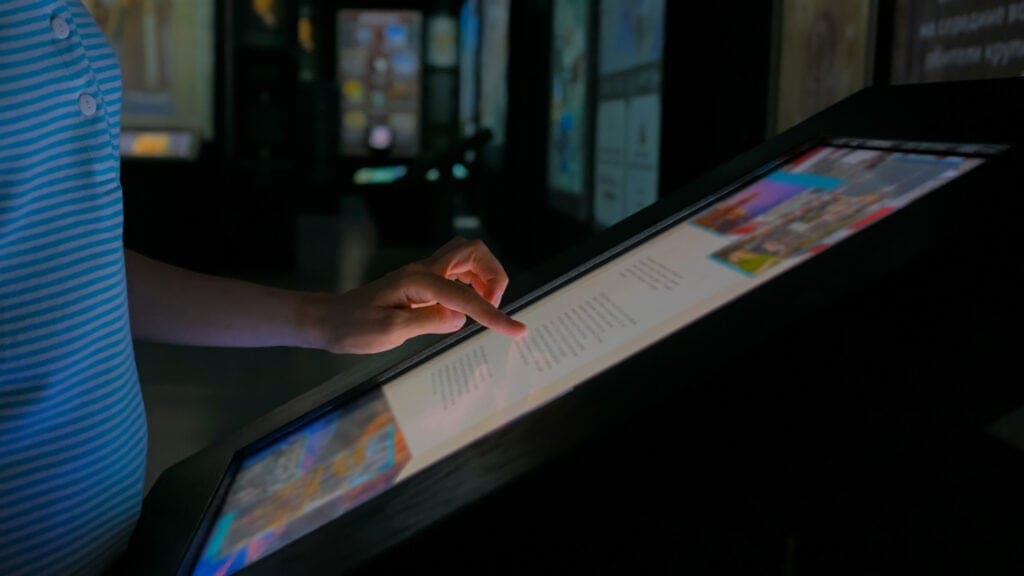
Additionally, virtual tours offer an immersive experience, enabling visitors to navigate through the museum’s galleries with the option to zoom in on artworks. These digital initiatives not only increase accessibility but also serve as valuable educational resources for students.
Technology in Educational Programs and Outreach
The Crocker Art Museum uses technology to enhance its educational programs and outreach efforts. Interactive educational tools, such as mobile apps and online resources, provide educational materials, activities, and guided tours for various age groups.
These tools allow students to engage with the museum’s collection and exhibitions. The museum also employs video conferencing and live streaming to connect with community organisations and individuals who cannot visit the museum in person.
Furthermore, the Crocker Art Museum embraces technology in its workshops and art-making programs, integrating digital tools and software into the creative process. This allows participants to explore new mediums, techniques, and artistic possibilities.
By incorporating technology into its educational programs and outreach, the museum ensures that it remains at the forefront of innovative and inclusive art education, reaching diverse audiences and inspiring creativity.
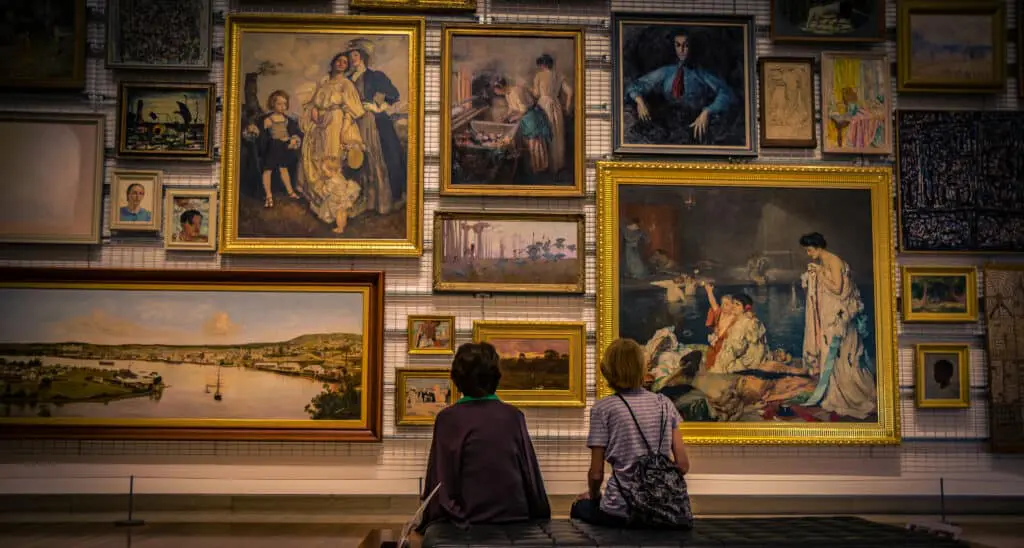
The Crocker Art Museum is a Fascinating Place to Visit
The Crocker Art Museum stands as a testament to the power of art in enriching lives, fostering cultural understanding, and shaping communities. With its diverse collections and commitment to education, the museum is a cultural cornerstone in Sacramento and beyond.
The museum’s significance lies in its ability to spark imagination, encourage critical thinking, and facilitate meaningful connections. By showcasing global artworks and a range of artistic traditions, the museum celebrates diversity.
As the Crocker Art Museum continues to evolve and grow, it remains dedicated to its mission of connecting people with art and nurturing creativity. The museum ensures that art remains accessible to everyone as a vital force in shaping the culture of Sacramento.
If you’re planning a trip to California, check out these 16 Wonderful Things to do in Napa Valley.

The Authenticity of East Ireland at Wexford County
County Wexford
05/05/2024

Must See Belfast: An Insider’s Guide to the Best of Belfast
Northern Ireland
05/05/2024

Florence Court: 18th Century House in County Fermanagh
County Fermanagh
05/05/2024

History’s Most Successful Female Pirate Queen: Zheng Yi Sao
History and Heritage
05/05/2024

Discover the Irish American Gangs: Their Rise and Notorious History
Culture Exploration
05/05/2024