


8 Things To Do in Manila and Practical Travel Tips For a Great Trip
Updated On: February 23, 2024 by  Asmaa Alhashimy
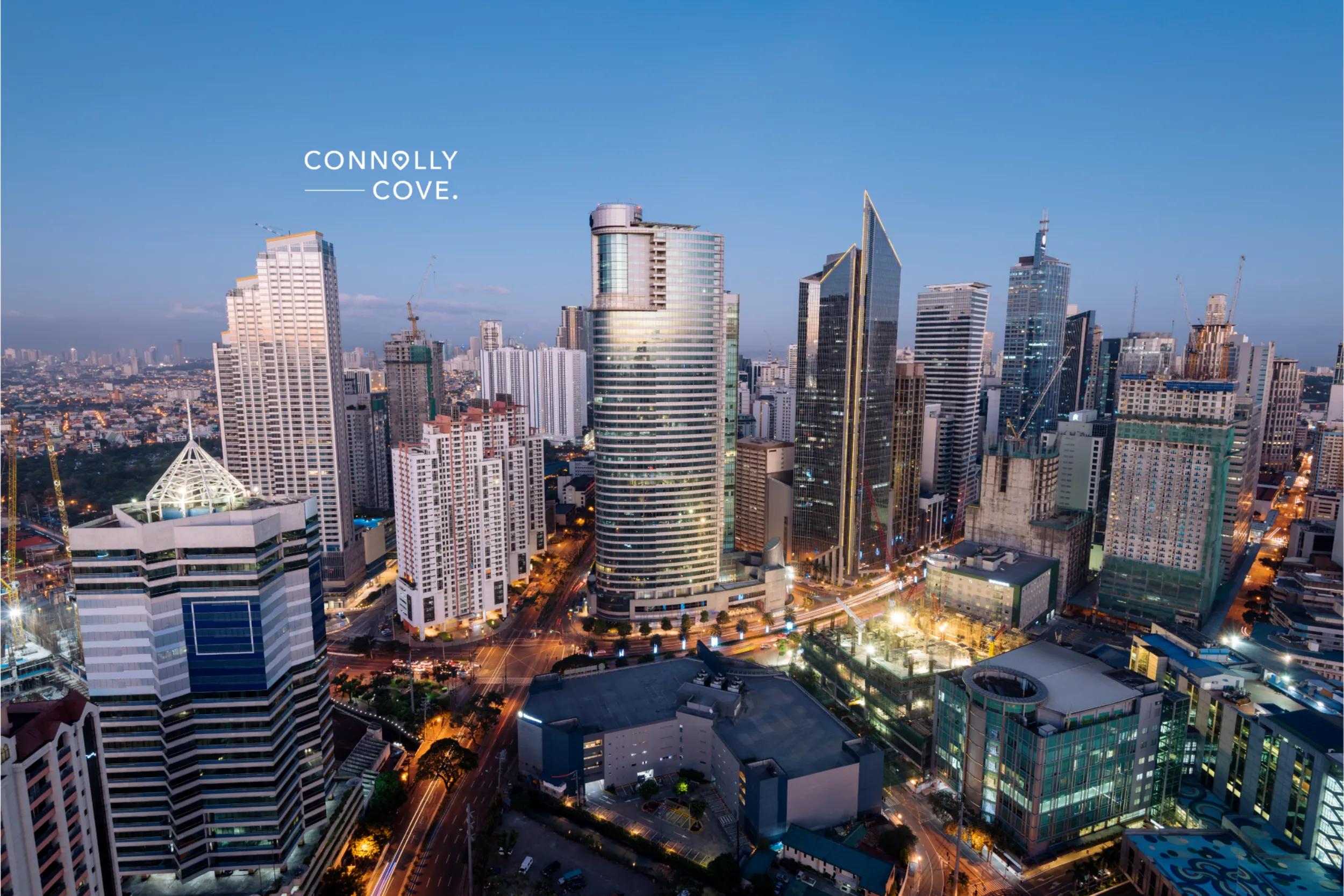
Nestled within the heart of an archipelago that gleams like a constellation of gems in the Pacific, a city dances with life. Welcome to Manila, the Pearl of the Orient and a city that defies expectations and captivates the senses.
Here, every street is a symphony of sounds, every corner a treasure trove of flavours, and every smile an invitation to discover more. Manila is a captivating mosaic of experiences waiting to be explored. It invites you to discover its secrets, enjoy its unique blend of old and new, and relish its endless charm.
Join us in this comprehensive travel guide as we delve deep into the heart of Manila, providing you with must-visit attractions, hidden gems, practical insights, and top things to do in Manila to help you make the most of your adventure.

Table of Contents
Manila: A Vibrant Gateway to the Philippines
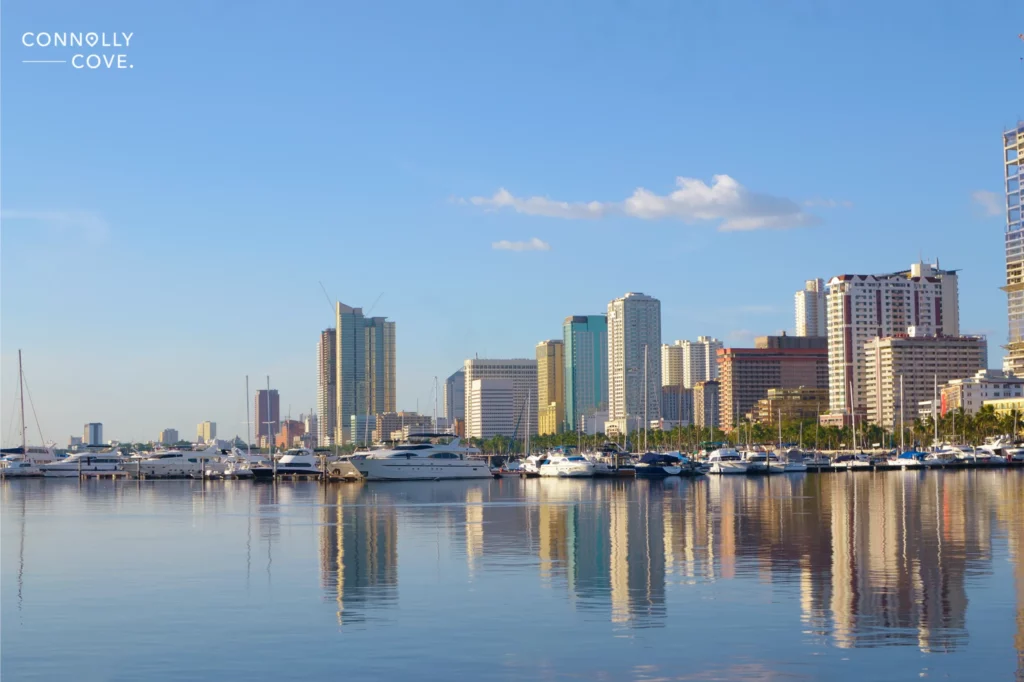
Manila, the capital of the Philippines, is an exciting city that has a lot to offer. It is a place where the past and the present mix, where every street has a tale, and where the warmth of Filipino culture shines through.
Manila is a captivating blend of history, culture, and modernity. With its dynamic streets, rich heritage, and warm hospitality, this vibrant city beckons travellers from around the globe.
From the sunny shores of Manila Bay to the old streets of Intramuros, from the peaceful Rizal Park to the lively markets of Binondo, Manila is a city full of adventures waiting for you.
Best Time to Visit Manila
The best time to visit Manila depends on your preferences for weather and the type of activities you plan to engage in. Manila has a tropical climate with distinct wet and dry seasons, so here are the two primary seasons to consider.
- Dry Season (November to April): This is the most popular time for tourists. The weather is pleasant (not too hot), and there is less rain. It’s a great time for outdoor activities and exploring the city.
- Wet Season (May to October): During this period, it gets hot and humid, and there is a lot of rain, especially from June to September. While it’s not the ideal time for outdoor activities, it might be a good time to visit if you’re looking for budget-friendly options and don’t mind occasional rain.
In a nutshell, if you prefer sunny, dry weather, visit from November to April. But if you’re on a budget and don’t mind occasional rain, the wet season can offer a unique and quieter experience. Be sure to check weather forecasts and potential typhoon alerts if you plan to visit during the wet season to ensure a safe and enjoyable trip.
Top Things To Do in Manila
Manila is a bustling city with a wide range of exciting activities and attractions to keep you engaged during your visit. Whether you’re a history enthusiast, a food lover, an art connoisseur, or simply seeking a taste of local culture, Manila has something for everyone. Here are some enjoyable things to do during your visit.
1. Explore Intramuros
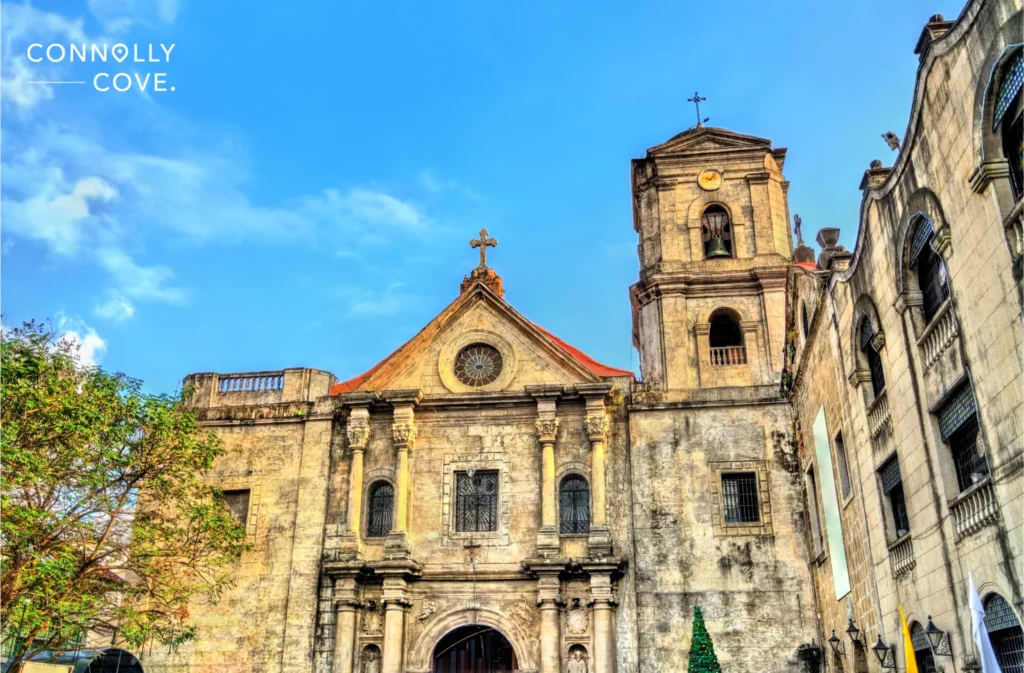
Intramuros, meaning “within the walls,” is the historic heart of Manila. Stepping into Intramuros is like entering a time machine. Here, you can stroll along cobblestone streets and immerse yourself in well-preserved Spanish colonial architecture.
One of its notable landmarks is Fort Santiago, a historic fort nestled within Intramuros. It holds secrets of the past and once served as a military stronghold during the Spanish era. Don’t miss the chance to explore its dungeons, ramparts, and beautiful gardens.
San Agustin Church is another testament to the deep-rooted Catholic heritage of the Philippines and a UNESCO World Heritage Site. Its stunning Baroque architecture and beautifully preserved interior make it a remarkable place for history and architecture enthusiasts.
The imposing Intramuros Wall once protected the city from invaders. Today, you can walk along a portion of the wall while enjoying panoramic views of the city and Manila Bay. It’s a serene escape from the city’s hustle and bustle.
Practical Tips
- To make the most of your Intramuros visit, consider joining guided tours that provide historical insights and stories about the city’s past.
- Wear comfortable walking shoes and lightweight clothing, especially if you’re visiting during Manila’s warm seasons.
2. Walk Through Rizal Park (Luneta)
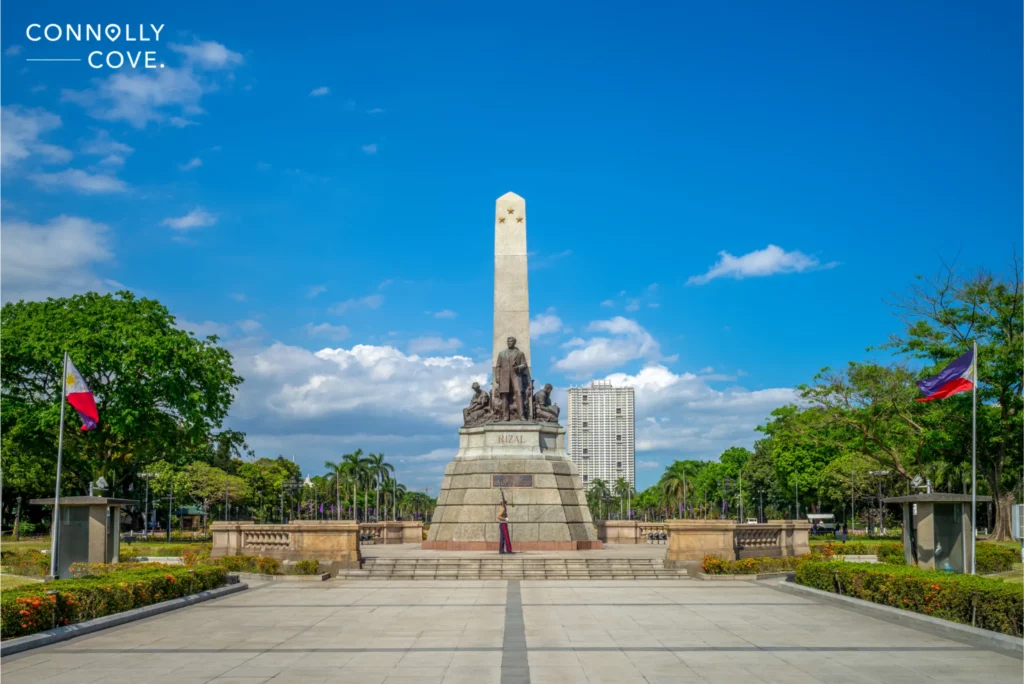
Rizal Park, commonly known as Luneta Park, offers a peaceful retreat in the heart of Manila. It’s a fantastic place for leisurely walks, picnics, or simply unwinding amidst lush greenery.
Dominating the park’s centre is the Rizal Monument, a towering symbol dedicated to the national hero, Jose Rizal. It’s a powerful reminder of Filipino patriotism and the country’s quest for independence.
The Rizal Park Lagoon adds to the park’s charm. It’s a popular spot for visitors to take leisurely boat rides and enjoy the serene reflections on the water’s surface.
Rizal Park often hosts cultural performances and events, allowing you to immerse yourself in Filipino music, dance, and arts. Check the park’s schedule for upcoming performances during your visit.
Practical Tips
- Rizal Park is a large area, so bring water and sunscreen and wear comfortable walking shoes, especially if you plan to explore the park extensively.
- To avoid the midday heat, consider visiting in the early morning or late afternoon.
- Guided tours are available if you’d like to learn more about the park’s history and significance.
3. Experience Binondo
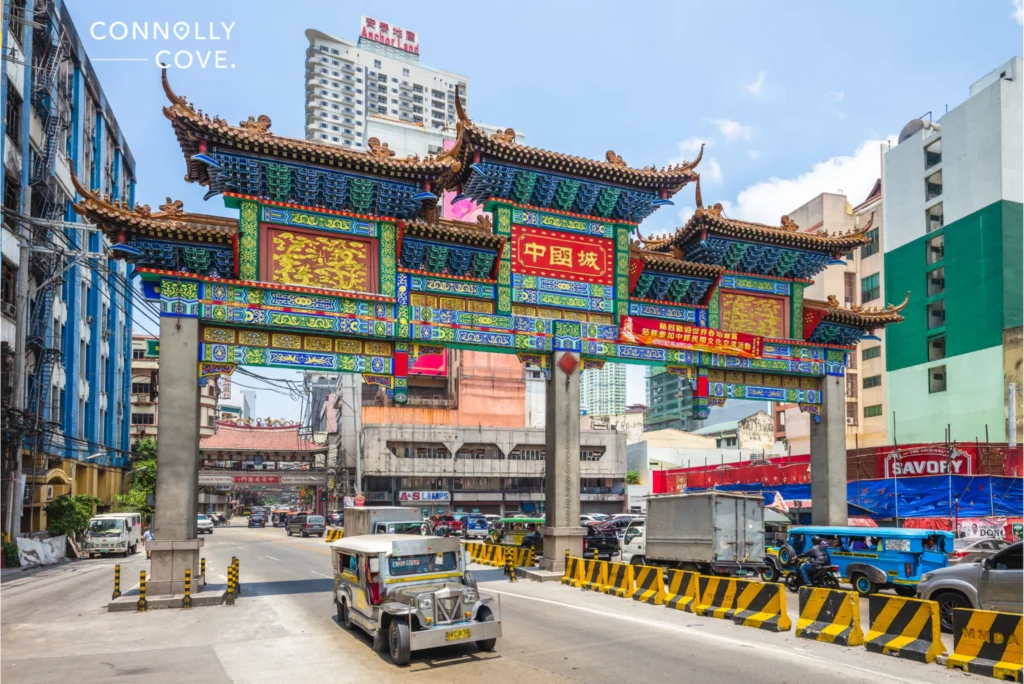
Binondo is a bustling district and the world’s oldest Chinatown, offering a lively atmosphere and a rich blend of Chinese-Filipino culture.
Begin your journey in Binondo at Binondo Church, officially known as the Minor Basilica of St. Lorenzo Ruiz. This centuries-old church showcases stunning architecture and holds great religious significance. Take a moment to appreciate the tranquillity and history of this sacred site.
Binondo is renowned for its delectable Chinese-Filipino cuisine. Dive into a culinary adventure and be sure to try traditional dishes such as dim sum, dumplings, noodles, and siopao (steamed buns). Many local eateries and restaurants offer these mouthwatering treats.
Binondo is also home to bustling markets where you can shop for various goods, from fresh produce and herbs to traditional Chinese ingredients and spices. Take time to wander along the district’s less-travelled side streets, where you might discover hidden gems like antique shops, art galleries, and quaint cafes.
Practical Tips
- Binondo can get crowded, so visiting during weekdays is recommended if you prefer a quieter experience.
- Don’t forget to try street food, such as siomai (dumplings) and kikiam (fried meat rolls), from local vendors for a taste of authentic Chinatown flavours.
4. Marvel at Ocean Friends at the Manila Ocean Park
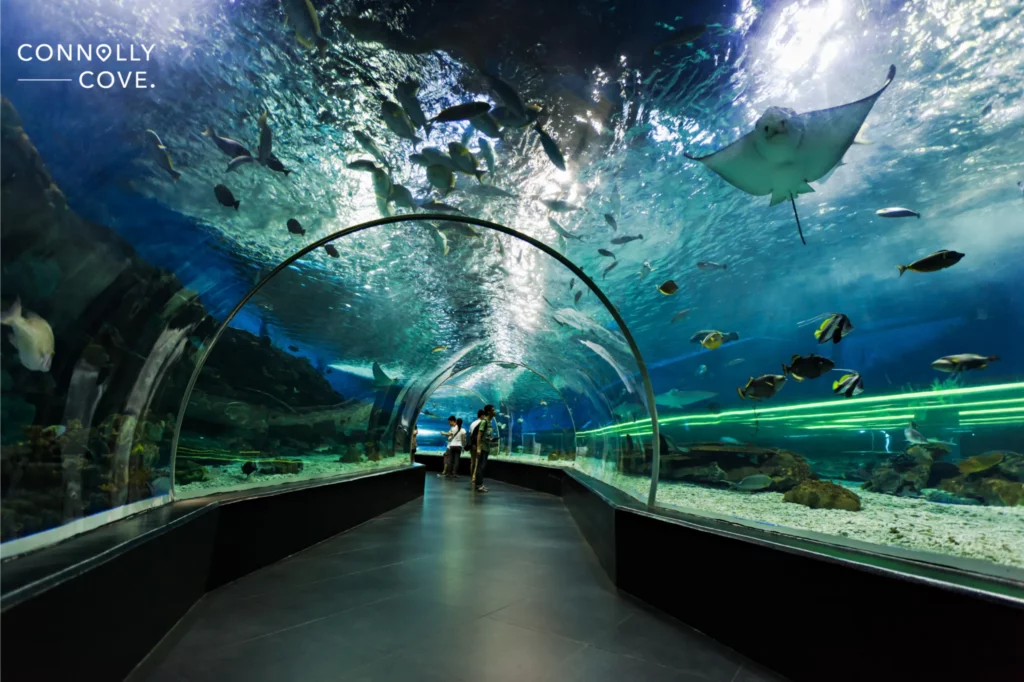
Manila Ocean Park promises a fantastic experience for families and marine enthusiasts. Start your adventure at the park’s Oceanarium, a massive acrylic tunnel that offers an unforgettable journey through an underwater wonderland. As you walk through the tunnel, you’ll be surrounded by a diverse array of marine species, including colourful fish, graceful rays, and even sharks. It’s like exploring the depths of the ocean without getting wet.
For a more immersive experience, consider participating in activities like fish feeding, snorkelling, or even diving in the park’s specially designed tanks. These experiences allow you to get up close and personal with marine animals in a controlled and safe environment.
The park offers entertaining and educational animal shows featuring dolphins, sea lions, and more. You’ll find educational exhibits and information about marine conservation efforts. Such exhibits and shows offer valuable insights into the importance of protecting our oceans and the creatures that inhabit them.
Practical Tips
- Check the park’s schedule for showtimes and special events to plan your visit accordingly.
- Wear comfortable clothes and walking shoes as you’ll be exploring various exhibits and attractions.
- It’s advisable to purchase tickets in advance to avoid waiting in queues, especially during peak hours.
5. Catch Sunset at the Manila Baywalk
Manila Baywalk is renowned for its breathtaking sunset views over Manila Bay. As the sun descends below the horizon, the sky transforms into a palette of vibrant colours, creating a serene and romantic atmosphere. Be sure to arrive in time to witness this natural spectacle.
The baywalk provides an ideal setting for leisurely strolls along the shoreline. Feel the gentle sea breeze on your face as you take in the views of the bay, the distant islands, and the city skyline.
As the sun sets, the baywalk comes to life with street performers and a variety of dining options, especially seafood restaurants known for their fresh catches. Try dishes like grilled prawns, kinilaw (ceviche), and crispy pata (deep-fried pork leg) for a taste of local flavours.
Practical Tips
- Manila Baywalk is most vibrant in the evening, so consider visiting during this time to enjoy the atmosphere.
- Take care of your belongings and avoid displaying valuables to ensure a safe and enjoyable visit.
- Keep in mind that weekends and holidays can be busier, so plan your visit accordingly.
6. Connect with Nature at the Manila Orchidarium and Butterfly Pavilion
Nestled within the heart of Manila, the Manila Orchidarium and Butterfly Pavilion is a hidden gem that offers a serene escape into the world of exotic flowers and enchanting butterflies. It’s a perfect destination for nature enthusiasts, families, and anyone seeking a peaceful oasis within the bustling city.
The Manila Orchidarium is a botanical haven housing a remarkable collection of orchids from various species and regions. As you wander through the Orchidarium’s lush gardens, you’ll be captivated by these exquisite blooms’ vibrant colours and intricate patterns.
Step into the Butterfly Pavilion, a magical enclosure where you’ll find yourself surrounded by a kaleidoscope of butterflies. This serene space allows you to witness these graceful creatures up close as they flit among the flowers and foliage.
Take a leisurely stroll through the Orchidarium and Butterfly Pavilion, pausing to admire the serenity of the surroundings. It’s an ideal spot for relaxation, meditation, or simply unwinding amidst the beauty of nature.
Practical Tips
- The Orchidarium and Butterfly Pavilion are best enjoyed during the daytime when the butterflies are most active.
- Wear comfortable clothes and walking footwear.
- Be mindful not to touch or disturb the butterflies to ensure their well-being.
- Consider joining a guided tour if you wish to gain a deeper understanding of the orchids and butterflies on display.
7. Delve into History at the National Museum of the Philippines
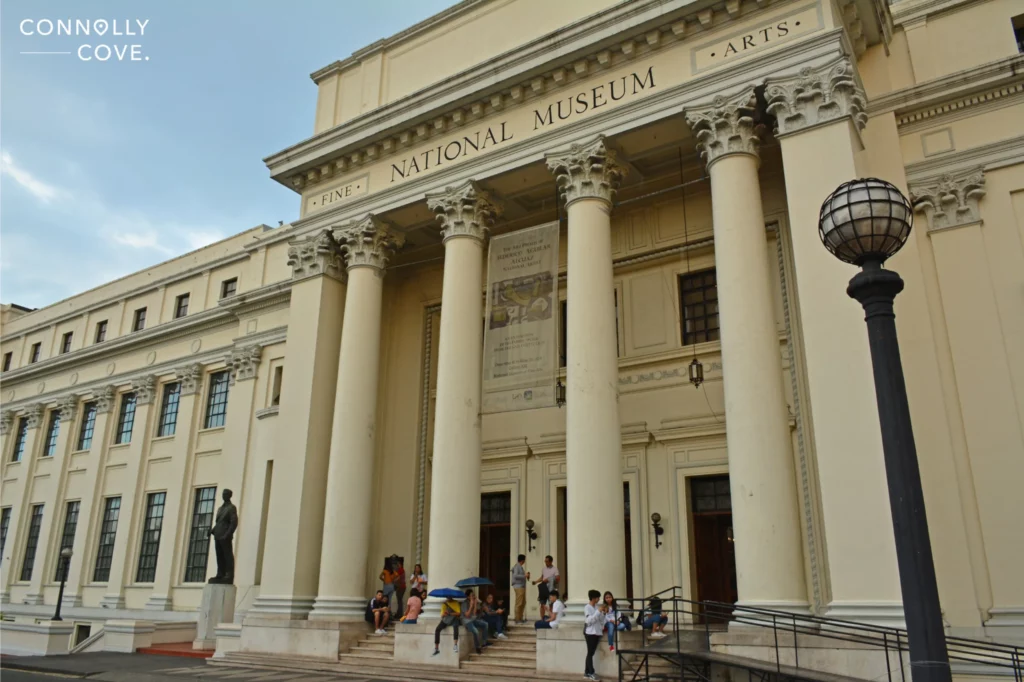
The National Museum of the Philippines is a cultural treasure trove situated in Manila. It houses a vast collection of art, historical artefacts, and cultural exhibits, providing comprehensive insight into the Philippines’ rich heritage.
Start your exploration at the Fine Arts Division of the National Museum. Here, you’ll encounter a diverse collection of Philippine art spanning centuries. Marvel at the works of renowned Filipino artists like Juan Luna, Fernando Amorsolo, and National Artist Benedicto Cabrera.
Discover the country’s pre-colonial history at the Archaeology Division. View ancient pottery, tools, and artefacts that provide glimpses into the lives of early Filipinos. The collection includes significant finds from various archaeological excavations across the Philippines.
The National Museum regularly hosts special exhibitions, cultural events, and educational programs. Check the museum’s schedule for any temporary exhibitions or events that may coincide with your visit.
Practical Tips
- Check the museum’s opening hours and any admission fees in advance.
- Consider taking a guided tour to gain deeper insights into the exhibits and history.
- Photography is often allowed but may have restrictions in certain areas, so be sure to inquire.
8. Visit Malacañang Palace
Malacañang Palace, often simply referred to as Malacañang, is the official residence and workplace of the President of the Philippines. Located in the heart of Manila, it holds historical significance and offers a unique opportunity to learn about the country’s governance and history.
Begin your visit by exploring the Malacañang Complex, which consists of several buildings, each with its own purpose. The main palace building, Bahay Pangarap (House of Dreams), and other structures house the presidential residence, offices, and historical memorabilia.
Visit the Malacañang Museum, a repository of presidential memorabilia, artefacts, and historical documents. It provides insights into the lives and leadership of past Philippine presidents.
Before you go, stroll through Malacañang Park, the surrounding landscaped grounds. The park offers a peaceful environment with greenery and well-maintained gardens.
Practical Tips
- Check the museum’s opening hours, ticket prices, and any special requirements before your visit.
- Photography may be restricted in certain areas, so it’s advisable to inquire about photography policies.
- Dress appropriately, as this is a government facility. Modest and business-casual attire is recommended.
- Keep in mind that certain areas of the complex are restricted to the public for security reasons. Be respectful of all posted rules and guidelines during your visit.
- To enhance your experience, consider taking a guided tour of the complex. Advance reservations for tours are typically required.
Practical Travel Tips for Exploring Manila
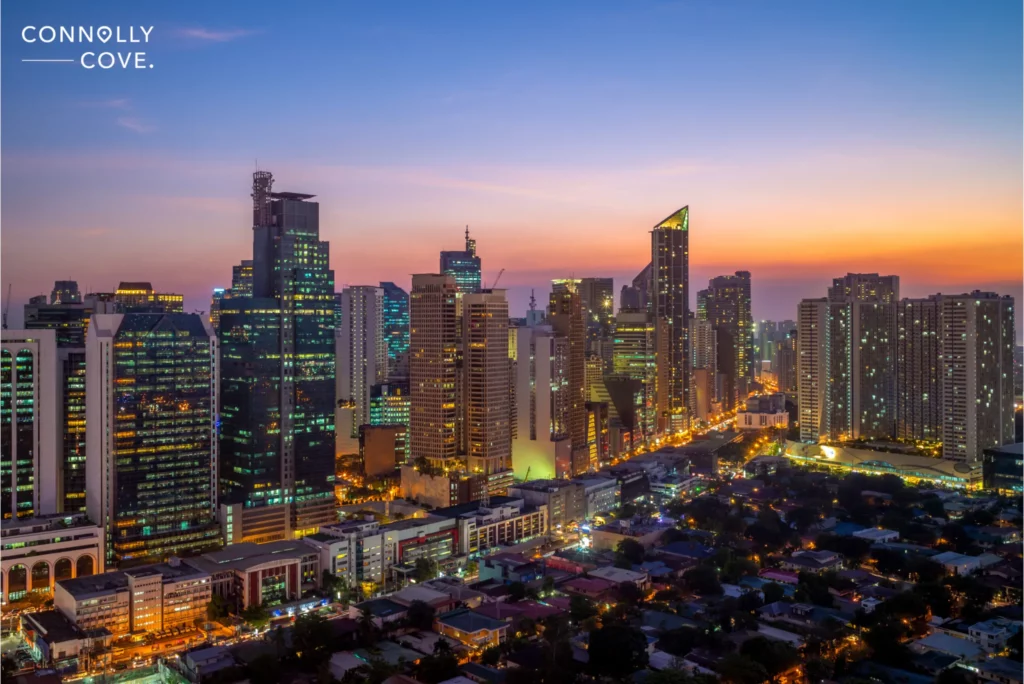
A trip to Manila is an adventure of a lifetime. To make the most of your visit, consider these practical travel tips so you can have a more enjoyable and hassle-free experience.
- The Philippine Peso (PHP) is the country’s official currency. Credit cards are commonly accepted in major establishments, but carrying some cash for smaller shops and local markets is a good idea.
- The official languages are Filipino (Tagalog) and English. English is widely spoken and understood, making it relatively easy for English-speaking travellers to get around.
- The Philippines operates on Philippine Time (PHT), which is 8 hours ahead of Coordinated Universal Time (UTC+8).
- Manila has a mix of transportation options, including taxis, rideshares like Grab, jeepneys (local minibuses), and the LRT (Light Rail Transit) and MRT (Metro Rail Transit) systems. Traffic can be heavy, so plan your routes accordingly.
- Pack lightweight clothing, but also bring an umbrella and rain gear if visiting during the wet season.
- Exercise caution in crowded areas, and be mindful of your belongings. Avoid displaying expensive jewellery or electronics, and use secure bags to deter pickpocketing.
- Keep yourself hydrated, especially during hot and humid weather. Avoid drinking tap water and instead stick to bottled water.
- Be cautious when consuming street food; choose vendors with a good reputation.
- Recognise and respect local customs and traditions. For example, taking your shoes off when entering someone’s home is a common practice.
- Consider obtaining travel insurance that includes trip cancellation and medical emergency coverage. This could provide you peace of mind during your journey.
- If you plan to use your mobile phone extensively, consider purchasing a local SIM card for data and calls. It’s a cost-effective way to stay connected.
- Know the local emergency numbers. In the Philippines, the emergency hotline for police, medical, and fire emergencies is 911.
Embrace Manila: Your Gateway to Adventure and Culture
As we conclude our journey through the captivating streets of Manila, we hope you’ve caught a glimpse of the magic that this vibrant city holds. We encourage you to consider Manila as your next travel destination and dive into the heart of the Philippines. The Pearl of the Orient awaits your exploration.
For in-depth travel guides to cities across the globe, helpful travel tips, and insider recommendations, be sure to check out our extensive library of guides. Whether you’re planning a romantic getaway in London, an adventurous expedition in Derry, or a cultural immersion in Havana, we’ve got you covered.
Travel is not just about the destinations; it’s about the experiences, the people, and the stories you collect along the way. Happy Travels!

Stairway to Heaven: A Tribute to Led Zeppelin’s Timeless Anthem
Music and Arts
10/05/2024

Calvià: A Tiny Paradise on the Island of Majorca
Destinations
10/05/2024

Untangling the Unicorn: Myth, Meaning & Symbol
Mythology and Folklore
10/05/2024

Unveiling the Mysterious Legends of the Finfolk
Mythology and Folklore
10/05/2024

The Ultimate Guide to 3 Best Stonehenge Tours from London
United Kingdom
10/05/2024