


The California State Capital: 12 Fun Things to Do in Sacramento
Updated On: November 09, 2023 by  Courtney Augello
Sacramento, the California state capital, is a city of great significance. It encompasses rich history, vibrant culture, and diverse attractions that will please everyone who visits.
The city offers a blend of heritage and progress, allowing visitors and residents to explore its past while embracing its dynamic present. From its impressive landmarks to its bustling streets, Sacramento leaves an indelible impression on all who experience its charm.
To help you plan the best holiday in Sacramento, we’ve explored the city’s history, attractions, and famous landmarks.
Table of Contents
Historical Background
Early History
Sacramento’s history dates back thousands of years to when it was inhabited by indigenous tribes, primarily the Nisenan, Miwok, and Maidu people. These Native American communities lived in the region for centuries.
They thrived by relying on the fertile lands and abundant natural resources provided by the confluence of the Sacramento and American Rivers. The indigenous inhabitants had a deep connection to the land and established a rich cultural heritage that influenced the area’s development.
Founding of Sacramento
Sacramento was founded in 1848 by John Sutter and James W. Marshall. Initially established as a trading post and agricultural centre, the city quickly grew in importance due to its strategic location at the junction of the Sacramento and American Rivers.
The river access allowed for easy transportation of goods and made Sacramento a vital hub for trade and commerce. As the city expanded, it attracted settlers from various backgrounds, including European immigrants and fortune seekers drawn by the California Gold Rush.
Role During the California Gold Rush
Sacramento played a pivotal role during the California Gold Rush of the late 1840s and early 1850s. The discovery of gold at Sutter’s Mill in 1848 sparked a massive influx of people to the region in search of fortune.
As one of the primary entry points to the gold fields in the Sierra Nevada foothills, Sacramento became a bustling centre of activity. Prospectors, known as “forty-niners,” flocked to the city, creating a booming economy and rapid urban development.
Sacramento served as a vital supply and transportation hub during this time. The city’s location facilitated the shipment of goods, equipment, and people up the Sacramento River to the gold fields.
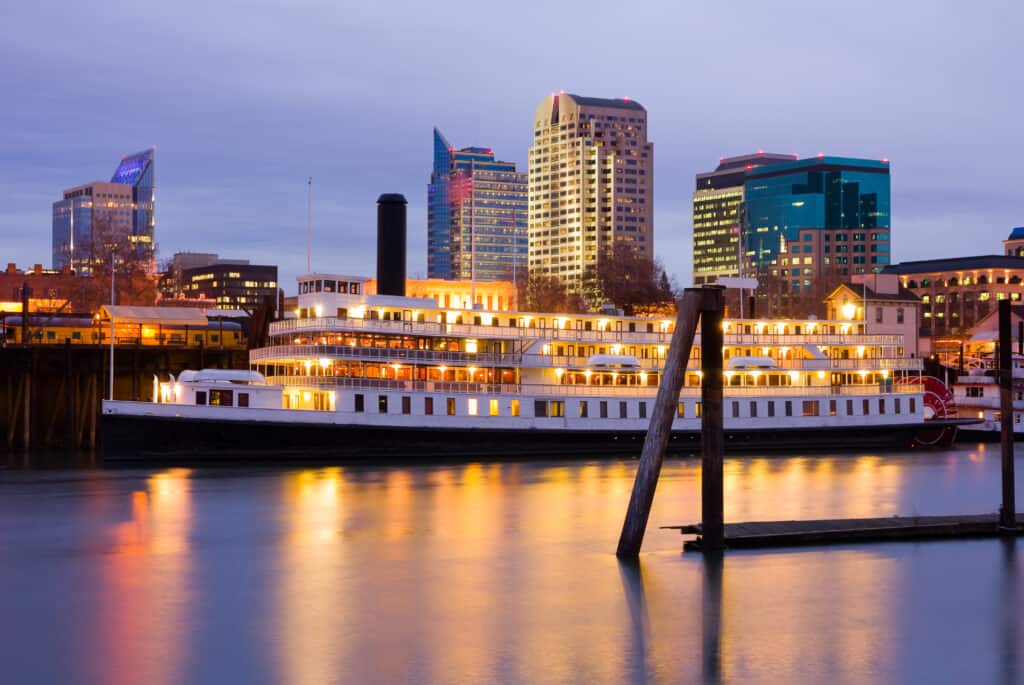
The Sacramento River steamboats, an iconic symbol of the era, transported prospectors and supplies, contributing to the city’s growth and prosperity. Merchants, entrepreneurs, and service providers established businesses in Sacramento to cater to the needs of the gold rush population.
Development as the California State Capital
In 1854, Sacramento was designated as the permanent California state capital. The decision to make Sacramento the capital was influenced by its central location within the state, its growing population, and its importance as a commercial and transportation centre.
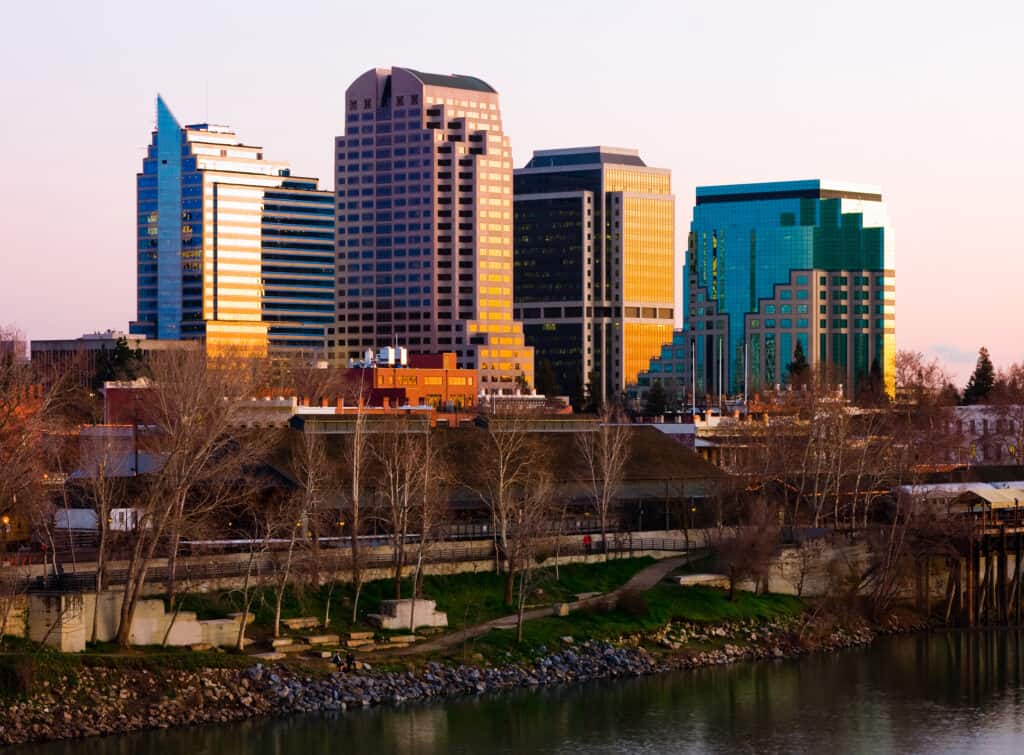
The construction of the California State Capitol Building began in 1860, solidifying Sacramento’s role as the political centre of the state.
Over the years, Sacramento continued to develop and expand its infrastructure and services to accommodate the needs of a growing population. The city experienced significant growth during the late 19th and early 20th centuries as agricultural and industrial activities thrived.
Today, Sacramento stands as a vibrant and diverse capital city, symbolizing the rich history, economic importance, and cultural heritage of California.
Previous California State Capitals
Despite their relatively short periods as the California state capital, Monterey, San Jose, and Vallejo each played a unique role in shaping the early history of the state.
They reflect the state’s diverse historical background and serve as important reminders of the state’s evolution from Spanish and Mexican territories to a part of the USA. While Sacramento stands as the permanent California state capital, these cities retain their historical significance and continue to showcase their unique cultural heritage.
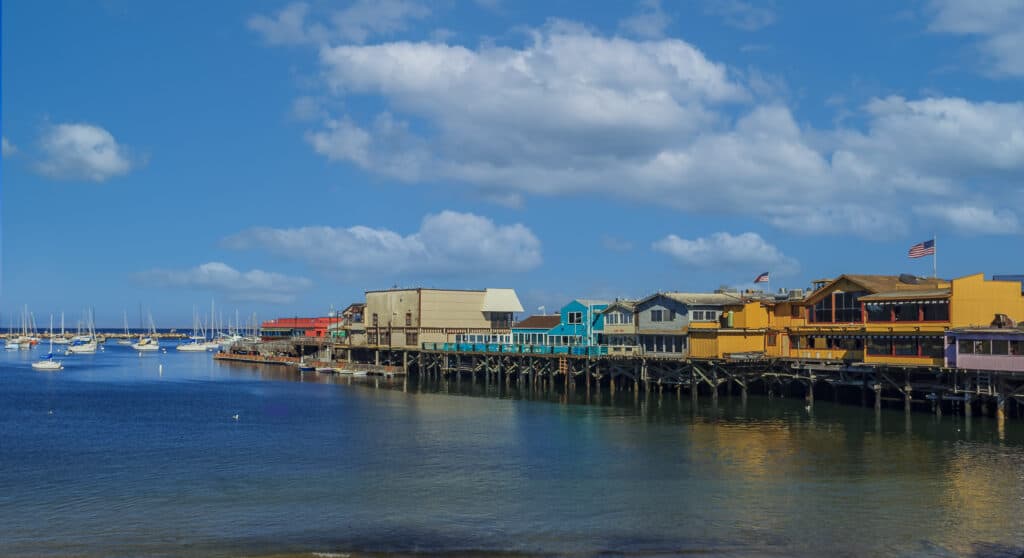
Monterey
Monterey, located on the central coast of California, served as the first California state capital from 1777 to 1849. The city’s status as the capital was established when California was still a Spanish and Mexican territory.
Monterey played a significant role during the early colonial period, serving as the headquarters of Spanish and Mexican governors. The famous Monterey Custom House, constructed in 1827, stands as a testament to the city’s historical importance.
It was in this building that the Mexican-American war was declared in 1846, leading to the eventual transfer of California to the United States.
San Jose
In 1849, a constitutional convention was held in California to draft a state constitution as part of the process for admission into the United States. The convention took place in San Jose, making it the temporary California state capital during that time.
San Jose, situated in the Santa Clara Valley, was chosen due to its central location and accessibility. It provided a meeting point for delegates from different regions of the state to convene and establish the framework for California’s governance.
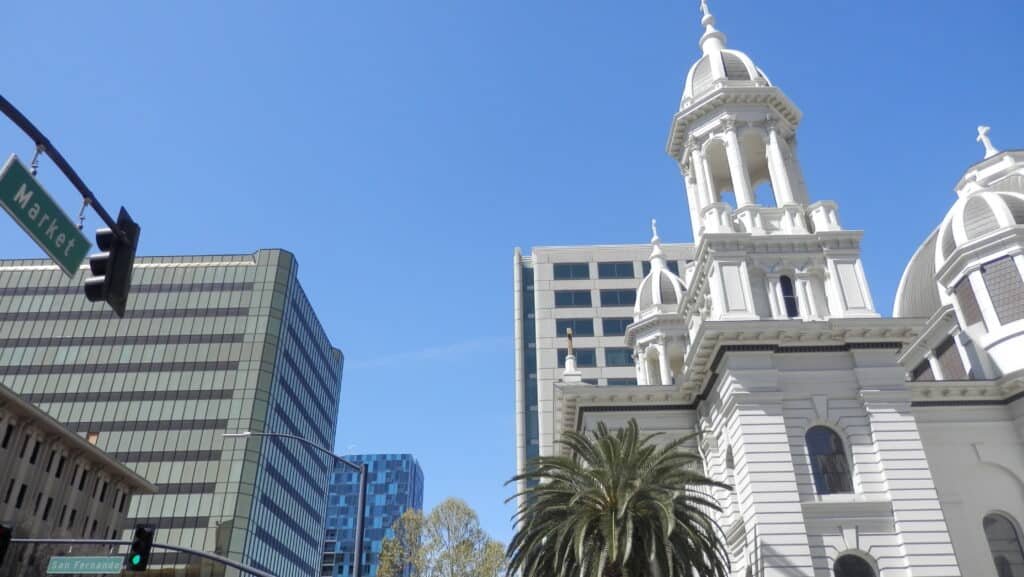
Although its tenure as the California state capital was temporary, San Jose’s contribution to the state’s early political development is significant.
Vallejo
Following the constitutional convention held in San Jose, the search for a permanent capital city began. In 1850, the California legislature selected Vallejo as the capital of the newly admitted state.
Vallejo, located in the northern part of the San Francisco Bay Area, offered a strategic location near the major urban centres of the time. The city served as the California state capital for a short period from 1852 to 1853.
However, its tenure was brief due to political controversies and lobbying efforts by Sacramento, which ultimately led to the transfer of the capital to the current capital city.
Things to Do in Sacramento
Cultural attractions
Sacramento offers a rich array of cultural attractions that cater to diverse interests. Museums and art galleries in the city provide a glimpse into various aspects of history, art, and science.
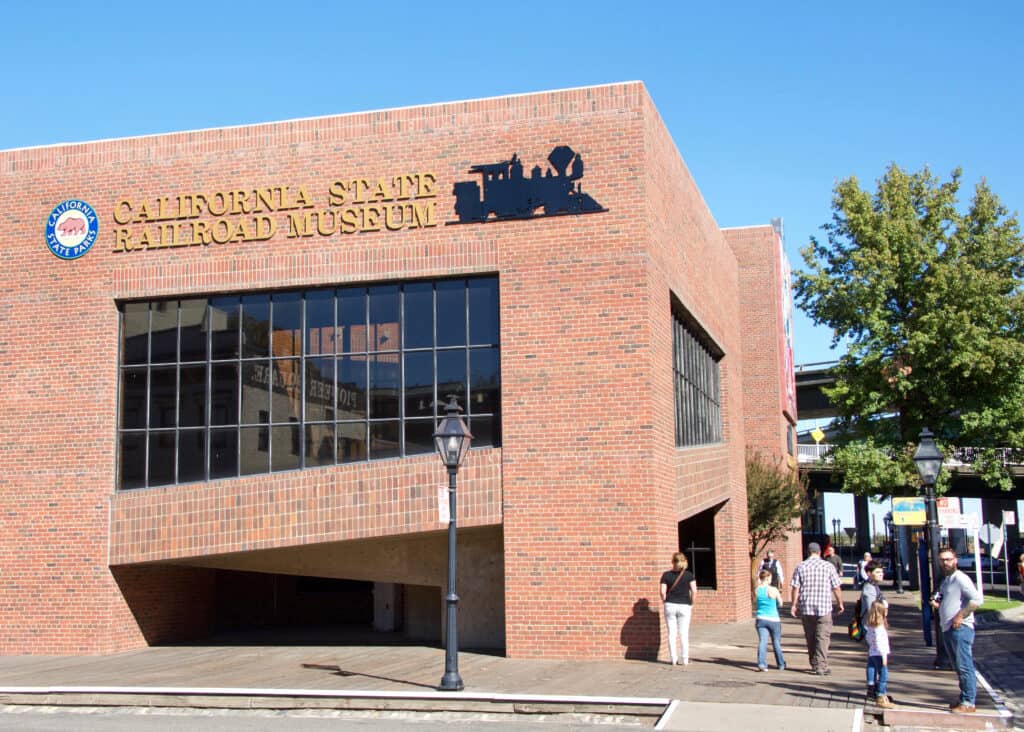
Museums
The California State Railroad Museum is a popular destination, showcasing the state’s railroad history through interactive exhibits and restored locomotives.
Additionally, the California Museum highlights the diverse cultures and contributions of Californians throughout history.
Theatres and Performing Arts Venues
The city’s vibrant performing arts scene is also worth exploring. The Sacramento Community Center Theater hosts a variety of Broadway productions, musical performances, and dance shows.
For those interested in more intimate theatre experiences, the B Street Theatre offers an eclectic lineup of contemporary plays and original works.
Sacramento also boasts the Sacramento Ballet, the Sacramento Philharmonic and Opera, and numerous other performing arts groups that offer captivating performances throughout the year.
Outdoor Activities
Outdoor enthusiasts will find plenty of opportunities to enjoy nature and engage in recreational activities in the California state capital. The city offers a range of outdoor options, including parks and gardens, riverfront activities, and biking and hiking trails.
Parks and Gardens
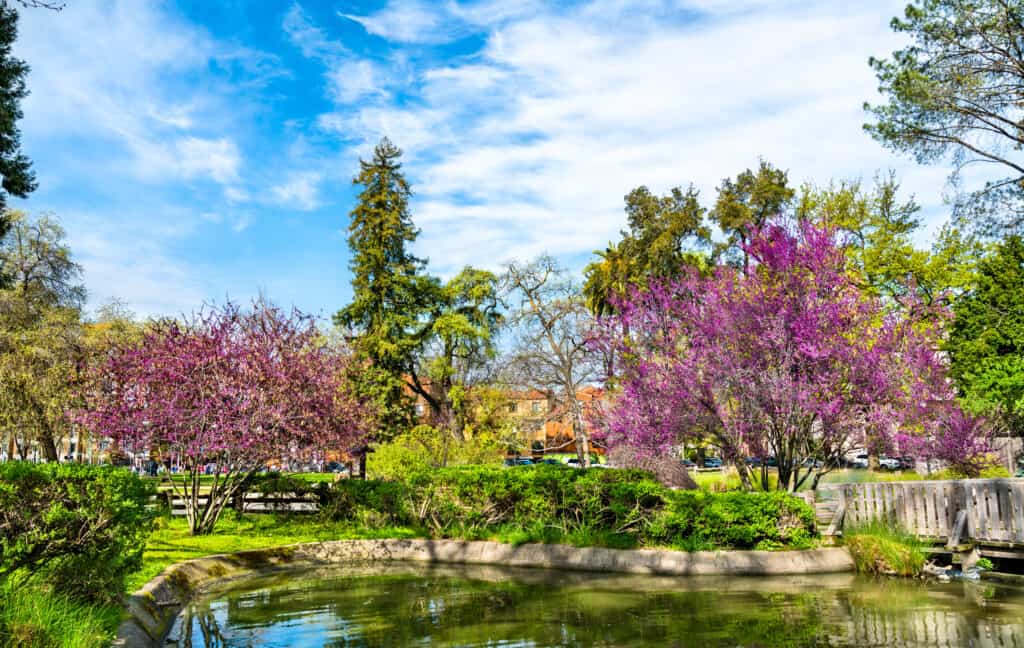
Sacramento boasts several beautiful parks and gardens that provide serene and green spaces for relaxation and recreation. William Land Park is a popular destination, covering over 166 acres and featuring picnic areas, playgrounds, and a golf course.
McKinley Park is another favourite spot, known for its expansive green lawns, vibrant rose garden, and well-equipped playground for children. These parks offer ideal settings for picnics, leisurely walks, or engaging in outdoor activities.
Riverfront Activities
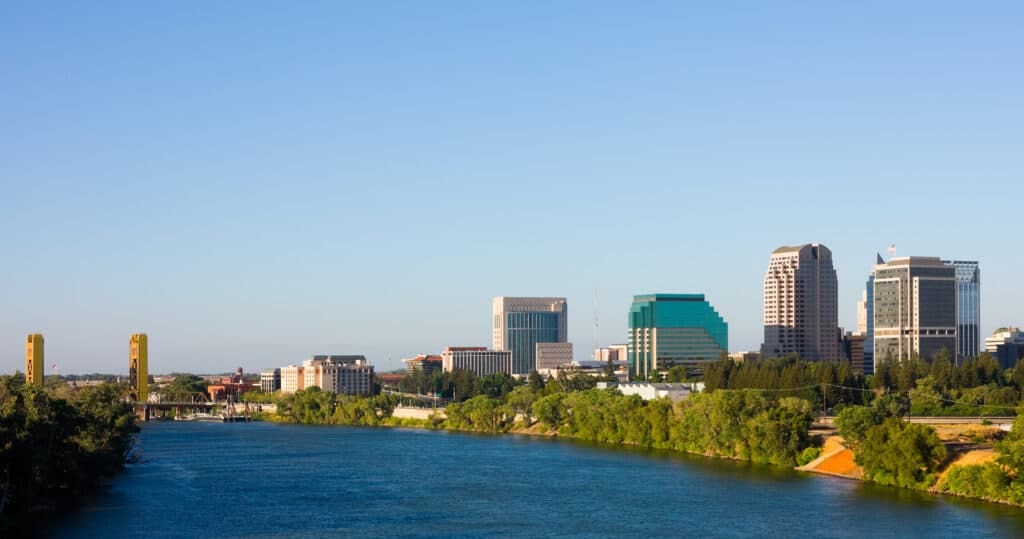
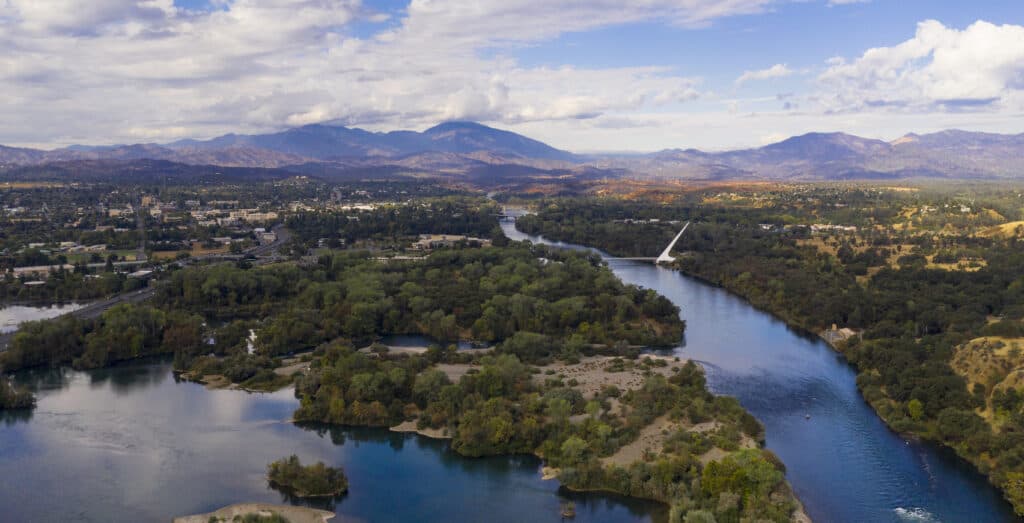
The city’s riverfront location along the Sacramento River provides opportunities for water-based activities. The Sacramento Riverfront Promenade is a scenic path that stretches along the river, offering breathtaking views and the tranquillity of the water.
Discovery Park, located at the confluence of the Sacramento and American Rivers, is a popular destination for boating, fishing, and picnicking. Visitors can rent kayaks, canoes, or paddleboards to explore the river or simply relax on the sandy beaches.
Miller Park is another riverfront park that offers boat ramps, picnic areas, and a marina for those looking to enjoy recreational boating or fishing.
Biking and Hiking Trails
For those who prefer biking or hiking, Sacramento provides a network of trails that cater to outdoor enthusiasts of all levels.
The American River Parkway is a gem for cyclists, walkers, and runners. Extending over 30 miles, the paved trail follows the American River and offers scenic views of the surrounding nature.
The Jedediah Smith Memorial Trail, which runs along the American River Parkway, is particularly popular among cyclists, providing a picturesque and well-maintained route.
Folsom Lake State Recreation Area, located a short drive from Sacramento, offers a range of hiking and biking trails amidst beautiful landscapes and views of Folsom Lake.
Whether you prefer a leisurely bike ride or a challenging hike, Sacramento’s trails offer a variety of options to suit different preferences and fitness levels.
Family-Friendly Attractions
Zoos and Aquariums
The Sacramento Zoo is a must-visit destination for animal lovers. Located within William Land Park, the zoo is home to over 500 animals from around the world. Visitors can explore various exhibits and encounter a diverse range of animals, including lions, primates, reptiles, and birds.
The zoo also offers educational programs, animal shows, and interactive experiences that provide insight into wildlife conservation and the natural world.
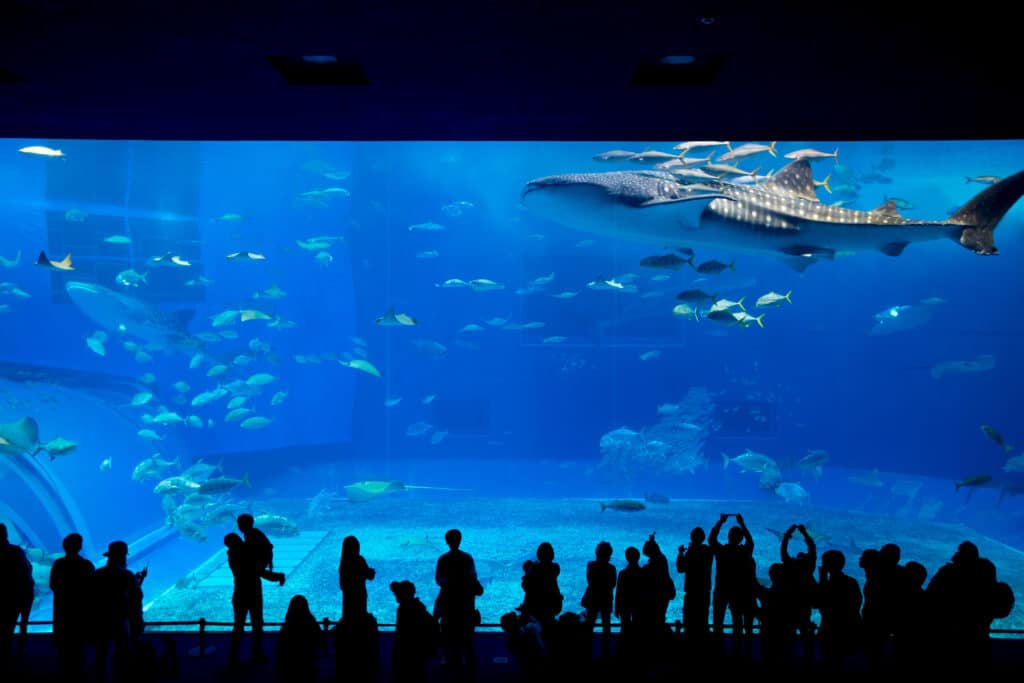
For aquatic adventures, the SeaQuest Interactive Aquarium in Sacramento is a popular choice. This interactive aquarium allows visitors to get up close and personal with a wide array of marine life.
From touching stingrays and feeding birds to diving with sharks, the aquarium offers unique and immersive experiences that are educational and entertaining. With themed exhibits featuring different ecosystems and habitats, SeaQuest provides an opportunity to learn about the wonders of the underwater world.
Amusement Parks
When it comes to amusement parks and entertainment centres, the California state capital has many exciting options for family fun.
Funderland Amusement Park is perfect for younger children, offering a variety of rides and attractions scaled to their size. From classic carousels to mini roller coasters, Funderland provides a safe and enjoyable experience for little ones.
Scandia Family Fun Center is another popular choice, providing an array of activities for the whole family. Mini-golf, go-karts, batting cages, bumper boats, and an arcade are just a few of the options available to keep everyone entertained for hours.
If you’re looking for water-based entertainment, Raging Waters Sacramento is the place to be. This family-friendly water park offers a thrilling selection of water slides, wave pools, lazy rivers, and interactive play areas.
Famous Places & Landmarks in Sacramento
California State Capitol Building
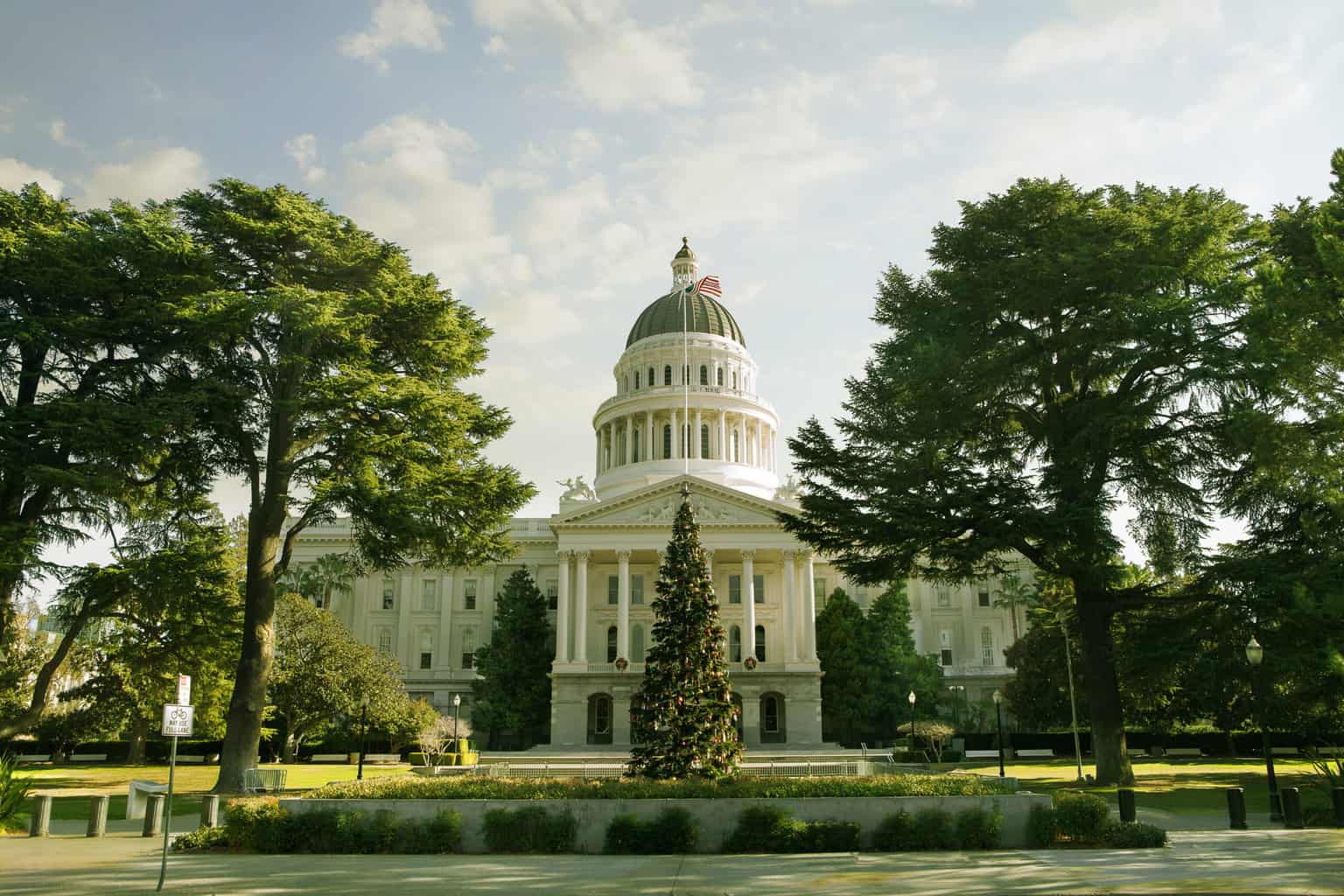
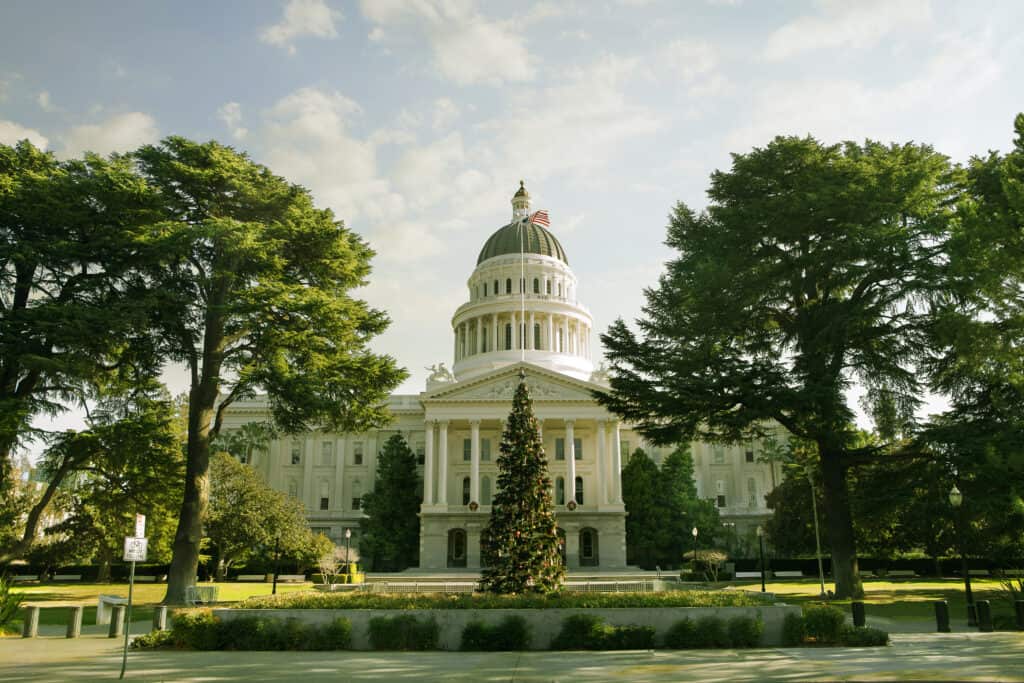
One of the most iconic landmarks in Sacramento is the California State Capitol Building. Located at the west end of Capitol Park, this magnificent structure serves as both the seat of the California State Legislature and a symbol of the state’s political power.
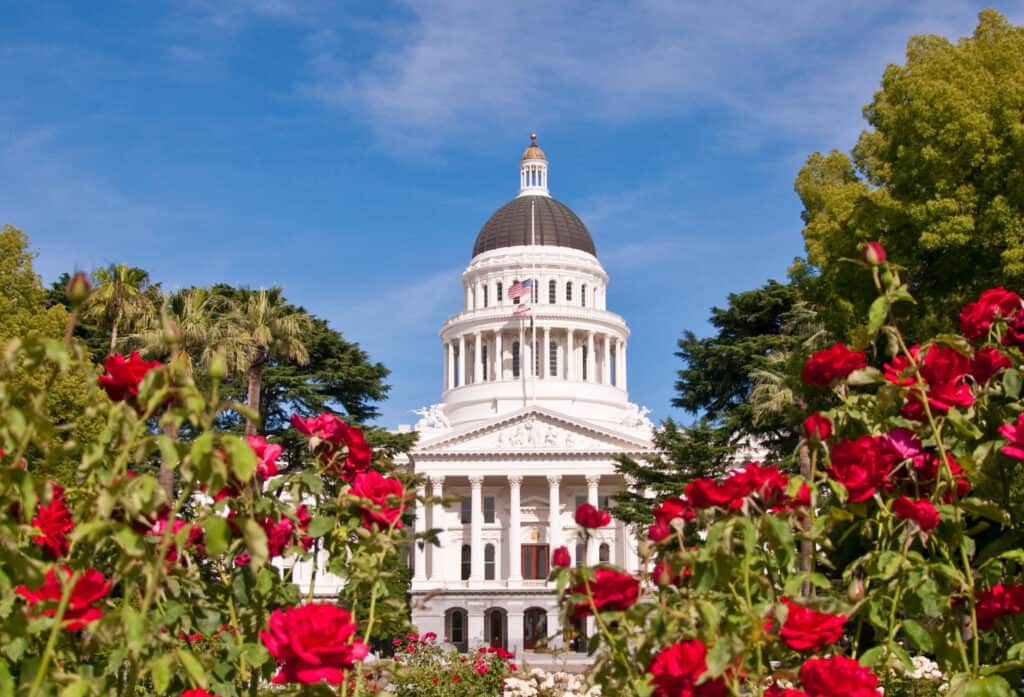
The neoclassical architecture of the building is impressive, featuring a distinctive white dome that can be seen from various vantage points in the city. Visitors can explore inside the Capitol Building, which houses legislative chambers, historic rooms, and more.
Guided tours are available, providing insight into the state’s governance and offering a glimpse into the workings of democracy.
Old Sacramento Historic District
Old Sacramento Historic District is a charming and vibrant neighbourhood that offers a glimpse into the city’s rich history.
Situated along the Sacramento River, the district features beautifully preserved buildings from the 19th century, including wooden plank sidewalks, gas lamps, and storefronts that reflect the city’s Gold Rush era.
Visitors can explore a variety of museums, including the California State Railroad Museum, which showcases the history of the railroad in California. The district is also home to numerous shops, restaurants, and entertainment venues, making it a popular destination for locals and tourists.
Sutter’s Fort
Sutter’s Fort holds immense historical significance as a key site during the California Gold Rush era. Built in 1839 by John Sutter, a Swiss immigrant and pioneer, the fort served as a trading post and agricultural centre in the early days of Sacramento.
Today, Sutter’s Fort State Historic Park provides a window into the past, allowing visitors to step back in time and experience the challenges and triumphs of the pioneers. The reconstructed fort features historic buildings, interactive exhibits, and costumed guides who share stories about life in the 1840s.
Crocker Art Museum
One of the best art galleries to visit in Sacramento is the Crocker Art Museum. Located in the heart of the California state capital, the Crocker Art Museum is the longest continuously operating art museum in the West.
It is renowned for its diverse collection of artworks, ranging from California masterpieces to European paintings and sculptures. The museum’s collection spans various periods and styles, offering a comprehensive artistic experience.
The Crocker Art Museum is particularly celebrated for its extensive collection of California art, showcasing the rich artistic heritage and contributions of the region. Its displays make it a must-visit attraction in the California state capital.
Tower Bridge
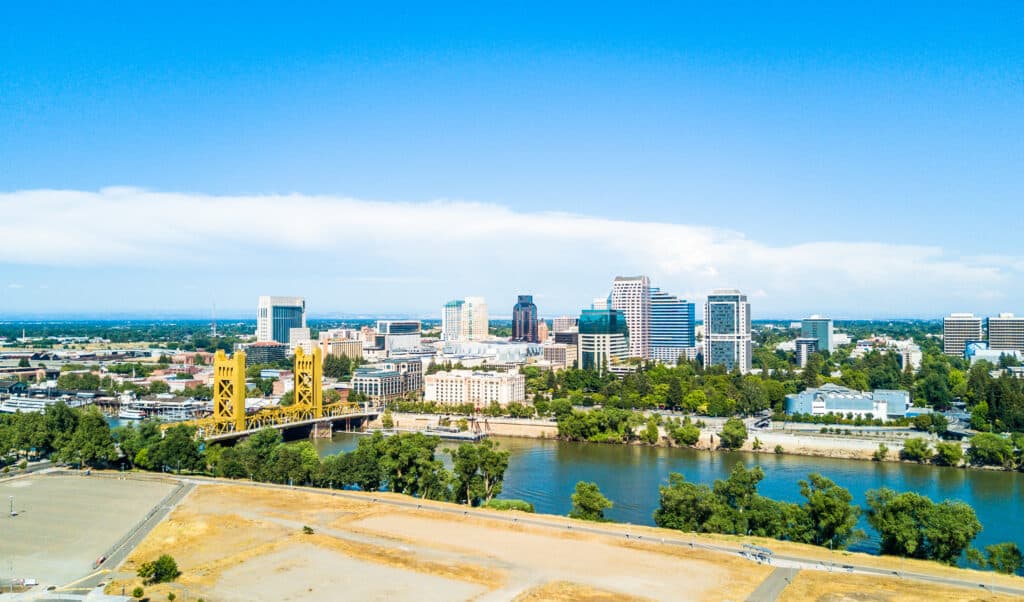
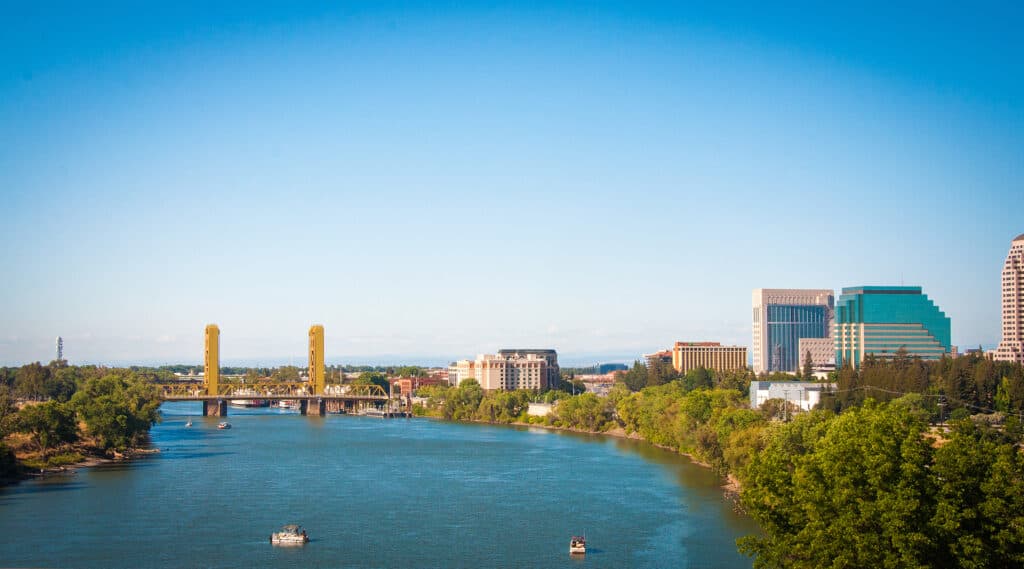
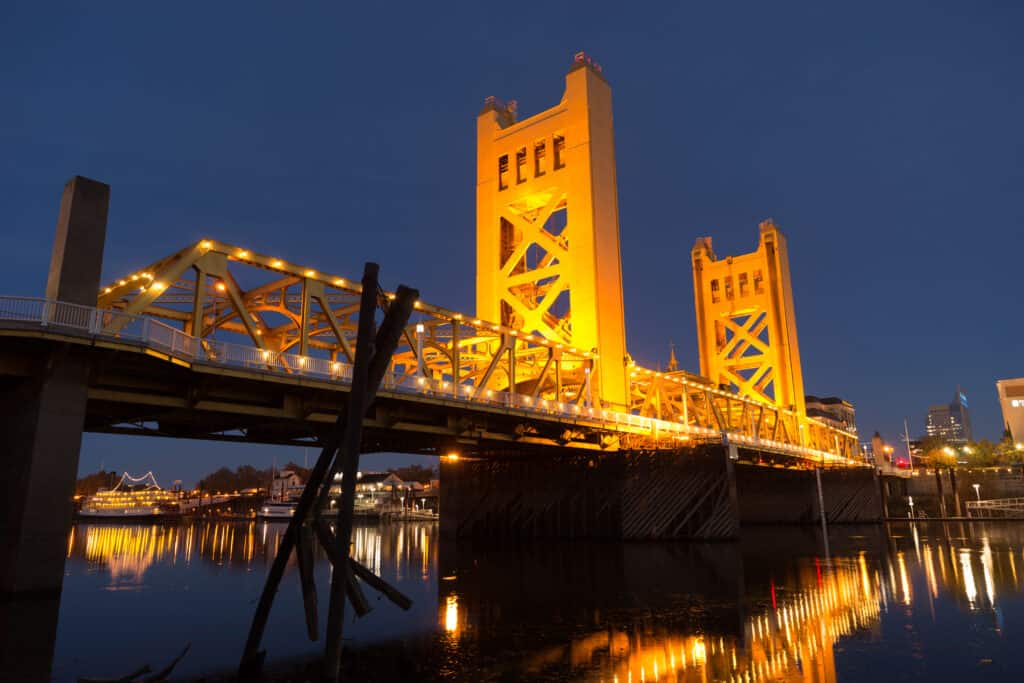
The Tower Bridge is an iconic landmark that spans the Sacramento River, connecting the city of Sacramento with West Sacramento. This vertical-lift bridge is not only a vital transportation link but also a symbol of the city’s growth and progress.
The distinctive design of the Tower Bridge, with its unique Art Deco towers and bright golden colour, makes it an architectural gem. It has become one of the most recognizable symbols of the California state capital and a popular backdrop for photographs.
The bridge provides pedestrian access, allowing visitors to walk or bike across and enjoy panoramic views of the river and the Sacramento skyline. Illuminated at night, the Tower Bridge adds a touch of enchantment to the city’s landscape.
Sacramento is a Fascinating City to Visit
Sacramento stands as a remarkable city and the California state capital. It embodies a rich tapestry of history, culture, and significance. From its early roots as a trading post to its pivotal role during the California Gold Rush, the city has played a crucial part in shaping the state.
Today, the California state capital offers a plethora of attractions and activities for visitors and residents alike. Museums, art galleries, and theatres showcase artistic expressions, and outdoor enthusiasts can revel in the abundance of parks, gardens, and family amusement parks.
If you’re looking for more attractions in California, check out these 16 Wonderful Things to Do in Napa Valley.

Unveiling the Enigma of Cronk Sumark: A Mesmerising Ancient Celtic Hill Fort with Stunning Views!
Culture Exploration
03/05/2024

Dylan Thomas: Exploring The Life of Wales’ Creative Wordsmith!
Language and Literature
03/05/2024

The Mythical Power of Viking Ravens: Huginn and Muninn!
Mythology and Folklore
03/05/2024

Exploring the Remote Beauty of the magnificent Shetland Island!
Scotland
03/05/2024

Understanding the Meaning and Symbolism of Heraldry Symbols!
History and Heritage
03/05/2024