


Dublin Zoo: A Must-Visit Attraction in Ireland
Updated On: February 18, 2024 by  Eman Sameh
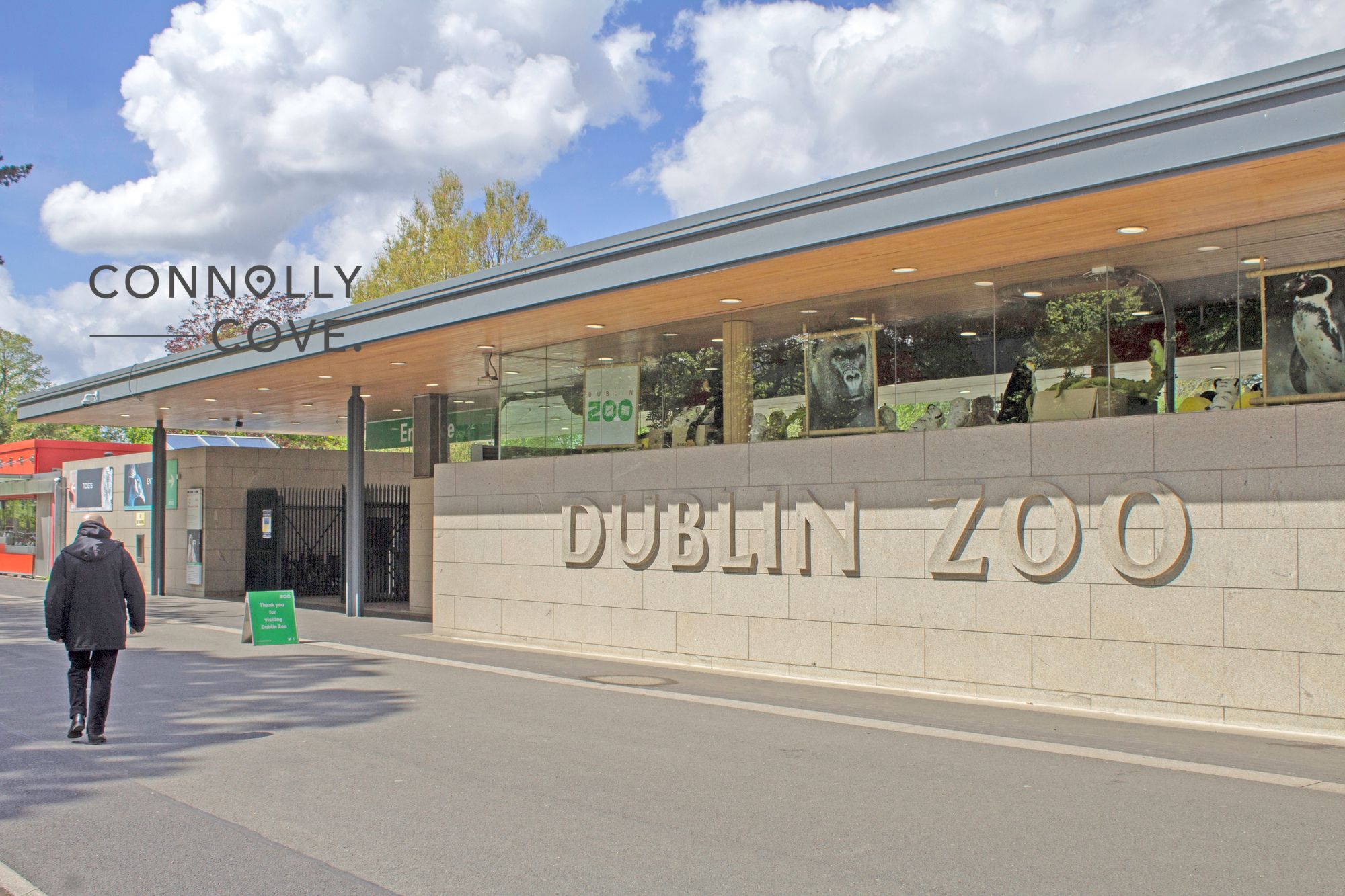
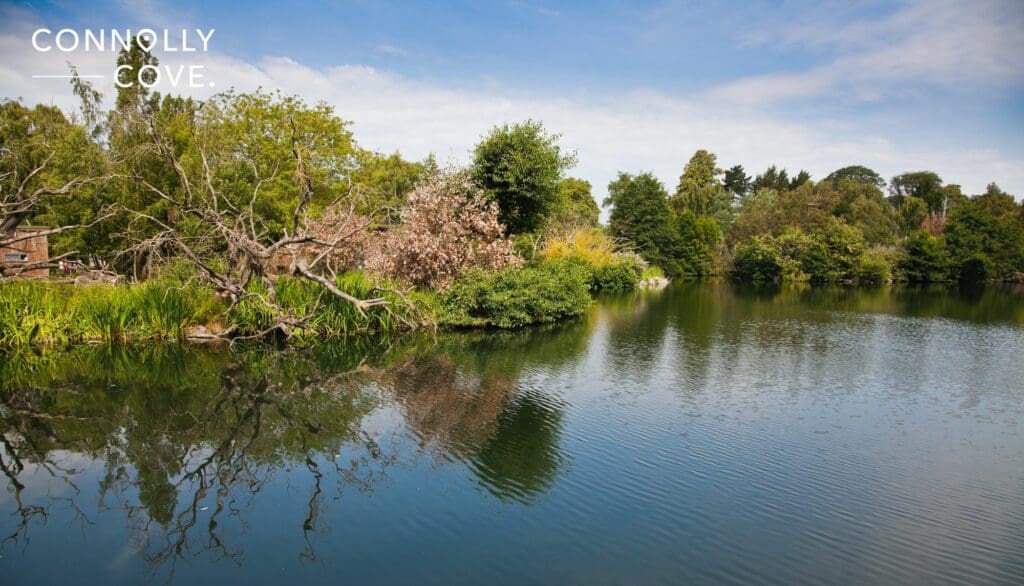
Among the so many things to do in Ireland, Dublin Zoo offers an unforgettable experience. Its iconic thatched gateway welcomes visitors to a verdant haven where animal encounters meet with botanical exploration. Lush greenery and vibrant flowerbeds create a picturesque backdrop for the diverse array of creatures, making the zoo as much a garden paradise as an animal sanctuary.
Whether you’re a seasoned wildlife enthusiast or a curious family seeking an adventurous day out, this Zoo promises an experience that sparks wonder and ignites a passion for the natural world. So, get ready for an exceptional trip and let us learn more about its beautiful exhibits.
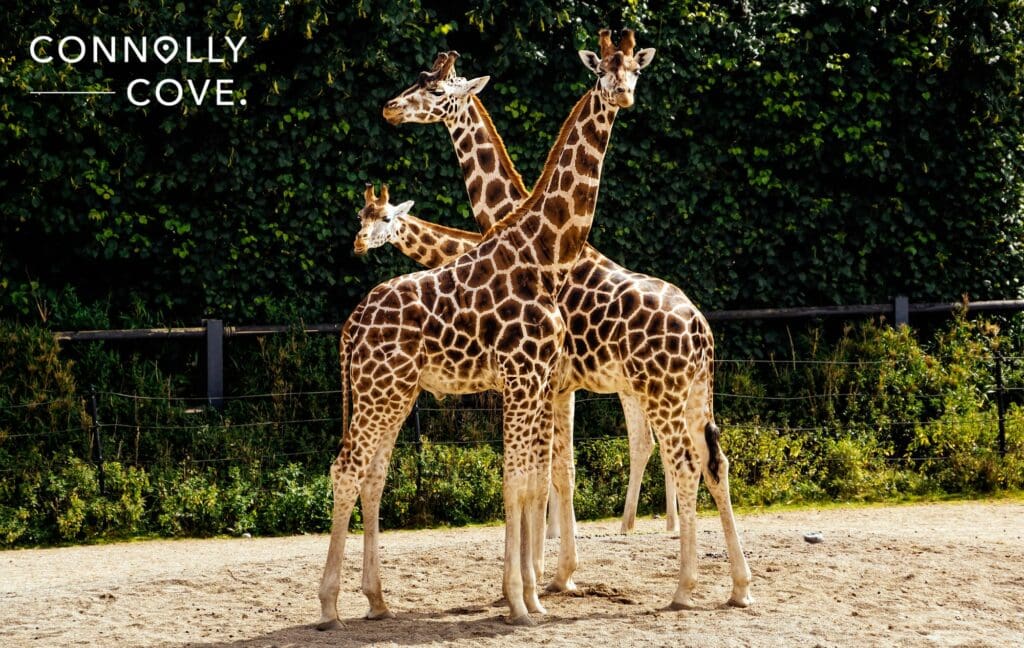
Table of Contents
Amazing Facts about Dublin Zoo
- History with a Bite: Founded in 1831, Dublin Zoo is Ireland’s largest zoo and one of the oldest in Europe. It started with a humble 46 mammals and 72 birds, a far cry from the over 400 species it houses today.
- From Penny Paradise to Modern Marvel: In 1840, the zoo made a radical move – opening its doors for a mere penny on Sundays. This gesture cemented its place in the hearts of Dubliners and sparked a long tradition of family-friendly affordability.
- Beyond Entertainment: Dublin Zoo is more than just a place to see animals. It actively participates in global conservation efforts, supporting breeding programs for endangered species like Amur tigers, Grevy’s zebras, and Orangutans.
- Habitat Haven: Dublin Zoo reimagines animal spaces as intricate habitats meticulously designed to mimic the creatures’ natural homes. Lush rainforests, sun-drenched savannas, and icy Arctic landscapes transport visitors across the globe without leaving the park.
- Family Fun for All: From playful sea lion shows to interactive chimpanzee exhibits, the Zoo offers memorable experiences for visitors of all ages. Throughout the year, educational talks, behind-the-scenes tours, and themed events keep the learning and laughter going.
- Hidden Gems: Keep your eyes peeled for unexpected delights! The Victorian Reptile House, with its air of vintage charm, the playful meerkat mob scurrying through their burrows, and the serene Butterfly Garden teeming with vibrant wings, are just a few of the zoo’s hidden treasures.
- Numbers Speak: Over 1 million visitors annually make Dublin Zoo the most popular family attraction in Ireland. With 28 hectares of sprawling land, it’s easy to see why – even the most adventurous explorer wouldn’t run out of new paths to discover.
Conservation and Breeding Programs
The zoo is a dedicated champion for conservation, actively working to protect vulnerable species and ensure their future in the wild. It Works closely with international organisations and participates in various breeding programs to help increase the population of endangered animals.
Amur Tigers: These majestic striped giants face numerous threats in their native Russian Far East. Dublin Zoo houses a breeding pair of Amur tigers, contributing to vital efforts to increase their numbers and potentially reintroduce them to their natural habitat in the future.
Grevy’s Zebras: With their striking black and white stripes, Grevy’s zebras are the largest and most endangered zebra species. Dublin Zoo partners with other institutions to conserve this magnificent zebra, providing a breeding ground for these beautiful animals.
Orangutans: These intelligent primates face habitat loss and illegal hunting in their native Southeast Asia. Dublin Zoo participates in the European Orangutan Breeding Programme, ensuring a safe haven for these gentle giants and contributing to future reintroduction efforts.
Beyond Breeding: Dublin Zoo’s conservation efforts extend beyond breeding programs. The zoo actively supports field research projects in the wild, providing crucial data and expertise to researchers studying endangered species and their habitats. Additionally, the zoo raises awareness among visitors about the threats facing wildlife and empowers them to become advocates for conservation.
Must-See Exhibits and Activities at Dublin Zoo
Dublin Zoo offers a vibrant journey through the animal kingdom, catering to every age and interest. Here are some must-see exhibits and activities to spark your imagination and make your visit unforgettable.
Wild Lights display
The Wild Lights display at Dublin Zoo is a spectacular event held from November to January. The zoo is illuminated with stunning light installations displaying intricate lanterns and sculptures inspired by wildlife and nature. As you wander the zoo after dark, you’ll be amazed by the vibrant colours and magical atmosphere created by these dazzling lights.
Live webcams
Tune in and get a glimpse into the lives of these fascinating creatures, from playful sea lions basking in the sunshine to majestic tigers prowling their enclosures. It’s a virtual safari from the comfort of your couch!
African Savanna: Witness the grandeur of the African plains, where giraffes stretch their necks for leaves, zebras graze peacefully, and rhinos lumber past. You might even glimpse the endangered scimitar-horned oryx, a species making a comeback thanks to Dublin Zoo’s conservation efforts.
Penguins: These tuxedo-clad cuties are always a crowd-pleaser. Watch them waddle on land, preen their feathers, and dive gracefully in their icy pool. You might even see them squabble over the best fish or huddle together for warmth.
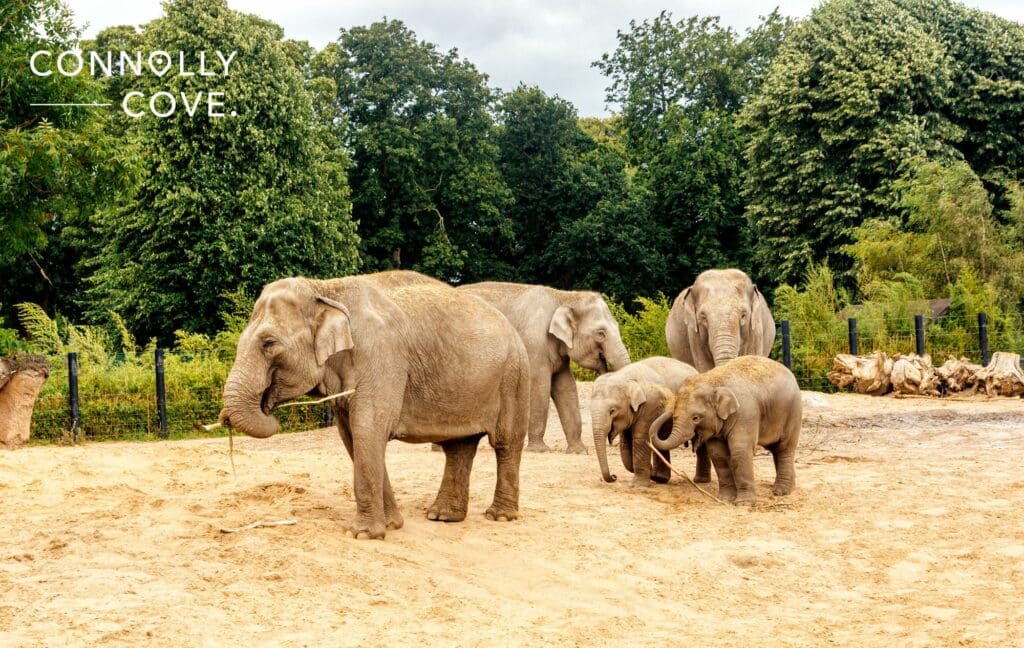
Elephants: Observe the gentle giants of the Asian forest as they bathe in their mud pool, munch on hay, and interact with their herd. Witness the deep bond between mothers and calves and marvel at the intelligence and strength of these magnificent creatures.
Featured animals and their habitats
Each exhibit is a carefully curated miniature world designed to house creatures and bring their natural stories to life. Here, we’ll peek into the lives of a few featured animals and the immersive worlds they call home.
- Meerkat Manor: Watch these charismatic critters dart around their burrows, interact with each other, and stand guard on their hind legs, watching for predators.
- Gorilla Forest: See a family of western lowland gorillas interacting in their lush habitat, climbing trees, and displaying their impressive strength and agility.
- Butterfly Garden: Step into a kaleidoscope of colour as hundreds of vibrant butterflies flutter around you, sipping nectar from exotic flowers and soaking up the sunshine.
- Lemur Walkthrough: Embark on a unique adventure through a lemur enclosure, observing these playful primates as they swing from branches, groom each other, and search for snacks.
- Playful Sea Lion Show: Enjoy the antics and intelligence of these aquatic performers as they showcase their skills and delight audiences with their playful nature.
- Amur Tiger Forest: Witness these endangered giants’ awe-inspiring power and grace as they stalk through their expansive forest habitat.
- Orangutan Rainforests: Immerse yourself in the lush greenery and encounter these intelligent primates swinging through the trees, building nests, and interacting with each other.
- Sea Lion Pool: Get up close to these playful and charismatic creatures during feeding demonstrations and watch them dive and frolic in their watery playground.
- African Savanna: Take a safari through the heart of Africa, spotting majestic lions, graceful giraffes, playful zebras, and cheeky meerkats amidst the sprawling grassland.
- Polar Bear Range: Observe these iconic Arctic predators as they swim in their icy pool, explore their rocky crags, and bask in the sunshine.
- Giant Otter Falls: Watch these playful and social creatures frolic in their watery oasis, showcasing their impressive swimming skills and playing with each other.
Wild Flight Bird Show
At the Wild Flight Bird Show, this exhilarating dream becomes reality. Witness the awe-inspiring power and grace of hawks, owls, and falcons as they demonstrate their natural hunting skills and perform breathtaking aerial manoeuvres in a show like no other.
After witnessing the awe-inspiring spectacle of the Wild Flight Bird Show, your journey of avian discovery doesn’t end there. Dublin Zoo offers a wealth of opportunities to delve deeper into the world of these incredible creatures:
- Eagle Eyrie: Get close to majestic eagles in their expansive enclosure, learning about their powerful hunting techniques and remarkable lifespans.
- Owl Aviary: Observe these nocturnal hunters in their intricate habitat, discovering their unique adaptations for seeing in the dark and understanding their vital role in controlling prey populations.
- World of Birds Aviary: Immerse yourself in a vibrant aviary teeming with colourful birds from across the globe, learning about their diverse habitats and behaviours.
Special Events
No matter which season you choose to visit Dublin Zoo, there’s always something special happening. Year-round zoo celebrations include conservation days, animal enrichment days, and seasonal festivals such as Halloween. Keep an eye on their website for upcoming events and special promotions. To avoid disappointment, remember to buy your tickets in advance, especially during peak season.
Dublin Zoo is a magical place that brings joy and wonder to visitors of all ages. With its rich history, diverse animal exhibits, and commitment to conservation, it truly is one of the top things to do in Ireland. So grab your tickets online and immerse yourself in the beauty of wildlife at this family-friendly zoological garden.
FAQs
How much do tickets cost for Dublin Zoo?
If you buy a ticket online two days in advance, it would cost you around €14, but if you buy at the entrance, it would cost you €17. Children under 3 years enjoy free admission.
How far is Dublin Zoo from Heuston station?
The zoo is 1.4 km from the station, about 5 minutes by car or 20 minutes walk.
What is Dublin Zoo’s ranking?
Currently ranked 29th on Tripadvisor’s “Best Zoos in the World” list, receiving positive reviews for its animal welfare standards, engaging exhibits, and educational programs.
How long does it take to walk around Dublin Zoo?
It would take about 3 hours to see all the animal habitats, but longer if you take breaks.

The Dying Gaul: Unraveling the Meaning and History of an Ancient Roman Masterpiece
History and Heritage
29/04/2024
Discover The Mystery of the Paviland Red Lady: Unearthing Its Secrets
Culture Exploration
29/04/2024

Downpatrick Town: Saint Patrick’s Final Resting Place
Northern Ireland
29/04/2024
Breton Language: Safeguarding the Rhythmic Pulse of Brittany’s Celtic Heart
Culture Exploration
29/04/2024
The Enchanting Helen’s Bay Beach – Northern Ireland
Northern Ireland
29/04/2024