

10 Best Winter City Breaks in Europe
Updated On: April 17, 2024 by  Eman Sameh
Europe, in winter, unleashes a unique kind of magic. As temperatures drop and snowflakes swirl, bustling cities transform into sparkling havens with festive charm and hidden adventures. Medieval squares morph into vibrant Christmas markets, the air thick with the intoxicating aroma of mulled wine and roasted chestnuts.
This article is your passport to exploring 10 of Europe’s best winter city breaks, each ready to spin a yarn of unforgettable memories. Pack your warmest gloves, lace up your boots, and prepare to be captivated by the raw beauty and unique experiences that winter in Europe has to offer.
Table of Contents
When Should Your Europe Visit in Winter Be?
Europe’s winter months boast diverse experiences, but the perfect timing for your trip hinges on your desired activities and budget. Here’s a quick guide:
Christmas Market Fanatics
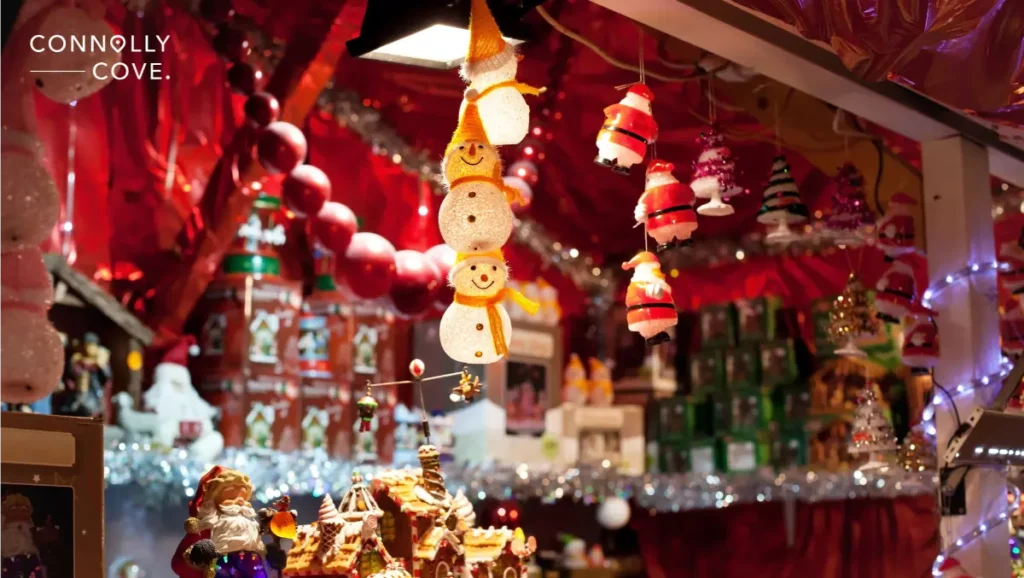
- December: Immerse yourself in the best Christmas markets with dazzling decorations, nonstop celebrations, and vibrant crowds. Expect higher prices, potential accommodation struggles, and larger groups.
- Early December: Enjoy the festive spirit with manageable crowds and slightly lower prices than peak season.
- Late December/Early January: Grab post-Christmas deals and lingering decorations at slightly more affordable prices.
Snow Sports Enthusiasts
- January-February: Hit the slopes across Europe with ideal snow conditions and smaller crowds compared to Christmas. Be prepared for shorter daylight hours and potentially colder weather.
- March-April: Longer daylight hours, slightly warmer temperatures, and leftover snow in higher resorts offer budget-friendly travel and smaller crowds with perfect city views.
Culture Explorers Seeking Tranquility
- November-December: Escape the festive frenzy and explore museums and galleries with less congestion. Savour the pre-Christmas atmosphere without overwhelming crowds.
- February-March: Take advantage of off-season deals on flights and accommodation. Explore cities at your own pace and soak up the unique winter charm in quieter settings.
Budget-Conscious Travellers
- January-February: Shoulder seasons generally offer the best deals on flights and accommodation compared to peak festive periods.
- March-April: Score even lower prices and smaller crowds while still enjoying the winter atmosphere. However, some attractions may have reduced hours or be closed.
Remember, these are just general guidelines. Research specific cities, events, and weather patterns to craft your own perfect winter European adventure!
Selecting the Best Winter City Break for You
As temperatures plummet and snowflakes pirouette, Europe becomes the best place to visit for enchanting winter escapes. But with so many glittering cities and frosted peaks vying for your attention, choosing the perfect winter break can feel like navigating a blizzard blindfolded. Fear not, fellow adventurers! This guide is your compass, helping you discover your ideal winter wonderland through diverse categories tailored to your wanderlust.
Festive & Cheerful
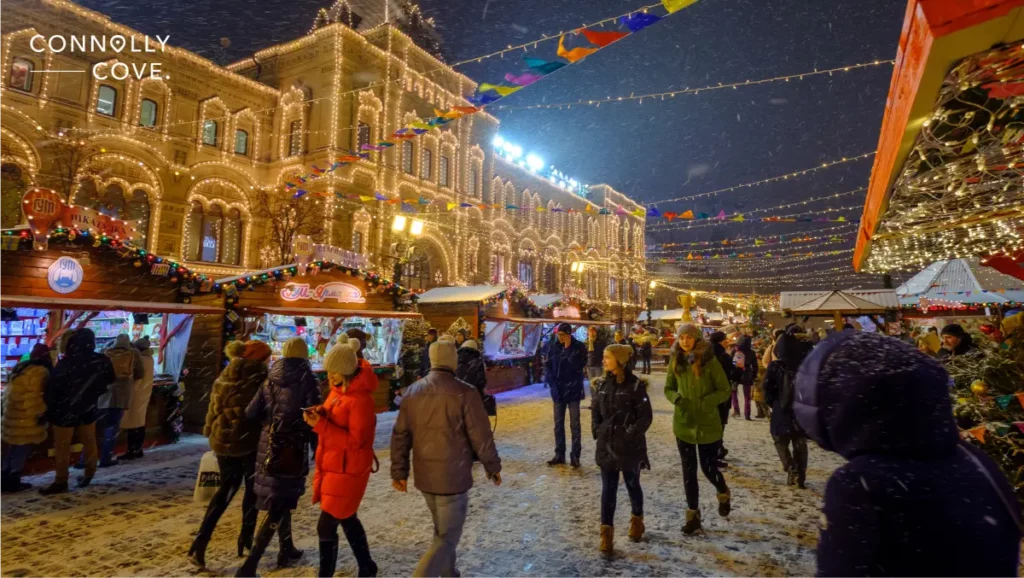
- Craving twinkling lights and merry melodies? Dive into cities draped in Christmas magic, like Salzburg’s Christkindlmarkt or Prague’s bustling Old Town Square. Embrace carolling choirs, sip on steaming Glühwein, and hunt for handcrafted treasures in festive stalls.
Cosy & Romantic
- Yearning for intimate moments and fireside whispers? Bruges’ canal cruises become fairytale spectacles under twinkling lights, while Copenhagen’s Tivoli Gardens offer a whimsical escape. Cuddle up in charming cafes bathed in warm lamplight and discover hidden gems hand-in-hand.
Winter Wonderland
- Do icy peaks and powdery slopes set your heart racing? Innsbruck’s adrenaline-pumping slopes beckon, while Lake Tahoe offers breathtaking landscapes for skiing, snowboarding, and cosy lodge evenings. Embrace the exhilaration of carving pristine snow or witness the ethereal dance of the Northern Lights in Reykjavik.
Cultural Immersion
- Seeking artistic treasures and historical whispers? Vienna’s museums sparkle under snow, while Amsterdam’s canals offer a picturesque backdrop for exploring world-class museums and cosy cafes. Delve into centuries-old traditions and discover the cultural soul of your chosen city.
What are the best Winter City Breaks in Europe?
In winter, Europe explodes with diverse experiences, from fairytale Christmas markets in Prague and Budapest to the ethereal Northern Lights chase in Reykjavik. This guide highlights 10 enchanting cities, each offering something unique:
Prague
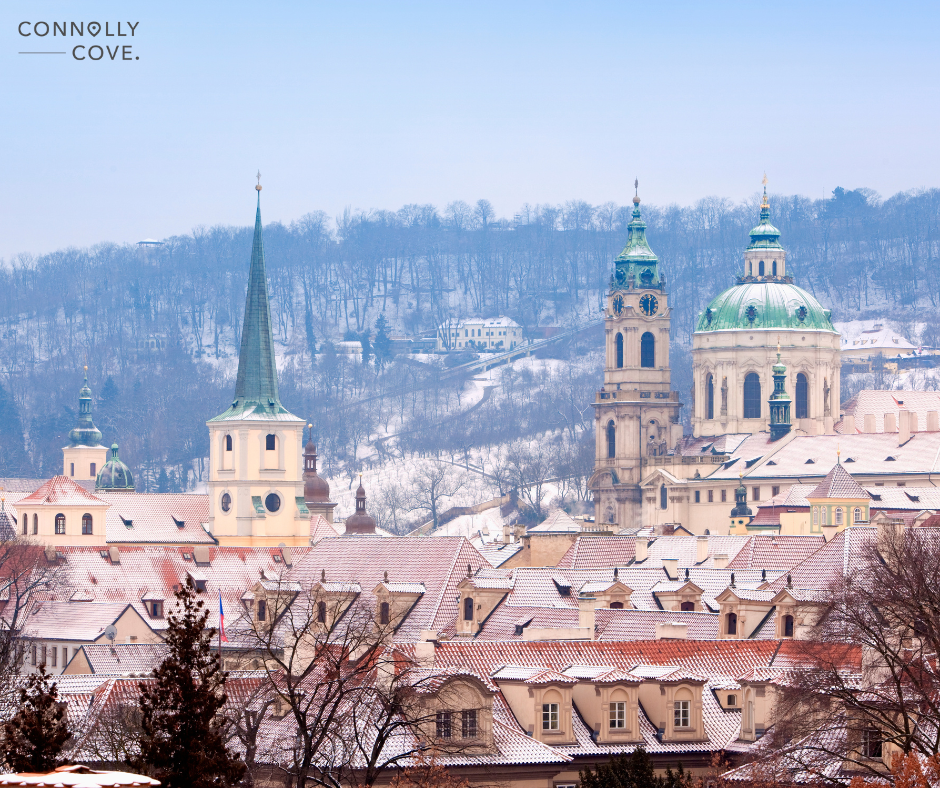
Prague is among the top winter city breaks in Europe. Prague’s winter offers a wealth of treasures for those seeking cultural immersion. World-renowned museums and galleries beckon with captivating exhibitions, often boasting reduced crowds during this season. Delve into the city’s rich artistic heritage at the National Gallery or marvel at the architectural splendour of Prague Castle, its silhouette standing proudly against the snow-dusted skyline.
Beyond the festive magic and cultural offerings, Prague’s winter reveals a quiet charm for those seeking a more contemplative experience. Take a stroll along the Vltava River, its frozen surface reflecting the city lights, or escape the bustle and find solace in the serene atmosphere of St. Vitus Cathedral. In the evening, cosy in a traditional pub, warmed by the glow of a crackling fire and the comforting flavours of hearty Czech cuisine.
Budapest
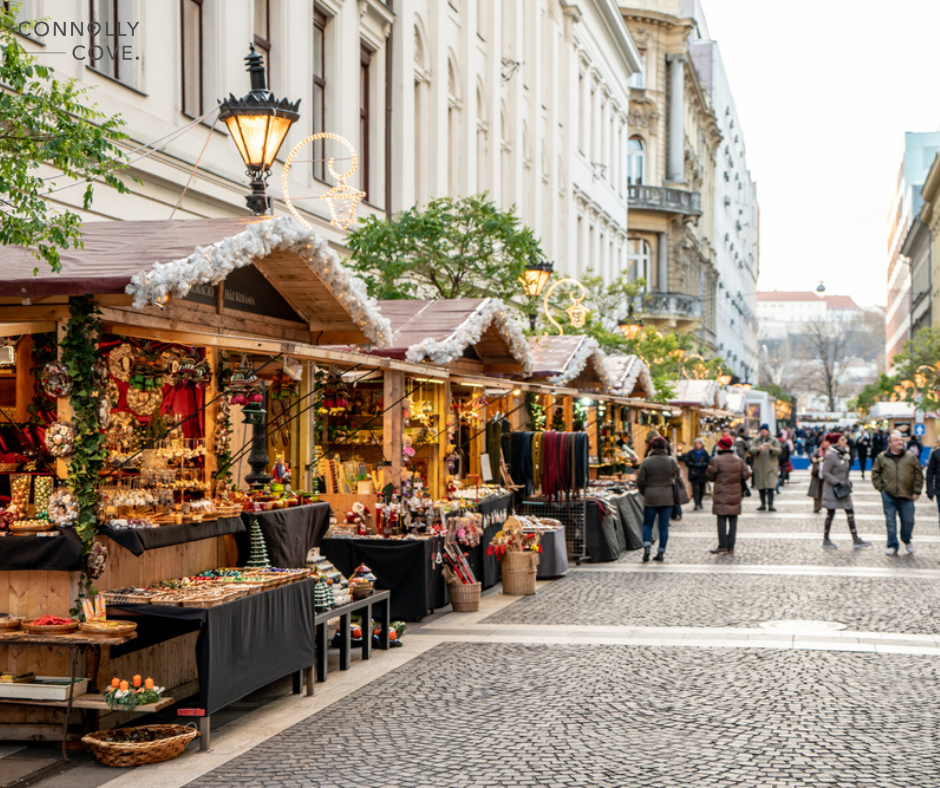
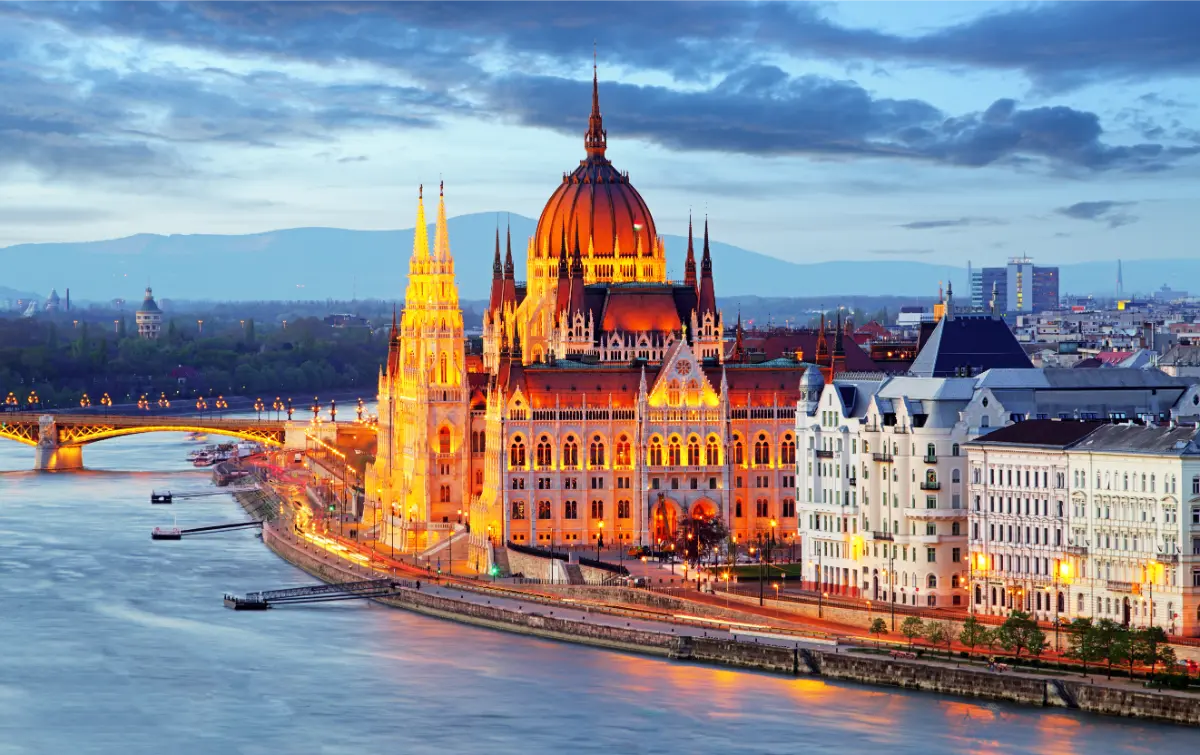
Budapest, the “City of Baths,” is one of the popular winter cities that transforms into a captivating haven as temperatures dip and snowflakes dust the Hungarian capital. Budapest’s historic bathhouses provide an unparalleled winter refuge for those seeking warmth and relaxation. Renowned spas like Széchenyi and Gellért Baths offer a blissful escape, inviting you to unwind in steaming outdoor pools under the snow-dusted sky.
If cultural exploration is your priority, Budapest offers a wealth of opportunities during winter. World-class museums like the Hungarian National Gallery and the House of Terror boast captivating exhibitions and often see reduced crowds during this season. Explore the city’s architectural splendours, from the majestic Buda Castle overlooking the Danube to the iconic Parliament Building bathed in winter light.
Reykjavik
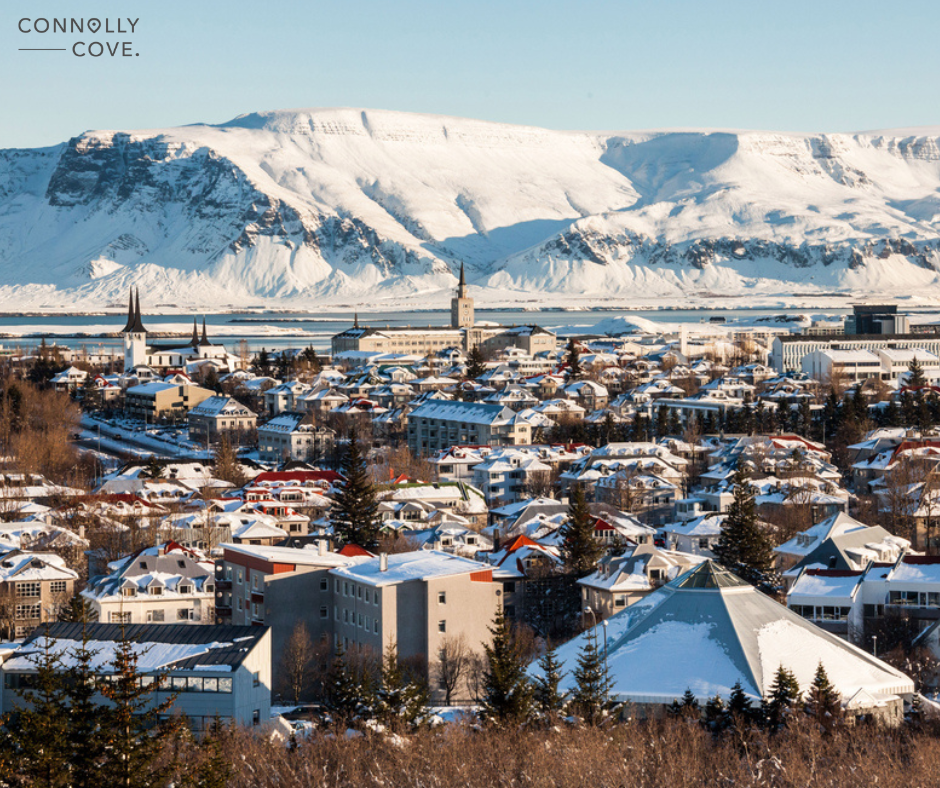
Forget sun-drenched beaches and bustling crowds; winter in Reykjavik is about embracing the raw beauty of nature, soaking in geothermal waters, and exploring a city steeped in Viking history and contemporary cool.
Embark on a glacier hike across breathtaking landscapes, go ice climbing on frozen waterfalls, or soak in the geothermal waters of the famous Blue Lagoon. For a truly unique experience, try snowmobiling across the Icelandic wilderness or whale watching in the chilly North Atlantic, where a variety of species can be spotted throughout the winter months.
Paris
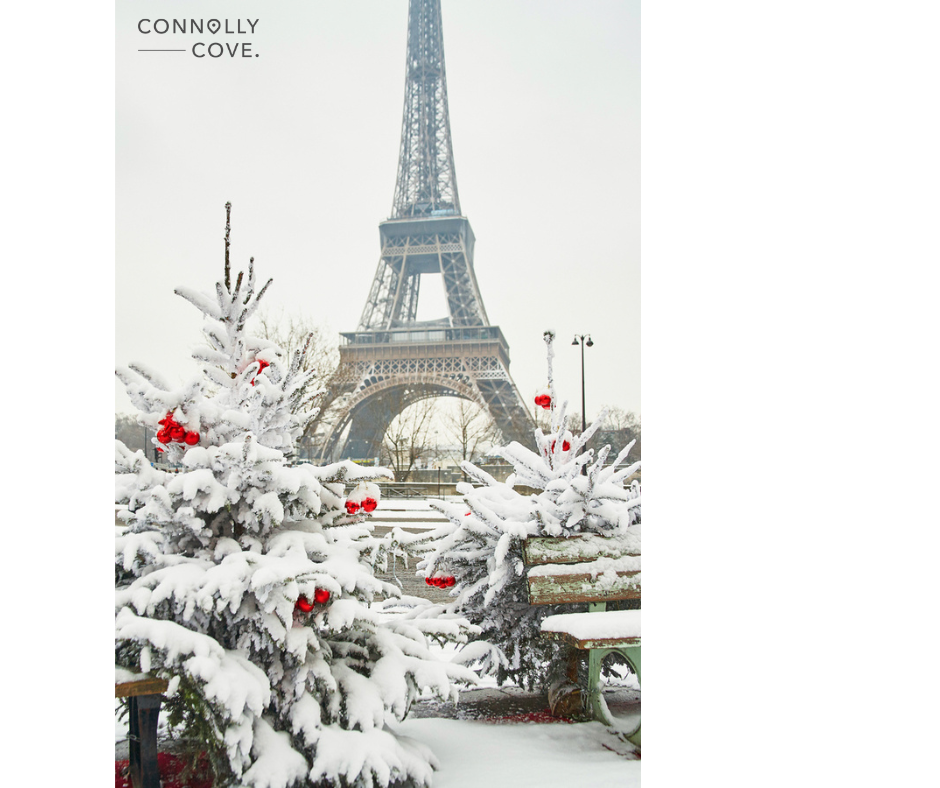
Paris is the European winter city of all time. Christmas markets sprout across the city, from the iconic Champs-Élysées adorned with dazzling illuminations to charming squares transformed into miniature wonderland. Immerse yourself in the joyful melodies of carolers and soak in the warm glow of festive decorations that drape iconic landmarks like the Eiffel Tower and Notre Dame Cathedral.
Explore the masterpieces of the Louvre, delve into the Impressionist world at the Musée d’Orsay, or discover contemporary narratives at the Centre Pompidou. For a unique perspective, embark on a stroll through the city’s historic cemeteries, like Père Lachaise, where famous figures from Chopin to Jim Morrison rest amidst ornate sculptures and ancient trees.
Lisbon
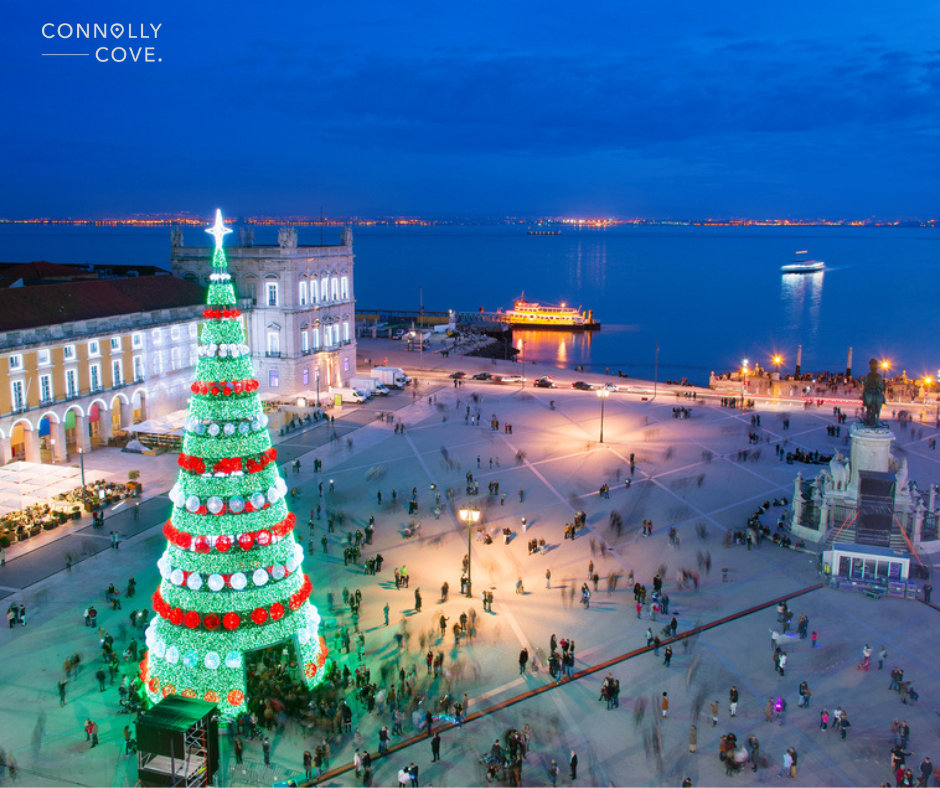
One of the best winter city breaks is Lisbon city centre. Bask in the sunshine along the Tagus River or explore the charming streets of Alfama, Lisbon’s historic quarter, where vibrant tiles adorn buildings and sunlight dances through narrow alleyways. Take a tram ride for breathtaking views of the city, or stroll along the beachfront, enjoying the refreshing ocean breeze and panoramic vistas.
The aroma of grilled sardines and traditional pastries mingles with the sounds of live music, creating a joyous atmosphere ideal for browsing and celebrating the season. Explore Praça do Comércio, transformed into a vibrant Christmas village, or discover smaller gems tucked away in hidden squares and neighbourhoods.
Vienna
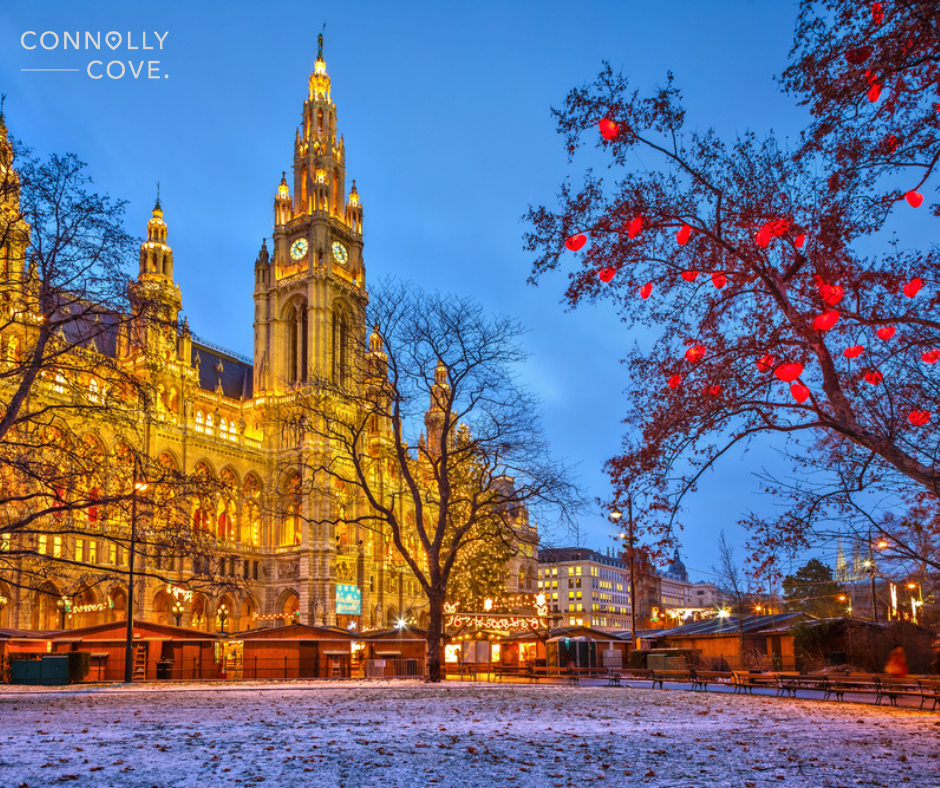
It is one of the European cities that undergoes a breathtaking transformation during winter. Explore the renowned Christkindlmärkte, adorned with twinkling lights and brimming with handcrafted ornaments, traditional delicacies, and live music. Sip on steaming mugs of Glühwein, indulge in warm pastries, and soak in the joyous atmosphere that envelops the city’s squares and streets.
Beyond the festive charm, Vienna’s winter unveils its undeniable cultural riches. Explore the opulent halls of the Hofburg Palace, delve into the masterpieces of the Kunsthistorisches Museum, or discover the world of Viennese music at the Musikverein or Staatsoper. Glide across the ice rink in front of the City Hall, a fairytale scene under the twinkling lights, or stroll through the snow-dusted Schönbrunn Gardens, a serene oasis where imperial grandeur meets winter wonderland.
Copenhagen
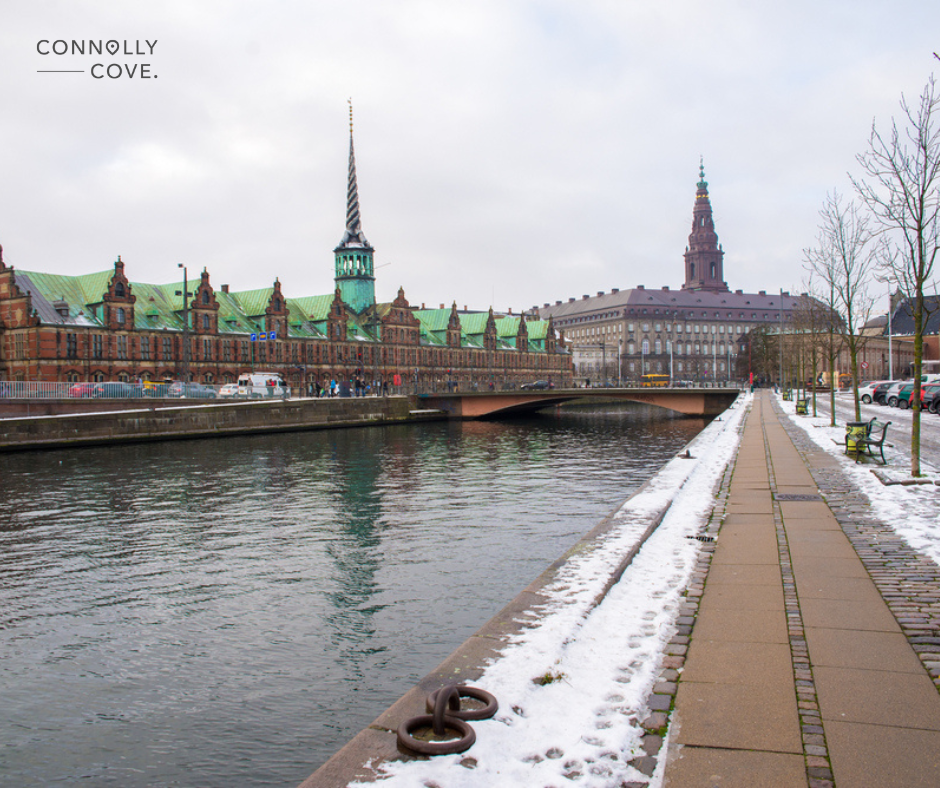
Copenhagen is an ideal city to visit in winter. Explore charming neighbourhoods like Nyhavn, with its colourful waterfront houses, or wander through the historic streets of Gammelholm, where cobblestones whisper tales of Viking history. One of the best things to do there is to visit Strøget, Copenhagen’s bustling pedestrian street adorned with festive decorations, or discover smaller gems tucked away in hidden squares and neighbourhoods.
Delve into Viking history at the National Museum, discover Copenhagen’s architectural past at Rosenborg Castle, or marvel at contemporary art at the Louisiana Museum of Modern Art. In the evenings, enjoy live music performances in intimate venues or catch a ballet at the Royal Danish Theatre, immersing yourself in the city’s vibrant cultural scene.
Amsterdam
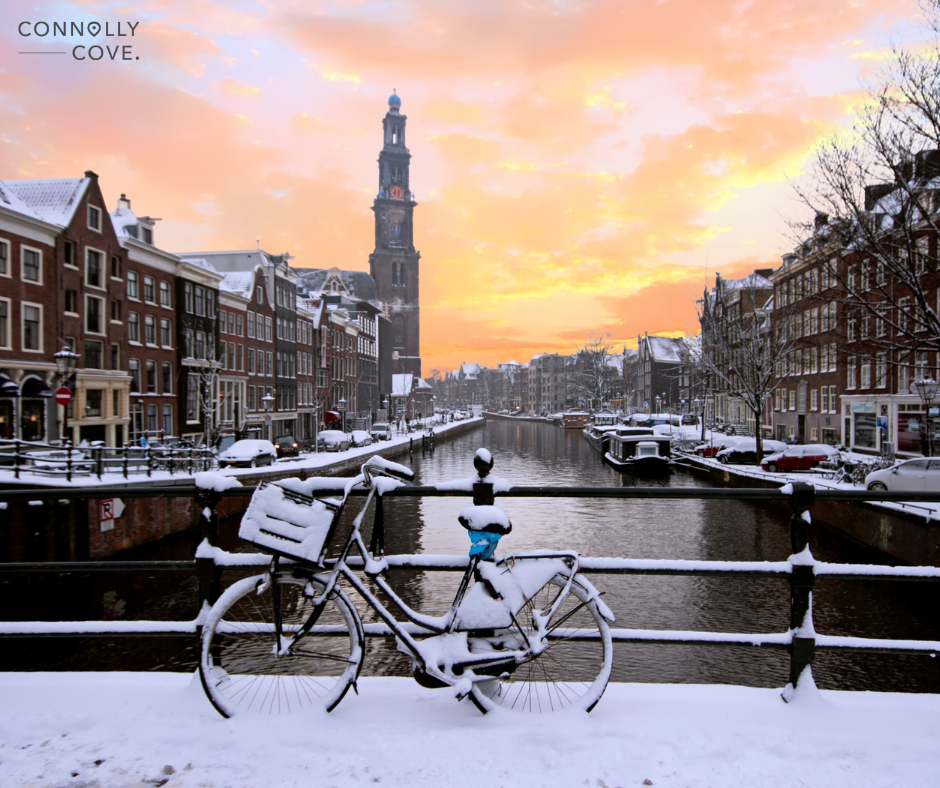
One of the top winter city break destinations is Amsterdam. Explore charming neighbourhoods like Jordaan, where historic canals wind through picturesque streets, or wander through the bustling De Wallen, where hidden courtyards whisper tales of the city’s past.
Day trips to nearby destinations like Zaanse Schans, a picturesque windmill village, or Haarlem, a charming historic town, offer further opportunities to explore Dutch landscapes and quaint towns. World-renowned museums like the Rijksmuseum and the Van Gogh Museum offer captivating exhibitions with reduced crowds during this season. Delve into Dutch history at the Anne Frank House or marvel at the city’s architectural heritage at the Royal Palace.
Krakow
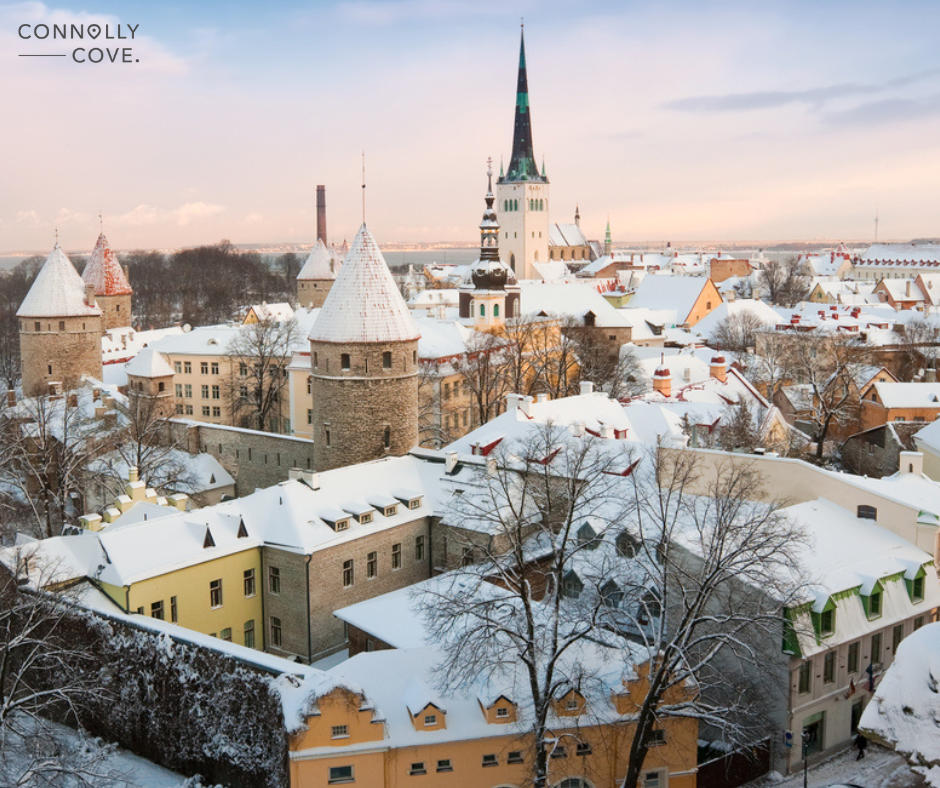
Krakow is a unique winter destination to visit in Europe. Explore the Main Market Square, Europe’s largest medieval square, transformed into a festive wonderland with twinkling lights and vibrant stalls. Wander through the alleys of the Old Town, where Gothic architecture whispers tales of the past, or climb Wawel Hill to marvel at the majestic Royal Castle and Cathedral, their silhouettes standing proud against the snow-dusted skyline.
Delve into Poland’s history at the Schindler Factory Museum or marvel at the architectural splendour of St. Mary’s Basilica, its towering stained glass windows casting colourful hues on the snowy streets. In the evenings, enjoy a performance at the Old Theatre, one of the oldest in Europe, or catch a concert at the Philharmonic Orchestra, immersing yourself in the city’s vibrant cultural scene.
Berlin
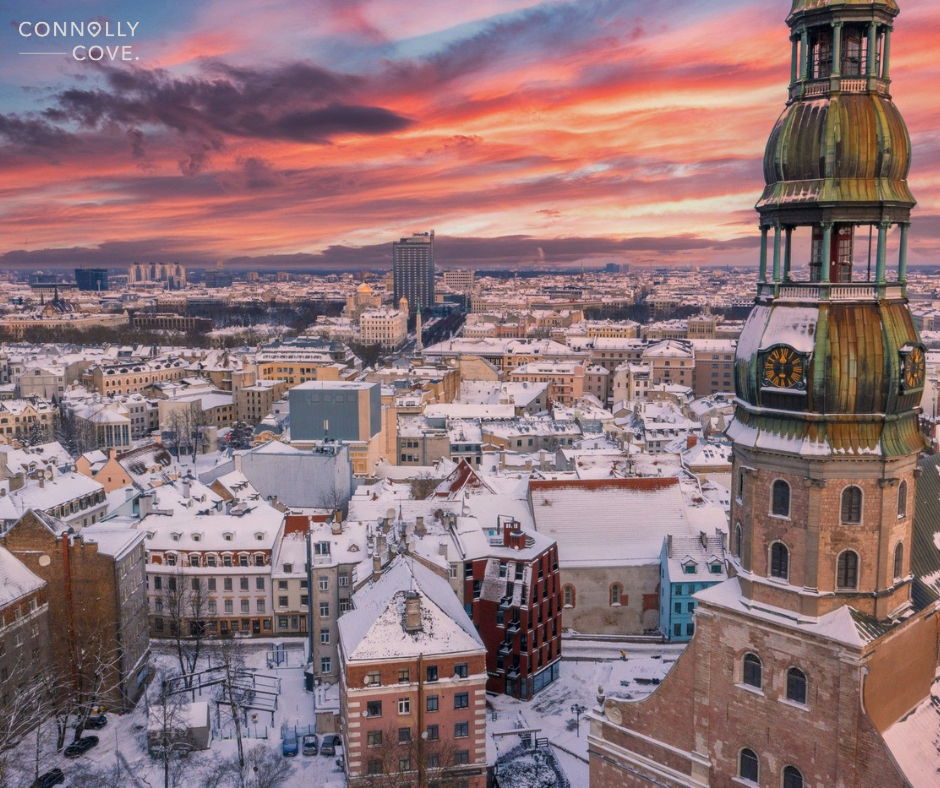
Explore charming neighbourhoods like Kreuzberg, where independent cafes and art galleries offer refuge from the cold, or wander through the historic Tiergarten park, its snow-dusted paths ideal for a peaceful stroll. In the evenings, curl up with a good book in a cosy bookstore or enjoy a traditional “Weihnachtsgans” Christmas goose dinner in a warm restaurant.
Make sure to visit Potsdam, with its fairytale palaces and gardens, or the Sachsenhausen concentration camp memorial, a poignant reminder of the past, which offers further opportunities to explore the diverse landscapes and history surrounding the city.
Whether you yearn for cosy cafes in Copenhagen or the imperial grandeur of Vienna’s winter markets, this journey through ten captivating cities has unveiled the diverse magic each holds. Remember, your winter adventure is not confined to these pages. Each city whispers hidden secrets, waiting to be discovered in charming squares, along winding alleys, and in the warmth of local smiles.
FAQs
What is the most affordable winter city break in Europe?
Krakow is an affordable winter break due to its cheap flights, budget-friendly eats, and accommodation, all wrapped in charming history and festive cheer.
Is Budapest an expensive city to visit in winter?
Budapest is generally considered affordable, especially in winter, compared to other European capitals. However, costs can fluctuate depending on your travel style and priorities.
Is Vienna very expensive?
Yes, Vienna’s cost of living is above the EU average. However, it is less expensive than in Switzerland, Norway, Denmark and Sweden.
Which airline flies from the UK to Austria?
Many airlines, such as British Airways and Austrian Airlines, offer flights from the UK to Austria.