Winter transforms Europe’s greatest cities into magical cultural havens where ancient traditions come alive against snow-dusted backdrops. While summer crowds dissipate, these urban gems reveal their authentic character through intimate Christmas markets, centuries-old winter customs, and the warm hospitality that defines European culture. For travellers from the UK and Ireland, these destinations offer a festive escape and a deep dive into the rich heritage that shapes modern European identity.
ConnollyCove has explored these winter wonderlands extensively, discovering how each city’s unique cultural DNA expresses itself during the colder months. From Prague’s medieval alchemy to Copenhagen’s mastery of cosy living, winter city breaks provide an unparalleled opportunity to experience Europe’s diverse cultural heritage in its most atmospheric season.
Table of Contents
Why Choose European Winter City Breaks?
European winter city breaks offer a distinctive travel experience that combines cultural immersion with seasonal magic. The absence of summer crowds allows for more meaningful connections with locals and authentic experiences in historic city centres. Winter weather creates an intimate atmosphere perfect for exploring museums, galleries, and traditional establishments that form the cultural backbone of these destinations.
The festive season adds layers of tradition and celebration that date back centuries. Christmas markets aren’t just shopping opportunities—they’re living museums of local crafts, seasonal foods, and community gathering traditions. Each city has developed its own unique approach to winter hospitality, from Prague’s medieval-inspired markets to Copenhagen’s modern interpretation of ancient hygge principles.
For UK and Irish travellers, winter city breaks also offer practical advantages. Flight prices typically drop after the peak summer season, accommodation rates become more reasonable, and the shorter travel distances make weekend escapes entirely feasible. The cultural proximity means familiar European customs with exciting regional variations, creating comfortable yet enriching experiences.
Prague, Czech Republic: A Bohemian Cultural Heritage Experience
Prague transforms into a living fairy tale during the winter months, where Gothic spires pierce grey skies and cobblestone streets echo with centuries of history. This Bohemian capital reveals its most authentic character when tourist crowds thin out and locals reclaim their beloved city spaces. The temperature drops create perfect conditions for experiencing Prague’s renowned café culture, traditional beer halls, and the warming traditions that have sustained Czech communities through countless winters.
The city’s architectural heritage tells stories of Holy Roman Emperors, Bohemian kings, and artistic movements that shaped Central European culture. Winter provides the ideal backdrop for discovering these narratives, as shorter days encourage longer stays in historic venues where these stories come alive through local folklore and traditional entertainment.
Prague’s Winter Cultural Landscape
Prague Castle becomes particularly atmospheric during winter when snow highlights its Gothic details and fewer crowds allow for contemplative exploration. The complex houses the Czech crown jewels and art collections that reflect Bohemian cultural identity developed over a millennium. St. Vitus Cathedral’s stained glass windows cast coloured light across stone floors that have witnessed coronations, revolutionary moments, and peaceful transitions that define modern Czech identity.
The Lesser Town (Malá Strana) offers intimate cultural experiences impossible during summer’s peak season. Small galleries showcase contemporary Czech artists alongside traditional folk art, while independent bookshops feature translated works by Czech literary masters like Milan Kundera and Václav Havel. These neighbourhood spaces provide genuine insight into Prague’s intellectual and artistic community.
Charles Bridge takes on mystical qualities during winter mornings when mist rises from the Vltava River. The Gothic statues that line this 14th-century masterpiece seem to come alive in winter light, and local musicians often perform traditional Bohemian melodies that add an authentic soundtrack to historic surroundings.
Authentic Bohemian Winter Traditions
Czech winter cuisine reflects the practical wisdom of Central European cooking designed for harsh weather. Traditional dishes like svíčková na smetaně (beef sirloin in cream sauce) and Czech goulash represent more than comfort food—they’re expressions of cultural identity developed through centuries of Alpine and Slavic influences. Local hospodas (traditional pubs) serve these dishes alongside the Czech beer culture that UNESCO recognises as intangible cultural heritage.
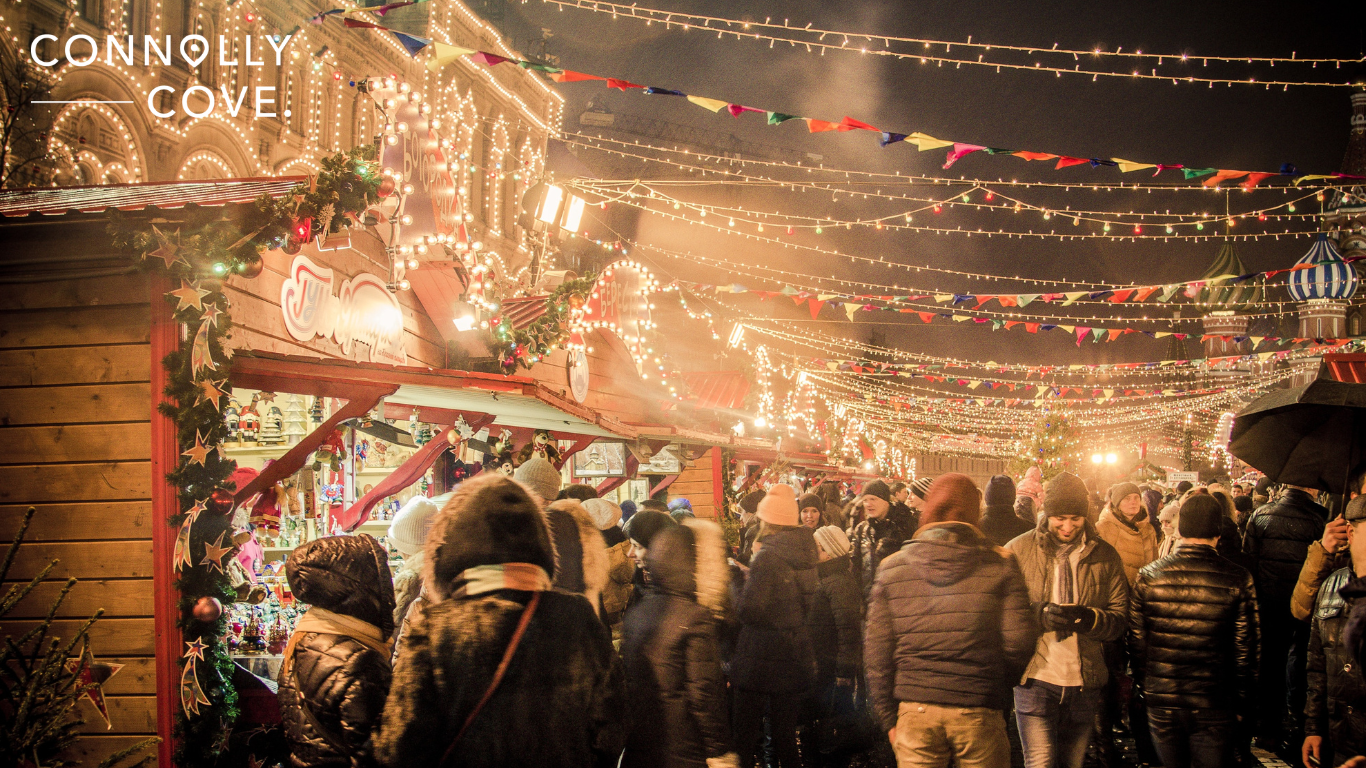
Prague’s Christmas markets maintain stronger connections to authentic Czech traditions than many European counterparts. The markets at Prague Castle and Old Town Square feature hand-carved wooden toys that reflect Bohemian woodworking traditions, blown glass ornaments from regional artisans, and traditional textiles that showcase Czech folk patterns. Local vendors often speak English and enjoy sharing stories about their crafts’ historical significance.
Winter also brings opportunities to experience Czech performance traditions. The National Theatre and State Opera offer world-class productions in historic venues where winter acoustics create particularly intimate experiences. Traditional puppet shows, a Czech cultural speciality recognised by UNESCO, continue in smaller venues throughout the city.
Practical Information for UK and Irish Travellers
Direct flights from London, Manchester, Edinburgh, and Dublin reach Prague in under three hours, with budget carriers offering competitive winter rates. Prague Airport (PRG) connects to the city centre via efficient public transport, and the comprehensive tram and metro system makes navigation straightforward even in winter weather.
The Czech Republic uses the Czech koruna (CZK), not the euro, which often provides favourable exchange rates for UK travellers. Contactless payments work widely, but cash remains useful for traditional markets and smaller establishments. Winter weather requires layered clothing, as temperatures typically range from -5°C to 5°C with occasional snow.
Accommodation becomes significantly more affordable during the winter months, and many hotels offer a traditional Czech breakfast featuring local specialities. Book restaurants in advance during December and early January, as locals celebrate extensively during the festive period.
Berlin, Germany: Where Art, Culture and Nightlife Thrive in Winter
Berlin’s winter identity emerges from its unique position as a cultural crossroads where Eastern and Western European traditions merge with contemporary creativity. The city’s tumultuous 20th-century history becomes more poignant during the winter months when memorial sites and museums offer refuge from cold weather while providing profound cultural education. Berlin’s winter culture celebrates resilience, creativity, and the community spirit that helped the city survive and thrive through historic challenges.
The German capital’s approach to winter combines traditional German Gemütlichkeit (cosiness) with avant-garde artistic expression. This creates a distinctive cultural atmosphere where visitors can experience everything from 800-year-old Christmas market traditions to cutting-edge contemporary art installations that respond to winter themes.
Berlin’s Cultural Winter Renaissance
Berlin’s museum landscape becomes particularly inviting during winter when indoor exploration feels natural and comfortable. Museum Island (Museumsinsel) houses world-class collections that tell stories of European civilisation, from ancient Greek sculptures to 19th-century masterpieces. The Pergamon Museum’s reconstructed ancient buildings create immersive experiences that transport visitors across time and geography.
The city’s contemporary art scene thrives during the winter months when gallery openings and cultural events provide social warmth. Districts like Kreuzberg and Prenzlauer Berg host intimate exhibitions, independent bookshops, and cultural venues where Berlin’s creative community gathers. These spaces offer authentic interactions with local artists, writers, and cultural activists who shape modern German identity.
Berlin’s musical heritage extends far beyond its famous nightlife. Winter concert seasons feature everything from world-renowned orchestras at the Berlin Philharmonic to intimate jazz sessions in underground venues that reflect the city’s experimental spirit. The city’s punk and electronic music scenes, which helped define German cultural identity, remain active throughout winter in smaller venues that welcome international visitors.
Traditional German Winter Celebrations
Berlin’s Christmas markets represent centuries of German winter tradition while reflecting the city’s multicultural character. The markets at Gendarmenmarkt and Charlottenburg Palace maintain connections to medieval guild traditions where local craftsmen displayed seasonal wares. These markets feature traditional German woodcarvings, textiles, and metalwork alongside international influences that reflect Berlin’s cosmopolitan identity.
German winter cuisine reaches beyond tourist-friendly bratwurst to include regional specialities like Sauerbraten (marinated roast beef), Eisbein (pork knuckle), and seasonal dishes featuring root vegetables and preserved foods that sustained Germanic communities through harsh winters. Traditional Gaststätten (local restaurants) serve these dishes in atmospheric settings that encourage lingering conversations over local beers and schnapps.
The German tradition of Adventskaffee (Advent coffee gatherings) continues in cafés throughout Berlin, where locals meet for afternoon coffee and traditional Christmas biscuits. These gatherings reflect German social customs that value community, conversation, and seasonal celebration.
Navigating Berlin: Practical Winter Guidance
Berlin offers excellent connections from UK and Irish airports, with direct flights from London, Manchester, Dublin, and Belfast taking approximately 2-2.5 hours. The city uses the euro, simplifying transactions for travellers familiar with European currency. Berlin’s public transport system ranks among Europe’s most efficient, with 24-hour service on weekends and comprehensive coverage that makes winter exploration comfortable.
Winter temperatures typically range from -2°C to 6°C, requiring warm layering and waterproof footwear for cobblestone streets. Many attractions offer online booking that allows visitors to skip outdoor queues, while traditional restaurants often provide coat storage and heating that makes dining comfortable even during the coldest weather.
Berlin’s accommodation options range from historic hotels in converted palaces to modern design hostels that reflect the city’s creative energy. Winter rates offer significant savings compared to summer peak season, and many establishments provide local cultural information that goes beyond standard tourist recommendations.
Copenhagen, Denmark: Embracing Scandinavian Hygge Culture
Copenhagen embodies the Danish concept of hygge—a cultural philosophy that transforms winter from mere survival into an art form of cosy living. This Scandinavian capital has mastered the balance between winter comfort and cultural sophistication, creating urban environments where cold weather becomes part of the aesthetic rather than an obstacle to overcome. Danish design principles, rooted in functionality and beauty, manifest throughout the city’s approach to winter living.
The city’s maritime climate creates milder winter conditions than many European destinations, while Danish cultural traditions provide frameworks for enjoying shorter days and intimate social gatherings. Copenhagen’s commitment to sustainability and quality of life has produced winter experiences that prioritise authentic connection over superficial entertainment.
Copenhagen’s Cultural Winter Identity
The Danish capital’s museums and cultural institutions reflect Scandinavian values that emphasise education, design, and social democracy. The National Museum of Denmark tells Nordic stories through exhibits that connect prehistoric cultures with modern Danish identity, while the Louisiana Museum of Modern Art offers world-class contemporary collections in architectural settings designed to complement winter light.
Copenhagen’s design heritage becomes particularly relevant during winter when Danish furniture, lighting, and textile traditions create warm, inviting interiors. The city’s design shops and galleries showcase how Scandinavian aesthetics respond to long winter nights through innovative lighting solutions, natural materials, and minimalist approaches that maximise hygge.
The Royal Danish Theatre and Copenhagen Opera House maintain active winter seasons that feature both classical and contemporary productions. Danish performing arts traditions emphasise storytelling that reflects Nordic cultural values, and winter productions often explore themes of community, resilience, and the relationship between humans and harsh natural environments.
Danish Winter Traditions and Seasonal Customs
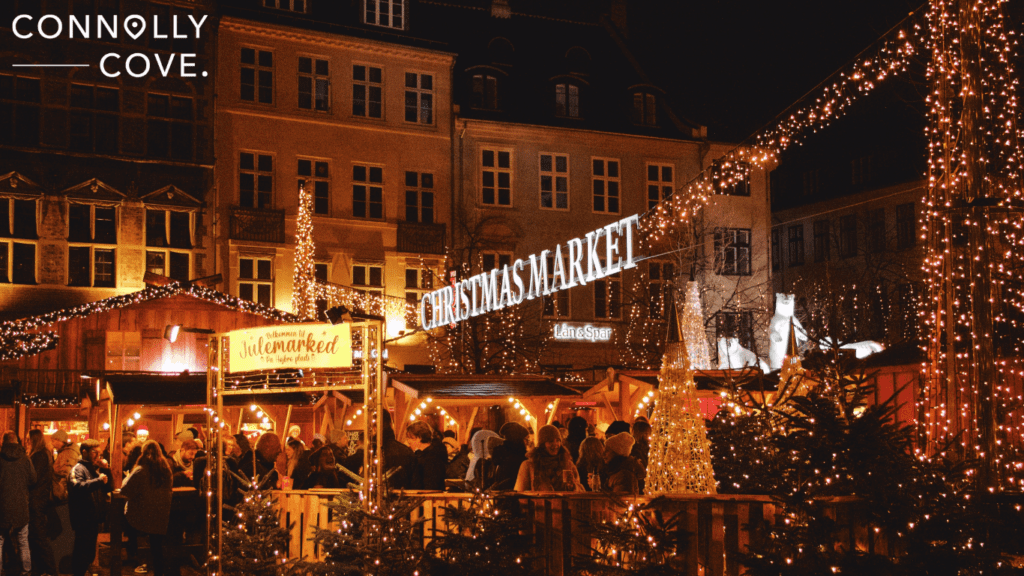
Copenhagen’s Christmas markets focus on Danish design and craftsmanship rather than mass-produced souvenirs. The markets at Tivoli Gardens and Nyhavn feature handmade textiles, wooden toys carved according to traditional Danish techniques, and ceramics that reflect centuries of Nordic design evolution. Local artisans often demonstrate their crafts and discuss the cultural significance of their work.
Danish winter cuisine emphasises comfort and communal dining that reflects hygge principles. Traditional dishes like frikadeller (Danish meatballs), flæskesteg (roast pork with crackling), and various preparations of seasonal root vegetables appear on menus throughout the city. Copenhagen’s renowned restaurant scene adapts these traditional foundations with contemporary techniques while maintaining connections to Danish agricultural heritage.
The Danish tradition of hot drinks extends beyond simple coffee to include glögg (Scandinavian mulled wine) and various herbal teas that reflect Danish approaches to winter wellness. Copenhagen’s café culture encourages leisurely consumption in environments designed for maximum hygge through careful attention to lighting, furniture, and social atmosphere.
Exploring Copenhagen: Winter Travel Essentials
Copenhagen connects easily from the UK and Irish airports with direct flights from London, Manchester, Edinburgh, and Dublin. Flight times range from 1 hour 45 minutes to 2 hours 30 minutes, and Denmark’s membership in the Eurozone simplifies currency considerations. The city’s public transport system includes metros, buses, and harbour buses that continue operating efficiently throughout winter.
Winter weather in Copenhagen typically ranges from 0°C to 8°C with frequent precipitation, making waterproof clothing and warm layers necessary. The city’s flat geography and extensive cycling infrastructure remain usable during mild winter days, though visitors should be prepared for variable weather conditions.
Danish social customs emphasise punctuality, environmental consciousness, and respectful communication. Restaurant reservations become more important during winter when locals spend more time dining indoors, and many establishments offer traditional Danish hospitality that includes detailed explanations of local dishes and cultural customs.
Essential Winter Travel Planning for European City Breaks
Planning successful European Winter city breaks requires understanding both practical logistics and cultural nuances that distinguish winter travel from other seasons. The combination of variable weather, changed operating hours, and intensive local celebrations demands more preparation while offering more authentic cultural experiences.
Each destination maintains its own winter rhythm that reflects local cultural values and historical adaptation to seasonal challenges. Understanding these patterns allows travellers to align their expectations with reality while maximising opportunities for meaningful cultural engagement.
Pre-Travel Preparation and Documentation
UK travellers need passports valid for at least six months beyond their return date for European travel. The European Travel Information and Authorisation System (ETIAS) will eventually require advance registration, though implementation dates continue to shift. Irish citizens maintain EU freedom of movement, but should verify current requirements for specific destinations.
Travel insurance becomes particularly important during winter due to weather-related delays, seasonal illness risks, and potential activity cancellations. The Global Health Insurance Card (GHIC) provides basic medical coverage, but comprehensive travel insurance offers broader protection for winter-specific risks, including weather delays and seasonal activity coverage.
Research destination-specific winter conditions, including average temperatures, daylight hours, and precipitation patterns. This information affects packing decisions, activity planning, and budget considerations for items like warm clothing rental or enhanced accommodation heating.
Budget Considerations and Currency Management
Winter travel often provides cost advantages, including reduced accommodation rates, lower flight prices, and restaurant deals designed to attract customers during quieter periods. However, heating costs, warm clothing requirements, and indoor entertainment preferences can increase daily spending compared to summer travel.
Currency considerations vary by destination, with Eurozone countries simplifying transactions while places like Prague (Czech koruna) and potential future visits to Switzerland require currency exchange planning. Many UK banks offer travel-friendly account options that reduce foreign transaction fees, while travel cards provide fixed exchange rates that help budget management.
Winter weather increases reliance on public transport and taxis, making transport passes or cards valuable investments. Research weekly or monthly pass options that often provide better value than daily tickets, especially for extended stays or multiple daily journeys.
Cultural Sensitivity and Local Customs
European winter customs reflect centuries of community adaptation to seasonal challenges. Christmas market traditions, winter festival celebrations, and seasonal dining customs carry deep cultural significance beyond tourist entertainment. Approaching these traditions with respect and curiosity creates opportunities for meaningful cultural exchange.
Language considerations become more important during winter when outdoor exploration decreases and indoor social interactions increase. Learning basic greetings, food-related vocabulary, and courteous expressions in local languages demonstrates respect for local culture and often results in a warmer reception from local communities.
Winter dining customs vary significantly across European regions, from German beer hall traditions to Danish café culture to Czech hospoda social conventions. Understanding these customs helps travellers participate appropriately in local social life rather than remaining isolated in tourist-focused establishments.
Making the Most of Winter Weather
European winter weather varies dramatically from Scandinavia’s snow and short days to Southern Europe’s mild temperatures and extended outdoor possibilities. Successful winter travel requires adapting expectations and activities to local conditions rather than fighting against seasonal realities.
Layered clothing allows adaptation to variable indoor heating, outdoor exploration, and temperature fluctuations throughout single days. Quality waterproof footwear becomes essential for cobblestone streets that become slippery during winter precipitation, while warm accessories like hats and gloves enable extended outdoor cultural exploration.
Winter light creates unique photographic opportunities and atmospheric experiences impossible during other seasons. Early sunset times in Northern European cities create magical lighting conditions for architectural photography, while snow and frost highlight details in historic buildings and public spaces.
Seasonal Cultural Experiences Across European Winter Cities
Winter reveals aspects of European cultural identity that remain hidden during warmer months. Traditional heating systems in historic buildings create distinctive atmospheres, seasonal foods connect visitors with agricultural heritage, and winter festivals maintain community traditions that predate modern tourism.
Each destination offers unique winter cultural experiences that reflect local history, geography, and social values. Prague’s connection to the Holy Roman Empire winter court traditions differs markedly from Copenhagen’s Nordic approach to darkness and cold, while Berlin’s winter culture reflects both Germanic traditions and its unique 20th-century experience.
Understanding these cultural differences helps travellers appreciate not just individual destinations but the broader diversity that characterises European civilisation. Winter city breaks provide opportunities to experience this diversity in concentrated, manageable formats perfect for weekend escapes or extended cultural exploration.
Weather and Seasonal Conditions
European winter conditions vary significantly across regions and elevations, requiring destination-specific preparation:
Central Europe (Prague, Vienna, Budapest):
- Temperature range: -5°C to 5°C
- Snowfall: Moderate to heavy, especially December-February
- Daylight: Approximately 8-9 hours during the winter solstice
- Best features: Snow-covered architecture, traditional Christmas markets, cosy indoor cultural venues
Western Europe (Berlin, Amsterdam, Brussels):
- Temperature range: 0°C to 8°C
- Precipitation: Rain and occasional snow
- Daylight: 7-8 hours during the winter solstice
- Best features: Rich museum collections, café culture, winter festivals
Scandinavia (Copenhagen, Stockholm):
- Temperature range: -2°C to 6°C
- Weather patterns: Variable with frequent precipitation
- Daylight: 6-7 hours during the winter solstice
- Best features: Hygge culture, winter design, Nordic cuisine traditions
Current winter travel typically requires booking accommodation and restaurant reservations well in advance for December travel, while January and February offer more flexibility with often better rates. Many cultural attractions maintain reduced winter hours, so checking official websites before travel prevents disappointment.
Conclusion: Your European Winter Cultural Adventure Awaits
European winter city breaks offer unparalleled opportunities to experience the continent’s diverse cultural heritage in its most atmospheric and authentic form. From Prague’s medieval charm to Berlin’s dynamic creativity to Copenhagen’s mastery of cosy living, each destination provides unique insights into how European communities have adapted, celebrated, and thrived during the winter months for centuries.
The magic lies not just in snowy architecture and festive markets, but in the deeper cultural experiences that winter conditions make possible. Longer evenings in traditional establishments, seasonal foods that connect with agricultural heritage, and local customs that prioritise community and warmth over individual entertainment create travel experiences that extend far beyond typical sightseeing.
Plan your European winter cultural escape by choosing destinations that align with your interests in history, art, cuisine, or design. Each city offers enough cultural depth for extended exploration while remaining accessible for weekend breaks from the UK and Ireland.
“Winter travel in Europe revealed to me how seasonal traditions preserve cultural identity across generations. When we slow down enough to experience local customs properly, we discover the heart of what makes each place genuinely special.” – Ciaran Connolly, Founder of ConnollyCove
Ready to plan your cultural winter adventure? Explore our detailed destination guides, connect with local cultural experiences, and discover how European winter travel can deepen your understanding of the continent’s rich heritage.