


Filming Locations in Ireland: Where Was The Quiet Man Filmed?
Updated On: January 09, 2024 by  Yasmin Elwan
Are you a fan of classic movies? If yes, you might have wondered, “Where was The Quiet Man filmed?” Well, we have good news for you! We have done extensive research and found all the captivating places where this iconic film was shot.
From Cong village in County Mayo to Oughterard in County Galway, get ready to embark on an exciting journey through the Irish countryside. Join me as we explore these breathtaking landscapes and relive the magic of The Quiet Man. So, let’s dive in and uncover the hidden gems that served as the backdrop for this beloved movie.
Brief Overview of The Quiet Man
The Quiet Man is a romantic comedy-drama set in the lush landscapes of Ireland. The story follows Sean Thornton, an American boxer played by John Wayne, who moves to the Irish village of Innisfree, the birthplace of his parents.
In Innisfree, Sean falls in love with Mary Kate Danaher, portrayed by Maureen O’Hara, a fiery and independent woman. Despite their mutual affection, complications arise due to the strict traditions and the antagonistic behaviour of Mary Kate’s brother, Red Will Danaher, played by Victor McLaglen.
The plot revolves around Sean’s attempts to navigate the local customs and win Mary Kate’s heart while dealing with the challenges posed by her protective brother. The film showcases the beauty of the Irish countryside and explores themes of love, cultural clashes, and personal redemption.
The Quiet Man is renowned for its visually stunning portrayal of Ireland, its charming characters, and the delightful chemistry between John Wayne and Maureen O’Hara. The film has become a classic, cherished for its heartwarming story and iconic scenes.
Where Was The Quiet Man Filmed?
The Quiet Man was filmed in various stunning locations across Ireland, including Mayo and Galway counties.
Oughterard, Co Galway
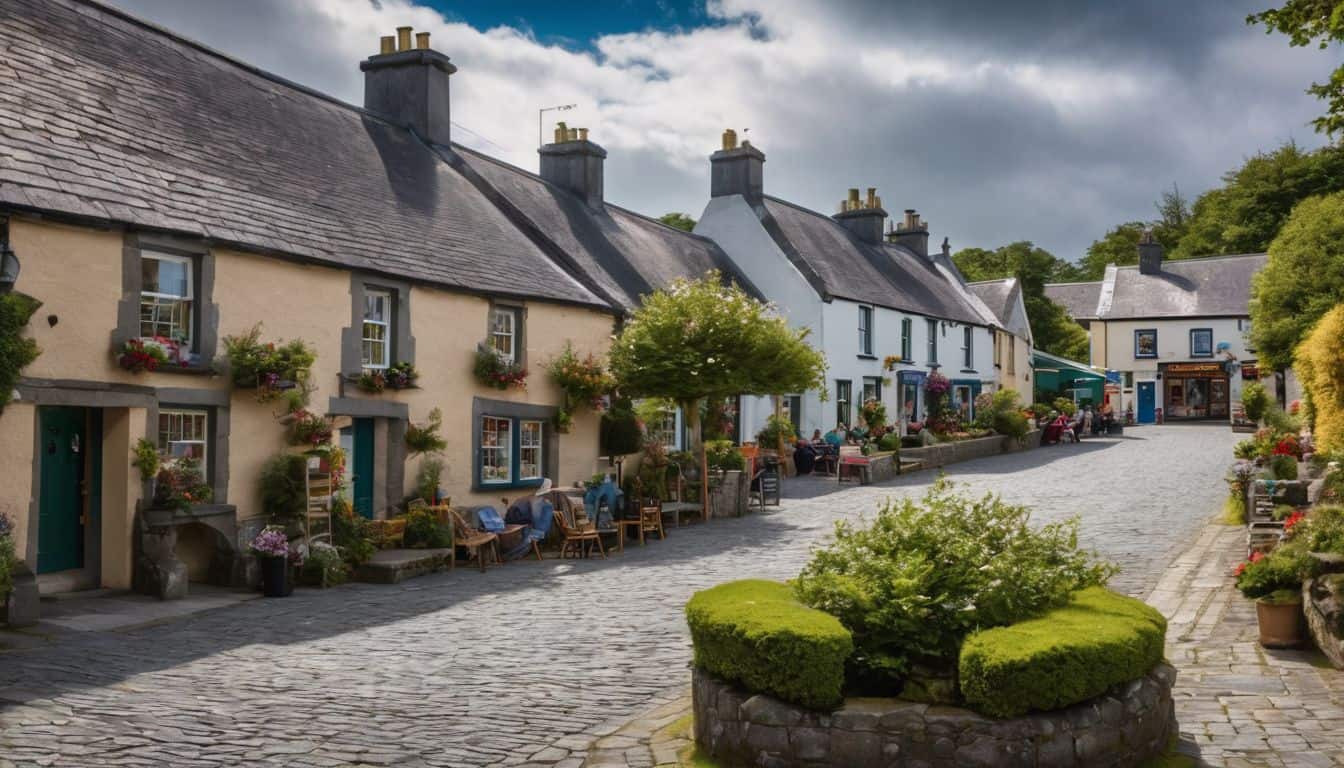
Oughterard in County Galway is one of the most stunning filming locations for The Quiet Man. This picturesque village offers breathtaking scenery and a tranquil atmosphere, making it a popular spot for filming.
In the film, Oughterard is known for its beautiful landscapes and charming streets. Exploring the area allows visitors to experience the same sights that John Wayne and the rest of the cast did during filming.
From walking along quiet paths to admiring historic buildings, there are plenty of ways to immerse oneself in the ambience of The Quiet Man in Oughterard.
Lettergesh Beach, Co Galway
Lettergesh Beach stands among the breathtaking settings featured in the filming of The Quiet Man. This beautiful beach is a must-visit for nature lovers and those seeking to immerse themselves in the scenery of the film. With its golden sands, crystal-clear waters, and rugged cliffs, Lettergesh Beach offers a picturesque backdrop for any traveller.
This location provided the backdrop for the iconic horse race between Sean Thornton (John Wayne) and Will Danaher (Victor McLaglen). The stunning coastal scenery of Lettergesh Beach added a memorable touch to this lively and memorable scene in the film.
Ballyglunin Train Station, Co. Galway
Ballyglunin Train Station in County Galway is another filming location for The Quiet Man. This charming and historic train station adds to the rustic charm of the film. It is a must-visit for history buffs and those who appreciate vintage architecture.
The station showcases rural Ireland’s beauty, with its picturesque surroundings and quaint atmosphere. As you explore the area, you can imagine yourself stepping back in time to when the film was shot here. Ballyglunin Train Station is a hidden gem that offers a glimpse into Ireland’s cinematic past.
Maam, Co Galway – White O’Morn Cottage
One of the filming locations for The Quiet Man is White O’Morn Cottage in Maam, County Galway. This cottage played a significant role in the film as the family home of Mary Kate Danaher, played by Maureen O’Hara.
Situated amidst beautiful countryside, the cottage offers a glimpse into rural Irish life and provides an opportunity to step back in time to experience the charm of the film firsthand.
Visitors can explore both inside and outside of the cottage, taking in its traditional architecture and picturesque surroundings. It’s a must-visit location for fans of The Quiet Man, history buffs, and nature lovers who appreciate Ireland’s stunning landscapes.
What Can a Visitor Do in County Galway?
County Galway offers visitors a diverse range of activities and attractions. Here are some highlights:
- Explore Galway City: Wander through the charming streets of Galway City, known for its vibrant atmosphere, lively pubs, and traditional Irish music. Shop at the bustling markets, explore historic landmarks like the Spanish Arch, and enjoy the cultural events that frequently take place in the city.
- Visit Connemara: Discover the rugged beauty of Connemara, characterised by mountains, lakes, and a stunning coastline. Explore the Connemara National Park, hike in the Twelve Bens mountain range, and enjoy the scenic drive along the Sky Road.
- Tour the Aran Islands: Take a ferry to the Aran Islands (Inis Mór, Inis Meáin, and Inis Oírr) to experience traditional Irish culture, see ancient stone forts like Dún Aonghasa, and enjoy the breathtaking landscapes.
- Experience the Cliffs of Moher: While the Cliffs of Moher are primarily in County Clare, they are easily accessible from Galway. Marvel at the spectacular cliffs and panoramic views of the Atlantic Ocean.
- Visit Kylemore Abbey: Explore the stunning Kylemore Abbey, nestled in the Connemara mountains. The abbey features a Victorian walled garden, a Gothic church, and a serene lake.
- Enjoy Outdoor Activities: Galway is a haven for outdoor enthusiasts. Go hiking in the Burren, try kayaking or sailing on Galway Bay, or embark on a cycling adventure along the Great Western Greenway.
- Attend Festivals: Galway is renowned for its festivals. The Galway International Arts Festival, the Galway Film Fleadh, and the Galway Oyster Festival are just a few of the events that attract visitors from around the world.
- Visit Coole Park: Immerse yourself in nature at Coole Park, a nature reserve and former home of Lady Augusta Gregory. Walk the trails, admire the turloughs (seasonal lakes), and explore the history of the park.
- Savour Local Cuisine: Indulge in traditional Irish cuisine at local pubs and restaurants. Galway is known for its seafood, hearty stews, and delicious pastries.
- Experience Irish Traditions: Attend a traditional music session in a local pub, participate in a céilí dance, and engage with the warm and welcoming local community to experience the true spirit of Ireland.
County Mayo
County Mayo, situated in the west of Ireland, boasts stunning landscapes, including Croagh Patrick and Achill Island. Rich in history, it features ancient sites like Ceide Fields and Carrowmore. Charming towns like Westport add to the county’s appeal, offering a vibrant traditional music scene and warm hospitality. Mayo invites visitors to explore its natural wonders and immerse themselves in Ireland’s western culture.
Filming in County Mayo
While The Quiet Man primarily captures the enchanting landscapes of County Galway, particularly in the village of Cong, the film also features some scenes filmed in the neighbouring County Mayo. Director John Ford chose the picturesque settings of County Mayo to complement the idyllic portrayal of rural Ireland in the movie.
The serene beauty of the Connemara region and the tranquil shores of Lough Corrib in Cong seamlessly blend with the lush landscapes of Mayo, creating a harmonious backdrop for the unfolding romance and cultural clashes. The county’s rolling hills and charming villages contribute to the film’s timeless portrayal of Irish countryside life, adding an extra layer of authenticity to the cinematic masterpiece that is The Quiet Man.
Major Landmarks and Attractions
County Mayo is a treasure trove of captivating attractions, inviting visitors to explore its rich tapestry of natural wonders and cultural heritage. At the forefront stands Croagh Patrick, Ireland’s holy mountain and a popular pilgrimage site with breathtaking views.
The coastal splendour of Achill Island unfolds with pristine beaches and rugged cliffs, offering a haven for outdoor enthusiasts. The Ceide Fields, an ancient archaeological site, unveils the secrets of Ireland’s past, while the megalithic tombs of Carrowmore add an air of mystery to the landscape.
The picturesque town of Westport charms with its colourful streets, historic architecture, and lively atmosphere. Mayo’s lakes, such as Lough Mask and Lough Conn, beckon with serene beauty and opportunities for fishing and boating.
For history enthusiasts, Ballintubber Abbey, a medieval abbey that has stood for over 800 years, tells tales of resilience. Mayo’s diverse attractions, from natural wonders to historical landmarks, make it a captivating destination for those seeking a blend of scenic beauty and cultural exploration.
What Other Movies and Series are Filmed in Those Irish Locations?
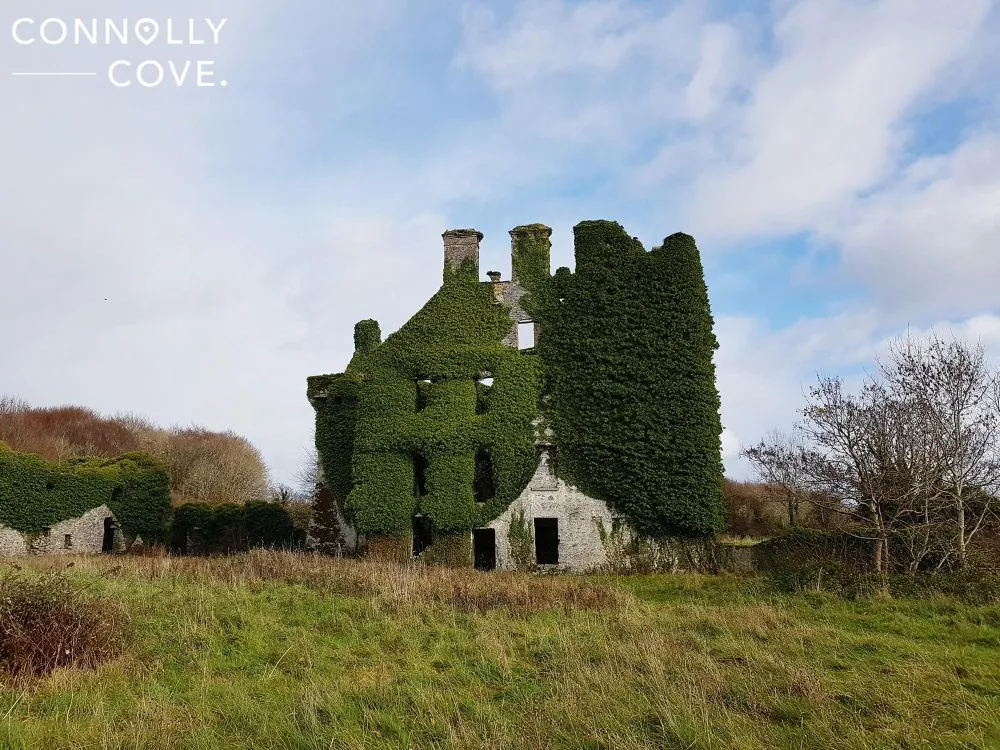
Various movies and series have been filmed in the picturesque locations of County Galway, County Mayo, and other parts of Ireland. These locations have served as backdrops for a range of productions, spanning from classic films to contemporary series.
The scenic landscapes, historic sites, and vibrant cities in these counties have made them popular choices for filmmakers seeking diverse settings. The film industry’s attraction to these regions showcases the timeless appeal of Ireland’s natural beauty and cultural richness, making it a sought-after destination for cinematic storytelling. Here are some movies and TV series that were filmed in County Galway and County Mayo in Ireland:
- Man of Aran: A 1934 black and white film directed by Robert J. Flaherty, depicting the struggles of an Aran Island family against the sea. The rugged landscape of Connemara was used as a backdrop for this film.
- The Field: A 1990 Jim Sheridan adaptation of the John B Keane play brought Richard Harries, John Hurt and Tom Berenger to Leenane, in north county Galway.
- Dungeons & Dragons: Honor Among Thieves: A 2023 PG-13 action, adventure, comedy film directed by Jonathan Goldstein and John Francis Daley. It was filmed in County Mayo, Ireland.
In conclusion, The Quiet Man was filmed in various locations throughout Ireland, primarily in Cong, County Mayo. From the picturesque Quiet Man Bridge to the beautiful beaches of County Galway, these filming locations offer a glimpse into the stunning Irish countryside depicted in the film.
Great Scotland Yard – London Attractions
England
27/04/2024

Bangor Town: The Colorful Open House Festival
Northern Ireland
27/04/2024
Must-See Casablanca
Africa
27/04/2024
The Ultimate Guide for London One Day Tours!
England
27/04/2024

Key Insights: Global Medical Tourism Statistics and Market Growth Analysis
Travel Statistics
26/04/2024