


The Ultimate Guide to a Day Trip to Scotland from London
Updated On: April 24, 2024 by  Aya Radwan
Are you currently in London and thinking of going on a Scottish escapade but don’t know where to start? We understand the planning part of any trip is the confusing and time-consuming part. It’s understandable. We understand you want the best prices and do not have to compromise on adventure and excitement.
How about we lift this burden from your shoulders and give you the best guide to a day trip to Scotland from London? Buckle up, scones and kilts at the ready!
Your Day Trip to Scotland from London
Your day trip from Scotland to London includes transportation means, possible attractions to marvel upon on the way, the best places to visit in Scotland and where to enjoy the best food and drink in this incredible destination. We understand your time is limited and want to fully benefit from every hour you have to enjoy your time. Worry not; we’ve got you covered!
Day trip to Scotland from London Transportation
There are two main methods to consider as you prepare for your day trip to Scotland from London that will save you time to enjoy your trip and destination: by plane or by train. London has numerous train stations you can take the train from for your trip to Scotland. We will give you two main stations to begin with: Kings Cross Station and the London Euston Station. It’s worth noting that a direct train is the best option. It might be a bit pricier when there are changes over the road, but it will make your day trip to Scotland from London faster so you can embark on your thrilling journey.
Departure from Kings Cross Station to Scotland
The express train that leaves from King’s Cross Station begins your day trip to Scotland from London several times during the day. The first train leaves at 5:48 am, and the last morning train leaves at 11:30 am, and several of these journeys take the fast route to Scotland. You will reach the Scottish capital, Edinburgh, in a bit less than five hours. The fast train route reaches Edinburgh in less than four and a half hours.
King’s Cross Station is always busy with people going different ways. Getting to the station early is best so you can find the right platform to board from and your seat without rush. Then, you can sit back and enjoy the ride as England goes by outside your window.
Departure from London Euston Station to Scotland
The second train station that will take you to Scotland from London is the London Euston Station. The first train that leaves for Scotland from London Euston leaves at 5:31 am, and the last early train leaves at 11:30 am as well. However, several train journeys leaving Euston make stops along the road, which typically means a longer journey to get to Scotland.
Whichever train station you choose, book your tickets in advance to avoid crowdedness and score great prices. Your train journey to Scotland from London presents the perfect time to unwind and prepare for your exciting day trip to Scotland. During the comfortable ride on the express train, you can enjoy the beautiful countryside and catch up on reading or listen to your favourite podcasts. The efficient and fast train service ensures that you arrive in Edinburgh, feeling refreshed and ready for an adventure-filled day ahead.
Taking the Plane from London Heathrow Airport
While taking the plane to Scotland from London is the fastest way to get there, you should factor in the time you need to get through airport procedures at both airports; if you’re travelling with luggage, you might waste time at luggage claim then waiting for transportation. Generally, a plane trip from London Heathrow Airport to Edinburgh Airport takes a bit less than three hours and 15 minutes.
Day Trip to Scotland from London: Enjoying the Best of Edinburgh
Edinburgh is a vibrant city that radiates history from each corner. Wherever you go, even if you have little time to spare, you will find yourself diving deeper into different times, legends and possible ghost stories. No matter what you do during this trip to Scotland from London, there’s no time wasted.
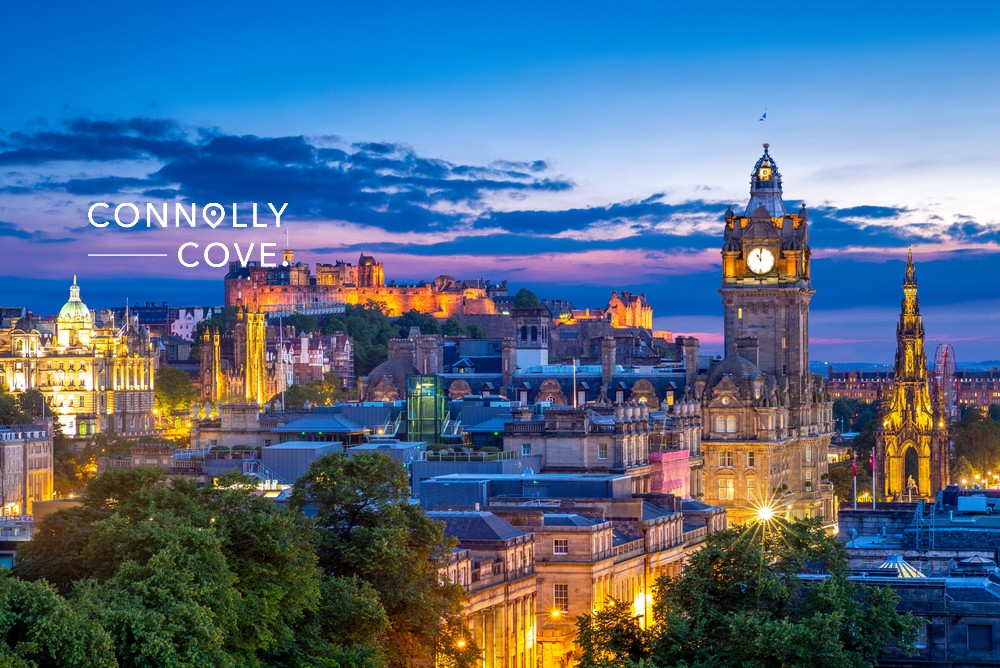
There are various must-see attractions once you’re in Edinburgh; these include the magnificent Edinburgh Castle, immerse yourself in Scotland’s artistic history at the Scottish National Gallery or visit the imposing and unusual structures of The Kelpies, just to name some of the city’s visit-worthy places.
Edinburgh Castle
Edinburgh’s majestic castle sits on Castle Rock, the ancient site which allows the castle to guard the city. As the centre of power since the 12th century, Edinburgh Castle radiates history, legends and even horrifying tales. The most besieged castle on the island held the seat of the Scottish Monarchy and once witnessed history-defining wars such as that of the Scottish Independence and the Jacobite Rising.
Edinburgh Castle also has a dark and chilling history. As you wander through its corridors, you might get a sudden chill. Legend says the castle’s walls swallowed a young bagpiper who was part of an exploration expedition. Whether these stories are true or not, Edinburgh Castle will steal your breath away and awaits you during your trip to Scotland from London.
Climb a Dormant Volcano (Arthur’s Seat)
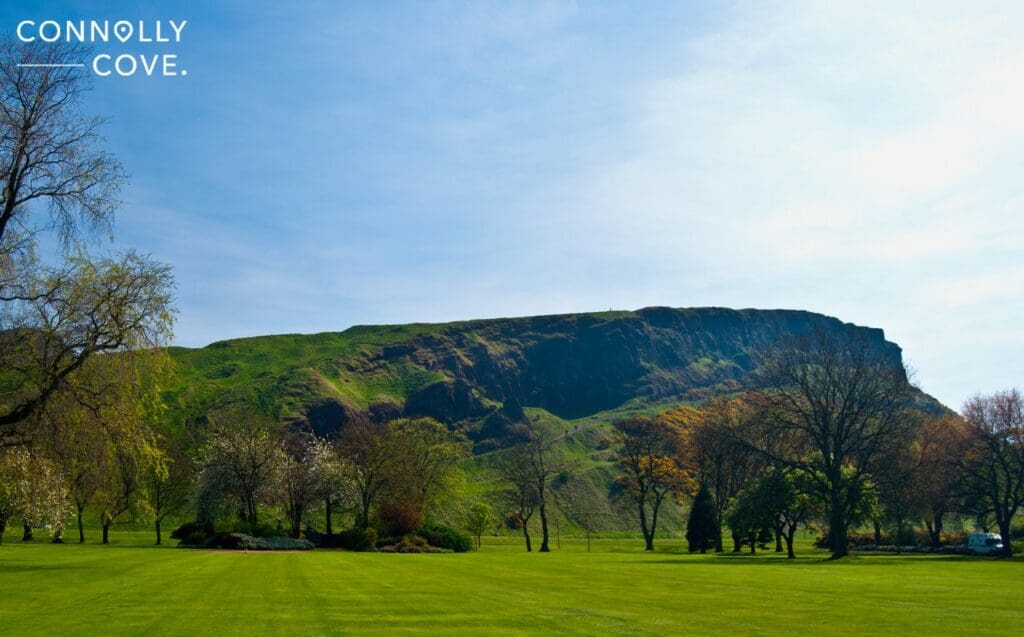
Climbing or hiking, even for a short period of time, is rather unusual during a day trip. However, it’s one of the most recommended activities during your day trip to Scotland from London. In the magnificent Holyrood Park, a group of hills hosts a dormant volcano that overlooks the beautiful park. Arthur’s Seat will give you incredible views of Edinburgh and is an ideal activity for nature exploration on a short trip to Scotland from London.
Arthur’s Seat didn’t escape legends either; some interesting and scary ones exist. The hill is said to have been the throne of mythical Celtic kings, where they held court and dispensed justice. Some visitors claimed they could hear the whispers of fairies as they danced in the mist while restless spirits haunted the crags. There’s even a legend that claims the Holy Grail is hidden within the hill and is guarded by ancient magic.
The Rosslyn Chapel is a Must-See
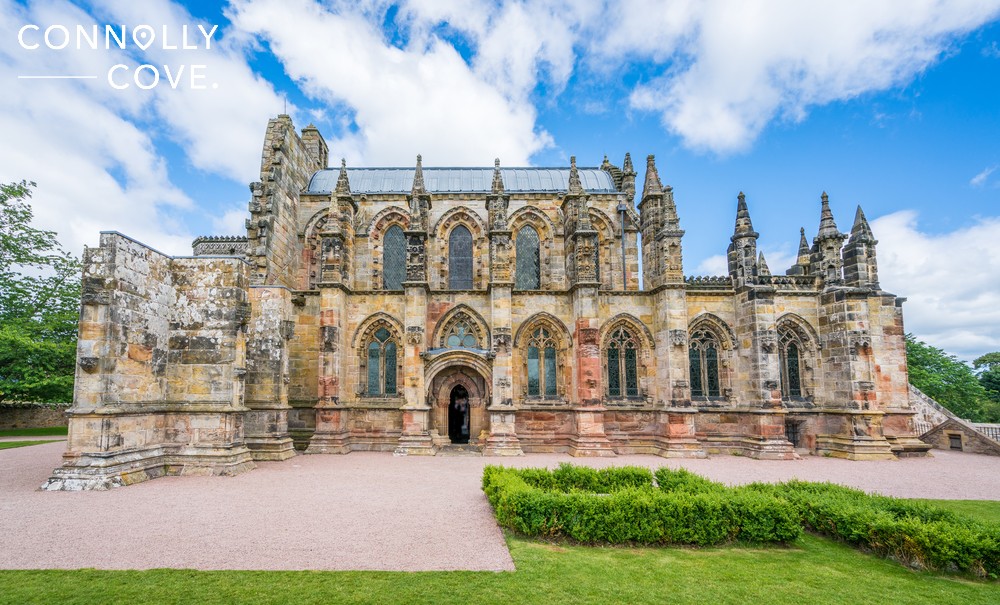
Take a step back through time when you visit this mid-15th century chapel in Roslin in Edinburgh’s south. Built by Sir William Sinclair, Earl of Rosslyn, the chapel’s intricate carvings and symbolism have sparked centuries of speculation, from whispers of Da Vinci’s secret code to connections with the Knights Templar. Stepping inside is like entering a stone tapestry.
Every inch of the walls and pillars is adorned with biblical stories, mythical creatures, and enigmatic symbols. Green Men peek from foliage, angels play bagpipes, and grotesque gargoyles leer from the ceiling. The Apprentice Pillar, left unfinished by a heartbroken stonemason, is a poignant reminder of human frailty. Another interesting carving of the chapel ceiling is the alleged ears of corn, which some claim Europe didn’t have when the chapel was built. These ears of corn celebrate nature’s bounty.
Urquhart Castle and Loch Ness
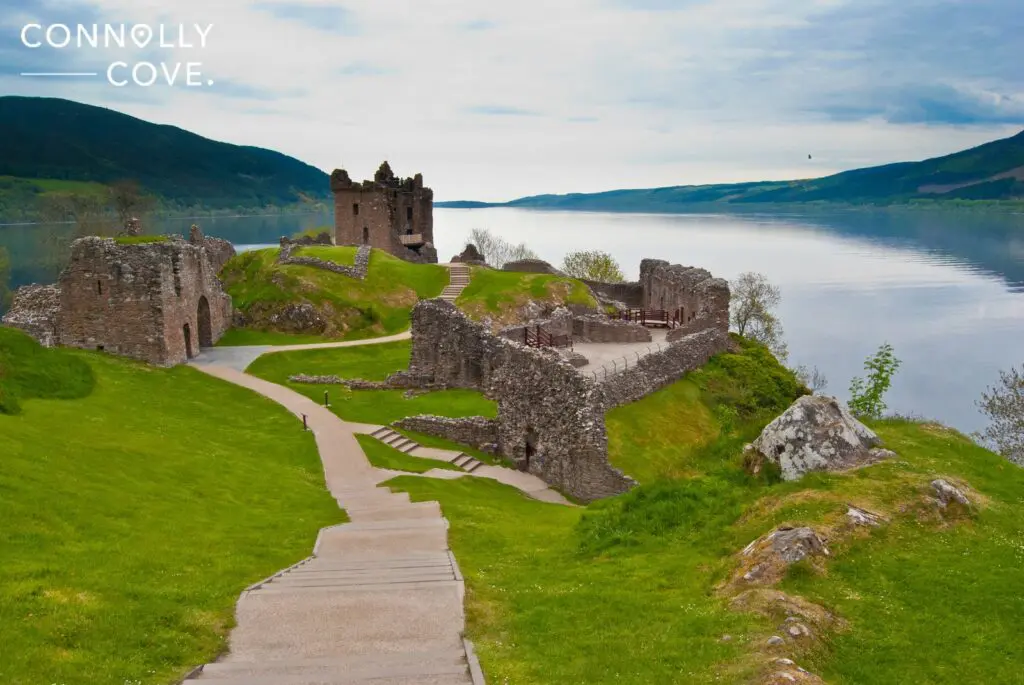
Urquhart Castle looms majestically over Loch Ness and is a crumbling yet captivating sentinel steeped in history and legend. Dating back to the 13th century, it witnessed centuries of power struggles, from Scottish independence battles to clan skirmishes. It even suffered from intentional damage and decay after it was slighted in 1692. The castle’s ruins whisper tales of grand halls, dark dungeons, and breathtaking views today. You can climb the Grant Tower, once a symbol of strength and gaze, across Loch Ness, the legendary home of the enigmatic monster Nessie.
On the other hand, Loch Ness is a natural wonder, its inky depths shrouded in mist and mystery. Boat tours glide across its surface, searching for glimpses of the elusive creature, while frequent search groups compete to see who will find the mysterious creature first. As the loch takes its name from the River Ness, it connects to nearby rivers through other lochs from the southern and northern end. Allow yourself to go on a secret monster hunt over Loch Ness for an unforgettable experience.
Royal Palace of Holyroodhouse
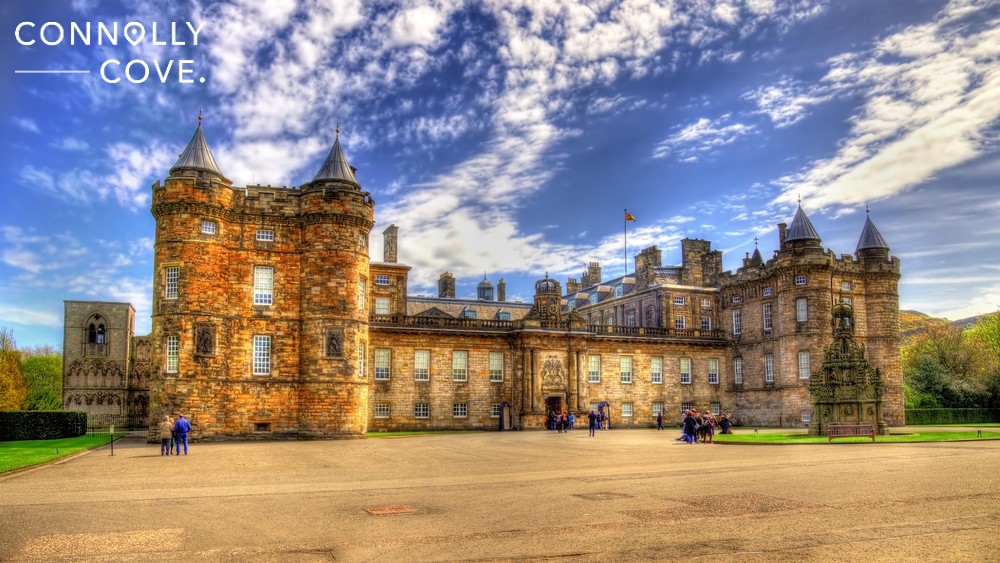
When you take the Royal Mile, you will reach the British Monarch’s official residence in Scotland, Holyroodhouse. This must-visit on your trip to Scotland from London hosted the monarchy since the 16th century, with royals such as Mary, Queen of Scots, Charles I, and Queen Victoria. The palace is an exquisite display of Renaissance architecture with its grand towers, ornate facades, and beautifully landscaped gardens.
Memorable locations to visit in the palace include the Queen’s Gallery, which showcases priceless works of art. You can wander around lavish state apartments where royalty once hosted glittering court gatherings and massive banquets. Today, the palace hosts state visits, investitures, and other royal events. Visitors can enjoy tours, exhibitions, and even afternoon tea in the state apartments.
Day Trip to Scotland from London: Hop-on, Hop-off Bus Tour
Hop-on, hop-off bus tours offer the best vantage points to explore Edinburgh’s top attractions at your own pace. If you’re short on time during your day trip to Scotland from London, this tour will take you around the city in a timely manner and will allow you to benefit from the few hours you have.
Bright Bus Tours is one of the bus services offering hop-on, hop-off bus tours in Edinburgh. They offer you two bus routes to choose from: the first is the City Tour, which will take you around the city’s most remarkable landmarks, such as Edinburgh Castle, the Grassmarket and the National Museum of Scotland. The second tour is the Britannia Tour, which includes the Royal Yacht of Britannia, the Royal Botanic Garden and, of course, Edinburgh Castle.
Your Trip to Scotland from London: The Scottish Culinary Scene
You shouldn’t miss out on trying traditional Scottish cuisine on your day trip to Scotland from London. Try the best haggis, neeps and tatties, or turnips and potatoes at the cosy pub, the Sheep Heid, which also offers live performances. Head to the Bow Bar, a great place for a quick drink and light snacks after a long day. We cannot forget to recommend Edinburgh’s best places to have fish and chips. If you’re interested in a whiskey tour, you can indulge in a distillery tour and tasting in the heart of Speyside, the Malt Whisky Trail, which will take you through seven renowned world distilleries.
Important Tips for Your Day Trip to Scotland From London
When planning a day trip to Scotland from London, a few tips can help you make the most out of your adventure.
- Planning ahead and prioritising the attractions or activities you want to experience during your limited time is essential. This way, you can maximize your itinerary and ensure you don’t miss out on anything important.
- Consider booking any necessary tickets or tours in advance to avoid disappointment on the day of your trip. This includes your train or plane tickets as well, which will also allow you to score lower prices.
- Pack comfy shoes, as there will likely be a lot of walking involved in exploring Scotland’s charming cities and stunning landscapes. These shoes will prove vital, especially when planning hillwalking or climbing.
- The weather on your day trip to Scotland from London can be unpredictable, so pack waterproof layers and warm clothing.
- Don’t be afraid to ask the locals for help or guidance; they’re always happy to share stories and recommendations.
We hope our guide to your day trip to Scotland from London has all the information you need to plan this exciting day. Remember, Scotland has endless possibilities catering to everyone’s interests and needs. So, book those tickets and get ready for an unforgettable adventure.
FAQs
Are there free walking tours in Edinburgh?
Yes, there are. When you arrive in Edinburgh, head to the Copper Still bar on the Royal Mile, and you will find several walking tours that begin at 10 am and another at 11 am, while the last walking tour begins at 1 pm.
Is it possible to have a visit or tour of Edinburgh, Scotland, done in one day?
Yes! You can plan an independent day excursion or take organised tours departing from London. One of Edinburgh’s best features is that many of its major attractions are close to each other, which greatly facilitates visiting them. You can even walk from one attraction to another; that’s how close they are to each other.
Is a day trip to Scotland from London worth it?
Yes! If you have the time to spare and are looking for an exciting adventure outside London, consider the enchanting Scottish capital. Edinburgh will forever impact your memory; you will work on a separate Scottish adventure soon.
Can you walk up to Edinburgh Castle without a ticket?
Unfortunately, no! To enjoy the majestic beauty of Edinburgh Castle and its beautiful surroundings, you must pay the entrance fee of £19.50 for adults. You can book your tickets online and check if you are eligible for a discount ticket.
Can you do a day trip from Edinburgh to the Highlands?
Absolutely! Numerous day trips leave from Edinburgh to the Highlands. You can choose trips that explore Loch Ness, Urquhart Castle and Glencoe. Other trips can take you to the Trossachs National Park, where The Kelpies are and take you to marvel upon Loch Lomond.
Viking History: Insight into the Age of Phantom Travellers
History and Heritage
28/04/2024
The Symbolism and Meaning of the Dara Knot
Culture Exploration
28/04/2024
An Overview of Michigan Tourism Statistics: Visitor Spending, Growth, and Industry Impact
United States
28/04/2024
Top Things To Do in Hamburg: A Hamburger’s Guide!
Germany
27/04/2024
Take a Look at the Astounding Scenery of County Kerry
County Kerry
27/04/2024