


Sir Thomas and Lady Dixon Park-South Belfast, Northern Ireland
Updated On: April 12, 2024 by  Ciaran Connolly
Sir Thomas and Lady Dixon Park is one of the most popular parks in Belfast. It is situated in South Belfast, covering a staggering 130 acres. You can gain access to the park from the Upper Malone Road. The park was donated to the people of Belfast by Lady Dixon in 1959, in memory of her late husband, Sir Thomas Dixon.
The History of Sir Thomas and Lady Dixon Park
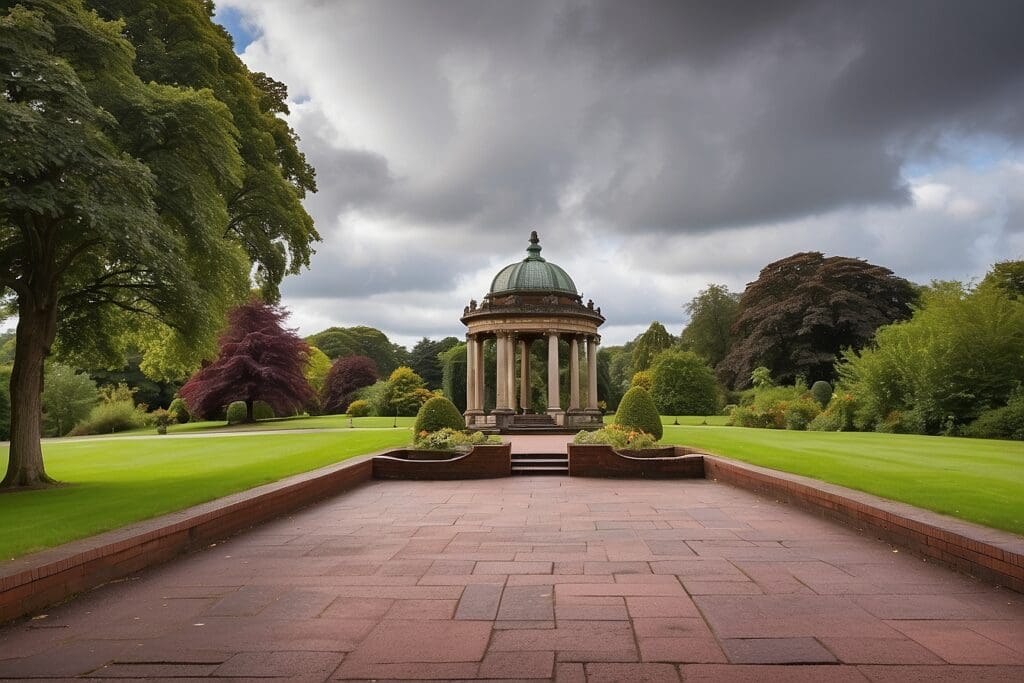
The origins of the park can be traced back to the early 20th century when it was bequeathed to the city by Lady Dixon in memory of her late husband, Sir Thomas. The Dixon family was renowned for their philanthropy and dedication to the betterment of Belfast, and this gesture of gifting their estate to the public further solidified their legacy.
Opened to the public in 1959, Sir Thomas and Lady Dixon Park quickly became a beloved destination, attracting nature enthusiasts, families, and those seeking a peaceful retreat. Over the years, the park has undergone various developments and enhancements, ensuring that it remains a cherished green space for generations to come.
The Floral Splendor of the Rose Garden
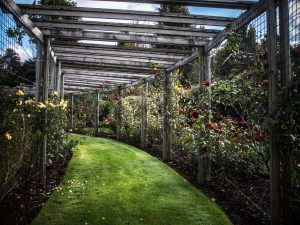
One of the park’s most iconic features is the Rose Garden, a horticultural masterpiece that captivates visitors with its vibrant colours and enchanting fragrances. Home to thousands of roses in diverse varieties, the garden blooms in a riot of colours during the summer months, creating a breathtaking panorama that is a delight to behold.
Visitors can meander through carefully landscaped pathways, pausing to admire the intricate designs and layouts of the flowerbeds. The Rose Garden serves not only as a visual feast but also as an educational space, showcasing different species of roses and offering gardening enthusiasts valuable insights into cultivation and maintenance.
The International Rose Trials, held annually in the park, draw attention from horticulturists worldwide. This prestigious event provides a platform for rose breeders to showcase their latest creations, adding an extra layer of significance to the park’s already illustrious reputation.
Walks and Things to Do
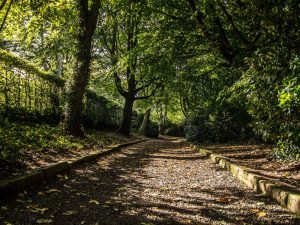
Lady Dixon Park is made up of gardens, rolling meadows, riverside fields, and woodlands and is home to a range of plants and animals. You can choose between three different park walks, the Garden Trail (easy 1.1 miles), the Meadows Trail (Moderate 1.78 miles) and the Woodland Trail (moderate 1.93 miles).
The park also has a family-friendly play area for children to run around and have plenty of fun. It is a beautiful park, full of scenic views with a coffee shop on-site full of treats.

Wilmont House
A popular and recognisable part of Lady Dixon Park is Wilmont House estate which was designed by Thomas Jackson in 1859. It is a two-story Victorian house with a three-bay front and a balustrade porch.
The estate also includes a walled garden, informal planting areas and gated lodges. The House attracted a number of different owners before it was taken over by the Dixon’s in 1919, and it is one of Belfast’s most notable Victorian architects.


The Popular Rose Gardens
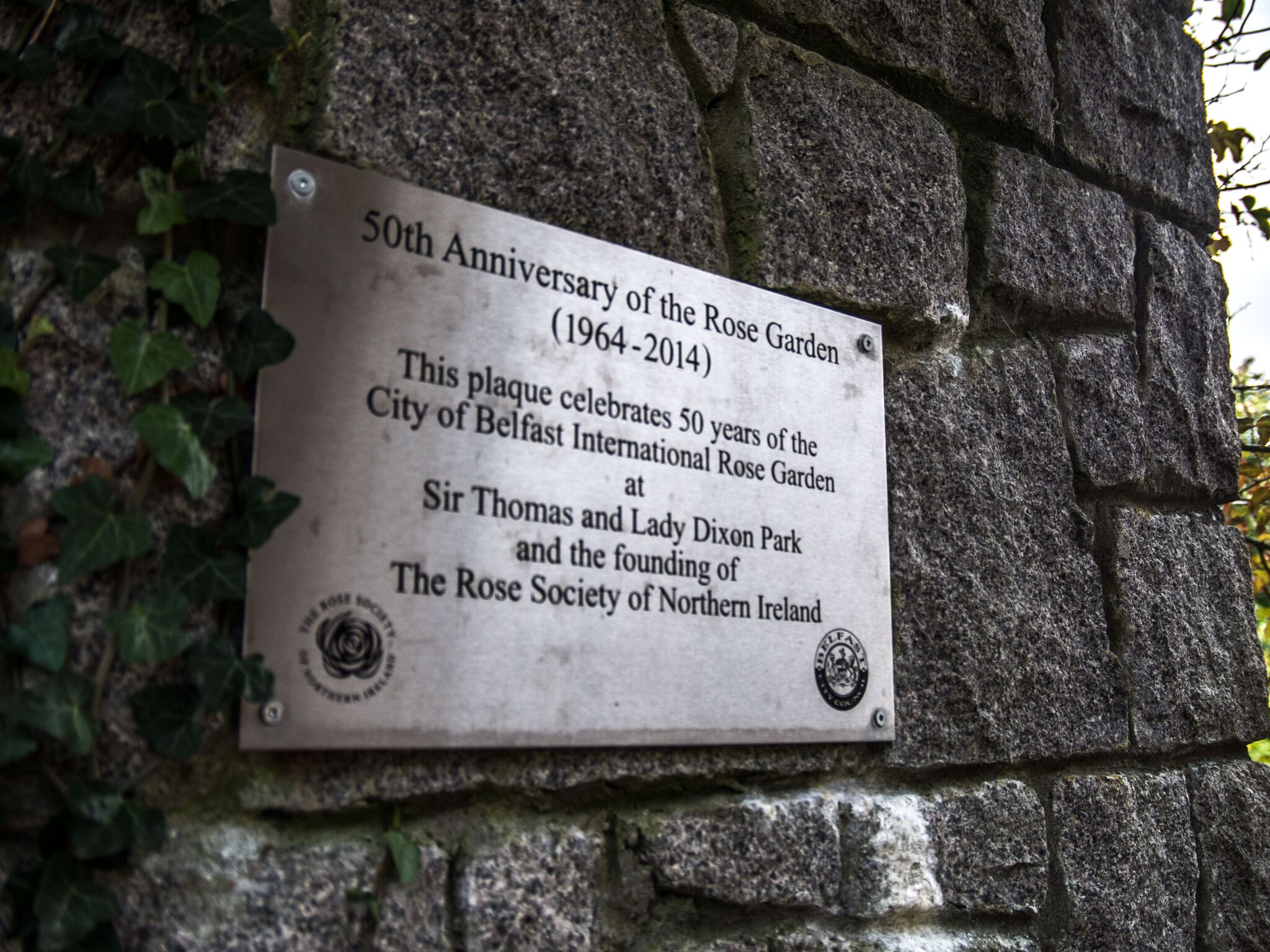
Sir Thomas and Lady Dixon Park have one of the best and most beautiful Rose Gardens. The Rose Gardens attracts thousands of visitors each year. The park has an annual Rose Week in July, showcasing over 40,000 roses from the best local breeders. These are then displayed in the historical section and heritage garden.
There is something for everyone at Rose Week in Lady Dixon Park, including live entertainment with different events every day. Things on offer include food stalls, performances, face painting, bouncy castles, and so much more. It is definitely a must-visit with lots of activities for the whole family to enjoy. Also, a perfect spot during the summer months to enjoy the nice weather and have a picnic.
Seasonal Events and Festivals
Throughout the year, Sir Thomas and Lady Dixon Park come alive with a calendar of events and festivals that celebrate nature, art, and community spirit. From summer concerts on the park’s bandstand to autumnal harvest festivals, there is always something happening to engage visitors of all ages.
The annual Belfast Mela, a multicultural arts festival, is a highlight that attracts thousands of attendees. Featuring live music, dance performances, and a diverse range of food stalls, the Mela reflects the city’s vibrant cultural tapestry. She underscores the park’s role as a gathering place for the community.
Conservation and Sustainability
As awareness of environmental issues grows, public spaces like Sir Thomas and Lady Dixon Park play a crucial role in promoting conservation and sustainability. The park’s management actively engages in eco-friendly practices, including waste reduction, recycling initiatives, and the promotion of biodiversity.
Educational programs are often organized to raise awareness about the importance of environmental stewardship. Visitors can participate in guided tours, workshops, and interactive sessions that highlight the delicate balance between human activities and the preservation of natural ecosystems.
Accessibility and Community Engagement
The accessibility of Sir Thomas and Lady Dixon Park is a critical factor in its popularity. The park is well-connected by public transportation, and ample parking facilities are available for those arriving by car. Well-maintained footpaths and wheelchair-accessible areas ensure that the beauty of the park can be enjoyed by everyone, regardless of mobility.
Community engagement is at the heart of the park’s ethos, with regular consultations and feedback sessions held to involve the public in decision-making processes. Volunteer programs also provide opportunities for locals to contribute to the maintenance and enhancement of this cherished green space.
Exploring the Rich Tapestry of Attractions Near Sir Thomas and Lady Dixon Park in South Belfast
- Belfast Botanic Gardens: A short distance from Sir Thomas and Lady Dixon Park, the Belfast Botanic Gardens offer a lush escape with its extensive plant collections, tropical ravine, and Victorian greenhouse. The Palm House and the Tropical Ravine are captivating, showcasing various plant species worldwide.
- Ulster Museum: Located in the Botanic Gardens, the Ulster Museum is a treasure trove of art, history, and natural sciences. It boasts an impressive collection of artefacts, including ancient Irish treasures, Egyptian mummies, and contemporary artworks. The museum offers an enriching experience for history enthusiasts and curious minds alike.
- Queen’s University Belfast: The prestigious Queen’s University Belfast is near Sir Thomas and Lady Dixon Park. Visitors can explore the university’s historic architecture, including the iconic Lanyon Building, and enjoy the vibrant student atmosphere. The university’s Naughton Gallery often hosts engaging exhibitions and events.
- Lagan Towpath: Nature enthusiasts and walkers will appreciate the scenic Lagan Towpath, a picturesque trail that follows the River Lagan. The towpath provides a peaceful route for strolls or cycling, allowing visitors to enjoy the tranquil beauty of the river and its surroundings.
- Shaw’s Bridge: Shaw’s Bridge, spanning the River Lagan, is a charming spot near the park. The bridge is an architectural gem and a starting point for various walking and cycling trails along the riverbanks. It’s a popular area for locals and visitors to enjoy outdoor activities.
- Malone House: For a touch of history and elegance, Malone House is a must-visit. This Georgian mansion is located in Barnett Demesne, adjacent to the park, and offers guided tours and hosts events. The surrounding gardens and woodlands add to the allure of this historic estate.
- Belfast Castle and Cave Hill Country Park: A short drive from Sir Thomas and Lady Dixon Park, Belfast Castle and Cave Hill Country Park provide panoramic city views. The castle, set on the slopes of Cave Hill, is a popular destination for its gardens and stunning vistas. The park offers hiking trails with varying levels of difficulty.
- Lisburn Road: Lisburn Road, a bustling thoroughfare nearby, is known for its boutique shops, cafes, and restaurants. Visitors can indulge in shopping, savour local cuisine, or enjoy a stroll along this vibrant street.
- Lyric Theatre: Culture enthusiasts can catch a show at the Lyric Theatre, a renowned venue for live performances. With a diverse program ranging from classic plays to contemporary productions, the Lyric Theatre contributes to Belfast’s vibrant arts scene.
- Game of Thrones Filming Locations: Northern Ireland is famous for being a filming location for the “Game of Thrones” series. Fans can explore nearby sites such as the Dark Hedges and Castle Ward, which served as backdrops for iconic scenes from the show.
These attractions complement the tranquillity of Sir Thomas and Lady Dixon Park, offering visitors a well-rounded experience that combines nature, culture, and history in the charming surroundings of South Belfast. Whether wandering through gardens, delving into history, or enjoying the vibrant cityscape, there’s something for everyone in this diverse and captivating area.
Conclusion
Sir Thomas and Lady Dixon Park in South Belfast, Northern Ireland, stands as a testament to the enduring beauty of nature and the importance of preserving green spaces in urban environments. From the enchanting Rose Garden to the tranquil Japanese Garden and expansive woodlands, the park offers diverse experiences for visitors of all ages.
As a hub for community engagement, cultural events, and environmental education, Sir Thomas and Lady Dixon Park continues to evolve, ensuring it remains a beloved destination for future generations. Whether one seeks a quiet retreat into nature, a vibrant cultural experience, or a family-friendly outing, this park delivers a harmonious blend of natural beauty and community spirit. In every season, under the canopy of trees and amidst the blooming roses, Sir Thomas and Lady Dixon Park beckon, inviting all to bask in the splendour of its green embrace.
Be sure to check out Rose Week and let us know what you liked about Sir Thomas and Lady Dixon Park in the comments below.
Also, check out some other popular parks: Botanic Gardens | Redburn County Park | Woodvale Park | Rossmore Forest Park

An Ultimate Guide to 6 of the Finest Castle Tours in England
England
26/04/2024

Unveiling the Most Terrifying Haunted Tours in Scotland
Scotland
25/04/2024

7 Top Amusement Parks in England for an Unforgettable Adventure
England
25/04/2024

Miami Tourism Statistics: A Comprehensive Overview of Visitor Numbers and Revenue
Travel Statistics
25/04/2024

The Enchanting Charm of Scotland Wedding Castles!
Scotland
25/04/2024