


Portadown Town – Portadown People’s Park
Updated On: February 21, 2024 by  Ciaran Connolly
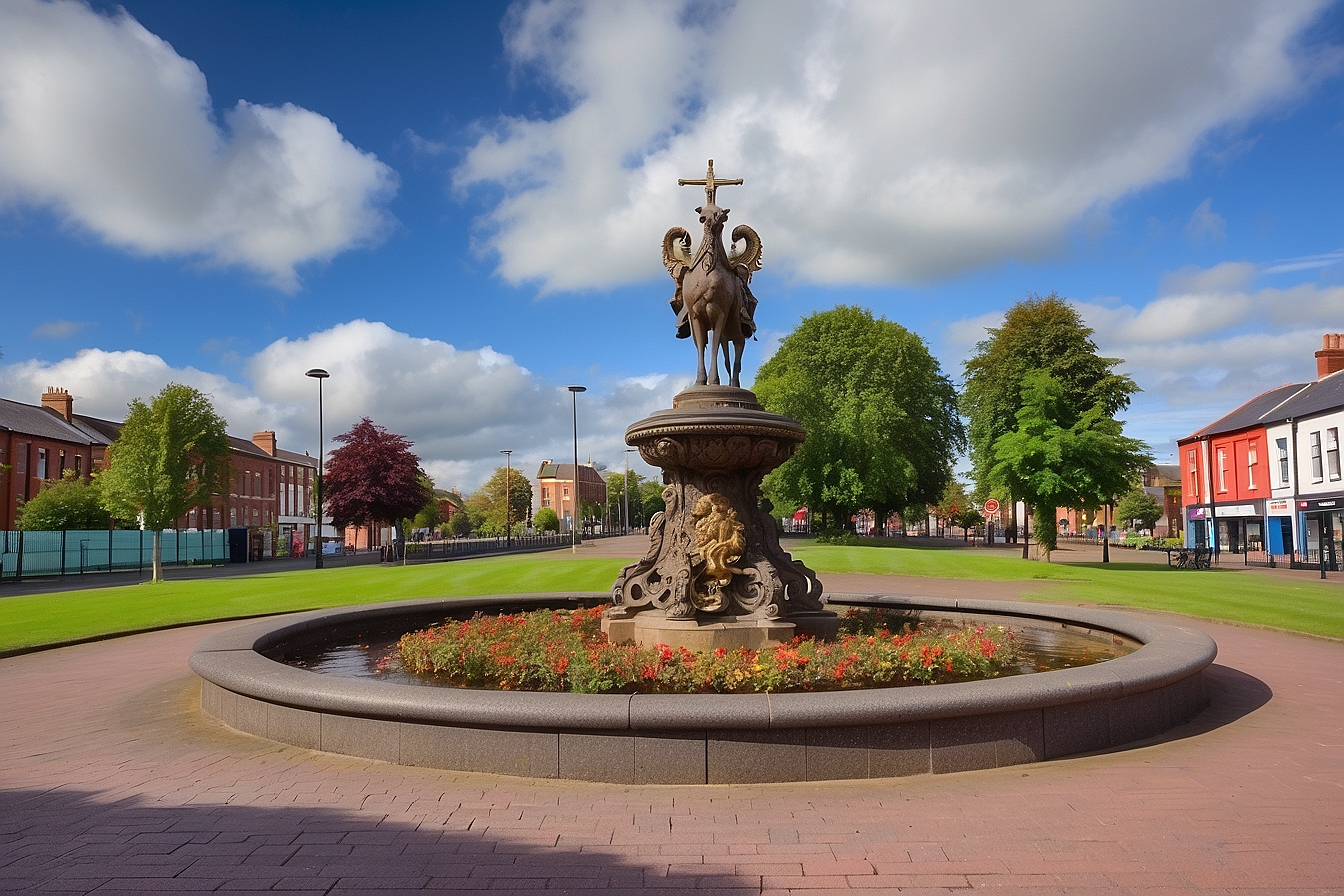
Portadown Town – Portadown People’s Park is definitely worth checking out for a family fun day that has lots of attractions, activities and events on offer. Following a £5.4 million transformation this Park boasts something for everyone to enjoy, so pack a picnic and take time out to explore all of the fantastic new features that Portadown People’s park has to offer.
Portadown, nestled in the heart of Northern Ireland, is a town steeped in rich history and natural beauty. Among its many attractions, Portadown People’s Park stands out as a gem, offering locals and visitors alike a serene escape from the bustle of urban life. From its picturesque landscapes to its diverse recreational facilities, the park holds something for everyone. In this comprehensive guide, we delve into the allure of Portadown People’s Park, uncovering its history, amenities, and the experiences it offers to those who wander through its lush greenery.
History of Portadown People’s Park
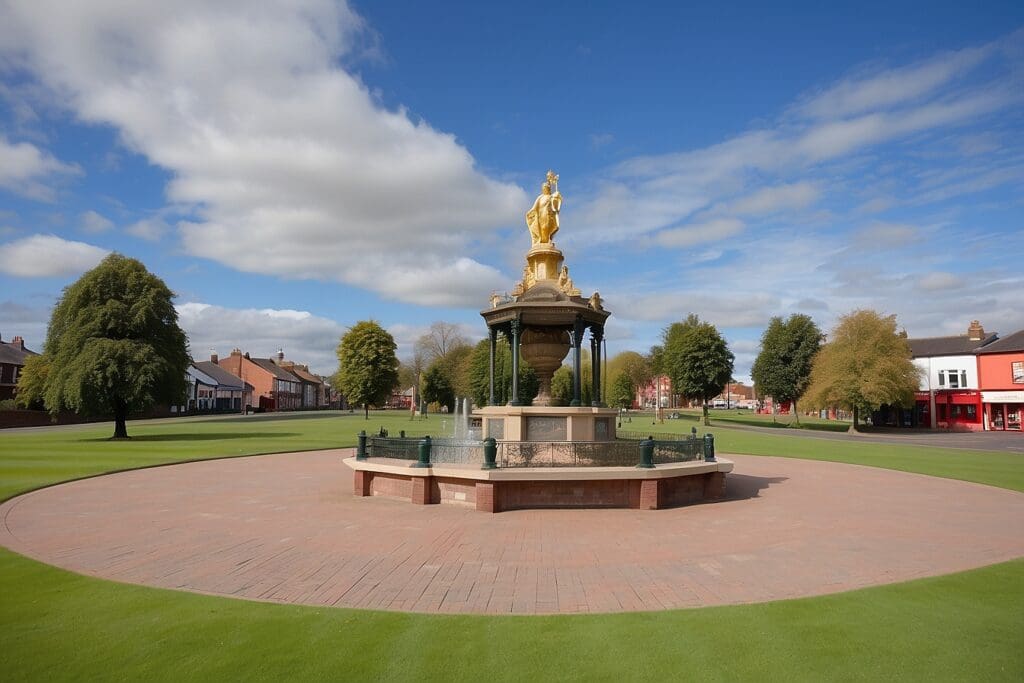
Portadown People’s Park, affectionately known as “The People’s Park,” has a storied history that dates back to the late 19th century. Established in 1891, the park was envisioned as a public space where residents could gather for leisure and recreation. Its creation was made possible through the efforts of local philanthropists and civic leaders who recognized the importance of green spaces in enhancing the community’s well-being.
Originally spanning over 17 acres, the park has undergone several transformations, evolving into the vibrant oasis it is today. From its early days as a simple recreational ground to its current status as a cherished community asset, Portadown People’s Park has remained a beloved destination for generations of residents.
Natural Beauty
One of the defining features of Portadown People’s Park is its natural beauty. Visitors enter the park and are greeted by lush greenery dotted with mature trees, vibrant flower beds, and winding pathways. The carefully landscaped gardens provide a picturesque backdrop for strolls, picnics, and outdoor gatherings.
The park’s centrepiece is the tranquil lake, which serves as a habitat for various species of birds and aquatic life. A leisurely walk along the water’s edge allows visitors to observe ducks gliding across the surface while the soothing sounds of cascading water from the fountain create a serene ambience.
Recreational Facilities
Portadown People’s Park offers a wide range of recreational facilities to cater to visitors of all ages and interests. Sports enthusiasts can take advantage of the tennis courts, basketball courts, and football pitches, where friendly matches and tournaments are standard.
For children, the park features a well-equipped playground, complete with swings, slides, and climbing frames, providing endless opportunities for fun and adventure. Families often gather here for picnics and playdates, creating cherished memories against the backdrop of the park’s natural beauty.
Fitness enthusiasts can also use the park’s jogging trails and outdoor gym equipment to stay active while enjoying the fresh air and scenic surroundings. Whether a stroll or an intense workout, Portadown People’s Park offers the perfect setting to embrace a healthy lifestyle.
Community Events and Activities
Throughout the year, Portadown People’s Park hosts various community events and activities, bringing together residents from all walks of life. From music concerts and outdoor movie nights to cultural festivals and craft fairs, something is always happening within the park’s vibrant grounds.
One of the park’s event calendar highlights is the annual Portadown Festival, a week-long celebration of art, culture, and community spirit. The festival attracts visitors from near and far, featuring live performances, art exhibitions, and food stalls showcasing local delicacies, transforming the park into a hub of activity and excitement.
In addition to organized events, the park also serves as a popular venue for private gatherings such as weddings, family reunions, and birthday parties. The tranquil surroundings and scenic vistas provide the perfect backdrop for special occasions, creating unforgettable moments for all who attend.
Preserving the Legacy
As a cherished community asset, Portadown People’s Park holds a special place in the hearts of residents, who are committed to preserving its legacy for future generations. Volunteer groups and civic organizations work tirelessly to maintain the park’s facilities, ensuring it remains a clean, safe, and welcoming environment for all.
Efforts are also underway to enhance the park’s accessibility and sustainability, with initiatives to improve pathways, install energy-efficient lighting, and implement water conservation measures. Through these collaborative endeavours, the community seeks to honour the park’s rich heritage while embracing the challenges of modernity.
Exploring the Surrounding Attractions near Portadown People’s Park
While Portadown People’s Park is undoubtedly a highlight of the area, the surrounding region offers a wealth of attractions and activities to enhance your visit further. From historic landmarks to scenic wonders, there’s something for everyone to enjoy within easy reach of the park. Let’s take a closer look at some of the top attractions nearby:
1. Armagh City
Just a short drive from Portadown, Armagh City is a must-visit destination for history buffs and culture enthusiasts alike. Known as the “ecclesiastical capital of Ireland,” Armagh boasts a rich heritage dating back thousands of years. Highlights include St. Patrick’s Cathedral, Navan Centre & Fort, and the Armagh County Museum, where visitors can explore exhibits detailing the area’s fascinating past.
2. Lough Neagh
The largest lake in the British Isles, Lough Neagh, is a natural wonder that beckons visitors to explore its tranquil waters and scenic surroundings. Whether you’re interested in fishing, birdwatching, or a leisurely boat ride, Lough Neagh offers ample outdoor recreation and relaxation opportunities. Several picturesque villages dot the lake’s shoreline, providing charming spots to dine, shop, and unwind.
3. Ardress House
Nestled amidst rolling countryside just a short distance from Portadown, Ardress House is a hidden gem waiting to be discovered. This 17th-century National Trust property boasts a beautifully preserved historic home, tranquil gardens, and scenic walking trails. Visitors can explore the elegant interiors of the house, stroll through the orchard and woodland, or enjoy a picnic on the grounds.
4. Craigavon Lakes
Situated adjacent to Portadown, Craigavon Lakes offers a picturesque outdoor recreation and relaxation setting. The lakes comprise two large bodies of water surrounded by walking and cycling paths, picnic areas, and playgrounds. Whether you’re interested in boating, fishing, or simply soaking up the scenery, Craigavon Lakes provides the perfect backdrop for outdoor fun with family and friends.
5. Oxford Island Nature Reserve
Located on the southern shores of Lough Neagh, Oxford Island Nature Reserve is a haven for wildlife enthusiasts and nature lovers. The reserve encompasses a diverse range of habitats, including wetlands, woodlands, and meadows, home to abundant bird species, mammals, and plant life. Visitors can explore the network of walking trails; bird hides, and visitor centres, immersing themselves in the natural beauty of this pristine wilderness area.
6. Brownlow House
Also known as Lurgan Castle, Brownlow House is a historic mansion located in nearby Lurgan. Built in the 1830s, the imposing neoclassical building is surrounded by lush parkland and gardens, making it a popular spot for leisurely walks and picnics. Guided house tours allow visitors to learn about its fascinating history and architectural significance.
7. Gilford Castle and Demesne
A short drive from Portadown, Gilford Castle and Demesne offers a glimpse into the area’s aristocratic past. The imposing castle dates back to the 19th century and is surrounded by beautifully landscaped gardens and woodland. Visitors can explore the grounds, enjoy scenic views of the surrounding countryside, and learn about the history of this historic estate.
Conclusion
Portadown People’s Park is a testament to the enduring power of green spaces to enrich our lives and strengthen our communities. From its humble beginnings to present-day splendour, the park has remained a beacon of beauty, recreation, and camaraderie for generations of residents.
As visitors wander through its tranquil landscapes and partake in its myriad activities, they cannot help but feel a sense of connection to the natural world and each other. In an increasingly fast-paced and interconnected world, Portadown People’s Park reminds us of the importance of taking time to pause, reflect, and appreciate the simple joys surrounding us.
Whether you are seeking a peaceful retreat, an active outing, or a vibrant community gathering, Portadown People’s Park offers an experience like no other. So, next time you find yourself in Northern Ireland, visit this beloved destination and discover the charm of Portadown.

A Walk in Ireland Guide: Best Trails, Routes, and Tips
Ireland
26/04/2024
An Ultimate Guide to 6 of the Finest Castle Tours in England
England
26/04/2024

Unveiling the Most Terrifying Haunted Tours in Scotland
Scotland
25/04/2024

7 Top Amusement Parks in England for an Unforgettable Adventure
England
25/04/2024

Miami Tourism Statistics: A Comprehensive Overview of Visitor Numbers and Revenue
Travel Statistics
25/04/2024