


Edinburgh in March: Exploring the Scottish Capital in Spring

Updated On: April 22, 2024 by  Noha Basiouny
As the chill of winter begins to wane and hints of spring grace the Scottish landscape, the capital city awakens with a renewed sense of vibrancy and charm. Edinburgh in March is a haven for those seeking a different kind of travel experience, an intimate atmosphere where one can enjoyably explore ancient castles, wander through deserted graveyards, and cosy up in historic pubs with a dram of whisky as the sun dips below the rooftops.
In this article, we embark on a journey through Edinburgh’s streets, delving into the essence of this enchanting city during the month of March and providing you with a diverse array of experiences to make your visit to the city both worthwhile and unforgettable.
Join us as we uncover the magic of Edinburgh in March, where ancient traditions meet contemporary flair, and every corner unveils a story waiting to be told. From the vibrant festivities to the serene beauty of the city’s museums, parks and gardens, there is something for every traveller to discover in this captivating Scottish gem.
So bring along a cup of tea and let’s hop into it.
Edinburgh in March: Weather
One of the most fundamental things you have to do while planning your trip anywhere is, yes, to check the weather during the time of your planned visit or to choose that time based on the best weather and pack accordingly.
In March, Edinburgh experiences a transitional period as it gradually moves from winter to spring. The weather during this month can be quite dynamic, with a mix of chilly temperatures and the anticipation of milder days.
The temperatures in March typically range from around 2°C to 9°C. While there may still be remnants of winter chill, the city starts to see an increase in daytime temperatures as the month progresses. You can also expect around 11 to 13 hours of daylight, offering ample time to explore the city and its attractions.
Edinburgh is known for its occasional rain throughout the year, and March is no exception. So, be prepared for some rainfall during your visit. It is best to bring a waterproof jacket or an umbrella to stay dry. You might also experience moderate to brisk winds, especially if you are exploring the city’s open areas or historic sites.
Despite the potential for rain and cooler temperatures, visiting Edinburgh in March provides a unique opportunity to experience the city as it transitions from the quieter winter months to the livelier spring season. Yet, it is still recommended to pack layers. A combination of a warm coat, sweaters, and waterproof outerwear can help you stay comfortable while exploring the city.
Edinburgh in March: Best Attractions
Edinburgh is a city that holds a unique and special place in the hearts of both locals and visitors. It boasts a captivating history that spans centuries with its stunning architecture, from the medieval Old Town to the neoclassical New Town, which provides a tangible connection to its royal past and Middle Age origins. The juxtaposition of historical and modern structures also creates a visually striking landscape.
This all resulted in a long list of spectacular attractions scattered all around the city that anyone should never miss visiting while in town. So, let’s explore some of those.
Edinburgh Castle

Edinburgh Castle is an iconic landmark situated on top of Castle Rock in the heart of Edinburgh. As a symbol of strength and resilience, the castle traces back to at least the 12th century and has played a highly pivotal role in Scottish history, serving as a royal residence, military fortress, and prison. Its military significance is especially evident in its strategic position and the iconic Half Moon Battery.
The castle’s silhouette dominates the city skyline, offering breathtaking views of Edinburgh and beyond. Visitors can explore its historic halls, including the Crown Room, where the Scottish Crown Jewels are displayed, and the Great Hall, which echoes tales of feasts and royal gatherings, in addition to the National War Museum of Scotland and the One O’Clock Gun.
The Royal Yacht Britannia
The Royal Yacht Britannia, docked in the historic port of Leith, Edinburgh, is another must-see attraction that shows the elegance and grandeur of Britain’s royal maritime history.
Having served the British Royal Family for over four decades, from 1954 to 1997, Britannia sailed over a million miles, visited more than 600 ports worldwide, and played an important role in promoting British industry and diplomacy, hosting world leaders and dignitaries while embodying the essence of regal luxury.
Now retired from active service, visitors can step aboard this meticulously preserved vessel to explore the State Apartments, State Dining Room, Engine Room, and the elegant Royal Deck Tea Room. The yacht’s audio tour provides a fascinating glimpse into the private lives of the royals, offering a unique and immersive experience that allows one to relive the splendour of a bygone era on the high seas.
National Museum of Scotland
Situated in the heart of Edinburgh, the National Museum of Scotland is a fantastic treasure trove of knowledge and cultural artefacts. This architectural marvel seamlessly blends the historic Victorian building with a modern extension, creating a space that houses diverse collections spanning art, science, technology, and history.
From ancient fossils and dinosaur skeletons to medieval armour and intricate jewellery, the exhibits offer a fascinating glimpse into the past, a captivating journey through the annals of time. The museum’s interactive displays and multimedia installations also make the experience even more engaging and educational.
It is no wonder that the National Museum of Scotland is one of the most popular museums in the United Kingdom.
Arthur’s Seat

Arthur’s Seat, an iconic natural landmark in the heart of Edinburgh, is the peak of an extinct volcano and also the highest point in Edinburgh that offers both locals and visitors a stunning panoramic view of the city and its surroundings.
Situated in Holyrood Park, this extinct volcano provides a captivating hiking experience, rewarding those who ascend its slopes with breathtaking vistas of Edinburgh Castle, the Old Town, and the sprawling coastline. The hike to the summit is a popular outdoor activity, especially during March and other milder months.
Arthur’s Seat stands as a testament to the city’s geological history and offers a peaceful retreat for those seeking a moment of reflection amidst nature’s beauty in the midst of this vibrant Scottish capital.
Edinburgh in March: Festivals
Edinburgh’s rich historical and cultural diversity allows it to host a huge range of festivals that reflect several artistic disciplines, including music, literature, visual arts, theatre, science, and more. This inclusivity encourages creativity and innovation, making the city a hub for cultural exchange. Many of these festivals have achieved global recognition, and their international appeal continues to attract artists, performers, and visitors from around the world.
By attracting artists, performers, and visitors from around the world, these festivals significantly boost tourism and highly contribute to the local economy. This has also been encouraged by Edinburgh investing in cultural infrastructure, including world-class venues, theatres, galleries, and event spaces to provide a platform for artists and performers to showcase their work.
Additionally, the influx of tourists during festival seasons enhances the city’s overall cultural and economic vitality. As they often engage the local community, festivals in Edinburgh foster a sense of pride and ownership, making the festivals integral to the city’s identity.
Edinburgh’s cultural calendar is diverse throughout the year, which ensures a continuous flow of cultural events, maintaining the city’s status as a dynamic and lively cultural destination. That being said, some festivals are concentrated in specific months, and many distinct ones typically occur in March. So, let’s explore some of those.
The Edinburgh International Science Festival
The Edinburgh International Science Festival, held annually in March and April, is one of the largest science festivals in the world that attracts thousands of visitors each year. It transforms the city into a captivating playground of scientific discovery and exploration.
Embracing audiences of all ages, this dynamic festival brings together curious minds and leading scientists for a celebration of innovation and knowledge. It features a diverse array of interactive exhibits, hands-on workshops, thought-provoking talks, and engaging performances, all of which spark curiosity, ignite imaginations, and foster a beautiful appreciation for the wonders of science.
From first-hand experiments to cutting-edge research, the Edinburgh International Science Festival brings Edinburgh’s streets and venues alive with the spirit of enquiry, making science accessible, entertaining, and inspiring for participants from all walks of life.
Scottish Snowdrop Festival
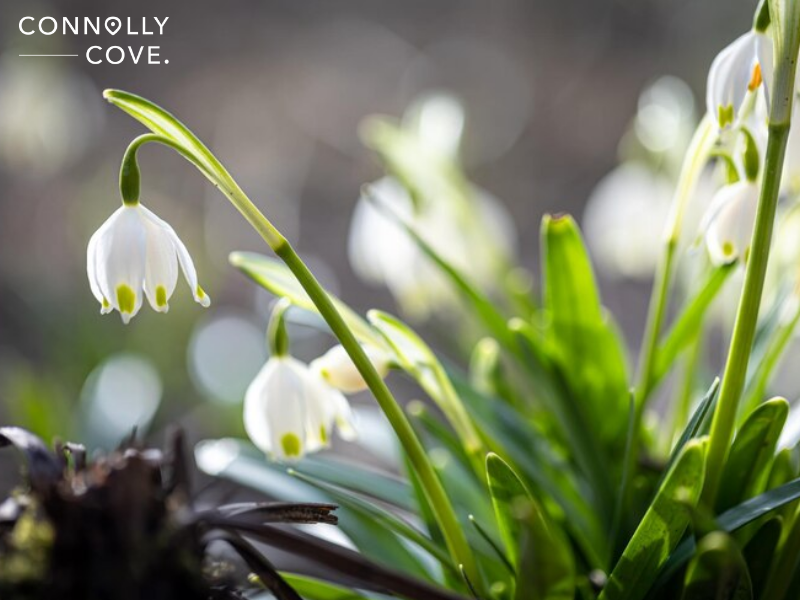
The Scottish Snowdrop Festival is an enchanting celebration that heralds the arrival of spring in Scotland. Usually taking place from late January to early March in Edinburgh and all across the country, the Scottish Snowdrop Festival features a range of events and activities centred around the humble flower of snowdrop, which is one of the first signs of spring in the country.
The festival gives visitors the chance to explore some of Scotland’s most beautiful gardens and estates, many of which are not usually open to the public. From guided walks to photography workshops, the festival provides a wonderful opportunity for nature enthusiasts, families, and garden lovers to explore Scotland’s diverse landscapes during a time of renewal and awakening.
Edinburgh Yarn Festival
The Edinburgh Yarn Festival is also an annual event that celebrates all things knitting and crochet, attracting craft enthusiasts, fibre artists, and yarn aficionados from across the globe. This annual event takes place in the heart of Edinburgh and is typically held in March, turning the city into a vibrant hub of creativity and craftsmanship and showcasing the work of some of the world’s most talented designers and makers.
The festival boasts a rich tapestry of workshops, exhibitions, talks, demonstrations and marketplaces, where visitors can browse a wide variety of yarns, patterns, and accessories. It provides a unique platform for yarn lovers to connect, communicate, learn, and indulge in their passion, explore the latest trends, attend hands-on classes, and revel in the diverse textures and hues of yarn available.
Wee Dub Festival
Another distinct never-to-miss Edinburgh festival that takes place in March every year is the Wee Dub Festival. This is a vibrant celebration of reggae and dub music that brings the city to life with infectious rhythms and positive vibes and transforms various venues into hubs of sound systems and live performances, showcasing the rich and diverse world of dub and reggae culture.
The festival brings together some of the best local and international artists, DJs, and producers to perform across multiple venues in the city. It is a celebration of sound system culture, with a focus on bass-heavy music, positive vibes, and community spirit where music enthusiasts and festival-goers immerse themselves in a strikingly vibrant atmosphere filled with captivating beats, dancehall rhythms, and the spirit of unity that defines reggae culture.
The Wee Dub Festival has become a highlight on Edinburgh’s cultural calendar. So, whether you are a die-hard reggae fan or simply looking for a fun and energetic night out, the Wee Dub Festival is definitely worth checking out.
DataFest
DataFest is a popular event among data enthusiasts, researchers, professionals, and students from various industries alike, which stands as a dynamic and influential celebration of data-driven innovation. This festival, typically taking place in March, acts as a platform for exploring the vast potential of data science, artificial intelligence, analytics, big data, and digital technology.
Through a series of conferences, workshops, talks, panel discussions, and interactive sessions, DataFest facilitates knowledge exchange, networking, and collaboration. Attendees can delve into cutting-edge trends, emerging technologies, and the transformative power of data, contributing to Scotland’s position as a hub for innovation in the data-driven ecosystem.
The event also provides plenty of chances for networking and building connections with like-minded individuals.
Edinburgh International Harp Festival
The Edinburgh International Harp Festival is a captivating celebration of the beauty and versatility of the harp, enchanting audiences with its harmonious strings and melodic tales. Typically held annually, this festival, often in March or April, brings together some of the most talented harpists from around the world to perform and share their knowledge, expertise, artistry and passion for this timeless instrument with attendees.
Like many other festivals we explored, the Edinburgh International Harp Festival features a harmonious blend of concerts, workshops, masterclasses, social events, and collaborative performances that create a unique space for learning, appreciation, and the exploration of diverse harp traditions.
Whether showcasing classical elegance, folk enchantment, or contemporary innovation, the Edinburgh International Harp Festival showcases the versatility and beauty of this ancient instrument, leaving attendees spellbound by the ethereal sounds echoing through the historic streets of the Scottish capital.
Edinburgh in March: Other Activities
However, it does not stop at attractions and festivals. Edinburgh is actually filled to the brim with many other diverse activities that cater to various interests and preferences.
Are you a foodie enthusiastic about exploring foreign cuisines? Well, you can indulge in the city’s vibrant food scene by trying traditional Scottish dishes, exploring local markets like Stockbridge Market, or dining in the diverse range of restaurants and cafes.
Do you like shopping? Edinburgh provides a mix of high-end and boutique shopping experiences on Princes Street, George Street, and the Grassmarket that offers unique finds and souvenirs.
Or maybe you are more into arts and music? Then you should visit galleries like the Scottish National Gallery, catch a show at the Edinburgh Playhouse, explore the city’s street art, experience Edinburgh’s lively music scene in venues like The Queen’s Hall, or enjoy traditional Scottish music in one of the city’s many pubs. The nightlife in areas like the Grassmarket and George Street is incredibly vibrant.
The list can go on and on and on and on. Yet, in the next section, we have chosen for you some equally enchanting activities that you can enjoy doing in Edinburgh in March.
Six Nations Rugby

The Six Nations Rugby Championship is an annual international rugby competition that captivates fans across Europe with its fierce competition and storied traditions.
Comprising six of the top rugby nations—England, France, Ireland, Italy, Scotland, and Wales—the tournament unfolds over several weekends from February to March. These teams engage in intense and passionate battles, vying for the coveted Six Nations trophy.
Matches are held at iconic stadiums in these six countries, including London’s Twickenham, Wales’ Principality Stadium, and Murrayfield Stadium in Edinburgh, with each nation bringing its unique style and fervent support to the tournament.
Beyond the thrilling on-field action, the Six Nations Rugby Championship is a celebration of camaraderie, national pride, and the enduring spirit of the sport, making it a highlight on the rugby calendar for players and fans alike.
Harry Potter Tour
While Edinburgh is not host to an official Harry Potter tour, the city has become a pilgrimage site for fans of J.K. Rowling’s beloved wizarding world. Harry Potter enthusiasts can embark on a self-guided tour, exploring sites that inspired or are linked to the series.
Locations like The Elephant House cafe, where Rowling penned parts of the early novels and Victoria Street, believed to be an inspiration for Diagon Alley, draw fans seeking a magical connection to the wizarding realm. Additionally, iconic locations such as Greyfriars Kirkyard, which inspired some of the characters’ names and George Heriot’s School, thought to have inspired Hogwarts, add a touch of wizardry to Edinburgh’s enchanting streets.
Though not an official tour, the magical ambience of Edinburgh offers a spellbinding experience for Harry Potter enthusiasts eager to immerse themselves in the inspiration behind the beloved series.
Wellbeing Weekend

Another fantastic must-try experience in Edinburgh in March is the Wellbeing Weekend at Restoration Yard in Dalkeith Country Park. This is a two-day event that promotes self-care, mindfulness, and holistic wellness and offers a rejuvenating escape in a tranquil setting.
This wellness retreat, typically held over a weekend, provides a diverse programme of activities designed to nurture the mind, body, and spirit. Attendees can choose to participate in yoga and meditation sessions amidst the scenic park, indulge in holistic treatments, and attend workshops focused on healthy eating and nutrition and talks by experts in the field of wellness.
The serene atmosphere, coupled with the picturesque surroundings, allows guests to take a break from the hustle and bustle of everyday life, unwind, recharge, and embrace a holistic approach to wellbeing.
Edinburgh in March emerges as a city of vibrant energy, seamlessly blending historical charm with a contemporary celebration of arts and culture. From the iconic Edinburgh Castle to the lively world-renowned festivals, the city offers a rich tapestry of experiences that caters to diverse tastes and captivates locals and tourists alike.
As the city transitions from winter to spring, Edinburgh becomes a stunning stage where history, nature, and creativity converge, inviting visitors to partake in an unforgettable journey through its streets and festivities.

The Dying Gaul: Unraveling the Meaning and History of an Ancient Roman Masterpiece
History and Heritage
29/04/2024

Discover The Mystery of the Paviland Red Lady: Unearthing Its Secrets
Culture Exploration
29/04/2024

Downpatrick Town: Saint Patrick’s Final Resting Place
Northern Ireland
29/04/2024
Breton Language: Safeguarding the Rhythmic Pulse of Brittany’s Celtic Heart
Culture Exploration
29/04/2024

The Enchanting Helen’s Bay Beach – Northern Ireland
Northern Ireland
29/04/2024