


Arranmore Island: Escape the Ordinary, Discover the Extraordinary
Updated On: February 08, 2024 by  Maha Yassin
Far from the mainland’s hum, an emerald gem awaits in the windswept embrace of the Atlantic. Arranmore Island, the largest inhabited island of County Donegal, Ireland, beckons with an allure woven from breathtaking landscapes, vibrant traditions, and a warm-hearted community. Whether you seek adventure on dramatic cliffs, immerse yourself in the lilting melody of Gaelic tongues, or savour the freshest seafood from the ocean’s bounty, Arranmore promises an unforgettable escape.
So, pack your sense of adventure, curiosity, and a yearning for an authentic Irish experience. Arranmore Island awaits, ready to unfold its tapestry of natural wonders, cultural treasures, and genuine hospitality. Are you ready to discover its magic?
How to Get to Arranmore Island?
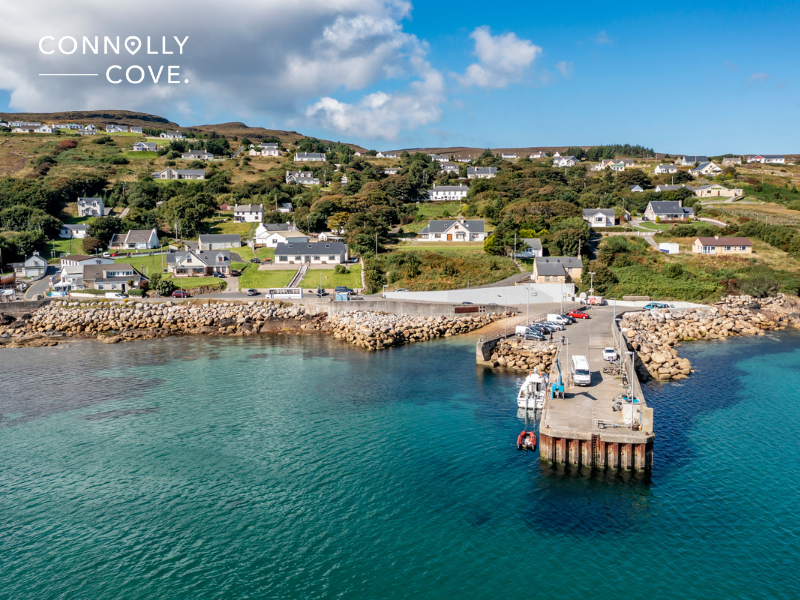
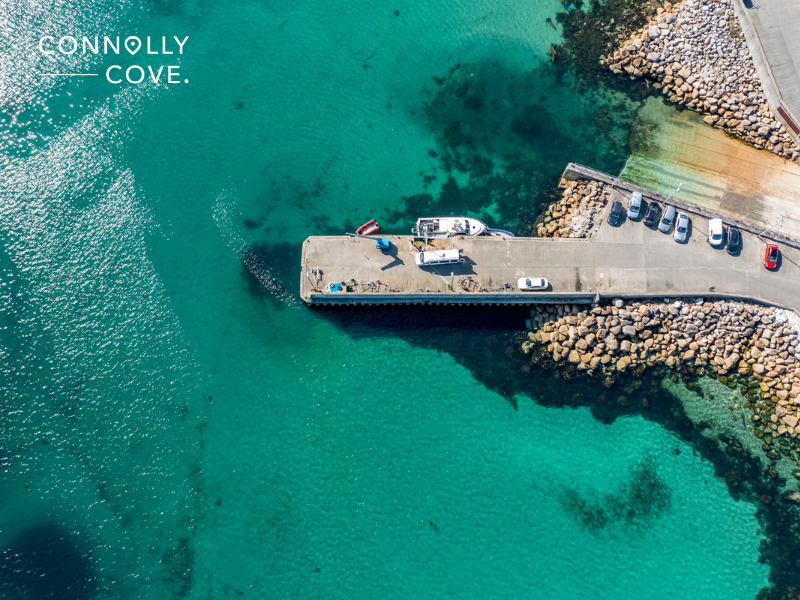
Arranmore Island is a beautiful remote island off the coast of County Donegal, Ireland. The only way to get to Arranmore Island is by ferry. The ferry departs from the port town of Burtonport, about a 1-hour drive from Letterkenny. The ferry crossing takes about 15-20 minutes and is operated by The Arranmore Ferry and Doherty Travel.
Here are some things to keep in mind when planning your trip to Arranmore Island:
- Ferry tickets: Booking ferry tickets in advance is generally unnecessary, but it is recommended during peak season (June-August) and on weekends.
- Car ferry: Both companies offer car ferry services so you can bring your car to the island.
- Luggage: There are no restrictions on the ferry, but remember to carry your luggage on and off the boat yourself.
- Accessibility: The ferry terminal and boats are not wheelchair accessible.
Once you arrive on Arranmore Island, you’ll find various things to see and do. Beautiful beaches, hiking trails, historical sites, and traditional Irish pubs exist. You can also rent bikes, kayaks, and other equipment to explore the island at your own pace.
Immersing Yourself in Nature: Arranmore Island’s Wild Playground
Arranmore Island beckons with an untamed spirit, offering nature lovers a kaleidoscope of adventures. Breathe in the salty air as you explore rugged coastlines sculpted by the Atlantic’s embrace, and feel the pulse of a vibrant ecosystem teeming with life. Here’s your guide to immersing yourself in the island’s natural wonders:
Trekking Dramatic Coastlines
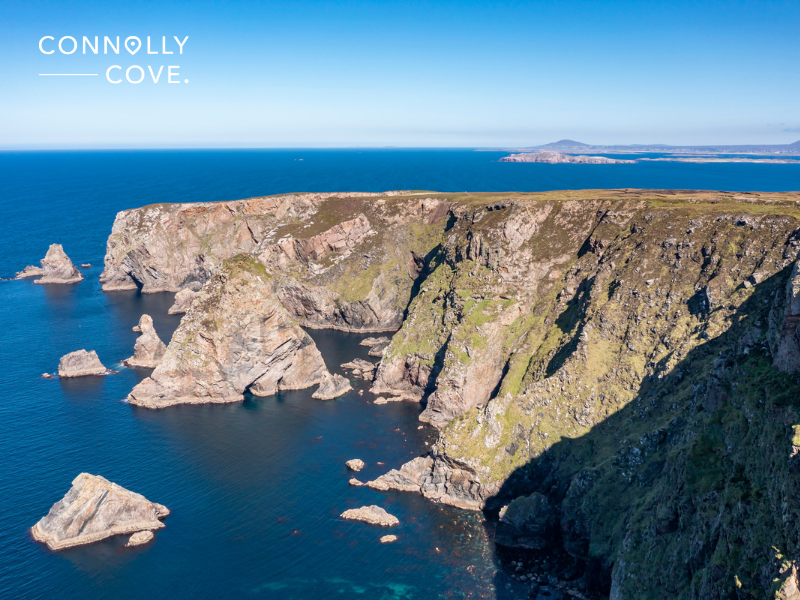
Lace up your hiking boots and embark on the 14km coastal trail, a captivating journey that showcases the island’s raw beauty. Traverse windswept headlands like Gob an Iníre, offering jaw-dropping panoramas of the endless ocean. Descend hidden valleys to discover secluded coves like Poll na bPéist (Wormhole), a natural wonder where crashing waves meet jagged cliffs. Keep your eyes peeled for nesting seabirds like choughs and razorbills, their calls echoing against the dramatic backdrop.
Exploring by Sea
For an exhilarating perspective, embrace the island’s watery embrace. Kayak or paddleboard along the sheltered coastline, dipping into hidden coves inaccessible by land. Feel the thrill of riding the waves with Cumann na mBád, the local watersports club, offering surfing lessons and guided kayaking tours. For underwater enthusiasts, Dive Arranmore unveils a hidden world beneath the waves, teeming with colourful fish, shipwrecks, and underwater rock formations.
Wildlife Encounters
Keep your binoculars handy! Arranmore is a haven for diverse wildlife. Join a boat tour and witness playful dolphins, graceful seals basking on rocky outcrops, or even the awe-inspiring sight of basking sharks gliding through the turquoise waters. Explore bird sanctuaries teeming with migratory species, their vibrant calls filling the air. Remember, respectful observation ensures continued harmony with the island’s precious ecosystem.
Landmarks and Lookouts
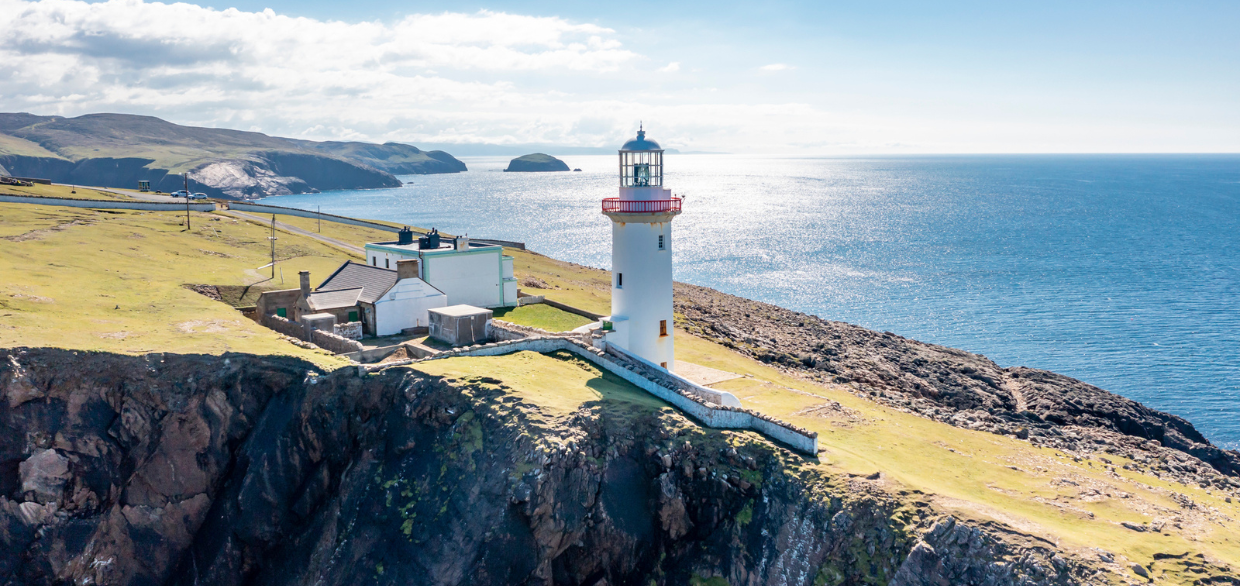
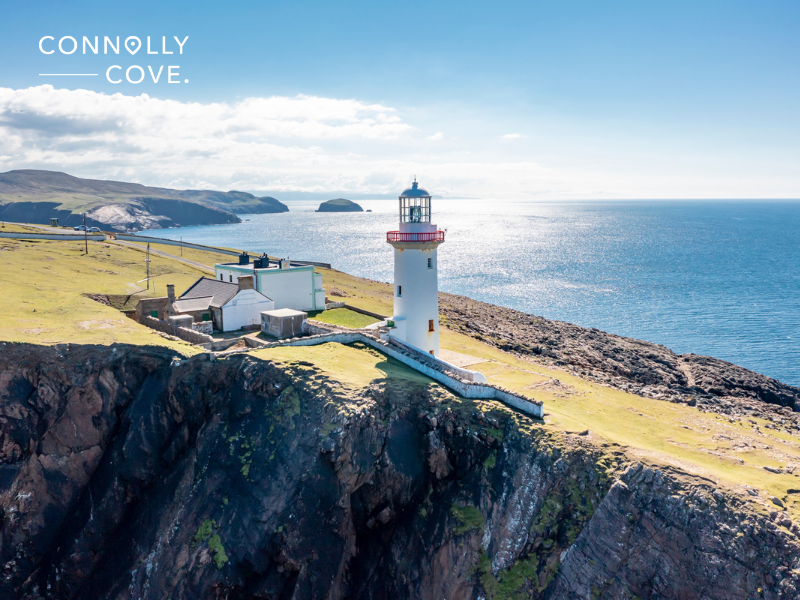
Hike to the iconic Arranmore Lighthouse, a sentinel watching over the Atlantic for centuries. Climb the weathered Doagh Fort, where ancient whispers mingle with the ocean breeze. Witness the power of nature at Poll na hSean, a natural blowhole where the sea explodes in a dramatic display of geyser-like force. Each landmark whispers tales of the island’s past, adding depth and texture to your natural adventure.
Remember to be a responsible visitor. Respect the fragile ecosystem, avoid disturbing wildlife, and leave no trace behind. With mindful exploration, you can ensure the island’s beauty remains pristine for generations.
Embrace the wild call of Arranmore Island. Let nature’s symphony fill your senses and create memories forever echoing in your soul.
Experience the Culture and History of Arranmore Island
Arranmore Island isn’t just a haven for nature enthusiasts; it’s a living museum whispering tales of its vibrant heritage. Dive into the island’s heart and discover a community steeped in tradition, where music fills the air, history is etched in every stone, and stories unfold with each friendly encounter.
Living Crafts and Enduring Legacy
Immerse yourself in the island’s artistic spirit. Wander through craft shops brimming with hand-knitted sweaters, intricate jewellery crafted from seashells, and captivating paintings capturing the island’s essence. Witness the age-old tradition of “currach” boat building, marvelling at the complex skills passed down through generations. Learn about the “Sean-Nós” Gaelic storytelling tradition, where captivating tales come alive around crackling fires in cosy pubs.
Embracing Music and Storytelling
Let the rhythmic pulse of bodhráns and lilting melodies of fiddles transport you to the heart of Irish culture. Immerse yourself in lively “céilí” dances where laughter and joy intertwine. Absorb the warmth of local pubs, where storytelling sessions weave ancient myths and island lore into the night. Listen to the lyrical flow of the Irish language, a cornerstone of the island’s identity, and perhaps even pick up a few phrases during your visit.
Unearthing History’s Whispers
Travel to “Cill Ghalla,” a monastic settlement dating back to the 8th century, its weathered stones whispering tales of faith and perseverance. Delve into the poignant silence of the “Clabhán na dTiri” famine graveyard, a stark reminder of the island’s resilience through challenging times. Learn about the island’s intriguing role in smuggling history, where daring tales of hidden coves and secret passages come alive.
Celebrating Traditions
Time your visit to coincide with the vibrant Arranmore Island Feis, a week-long festival bursting with traditional music, dance, and cultural exhibitions. Immerse yourself in the infectious energy of locals and visitors, celebrating the island’s unique spirit.
Beyond the Tourist Trail
Seek hidden gems like the ancient “Dún an Óir” (Fort of Gold), shrouded in mystery and legend. Explore the “Leaba na mBan Sidhe” (Fairy Beds), where folklore whispers of enchanted beings. Uncover forgotten graveyards nestled within windswept hills, each weathered tombstone holding a silent story.
Remember, the true essence of Arranmore Island lies in its people. Strike up conversations with locals, their warm smiles and welcoming demeanour reflecting the island’s genuine hospitality. Ask about their stories, traditions, and connection to this unique land. Engaging with the community will give you a deeper understanding and appreciation of the island’s rich tapestry.
A Feast for the Senses: Savor the Flavors of Arranmore Island
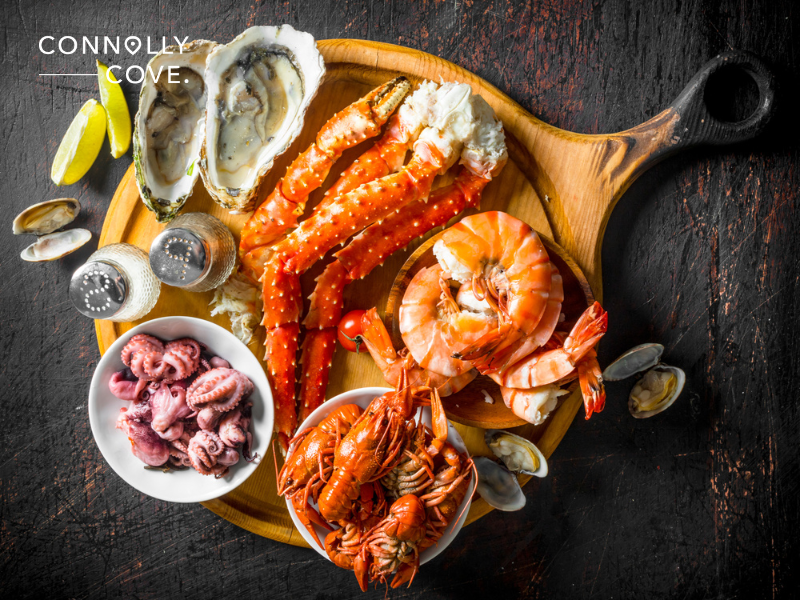
Arranmore Island isn’t just a feast for the eyes; it’s a culinary adventure tantalising your taste buds with the freshest seafood, hearty traditional fare, and a touch of local charm. Buckle up and prepare to embark on a delicious journey:
Ocean’s Bounty
The very soul of Arranmore lies in its connection to the sea. Indulge in the island’s freshest catch at local restaurants and cafes. Savour succulent lobster, plump mussels plucked straight from the ocean floor, and tender crabmeat bursting with flavour. Sample traditional “chowder,” a creamy seafood stew that warms the soul after a day of exploration. Don’t miss the island’s signature dish – “Colcannon,” a hearty mix of mashed potatoes, kale, and often, freshly caught seafood.
Pub Fare with a Warm Welcome
Immerse yourself in the convivial atmosphere of local pubs, where laughter mixes with the aroma of turf fires and freshly baked bread. Order a pint of Guinness, creamy cider, or a local craft beer while savouring hearty stews, juicy burgers, and homemade brown bread slathered with creamy Irish butter. Don’t be surprised if you are drawn into animated conversations with locals, sharing stories and laughter over a comforting meal.
Self-Catering Delights
Embrace the island’s slower pace and self-cater your meals. Pick fresh produce at the farmers’ market, bursting with seasonal vegetables, succulent lamb, and free-range eggs. Stock up on homemade jams, chutneys, and freshly baked bread from local shops. Enjoy a picnic on a secluded beach, the ocean breeze, your soundtrack and the stunning scenery in your dining room.
Beyond the Usual
Craving something unique? Try locally smoked mackerel, a traditional delicacy with a distinct flavour. Seek out “Blaa na hEireann,” a soft flatbread with various fillings. For a sweet treat, indulge in “Barmbrack,” a fruit-studded loaf traditionally served at Halloween. Be adventurous and ask locals about their hidden culinary gems, waiting to be discovered by curious foodies.
Remember to respect the island’s sustainable practices. Opt for locally sourced and seasonal ingredients whenever possible. Minimise food waste and dispose of packaging responsibly. You contribute to the island’s unique culinary heritage by supporting local businesses and embracing sustainable practices.
So, come hungry and leave satisfied. Arranmore Island offers a culinary adventure that goes beyond mere sustenance. It’s a tapestry woven with fresh flavours, warm hospitality, and a deep connection to the land and sea. Prepare to be pampered and nourished, both body and soul, by the island’s unique gastronomic offerings.
Beyond the Usual: Unveiling Arranmore’s Hidden Gems
While Arranmore Island offers an incredible selection of mainstream activities, the true magic lies in venturing beyond the typical tourist trail. Dive deeper into the island’s unique soul through these hidden gems:
Unique Experiences:
- Sea Stack Climbing: Challenge yourself and conquer the dramatic rock formations jutting from the ocean with a guided sea stack climbing experience. Adrenaline mixed with breathtaking views awaits!
- Dive Shipwrecks: Embark on an underwater historical adventure with qualified diving companies. Explore shipwrecks teeming with marine life and uncover the secrets of the deep.
- Gaelic Language Workshop: Immerse yourself in the heart of the island’s cultural heritage by learning a few phrases of the ancient Gaelic language. This interactive experience offers a deeper connection to the local community.
Hidden Gems:
- Secluded Beaches: Seek out hidden coves like Poll na bPéist (Wormhole) or Doagh Strand, accessible only by footpaths or kayak. Enjoy pristine sands, turquoise waters, and the serenity of seclusion.
- Ancient Monuments: Discover weathered megalithic tombs like Pollan na Seanchaille, whispering tales of the island’s prehistoric past. Imagine the lives and rituals woven into these ancient stones.
- Off-the-beaten-path Historical Sites: Explore the ruins of deserted cottages, remnants of a bygone era, or delve into the forgotten graveyards nestled within rolling hills, each weathered tombstone holding a silent story.
Sustainable Travel Tips:
- Respect the Environment: Leave no trace behind. Minimise waste, avoid disturbing wildlife and adhere to responsible walking and hiking practices.
- Support Local Businesses: Shop at local craft shops, farmers’ markets, and restaurants. This supports the island’s economy and preserves its authentic charm.
- Engage with the Community: Strike up conversations with locals, learn about their culture and traditions, and contribute to the vibrant tapestry of island life.
Remember: This is just a glimpse into the hidden wonders of Arranmore Island. Embrace the spirit of exploration, wander off the beaten path, and discover your unique treasures. Be the kind of traveller who leaves the island not only with memories but also with a deeper appreciation for its fragile beauty and vibrant community.
So, pack your sense of adventure, curiosity, and an open mind. Arranmore Island awaits, ready to unveil its hidden gems and weave them into the tapestry of your unforgettable Irish experience.
Arranmore Island whispers promises of rugged beauty, vibrant culture, and a slower pace. Hike dramatic cliffs, kayak hidden coves, or delve into ancient ruins. Savour fresh seafood, immerse yourself in traditional music and connect with a warm community. This is more than a trip; it’s a transformative experience. Unwind, explore, reconnect. Answer the island’s call. Visit Arranmore today.
FAQs
Is there accommodation available on Arranmore Island?
Yes, the island has various accommodation options, including guesthouses, bed and breakfasts, and self-catering cottages. It’s recommended to book your accommodation in advance, especially during the summer months when Arranmore is popular with tourists.
Is there public transportation available on the island?
Arranmore Island is relatively small, and most attractions are within walking distance of each other. However, there are also taxis available for hire if needed.
What should I pack for a trip to Arranmore Island?
Be sure to pack appropriate clothing for outdoor activities, including sturdy walking shoes, waterproofs, and warm layers, as the weather on the island can be unpredictable. Additionally, don’t forget your camera to capture the stunning scenery!
Is there mobile phone coverage and internet access on Arranmore Island?
Mobile phone coverage can be limited in certain island areas, but most accommodations and businesses offer Wi-Fi access.
What is the best time of year to visit Arranmore Island?
The best time to visit Arranmore Island is during the summer (June to August) when the weather is generally milder and outdoor activities are more enjoyable. However, the island has its unique charm year-round, so it’s worth visiting during the quieter seasons.
Discover The Mystery of the Paviland Red Lady: Unearthing Its Secrets
Culture Exploration
29/04/2024

Downpatrick Town: Saint Patrick’s Final Resting Place
Northern Ireland
29/04/2024
Breton Language: Safeguarding the Rhythmic Pulse of Brittany’s Celtic Heart
Culture Exploration
29/04/2024
The Enchanting Helen’s Bay Beach – Northern Ireland
Northern Ireland
29/04/2024

Discover The Mythical Valkyrie Horses: Steeds of Legend
Mythology and Folklore
28/04/2024