


New Orleans, Louisiana, USA: Fascinating & Exciting Attractions in NOLA
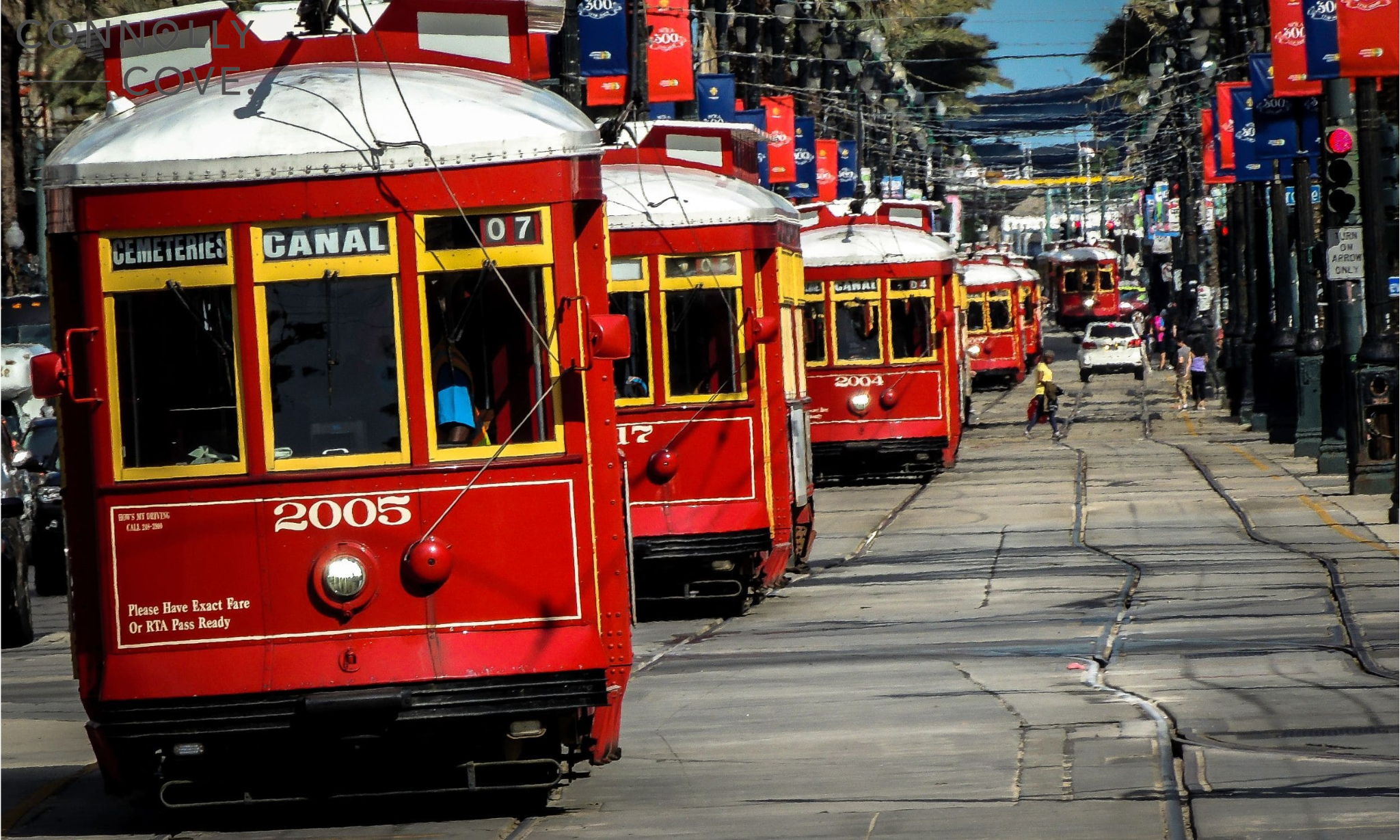
Updated On: April 20, 2024 by  Courtney Augello
Founded along the meandering curves of the Mississippi River, New Orleans, Louisiana, is a city that attracts tourists with a blend of history, culture, and excitement. New Orleans is a place where vibrant traditions, captivating music, and world-renowned cuisine come together to create unforgettable experiences.
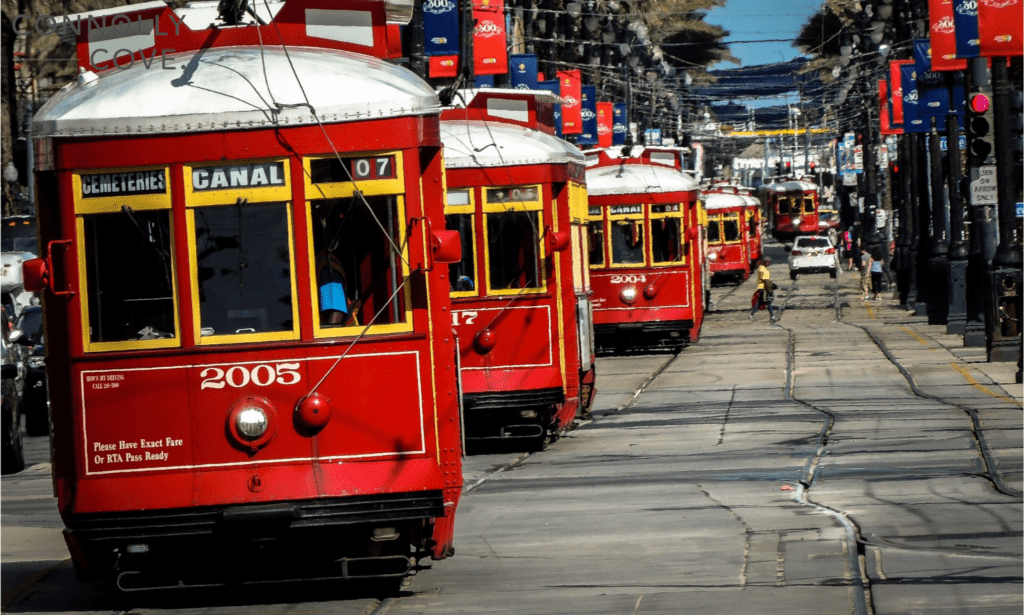
From the enchanting alleys of the French Quarter to the ecologically diverse bayous, New Orleans offers a diverse range of activities and attractions that captivate the hearts of from around the world.
To help you plan a holiday in New Orleans that is full of culture, history, and excitement, we’ve explored the tourist attractions and things to do that make the city a must-visit destination.
Table of Contents
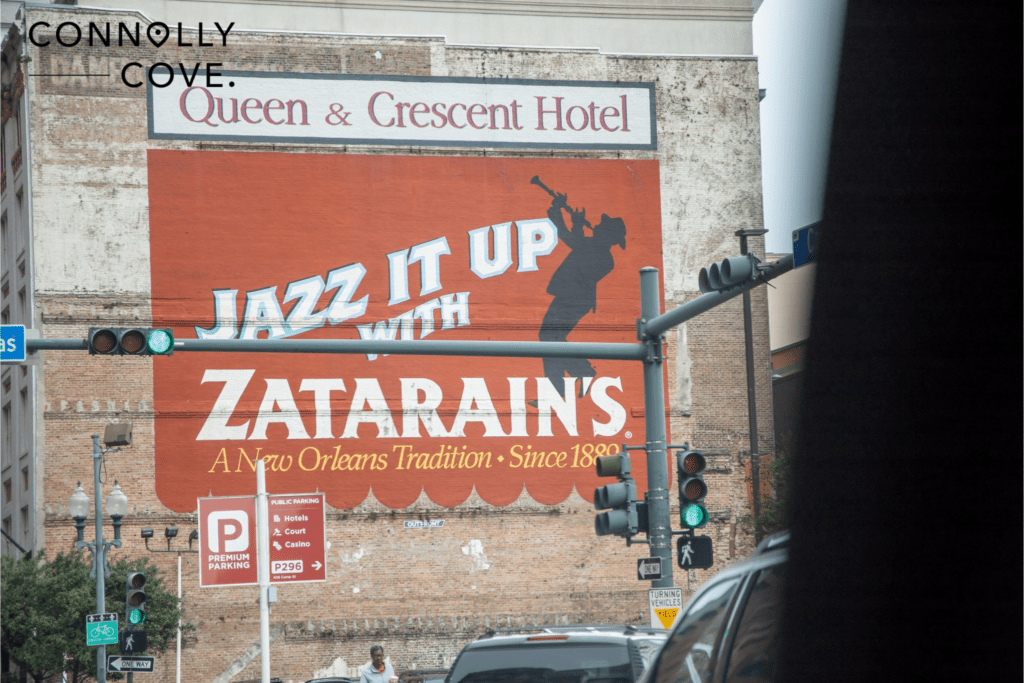
Historical and Cultural Attractions
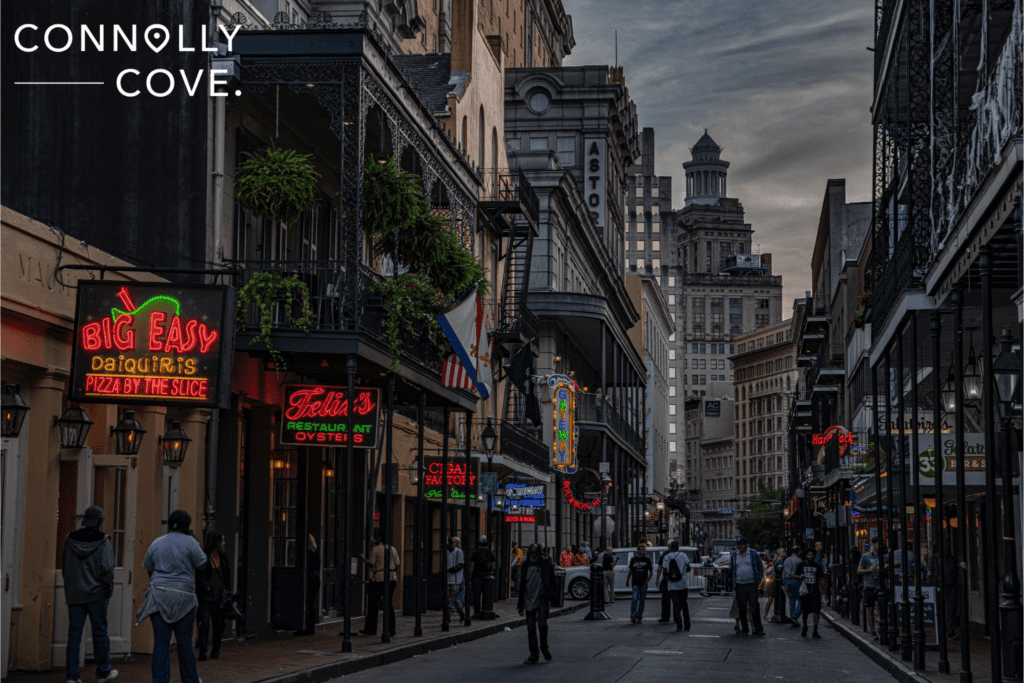
The French Quarter
The French Quarter, also known as the Vieux Carré, is the oldest and most iconic neighbourhood in New Orleans. It dates back to the city’s founding in 1718 when it was founded by French colonists.
The area’s name reflects its French colonial origins, and its winding streets, vibrant atmosphere, and rich history have made it a beloved symbol of New Orleans. The French Quarter has a fascinating past, from its early days as a French and Spanish settlement to its role in American history, including being the site of the Louisiana Purchase.
Today, it continues to embody the multicultural spirit of the city. The French Quarter is the birthplace of jazz, the centre of Creole cuisine, and a place where diverse cultures and traditions converge.
Architecture and Landmarks
The French Quarter is renowned for its distinctive architecture and iconic landmarks. Jackson Square, a historical park at the heart of the neighbourhood, has three iconic landmarks: St. Louis Cathedral, the Cabildo, and the Presbytère.
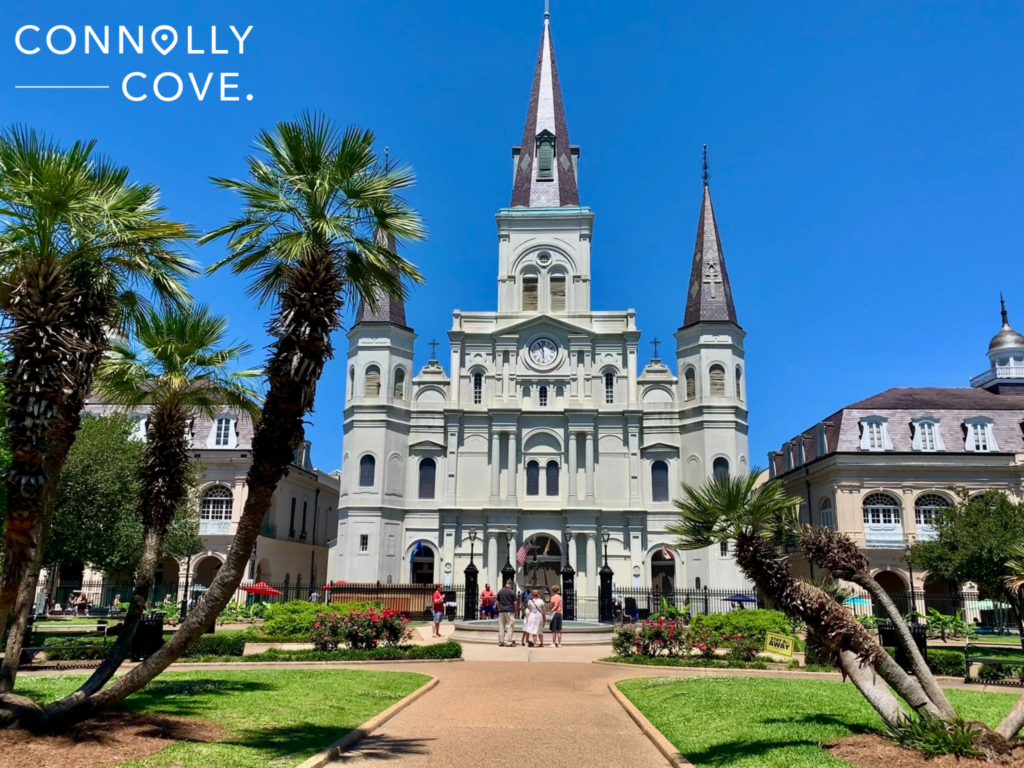
St. Louis Cathedral, with its three spires, is a stunning example of Gothic Revival architecture and the oldest continuously active Roman Catholic cathedral in the United States.
The historic buildings of the Cabildo and the Presbytère house museums that offer insights into Louisiana’s complex history. As visitors stroll through the narrow streets, they’ll find hidden courtyards, lush gardens, and colourful facades that showcase the district’s architectural charm.
Entertainment
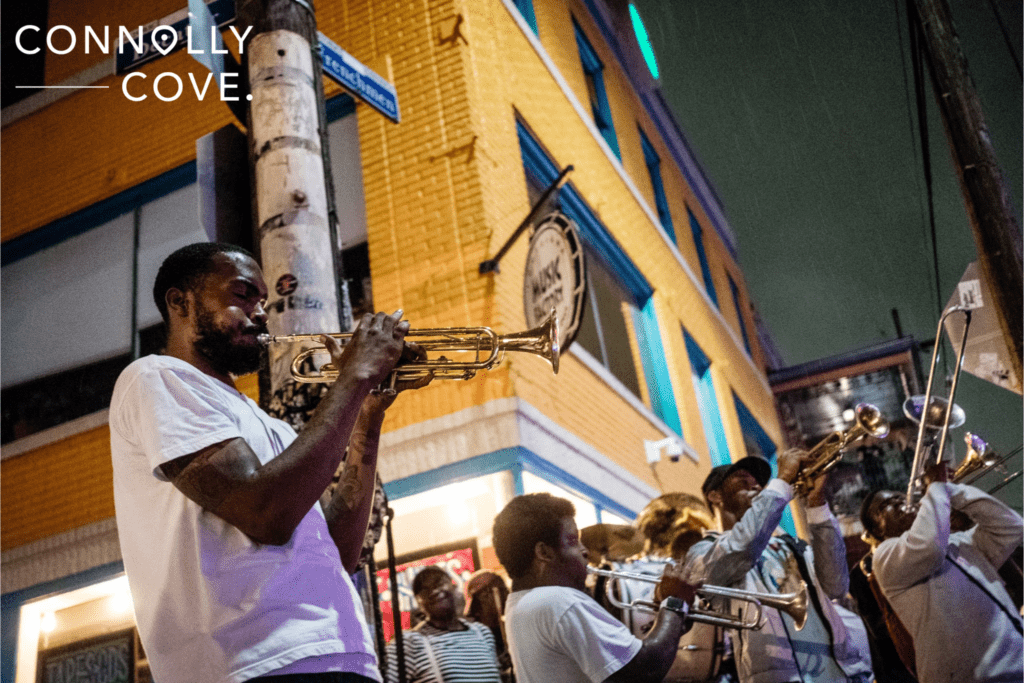
The French Quarter is a hub of entertainment and cultural experiences. It’s a place where tourists can bask in the city’s vibrant music scene, with jazz and blues echoing from legendary venues, historic bars, and buskers along street corners.
The Quarter is also a haven for art enthusiasts, with numerous galleries showcasing a wide range of art styles, from traditional to contemporary. Additionally, the French Market offers local cuisine, crafts, and souvenirs.
Its unique blend of history, music, art, and culinary delights makes the French Quarter a must-visit destination that captures the essence of New Orleans’ cultural heritage.
National WWII Museum
The National WWII Museum in New Orleans is a world-class institution dedicated to preserving and presenting the history of World War II. With immersive exhibits, artefacts, and interactive experiences, the museum offers a comprehensive overview of the war’s global impact.
Its exhibits cover various aspects of the conflict, from the D-Day landings and the Pacific Theater to the home front and the contributions of Allied nations. Visitors can explore authentic aircraft, tanks, and a replica of the Higgins boat, a crucial landing craft used in the war.
One of the highlights of the National WWII Museum is the immersive D-Day exhibit, which provides a detailed and moving portrayal of the Allied invasion of Normandy. The institution’s commitment to historical accuracy and extensive collection provides a powerful and emotional insight into the sacrifices made during this pivotal period in history.
WWII History in New Orleans
New Orleans played a significant role throughout WWII by making large contributions to the war effort. Andrew Higgins, a local industrialist and entrepreneur, played a pivotal role in the war by designing and manufacturing the Higgins boats. These boats were instrumental in the success of key operations, including the D-Day landings.
Due to this significant connection, the museum, originally known as the D-Day Museum, was founded in New Orleans to honour Higgins and the local contributions to the war. Over time, it expanded its mission to encompass the broader history of World War II, becoming the National WWII Museum.

The museum is a testament to the sacrifices made during the war and the enduring importance of understanding this critical chapter in global history. Adorned with the famous statue of President Franklin D. Roosevelt, it is a living tribute to veterans, a centre for research and education, and a must-visit destination for a deeper appreciation of World War II’s impact on the world.
St. Louis Cemetery No. 1
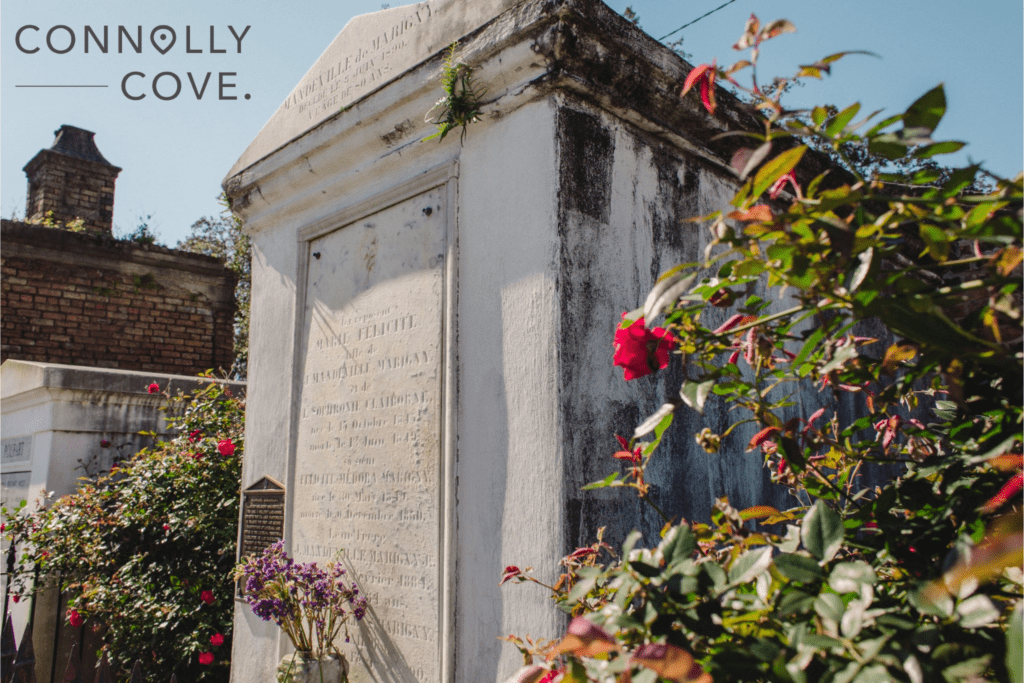
St. Louis Cemetery No. 1 is a historic and culturally significant burial ground in New Orleans, Louisiana. Established in 1789, it is one of the city’s oldest and most renowned cemeteries and highlights the multicultural and multi-faith heritage of New Orleans.
The cemetery holds cultural significance because it reflects the unique burial traditions of New Orleans, influenced by a blend of Catholicism, African spirituality, and French and Spanish colonial heritage. Due to the city’s location below sea level, the deceased are typically interred above ground in elaborate tombs and mausoleums, resulting in a hauntingly beautiful and intricate city of the dead.
Famous Tombs
Within St. Louis Cemetery No. 1 lie famous tombs that have captured the imagination of visitors. One of the most renowned tombs is that of Marie Laveau, the legendary Voodoo Queen of New Orleans.
Adorned with various offerings and marked with X’s left by visitors, her tomb is an iconic symbol of Voodoo spirituality and mysticism in the city. Laveau’s legacy extends beyond her burial site, as she is known for her role in shaping the Voodoo traditions of New Orleans.
Another famous site is the tomb of Homer Plessy, a key figure in the civil rights movement. He was involved in the landmark 1896 Supreme Court case Plessy v. Ferguson, which challenged racial segregation on trains. His tomb serves as a reminder of the struggle for civil rights and the fight against segregation.
The cemetery also houses the tomb of the actor Nicolas Cage, which features a 9-foot-tall pyramid made of white stone. The empty tomb was purchased by Cage in 2010 and is inscribed with “Omnia Ab Uno,” which means “Everything From One” in Latin.
Music and Entertainment
Preservation Hall
Preservation Hall in New Orleans is an iconic institution that embodies the city’s rich history and enduring legacy of jazz performances. Established in 1961, this intimate venue has become a sanctuary for traditional New Orleans jazz, preserving and celebrating the city’s musical heritage.
Over the decades, Preservation Hall has hosted countless jazz legends, including Louis Armstrong, Jelly Roll Morton, and George Lewis. It is a space where musicians and music lovers gather to pay homage to the unique musical traditions of the city.
The venue’s enduring legacy is kept alive by its commitment to showcasing authentic jazz, passed down from generation to generation, ensuring that New Orleans jazz’s spirit continues to thrive.
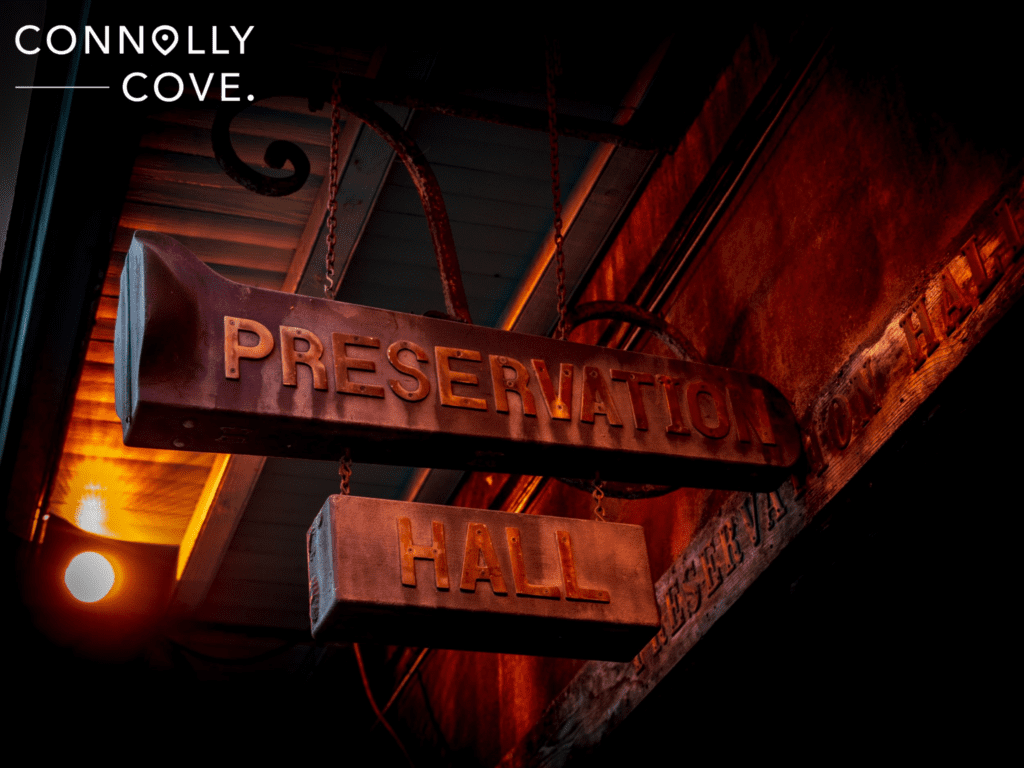
The Preservation Hall Jazz Band, a rotating ensemble of exceptionally talented musicians, delivers soulful, spontaneous, and deeply moving performances. The music, characterised by its vibrant brass, infectious rhythms, and improvisational spirit, offers g a glimpse into the soul of New Orleans and its enduring commitment to preserving its musical heritage.
Frenchmen Street
Frenchmen Street in New Orleans has earned a reputation as the go-to place for live music enthusiasts seeking an authentic and eclectic musical experience. It is often hailed as the local alternative to the bustling, tourist-heavy Bourbon Street.
Frenchmen Street offers an intimate and authentic experience, drawing in music lovers, locals, and tourists. The street is a haven for jazz, blues, funk, and brass bands, with live performances happening nearly every night of the week. The music spills out from the bars and clubs onto the streets, creating an exhilarating atmosphere.
Mardi Gras
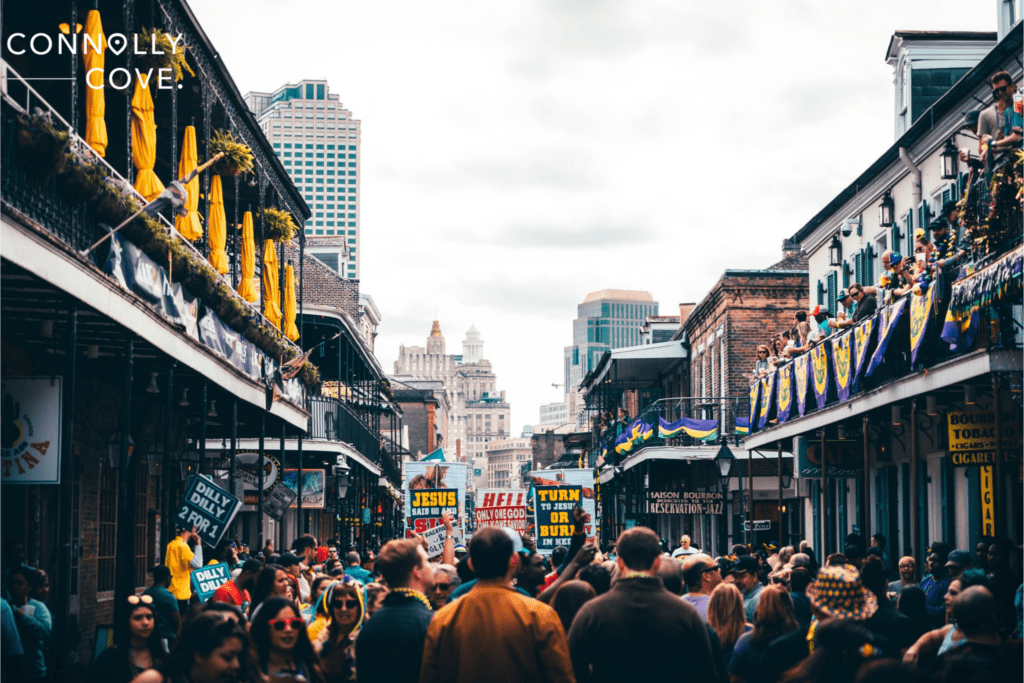
Mardi Gras is one of New Orleans, Louisiana’s most iconic and culturally significant annual celebrations. The vibrant festivities are essential to the city’s cultural heritage and bring a seemingly never-ending party to the streets.
The origins of Mardi Gras can be traced back to medieval Europe, particularly in regions with strong Catholic traditions. It marked the period of feasting and revelry before the Christian season of Lent. When French settlers brought the tradition to Louisiana in the 18th century, it evolved and fused with local customs and cultures, resulting in the unique and flamboyant Mardi Gras celebrated today.
The term “Mardi Gras” itself means “Fat Tuesday” in French, signifying the last day of indulgence before the fasting of Lent. In New Orleans, it has grown into a multi-week extravaganza. Mardi Gras begins on January 6th, known as Twelfth Night or the Feast of the Epiphany and continues until Fat Tuesday.
Traditions
Mardi Gras is characterised by elaborate parades, parties, masquerade balls, vibrant costumes, and an intoxicating spirit of celebration. One of the most iconic elements of Carnival in New Orleans is the use of masks.
This tradition has its roots in the early days of the celebration when people from all walks of life would don masks because the anonymity allowed them to engage in revelry without social constraints.
Today, wearing masks remains integral to the Mardi Gras experience. The vibrant and intricate designs pay homage to the city’s rich cultural history.
Another famous Mardi Gras tradition is the elaborate parades organised by krewes, social organisations that plan and fund these grand processions. Each krewe has its own theme, king, queen, and traditions. These parades feature stunning floats, masked riders, marching bands, and the tossing of colourful beads to the enthusiastic crowds lining the streets.
Iconic Culinary Delights
Creole and Cajun Cuisine
Creole and Cajun cuisines are integral components of the culinary makeup of New Orleans, Louisiana. Both cuisines feature unique flavours and influences that make them distinct from each other.
Creole cuisine, often associated with the city of New Orleans, is a fusion of French, Spanish, African, and Native American culinary traditions. Creole dishes tend to be more refined and intricate, featuring an array of ingredients and seasonings.
One hallmark of Creole cuisine is the use of tomatoes, which were introduced by Spanish settlers. Gumbo, a beloved Creole stew, is a perfect example of this cuisine, combining a roux (a thickening agent), the “Holy Trinity” of onions, celery, and bell peppers, and a variety of proteins like shrimp, chicken, or andouille sausage.
Cajun cuisine, on the other hand, originates from the rural Acadian communities in Louisiana and is known for its rustic and hearty nature. Cajun cooking relies heavily on locally available ingredients and is often simpler to prepare.
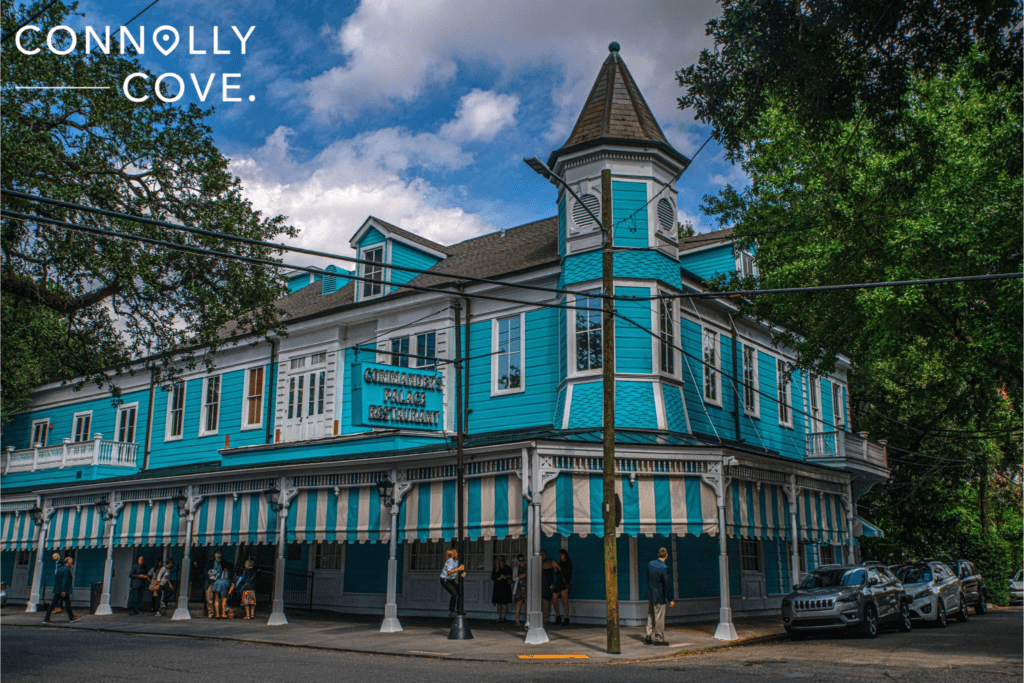
While both Creole and Cajun cuisines use the “Holy Trinity,” Cajun cuisine emphasises using onions, bell peppers, and celery without tomatoes. Jambalaya, a quintessential Cajun dish, is a one-pot rice dish featuring a medley of meats such as chicken, andouille sausage, and sometimes seafood, seasoned with a robust blend of spices.
Despite their differences, both Creole and Cajun cuisines share a love for bold and complex flavours. The use of spices, aromatic vegetables, and the combination of meats and seafood makes these American cuisines an unmissable experience for foodies. They’ve helped New Orleans become a world-class food destination.
Beignets and Café au Lait
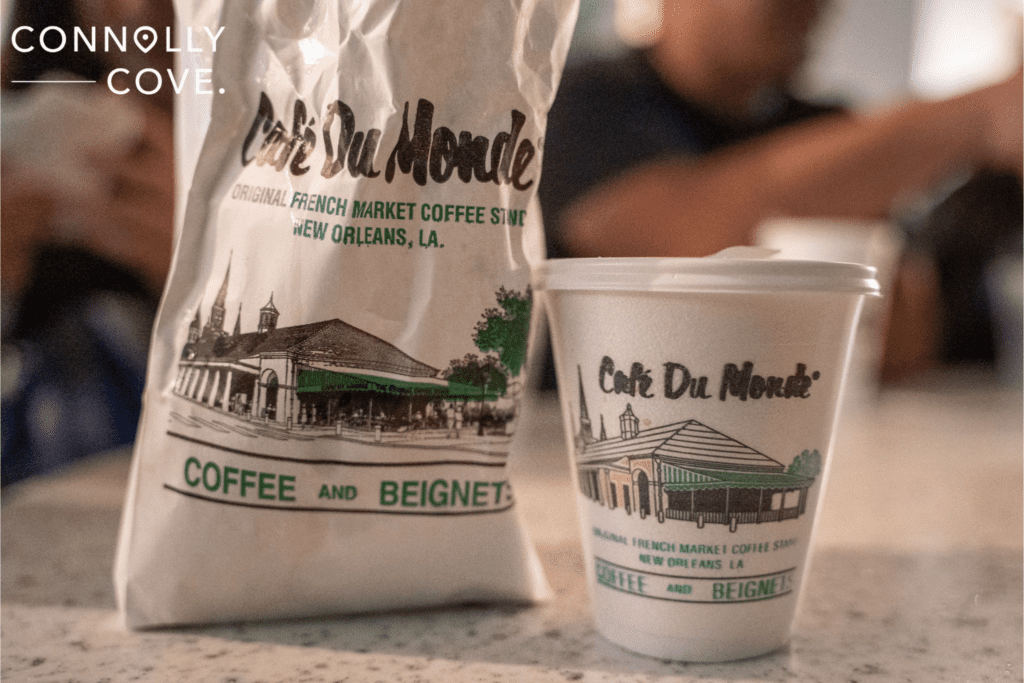
Café du Monde, an iconic New Orleans institution, plays a significant role in the history of beignets. Established in 1862, Café du Monde is a cultural landmark that has been serving piping-hot beignets and creamy Café au Lait for over a century and a half.
Located in the heart of the French Quarter, this open-air coffee stand has become a beloved gathering place for generations of New Orleansians and tourists. The café is known for its beignets, fried to perfection and dusted with powdered sugar, paired with Café au Lait—a delightful blend of coffee and chicory with steamed milk.
The history of Café du Monde and its iconic status makes it a must-visit for those seeking an authentic New Orleans experience. Beignets and Café au Lait are culinary treasures that have become synonymous with the culinary culture of New Orleans.
Po’ Boys & Seafood
The po’ boy sandwich has a humble yet fascinating history that reflects the resilience and creativity of New Orleans residents. Its origins trace back to the streetcar strike of 1929 when two former streetcar conductors, Benny and Clovis Martin, opened a sandwich shop.
In response to the strike, they created a filling and affordable sandwich that they named “poor boy,” later shortened to “po’ boy.” The classic po’ boy consists of a French bread baguette filled with generous portions of roast beef or fried seafood, dressed with lettuce, tomatoes, pickles, and mayonnaise.
Over the years, the po’ boy has evolved to include many fillings, from fried oysters and shrimp to roast beef with gravy, hot sausage, and even soft-shell crab. This iconic sandwich is a testament to the city’s resilience and the ability to create something extraordinary from limited resources.
Fresh Seafood
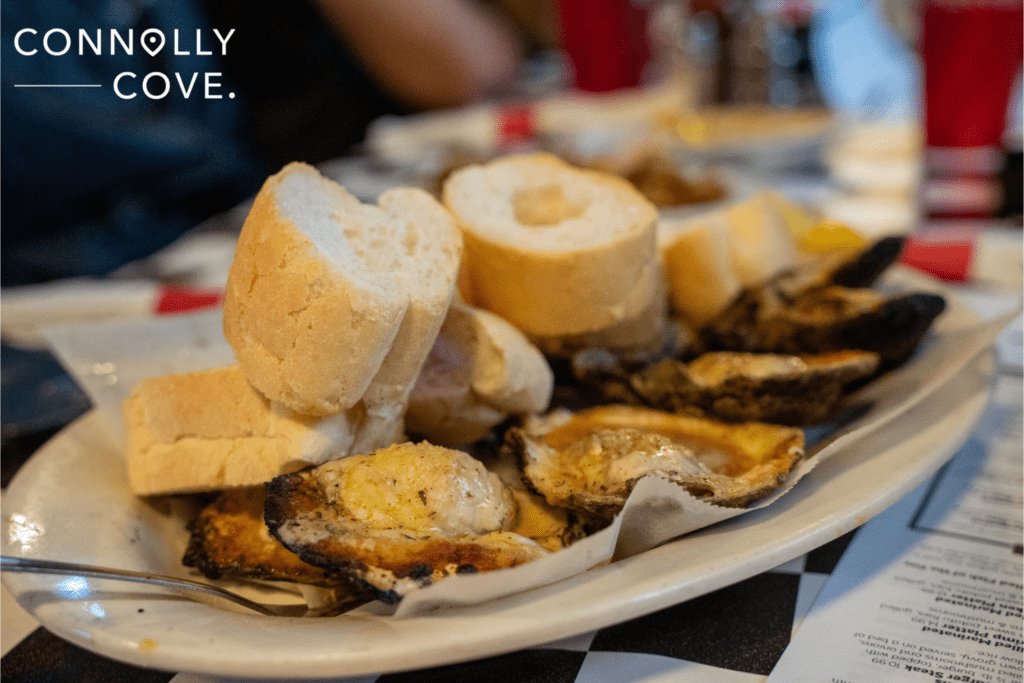
New Orleans is also renowned for its exceptional seafood, thanks to its proximity to the Gulf of Mexico and the fertile waters of the Mississippi River. Seafood restaurants in the city offer a mouthwatering array of options, from freshly shucked oysters and crawfish boils to blackened redfish and shrimp Creole.
The city’s vibrant fish markets and seafood vendors ensure visitors can savour the freshest catches, often prepared with a blend of Creole and Cajun flavours that create a distinctive taste unique to the region.
Outdoor Activities and Natural Beauty
Mississippi Riverfront
The Mississippi Riverfront in New Orleans is a captivating and iconic destination. It offers a combination of natural beauty, recreational opportunities, and a glimpse into the city’s history as a major port along the mighty Mississippi River.
One of the standout features of the Mississippi Riverfront is its picturesque Riverwalk and scenic views. The Moon Walk, a promenade named after former Mayor Moon Landrieu, provides a perfect vantage point to admire the Mississippi River.
The riverfront is surrounded by lush gardens, historic statues, and breathtaking views of the river’s constant flow. It’s an ideal spot for a leisurely walk, a romantic evening, or simply a moment of contemplation while watching the paddlewheel boats and cargo ships pass by.
River Activities
The Mississippi Riverfront is also known for its steamboat cruises and river activities that take visitors back to the golden age of river travel. Tourists can step aboard authentic paddlewheel steamboats like the Steamboat Natchez and the Creole Queen, offering nostalgic excursions down the river.
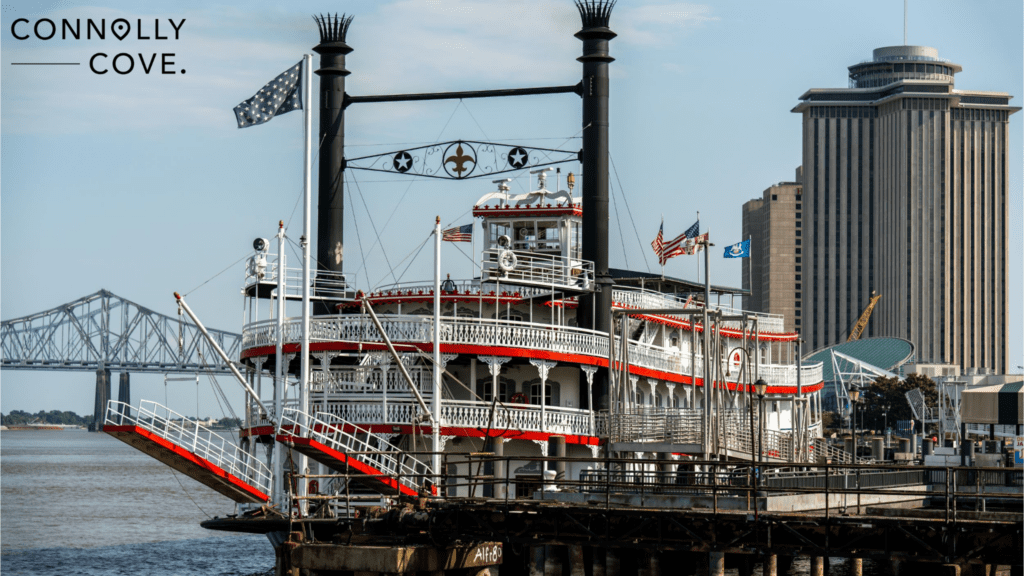
These cruises provide an immersive experience with live jazz music and narrated tours that delve into the city’s history. Daytime cruises and romantic dinner cruises are available, making a ride on a steamboat the perfect day trip activity and date night experience.
Beyond cruises, the Mississippi Riverfront offers a range of river activities for visitors and locals. Adventurous tourists can explore river kayaking and paddleboarding, offering a unique perspective of the city from the water.
Additionally, the Mississippi Riverfront hosts annual events like the French Quarter Festival and fireworks displays on Independence Day, making it a dynamic and festive destination year-round.
Bayou and Swamp Tours
The bayous and swamps in New Orleans offer a captivating opportunity to explore Louisiana’s unique ecosystems. Tours of these areas provide visitors with a firsthand experience of the rich biodiversity and unique landscapes that make up a significant part of the state’s natural heritage.
One of the most compelling aspects of these tours is the chance to explore the various flora and fauna that inhabit New Orleans. The swamps and bayous are a cluster of cypress and tupelo trees covered with Spanish moss.
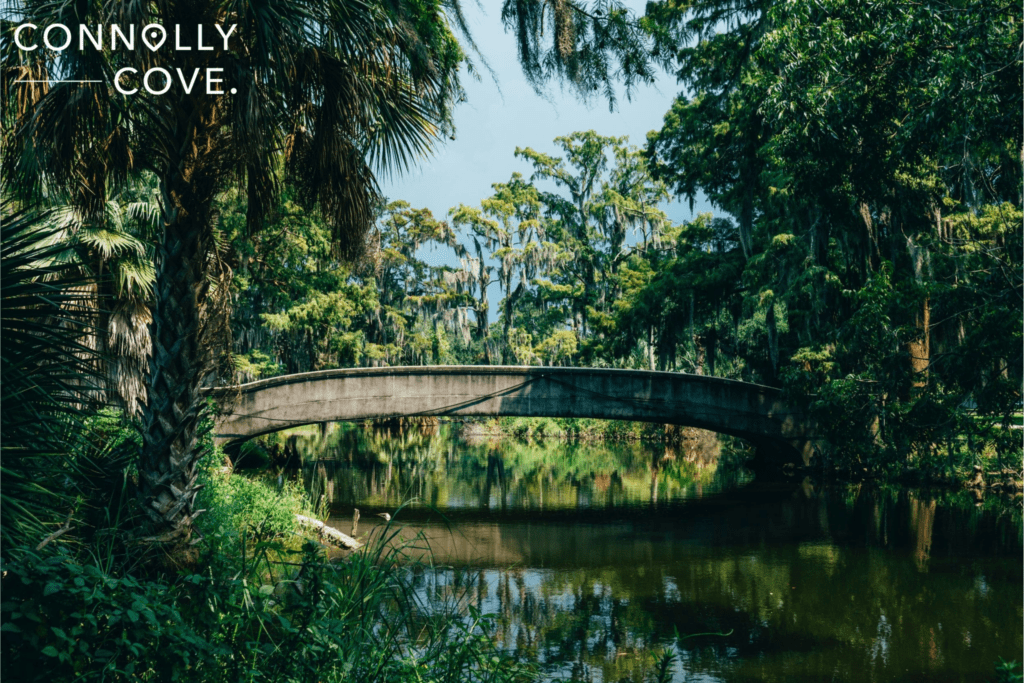
The waterways wind through dense plants, and the silence of the swamps is occasionally broken by calls of native birds and croaks of alligators. Knowledgeable tour guides provide insight into the region, explaining the intricate balance of plant and animal life that thrives in the waters.
Wildlife Encounters
Wildlife encounters are one of the highlights of bayou and swamp tours, making them a must for nature enthusiasts and animal lovers. Alligator sightings are common, and the ancient reptiles easily become the stars of the show.
In addition to alligators, guests may spot various bird species, including herons, egrets, and ibises. It’s also common to see raccoons, turtles, and snakes, all of which contribute to the vibrant ecosystem of the Louisiana swamps.
Eco-tourism plays a significant role in these tours as well. Many tours are conducted in eco-friendly boats that have minimal environmental impact, ensuring that future generations can continue to enjoy the natural beauty of Louisiana’s swamps and bayous.
Guides often share information about the efforts to protect these areas and educate visitors about the importance of wetland preservation. By promoting an understanding of the ecological significance of these areas, the tours contribute to the ongoing efforts to preserve and protect Louisiana’s invaluable wetlands.

Audubon Nature Institute
The Audubon Nature Institute in New Orleans is a comprehensive and captivating institution encompassing a zoo, an aquarium, and an insectarium. These attractions within the institute offer visitors an immersive experience with a wide range of animals and aquatic life.
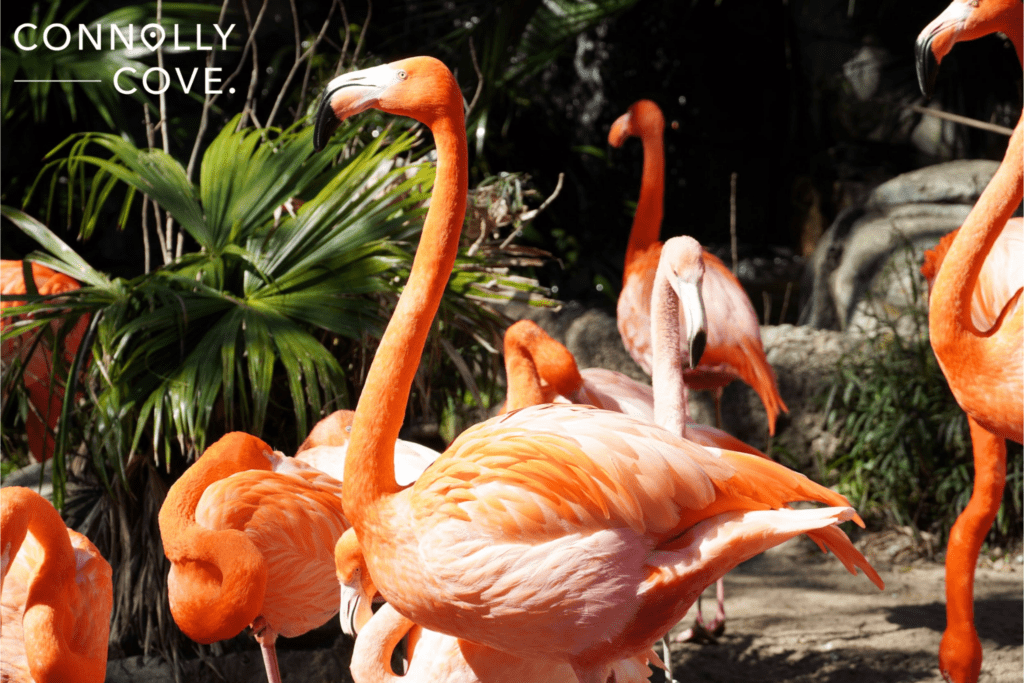
The Audubon Zoo is home to over 2,000 animals representing a diverse array of species from around the world. Visitors can journey through themed exhibits like the African Savanna and the Louisiana Swamp to observe animals like lions, elephants, and alligators in naturalistic habitats.
The Audubon Aquarium of the Americas, located along the Mississippi River, immerses visitors in the underwater world, featuring captivating displays of marine life, from colourful coral reefs to awe-inspiring sea creatures like sharks and penguins.
The Audubon Butterfly Garden and Insectarium provides a unique and interactive experience where visitors can explore the fascinating world of insects and butterflies up close. Tours of the garden even include opportunities to hold and interact with these remarkable creatures.
New Orleans, Louisiana, is an Unforgettable Destination
New Orleans, Louisiana, is a unique and vibrant destination that invites exploration, curiosity, and a deep appreciation for the unique experiences and cultures that have shaped its identity. With its rich tapestry of attractions and activities, the city showcases the enduring spirit and cultural richness of the American South.
The city of New Orleans offers an endless variety of tourist attractions and activities. It is a place where history, culture, music, and cuisine converge, creating an unforgettable and enriching experience for all who wander within its borders.
If you’re visiting the Southern USA, check out our blog on Alabama, USA: Amazing Things to Do in the Heart of Dixie.

Belfast Giants: An Irish Sport Success Story
Ireland
02/05/2024

The Meaning and Power of the Irish Blessing Prayer
Culture Exploration
02/05/2024

Famous Irish Lighthouses and Where to Find Them
Ireland
02/05/2024

Belfast International Arts Festival
Northern Ireland
02/05/2024

Jamie Dornan: From the Fall to Fifty Shades
Northern Ireland
02/05/2024