


Where to Have the Best Cappuccino in the World
Updated On: November 09, 2023 by  Yasmin Elwan
For so many people around the world, coffee is an essential part of their morning routine that they can’t go without. Each coffee enthusiast has a favourite coffee drink; one of the most popular coffee drinks, though, is Cappuccino.
Although it’s widely known that cappuccino is associated with Italians, there are a lot of legends and stories that claim it wasn’t originally invented in Italy. Connolly Cove is on a mission to trace the cappuccino’s history to find the best spot that serves this amazing coffee drink.
What is Cappuccino?
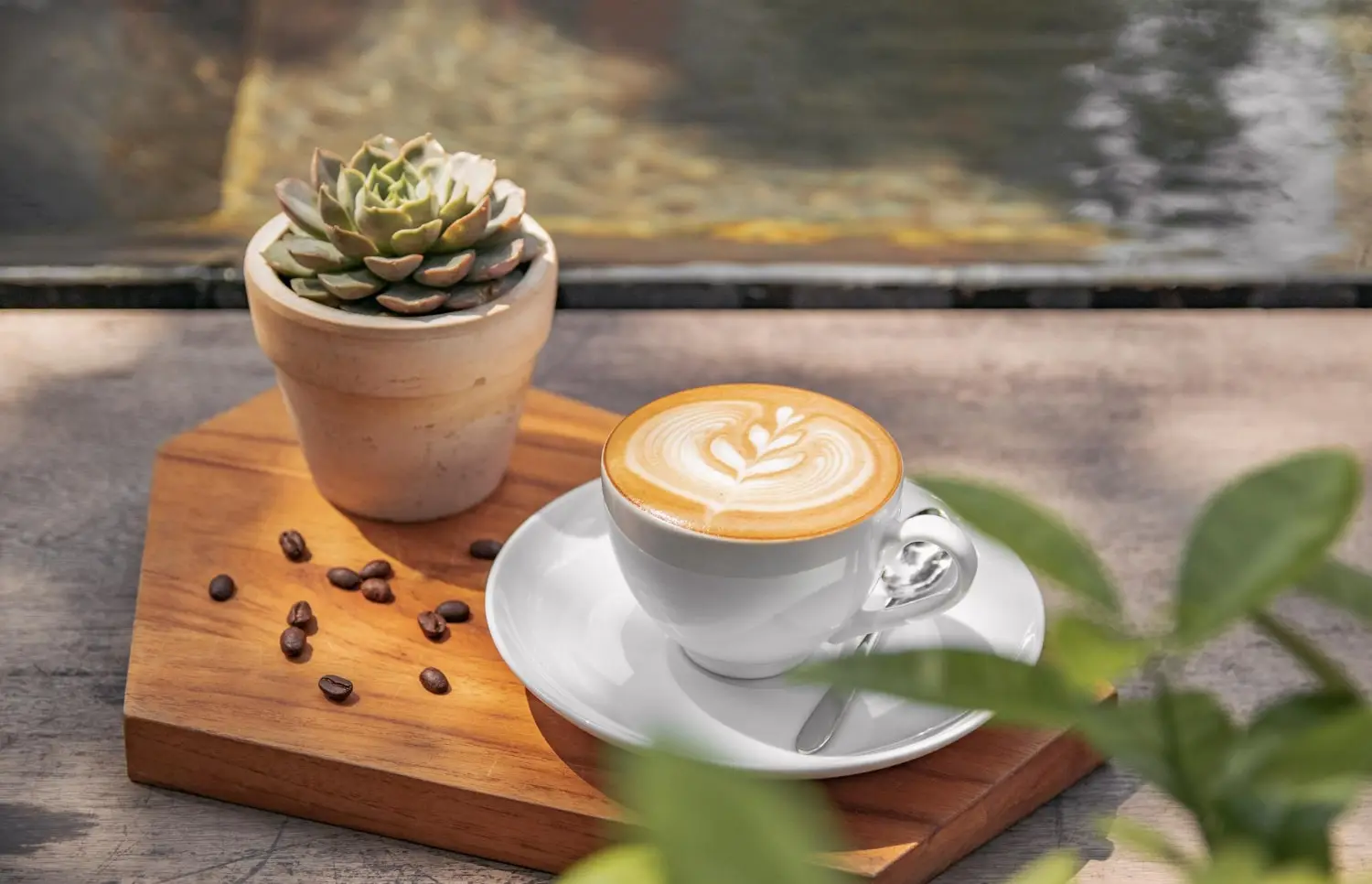
Cappuccino is an espresso-based coffee drink that is traditionally prepared with steamed milk foam. It is typically served in a cup with a third of each: espresso, steamed milk, and foamed milk. The foamed milk is often textured into a design, such as a heart or a rosetta.
Cappuccino Art
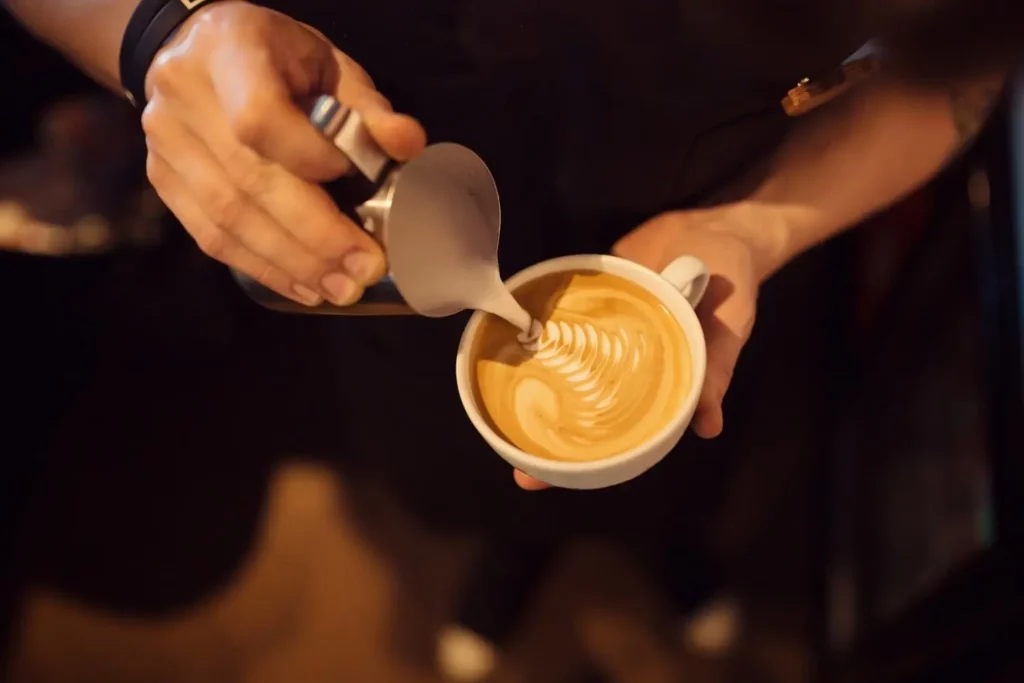
The way of preparing cappuccino is different from one place to another. However, it’s always a pleasure to watch baristas trying their best to create the most beautiful designs on top of the foam, which is known as Cappuccino art or Latte art.
Cappuccino art emerged in the 1980s but has just recently gained popularity. It is generally thought that baristas in Italy were the first to experiment with different methods of adding milk to espresso. The art quickly spread to other countries, and today it is a popular skill among baristas around the world.
A few different techniques can be used to create cappuccino art. The most common technique is called the free-pour method. In this method, the barista pours the milk into the cup in a free-flowing motion, creating the design as they go. Another technique is called the etching method. In this method, the barista uses a spoon or toothpick to create the design on the surface of the coffee.
Famous Cappuccino Artists
Cappuccino art is difficult to learn but highly gratifying once you do. With enough practice, baristas can transform their coffee drinks into masterpieces that make the Mona Lisa jealous. It’s interesting to see people with different positions obsessed with espresso drinks to the point that they actually contribute to the development of cappuccino art. Some of those enthusiasts include:
David Schomer
This coffee industry legend is the co-founder of Espresso Vivace, a Seattle coffee shop and roaster known for its high-quality coffee and roasting practices. Schomer is also known for his innovations in espresso making, such as his development of the free pour technique for latte art.
Schomer was born in 1956 in Washington, USA. He studied cultural anthropology and flute performance at the University of Washington. After graduating, he worked as a metrologist at Boeing and as a canvas coordinator for Greenpeace.
In 1987, Schomer opened Espresso Vivace with his wife, Torrey. The shop quickly became a popular destination for coffee lovers in Seattle. Schomer was a pioneer in the use of microfoam in latte art, and he developed the free pour technique, which is now the most common technique used by baristas around the world.
Schomer has written several books on espresso making, including Espresso Perfection: Preparing Caffe Espresso As a Culinary Art and Espresso Coffee: Professional Techniques. He has also produced several video courses on espresso making.
Luigi Lupi
Luigi Lupi is a renowned Italian barista who has gained widespread recognition for his exceptional talent in creating fascinating and meticulously crafted cappuccino art. He has achieved remarkable success, winning numerous prestigious competitions, and his outstanding work of art has garnered recognition in renowned magazines and esteemed coffee publications across the globe.
Lupi was born in the stunning country of Italy in the year 1961. Starting out as a barista in the early 1980s, his profound interest in latte art quickly developed. He enthusiastically delved into various techniques, tirelessly exploring and refining his craft until he ultimately created a unique style that was entirely his own.
In an impressive display of skill and creativity, Lupi won the World Latte Art Champion in 1994. He has won a number of competitions, solidifying his reputation as one of the most esteemed cappuccino artists globally. Lupi is also a renowned trainer and educator. With a wealth of experience under his belt, he has successfully conducted many cappuccino art workshops across the globe.
3D Cappuccino/Latte Art
3D latte art is an incredibly captivating and innovative form of latte art that employs a unique technique to skillfully make fascinating three-dimensional shapes on the surface of a cappuccino. The technique involves using a syringe or pipette to dispense a small amount of milk foam into the coffee, creating a small bubble that can be shaped into a variety of objects, such as little bear faces.
Although it is not commonly found in coffee shops, 3D cappuccino art is rapidly gaining popularity among baristas who are seeking an exhilarating challenge and want to create something unique. Yet, this type of cappuccino art is as common as sushi rolls in Japan.
Some of the most common objects that are created with 3D latte art include animals, flowers, and even characters from different cultures. The possibilities are endless, and the only limit is the barista’s imagination. For those interested in turning their favourite characters into cappuccino foam, they can enjoy 3D latte art at one of the following coffee houses:
- Hatcoffee: This cosy coffee shop is located in Taito, Tokyo, and it’s owned by one of the most skilful 3D artists in Japan, Kohei Matsuno. He can create shapes that include animals, flowers, and even anime characters.
- Reissue: Located in the heart of Tokyo’s renowned fashion district, Harajuku, Reissue is a hidden gem that offers an extraordinary coffee experience. The legendary milk foam artist Kazuki Yamamoto with the talented artist Runa Kato have captivated a substantial and devoted fan base since the cafe’s opening in 2015.
The Origins of Cappuccino
The name is widely believed to have originated from the Capuchin monks, possibly due to the striking resemblance in colour between the coffee and their distinctive robes. Another theory suggests that one of the friars may have been credited with inventing this delightful beverage.
According to one legend, it is believed that in 1683, the friar Marco da Aviano was specially dispatched to Vienna by the Pope himself. During his sojourn in the enchanting Austrian city, the friar found himself in a quaint café of that era.
As he savoured the rich and robust coffee presented before him, he yearned for a sweet accompaniment to balance its intense flavour, prompting him to make a request for some milk. As the waiter caught sight of the friar savouring a unique blend of coffee and milk, he couldn’t help but exclaim with genuine surprise, “Ah, a Kapuziner!”
Obviously, the drink of the time was very different from the cappuccino as we know it today; the coffee was prepared with the Turkish method, and the milk was not frothed. Would you drink it this way?
Another theory about the origins of the cappuccino claims that it was modified from a drink popular in Vienna at the end of the 18th century that was created with coffee, whipped cream, and spices, then adapted in the territories of Trieste.
Where the Best Cappuccino Can be Found?
Is it worth it to travel the world to spot the best cup of cappuccino? The answer is clear; absolutely YES! However, it doesn’t have to be so far from your place; in fact, it can be a few steps away. It depends on your preferences and your location. Anyway, if you’re trying to find the best cappuccino place, we suggest you start with the following list of cafes:
Sant’Eustachio, Roma, Italy
Who is better than Italians when it comes to making coffee? No one! It’s probably in their DNA. That’s why it just makes sense to start from Italy, because if you haven’t yet tried local Italian cappuccino—we’re sorry to inform you—you haven’t tried real cappuccino.
Sant’Eustachio is an incredibly renowned and iconic coffeehouse in the heart of Rome, Italy, with a rich history dating all the way back to 1938. The cafe is conveniently situated in the centre of Piazza Sant’Eustachio, nestled within the charming district of Sant’Eustachio. It has an ideal spot, just a stone’s throw away from famous sites such as the Pantheon and the Trevi Fountain.
This antique cafe is renowned worldwide for its extraordinary cappuccino, crafted with utmost care and precision. The secret behind its unparalleled flavour lies in the meticulously picked Arabica coffee beans, which are expertly roasted in-house to perfection.
Pavè, Milan, Italy
Pavè is a wonderful coffee and pastry shop with two locations in the exquisite city of Milan, one in the Navigli district and one in the Brera district. The shop is renowned for its delectable coffee, mouthwatering pastries, and scrumptious sandwiches. The original branch, in the heart of Navigli, continues to attract visitors from all over the world. The Brera branch is a step up in class and is frequently booked for corporate events and other special occasions.
The coffee at Pavè, including cappuccino, is roasted in-house from fresh, premium beans. Pastries are created in-house using only fresh, in-season ingredients. Delectable sandwiches, refreshing salads, and other light meals are also available at Pavè.
The cafe’s ambience exudes a nice and relaxing atmosphere, while the interior design showcases a seamless blend of sophistication and contemporary style. The sleek and modern aesthetic is accentuated by clean lines and minimalist decor, creating a chic and trendy inviting space. You can visit the cafe throughout the entire week, with the exception of Tuesdays, from 8 AM to 4 PM.
Gran Caffè Gambrinus, Naples, Italy
This historic, private coffeehouse is the most renowned literary café in Naples. The cafe was opened in 1860 by Vincenzo Izzo, and it quickly became a popular meeting place for artists, intellectuals, and politicians. The cafe is known for its elegant interior, delicious coffee, and mouthwatering pastries.
Gran Caffè Gambrinus is famous for its fantastic cappuccino, which is not only delicious but also crowned with stunning latte art. The baristas at this cafe have an uncanny ability to transform mere foam into a canvas with their artistic skills, creating intricate designs that will leave you both caffeinated and aesthetically delighted. These designs can range from basic hearts to elegant flowers because why settle for simplicity when you can have floral extravagance?
Caffe Trieste, San Francisco, USA
If you live in the United States, you don’t really have to go all the way to Italy to indulge in their 10/10 cappuccino because Caffe Trieste in San Francisco has been providing Americans with top-tier coffee since 1956. Giovanni Giotta, an Italian immigrant, is the founder of this astonishing coffee shop. Caffe Trieste has gained a well-deserved reputation for its exceptional espresso drinks, with its cappuccinos being a true standout.
Caffe Trieste’s cappuccinos are made using only the freshest, finest ingredients available, ensuring a truly magnificent taste. Additionally, the cafe frequently hosts captivating live jazz or blues performances, creating an enchanting ambience that is perfect for unwinding and savouring a delightful cup of coffee.
Simple Kaffa, Taipei City, Taiwan
Simple Kaffa is an incredibly popular and highly regarded coffee shop nestled in the heart of the breathtaking capital of Taiwan, Taipei City. It was proudly established by Wu Tse-ling, the highly esteemed and internationally acclaimed 2016 World Barista Champion.
One of the most impressive features of this cafe is that they prioritise supporting local farmers by sourcing their milk exclusively from them. Additionally, they roast their coffee beans in-house, ensuring the freshest and most flavorful brews. And if you are interested in becoming a professional barista, they offer a variety of workshops and classes on coffee brewing and latte art.
Simple Kaffa is a remarkable destination for indulging in a truly delicious cup of cappuccino while immersing yourself in the rich and fascinating world of coffee culture. The coffeehouse is a wonderful location to hang out with your buddies or get some work done. If you find yourself in Taipei City, you absolutely must visit Simple Kaffa.
The Coffee Academics, East Asia
The Coffee Academics is a caffeinated empire spanning the lands of Singapore, Hong Kong, Thailand, Malaysia, Indonesia, and the Philippines. It seems their love for coffee knows no bounds as they conquer one country after another with their aromatic brews. They have gained a reputation for their extraordinary coffee, renowned for its unparalleled quality and their dedication to sustainability.
Those guys use only the finest, freshly-ground coffee beans, ensuring a rich and robust flavour that will tantalise your taste buds. Each cup of cappuccino at The Coffee Academics is meticulously steamed to perfection, resulting in a velvety smooth texture that will leave you craving for more.
Roar Coffee House and Roastery, Tokyo, Japan
If you’re looking for some colour on your cappuccino, Roar is the place to go. Yes, it’s actually possible to have a stunning colourful design on top of your favourite drink. Located in the beautiful neighbourhood of Hatchobori, Roar is a speciality coffee business that opened in 2014.
Roar is known for its exceptional coffee, creating an inviting ambience, and demonstrating a strong commitment to sustainability. The shop uses recycled materials whenever possible, and it donates leftover coffee grounds to local farmers. Additionally, the staff is friendly and knowledgeable, and they are always happy to help you find the perfect coffee drink.
The cafe’s name, Roar, is a clever nod to the powerful sound that resonates from a lion’s mighty roar. The owners firmly believe that coffee should possess remarkable strength and a notably rich flavour, just like the roar of a lion.
Forget about Starbucks if you want to have some real heavenly cappuccino. It wouldn’t be fair for your taste buds not to try the perfect cappuccino in one of those terrific places on our list at least once in a lifetime. If you know a hidden cappuccino gem in your region, feel free to share it with us in the comments.

The Best Bed and Breakfast Edinburgh: Your Guide to Finding the Perfect Stay at the 20 Top Picks
Scotland
12/05/2024

Top Adventures to Have in Egypt
Egypt
12/05/2024
Gayer Anderson Museum or Bayt al-Kritliyya
Egypt
12/05/2024

Kaskelot Tall Ship – Belfast Maritime Festival
Northern Ireland
12/05/2024
Giant’s Ring, Lisburn, Northern Ireland
Northern Ireland
12/05/2024