


15 Stunning Harry Potter Things To Do in London
Updated On: April 22, 2024 by  Noha Basiouny
Are you a witch or wizard yearning to hop into the magical world of Harry Potter? Look no further than London. From iconic filming locations to immersive experiences, this city holds the key to unlocking your inner Potterhead. Whether you dream of wandering the cobbled streets of Diagon Alley or savouring a delicious feast in the Great Hall, London has something for every kind of magic enthusiast.
As devoted Harry Potter enthusiasts, we, too, were captivated by such a vision. After scanning numerous locations, we have prepared this guide that will whisk you away on a genuine journey through the most spellbinding Harry Potter experiences London has to offer. Ready for a trip of a lifetime aboard the Hogwarts Express? It is time to dive headfirst into enchantment.
Here are 15 stunning Harry Potter things you can do in London.
1. Visit the Warner Bros. Studio Tour
The Warner Bros. Studio Tour in London, known as “The Making of Harry Potter,” provides an immersive and enchanting experience for fans and film enthusiasts alike. The tour typically takes you on a captivating journey through the actual sets used in the Harry Potter film series, allowing you to explore iconic locations like Dumbledore’s office and the magical Diagon Alley.
Visitors can marvel at the attention to detail in the costumes and props on display, getting up close to the intricate craftsmanship that brought the wizarding world to life. The tour also offers a glimpse into the behind-the-scenes magic of filmmaking, showcasing the special effects, animatronics, and makeup techniques that added depth and realism to the beloved series.
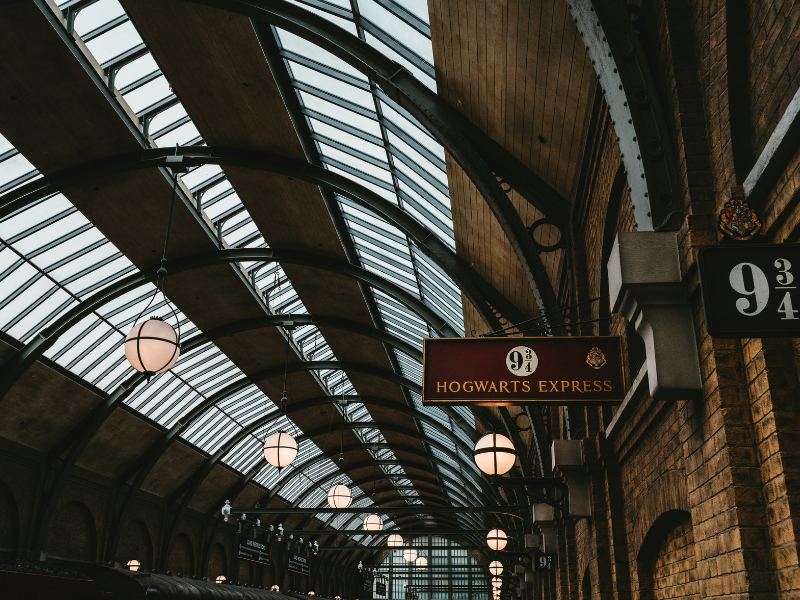
Visitors can also board the Hogwarts Express, walk along the famous Platform 9¾, and even sip on a glass of Butterbeer at the Studio Tour’s recreation of the iconic Three Broomsticks pub.
The interactive and educational nature of the tour makes it an engaging experience for fans of all ages, providing a deeper appreciation for the creativity and dedication that went into bringing J.K. Rowling’s magical world to the big screen.
2. Take the Cauldron Potion-Making Class
Another great Harry Potter-related activity to enjoy in London is the Cauldron Potion-Making Class, an immersive and interactive magical experience for which you can typically book your ticket online.
Upon arrival, guests are transported to a mystical setting complete with potion ingredients, cauldrons, and wands. They are guided by knowledgeable wizards to brew their own potions and learn about the different ingredients and their properties, as well as the proper techniques for mixing and stirring.
The atmosphere in the Cauldron is electric in a way that makes everyone excited and eager to learn. It is not just a fun activity for Harry Potter fans but also an educational experience that teaches about chemistry and mixology in a unique way.
3. See the Harry Potter Photographic Exhibition
The Harry Potter Photographic Exhibition is a must-see for all Harry Potter fans visiting London, and it is recommended that enthusiasts secure tickets in advance online.
The exhibition offers a nice and captivating journey through the world of Harry Potter via a curated display of behind-the-scenes and promotional photographs from the film series. Visitors can explore the magical universe through the lens of renowned photographers, immersing themselves in the wizarding world’s visual storytelling.
The exhibition often includes interactive elements, allowing fans to dive into the creative process and gain a deeper appreciation for the cinematic magic that brought J.K. Rowling’s enchanting tales to life. It is a unique opportunity for Harry Potter aficionados to relive cherished moments and witness the artistry that went into creating one of the most beloved franchises in cinematic history.
4. Enjoy the Potion Room Afternoon Tea at Cutter & Squidge
Immerse yourself in the magically magical world of Harry Potter with an enchanting afternoon tea at Cutter & Squidge Potion Room. This unique experience combines delicious food and drinks with a whimsical atmosphere inspired by the wizarding world.
Nestled in the heart of the city, Cutter & Squidge offers a magical setting for tea enthusiasts and Harry Potter fans alike. Upon arrival, guests are greeted with an enchanting atmosphere adorned with potion bottles, magical decor, and an immersive ambience. The afternoon tea experience unfolds with a selection of themed sweet and savoury delights, all expertly crafted to evoke the spirit of the wizarding world.
From potion-shaped desserts to spellbinding pastries, each treat is served alongside a variety of speciality teas. The Potion Room Afternoon Tea at Cutter & Squidge promises a delightful blend of culinary craftsmanship and magical immersion, making it an ideal destination for those seeking a unique and enchanting dining experience in the heart of London.
5. Visit the House of MinaLima
Located in London’s Soho district, the House of MinaLima offers visitors a captivating experience immersed in the world of graphic artistry from the Harry Potter films and other cinematic works. Created by graphic designers Miraphora Mina and Eduardo Lima, the gallery showcases an extensive collection of graphic art, prints, and designs that brought the wizarding world to life on the big screen.
Once they enter, guests are treated to a visual feast of intricate and enchanting details, including iconic props designs, illustrations, and prints such as The Marauder’s Map and Daily Prophet covers. Beyond the visual display, visitors have the opportunity to explore the rich creative process behind the films, gaining insights into the collaboration between graphic design and storytelling.
One of the most interesting parts of the house is the shop on the ground floor that sells gorgeous limited-edition prints and other merchandise featuring their stunning artwork. The House of MinaLima provides a unique and immersive experience for Harry Potter enthusiasts and art lovers alike, celebrating the magic of design and its integral role in shaping the fantastical worlds we love.
6. Try a Harry Potter Themed Escape Room
The Harry Potter-themed Escape Room offers another fantastic wizarding world experience that you must not miss when in town.
Typically, participants are immersed in a meticulously designed room that replicates a magical setting from the Harry Potter universe. Equipped with wands and cloaks, players collaborate to solve puzzles, uncover hidden clues, and cast spells to progress through the storyline and eventually escape within a set time frame.
Such escape rooms often incorporate elements inspired by iconic locations or challenges from the books and movies, providing a thrilling and immersive experience for fans of the series. It is an opportunity for friends and families to test their wizarding skills while enjoying a unique and interactive adventure set in the magical realm created by J.K. Rowling.
7. Stay in a Wizard’s Chamber
If you are a true Harry Potter fan visiting London, an exciting and magical experience awaits when you stay in a Wizard’s Chamber.
These unique accommodations meticulously recreate the ambience of the wizarding world, complete with magical decor, themed furnishings, and enchanting details that transport guests into the realm of Harry Potter. From four-poster beds resembling those at Hogwarts to potion bottles and wizarding paraphernalia adorning the room, every aspect is designed to evoke the spirit of J.K. Rowling’s magical universe.
For a unique stay, you can book a room at The Georgian House Hotel’s Wizard Chambers or stay in the stylish rooms of St. Ermin’s Hotel with its enchanting library lounge. Book reservations in advance through the establishment’s website or contact them directly. This will ensure a magical stay in a Wizard’s Chamber, providing you with a one-of-a-kind and enchanting lodging experience in the heart of London.
8. Take a Day Trip to Oxford or the Cotswolds
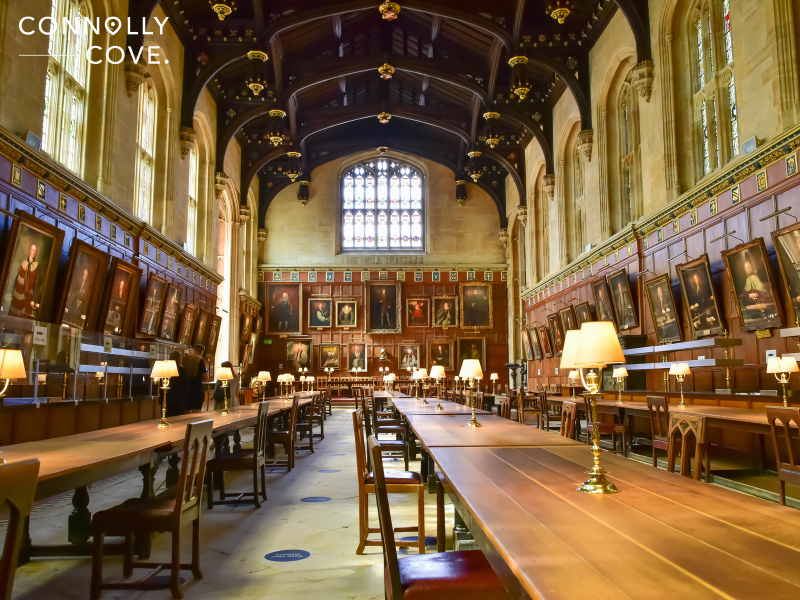
Oxford and the Cotswolds, particularly the village of Lacock, are associated with the Harry Potter film series due to their use as filming locations for various scenes. This means they are worth being added to your Harry Potter adventure despite having to go a bit away from London for this experience.
The Great Hall at Christ Church College in the University of Oxford was used as the inspiration for Hogwarts’ Great Hall. Some scenes in the Great Hall were also filmed here. The Bodleian Library, also located in the university, served as the Hogwarts Library in several scenes.
On the other hand, Lacock Abbey, located in the Cotswolds, was used for multiple Harry Potter scenes. The abbey’s cloisters were featured in various films, including being used as Hogwarts’ hallways. Additionally, Professor Snape’s classroom and Professor Quirrell’s classroom scenes were filmed there.
9. Visit Godric’s Hollow and Alnwick Castle
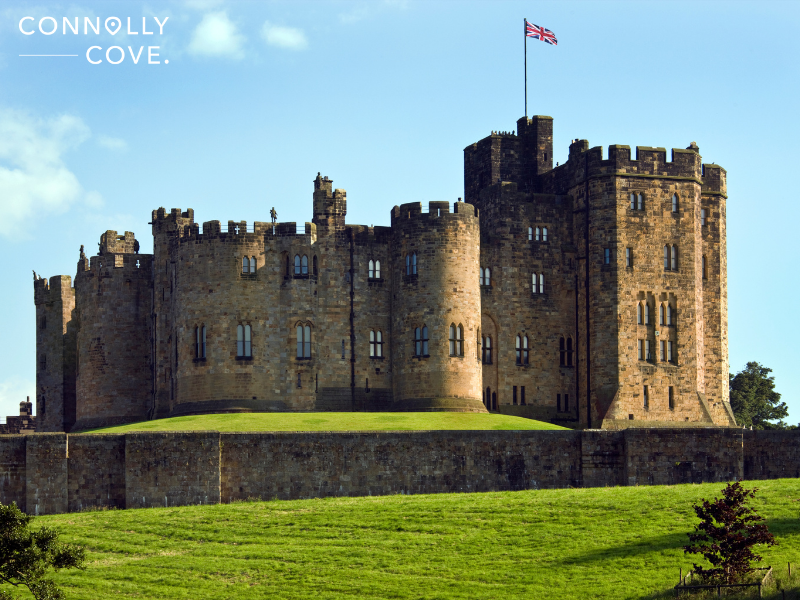
Fans of the Harry Potter series also plan a trip to the village of Lacock in the Cotswolds and Alnwick in Northumberland—this is 498 kilometres north of London. Lacock served as the filming location for Godric’s Hollow, where Harry’s parents were killed, and he received his lightning-shaped scar.
Visitors can explore the picturesque streets and visit Lacock Abbey, which was used for various Hogwarts scenes. Alnwick Castle, on the other hand, was prominently featured as Hogwarts Castle in the early films. Travellers can immerse themselves in the magical ambience of Alnwick Castle’s grounds, including the iconic courtyard where Harry and his fellow students learnt how to fly broomsticks in the first movie.
Both destinations offer an enchanting experience for Harry Potter enthusiasts, allowing them to step into the enchanting world created by J.K. Rowling and witness the real-life locations that played pivotal roles in the films.
10. See Harry Potter and the Cursed Child
“Harry Potter and the Cursed Child” is basically a two-part stage play written by British playwright Jack Thorne based on an original brand new story by Thorne, J.K. Rowling, and John Tiffany. The play is not a novel but a script book that was released in book form.
The story is set 19 years after the events of J.K. Rowling’s seventh and final book, “Harry Potter and the Deathly Hallows,” and follows an older Harry Potter, now working at the Ministry of Magic, with his younger son, Albus Severus Potter.
Having made its world premiere in London’s West End at the Palace Theatre in July 2016, the play did receive critical acclaim for its innovative storytelling and was well-received by both fans and critics. If you are a Harry Potter fan, watching this play is never an opportunity to miss, it is a night of enchantment and adventure.
12. Visit Harry Potter-Themed Restaurants and Bars
London offers a magical dining experience surrounded by decor reminiscent of the series for Harry Potter fans to immerse themselves in the wizarding world. From Hogwarts-inspired interiors to menus featuring items like Butterbeer and magical concoctions, these establishments offer a unique blend of fantasy and culinary delight.
For instance, they can enjoy a meal at The Leaky Cauldron or the Hard Rock Cafe’s Wizarding World menu or have a drink at The Cauldron Pub or The Blind Pig speakeasy, which offer enchanting cocktails inspired by the series.
13. Visit the Reptile House and the Ministry of Magic
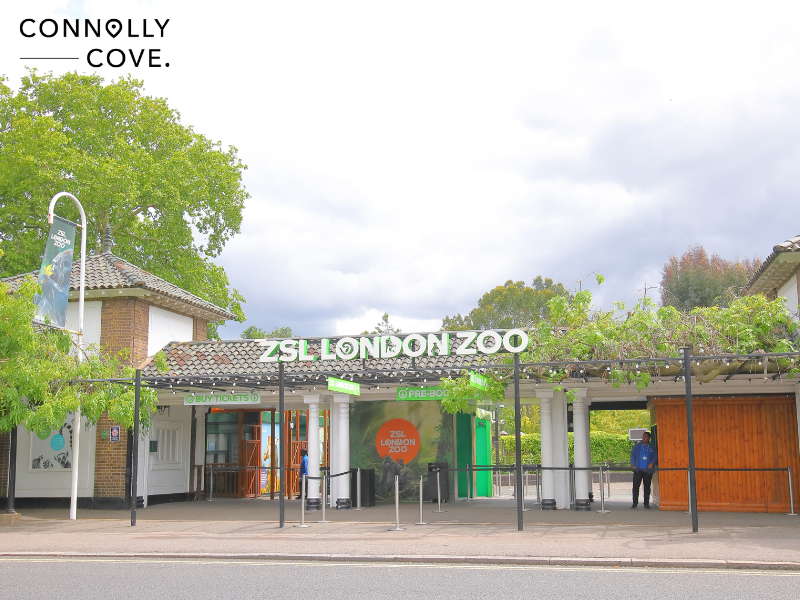
By visiting the Reptile House at London Zoo and the Ministry of Magic, Harry Potter fans can embark on a magical journey that connects the real world with the wizarding world. Located in London Zoo, the Reptile House is where Mr Potter discovers his ability to speak Parseltongue, the language of snakes, in “Harry Potter and the Philosopher’s Stone.” There, fans can see all sorts of fascinating reptiles, including lizards, snakes, and turtles.
As for the Ministry of Magic, enthusiasts can take a stroll to Great Scotland Yard, which serves as the film location for the entrance to the Ministry in “Harry Potter and the Order of the Phoenix.” While the magical entrance is not physically present, fans can enjoy the real-world connection and imagine the hidden wonders within.
Combining a visit to the Reptile House and the Ministry of Magic offers a unique blend of fiction and reality, allowing fans to step into the enchanting world of Harry Potter within the heart of London.
14. Stroll at the Hogwarts Quadrangle
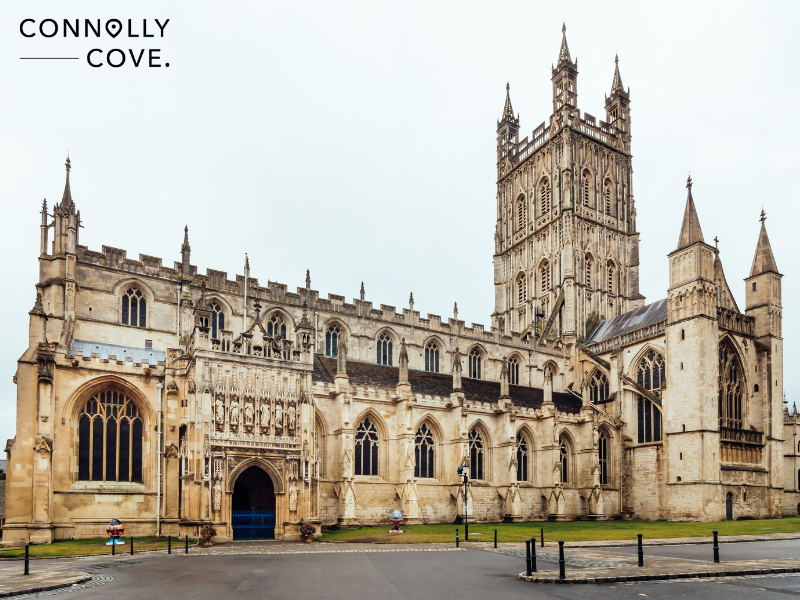
Located in the heart of London, Gloucester Cathedral is one of the filming locations used for the Harry Potter film series. Specifically, it was used as a backdrop for scenes set within Hogwarts School of Witchcraft and Wizardry. In other words, it is a location any Harry Potter fan ought to visit.
The cathedral‘s stunning cloisters, with their intricate fan vaulting and ancient architecture, were featured prominently in various Harry Potter movies. One notable scene filmed at Gloucester Cathedral is from “Harry Potter and the Philosopher’s Stone,” in which the cloisters served as the corridor leading to the entrance of the Gryffindor common room.
Additionally, the cathedral’s Chapter House was used for certain interior shots, including Professor McGonagall’s classroom. Fans of the Harry Potter series often visit Gloucester Cathedral to experience the real-world magic of these filming locations. Yet, that is not all. If they are lucky, they might even catch a glimpse of Moaning Myrtle herself!
15. Visit Lambeth Bridge and Piccadilly Circus
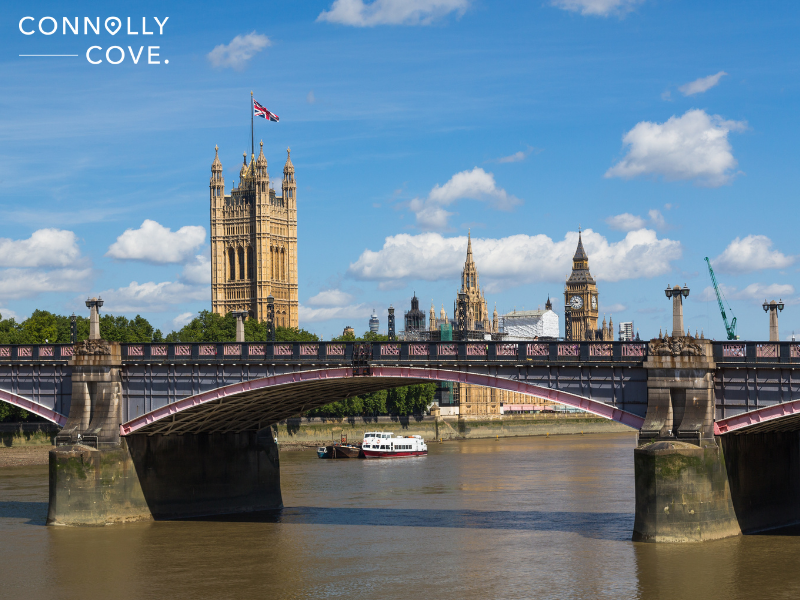
London is a treasure trove for Harry Potter fans, and there are many more iconic film locations to discover throughout the city. One such location is Lambeth Bridge, which you may recognise from “Harry Potter and the Half-Blood Prince,” where it gets destroyed by Death Eaters.
Another famous spot is Piccadilly Circus, featured in “Harry Potter and the Deathly Hallows – Part 1,” where you can see giant wizarding advertisements come to life. These film locations offer a chance to step into the magical world of Harry Potter and relive your favourite moments from the movies.
London offers an enchanting array of Harry Potter-themed experiences that captivate fans and provide a magical journey into the wizarding world.
From exploring the iconic sets at Warner Bros. Studio Tour and wandering through the historic cloisters of Gloucester Cathedral to sipping Butterbeer in themed restaurants and discovering the hidden gems of Diagon Alley at the studios, the city invites enthusiasts to happily drown themselves in the enchanting universe created by J.K. Rowling.
With each unique adventure, visitors can relive cherished moments, uncover the secrets of magical filmmaking, and create their own magical memories.
Harry Potter Shop at Platform 9 3/4 – London Attractions
England
29/04/2024

Exploring the Isle of Man’s Rich History and Culture
Ireland
29/04/2024

Exploring The Town of Carrickfergus
County Antrim
29/04/2024
Commercial Court: The Dazzling Lights of Belfast
Northern Ireland
29/04/2024

How to Make a Killy Kiss Cocktail By Killyhevlin Hotel
Northern Ireland
28/04/2024