


A Treasure Trove Awaits: Exploring Free Museums in London
Updated On: April 22, 2024 by  Maha Yassin
Welcome to the treasure trove of culture without breaking the bank! London, a city pulsating with history and creativity, has many attractions that won’t cost you a penny. Among its glittering skyline and bustling streets lie hidden gems that offer a peek into the past, present, and future—all for free!
Prepare to embark on a journey through the vibrant tapestry of London’s cultural landscape as we delve into the realm of free museums in London. From ancient artefacts to contemporary masterpieces, there’s something to captivate every curious soul. So, dust off your explorer’s hat and get ready to uncover the wonders that await in the heart of this dynamic metropolis.
Top 15 Free Museums in London: Where Culture Meets Affordability
In the bustling city of London, the allure of culture and history is readily accessible without reaching for your wallet. Dive into a realm of artistic masterpieces, scientific discoveries, and historical artefacts—all without spending a single penny. Here’s a curated list of the top 15 free museums in London that promise to enrich your mind and ignite your imagination:
British Museum
Address: Great Russell St, London
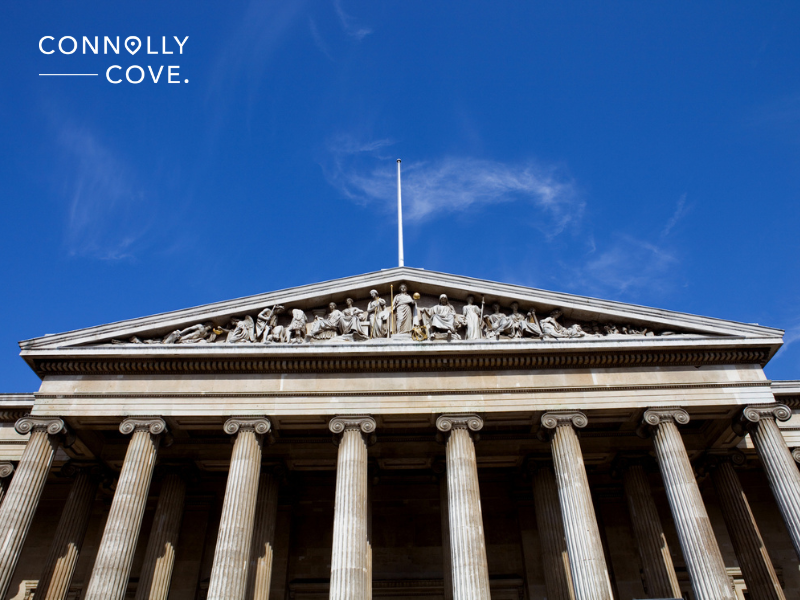
Enter the British Museum, one of the top free museums in London, a sanctuary of human history and culture where ancient wonders from around the world converge. Its labyrinthine halls house a treasure trove of artefacts, including the iconic Rosetta Stone, the awe-inspiring Parthenon sculptures, and the mysterious Egyptian mummies. From the dawn of civilization to the present day, the museum offers a captivating journey through the annals of time, making it a must-visit for history enthusiasts, archaeology buffs, and curious minds alike.
National Gallery
Address: Trafalgar Square, London
Situated in the heart of London’s cultural district, the National Gallery stands out among the top free museums in London, beckoning art lovers with its unparalleled collection of Western European paintings. Spanning over seven centuries, this remarkable gallery showcases masterpieces by renowned artists such as Leonardo da Vinci, Vincent van Gogh, and Michelangelo.
From the ethereal beauty of Botticelli’s “The Birth of Venus” to the timeless allure of Rembrandt’s self-portraits, each canvas narrates a story of artistic genius and human expression. Whether you’re a seasoned connoisseur or a casual admirer, the National Gallery promises an enriching experience for all who enter its hallowed halls.
Natural History Museum
Address: Cromwell Rd, South Kensington, London
Step into a realm of wonder and discovery at the Natural History Museum, one of the captivating free museums in London, where the natural world’s mysteries unfold before you. From the towering skeleton of a Diplodocus to the dazzling hues of precious gemstones, the museum’s diverse exhibits captivate visitors of all ages. Interactive displays invite exploration, while expertly curated galleries showcase the marvels of biodiversity, evolution, and Earth’s geological history.
Whether you’re a budding scientist, a nature enthusiast, or simply curious about the world around you, the Natural History Museum offers a journey of exploration like no other.
Science Museum
Address: Exhibition Rd, South Kensington, London
Ignite your curiosity and embark on a voyage of scientific discovery at the Science Museum, a prominent hub of innovation and exploration among the free museums in London, situated in the heart of the city. From the steam engines that powered the Industrial Revolution to the cutting-edge technology shaping our future, the museum’s interactive exhibits bring the wonders of science to life.
Visitors can experience the thrill of space travel, delve into the mysteries of the human body, and uncover the secrets of the natural world through hands-on exploration and immersive displays. With something to inspire and delight visitors of all ages, the Science Museum is a beacon of learning and discovery in the bustling metropolis.
Tate Modern
Address: Bankside, London
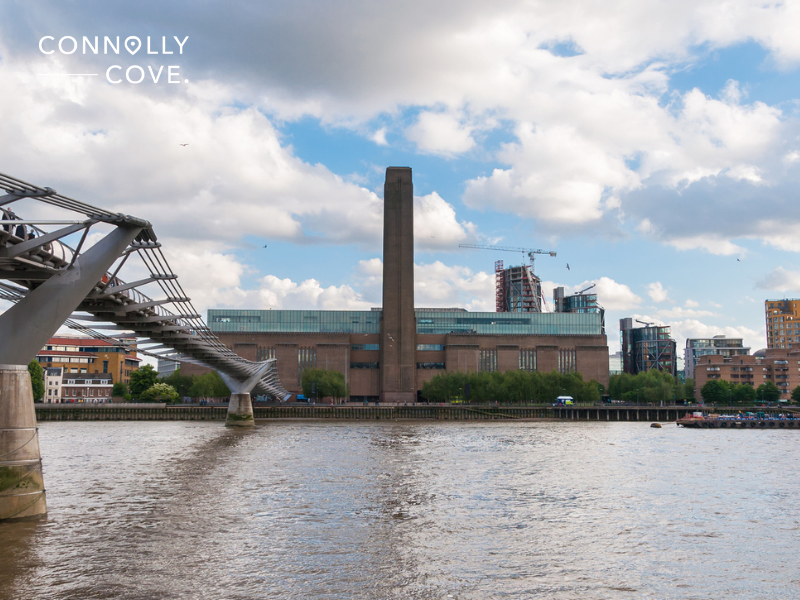
Located on the banks of the River Thames, Tate Modern shines brightly among the array of free museums in London, serving as a beacon of contemporary art. It proudly showcases groundbreaking works by artists from around the globe. From the avant-garde installations of Yayoi Kusama to the thought-provoking sculptures of Anish Kapoor, the museum consistently pushes boundaries and challenges perceptions. With its dynamic exhibitions and iconic Turbine Hall, Tate Modern offers an immersive experience that captivates art enthusiasts and curious visitors alike.
Victoria and Albert Museum (V&A)
Address: Cromwell Rd, London
Step into a world of design, craftsmanship, and creativity at the Victoria and Albert Museum, one of the premier free museums in London, where over 2.3 million objects span centuries of human ingenuity. From exquisite fashion pieces to ornate ceramics, the museum’s collections celebrate the diversity of artistic expression across cultures and time periods. With galleries dedicated to fashion, photography, and decorative arts, the V&A offers a journey through the history of design that inspires and enlightens.
National Maritime Museum
Address: Romney Rd, London
Moored in Greenwich, the National Maritime Museum, among the many free museums in London, extends an invitation to explore the rich tapestry of Britain’s maritime heritage. From the age of exploration to the battles of the high seas, the museum’s exhibits delve into the triumphs and challenges of life on the ocean waves.
Whether you’re fascinated by naval history, intrigued by maritime science, or simply drawn to the romance of the sea, the National Maritime Museum offers a captivating voyage of discovery.
British Library
Address: 96 Euston Rd., London
Situated in the cultural heart of London, the British Library stands as a beacon among the free museums in London, serving as a sanctuary of knowledge and creativity. It houses over 170 million items worldwide, ranging from rare manuscripts to literary treasures spanning millennia of human history and culture.
Visitors can marvel at original copies of Shakespeare’s plays, gaze upon the Magna Carta, and delve into the depths of the library’s vast archives. With exhibitions, events, and a wealth of resources for scholars and enthusiasts alike, the British Library is a testament to the power of words and ideas.
Museum of London
Address: 150 London Wall, Barbican, London
Dive into the captivating history of England’s capital for free! The Museum of London, one of London’s many free museums, unravels the city’s story across millennia. Journey through time, from the echoes of the Roman era to the bustling present day. Immerse yourself in interactive displays, fascinating artefacts, and multimedia presentations that bring London’s past to life.
Whether you’re a history buff, a proud Londoner, or simply a curious explorer, this free museum in London offers a captivating voyage through the heart of a global metropolis. So, lace up your shoes and embark on a free museum adventure at the Museum of London!
Wallace Collection
Address: Hertford House, Manchester Square, London
Discover a hidden gem amidst London’s cultural landscape: the Wallace Collection, one of the city’s many captivating free museums. Step into a world of refined elegance within this historic townhouse, where walls whisper tales of bygone eras.
Wander through intimate galleries and marvel at a treasure trove of artistry and craftsmanship – exquisite paintings by Old Masters, magnificent armour, and opulent furnishings. Each artefact whispers stories of European aristocracy, offering a unique glimpse into a world of grandeur. So, explore the free museums of London and unearth the hidden gem of the Wallace Collection!
Imperial War Museum
Address: Lambeth Rd, London
Explore the profound human cost of conflict without spending a penny at the Imperial War Museum, another addition to London’s impressive collection of free museums. Delve into powerful exhibitions and personal stories that illuminate the realities of war through the ages. From the harrowing trenches of World War I to the global battlefields of the 20th and 21st centuries, the museum offers a unique perspective on the causes, consequences, and enduring impact of war.
Whether you’re driven by historical curiosity, personal connection, or a desire to understand the complexities of geopolitics, the Imperial War Museum serves as a poignant and essential reminder of the sacrifices made in times of conflict. So, embark on a thought-provoking journey through history at this renowned free museum in London.
Sir John Soane’s Museum
Address: 13 Lincoln’s Inn Fields, London
Unleash your inner explorer and delve into the eccentric world of Sir John Soane, free of charge! His former home, now a captivating free museum in London, pulsates with architectural marvels and curious treasures from around the globe. Wander through atmospheric interiors teeming with classical sculptures, Egyptian artefacts, and various fascinating oddities. Each meticulously placed object reflects Soane’s passion for collecting and his groundbreaking design philosophies.
This free museum offers a unique peek into the mind of a visionary artist and collector, promising an experience unlike any other. Don’t miss your chance to be enthralled by the captivating world of Sir John Soane!
Horniman Museum and Gardens
Address: 100 London Rd, London
Seek refuge from the city’s buzz and discover a haven for both nature and culture at the Horniman Museum and Gardens, one of London’s many captivating free museums. Immerse yourself in diverse experiences, from vibrant exhibitions exploring global cultures to interactive displays showcasing the wonders of the natural world.
Whether you’re fascinated by intricate textiles from faraway lands or curious about the fascinating creatures that inhabit our planet, the Horniman Museum caters to all ages and interests. Unwind in the stunning gardens, wander through vibrant galleries, and enjoy family-friendly activities – this tranquil oasis in south London is the perfect escape for an enriching, cost-free adventure.
So, pack your curiosity and embark on a journey of discovery at the Horniman Museum, a gem amongst free museums in London!
The Photographers’ Gallery
Address: 16-18 Ramillies St, London
Dive into the captivating world of photography without spending a dime! The Photographers’ Gallery, a vibrant hub for contemporary photography, welcomes you to explore the artistry and power of the medium, joining the vast network of free museums in London. Thought-provoking exhibitions, engaging workshops, and stimulating events showcase how photography reflects, challenges, and shapes our experiences.
Whether you’re a seasoned photographer, a budding artist, or simply someone curious about the visual narratives surrounding us, The Photographers’ Gallery offers a window into these stories, igniting your imagination and perspective. So, embark on a visual journey and discover the magic of photography at this remarkable free museum in London!
Guildhall Art Gallery
Address: Guildhall Yard, London
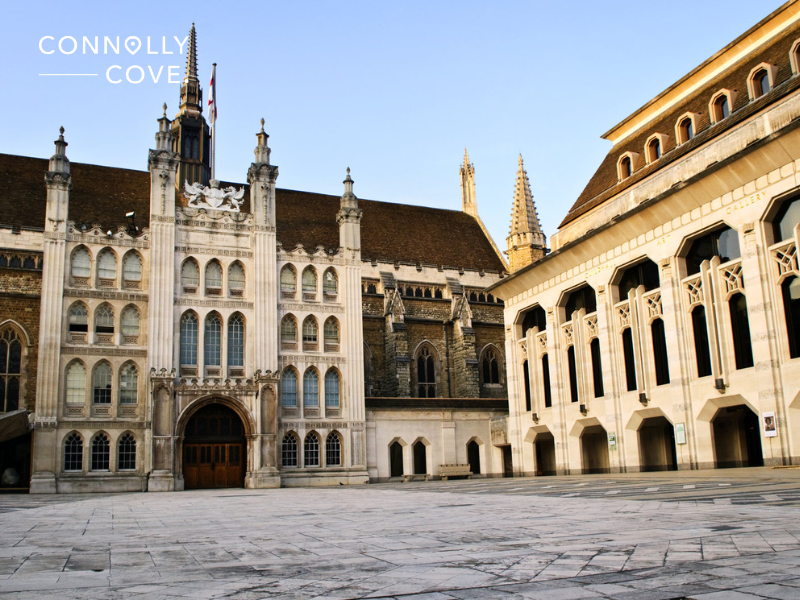
Uncover a hidden treasure tucked within London’s historic Guildhall at the Guildhall Art Gallery, among the many captivating free museums in London. A diverse collection of paintings, sculptures, and decorative arts awaits discovery. From Pre-Raphaelite masterpieces to contemporary works by emerging artists, the gallery showcases the breadth and depth of British artistry through the ages. With its stunning architecture and rich cultural heritage, the Guildhall Art Gallery offers a glimpse into London’s artistic soul, making it an essential destination for art lovers and history enthusiasts alike.
Sir John Ritblat Gallery
Address: 96 Euston Rd., London
Uncover a hidden gem for bookworms and history buffs alike: the Sir John Ritblat Gallery within the British Library, one of London’s many fascinating free museums. Journey through centuries of human civilization as you marvel at rare manuscripts, literary treasures, and historical documents. Gaze upon Shakespeare’s First Folio, touch handwritten letters from literary icons like Jane Austen and Charles Dickens and immerse yourself in the richness and diversity of the written word.
Interactive displays and insightful exhibits further enrich your experience, making this free museum in London a must-visit for anyone passionate about literature and learning. So, embark on a journey through time and words at the Sir John Ritblat Gallery!
Florence Nightingale Museum
Address: The Nightingale School, 2 Lambeth Palace Rd, London
Step into the footsteps of a revolutionary healthcare pioneer without spending a penny! The Florence Nightingale Museum, nestled within St Thomas’ Hospital, is a captivating free museum in London. Immerse yourself in immersive exhibitions and interactive displays that trace the incredible life and legacy of Florence Nightingale.
Discover her groundbreaking work in nursing and healthcare reform, witnessing how she transformed public health and social landscapes. The museum celebrates Nightingale’s remarkable achievements and unwavering dedication, from her valiant efforts during the Crimean War to her lasting influence on modern nursing practices.
This free museum is a powerful testament to the enduring impact of compassion, courage, and a commitment to making a positive difference in the world. So, embark on a journey of inspiration and learn from a true historical icon at the Florence Nightingale Museum!
Grant Museum of Zoology
Address: Rockefeller Building, 21 University St, London
Unveil the wonders of the natural world without spending a dime at the Grant Museum of Zoology, a hidden gem tucked away within University College London and one of London’s many exciting free museums. This haven for nature enthusiasts boasts over 68,000 fascinating specimens, offering a glimpse into the incredible diversity of the animal kingdom.
Embark on a journey of discovery as you come face-to-face with microscopic creatures and towering skeletons, each whispering tales of evolution, anatomy, and biodiversity. Interactive exhibits and engaging programs further ignite your curiosity, making the Grant Museum the perfect destination for budding scientists and curious minds of all ages.
So, lace up your shoes and prepare to be amazed by the wonders of the natural world at this remarkable free museum in London!
Fashion and Textile Museum
Address: 83 Bermondsey St, London
Immerse yourself in the glamorous fashion world at the Fashion and Textile Museum, a dynamic hub celebrating contemporary design among the array of free museums in London. Situated in the heart of Bermondsey, this vibrant museum’s dynamic exhibitions spotlight the work of renowned designers, emerging talents, and cutting-edge fashion houses.
From haute couture to street style, visitors can trace the evolution of fashion and its profound impact on culture and society. With its colourful displays and interactive workshops, the Fashion and Textile Museum captures the ever-changing realm of style and creativity.
Cartoon Museum
Address: 63 Wells St, London
Unleash your inner child and explore the enchanting world of cartoons and comics, all for free! The Cartoon Museum, a must-visit amongst London’s vibrant free museums, invites you to embark on a journey through laughter and imagination.
From timeless characters like Dennis the Menace and Snoopy to iconic strips like Calvin and Hobbes, the museum celebrates the artistry and humour of cartooning across decades and borders. Delve into exhibitions showcasing the works of both British and international masters while engaging in workshops and events catering to all ages, making this playful paradise a delight for anyone fond of the funny and fantastic.
So, ditch the reality check and immerse yourself in the captivating world of cartoons at the Cartoon Museum, a free museum in London waiting to ignite your imagination!
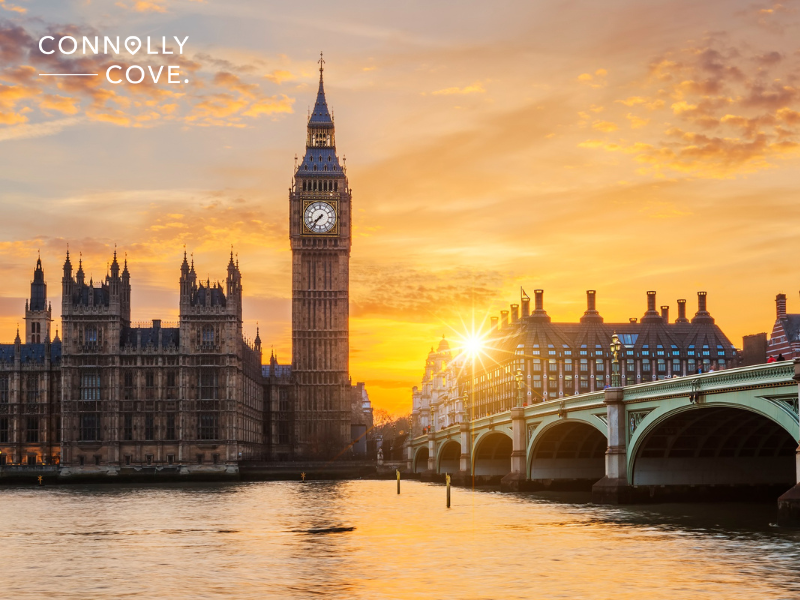
With its treasure trove of free museums, London unlocks a world of discovery without breaking the bank. From ancient relics to contemporary art, from history buffs to budding scientists, there’s something for every curious mind. So, pack your sense of adventure, lace up your walking shoes, and embark on a journey through time, space, and imagination. Remember, the greatest treasures in London are often the ones that come free of charge. Now go forth and explore!
FAQs
Are there any hidden charges at free museums in London?
Generally, admission to the permanent collections of free museums in London is indeed free. However, some special exhibitions or temporary displays may require tickets or have separate admission fees.
Are free museums in London suitable for families with children?
Yes, many free museums in London are family-friendly and offer interactive exhibits, hands-on activities, and educational programs for children of all ages. Museums like the Natural History Museum, Science Museum, and Museum of London are particularly popular among families.
Can I make donations at free museums in London?
While admission to the permanent collections of free museums in London is free, donations are often welcomed and appreciated. Visitors can choose to contribute to the museum’s upkeep and support its educational programs through voluntary donations.
Are there any guided tours available at free museums in London?
Many free museums in London offer guided tours led by knowledgeable staff or volunteers. These tours give visitors insights into the museum’s collections, history, and highlights. Some museums may offer both scheduled tours and self-guided options.
Do I need to book tickets in advance for free museums in London?
For most free museums in London, advance booking is not required for general admission to the permanent collections. However, during peak times or for special exhibitions, it’s advisable to check the museum’s website for any booking requirements or capacity restrictions.
Are there any restrictions or guidelines to follow at free museums in London?
While visiting free museums in London, visitors are generally expected to follow museum etiquette, such as not touching artworks unless allowed, refraining from photography in certain areas, and respecting other visitors. Additionally, some museums may have specific guidelines regarding bags, food, and drink inside the premises. It’s recommended to check the museum’s website or signage upon arrival for any relevant information.
Commercial Court: The Dazzling Lights of Belfast
Northern Ireland
29/04/2024

How to Make a Killy Kiss Cocktail By Killyhevlin Hotel
Northern Ireland
28/04/2024

Middle East Travel Statistics from 2019 to Now
Middle East
28/04/2024

Exploring the Rich Heritage of Mining in Ireland
History and Heritage
28/04/2024

Unravelling the Enigma of Valkyrie Mythology: Divine Maidens and Choosers of the Slain
Mythology and Folklore
28/04/2024