


Notre Dame Cathedral: 800 Years of Grandeur
Updated On: December 02, 2023 by  Yasmin Elwan
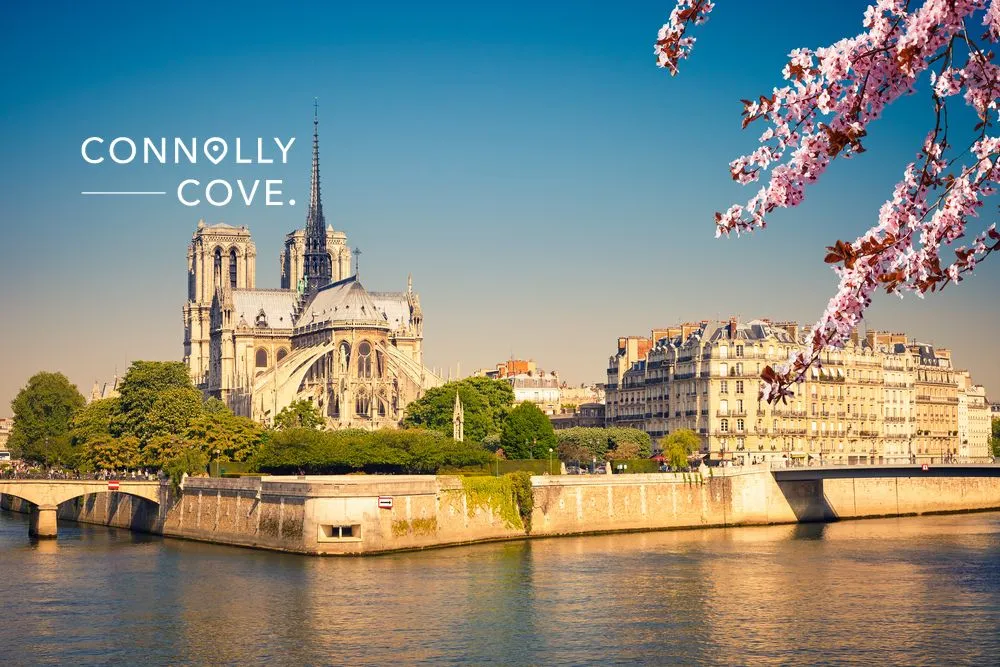
The Notre Dame Cathedral, also known as Notre-Dame de Paris, is an iconic Gothic cathedral in Paris, France, that has stood for over 800 years, witnessing the city’s evolution and history. Its history, architectural significance, devastating fire in 2019, and ongoing restoration efforts make it a symbol of resilience and grandeur.
What is the History of Notre Dame Cathedral?
The history of Notre-Dame Cathedral is rich and spans many centuries. Here are key milestones in its historical journey:
1. Early Foundations (1163-1345): Construction of Notre-Dame began in 1163 during the reign of Louis VII, and it took almost two centuries to complete. The cathedral was consecrated in 1345. Architects Maurice de Sully, Jean de Chelles, and Pierre de Montreuil played crucial roles in its design and construction.
2. Gothic Masterpiece: Notre-Dame is a prime example of French Gothic architecture. Its flying buttresses, pointed arches, and intricate rose windows exemplify the architectural style of the time. The cathedral’s design was innovative and influenced subsequent Gothic constructions.
3. Royal and Historical Events: Notre-Dame witnessed significant historical events. It hosted numerous royal ceremonies, including the coronation of Henry VI of England in 1431. During the French Revolution, the cathedral suffered damage and neglect as a result of anti-religious sentiment.
4. Victor Hugo’s Influence (19th Century): The cathedral gained literary fame through Victor Hugo’s novel “The Hunchback of Notre-Dame,” published in 1831. Hugo’s work drew attention to the cathedral’s architecture and historical value, contributing to renewed interest in its preservation.
5. Restorations and Preservation (19th-20th Century): Architect Eugène Viollet-le-Duc led a major restoration of Notre-Dame in the mid-19th century, aiming to repair damage and enhance its structural integrity. The restoration work continued into the 20th century, emphasising the importance of preserving the cathedral’s cultural heritage.
Notre-Dame Cathedral’s history encompasses triumphs, challenges, and a legacy that extends far beyond its physical structure. It stands as a symbol of France’s cultural heritage, architectural brilliance, and the resilience of historical landmarks.
What is the Significance of Notre Dame Cathedral?
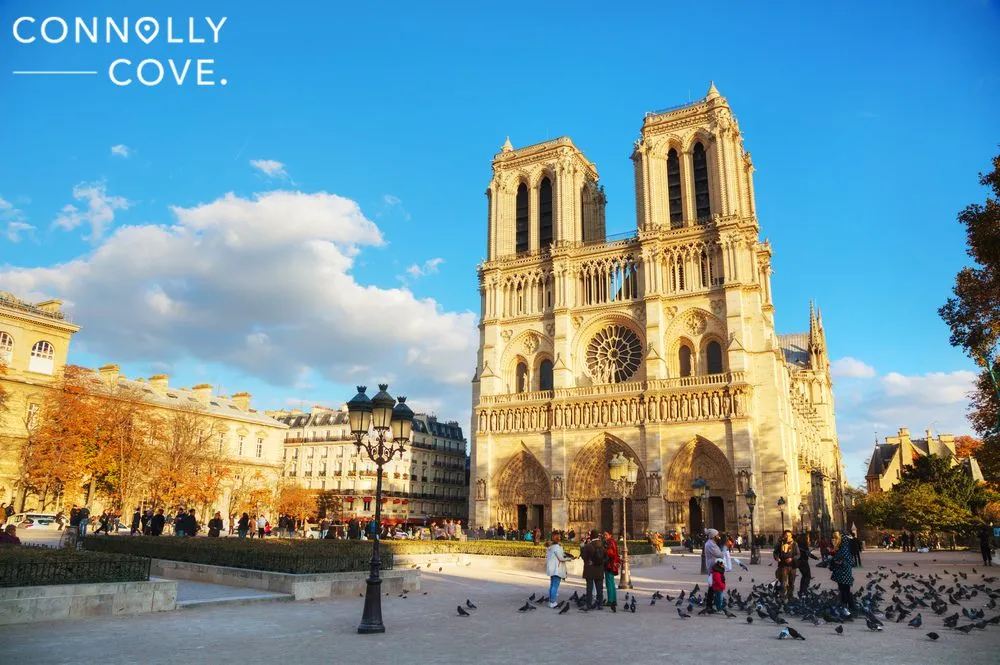
The Notre Dame Cathedral holds immense historical and religious significance for the people of Paris and France. It has been a witness to major historical events, including the French Revolution, and has served as a symbol of French heritage and tradition. Here are key aspects of its importance:
- Architectural Marvel: Notre Dame de Paris is a masterpiece of French Gothic architecture. Built over several centuries, its construction began in the 12th century, and it showcases intricate design elements, towering spires, and stunning stained glass windows. The cathedral’s architectural excellence reflects the skill and craftsmanship of the medieval builders.
- Cultural Icon: The cathedral has been a symbol of French identity for centuries. Its rich history, association with French monarchs, and role in various historical events contribute to its cultural significance. Notre-Dame stands as a testament to the artistic and cultural achievements of France.
- Spiritual Center: Throughout its history, Notre-Dame has been a significant religious site. It served as a cathedral, witnessing important religious ceremonies, including coronations and royal weddings. The cathedral’s spiritual importance extends beyond Catholicism, attracting visitors of various faiths.
- Literary and Artistic Inspiration: Notre-Dame Cathedral has inspired numerous works of literature and art. Victor Hugo’s novel “The Hunchback of Notre-Dame” brought attention to the cathedral’s beauty and historical value. Artists, poets, and writers from various periods have depicted or written about Notre-Dame, further embedding its significance in the cultural consciousness.
- Tourist Attraction: Notre-Dame has been a major tourist attraction, drawing millions of visitors each year. Tourists come to admire its architecture, explore its interiors, and witness panoramic views of Paris from its towers. The cathedral’s popularity contributes to the tourism industry and the global appreciation of historical landmarks.
- Restoration and Resilience: The devastating fire that engulfed Notre Dame de Paris in 2019 brought global attention to the cathedral’s vulnerability. The subsequent efforts to restore and rebuild Notre-Dame underscore the resilience of cultural heritage and the importance of preserving historical landmarks for future generations.
What is the Architectural Style of Notre Dame Cathedral?
Notre-Dame Cathedral showcases the pinnacle of French Gothic architecture, a style that flourished from the mid-12th to the 16th century. Characterised by soaring heights, pointed arches, and elaborate ribbed vaults, the cathedral exemplifies the grandeur of this medieval architectural form.
Flying buttresses provide external support, allowing for expansive stained glass windows, with the iconic rose windows featuring intricate tracery. The facade is adorned with sculptures and statues depicting biblical narratives and saints. Notre Dame’s architectural mastery not only reflects the technical prowess of its builders but also symbolises the spiritual aspirations and artistic achievements of its time.
What Happened during the 2019 Fire at Notre Dame Cathedral?
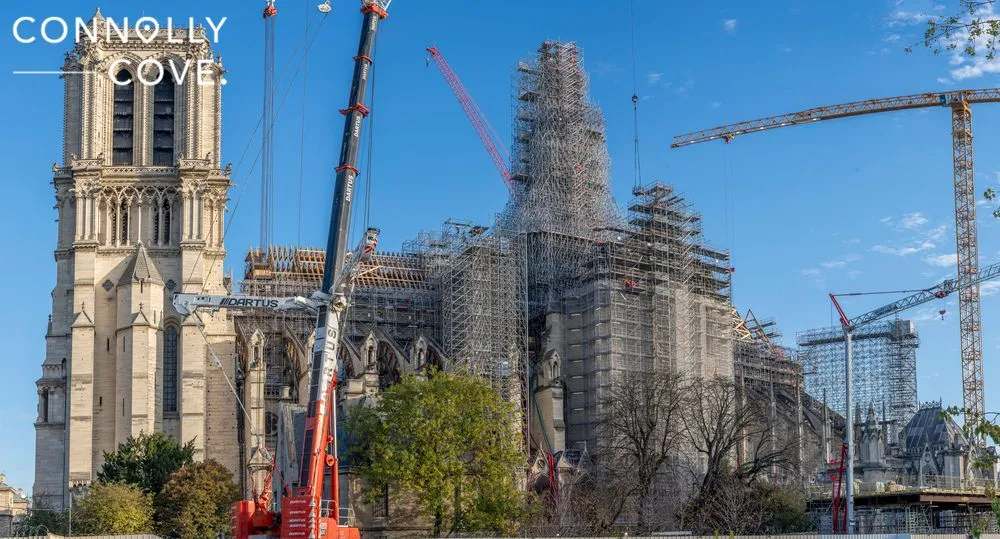
On April 15, 2019, a devastating fire broke out at the Notre Dame Cathedral, causing significant damage to the historic landmark. The fire, which started in the cathedral’s attic, engulfed the iconic spire and led to the collapse of part of the cathedral’s roof.
How Did the Fire at Notre Dame Cathedral Start?
The fire at Notre Dame Cathedral started in the attic, possibly due to an electrical short circuit or a problem related to the ongoing restoration work.
What Was the Extent of the Damage Caused by the Fire at Notre Dame Cathedral?
The fire caused extensive damage to the cathedral’s roof and spire, leading to the collapse of a significant portion of the structure. It also resulted in the loss of invaluable historical artefacts and artwork within the cathedral.
What Were the Restoration Efforts after the 2019 Fire at Notre Dame Cathedral?
Following the fire, extensive restoration efforts were initiated to salvage and rebuild the Cathedral of Notre-Dame, aiming to restore its former glory and preserve its historical significance for future generations.
What Are the Iconic Features of Notre Dame Cathedral?
Notre-Dame Cathedral is renowned for its iconic features, each contributing to its grandeur and historical significance:
- Gothic Architecture: Notre Dame is a prime example of French Gothic architecture, characterised by pointed arches, ribbed vaults, and flying buttresses. The cathedral’s design represents the height of medieval architectural innovation.
- Rose Windows: The cathedral boasts three exquisite rose windows. The North Rose Window, South Rose Window, and the larger West Rose Window are intricate masterpieces of stained glass depicting biblical scenes and saints.
- Gargoyles and Chimera: Elaborate gargoyles and chimera adorn the exterior, serving both decorative and functional purposes. Gargoyles act as water spouts, diverting rainwater away from the building, while chimera are fantastical sculptures adding an ornamental touch.
- Towers and Spire: The two imposing towers, each approximately 69 metres tall, flank the cathedral’s facade. Until the tragic fire in 2019, the central spire, designed by Eugène Viollet-le-Duc in the 19th century, rose dramatically from the crossing.
- Gallery of Kings: A line of sculptures known as the Gallery of Kings adorns the facade, representing biblical kings and queens. These statues were installed during various periods, contributing to the rich tapestry of Notre-Dame’s exterior.
- Naval on the Rooftop: The rooster-shaped weather vane, known as the naval, once crowned the spire. Despite being damaged in the fire, it became a symbol of hope and resilience during the restoration process.
- Flying Buttresses: Externally visible flying buttresses provide structural support to the cathedral’s walls, allowing for the inclusion of expansive stained glass windows and preventing the outward thrust of the vaulted ceilings.
- Great Organ: Notre-Dame houses a remarkable organ with a long history, featuring numerous pipes and intricately carved casework. The organ has been a central element of the cathedral’s musical heritage.
These iconic features collectively contribute to Notre-Dame’s status as a masterpiece of medieval architecture, attracting visitors from around the world and leaving an indelible mark on the cultural and artistic landscape.
Your Guide to the Perfect Notre-Dame Visit
Nestled along the Seine River’s banks in the heart of Paris, Notre-Dame Cathedral stands as a testament to medieval architectural brilliance and religious significance. This tourist guide invites you to embark on a captivating journey through the rich history, awe-inspiring architecture, and cultural treasures of Notre-Dame de Paris.
Arrival and Overview
Begin your exploration by approaching Notre-Dame from the square in front of the cathedral. Take in the breathtaking facade adorned with intricate sculptures, including the iconic Gallery of Kings, and marvel at the twin towers that flank the entrance.
History Unveiled
Before stepping inside, delve into the cathedral’s history. Notre-Dame’s construction commenced in 1163 and spanned over two centuries, witnessing architectural evolution and historical events. Learn about its role as a place of worship, a symbol of French identity, and the setting for key historical events.
Architectural Marvels
As you enter through the massive wooden doors, the Gothic grandeur of Notre-Dame unfolds. Pointed arches, ribbed vaults, and soaring ceilings create an ethereal atmosphere. Admire the intricate details of the rose windows, each a masterpiece of stained glass craftsmanship. Ascend the towers for panoramic views of Paris and an up-close encounter with the cathedral’s famous gargoyles.
Gargoyles and Chimera
Notre-Dame’s exterior is adorned with captivating gargoyles and chimera, adding both aesthetic charm and functional purpose. Explore the exterior to spot these mythical creatures, each with a unique personality and purpose in medieval architecture.
Religious Treasures
Notre-Dame houses an array of religious artefacts and treasures. Visit the Treasury to see exquisite liturgical objects, relics, and vestments. The Great Organ, with its majestic pipes, is a testament to the cathedral’s musical legacy.
Attend a Service
Check the schedule and attend a religious service to experience Notre-Dame’s spiritual ambience. The resonant chants and the play of light through the stained glass create a serene and contemplative atmosphere.
Rooftop Experience
Weather permitting, don’t miss the opportunity to ascend the towers. The climb is rewarded with a close encounter with the iconic gargoyles and panoramic views of Paris, providing a unique perspective of the city.
Notre-Dame’s Renaissance
Learn about the restoration efforts following the devastating fire in 2019. Explore the innovative techniques and materials used to revive this cultural gem, symbolising resilience and dedication to preserving heritage.
Surrounding Gems
Notre-Dame’s location offers access to other Parisian gems. Stroll along the Seine, explore the Île de la Cité, and visit nearby landmarks like Sainte-Chapelle and the Shakespeare and Company bookstore.
Souvenirs and Reflection
Conclude your visit with a stop at the souvenir shops around the Notre Dame Cathedral. Reflect on the architectural wonders, cultural richness, and the enduring spirit of Notre-Dame Cathedral.
Embrace the timeless allure of Notre-Dame de Paris, a symbol of Parisian history, Gothic splendour, and cultural resilience. Whether you’re a history enthusiast, an architecture aficionado, or a seeker of spiritual experiences, the Notre Dame Cathedral invites you to uncover its secrets and bask in the magic of its centuries-old legacy. Notre Dame Cathedral welcomes you with open arms to an enchanting journey through the heart of Paris.

The Dying Gaul: Unraveling the Meaning and History of an Ancient Roman Masterpiece
History and Heritage
29/04/2024

Discover The Mystery of the Paviland Red Lady: Unearthing Its Secrets
Culture Exploration
29/04/2024

Downpatrick Town: Saint Patrick’s Final Resting Place
Northern Ireland
29/04/2024

Breton Language: Safeguarding the Rhythmic Pulse of Brittany’s Celtic Heart
Culture Exploration
29/04/2024

The Enchanting Helen’s Bay Beach – Northern Ireland
Northern Ireland
29/04/2024