

Myrtle Beach Tourism Statistics and Trends Uncovered for Growth
Updated On: February 13, 2024 by  Maha Yassin
Myrtle Beach, South Carolina, synonymous with sun-kissed shores and endless family fun, thrives on the rhythm of millions of visitors seeking coastal bliss. Tourism isn’t just a summer fling for this Grand Strand jewel; it’s the lifeblood of the local economy, pumping vitality into businesses, creating jobs, and fueling its ever-evolving landscape. But beyond the sun-drenched beaches and vibrant attractions lies a treasure trove of fascinating statistics revealing tourism’s accurate scale and impact in Myrtle Beach.
This article embarks on a data-driven journey, deciphering visitor numbers, spending patterns, and emerging trends that depict this thriving tourist destination. Dive in with us and uncover the captivating story behind the numbers, unveiling the heart and soul of Myrtle Beach’s tourism industry.
Myrtle Beach Visitor Numbers: Past and Present
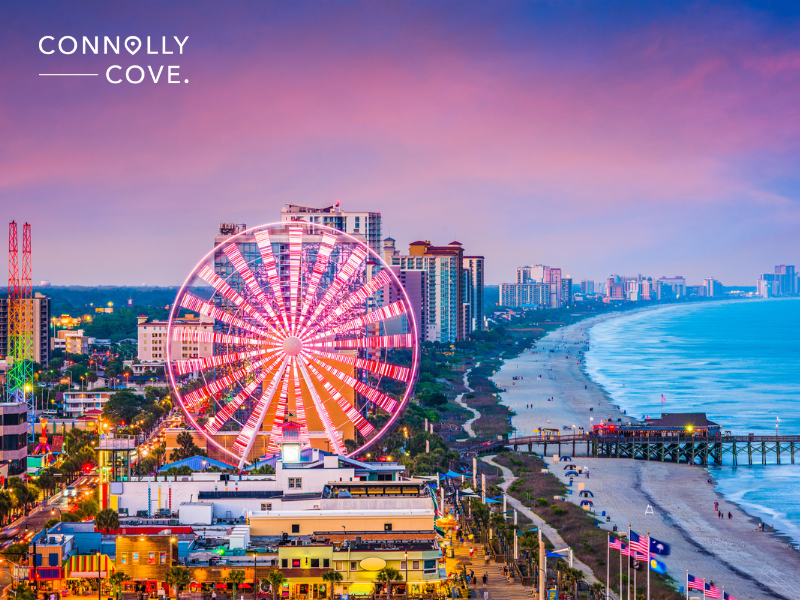
Myrtle Beach isn’t just a pretty face; it’s a visitor magnet, attracting millions each year who leave their footprints in the sand and their dollars in the local economy. But who are these beach lovers, and how many are there?
Number of Visitors Who Visit Myrtle Beach Annually
Every year, Myrtle Beach draws a big crowd. It is a loved spot for many people from around the world. Last year, millions of visitors came to enjoy the lovely beach. They spent time in the sun and played golf on the many courses. They also gave money to local businesses and helped grow jobs in the area. You can meet people from all around the world when you visit The Redneck Riviera!
Number of Visitors through Myrtle Beach International Airport?
In 2022, Myrtle Beach International Airport welcomed over 2 million visitors. The airport serves as a primary gateway for travellers visiting the beautiful coastal city of Myrtle Beach. Direct flights from many cities across the United States provide convenient access to the stunning beaches, attractions, and activities that draw tourists to this popular vacation destination.
Trends in Visitor Numbers
In recent years, visitors to the beach have been steadily increasing. According to the Visit Myrtle Beach Annual Report, there has been a positive trend in visitor numbers. This means more people are visiting this beautiful destination for their vacations. The report also mentions that tourism sales and revenue records were set, indicating that Myrtle Beach’s popularity as a tourist destination is rising.
Impact of Myrtle Beach Tourism on the Economy
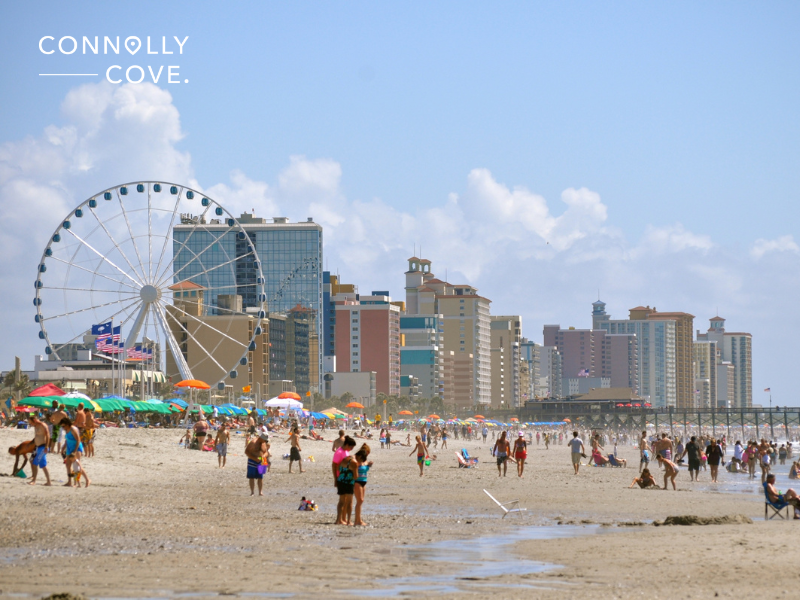
Beyond sun-kissed smiles and sandy memories, Myrtle Beach tourism carries a potent economic punch. It’s not just about building sandcastles; it’s about creating a thriving community, one visitor at a time. Let’s dive into tourism’s ripple effect on the Grand Strand’s financial tide.
The revenue generated from tourism in Myrtle Beach is quite significant. According to the Visit Myrtle Beach Annual Report, the tourism industry in the area generates around $11 billion per year in revenue.
Visitor spending also plays a vital role in supporting businesses and generating tax revenue for state and local governments. In fact, according to industry research, visitor spending influenced by Visit Myrtle Beach resulted in $145 million of state and local tax revenue just in 2019.
This revenue supports business sales of $1.0 billion and helps create over 80,000 jobs in the area. The accommodation tax revenues reached $32 million in 2022, a two per cent increase from the previous year.
These numbers show how tourism plays a crucial role in generating tax revenue and contributing to the economic growth of Horry County.
Myrtle Beach Infrastructure Development
Myrtle Beach has experienced significant development in its infrastructure to cater to the needs of tourists. The city now boasts many accommodations, including 425 hotels and more than 150,000 accommodation units.
Whether you’re travelling solo, with family or friends, options suit every preference and budget. In addition to this, Myrtle is known for its top-notch attractions like restaurants, theatres, and outlet stores that offer diverse experiences for all types of visitors.
Furthermore, golf enthusiasts will be delighted with the city’s impressive number of 86 golf courses. These developments have made the beach one of the busiest tourism centres in South Carolina and the United States.
Beyond the Numbers: Delving into the Heart of Myrtle Beach Tourism
Statistics paint a picture, but to truly understand Myrtle Beach’s tourism industry, we must step beyond the data and into the vibrant tapestry of experiences it creates. From luxurious getaways on pristine beaches to family-filled laughter echoing through amusement parks, this section dives deeper into the diverse elements that make Myrtle tick.
Buckle up and prepare to explore the accommodations that cater to every whim, the attractions that ignite every passion, and the unique experiences that leave footprints on hearts long after the sun sets on your visit. Join us as we unlock the soul of Myrtle Beach tourism, one captivating detail at a time.
Accommodations at Myrtle Beach
Rest your head where dreams meet the ocean breeze. We delve into the diverse havens ranging from opulent resorts to cosy family retreats, highlighting the perfect fit for every taste and budget.
Hotels Galore
425+ hotels cater to every budget and style, from sprawling oceanfront resorts with infinity pools and spas to charming boutique hotels with personalised service. Think luxurious stays at The Ocean Club at South Beach or cosy, family-friendly digs at Captain’s Quarters Beach Resort.
Beyond Hotels
Don’t forget condos, villas, and vacation rentals! 157,000+ units offer flexibility and privacy, perfect for families or groups. Popular areas like North Myrtle Beach offer oceanfront condos with private balconies, while Pawleys Island boasts secluded villas ideal for a romantic getaway.
Attractions at Myrtle Beach
From tantalising your taste buds at culinary havens to laughing under the stage lights, discover the kaleidoscope of attractions that fuel adventure and create lasting memories for every visitor.
Foodie Haven
Beyond 2,000 restaurants, the scene is diverse. Fresh seafood reigns supreme at waterfront shacks like The Boiled Shrimp Company, while fine dining shines at Ocean at 303 with breathtaking ocean views. Don’t miss local favourites like Calabash seafood or indulge in international flavours at diverse ethnic restaurants.
Stage Lights and Laughter
Live entertainment adds vibrancy! The Carolina Opry showcases country music and family-friendly comedy, while The Palace Theatre brings Broadway productions and dazzling shows. Catch live music at The Bowery or laugh the night away at The Comedy House.
Shopaholic’s Paradise
Shopping sprees await! Outlet malls like Tanger Outlets at Myrtle Beach offer designer brands at discounted prices, while Barefoot Landing combines retail therapy with waterfront dining and entertainment. Find local crafts and souvenirs at The Market Common or quirky treasures at independent boutiques.
Golf Courses
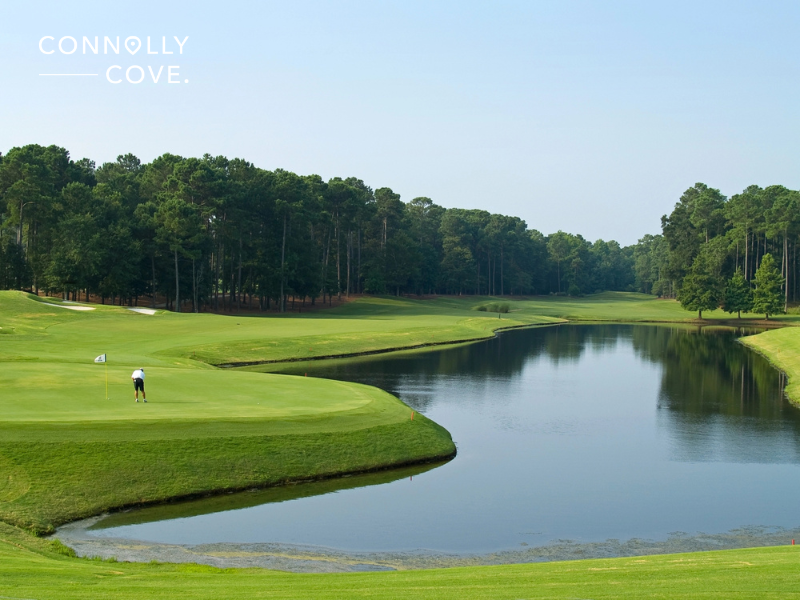
Tee off into paradise! Explore the renowned “Golf Capital of the East Coast,” uncovering championship courses fit for every skill level, from beginner-friendly layouts to legendary challenges designed by golfing greats.
With over 90 courses, Myrtle Beach caters to all skill levels. Beginners can try the scenic Arrowhead Country Club. At the same time, seasoned players can tackle the legendary Dunes Club designed by Robert Trent Jones Sr. Don’t miss themed courses like the Pirate’s Cove Adventure Golf or the challenging Legends Golf Resort, home to replicas of famous holes.
Additional Features of Myrtle Beach
Go beyond the surface and uncover the heartbeat of Myrtle Beach tourism. We delve into its family-friendly appeal, explore the year-round charm beyond peak season, and highlight its crucial role in the local economy.
Family Focus
From the thrill rides and arcades at Family Kingdom Amusement Park to the educational wonders of Ripley’s Aquarium, Myrtle Beach is a family-friendly haven. Water parks like Myrtle Waves splash with fun, while nature-loving families can explore Huntington Beach State Park.
Beyond Summer
While summer thrives, fall offers beautiful foliage and fewer crowds. Spring brings blooming gardens and festivals like the Carolina Country Music Fest, while winter offers mild temperatures and holiday cheer with events like the Nights of a Thousand Candles.
Remember, this is just a glimpse into Myrtle Beach’s vast tourism landscape. With its diverse offerings, year-round appeal, and dedication to creating memorable experiences, M-Beach remains a top vacation destination for travellers worldwide.
Emerging Trends and New Attractions in Myrtle Beach
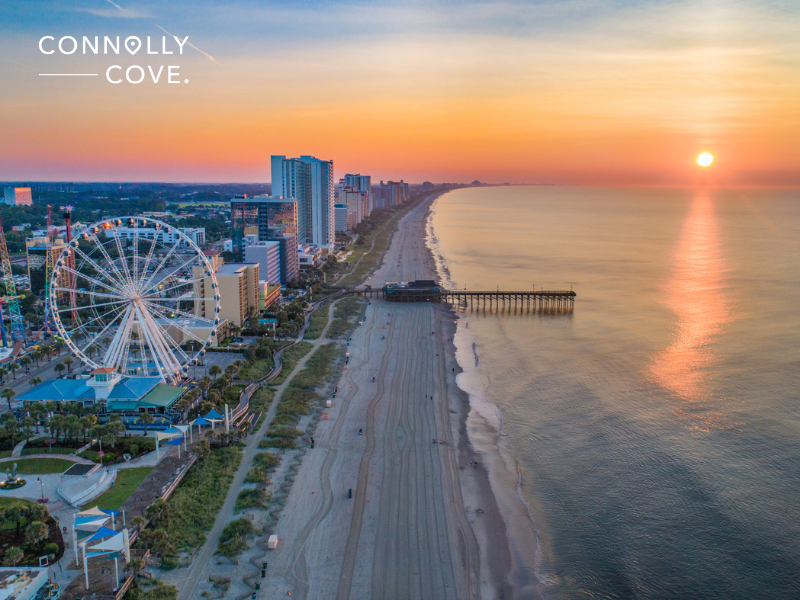
While Myrtle Beach holds fast to its timeless charm, it’s constantly evolving, embracing fresh trends and adding exciting new attractions to keep visitors coming back for more. Let’s ride the wave of these innovations:
Sustainability Steps In
Eco-conscious travellers rejoice! Myrtle embraces sustainability with initiatives like beach cleanups, bike-sharing programs, and green lodging options like the luxurious Springmaid Beach Resort, certified by the Leadership in Energy and Environmental Design (LEED) program.
Wellness Takes Center Stage
Myrtle Beach caters to the wellness crowd, from sunrise yoga on the beach to mindfulness retreats and spa experiences inspired by local nature. Unwind at rejuvenating destinations like the new Asana Soul Spa or explore meditation gardens at the Brookgreen Gardens sculpture park.
Foodie Fiesta Goes Hyperlocal
Forget generic chains; Myrtle’s culinary scene is blooming with farm-to-table restaurants and locally sourced ingredients. Dive into fresh seafood shacks like The Murrells Inlet MarshWalk, or savour Southern comfort food with a twist at Tupelo Honey Cafe.
Tech-Savvy Adventures
Technology is enhancing the experience like never before. Imagine virtual reality tours of historic sites or interactive maps guiding you through hidden gems. The Myrtle Beach SkyWheel now offers augmented reality experiences, blending real-world views with exciting digital elements.
Unique Experiences Emerge
Beyond the usual suspects, unique offerings are popping up. Escape rooms like The Myrtle Beach Escape Room challenge your mind, while axe throwing at places like Myrtle Beach Axe & Social provides a thrilling twist. Take advantage of the immersive experience of WonderWorks, an upside-down house packed with science exhibits and interactive challenges.
More Than Just the Beach
While the beach remains the star attraction, Myrtle is diversifying its offerings. The new Beach Pelicans minor league baseball stadium brings family-friendly fun, while the upcoming Carolina Waterworks water park promises thrilling rides and aquatic adventures.
Investing in the Future
With a focus on responsible growth, Myrtle Beach is investing in infrastructure improvements, public art initiatives, and revitalising historic districts like The Market Common. These efforts ensure the destination remains vibrant and relevant for generations to come.
So, whether you’re a seasoned Myrtle Beach visitor or a first-time traveller, keep your eyes peeled for these exciting trends and new attractions. The Grand Strand constantly reinvents itself, ensuring every visitor’s dynamic and memorable experience.
As the sun dips below the horizon, casting a golden glow on the vast stretch of Myrtle Beach, one thing becomes clear: the magic transcends fleeting trends. Beyond the numbers and statistics lies a vibrant community dedicated to crafting unforgettable experiences for every visitor. From luxurious accommodations and diverse attractions to emerging trends and a focus on sustainability, Myrtle continues to evolve, ensuring its place as a beloved vacation destination.
Whether you seek beachside bliss, family-friendly adventures, or unique experiences that awaken your inner explorer, Myrtle offers something for everyone. So, pack your bags, embrace the Grand Strand’s warmth, and leave your footprints in the sand. The memories you create will long outlast the tan, reminding you why Myrtle Beach tourism continues to captivate hearts and fuel imaginations year after year.
FAQs
When is the best time to visit Myrtle Beach?
Myrtle Beach enjoys a mild climate year-round, but the peak tourist season typically falls between June and August when temperatures are warmest. However, spring and fall offer pleasant weather and fewer crowds, making them ideal times to visit for those seeking a quieter experience.
Are there family-friendly activities in Myrtle Beach?
Myrtle Beach is a family-friendly destination with many activities suitable for all ages. Families can enjoy water parks, amusement rides, mini-golf courses, live entertainment, and interactive attractions like WonderWorks and the Children’s Museum of South Carolina.
What outdoor recreational activities are available in Myrtle Beach?
Outdoor enthusiasts can explore the beach’s natural beauty through swimming, sunbathing, fishing, kayaking, paddleboarding, surfing, biking along scenic trails, and wildlife watching at nearby state parks and nature preserves.
What measures are in place for visitor safety and health?
Myrtle Beach takes visitor safety and health seriously, implementing measures to ensure a safe and enjoyable experience for all. This includes adhering to local health guidelines, enhanced cleaning protocols at accommodations and attractions, and promoting social distancing where applicable. Visitors are encouraged to check for any specific requirements or restrictions before travelling.

Discover The Mystery of the Paviland Red Lady: Unearthing Its Secrets
Culture Exploration
29/04/2024

Downpatrick Town: Saint Patrick’s Final Resting Place
Northern Ireland
29/04/2024

Breton Language: Safeguarding the Rhythmic Pulse of Brittany’s Celtic Heart
Culture Exploration
29/04/2024

The Enchanting Helen’s Bay Beach – Northern Ireland
Northern Ireland
29/04/2024

Discover The Mythical Valkyrie Horses: Steeds of Legend
Mythology and Folklore
28/04/2024