


Where Can You Find the Best Parks in London? Right Here!
Updated On: April 18, 2024 by  Maha Yassin
When we think of London, we think of a great sprawling city with a mix of historic buildings and skyscrapers almost touching the sky. A mix of modernism and rich history makes London a unique city. But amid all these bricks and cement, lush greenery still exists within the city’s borders.
London houses a wide selection of beautiful parks all around the city. From public parks to private ones, each park in London has its charm and magic! Greenery as far as the eye can see, lakes as blue as the sky and sunshine that makes up for London’s gloomy days; that’s what awaits you at the parks in London!
So, if you’re looking for a place to relax, enjoy some sunshine, take a walk, and spend the day surrounded by trees, this article is for you! We’re about to introduce you to London’s best and biggest parks!
A Breath of Fresh Air: Top 10 Parks in London
London, a great metropolis steeped in history and culture, can sometimes feel overwhelming. But nestled within its bustling streets lie verdant escapes – a network of stunning parks that offer respite, relaxation, and a vibrant connection to nature. From sprawling landscapes to hidden gems, London’s parks cater to every mood and desire, beckoning you to trade cityscapes for sylvan sanctuaries.
Hyde Park: The Jewel in the Crown
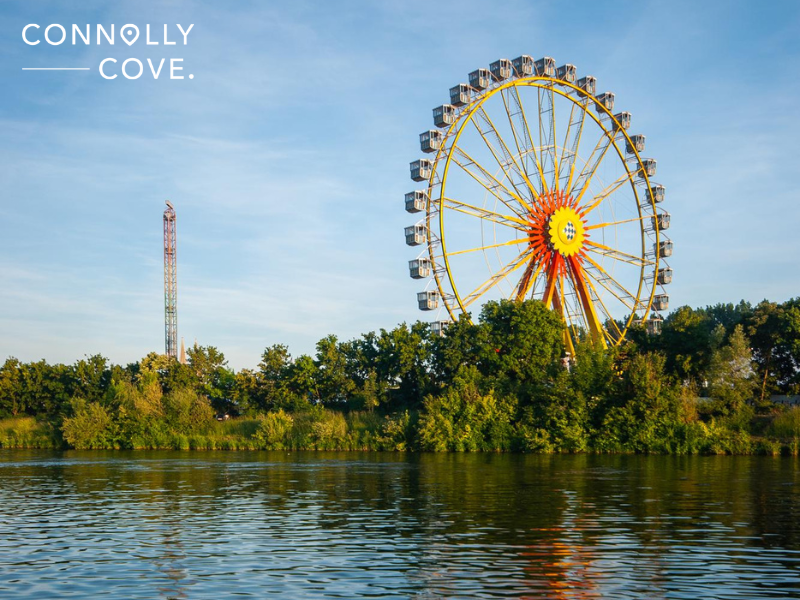
Hyde Park reigns supreme as the city’s green heart, a 350-acre expanse teeming with life. Stroll through Kensington Gardens, home to Peter Pan’s iconic statue and vibrant flowerbeds. Rent a boat on the Serpentine (aptly named!) lake that snakes through the London park, offering serene paddle-powered getaways. Or, unleash your inner orator at Speakers’ Corner, a historic platform where passionate voices have echoed for centuries. For a touch of royalty, explore Kensington Palace, once a residence of Princess Diana, or witness the Changing of the Guard at Buckingham Palace.
Regent’s Park: A Playground for All
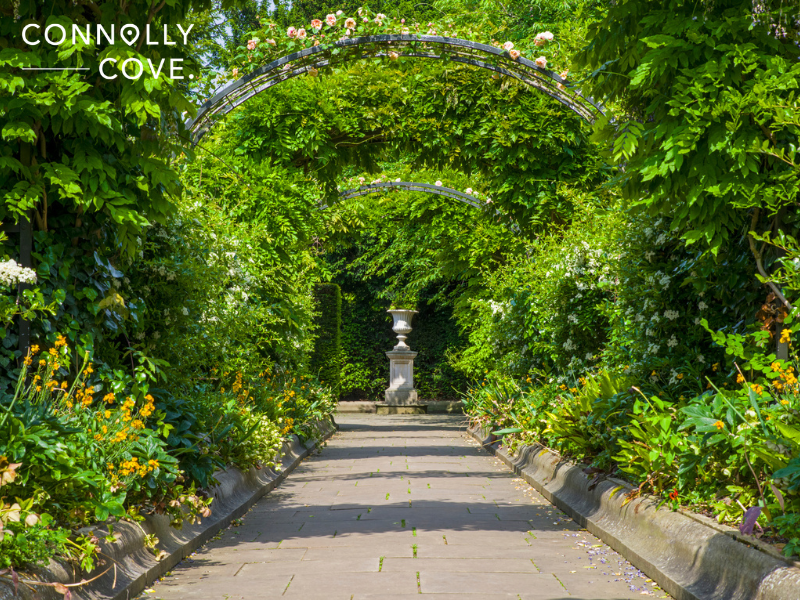
North of Hyde Park lies Regent’s Park, a 410-acre wonderland brimming with activities. Embark on a safari at London Zoo, where exotic creatures roam recreated habitats. Cycle along the Regent’s Canal, a picturesque waterway threading through London’s park, or lose yourself in the tranquil Queen Mary’s Gardens, a riot of colourful blooms. Regent’s also caters to the young at heart with its Diana Princess of Wales Memorial Playground, a whimsical wonderland of slides, climbing frames, and imaginative play.
Richmond Park: A Royal Romp
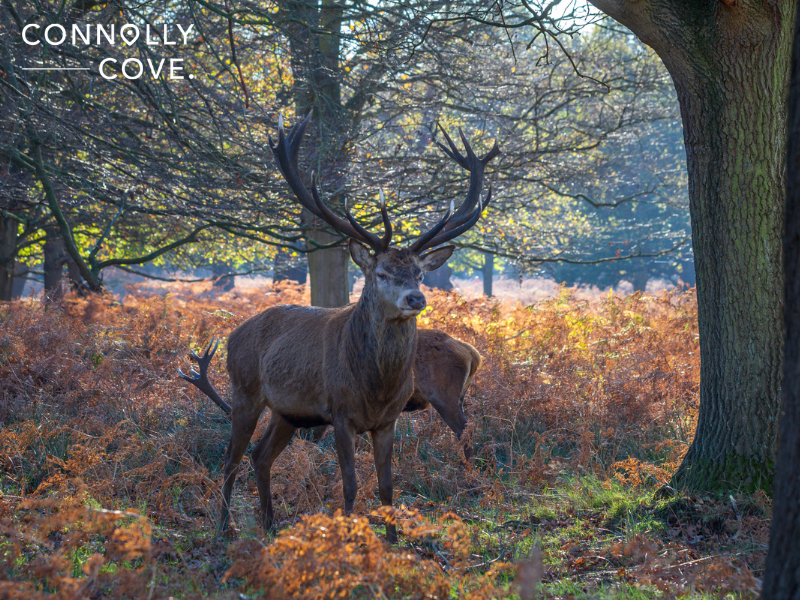
Venture southwest to Richmond Park, a 2,500-acre haven where regal deer roam freely amidst ancient trees. Hike through rolling hills, picnic on sprawling meadows, or rent a bike through the park’s many trails. The 17th-century Pembroke Lodge will enthral history buffs, while those seeking panoramic vistas can climb King Henry’s Mound, offering breathtaking views of the Thames Valley.
Greenwich Park: Maritime Majesty
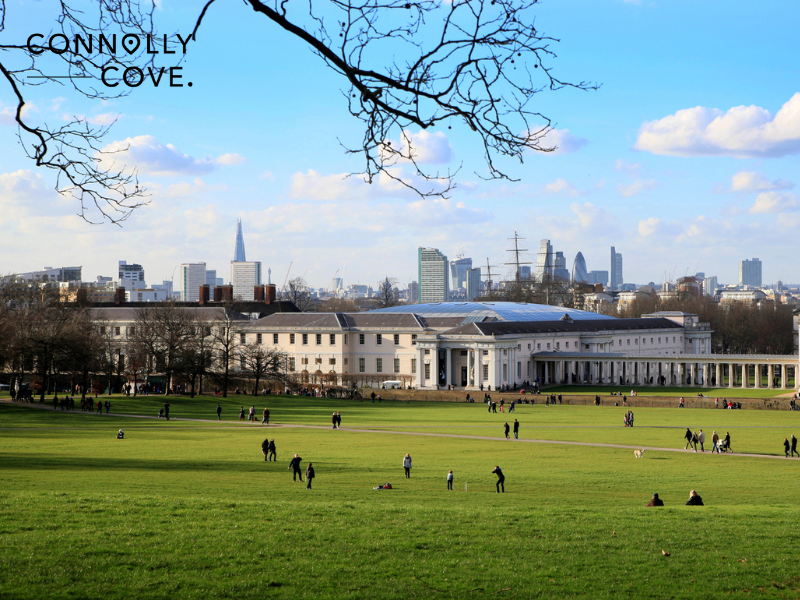
Head east to Greenwich Park, perched atop a hill overlooking the Thames. This 183-acre gem boasts panoramic cityscapes, maritime heritage, and scientific significance. Stand where time is defined at the Royal Observatory, home to the Prime Meridian of the World. Explore the Cutty Sark, a 19th-century tea clipper ship preserved in full glory. For a dose of nature, wander through the London’s park’s verdant groves or pack a picnic and bask in the sunshine near the boating lake.
Hampstead Heath: Urban Wilderness
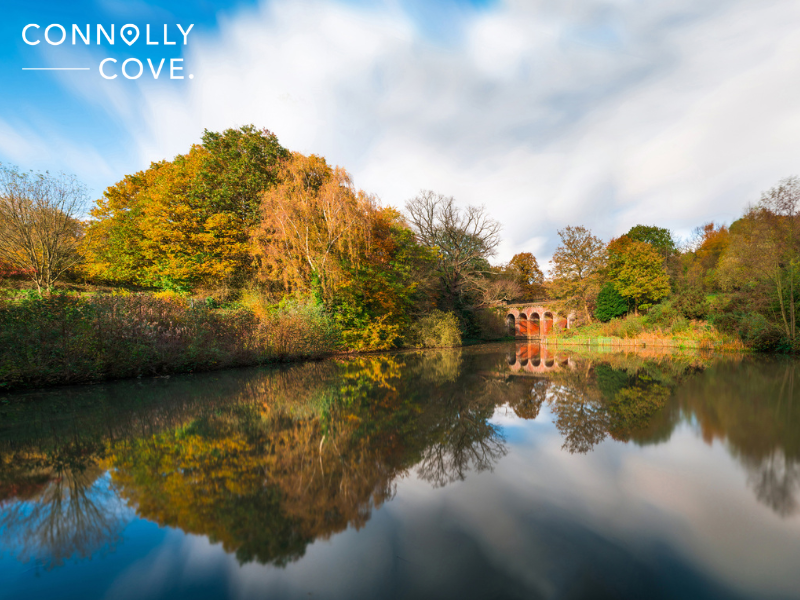
Escape the city’s clamour at Hampstead Heath, an 800-acre expanse of wild beauty in North London. Hike through ancient woodlands, swim in the Heath’s ponds on a warm summer day, or climb Parliament Hill for unparalleled city views. History buffs can delve into Keats’ House, where the Romantic poet once lived, while art enthusiasts can admire the modern sculptures throughout the London park.
James’s Park: Regal Respite
A stone’s throw from Buckingham Palace lies St. James’s Park, a 23-hectare oasis of regal elegance. Watch graceful pelicans glide across the lake, take a leisurely stroll under the shade of trees, or grab a coffee at the picturesque Duck Island Cottage. In spring, witness a riot of colour in the Queen’s Garden, a haven of meticulously maintained blooms.
Battersea Park: Modern Metamorphosis
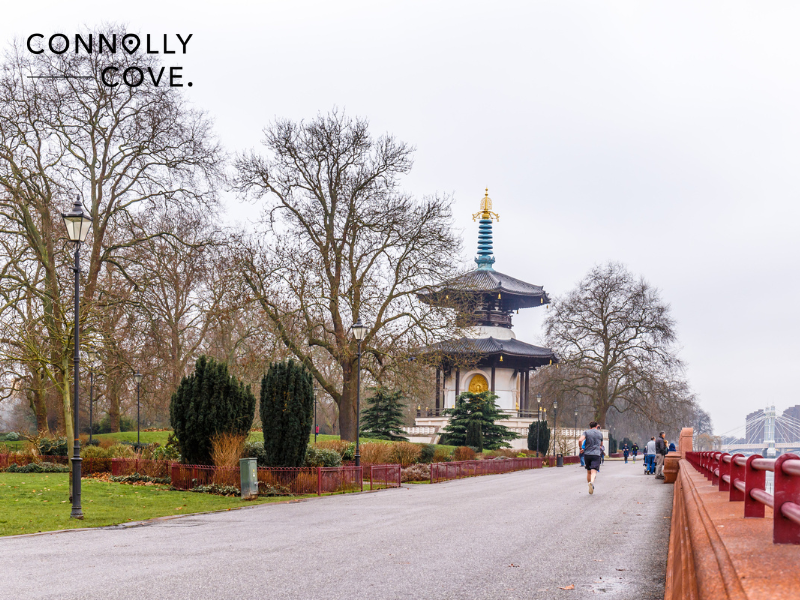
South of the Thames, Battersea Park has undergone a remarkable transformation. This 84-hectare London park now boasts tranquil Peace Gardens, perfect for quiet contemplation. Children will squeal with delight at the playground’s imaginative structures, while the modern Battersea Park Amphitheatre hosts open-air concerts and other events throughout the year.
Victoria Park: East London’s Gem
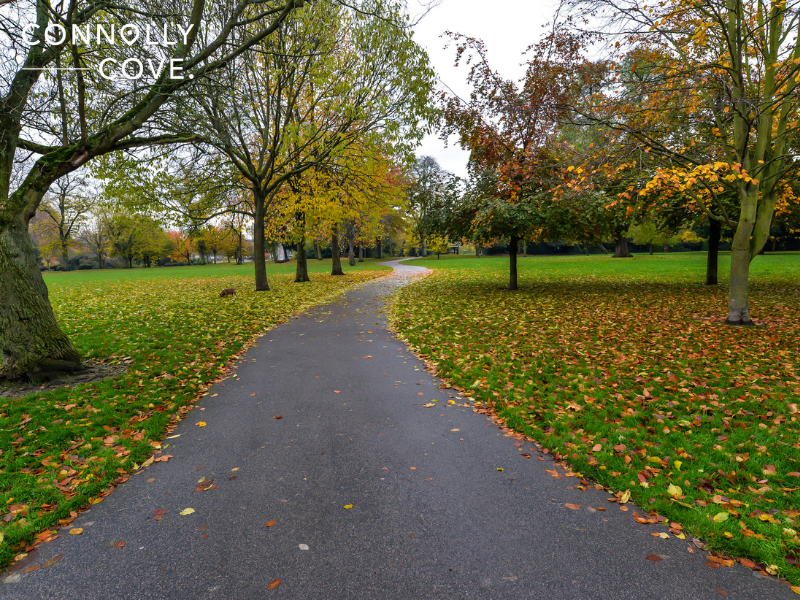
Victoria Park, fondly nicknamed “Vicky Park” by locals, is a 90-hectare haven in East London. Rent a pedalo, explore the Boating Lake, wander through the tranquil Chinese and Dutch gardens, or soak up the vibrant atmosphere at the Sunday flea market. In summer, the park in London comes alive with open-air theatre performances and music festivals, making it a true community hub.
Kensington Gardens: A Fairytale Interlude
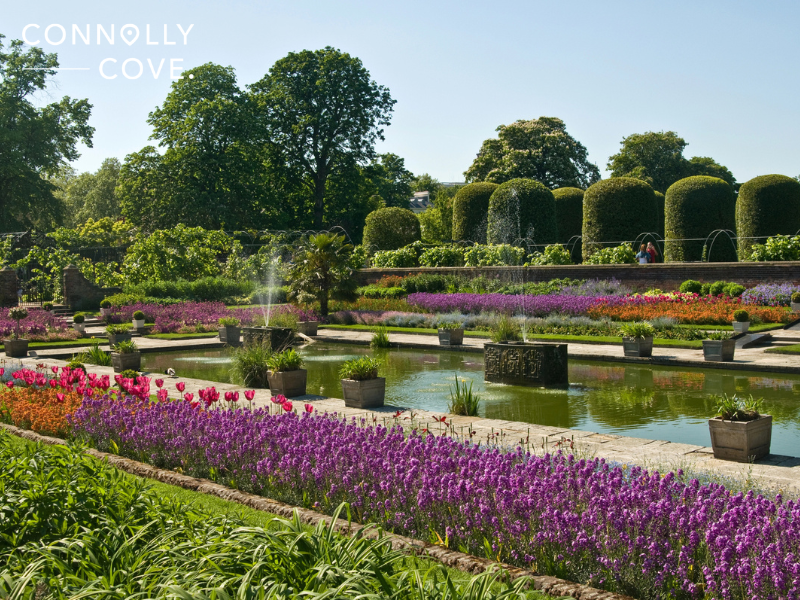
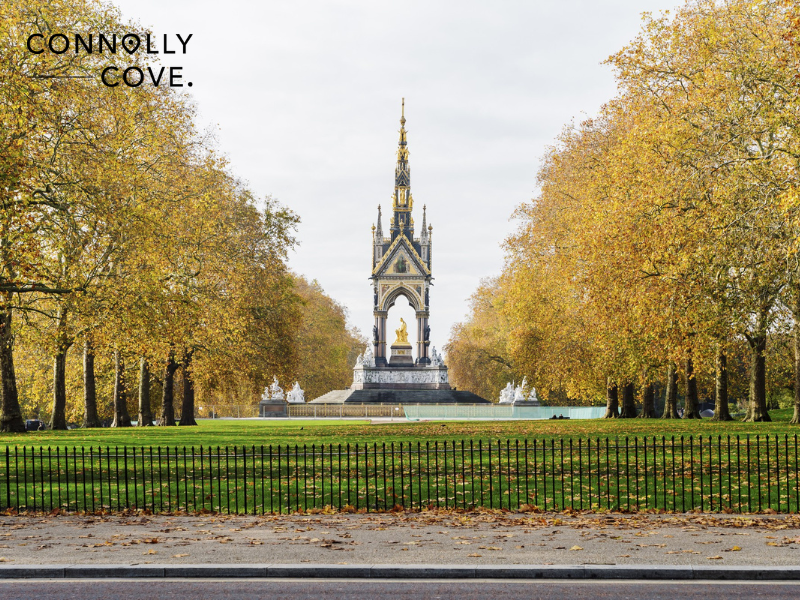
Stepping into Kensington Gardens, nestled within Hyde Park, feels like entering a fairytale. Home to Peter Pan’s iconic statue, frozen forever in bronze as he takes flight, the gardens evoke a sense of whimsical wonder. Follow the winding paths through colourful flowerbeds, admire the ornate Victorian-era Albert Memorial, or explore the Diana Princess of Wales Memorial Playground, a wonderland designed to spark children’s imaginations. For a touch of history, visit Kensington Palace, where Princess Diana once resided, or delve into the Orangery, a 17th-century glasshouse housing exotic plants.
Brockwell Park: A South London Gem
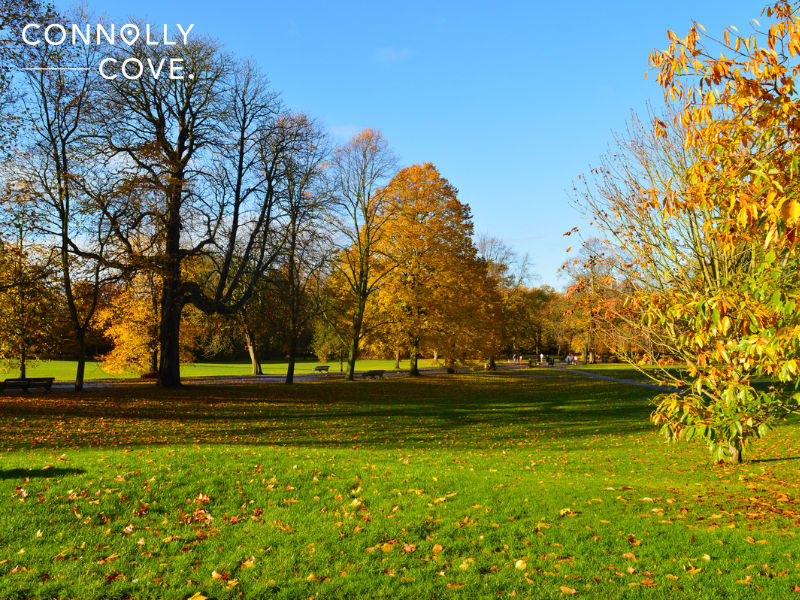
A 50.8-hectare hidden gem amidst London’s park crown jewels is nestled south of the vibrant Brixton, Brockwell Park. It’s a verdant haven offering a delightful mix of open meadows, ancient trees, a charming “Old English” flower garden, and even a network of ponds. Visit Brockwell Lido, a beloved Art Deco-style pool that has been a local landmark since 1937. For active folks, you can wander through Galton Lodge, use the park’s tennis courts, or ride your bike on the BMX trails.
Beyond the Beaten Path: London’s Hidden Park Gems
While Hyde Park and Regent’s Park bask in the limelight, London harbours a secret network of green oases tucked away from the tourist trail. These hidden gems offer escapes from the bustling city, each whispering its unique story and brimming with charm. Ditch the crowds and embark on a verdant adventure to discover:
Greenwich Peninsula
This 86-hectare park is a modern marvel, a phoenix rising from industrial ashes. Stroll along the riverside paths, marvel at striking sculptures like Antony Gormley’s “Quantum Cloud,” or ascend The O2 for breathtaking city vistas. Explore the Ecology Park, a testament to sustainable urban design, and discover rare wetland habitats just minutes from the bustling city centre.
Eltham Palace and Gardens
Step back to this moated medieval palace, once a royal residence. The expansive gardens unfold like a fairytale, with formal lawns, a serene herb garden, and a wildflower meadow buzzing with life. Pack a picnic and lose yourself in the tranquillity of this hidden gem, imagining Tudor feasts and courtly intrigue.
Battersea Reach
Across the river from Battersea Park lies a secret sanctuary. With riverside walks, wildflower meadows, and a charming bandstand hosting seasonal concerts, this 22-hectare park offers a haven for peace and quiet. Take a yoga class on the lawns, enjoy a leisurely brunch at the café overlooking the river, or simply soak up the serenity away from the city’s clamour.
Holland Park
Nestled in Kensington, this 54-hectare park is a haven for art lovers. Immerse yourself in the tranquil Kyoto Garden, a pocket of zen inspired by traditional Japanese landscaping. Explore the Leighton House Museum, a treasure trove of Victorian art housed in a stunningly ornate villa. Or, discover hidden sculptures scattered throughout the park, adding a touch of whimsy to your green wanderings.
Postman’s Park
Nestled near St. Paul’s Cathedral, this 0.5-hectare park is a pocket of history. Discover the “Memorial to Heroic Self-Sacrifice,” a poignant tribute to ordinary people who risked their lives for others. Relax by the serene fountain, soak up the sun on the manicured lawns, and enjoy the hidden gem tucked away in the city’s heart.
Regent’s Canal Limehouse Basin
Venture east to discover this hidden gem on the Regent’s Canal. Watch narrowboats glide through the water, browse the quirky shops and cafes lining the waterfront, or take a leisurely stroll along the towpath, enjoying the area’s vibrant street art and industrial heritage.
Wandle Meadow Nature Park
Escape the city’s hum in this 43-hectare oasis in Earlsfield. Follow the meandering Wandle River, spot diverse birdlife in the reedbeds, or simply admire the wildflowers and butterflies fluttering amongst the wild grasses. This hidden gem offers fresh air and a connection to nature within the urban sprawl.
So, whether you seek peaceful solitude, artistic inspiration, or a glimpse into London’s past, venture beyond the familiar and discover the hidden gems in the city’s concrete jungle. Let the parks whisper their stories, reconnect with nature, and find your secret sanctuary in the heart of London.
Your Guide to a Grand Ol’ Time in London’s Parks

London’s parks are more than just green escapes – they’re vibrant playgrounds for adventure, relaxation, and connection. Whether you’re a seasoned picnic pro or a park newbie, here are some tips to unlock a truly grand time:
Plan Your Playground
- Match your mood: Craving tranquillity? Seek out hidden gems like Greenwich Peninsula’s Ecology Park or Holland Park’s Kyoto Garden. Feeling energetic? Battersea Park’s sports facilities or Richmond Park’s deer-dotted hills await.
- Season Savvy: Spring paints parks in floral glory, perfect for strolls and picnics. Summer brings open-air theatre, festivals, and lively vibes. Autumn’s golden hues ignite romance, while winter cloaks park in a calm, magical beauty.
- Pack like a pro: Sunscreen, raingear, water bottles, comfy shoes, and a blanket are essentials. Consider frisbees, picnic baskets, books, or games for extra fun.
Embrace the Experience
- Picnic paradise: London’s parks are made for alfresco feasts. Gather some delicious treats, grab a blanket, and find your perfect spot – under a shady tree or overlooking a shimmering lake.
- Cultural immersion: London’s parks are cultural hubs, from open-air theatre in Regent’s Park to art exhibitions in Battersea Park. Check event listings and let the arts surprise you.
- History whispers: From Buckingham Palace’s serene St. James’s Park to Greenwich Park’s Royal Observatory, many parks hold whispers of the past. Explore, learn, and be swept away by London’s rich history.
- Four-legged friends welcome: Whether you bring your furry companion or enjoy canine capers, many parks are havens for dog lovers. Respect leash rules and clean up after your pooch.
Hidden Gems Await
- Venture beyond the tourist trail: Escape the crowds and discover the charm of hidden gems like Eltham Palace and Gardens, Postman’s Park, or the Wandle Meadow Nature Park.
- Embrace the unexpected: Watch for quirky statues, hidden gardens, or impromptu music performances. You never know what you might stumble upon!
- Local knowledge is gold: Chat with park regulars for insider tips on the best picnic spots, hidden trails, or upcoming events.
Top Things to Remember
- Respect the green: Don’t litter, pick up after yourself, and follow park rules to keep these green havens beautiful for everyone.
- Mind your manners: Be considerate of other park users, keep noise levels down, and share the space courteously.
- Disconnect to reconnect: Put your phone away for a while. Immerse yourself in nature, the sights, and sounds of the park, and reconnect with yourself and those around you.
London’s parks are more than just green spaces; they are vibrant arteries pumping life into the city, weaving threads of history, artistry, and adventure for all to weave into their tapestries. They offer sanctuaries for the soul, playgrounds for the imagination, and canvases for creating memories long after sunset.
So, whether you’re a seasoned Londoner or a curious visitor, embrace the invitation of these verdant jewels. Pack your curiosity, lace up your shoes, and step into the storybook that unfolds within each park. With every path you wander, every hidden corner you discover, remember: London’s parks are yours to explore, conquer, and cherish.
FAQs
Which parks are good for families with children?
Battersea Park (children’s playground), Victoria Park (playgrounds, boating lake), Holland Park (adventure playground), Kensington Gardens (Diana Princess of Wales Memorial Playground).
Are there any free parks in London?
All of London’s Royal Parks are free to enter, including Hyde Park, Regent’s Park, St. James’s Park, Greenwich Park, Kensington Gardens, and Richmond Park. Many other parks in London are also free, like Hampstead Heath, Victoria Park, and Battersea Park.
What are the park opening hours?
Most London parks are open from dawn until dusk, but some areas within may have specific opening hours. Check the park’s website or signage for details.
Do I need to bring my own food and drink to the park?
You can bring your own food and drink to most London parks, but there are also cafes and kiosks in many parks if you prefer to buy something.
Are the parks accessible for people with disabilities?
Many London parks have good accessibility features, including ramps, accessible toilets, and paved paths. Some parks even offer mobility scooters for hire. Check the park’s website for specific information.

The Impact of Scottish Warriors on History: Exploring Scotland’s Heroes and Villains
Culture Exploration
28/04/2024

Exploring the Myth of the Celtic Symbol for New Beginnings
Culture Exploration
28/04/2024

Kenya Tourism Statistics: An Increase in International Tourist Arrivals
Travel Statistics
28/04/2024

Albert Memorial – London Attractions
England
28/04/2024

Cuffs Bar and Grill: The Jewel of Crumlin Gaol
Food and Cuisine
28/04/2024