


Unforgettable Adventures Await: Your Guide to Glasgow Day Tours ️
Updated On: April 25, 2024 by  Salma Ihab
Forget the tedious planning and potential tourist traps. With a captivating Glasgow day tour, you’ll unlock the city’s secrets like a local, letting expert guides whisk you away on journeys brimming with intrigue and wonder. Whether you’re a history buff yearning to explore medieval castles, a nature lover longing for dramatic landscapes, or a foodie craving the essence of Scotland’s diverse culinary scene, a day tour awaits to ignite your passions.
Picture this: cobblestone streets echoing with history, vibrant pubs humming with Celtic melodies, and majestic lochs reflecting the Scottish sky. You’re not dreaming, adventurer – you’re just a day trip away from Glasgow, a city where history, nature, and vibrant culture collide in a whirlwind of unforgettable experiences.
So, ditch the guidebooks and pack your sense of adventure – Glasgow’s ready to captivate you, one captivating day trip at a time. Are you ready to answer its call?
Dive Deep into Glasgow’s Charm: Unveiling a World of Glasgow Day Tour Options
Glasgow isn’t just a city – it’s a tapestry woven with threads of history, breathtaking landscapes, and vibrant culture. But where do you begin to unravel its wonders?
Worry not, adventurer, for many day tours await, each promising a unique journey tailored to your desires.
So, before you embark, let’s delve into the diverse tapestry of tours available, ensuring your Glasgow day trip becomes an unforgettable masterpiece.
Step Back in Time with Historical Tours
Imagine Glasgow’s rich past with tours that whisper tales of medieval knights, Victorian ghosts, and architectural marvels. Explore the soaring Gothic arches of Glasgow Cathedral, marvel at the Victorian splendour of Kelvingrove Park, or wander through the eerie beauty of The Necropolis, where ornate sculptures guard the final resting place of Glasgow’s legendary figures.
Imagine the clang of blacksmith hammers echoing through the medieval alleyways of The Tolbooth, or feel the weight of history as you stand beneath the imposing walls of Stirling Castle, once a pivotal fortress in Scotland’s fight for independence.
These tours aren’t just about facts and figures; they’re about transporting you to another era, allowing you to experience the city’s evolution firsthand.
Uncork the Secrets of Glasgow’s Whisky World
For the discerning palate, Glasgow offers a treasure trove of liquid gold waiting to be discovered. Embark on a whisky tour and delve into the city’s vibrant distilling heritage, dating back centuries.
Explore the iconic Clydeside Distillery, housed in a former sugar refinery, or venture further afield to the picturesque Glengoyne Distillery, nestled in the rolling hills of the Scottish Highlands.
Learn the delicate art of whisky making, from malting barley to cask ageing, and indulge in sensory tastings that will tantalise your palate.
Whether you’re a seasoned connoisseur or simply curious about Scotland’s national drink, these tours promise an unforgettable journey into the heart of whisky culture.
Embrace the Majesty of Loch Lomond & The Trossachs
Escape the urban bustle and lose yourself in the breathtaking beauty of Loch Lomond & The Trossachs National Park. Glide across the shimmering waters of Loch Lomond on a scenic boat trip, absorbing the panoramic views of towering mountains and verdant forests.
Explore charming villages like Luss, where quaint cottages line the water’s edge, and soak in the serenity of the Rob Roy Way, a historic trail steeped in folklore and legend. Climb the majestic Ben Lomond, Scotland’s most southerly Munro, for a truly unforgettable challenge, or simply relax on the shores of Loch Katrine, the inspiration for Sir Walter Scott’s “Lady of the Lake”.
These tours offer a refreshing escape into nature’s embrace, promising rejuvenation and awe-inspiring landscapes.
Walk in the Footsteps of Outlander
For fans of the hit TV series Outlander, Glasgow unlocks a portal to another world. Follow in the footsteps of Claire Fraser and Jamie Randall with themed tours that visit iconic filming locations like Doune Castle, the fictional Castle Leoch, and Falkland Palace, transformed into the bustling 18th-century Inverness.
Imagine yourself amidst epic battles, clandestine meetings, and romantic encounters as you explore these historically significant sites.
These tours cater to the passionate Outlander fan. They offer a unique blend of historical facts, fictional storytelling, and behind-the-scenes insights, making you feel like you’ve stepped straight into the show itself.
Savour the Flavors of Glasgow with Food & Drink Tours
Glasgow’s vibrant culinary scene offers an array of delights to entice even the most discerning foodie. Dive into the heart of the West End, known for its trendy cafes and independent breweries, or explore the historic Merchant City, brimming with traditional pubs and award-winning restaurants.
Sample local delicacies like haggis and neeps, indulge in mouthwatering fresh seafood or discover hidden gems offering innovative culinary creations. With knowledgeable guides leading the way, these tours satisfy your taste buds and offer a fascinating glimpse into Glasgow’s diverse neighbourhoods and unique culinary culture.
Beyond Glasgow’s Heart: Unfurling a World of Day Trip Destinations
While Glasgow overflows with captivating experiences, its surrounding region unfolds even more enchanting possibilities.
Expand your exploration with these popular day trip destinations, each offering a unique glimpse into Scotland’s rich tapestry:
Stirling Castle & The National Wallace Monument
For history buffs, a journey to Stirling is a must. Witness the imposing grandeur of Stirling Castle, perched atop a volcanic crag and boasting a legacy of pivotal battles and royal intrigue.
Explore its grand halls, witness medieval jousting tournaments (re-enactments), and stand where Bravehearts like William Wallace and Robert the Bruce once strategised. Ascend the iconic National Wallace Monument, a towering tribute to the Scottish hero, and soak in panoramic views that stretch across the rolling hills and fertile plains.
This trip transports you to a time of chivalry, rebellion, and enduring Scottish spirit.
Edinburgh: A Royal & Cultural Feast
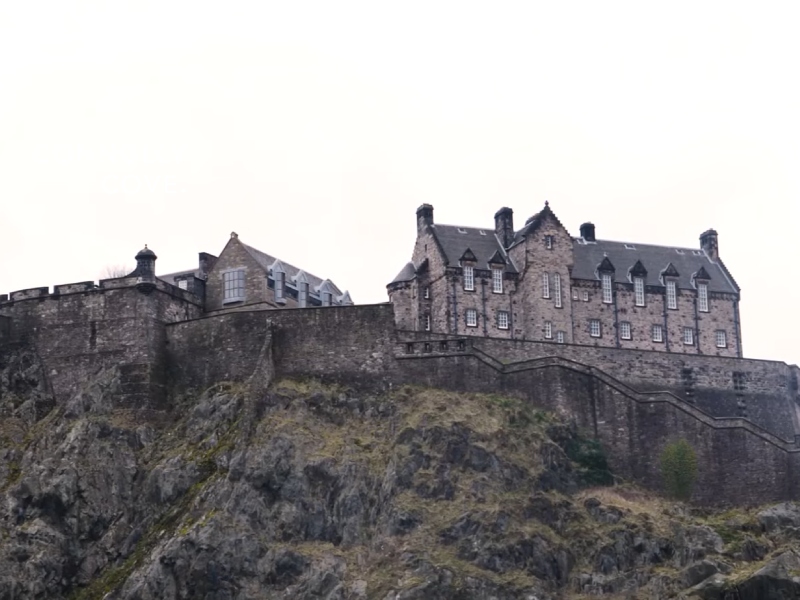
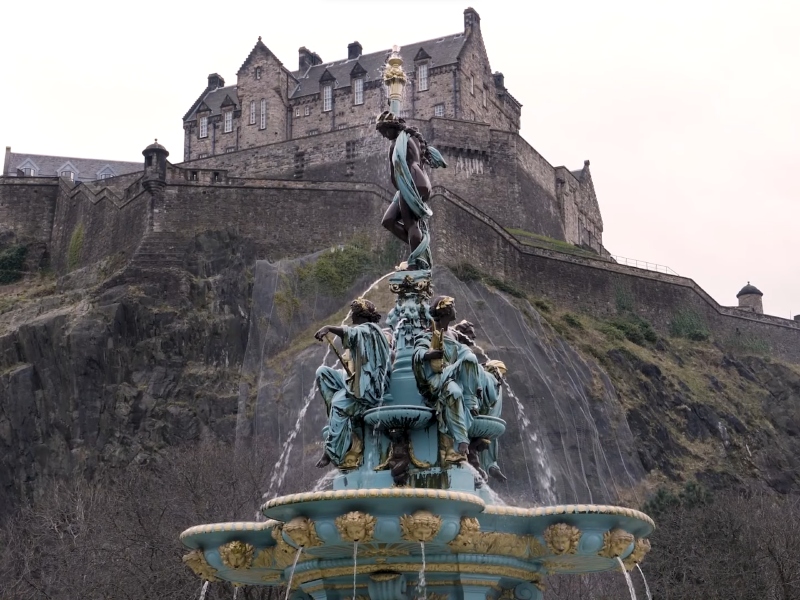
Just one hour away, Scotland’s captivating capital awaits. Immerse yourself in the majestic Edinburgh Castle, perched high on Castle Rock, and delve into its royal history. Stroll down the iconic Royal Mile, a vibrant artery with historical landmarks and charming shops.
Explore the opulent palace of Holyroodhouse, the Queen’s official residence in Scotland, and witness the grandeur of St. Giles’ Cathedral. For a touch of magic, venture into the atmospheric vaults and graveyards, where whispers of Edinburgh’s dark past linger.
This historic and cultural haven offers endless exploration opportunities, leaving you spellbound by its beauty and rich character.
Loch Ness & Glencoe: Mystery & Majesty Beckon
Unravel the legendary mysteries of Loch Ness, said to harbour the elusive monster “Nessie.” Glide across the vast freshwater expanse on a boat tour, keeping your eyes peeled for ripples in the depths.
Immerse yourself in the dramatic landscapes of Glencoe, a majestic valley sculpted by glaciers and steeped in history. Hear tales of clan battles, wander through ancient burial grounds, and stand in awe of the Three Sisters, towering mountains shrouded in mist and legend.
This journey combines natural beauty with a touch of mystery, leaving you captivated by the untamed Scottish Highlands.
Private Day Tours & Excursions from Glasgow Day Tours
As we mentioned in the tours offered in Glasgow, you may have the same trip but private to ensure that you experience everything at your own pace. If you do not like large groups, the private day tour is ideal for you.
Customisable Private Tours of Highlands, Castles, and Whisky Distilleries
For those who want a more personalised experience, Glasgow offers customisable private tours of the Highlands, castles, and whisky distilleries. These private tours allow you to tailor your itinerary based on your interests and preferences.
You can explore the stunning landscapes of the Highlands, visit historic castles like Stirling Castle, and indulge in whisky tastings at renowned distilleries. Whether you’re a solo traveller looking for an immersive adventure or a luxury traveller seeking exclusivity, these private tours cater to all types of travellers.
History buffs can delve into Scotland’s rich heritage while nature lovers can soak in the beauty of the Scottish countryside. With customisable options available, you have the freedom to create your own unique tour experience in Glasgow.
Private Tours for Outlander Fans
As an Outlander fan, you’ll be thrilled that private tours specifically tailored for fans of the popular TV series are available in Glasgow. These tours offer a unique opportunity to visit the filming locations featured in the show and experience the magic firsthand.
You can explore places like Culross, used as the setting for Cranesmuir Village, or Doune Castle, known as Castle Leoch in Outlander. Additionally, you can venture into the beautiful Scottish Highlands and see iconic sites like Loch Ness and Glenfinnan Viaduct, which appear prominently throughout the series.
With these private tours designed exclusively for Outlander enthusiasts, you’ll immerse yourself in the world of Jamie Fraser and Claire Randall while enjoying Scotland’s stunning landscapes at your own pace.
Exclusive Private Tour of Stirling Castle and Bannockburn
The private tour of Stirling Castle and Bannockburn is a genuinely unforgettable experience. It allows you to visit these ancient locations at your own speed, away from the crowd. You may roam through Stirling Castle’s vast halls and imagine what it was like to be royalty in medieval times.
The castle provided stunning views of the surrounding area. Bannockburn, on the other hand, provided a glimpse into Scotland’s legendary fight with English soldiers in 1314.
Personalised Private Whisky Tours With Tastings
These tours are perfect for solo travellers, backpackers, luxury travellers, foodies, history buffs, and nature lovers. On these private tours, you’ll visit some of Scotland’s finest distilleries and learn about the fascinating process of making whisky. You can even customise your tour based on your preferences—whether it’s visiting famous distilleries like Glenfiddich or exploring lesser-known gems off the beaten path.
Not only will you get to see how whisky is made, but you’ll also have the chance to sample different varieties and discover your favourite flavours. The knowledgeable guides will share interesting stories and facts about each whisky, making it a truly immersive experience.
Whisky and History Combo Tour to West Highlands and Oban
You will begin your day by touring a traditional whisky distillery in the West Highlands, where you will learn about the whisky-making process and even sample some wonderful Scotch whisky.
Following that, you will tour the mediaeval town of Oban, renowned as the “Gateway to the Isles,” visiting notable landmarks such as McCaig’s Tower and Dunollie Castle and immersing yourself in its rich history.
The environment during the route is stunning, with steep mountains, gorgeous lochs, and quaint coastal villages. It’s the perfect combination of culture, nature, and, of course, whisky! This trip is a must-do for anyone interested in learning about Scotland’s history and sampling some superb spirits.
Finding Your Perfect Match: Choosing the Right Glasgow Day Tour
With a kaleidoscope of day tours at your fingertips, selecting the ideal one can feel daunting. Fear not, intrepid explorer! With the following tips and considerations, you’ll be well on your way to crafting an unforgettable Scottish adventure:
Embrace Your Inner Voyager
Before embarking on your tour selection voyage, take a moment to chart your course. What ignites your wanderlust? Are you a history buff yearning for tales of yore, a nature enthusiast seeking breathtaking landscapes, or a foodie with a palate ready for culinary adventures? Identifying your interests will guide you towards tours that resonate with your soul.
Time & Budget: Navigating the Compass
Time and budget are crucial factors in shaping your journey. Consider how much time you can dedicate to your day trip and the budget you’ve allocated. Some tours span a few hours, while others offer full-day immersions.
Likewise, prices vary depending on duration, inclusions, and transportation modes. Choose a tour that aligns with your timeframe and financial comfort level to ensure a stress-free exploration.
Group Dynamics: Sailing Solo or Joining the Crew?
Do you envision exploring Glasgow’s hidden gems alongside fellow adventurers, or do you crave a more personalised experience? Both group and private tours offer distinct advantages.
Group tours foster camaraderie and knowledge exchange, often at more budget-friendly rates.
Private tours provide flexibility, cater to your interests, and offer a tailored experience. Weigh the pros and cons of each format to find your perfect fit.
Reading the Itinerary: Decoding the Adventure Map
The tour itinerary is your roadmap to an enriching experience. Scrutinise it carefully, paying attention to the sights visited, duration at each location, inclusions (meals, transportation, entrance fees), and activity level. Ensure the itinerary aligns with your interests and physical capabilities.
Don’t hesitate to contact tour operators with any questions or requests for customisation.
Operator Scrutiny: Setting Sail with Confidence
Choosing a reputable and reliable tour operator is paramount. Research established companies with good online reviews and a proven track record.
Check for accreditation from recognised tourism bodies and inquire about their guides’ qualifications and experience. Confidence in your chosen operator adds peace of mind and enhances overall enjoyment.
Embarking on Your Adventure: Practical Tips for an Unforgettable Day Trip
With your ideal Glasgow day tour chosen, now’s the time to ensure a seamless and enriching experience.
Here are some essential tips to add to your packing list and adventurer’s handbook:
Dress for the Scottish Seasons
Scotland’s weather can be unpredictable, so pack strategically. Layering is key: opt for comfortable clothing you can easily add or remove depending on the weather.
Wear sturdy shoes suitable for walking on uneven terrain, as many tours involve exploring historical sites and scenic landscapes. Bring waterproof gear, even in summer, as rain showers are frequent.
Pack a warm hat, gloves, and a scarf in colder months. Remember, comfort is paramount for a day filled with exploration!
Fuel Your Adventures
Pack snacks and water to keep your energy levels up throughout the day. While many tours include meals, having your provisions ensures you have food options that cater to your dietary preferences and prevent hunger pangs during busy itineraries.
Choose lightweight, easily digestible snacks like protein bars, nuts, and fruits. Staying hydrated is vital, so bring a reusable water bottle and refill it regularly.
Capture the Memories
Remember your camera! Glasgow and its surrounding areas offer breathtaking landscapes, historical landmarks, and unique experiences that deserve to be captured. A fully charged camera and extra batteries will ensure you don’t miss a moment.
Consider packing a portable phone charger, especially if you rely on your phone for photography or navigation. Additionally, comfortable walking shoes will allow you to explore effortlessly without sacrificing precious photo opportunities.
Embrace the Unexpected
Remember, flexibility is key in Scotland. While tours follow set itineraries, unforeseen circumstances like traffic or weather changes can occur.
Keep an open mind and be prepared for minor adjustments. Embrace the unexpected as part of the Scottish adventure; it might lead you to discover hidden gems or unique experiences you wouldn’t have planned for!
Respectful Exploration
Remember to be a responsible and respectful traveller as you embark on your journey. Be mindful of local customs and traditions, dress appropriately when visiting religious sites, and leave no trace in the natural environment.
Adopting a responsible approach’ll preserve Glasgow’s beauty, charm, and surrounding areas for future adventurers.
Conclusion
In conclusion, Glasgow offers a variety of day tours for travellers to explore Scotland’s stunning landscapes, historic sites, and famous movie locations. Whether you’re interested in castles, whisky distilleries, or breathtaking scenery like Loch Lomond and Glencoe, there is a day tour from Glasgow that will suit your interests.
With the flexibility of public transport or guided private tours, visitors can make the most of their time in this vibrant city by embarking on an unforgettable day trip. So grab your camera and get ready to discover the beauty of Scotland with one of these exciting Glasgow day tours!
Take a Look at the Astounding Scenery of County Kerry
County Kerry
27/04/2024
Famous Haunted Houses in Egypt: Spooky Stories for Halloween
Destinations
27/04/2024
St. Paul’s Cathedral – London Attractions
England
27/04/2024

Great Scotland Yard – London Attractions
England
27/04/2024

Bangor Town: The Colorful Open House Festival
Northern Ireland
27/04/2024