


Ballywalter Beach is a long, sandy stretch of shoreline on the eastern side of the Ards Peninsula in County Down, Northern Ireland, and it rewards visitors far more once they know when the tide is right. Set within Ireland’s wider coastline of quiet, lesser-known beaches, Ballywalter offers something the busier Causeway Coast spots often can’t: genuine space, dog-friendly access all year, and a shoreline that feels the same whether you visit in July or January.
This guide covers everything you need before setting off, from tide times and facilities to the village’s Ulster-Scots roots and its 19th-century maritime past. You’ll also find practical details on the rock pools, the winter birdlife, and how to fold Ballywalter into a wider day trip around the Ards Peninsula, alongside Strangford Lough and nearby Portaferry.
ConnollyCove has covered this stretch of County Down coastline extensively, and Ballywalter consistently stands out as one of the peninsula’s most underrated stops. Whether you’re planning a family beach day, a quiet winter walk, or a longer Ards Peninsula itinerary, this guide sets out exactly what to expect and when to go.
Table of Contents
Why Ballywalter Beach Is Worth the Detour


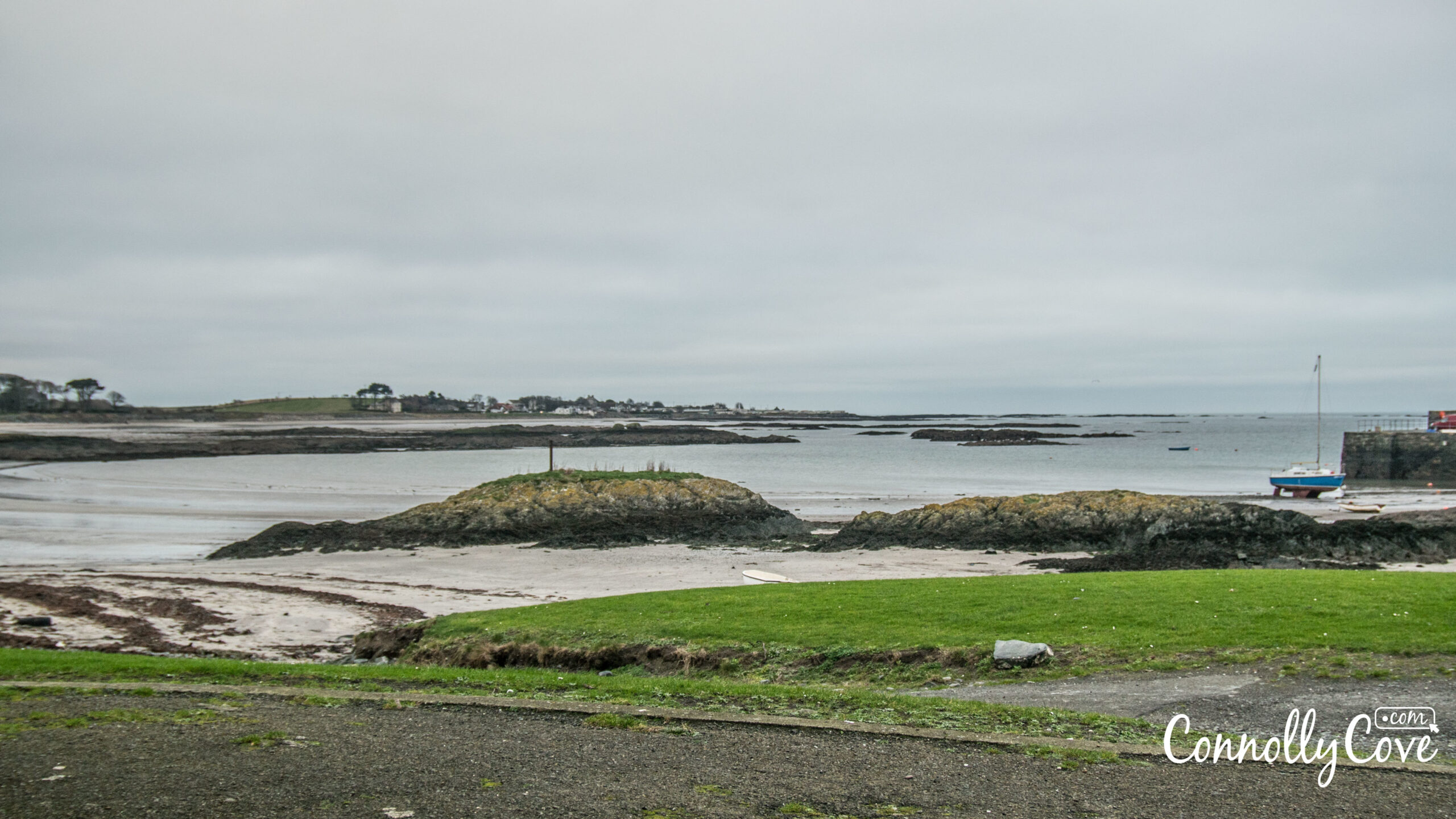
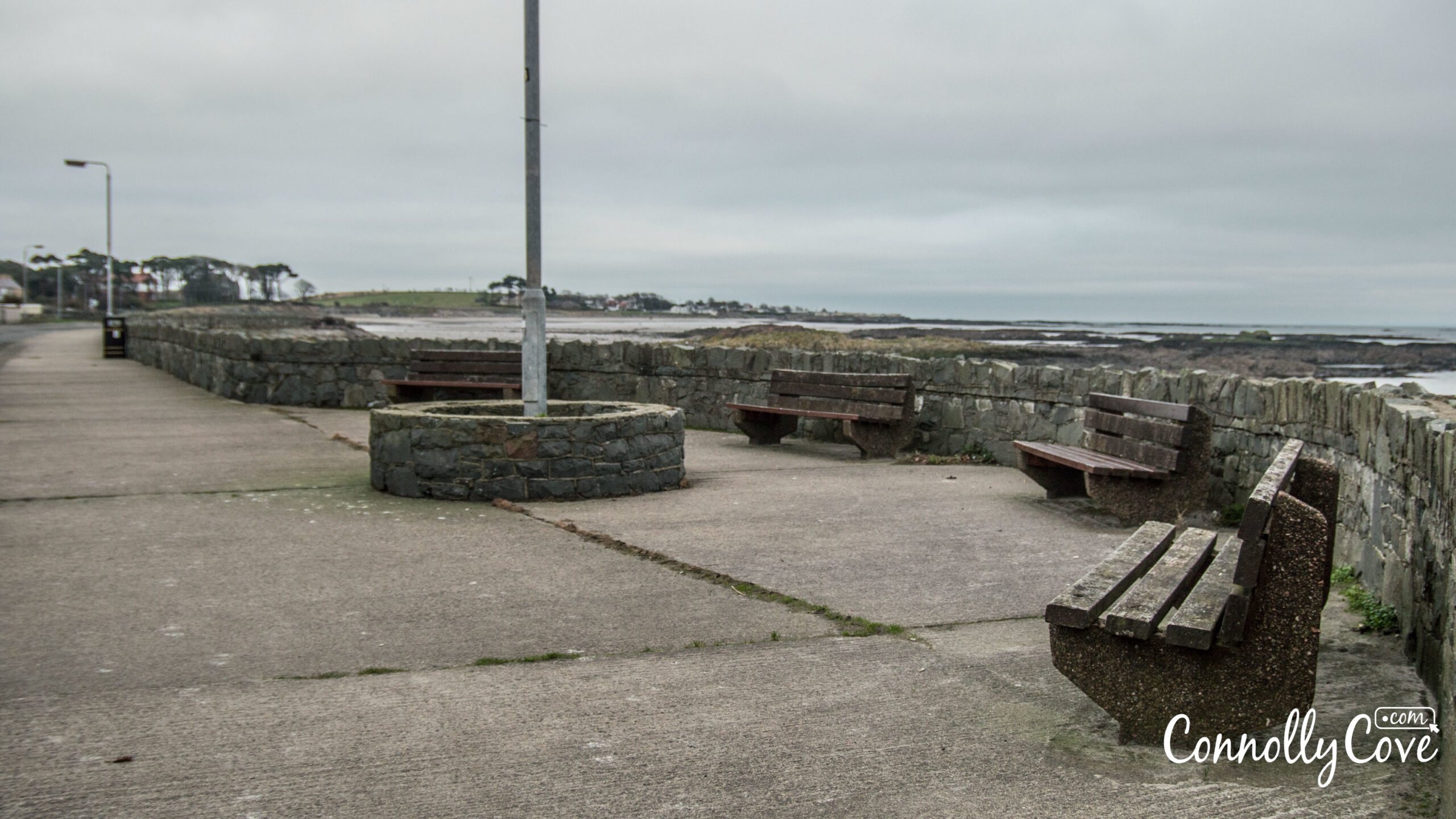


Ballywalter Beach is a long, level stretch of sand on the eastern shore of the Ards Peninsula in County Down, Northern Ireland, and it rewards visitors who check the tide before they arrive. Unlike the Causeway Coast’s cliffs and basalt columns, Ballywalter’s appeal is quieter: space, birdlife, and a beach that rarely feels crowded even in July. Ireland’s east coast beaches tend to sit in the shadow of their more photogenic Atlantic cousins, and Ballywalter is a clear example of a spot that deserves more attention than it gets.
ConnollyCove is an Ireland-based travel and culture platform that has extensively covered the Ards Peninsula’s coastline, including nearby Portaferry and the shores of Strangford Lough. Set against the rest of Northern Ireland’s beaches, from Downhill Beach beneath Mussenden Temple to Helen’s Bay on the North Down coast, Ballywalter stands out for being genuinely dog-friendly year-round and almost entirely free of the queues that build up at better-known spots. If you want the wider picture of the region’s coastline first, our guide to the best beaches in Northern Ireland is a useful starting point.
The beach connects directly to the small village of Ballywalter, which means practical amenities such as toilets, parking and a playground sit only a short walk from the sand. This combination of accessibility and quiet makes it a strong option for families, dog walkers, and anyone who wants a beach day without the logistics of the north coast’s busier car parks.
Essential Visitor Information
Before you plan a visit, the facts that matter most are straightforward: Ballywalter is dog-friendly all year, has no lifeguard cover, and holds a Good bathing water classification. Everything else builds on those three points.
Getting There and Parking
Ballywalter sits around 40 minutes from Belfast by car, reached via the A20 coast road through Newtownards and Greyabbey, or via the more direct route through the peninsula’s interior. Public transport options exist through Ulsterbus services connecting Belfast to the Ards Peninsula villages, though a car gives you far more flexibility for combining the beach with nearby stops. Parking at Ballywalter is free, with car parking and disabled parking bays available close to the beach itself.
Facilities and Accessibility
The beach offers public toilets, a small playground, and disabled parking bays, and the shore is accessible year-round. Facilities in the village extend to a cafe or restaurant, a shop, and a pub within easy walking distance of the sand, which is more than many Ards Peninsula beaches can offer. There is no lifeguard service at Ballywalter, so swimmers should treat it the way they would any unsupervised Irish Sea beach and pay attention to conditions before entering the water.
Water Quality and Safety
Ballywalter’s bathing water currently carries a Good classification under Northern Ireland’s official monitoring programme. Since there is no lifeguard on duty, families with young swimmers should stick to the rock pools at low tide, which offer children a safe, contained way to explore marine life without confronting open water. For the latest sampling results before you travel, DAERA’s official bathing water quality information is the most reliable source, since classifications can shift from year to year.
Planning Your Visit: Tides, Seasons and the Long Sand
Ballywalter’s defining feature is what locals call the Long Sand, a wide expanse of level beach that reveals itself fully only when the tide drops. Arrive at high tide, and you will find a fraction of the available space; arrive two or three hours either side of low tide and the beach opens out considerably, giving walkers, families and dog owners far more room to spread out.
Tide times shift throughout the month, so it is worth checking a live UK tide table for Ballywalter or the wider Ards coast before setting off, particularly if you are travelling any distance to get there. The rock pools that make the beach popular with families are also most accessible at low tide, when the water recedes enough to expose the pools without submerging them entirely.
Current Conditions and Seasonal Patterns
Summer remains the most popular season at Ballywalter, and June through August offer the longest daylight hours for a full day on the sand. Spring and autumn bring quieter visits with milder crowds, while winter transforms the beach into one of the best birdwatching spots on the Ards coast. The beach attracts over-wintering species, including Ring Plover, Manx Shearwater, Golden Plover and Turnstone, between roughly October and March, giving Ballywalter a genuine reason to visit outside the summer months. Whatever the season, Northern Ireland’s coastal weather changes quickly, so pack layers regardless of the forecast and check conditions on the morning of your visit rather than relying on a forecast from several days out.
The Cultural Heart of Ballywalter: History and Heritage
Ballywalter’s history runs deeper than its beach, stretching from Neolithic settlement evidence through to a 19th-century industrial past that still leaves physical traces along the shore. Understanding this context turns a simple beach visit into a fuller sense of the Ards Peninsula’s story.
Ballywalter Park and the Mulholland Family
Ballywalter Park, the grand estate near the village, has shaped the area’s landscape and economy since the 19th century. The Lime Kiln visible from the raised area near the beach is believed to date to around 1851 CE, and it is thought to have supplied mortar for the construction of the long demesne wall around Ballywalter Park. At the time, lime was imported into the village on small sailing ships, possibly from the Dundalk area, which suggests how closely this stretch of coast once connected to wider maritime trade routes around the Irish Sea.
Ulster-Scots Roots on the Peninsula
The Ards Peninsula sits within one of Northern Ireland’s historically strongest Ulster-Scots areas, a legacy of Scottish Presbyterian settlement that shaped local place names, farming patterns and speech. Travellers with an interest in this side of Northern Ireland’s identity, distinct from the Gaelic and Celtic traditions covered across ConnollyCove’s guide to Irish culture, will find the Ards Peninsula a useful place to explore it firsthand, from local dialect words to the region’s Presbyterian meeting houses.
“When we first started documenting the Ards Peninsula, what struck us was how the Ulster-Scots and Gaelic threads sit side by side here rather than in separate boxes. Ballywalter’s own name carries that layered history, and you can feel it in the village itself once you know to look for it.” Ciaran Connolly, Founder of ConnollyCove
Maritime History and the Irish Sea
Ballywalter’s relationship with the sea goes beyond the lime trade. Small sailing ships once used the harbour to bring goods in and out of the village, part of a wider pattern of maritime trade that connected communities right along the County Down coast. Irish seanfhocail, the traditional proverbs covered in ConnollyCove’s guide to Irish proverbs, often draw on the sea and the weather for their wisdom, and standing on the Long Sand on a changeable Irish Sea day, it is easy to see why coastal communities built so much of their language around water.
Best Things to Do at Ballywalter Beach
Ballywalter rewards a slow visit more than a rushed one, and its main appeal lies in simple, low-key activities rather than organised attractions.
Walking and Swimming
The beach is ideal for long walks, whether along the open sand at low tide or the raised area near the Lime Kilns for views across the Irish Sea. Swimming is possible, and the water quality is officially Good, though the absence of a lifeguard means confident swimmers should stay close to shore and keep an eye on conditions.
Family Time and Rock Pools
Families will find the rock pools among Ballywalter’s strongest draws, offering children a safe, shallow environment to spot crabs and small fish without venturing into open water. The small playground nearby extends the visit for younger children who want a break from the sand, and the beach’s flat, level surface makes pushchairs and buggies far easier to manage than on some of Northern Ireland’s rockier shorelines.
Dog Walking
Ballywalter is dog-friendly year-round, which sets it apart from beaches that restrict dogs during the busy summer season. This makes it a genuinely useful option for anyone travelling with a dog who still wants a proper beach walk, comparable in that respect to Helen’s Bay Beach further up the coast.
Winter Birdwatching
Ballywalter’s reputation among birdwatchers is well earned. The beach hosts overwintering species, including Ring Plover, Manx Shearwater, Golden Plover, and Turnstone, making the colder months a rewarding time to visit for anyone with an interest in coastal birdlife. Bring binoculars and allow time to walk the full stretch of the Long Sand, since birds tend to gather where the sand meets the rockier ground near the Lime Kilns.
Beyond the Sand: The Village and the Wider Ards Peninsula
A trip to Ballywalter works best as part of a wider day exploring the Ards Peninsula rather than a single stop. The village itself has a shop, a pub, and a cafe or restaurant within easy walking distance of the beach, giving visitors somewhere to warm up after a walk along the sand.
For a fuller day out, Strangford Lough sits on the western side of the peninsula and offers a completely different coastal character, with sheltered waters, seal colonies and Viking history in place of the Irish Sea’s open swell. Portaferry, at the tip of the peninsula, adds a historic castle and the Exploris Aquarium to the mix, while Castle Ward gives Game of Thrones fans and history lovers alike a National Trust estate to explore on the same trip. If you want the full spread of options across the county, ConnollyCove’s guide to things to do in County Down covers the peninsula alongside Strangford and Downpatrick.
Couples looking to build Ballywalter into a longer weekend might also enjoy pairing it with ConnollyCove’s Belfast date ideas or the wider list of romantic things to do in Northern Ireland, both of which cover experiences within easy reach of the Ards coast. For those drawn to folklore as much as scenery, Irish coastal tradition is full of stories about the sea, from selkies to the legendary creatures of Celtic mythology, and walking a quiet stretch of shore like Ballywalter’s is exactly the kind of place those stories were first told. Anyone tracing family roots along this coast, or simply drawn to older Irish landscape traditions, might also enjoy ConnollyCove’s guide to Ireland’s fairy trees, a tradition that survives in hedgerows across the country, including this part of County Down.
The Coastal Path Toward Millisle
Walkers who want more than a there-and-back stroll can pick up the coastal path north toward Millisle, a route that takes in open shoreline and farmland views across the peninsula. It is not a demanding walk, and it gives a good sense of how the Ards coastline changes character over just a few miles, from Ballywalter’s Long Sand to Millisle’s own beach.
Photography at Ballywalter: Chasing the Sunrise
Ballywalter faces east across the Irish Sea, which makes it one of the better sunrise spots on the Ards Peninsula, a detail almost none of the existing beach listings for this stretch of coast mention. Arrive 30 to 45 minutes before sunrise and the Long Sand offers a wide, uncluttered foreground with nothing but sea and sky ahead of you.
Best Spots and Timing
The raised ground near the Lime Kilns gives the strongest vantage point, since it lifts you slightly above the beach and lets you frame the sand, the water and the horizon together. At low tide, wet sand along the shoreline reflects the early light, which is worth building into your timing alongside the tide tables mentioned earlier in this guide. Golden hour light lasts longer here in the summer months, giving a wider window to work with than you would get in winter.
What to Bring
A tripod is genuinely useful for low-light shots before the sun clears the horizon, and a lens cloth is worth packing given how quickly sea spray can mist up a lens on a breezy morning. Photographers chasing wildlife alongside the sunrise should also read the winter birdwatching notes above, since the same early hours that suit photography also suit spotting Ballywalter’s over-wintering birds before the beach gets busier later in the day.
Horse Riding and Local Etiquette
Ballywalter permits horse riding on the sand, but visitors bringing horses should check current local bylaws before setting off, since permitted times and areas can change by season. The council responsible for the beach publishes seasonal guidance covering when riding is allowed and where riders should avoid, particularly around the busiest summer weeks when families and dog walkers are also on the sand in greater numbers.
Sharing the beach well comes down to a few simple habits. Riders should give rock pools and the shallow water a wide berth, since that is where families with children tend to gather, and dog owners should keep dogs under close control near horses, birds and other beach users at any time of year. None of this is complicated, but it is worth knowing before you arrive rather than working it out on the sand, particularly if Ballywalter is a new stop on your Ards Peninsula itinerary.
Bring Your Own Ards Peninsula Day Together
Ballywalter Beach works best as a quiet counterpoint to Northern Ireland’s more famous coastal stops, rewarding visitors who check the tide, bring layers, and allow time to wander rather than rush through. Pair it with Strangford Lough, Portaferry or a wider County Down itinerary, and it becomes a genuine highlight of the Ards Peninsula rather than a quick stop on the way somewhere else. For more of Northern Ireland’s coastline, explore ConnollyCove’s wider guides to the region’s beaches and villages, or follow our YouTube channel for video tours along the Ards coast.
FAQs
Is Ballywalter Beach dog-friendly?
Yes, dogs are welcome at Ballywalter Beach year-round, with no seasonal restrictions. This makes it one of the more consistently dog-friendly options on the Ards Peninsula, particularly compared with beaches that limit access during the busy summer months. Owners should still keep dogs under control around the rock pools and any nesting birds.
How do you pronounce Ballywalter, and what does the name mean?
Ballywalter is pronounced, “Bally-wal-ter”. The name is generally understood to come from the Irish Baile Bhailteir, meaning ‘Walter’s townland,’ though, as with many Ulster place names shaped by both Gaelic and Anglo-Norman influence, the exact etymology can vary between sources.
Is the water at Ballywalter safe for swimming?
Ballywalter’s bathing water currently has a Good classification under official monitoring, indicating it generally meets recognised safety standards. There is no lifeguard service on the beach, so swimmers should still exercise normal caution and check current conditions before entering the water.
What is the best time to visit Ballywalter Beach?
The best time to see the beach at its widest is two to three hours either side of low tide, when the Long Sand fully opens up. For weather, June through August offers the most reliable conditions for a full beach day, while winter is better suited to birdwatching than swimming.


