


7 Best Castle Hotels To Stay in Scotland for a Magical Experience
Updated On: February 10, 2024 by  Fatma Mohamed
Are you looking for a truly unique experience like no other in Scotland? Look no further than the best castle hotel to stay in the country. Explore its rich history, stunning architecture, and luxurious accommodations; staying in a Scottish castle hotel is like stepping back in time to a world of fairy tales and legends.
Whether you’re looking for a romantic getaway, a family vacation, or just a one-of-a-kind adventure, staying in a castle in Scotland has something for everyone. You can explore the castle’s grounds, participate in medieval-themed activities, and enjoy a traditional Scottish feast in the grand dining hall.
So, let the magic start! We will delve into the best castles in Scotland and guide you to the perfect fit for your Highland fairytale.
Here we are!
Table of Contents
The Best Scottish Castle Hotels to Stay in Scotland
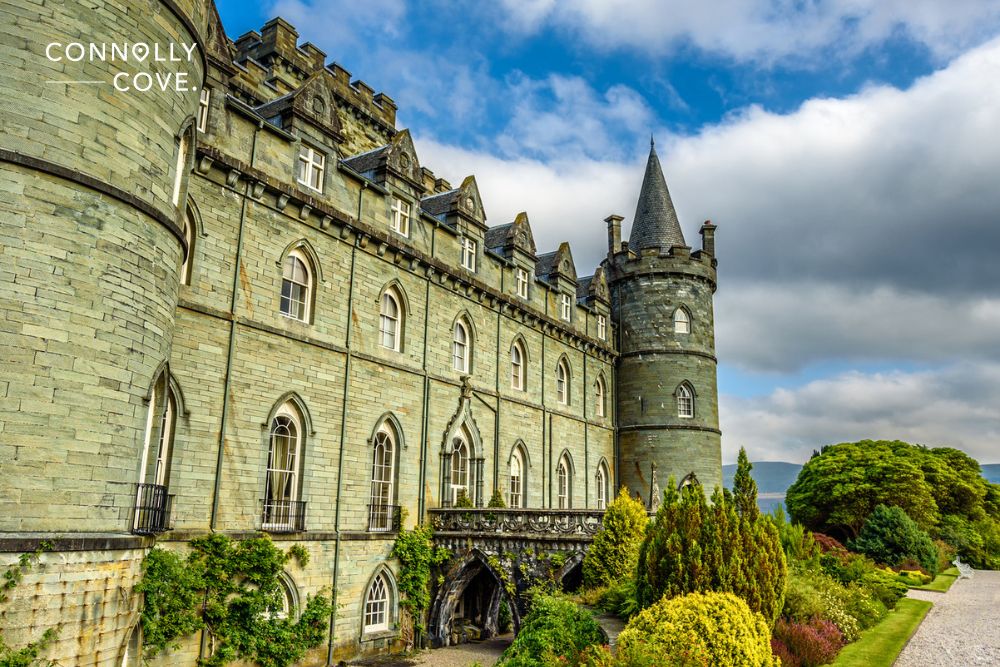
Scotland is home to some of the world’s most breathtaking castles. For those looking for a truly unique and regal experience, staying in one of these castles can be a dream come true.
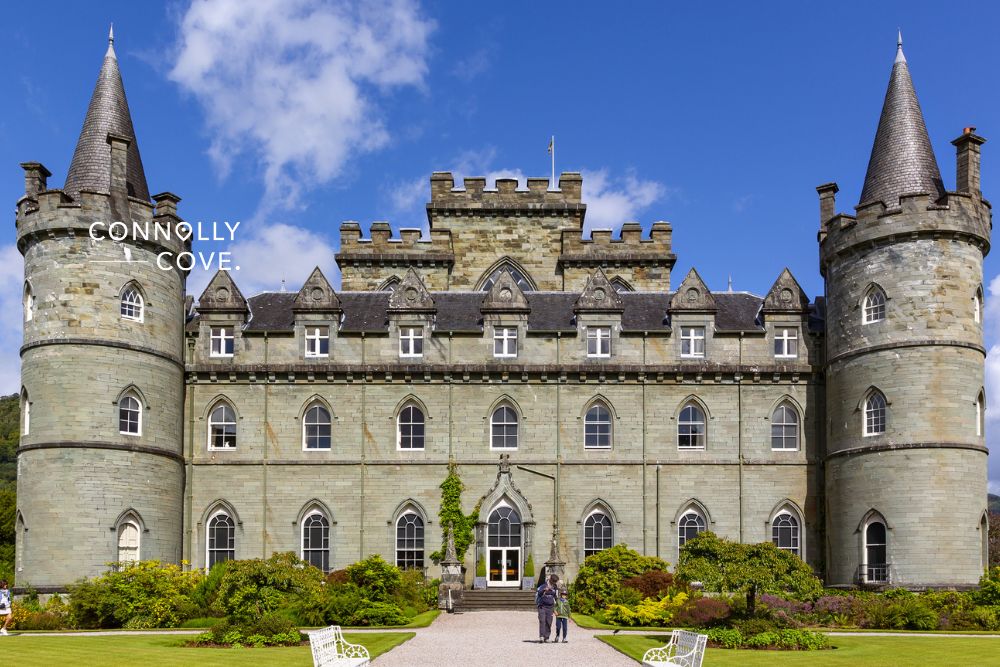
Some of the best castles to stay in Scotland include the stunning Inverlochy Castle, the historic and luxurious Dalhousie Castle, and the majestic Culzean Castle. These castles offer guests a chance to live like royalty, with opulent accommodations, beautiful surroundings, and a rich history to explore. These are just a few, and the list includes more!
Whether you’re a history buff, a lover of architecture, or simply seeking a one-of-a-kind getaway, staying in a Scottish castle is an experience not to be missed. This section will close more and list some of those incredible castles in Scotland.
1. Inverlochy Castle Hotel
Located near Fort William town, Inverlochy Castle Hotel is a magnificent 5-star castle hotel that promises you an enjoyable experience like no other. This 19th-century castle is one of the most incredible Scottish castles.
From luxurious interiors to uniquely designed rooms, this castle will make you feel the care and relaxation you deserve. Whispers of a unique story, offering a haven of cosy and elegant atmosphere.
Amazingly, magical views of rolling hills and the incredible landscape of Loch Na Morag, melted by Britain’s highest mountain, Ben Nevis—make this castle the extraordinary choice for nature lovers.
Gastronomies will appreciate its top-rated restaurant, too! They can indulge in delicious and different options of Scottish cuisine.
This luxurious castle presents an exceptional experience for every traveller’s tastes! Don’t think twice about your luxurious accommodation.
2. Glenapp Castle
The luxury, award-winning 5-star hotel in Ayrshire, Glenapp Castle, provides guests with a trip to the past with all the luxurious facilities. This beautiful castle hotel offers stunning views of the Ayrshire coastline and is set amidst 36 acres of manicured gardens and woodland.
Guests can experience a truly unique and extravagant stay in one of the castle’s opulent rooms or suites, each beautifully decorated and equipped with modern amenities. Enjoy the cosy and comfy atmosphere of this superb castle hotel.
The fairytale castle hotel’s renowned dining experience offers exquisite cuisine created with locally sourced ingredients. Enjoy delightful dishes at the castle’s AA Rosette award-winning restaurant, which serves the best Scottish plates with local produce and ingredients.
For those looking to relax and unwind, the castle offers a range of luxurious spa treatments and wellness experiences. Additionally, you can access the castle’s private beach and outdoor activities such as falconry and clay pigeon shooting.
Whether it’s a romantic getaway, a wedding, or a special event, Glenapp Castle offers a truly unique and unforgettable experience. With its stunning architecture, breathtaking views, and impeccable service, it’s no wonder this luxurious 5-star hotel continues to receive accolades and awards for its unparalleled hospitality.
3. Dalhousie Castle Hotel
Situated just eight miles from Edinburgh, Dalhousie Castle Hotel is a luxurious hotel that presents a unique adventure for its guests. The hotel is set within a stunning 13th-century fortress and offers opulent accommodations, fine dining experiences, and various activities for guests.
The castle is surrounded by picturesque landscapes, making it a perfect destination, a peaceful retreat for nature lovers. The lush greenery and beautiful gardens provide a serene backdrop for leisurely strolls and relaxation, while the stunning views of the surrounding countryside create relaxation and escalation from the hustle and bustle of everyday life.
Yet, Dalhousie Castle is far from a dusty museum. Behind its historic facade lies a haven of modern luxury. Choose from 29 uniquely decorated guest bedrooms, each a luxurious haven with plush furnishings, soft Egyptian cotton linens, and modern amenities. It provides a unique and unforgettable experience for those seeking luxury and relaxation.
Gastronomies will be delighted by the outstanding cuisine served in this charming castle. Whether exploring the Scottish countryside or immersing yourself in its culture, staying at Dalhousie Castle Hotel promises an authentic and magical experience unlike any other.
4. The Barcaldine Castle
Nestled along the serene shores of Loch Creran in Argyll, Scotland, Barcaldine Castle isn’t just a luxurious hideaway; it’s a portal to a bygone era, ready to unveil a tapestry of ancient charm and modern comfort.
Barcaldine, also known as the Black Castle, dates back to the 17th century. Its L-shaped tower house, adorned with turrets and bartizans, whispers tales of daring battles and noble families. Feel the weight of history in every stone, and allow your imagination to weave its own chapter in this captivating legacy.
Stepping into Barcaldine is like stepping into a warm embrace. Each exquisitely appointed bedroom offers a luxurious haven adorned with antique furnishings and plush linens.
Beyond the castle walls, a wonderland of adventure awaits. Hike through rugged glens and windswept mountains, their peaks kissing the clouds. Sail across Loch Creran, its mirror-like surface reflecting the snow-capped peaks of Glencoe.
Nature lovers will enjoy wildlife spotting around Loch Awe, as well as exploring the beautiful Scottish countryside nearby. Staying at The Barcaldine Castle promises an authentic Scottish experience filled with charm and luxury.
5. Stonefield Castle Hotel
Situated on the shores of Loch Fyne, Stonefield Castle Hotel offers a stunning and tranquil setting for guests seeking a peaceful retreat. It was built in 1837 and is a beautiful example of Scottish baronial architecture.
Stonefield Castle’s surroundings are on par with the castle itself, with 60 acres of spectacular woodland gardens and the shores of Loch Fyne enveloping us. This castle is also based just two miles from one of the most attractive villages on the Mull of Kintyre peninsula, the picturesque fishing village of Tarbert.
The iconic castle has 38 en suite bedrooms. Each has been individually and elegantly decorated, some featuring breathtaking views over the gardens and Loch Fyne.
This fabulous castle is a stunning illustration of Scottish baronial architecture. The castle has preserved its original charm with stunning exterior cornices and adornments. The interior also showcases a range of its original elements, from wooden panelling to intricate ceilings and marble fireplaces.
With its medieval architecture and romantic setting, Stonefield Castle Hotel provides an authentic Scottish experience that enchants you.
6. Sherbrooke Castle Hotel
Sherbrooke Castle Hotel is a magnificent 4-star baronial hotel in Glasgow, Scotland, offering a unique blend of historic charm, modern comfort, and urban convenience. This incredible castle was built in 1851, crafted in rich red sandstone, with grand halls, intricate mouldings, and hidden passageways. Visitors can feel like stepping into a bygone era, offering a taste of Victorian Scottish elegance.
The hotel offers luxury accommodations with unique suites that provide a taste of authentic Scottish charm, crackling fireplaces, and breathtaking views of Glasgow or tranquil gardens. It also has a lounge bar, restaurant, conference facilities, and private dining options.
Overall, the castle has things for everyone. Whether looking for luxury, history or landscape beauty, you can find your taste in this fabulous castle.
7. The Witchery by the Castle
Nestled at the gates of Edinburgh Castle, The Witchery occupies a collection of buildings dating back to the 16th century. Step through creaking wooden doors and find yourself amidst oak-panelled dining rooms, dimly lit by flickering candlelight. Imagine the whispers of history echoing in these walls, tales of kings and queens, daring knights, and maybe even a touch of sorcery.
The Witchery has a remarkable interior decor that evokes an otherworldly charm. Each of its nine extravagant suites is individually designed with Gothic-style furnishings, velvet drapes, and antique pieces that transport you back in time.
The Witchery also boasts a renowned restaurant. Guests can indulge in their sumptuous Scottish cuisine amidst the flickering candlelight, which only adds to the mystical ambience.
History buffs will be thrilled to know that The Witchery is situated on top of buildings dating back to the 16th century. This increases the intrigue of their stay as they explore winding stone staircases and secret chambers throughout the property.
Not only does it offer an authentic taste of medieval architecture, but it also provides easy access to nearby attractions like The Royal Mile and Holyrood Palace.
This iconic castle hotel is more than a place to stay; it’s a memorable and mysterious experience. Prepare to be captivated, enchanted, and forever marked by its unique blend of history, luxury, and Scottish charm.
What’s More!
Choosing your best Scottish castle stay is like stepping into a fairytale – each one a unique tapestry of history, luxury, and adventure. Whether you yearn for rugged romance amidst Highland vistas, cosy fireside evenings in an ancient keep, or the vibrant pulse of a city castle, Scotland has a haven waiting to whisper its secrets to you.
From Inverlochy’s lochside grandeur to Glenapp’s coastal opulence, each castle unfolds a new chapter in your own trip. So, plan your Scottish adventure and let this guide be your compass!
Harry Potter Shop at Platform 9 3/4 – London Attractions
England
29/04/2024
Exploring the Isle of Man’s Rich History and Culture
Ireland
29/04/2024
Exploring The Town of Carrickfergus
County Antrim
29/04/2024
Commercial Court: The Dazzling Lights of Belfast
Northern Ireland
29/04/2024
How to Make a Killy Kiss Cocktail By Killyhevlin Hotel
Northern Ireland
28/04/2024