


The Ultimate Guide to a Day Trip From London to Dover
Updated On: April 25, 2024 by  Maha Yassin
Planning a day trip from London to Dover can indeed feel like quite the undertaking, with its multitude of iconic landmarks and tucked-away treasures just waiting to be discovered. As intrepid explorers who have navigated this delightful dilemma in the past, we’ve delved deep into all this enchanting corner of England has to offer–unearthing its beguiling secrets along the way.
This comprehensive guide will help you create an engaging itinerary – from taking in the sweeping majesty of the White Cliffs to exploring every nook and cranny of historic Dover Castle. All within a single day’s adventure! So why not pop on your favourite walking shoes and join us as we take an awe-striking London Dover day trip?
Key Takeaways
- A London to Dover day trip can be made by train from St Pancras Station, car driving, or guided tour.
- Must-visit attractions in Dover include the White Cliffs for stunning views and walks, Dover Castle for historical exploration, and Dover Town Centre for hidden gems like quaint shops and cafes.
- Other highlights of the trip include experiencing the Roman Painted House, taking a boat tour around the White Cliffs, visiting De Bradelei Wharf to shop designer brands at discounted prices, and exploring nearby towns like Sandwich and Deal.
How to Travel from London for a Dover Day Trip
You can travel from London for a Dover day trip in many ways. Whether by car or train, the trip to Dover is so fantastic and worthwhile! You won’t just absolutely love your destination, but the journey there is just as good.
Train from London to Dover
You can take a quick train ride from St Pancras Station in London to Dover. The trip is easy and takes about one hour and ten minutes. There are trains every half-hour, so you won’t have to worry about missing your train. All you have to do is sit back, relax, and enjoy the view out the window!
Driving to Dover from London
Driving from London to Dover is convenient for those who prefer flexibility and independence. The journey takes about two hours, depending on traffic conditions. As you leave the bustling city, you’ll pass through charming English villages and picturesque countryside.
Along the route, you can also stop at hidden gems like Chilham or explore historic Canterbury before reaching your destination in Dover. This scenic drive allows you to soak in the beauty of southern England at your own pace while experiencing some off-the-beaten-path treasures along the way.
Day Tour Options
Booking a guided tour to Dover is also a great option for travel. Tours usually include visiting iconic sites like Canterbury Cathedral and Dover Castle. These tours are perfect for history buffs who want a knowledgeable guide to show them the area’s hidden gems.
The multiple ways to travel to Dover from London give you the flexibility to create your itinerary and discover Dover’s hidden gems at your own pace. No matter which option you choose, make sure to plan ahead and leave early in the morning to maximize your time exploring this beautiful part of southern England.
The Best Things to Do on Your Dover Day Trip
Nestled along the south-east coast of England, Dover is a picturesque destination with an array of attractions to explore. Whether you’re keen to discover its rich history, bask in its natural beauty, or simply enjoy a leisurely day out, Dover has something for everyone. A Dover day trip is more than enough to give you a chance to visit many of the iconic attractions in the city.
Visit the White Cliffs of Dover
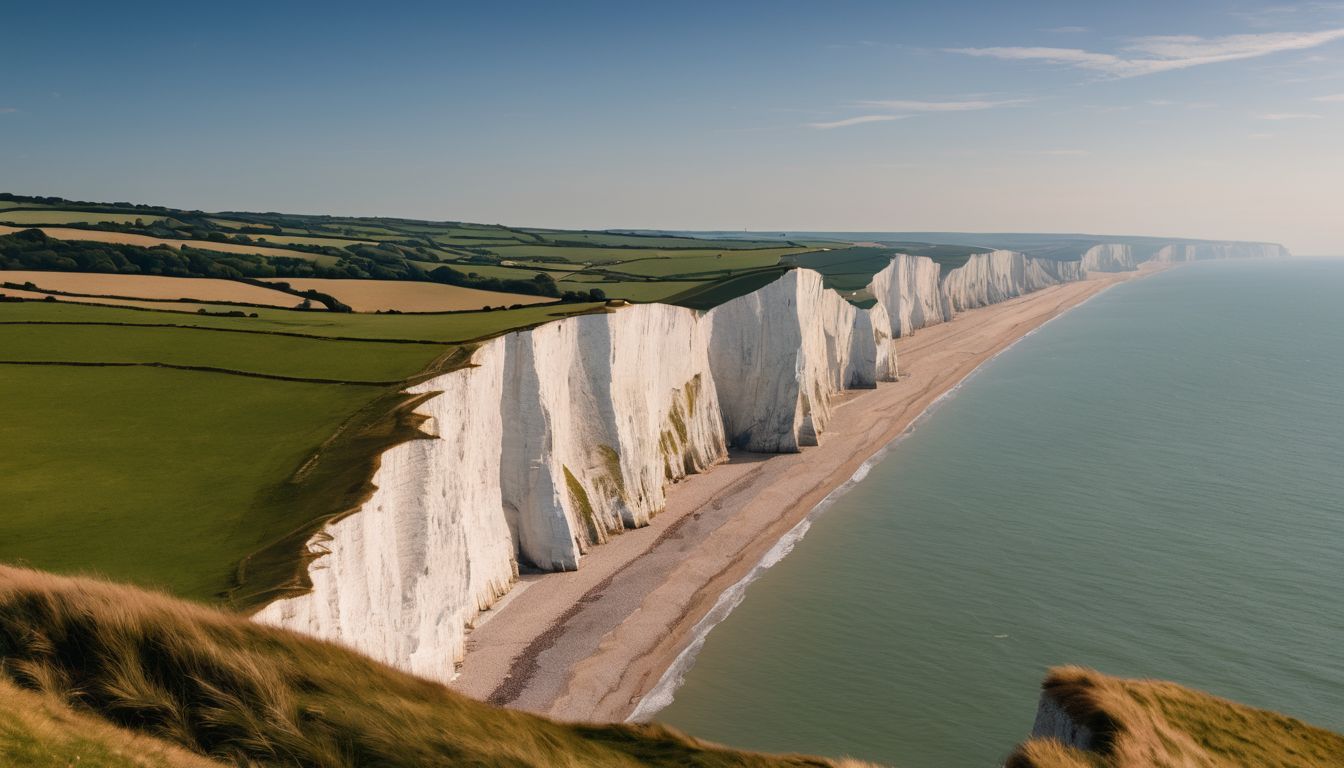
When visiting Dover on a day trip from London, a must-visit attraction is the White Cliffs of Dover. These magnificent cliffs are known for their stunning beauty and breathtaking views.
As you stand atop the chalky cliffs, you’ll be greeted with panoramic vistas of the English Channel stretching out before you. The white limestone cliffs offer a dramatic backdrop against the blue sea, making it a perfect spot for nature lovers and photographers alike.
Take a leisurely walk along the cliff-top paths, enjoy the fresh coastal air, and soak in the natural splendour of this iconic site. Whether you’re a hiker or simply looking to immerse yourself in England’s natural beauty, visiting the White Cliffs of Dover is an experience not to be missed on your London to Dover day trip.
Explore Dover Castle
Dover Castle is another must-visit site on your trip from London to Dover. It’s a historic fortress that offers a fascinating glimpse into the past. As you explore the castle, you’ll feel like you’ve stepped back in time.
You can wander through the medieval tunnels and see what life was like for soldiers during World War II. The views from the castle are also breathtaking, with panoramic vistas of the English Channel and the White Cliffs of Dover.
History enthusiasts will be especially thrilled by all that Dover Castle has to offer. This castle has seen everything from its Roman origins to its role in protecting England’s shores throughout history. You can take guided tours to learn more about its rich history and even watch reenactments of key moments in time.
Discover Hidden Gems in Dover Town Centre
As you explore Dover Town Centre, there are some hidden gems waiting to be discovered. You can wander through the narrow streets and stumble upon charming local shops and boutiques, where you can find unique souvenirs or indulge in delicious local delicacies.
Don’t miss out on visiting the Dover Museum, where you can learn about the town’s rich history and maritime heritage. Another gem in Dover is Pencester Gardens, a peaceful green space perfect for a relaxing break or picnic. And if you’re a fan of art, make sure to visit Astor Theatre Gallery to admire contemporary artworks by local artists.
Experience the Roman Painted House
One place you don’t want to miss experiencing during your day trip from London to Dover is the Roman Painted House! This hidden gem offers a fascinating glimpse into the past with its well-preserved Roman murals and artefacts. Step back in time as you explore the rooms and corridors of this ancient house, imagining what life was like centuries ago.
It’s a unique opportunity to immerse yourself in history and gain a deeper appreciation for the rich cultural heritage of Dover. So make sure to add the Roman Painted House to your itinerary for an unforgettable experience during your visit!
Take a Boat Tour Around the White Cliffs
We highly recommend taking a boat tour around the White Cliffs of Dover. It’s an incredible way to see these iconic cliffs from a different perspective. As you sail along the coastline, you’ll be in awe of their sheer beauty and magnificence.
The boat tour allows you to get up close to the cliffs, giving you a chance to appreciate their ruggedness and natural splendour. Keep your camera ready because there will be plenty of photo opportunities! It’s an experience that nature lovers, history buffs, and anyone seeking stunning views will absolutely enjoy.
Visit De Bradelei Wharf for Shopping
Ready to shop till you drop? Then, head over to De Bradelei Wharf for a unique shopping experience. This shopping destination offers a variety of shops and restaurants. It’s a great place to spend a night relaxing and buying some souvenirs for your friends and family back home.
You can find everything from designer boutiques to independent stores selling local products and souvenirs. Browse the charming shops and discover hidden gems you won’t find elsewhere.
Whether looking for stylish clothing or delicious treats, De Bradelei Wharf has something for everyone. It’s the perfect place to shop and indulge in retail therapy during your London to Dover day trip.
Enjoy the Quaint Towns of Sandwich and Deal
As part of your London to Dover day trip, don’t miss the opportunity to explore the charming towns of Sandwich and Deal. These hidden gems, with their picturesque streets and historic architecture, offer a glimpse into traditional English life.
In Sandwich, wander through its medieval town centre and visit St. Peter’s Church, one of the oldest in England. Enjoy a leisurely stroll along Deal’s seafront promenade, lined with colourful Georgian houses and quaint cafes.
History buffs will appreciate Deal Castle, a well-preserved coastal fortress built by Henry VIII. Indulge in local cuisine at one of the many charming pubs or seafood restaurants in both towns, offering delicious options for foodies.
Explore the Historic City of Canterbury
Visiting the historic city of Canterbury is a must on your London to Dover day trip. Walk through centuries-old streets lined with stunning medieval architecture, including the famous Canterbury Cathedral. Immerse yourself in the rich history of this UNESCO World Heritage Site as you take a guided tour inside its majestic walls.
Don’t forget to wander around the charming town centre, where you’ll find quaint shops, cosy cafes, and delightful restaurants serving delicious food. And if you have time, make sure to visit other nearby attractions like Leeds Castle and Chilham for even more historical beauty.
Take a Walk Along the Cliffs of Dover
Walking along the Cliffs of Dover is an absolute must-do on your Dover day trip. As a traveller, you’ll be captivated by this iconic site’s stunning views and natural beauty. These majestic white cliffs are one of England’s most spectacular natural features and offer breathtaking panoramic views of the English Channel.
The tour from London leaves early in the morning to ensure you have ample time to explore and enjoy a refreshing coastal walk atop these magnificent cliffs. It’s an unforgettable experience that will leave you feeling connected with nature and awe-inspired by its grandeur.
In conclusion, a day trip from London to Dover is the perfect way to explore iconic sites and discover hidden gems. There’s something for everyone, from the stunning White Cliffs of Dover to the majestic Dover Castle. So pack your bags, hop on a train or drive down, and embark on this ultimate adventure in southern England!
FAQs
Is Dover a good day trip from London?
Dover is a great day trip from London! First, it’s only about an hour away by train or two hours by car. The journey there is full of beautiful sights, and when you get to Dover, you won’t run out of attractions to visit!
How do you get to White Cliffs of Dover from London by train?
The closest train station to the White Cliffs of Dover is Dover Priory. You can take the train from London’s St Pancras station, and when you arrive at Dover Priory, the White Cliffs are a 40-minute walk away.
Is it free to go to the White Cliffs of Dover?
Yes! There are no admission fees to visit the White Cliffs of Dover or the grounds of South Foreland Lighthouse. It’s an absolutely free attraction for all to enjoy.
How hard is it to walk the White Cliffs of Dover?
No hard at all! The route around the cliffs is a very popular destination for locals and tourists alike. It takes around an hour and a half to complete the route, and you will meet many people as you walk around.
Can you see France from the White Cliffs of Dover?
Yes, you can! The White Cliffs of Dover have a panoramic view of the English Channel, and on the other side, you can spot French soil. The view from atop the cliffs is one that should not be missed! It’s majestic and unforgettable.

Exploring the Myth of the Celtic Symbol for New Beginnings
Culture Exploration
28/04/2024

Kenya Tourism Statistics: An Increase in International Tourist Arrivals
Travel Statistics
28/04/2024

Albert Memorial – London Attractions
England
28/04/2024

Cuffs Bar and Grill: The Jewel of Crumlin Gaol
Food and Cuisine
28/04/2024

Discover the Best Scottish Golf Courses for an Unforgettable Golf Break
Scotland
28/04/2024