


All You Need to Know About the Astonishing Temple of Philae
Updated On: April 18, 2024 by  Ciaran Connolly
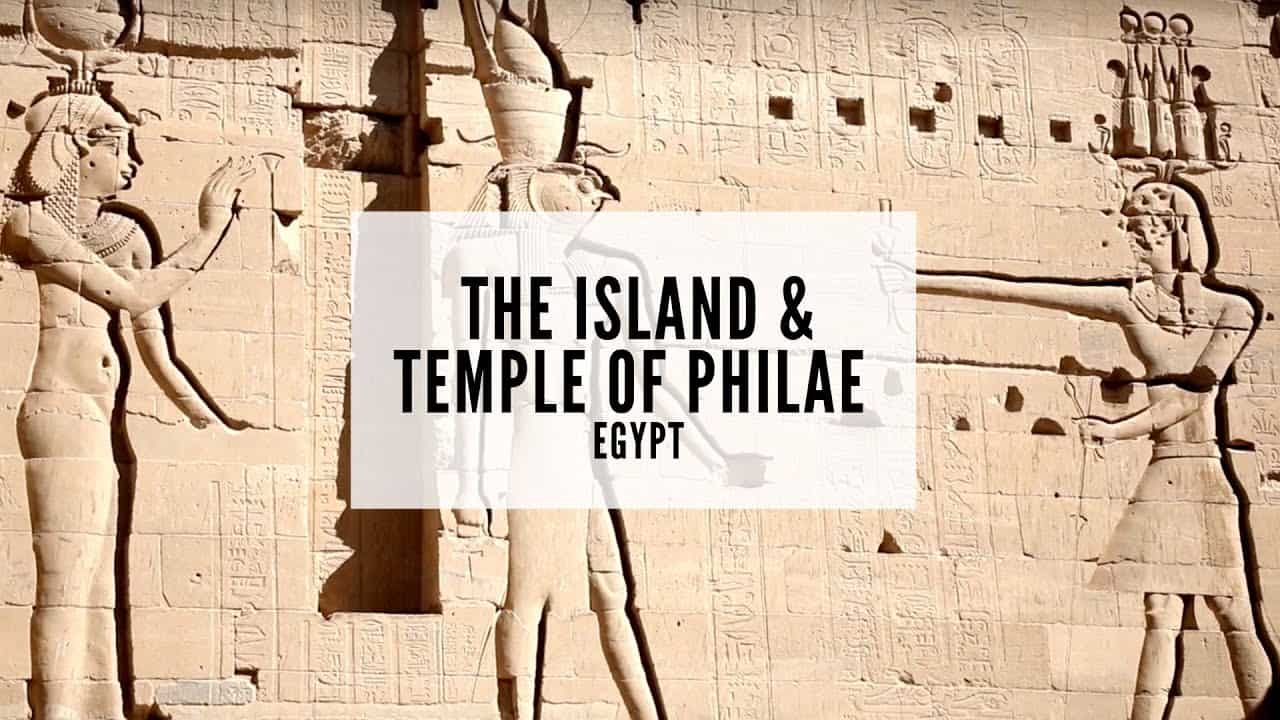
The Temple of Philae, located on the serene Agilkia Island in Lake Nasser, Egypt, stands as a historical jewel beckoning exploration. This architectural marvel, originally located on Philae Island, was painstakingly relocated to preserve its splendour from the Aswan High Dam’s rising waters.
Steeped in rich history, the temple was a flourishing centre of the Isis cult during Greco-Roman times. As you wander through the grand pylons and study the intricate carvings, you are transported back in time to an era of devotion and myth.
The Temple of Philae is not just a visit; it’s a journey through Egypt’s stunning past. So, if you’re planning a trip to Aswan, ensure to carve out time for this unforgettable experience. The stories etched in the stone of Philae are waiting to whisper their tales to those who seek them.
Some Unbelievable Historical Facts
Anchored in the heart of Egypt, the Temple of Philae carries a storied past as captivating as its majestic architecture. Originally situated on Philae Island, the temple’s journey has been marked by monumental feats of human engineering and cultural preservation.
The construction of the Low Dam, also known as the Old Aswan Dam, between 1899 and 1902 led to the temple’s submergence under Nile waters from December to March annually. This seasonal inundation gave the temple a romantic yet concerning aura as it seemed to rise from the water like a mystical vision.
However, the real challenge to the temple’s existence emerged with the creation of the Aswan High Dam in the 1960s. The dam’s reservoir threatened to permanently submerge the precious monument. Recognising the imminent threat to this historical gem, UNESCO spearheaded an ambitious project for its preservation.
The temple was meticulously dismantled and relocated to Agilkia Island, a higher ground about 550 metres away. Each stone block, column, and statue was carefully numbered, cleaned, and treated for water damage before being accurately reassembled in its new location, like a colossal jigsaw puzzle.
The Herculean effort of many nations over eight years not only saved the temple but also symbolised global unity in preserving our shared cultural heritage. Today, the Temple of Philae stands proud, resonating with the whispers of its past and the echoes of its epic journey.
The Architectural Grandeur of Philea
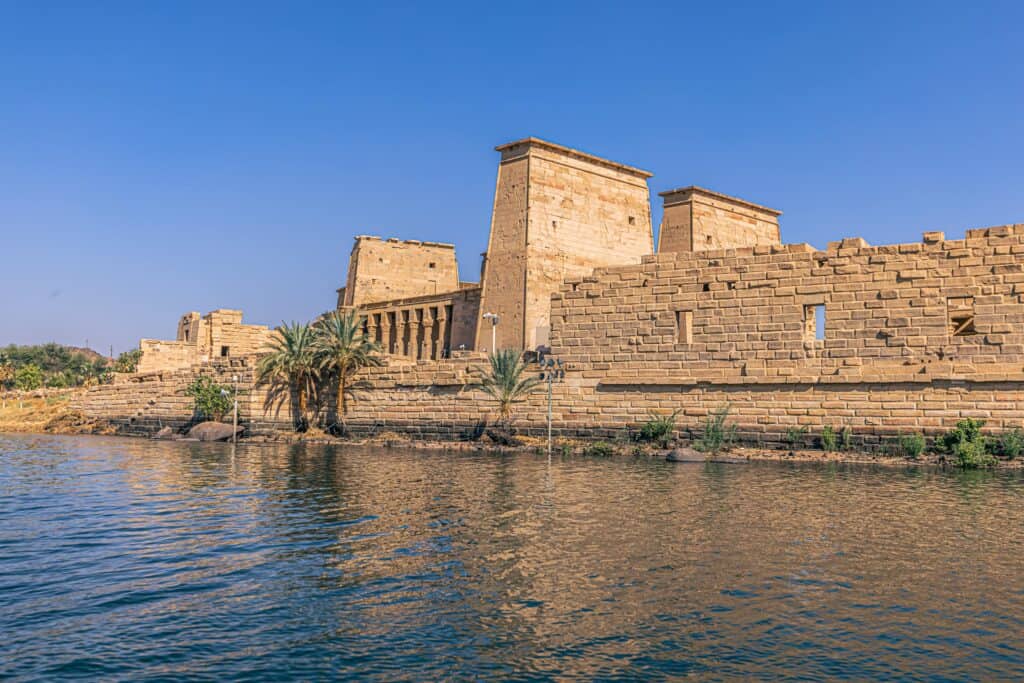
The Temple of Philae is a masterpiece of ancient design, effortlessly blending grandeur with intricate detail. As you approach the temple complex, the two colossal stone pylons commanding the entrance create an imposing first impression, their surfaces a narrative tapestry of elaborate carvings and hieroglyphics recounting tales of divine and royal power.
Beyond the entrance, the temple unfolds like an architectural symphony. The Vestibule of Nectanebos I, the earliest part of the complex, welcomes visitors with its elegant colonnade and inscriptions of religious rites.
Moving on, the First Pylon reveals itself, an architectural marvel depicting scenes of Ptolemy XII smiting his enemies and offering sacrifices to the gods.
Your journey continues through the Mammisi, or ‘Birth House’, dedicated to Horus, the son of Isis and Osiris. This small chapel, adorned with exquisite reliefs, symbolises the divine birth and childhood of Horus.
Passing the Second Pylon, you are ushered into the heart of the temple, the sanctuary of the goddess Isis. This sacred space, where rituals were performed, retains a profound sense of reverence and awe.
Every aspect of the Temple of Philae, from the towering pylons to the minutest carvings, is a testament to the ancient Egyptians’ architectural genius. As you explore its depths, you’re not just seeing stone and hieroglyphics; you’re experiencing a vibrant, living history.
Immerse Yourself in the Temple of Philae Cultural Richness
Step into the Temple of Philae, and you’re stepping into a vibrant cultural epicentre that once bustled with worshippers of the goddess Isis.
Here, in this sacred space, ancient Egyptians celebrated fertility, motherhood, and the miracles of life, all centred around the beloved goddess. It’s a place where history comes alive, where you can almost hear the ancient prayers and hymn echoes filling the air.
This temple wasn’t just important in Egypt, but it held a significant role in the Greco-Roman world too. The influence of Isis was vast, and Philae was the heart that pumped her story throughout the ancient world.
Even when other temples shut their doors, Philae’s remained open, standing as a beacon of devotion. And guess what? The last known hieroglyphic inscription from ancient Egypt is right here, a snapshot of a moment when one cultural era was giving way to another.
The Enthralling Tale of Isis, the Goddess of Magic and Healing
Imagine a goddess so powerful she could command both life and death, a goddess whose love knew no bounds. This is Isis, one of ancient Egypt’s most revered deities.
Isis was the daughter of the sky goddess Nut and the earth god Geb, a lineage that imbued her with celestial and terrestrial powers. But it was her role as Osiris’s wife and mother of Horus that truly defined her.
Osiris, her husband, was brutally killed and dismembered by his jealous brother Seth. Undeterred by despair, Isis embarked on a tireless search to find Osiris’s scattered body parts.
Her love was so profound that she managed to resurrect Osiris, albeit temporarily, to conceive their son, Horus. In the process, Isis became a symbol of resurrection and healing.
Isis’s story is not just a tale of divine power; it’s a testament to love’s resilience in the face of adversity. Her legacy continues to resonate at the Temple of Philae, inviting you to explore her intriguing world.
Experience the Magic of the Light and Sound Show at Philae
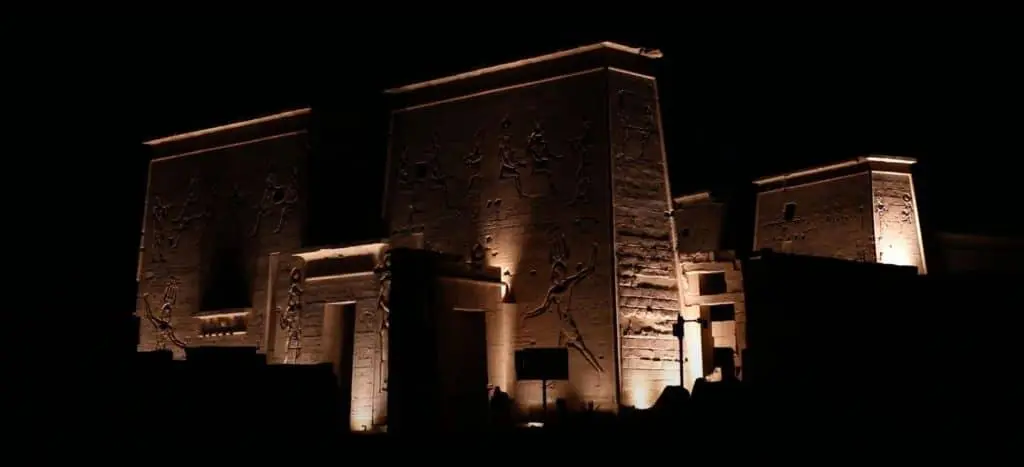
When the sun sets, the Temple of Philae transforms into a mystical stage for a spectacular Light and Sound Show. Imagine the temple bathed in radiant colours as a powerful narrative brings the ancient stories to life.
The show unfolds in three unique acts, each recounting a different chapter of the temple’s vibrant history. And don’t worry about language barriers – the spectacle is available in many languages, including French, English, and Spanish, ensuring everyone can dive into this immersive journey through time.
As the temple glows under a constellation of colours, stories of gods, pharaohs, and ancient rituals unfold before your eyes. The spectacle lasts about two hours, transporting you back in time and leaving you with a sense of awe.
Shows usually start after sunset, with specific timings varying throughout the year, so it’s best to check ahead. Tickets are reasonably priced; they are around 300 Egyptian pounds making this magical experience accessible to all.
Don’t Miss the Kiosk of Trajan at Agilkia Island
While exploring the Temple of Philae, make sure to extend your journey to the Kiosk of Trajan, another gem on Agilkia Island.
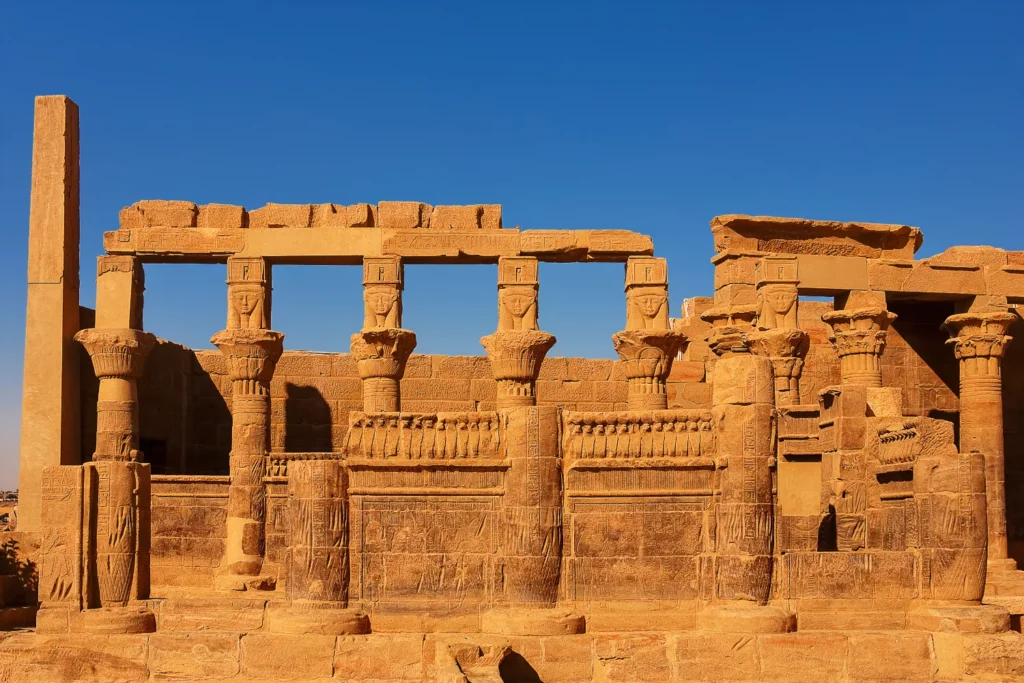
This beautiful, open-air pavilion, often dubbed as ‘Pharaoh’s Bed’, is a testament to Roman influence in Egypt. Constructed during the reign of Emperor Trajan, it’s adorned with fourteen columns linked by gracefully carved screen walls.
This structure once served as the grand entrance to the temple complex from the river, welcoming worshippers and visitors alike. Its walls narrate compelling stories of Trajan making offerings to the Egyptian gods, beautifully blending Roman and Egyptian artistic styles.
Extend your journey: Visit the Aswan High Dam
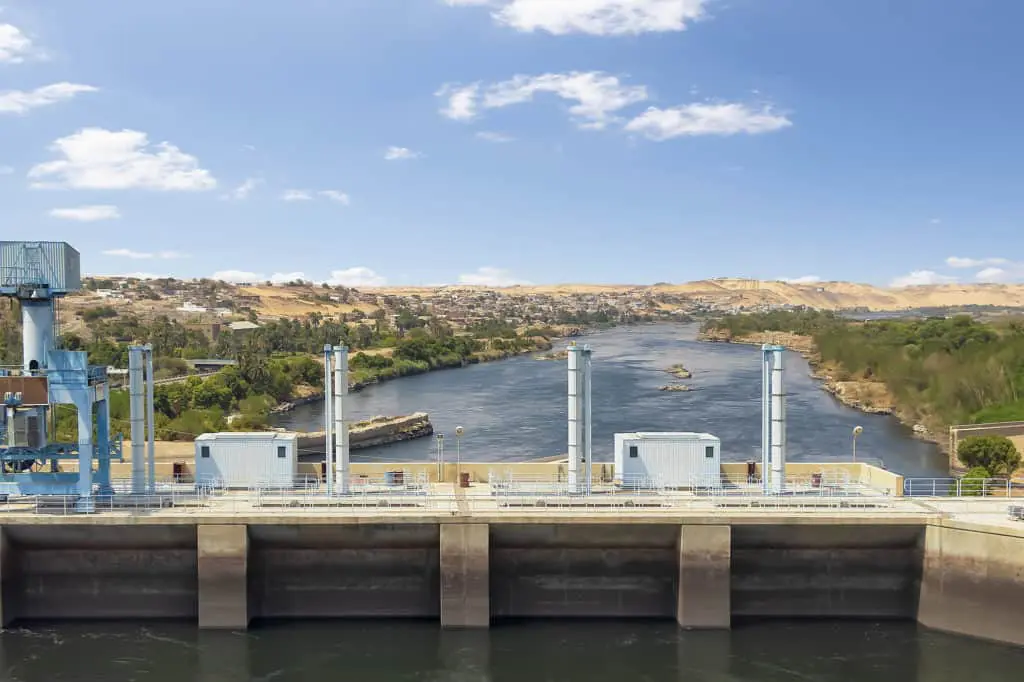
While delving into the ancient splendours of the Temple of Philae, it’s worth taking a detour to the Aswan High Dam, an engineering feat that’s had significant impacts on Egypt’s landscape and people.
Situated just a stone’s throw from Philae, this colossal dam has not only harnessed the power of the Nile but also reshaped the lives of the Nubian people.
Spanning the Nile River, the dam is a staggering 3.6 kilometres long and 111 metres tall. Constructed between 1960 and 1970, it dramatically transformed Egypt’s relationship with the Nile, controlling floods, providing irrigation, and generating hydroelectric power.
A visit to the dam offers breathtaking views over Lake Nasser, one of the largest artificial lakes in the world. The dam also played a vital role in the formation of this lake, which became the new home for several monuments, including the Temple of Philae itself.
Discover the Unfinished Obelisk: A Glimpse into Ancient Craftsmanship
While in Aswan, don’t miss the fascinating Unfinished Obelisk, an incredible peek into ancient Egyptian stoneworking techniques.
This colossal monument, still attached to the bedrock, was intended to be the largest obelisk ever created, standing at a staggering 42 metres. However, it was abandoned mid-construction due to a crack in the granite.
Today, it provides unique insight into how such monuments were fashioned, with marks from workers’ tools still visible. Make sure to include the Unfinished Obelisk in your itinerary; it’s a captivating testament to the ambition and skill of Egypt’s ancient artisans.
Discover the Lush Aswan Botanical Garden
Don’t leave Aswan without visiting its tranquil Botanical Garden. Located on Kitchener’s Island, this oasis was established by Lord Kitchener in the 1890s as a place to cultivate exotic plants.
This garden once resembled an open-air laboratory, teeming with plants from around the world. Today, its verdant paths are lined with species from Africa, Asia, and the Middle East.
The garden is just a short boat ride from Aswan‘s east bank, offering an idyllic escape from the city’s hustle. As you wander amidst the palms and subtropical plants, enjoy stunning views of the Nile and the surrounding landscape. It’s a serene retreat that combines natural beauty with a dash of history.
Practical Tips for Your Aswan Adventure
Embarking on a journey to Aswan promises an unforgettable adventure filled with rich history and breathtaking landscapes. Here are some practical tips to make your trip even more enjoyable:
- Best Time to Visit: Aswan’s winter months (October to April) offer pleasant temperatures, perfect for exploring outdoor sites like the Temple of Philae and the High Dam.
- Getting There: Aswan is well-connected by air, with regular flights from Cairo. Once in Aswan, local taxis, boats, and organised tours can help you navigate the city and its surroundings.
- Ticket Prices: Entry to sites like the Temple of Philae is around 180 Egyptian pounds, with additional fees for the Light and Sound Show. Prices can change, so it’s best to check in advance.
- Guided Tours: Consider hiring a local guide or joining a group tour for a deeper understanding of Aswan’s historical sites. Guides often share intriguing tales and insights that you might miss on your own.
- Respect Local Culture: Aswan is a blend of ancient traditions and modern living. Dress modestly and be respectful of local customs, especially when visiting religious sites.
So, come and explore Philae. It’s not just a visit; it’s a journey into a fascinating past that’s waiting to be discovered.

7 Top Amusement Parks in England for an Unforgettable Adventure
England
25/04/2024

Miami Tourism Statistics: A Comprehensive Overview of Visitor Numbers and Revenue
Travel Statistics
25/04/2024

The Enchanting Charm of Scotland Wedding Castles!
Scotland
25/04/2024

London in June: An Ultimate Guide to 13 Unmissable Events and Festivals
United Kingdom
25/04/2024

The Perfect Day Trip from London: Where Will Your Adventure Take You?
United Kingdom
25/04/2024