

Bewitched by Halloween Holiday? Spooky FAQS Clarified!

Updated On: November 10, 2023 by  Eman Sameh
As the clock heralds the arrival of October, can you sense it? Do you feel it? That shiver down your spine, that whisper of anticipation in the wind? Yes, the enchanting season of Halloween is upon us. No matter where you hail from, the Halloween holiday has probably cast its spell on you at least once.
Can you recall the thrill of trick-or-treating, the artful scoop and carve of a pumpkin, or the smell of bonfires piercing the crisp autumn air? Whether you’re secretly plotting your next eerie costume or planning a horror movie marathon, there’s no escaping it. Halloween isn’t just a day; it’s a mood, an atmosphere, a global enchantment. So, be ready to dive deep into its mysteries.
What Is Halloween Holiday, and What is the Meaning of this Word?
Halloween is a celebration with deep historical roots. Its origins can be traced back to the Celtic festival of Samhain, celebrated on October 31, which marked the end of the harvest season. During Samhain, it was believed that the boundaries between the living world and the spirit world became blurred, allowing spirits to cross over.
As Christianity spread through Celtic territories, the church made efforts to incorporate and reshape local traditions. In the 8th century, Pope Gregory III declared November 1 as a day dedicated to paying tribute to all saints. This day became known as All Saints’ Day, often referred to as All Hallows’ Day.
Over centuries, this blend of customs and beliefs eventually evolved into the Halloween we recognise today.
Where Did Halloween Originate?
Halloween originated in what is now modern-day Ireland, the United Kingdom, and northern France. Halloween, with its origins in the ancient Celtic festival of Samhain, has been celebrated in Ireland and Scotland for over 2,000 years.
It wasn’t until the mass Irish and Scottish migrations to North America, particularly in the 19th century, that Halloween began to take root and become popular in other parts of the world. Immigrants carried their traditions with them, and over time, these traditions were adapted, merged with others, and transformed into the more universally known Halloween customs we recognise today.
What Are the Origins of Lighting Bonfires During the Halloween Holiday?
The Celts believed that on the ancient day of Samhain, the veil between the living world and the spirit realm became thin, allowing spirits to cross over. In a way to ward off these harmful ghosts, they lit large bonfires. The fires were often central to sacrificial rituals where the Celts would offer crops and animals to their deities by burning them in these fires, seeking blessings and protection for the coming winter months.
Today, while the profound spiritual and ritual significance of these bonfires may have diminished, they still serve as a link to the past. In many parts of Ireland and the British Isles, bonfires continue to be a central part of the Halloween Holiday, a testament to their deep-rooted place in the history of the festival.
What Is the Purpose of Halloween Costumes?
Have you ever wondered why others gleefully transform into witches, vampires, or even favourite movie characters during the Halloween holiday? Again, this dates back to the Celts, who used to wear masks and costumes made of animal skins, hoping malicious spirits would mistake them for one of their own and pass them by.
While the spiritual significance might have waned for many, the thrill of transformation remains. Halloween costumes allow us to step into the shoes (or paws or claws) of someone or something else, if only for a night. It’s a chance to explore, dream, and celebrate the boundless realms of our imaginations.
What Is the Symbol of Pumpkin in Halloween Holiday?
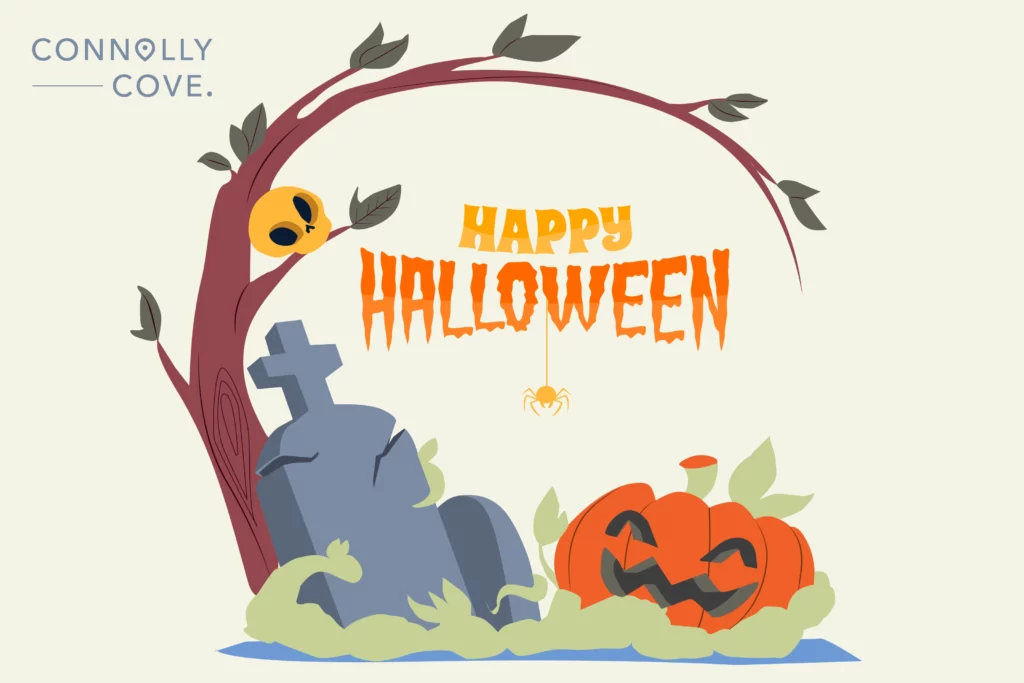
The iconic Halloween pumpkin 🎃, with its toothy grin or eerie glow, is a hallmark of the season. The story starts in Ireland with a folklore tale about “Stingy Jack.” As the legend goes, Jack tricked the Devil more than once, ensuring the Devil wouldn’t claim his soul when he died.
However, when Jack did pass away, Heaven didn’t want him either, thanks to his deceitful ways. Left to wander the Earth as a ghost, the Devil gave Jack a glowing ember to light his way. Jack scooped out a turnip and put the ember inside, creating the first “Jack-o’-Lantern.”
Just as the ancient Celts believed costumes could ward off evil spirits during Samhain, the glowing Jack-o’-Lanterns came to serve a similar protective role. Their menacing faces were thought to scare away evil spirits or guide lost souls home.
When Irish immigrants came to America, they brought the tradition of carving Jack-o’-Lanterns with them. However, they found that pumpkins, native to the New World, were far more abundant and easier to carve than turnips. The pumpkin took the place of the turnip and became the go-to canvas for the eerie faces of Jack-o’-Lanterns.
What Are the Origins of Trick-and-Treating?
During the Celtic festival of Samhain, people laid out offerings of food and drinks, hoping to satisfy these souls and ensure the year ahead was filled with blessings, not curses. As Christianity spread, the tradition transformed into “souling.” On All Souls’ Day, the poor and children went from house to house, offering prayers for the dead. In return, they were given ‘soul cakes’—an early precursor to the modern Halloween candy.
Fast forward to medieval Europe, and you’d find children and adults’ guising’—dressing in costumes, singing, and performing antics in exchange for food or coins. By the 20th century, what we recognise today as “trick-or-treating” began to take shape in the US, with Halloween candy becoming an essential part of the tradition, fueled by community efforts to make Halloween more about community and child-friendly fun.
Did You Know Bobbing Apples Used to Predict Love?
Ever dunked your head in a tub trying to snag an apple with your teeth? If so, you’ve experienced the essence of this quirky custom. Bobbing for apples involves filling a tub or large basin with water and placing apples in the water. Participants must try to grab an apple using only their teeth, with their hands tied behind their backs. It’s a challenge because apples are buoyant and tend to dart away just when you think you’ve got a bite!
The story goes back to the Romans, who had a festival honouring Pomona, the goddess of fruit trees, especially apple trees. Apples were a symbol of fertility and love, connected to Pomona. In some traditions, bobbing for apples was thought to predict romantic futures. The first person to bite into an apple would be the next to marry. Other variations included placing the apple under a pillow to dream of one’s future sweetheart.
What Does Getting Booed at Halloween Mean?
“Getting booed” doesn’t involve a displeased crowd or any form of jeering. Instead, it’s a friendly and mischievous neighbourhood game, often referred to as “Boo-ing” or “Ghosting.” Here’s how it typically goes:
Preparation: Someone secretly prepares a Halloween-themed treat bag or basket. This could include Halloween candy, toys, decorations, or even spooky stories. A note is typically added along with the treats, which might read something like “You’ve been booed!” or “You’ve been ghosted!” The note often includes instructions on how to “boo” others and a sign to put on their door or window that indicates they’ve been “booed.”
The Drop: The person then sneaks to a neighbour’s house, leaves the treat on their doorstep, rings the doorbell, and dashes away before being spotted.
Spread the Spirit: After finding their spooky surprise, the recipient is then encouraged to “boo” other households, perpetuating the chain. They will place the “You’ve been booed” sign on their window or door, signalling that they’ve already been hit and it’s someone else’s turn.
What Are Halloween Horror Nights? What Happens There?
Halloween Horror Nights—a spine-tingling, heart-pounding event that has terror enthusiasts and thrill-seekers eagerly awaiting its return every year! Halloween Horror Nights (HHN) is an annual special event that occurs at Universal Studios theme parks around the world. It typically runs on select nights from early September to early November. What began in the early 1990s as a Halloween event in Universal Studios Florida has expanded and evolved into one of the most anticipated Halloween Holiday events globally.
Haunted Houses/Mazes: Every year, Universal Studios crafts intricately detailed haunted houses or mazes, often inspired by popular horror movies, television shows, or original gruesome concepts. These aren’t your average haunted houses; the attention to detail, effects, and scare actors make for a deeply immersive (and terrifying) experience.
Scare Zones: As you traverse the park, you’ll enter various “scare zones” where themed monsters, from chainsaw-wielding maniacs to blood-thirsty vampires, lurk around every corner, eagerly awaiting their next scare.
Live Shows: In addition to the mazes and scare zones, there are often live entertainment shows. These can range from comedic performances and dance shows to live horror stunt shows. They offer a brief reprieve from the constant scares and a chance to sit back and enjoy some darkly themed entertainment.
Special Rides: While some of the park’s usual attractions remain open during HHN, they often have a darker twist to fit the night’s eerie theme.
Unique Merchandise & Food: Limited edition merchandise is available for those looking to commemorate their night of horror. Also, special Halloween-themed food and drinks make the experience even more memorable.
What Are Top Halloween Stores?
When it comes to gearing up for the Halloween Holiday, several prominent stores (brick-and-mortar and online) specialise in Halloween costume ideas, decorations, and all things spooky. Here are some of the most well-known Halloween stores:
Spirit Halloween: Perhaps the most recognisable of all Halloween stores, Spirit Halloween is a seasonal retailer that pops up in vacant retail spaces across North America during autumn. They offer a wide range of costumes, Halloween decorations, and accessories.
Party City: While they operate year-round and offer products for every occasion, Party City has an extensive section during the season stocked with Halloween costumes, party supplies, and decorations.
Halloween Express: Another seasonal retailer, Halloween Express sets up shop in many locations across the US during the Halloween season, offering a vast selection of costumes and accessories.
What Are Some Famous Halloween Candies?
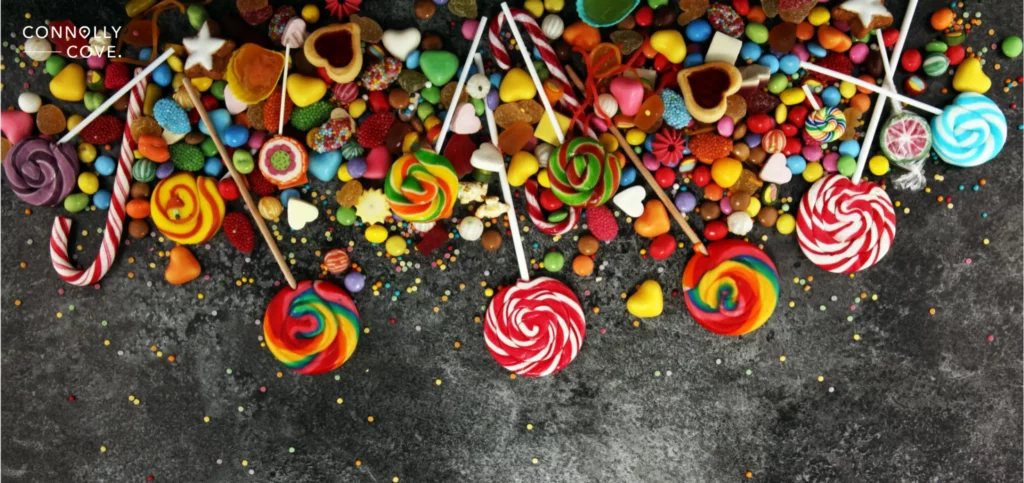
Candy Corn: This tri-coloured candy is arguably the most iconic of Halloween treats. Its white, orange, and yellow layers mimic a corn kernel’s appearance.
Reese’s Peanut Butter Cups: The delightful combination of chocolate and peanut butter has made this a favourite for many years.
Snickers: With nougat, caramel, peanuts, and chocolate, this candy bar is both chewy and crunchy.
M&M’s: These colourful candy-coated chocolate pieces are fun to eat and share.
Skittles: “Taste the rainbow” with these fruity, chewy candies.
Tootsie Rolls: A chewy chocolate treat that’s been a favourite for generations.
Hershey’s Chocolate Bars: Simple yet delightful, these chocolate bars have been enjoyed for over a century.
MrBeast Halloween Candy: James Stephen Donaldson, more popularly known as MrBeast on YouTube, has released Feastables Halloween Bags, which contain collections of mini chocolate bites with different flavours suitable for trick-and-treating.
What Do the Irish Eat on Halloween Holiday?
In Ireland, Halloween (or Samhain as it was traditionally known) has ancient origins and has been celebrated for centuries. Over time, specific foods and dishes have become associated with the holiday. Here are some of the traditional Irish dishes prepared during Halloween:
- Barmbrack (Báirín Breac): It is perhaps Ireland’s most famous Halloween dish. It’s a type of fruitcake that contains various objects baked into it, each with a special meaning. For example, finding a coin means wealth in the coming year, while finding a ring means an upcoming wedding.
- Colcannon: A traditional Irish dish made from mashed potatoes, kale or cabbage, butter, salt, and pepper. Some versions also have scallions or onions. Similar to barmbrack, sometimes coins or other trinkets are hidden in the colcannon, bringing luck to the person who finds them.
- Boxty: A type of potato pancake that’s sometimes enjoyed around Halloween.
- Apple Tart: Apples are strongly associated with Halloween in Ireland. An apple tart or pie, often served with a dollop of fresh cream, is a common dessert. Sometimes, a ring is hidden inside the tart and the person who finds it will be the next to marry.
- Cider: Given the association of apples with Halloween, it’s no surprise that apple cider is enjoyed during this season.
- Soul Cakes: Though more associated with the UK, these small round cakes were traditionally given out on the Halloween Holiday to soulers (children and the poor) who would go from door to door singing and saying prayers for the dead.
- Roasted nuts: Particularly hazelnuts, which were traditionally used in divination rituals on Halloween night.
As the shadows of the Halloween Holiday stretch across the globe, isn’t it enthralling to see how its tales and traditions dance in every corner? So, whether you’re diving into costume chaos, crafting creepy pumpkins, or sinking your teeth into sugary delights, dive deep and savour every spine-chilling moment. Get ready to be spellbound!

Top 10 London Castles: A Medieval Day Trip Guide
England
04/05/2024
Florence, Italy: The City of Wealth, Beauty, and History
Italy
05/05/2024

Unveiling the Mysteries of the Wheel of Taranis: Symbol, Meaning, and Mythology
Culture Exploration
05/05/2024

Scots Symbols: Meaning and History
History and Heritage
04/05/2024

The Ultimate Guide to the Top Places to Visit in Scotland
Scotland
04/05/2024