Eastern Europe
According to the United Nations, Eastern Europe is a region that includes Bulgaria, the Czech Republic, Hungary, Poland, Romania, the Russian Federation, and Slovakia, as well as the republics of Belarus, Moldova, and Ukraine.
However, many use the term “Eastern Europe” to refer to the countries that were ruled by the communist regime. This is because of the fact that the concept of the “Iron Curtain” separates Western Europe and Soviet-controlled Eastern Europe.
The region of Eastern Europe comprises a number of different countries, ethnicities, languages, and histories. The different parts of the region are labelled based on varying aspects. However, all of the countries have one thing in common which is the fact that they all have been a part of the Iron Curtain.
Sub-Regions in Eastern Europe
The eastern European region is made up of different sub-regions. The widely recognized ones include:
- East Central Europe
- The Baltics
- Southeastern Europe/Balkans
- Eastern Europe
Countries of Eastern Europe
The Eastern European region includes many countries.
Russia
The largest Eastern European country is Russia. It is the country that separates Europe and Asia. The country of Russia stretches over a wide area and encompasses various cultures, terrains, and climates.
The capital city of Russia is Moscow. It is a metropolitan centre for culture and history. Moscow is the first destination any visitor to the country should explore first. The city is home to many attractions, such as the Kremlin, different museums, and Lenin’s Mausoleum.
Visiting Moscow is like reading an introduction to other Russian cities. However, other cities would reward their visitors with a plethora of sights, regional traditions, and more.
Czech Republic
Engulfing one of the region’s most popular destinations, Prague, the Czech Republic is an East Central European nation. The country was once joined by Slovakia and under the reign of the Soviet Union.
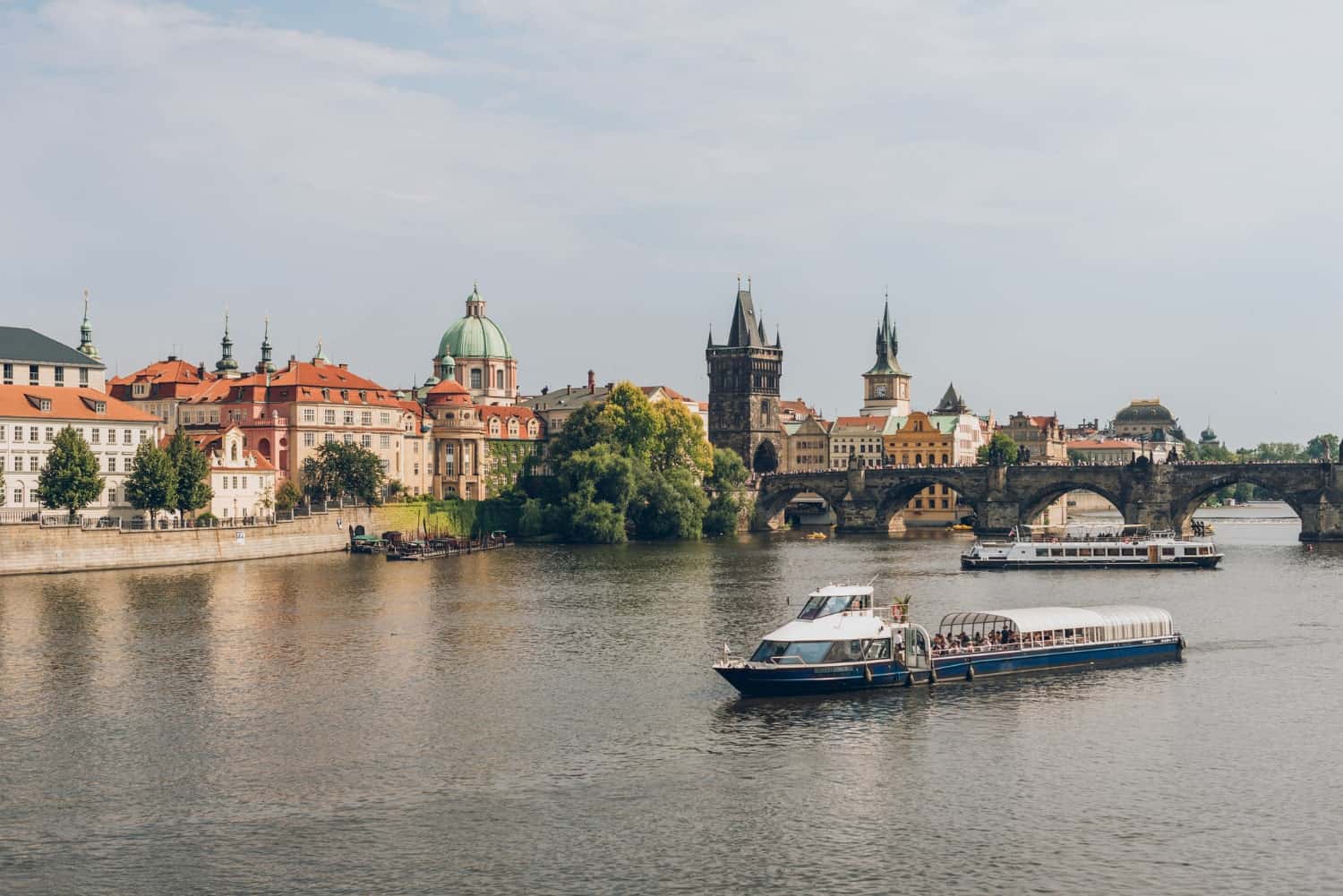
The capital city of the Czech Republic, Prague, provides its visitors with much to admire. It has amazing sights for the sightseer, cute attractions for romantic couples, alcohol for beer connoisseurs, shopping centres for shopaholics, and much more.
However, the Czech Republic is a lot more than Prague. Attractions outside Prague include castles, medieval towns, and spa centres. The Czech Republic World Heritage sites showcase the best of the Czech Republic’s heritage.
No matter which region of the Czech Republic you visit, Czech culture provides plenty of opportunities to celebrate throughout the year. You will be able to see through Czech souvenirs how much pride the people take in their traditions.
Poland
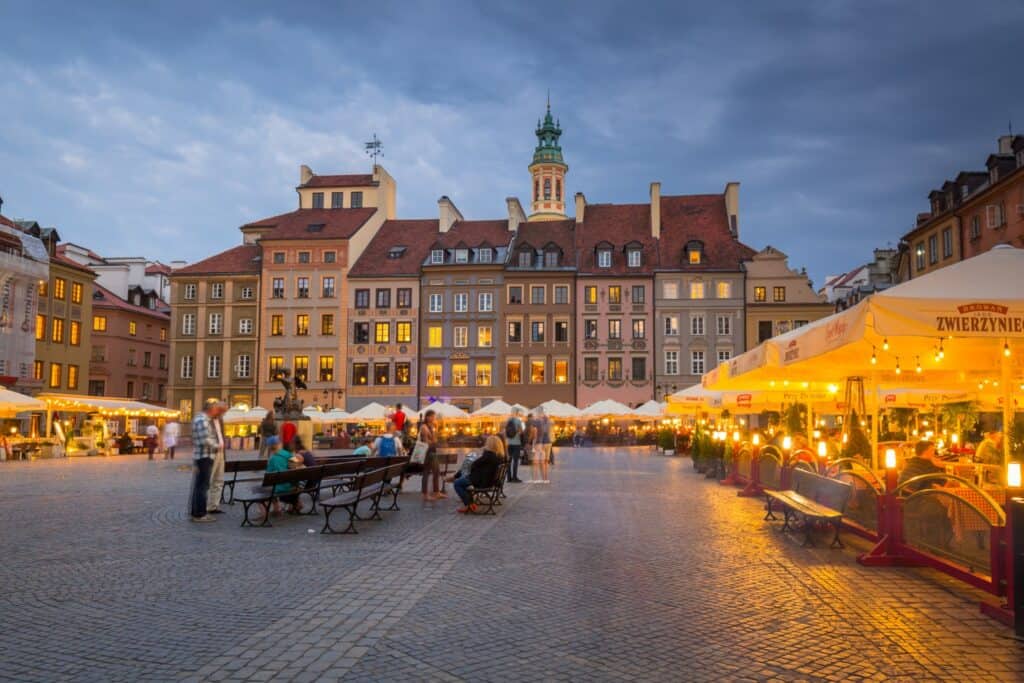
Poland occupies a location in the north of the East Central European region. It is a culturally rich country but very easy to get around. Big cities and small towns are tucked into every corner of the country and will provide you with an extraordinary experience.
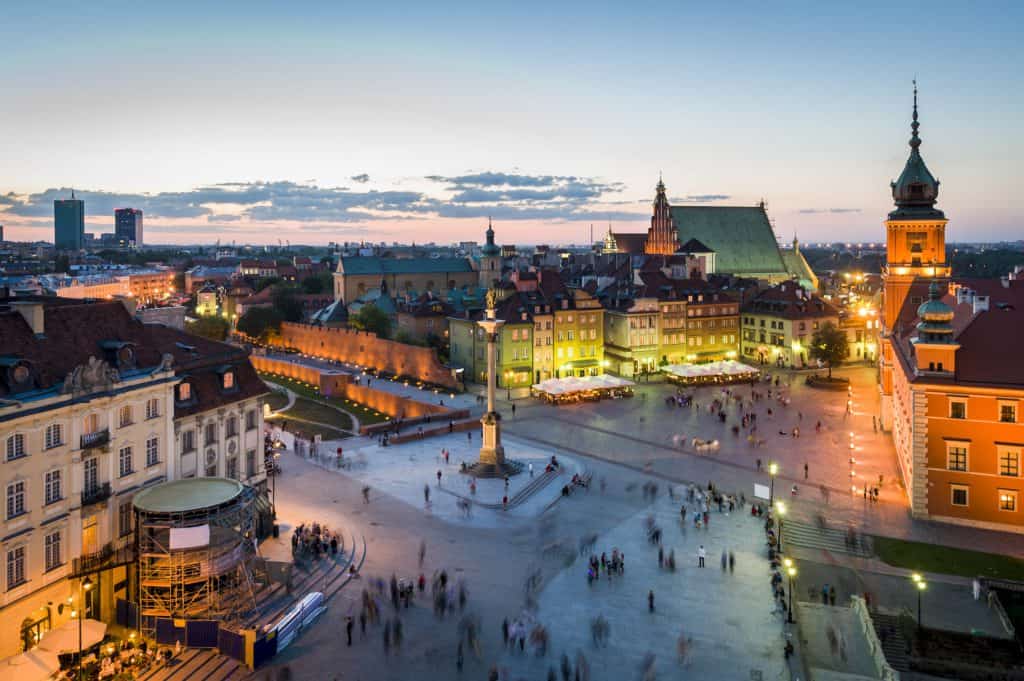
Warsaw, the capital city of Poland, is an interesting destination with a mixture of modernity and history. The historic core of the city has been carefully reconstructed to its pre-war state of elegance.
Poland has other cities that are worth a visit. Each city has its unique heritage and distinctive traditions to share with visitors. From its medieval castles and palaces to spacious national parks and mountains cutting through its virgin nature, Poland appeals to every type of traveller.
While you are visiting Poland, look for Polish castles. They are plentiful, and many have been turned into museums or hotels.
Polish culture, with its numerous holidays, festive traditions, colourful folk costumes, and charming handicrafts, makes Poland even more attractive as a travel destination.
Croatia
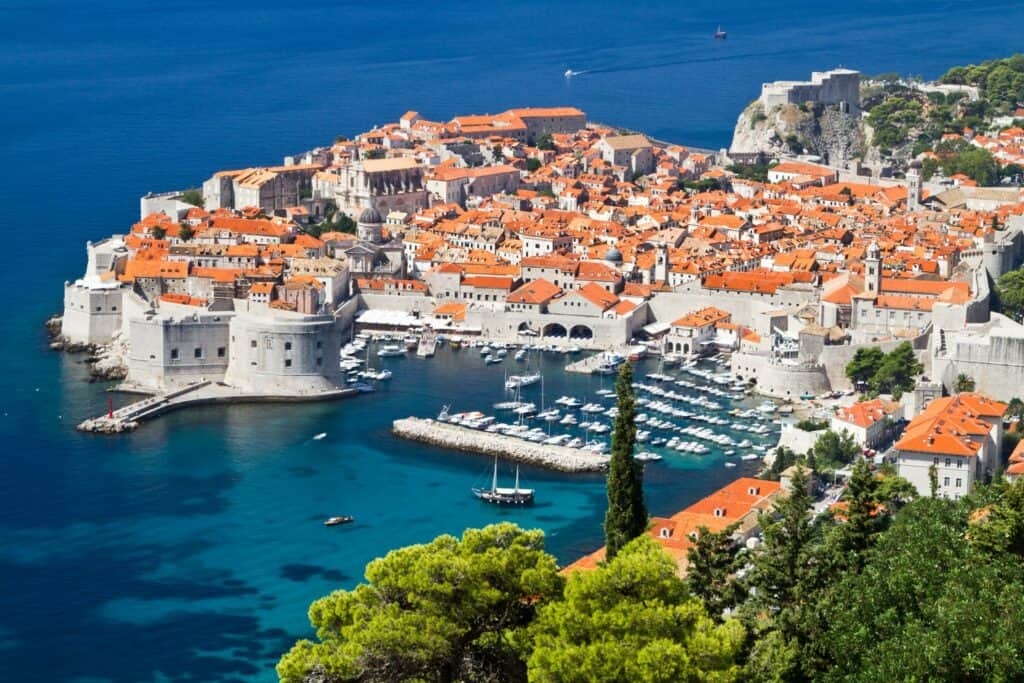
Croatia is a country that has long coasts and beautiful beaches. This alone is enough reason to pay a visit to Croatia. The country also has an abundance of cities that are full of interesting attractions.
Unlike other Southeastern European countries that are struggling to attract tourists, Croatia has a plethora of potential; cruise liners dock in its ports, spring breakers flock to its beaches, and honeymooners seek out its achingly romantic getaways.
The most famous destination in Croatia is Dubrovnik. It has the best seaside life in the whole of Croatia and is truly a must-visit. The city of Dubrovnik welcomes increasing numbers of tourists annually.
With all of the attractions in Dubrovnik, it is not the only destination worth visiting in Croatia. Other Croatian cities and towns reveal the mysteries of past civilizations, proudly serve local cuisines, and protect rare treasures of art and architecture. Consider Split with its giant Roman palace or Rovinj with its legendary church.
Croatian culture is very colourful which is very apparent in the country. When you visit the country, make sure to check the embroidered folk costumes. Your visit would never be complete without buying a traditional Croatian costume.
Croatia is also known for its traditional songs and dances. These can be enjoyed during different festivals and holidays. The traditional festivals are a great way for you as a visitor to get to learn about the country’s identity and traditions.
Slovakia
This eastern European country was once part of the Czechoslovakia Republic. Right now, Slovakia is an independent country that is located in the centre of Europe. The country is an attractive travel destination because of the diverse monuments and things to do it offers.
Slovakia is a country that enjoys a stable economy. This is reflected in the country’s attractions. The most famous destination in Slovakia is Bratislava, the capital city. The city has so much to offer.
The most famous destination in Bratislava is its small, compact Old Town. The Old Town is the centre of all festivals that take place during the holidays. Some of the holidays celebrated in the town include New Year’s Eve and Christmas.
The New Year’s Eve celebrations in Bratislava’s Old Town usually conquer all others that take place in nearby European capitals. Furthermore, the best thing about spending Christmas in Bratislava is enjoying traditional dishes and handmade Slovakian crafts that are sold at the different markets around the capital.
Slovakia’s castles are a great excuse to go out and see the Slovakian countryside, where mountains, hills, lakes, and fields create romantic settings for picnics and hikes.
Hungary
Hungary is located in the centre of Eastern Europe. The country has a distinctive culture that differentiates it from other Eastern European countries. However, it still shares some similarities with neighbouring cultures.
The capital city of Hungary, Budapest has a 19th-century architectural style. This makes Budapest one of the top Romantic cities in Europe. The buildings in the city are known for having lots of details on them.
Neo-Gothic and Art Nouveau architecture drips with details—Hungary’s parliament building is one example of Hungary’s symbolic architecture. Even less officious buildings, like the Great Market Hall, glow with the beauty of past centuries.
Other than Budapest, Hungary has different cities that are worth exploring. These include Pecs, famous for its Roman archaeological sites, and Lake Balaton, Hungary’s most popular resort area. Hungary’s castles from medieval strongholds to castles built for temporary use provide the opportunity to see even more of this country.
Romania
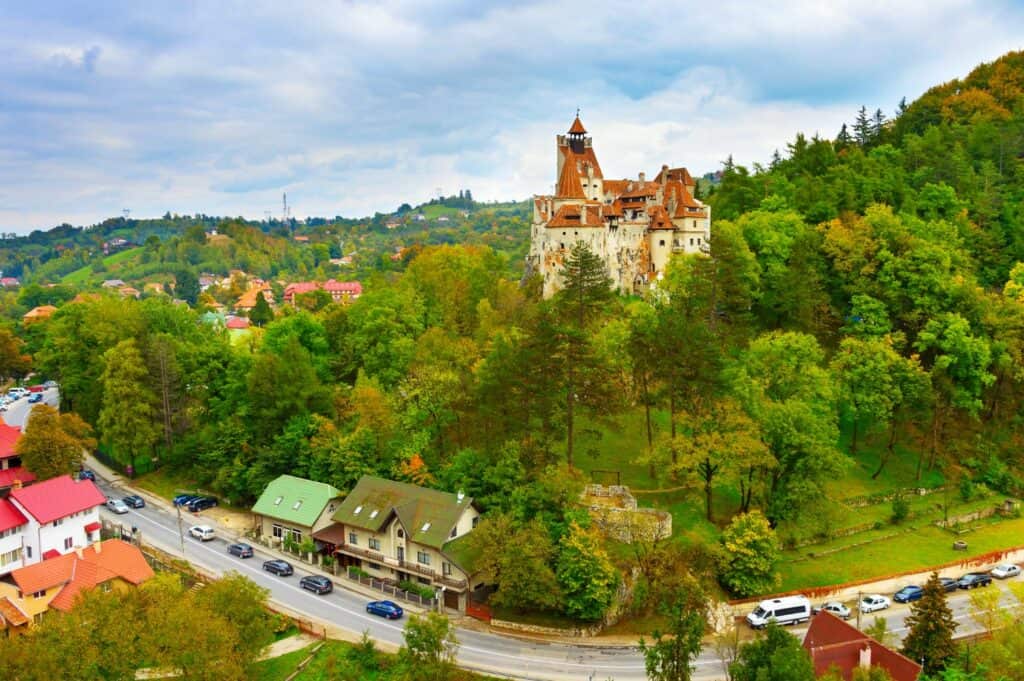
Another Eastern European country is Romania. Even though Romania is not a very popular tourist destination, the country has haunting beauty. Romania holds traditions that have been there for centuries.
The country is full of hidden surprises that would reveal themselves to the visitors who are patient enough to seek them out. Romanian culture dates back to Roman times when the Dacians inhabited the region.
Archaeological sites reveal information about the earliest Romanians and offer clues to modern Romania’s origins. Romania today preserves much of the past in countryside life, traditions, castles, churches, and historic towns.
Moldova
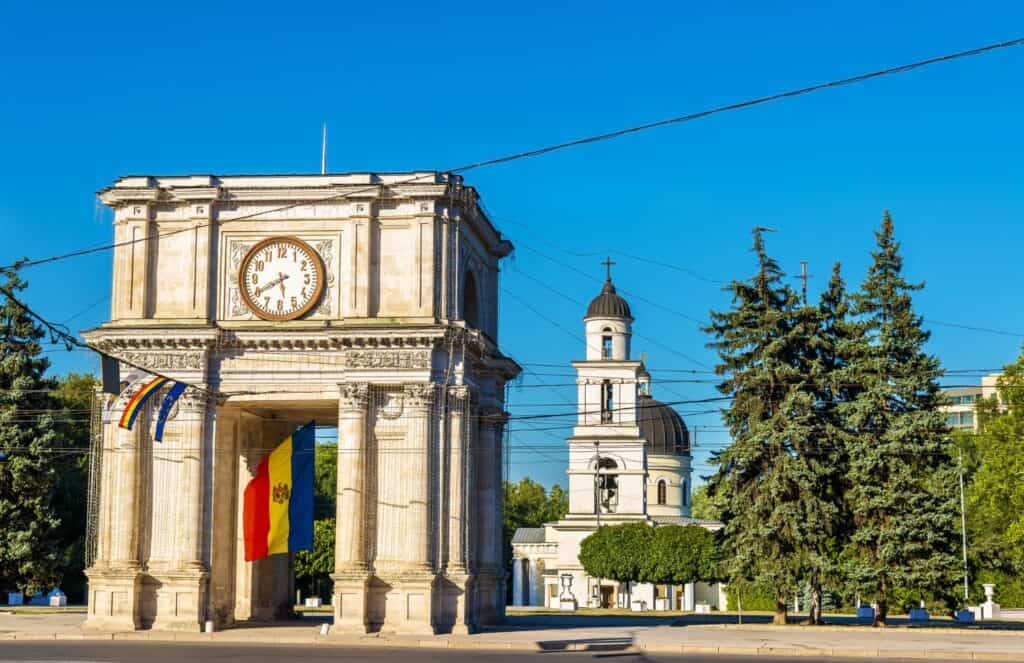
Even though many people wrongly believe that Moldova is a part of Romania, it is actually an independent country. However, Moldova has a culture that is very similar to Romania, and they speak the same language.
The most famous city to visit in this tiny country is its capital, Chisinau.
Bulgaria
Bulgaria is the most mysterious country in Eastern Europe. It is located in the southeastern part of the region, and it is pretty much unexplored by travellers. This widely undiscovered country enjoys a plethora of landscapes that exhibit great beauty.
There are many landmarks in Bulgaria. They will teleport you to the historical times of this country. The Cyrillic alphabet was first introduced here in the 9th century, and this heritage is preserved proudly by its people.
Unlike other European countries, the capital city of Bulgaria, Sofia, is not the main destination in the country. Bulgaria has many mountainous towns and coastal cities that overlook the Black Sea. Furthermore, other cities such as Plovdiv reveal Bulgaria’s long heritage in their architectural artefacts and museums.
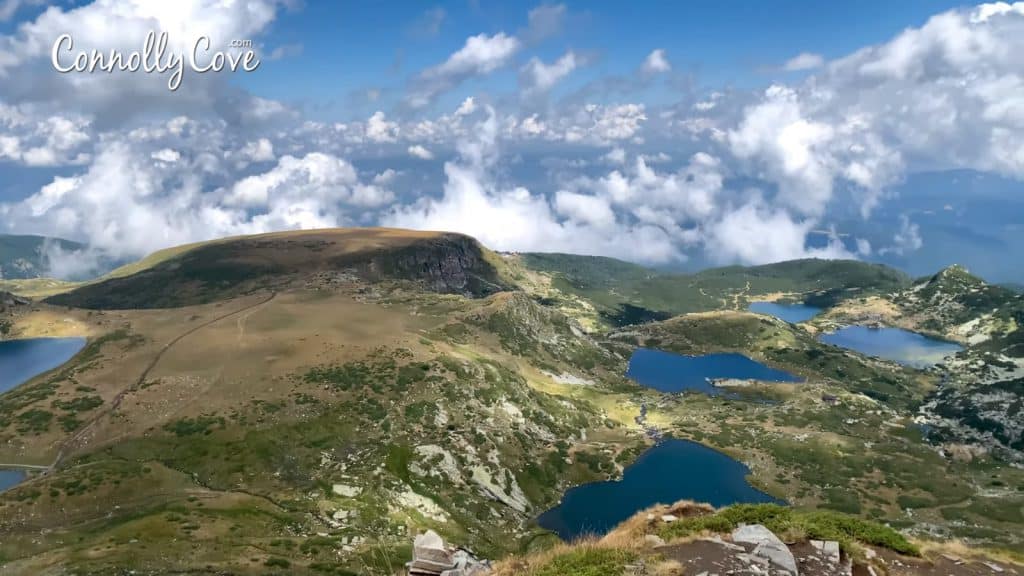
Another popular tourist attraction in Bulgaria is the Rila Monastery, a pilgrimage site for centuries. This popular attraction is nestled in the Rila Mountains and is the most important seat of the Bulgarian Orthodox Church. While you are around Rila, don’t miss the opportunity to visit the most stunning group of glacial lakes, the Seven Rila Lakes.
Ukraine
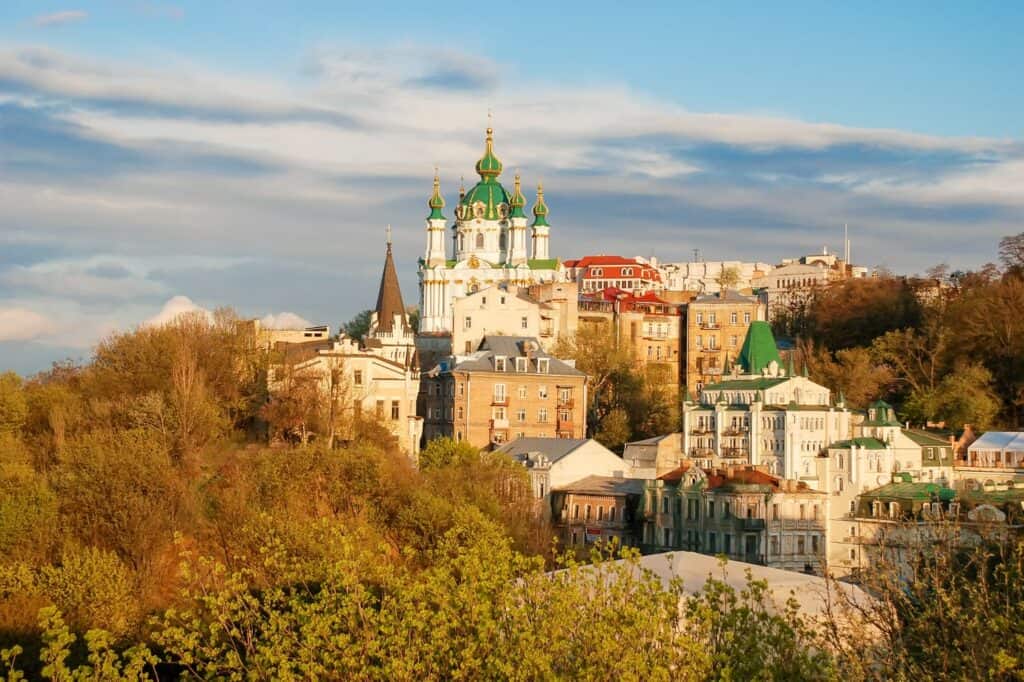
Despite being one of the largest countries in Eastern Europe, Ukraine is not popular amongst tourists. Regardless of the unrest in the eastern part of the country, the rest of Ukraine is safe to travel through.
Ukraine has plenty of attractions to see and explore. From the magnificent golden domes of Kyiv to the summer sun on the Black Sea and local delicacies, Ukraine will charm all types of foreign tourists.
A great advantage that Ukraine enjoys is that the country is very affordable. This makes it a great destination for travellers on a budget. Furthermore, applying for a Ukrainian visa can be done online within only a few minutes.
With a distinct culture full of captivating history, Ukraine is as far from touristy as you can get. Explore glorious cathedrals, Orthodox churches, ancient castles, lush forested hills, and Black Sea beaches.
Belarus
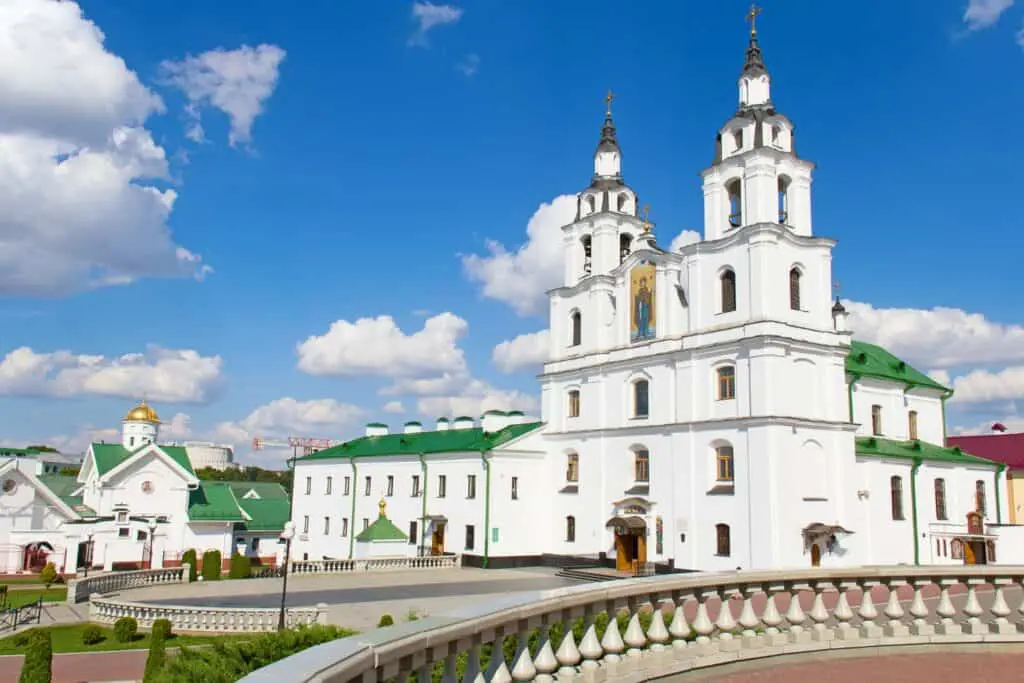
Considered a true hidden gem, Belarus is one of the Eastern European countries that do not attract many tourists. Only recently, travellers have paid more attention to this gem of a country and started flocking from every corner of the globe to taste its beauty.
Belarus is a country of great natural beauty. Its land is covered by forests and has major tracts of marshy land. This unique natural environment crowned the country as the home to many rare animals and plants.
One of the most popular attractions to visit in Belarus is the capital city, Minsk. It is a green city that has many parks and museums. Some of the museums in Minsk include the popular Belarusian Folk Museum of Folk Architecture and Rural Life. This skansen draws the attention of many types of travellers.
Must See in Eastern Europe
Sofia, Bulgaria (Things to See and Enjoy)
This city that’s rich in history is at the heart of The Balkans, is mid-way between the Black Sea and...
Explore More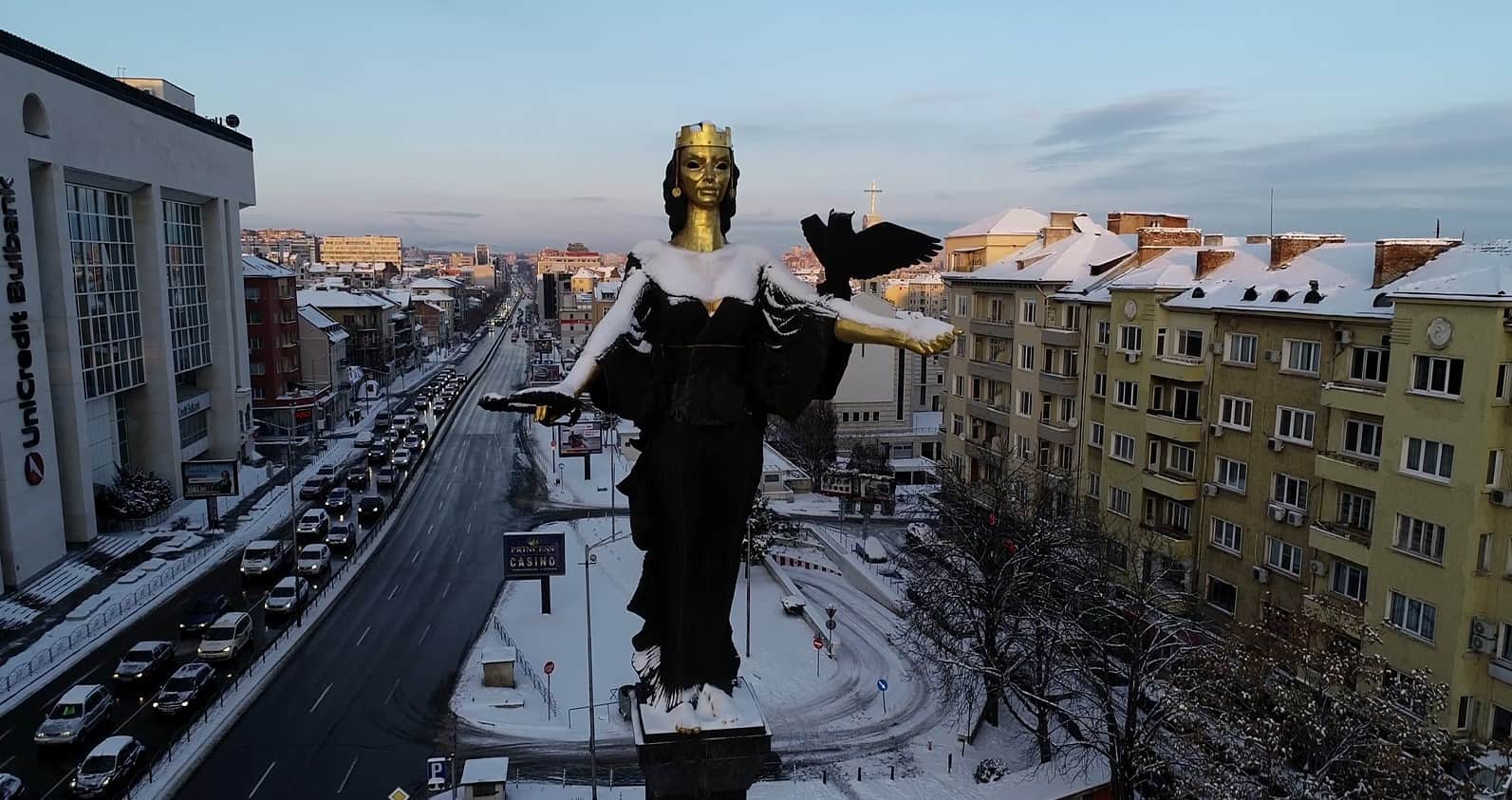
26 Things You Can’t-Miss In Krakow, Poland
If you are looking for a new destination to spend an exciting weekend full of culture and new activities off...
Explore More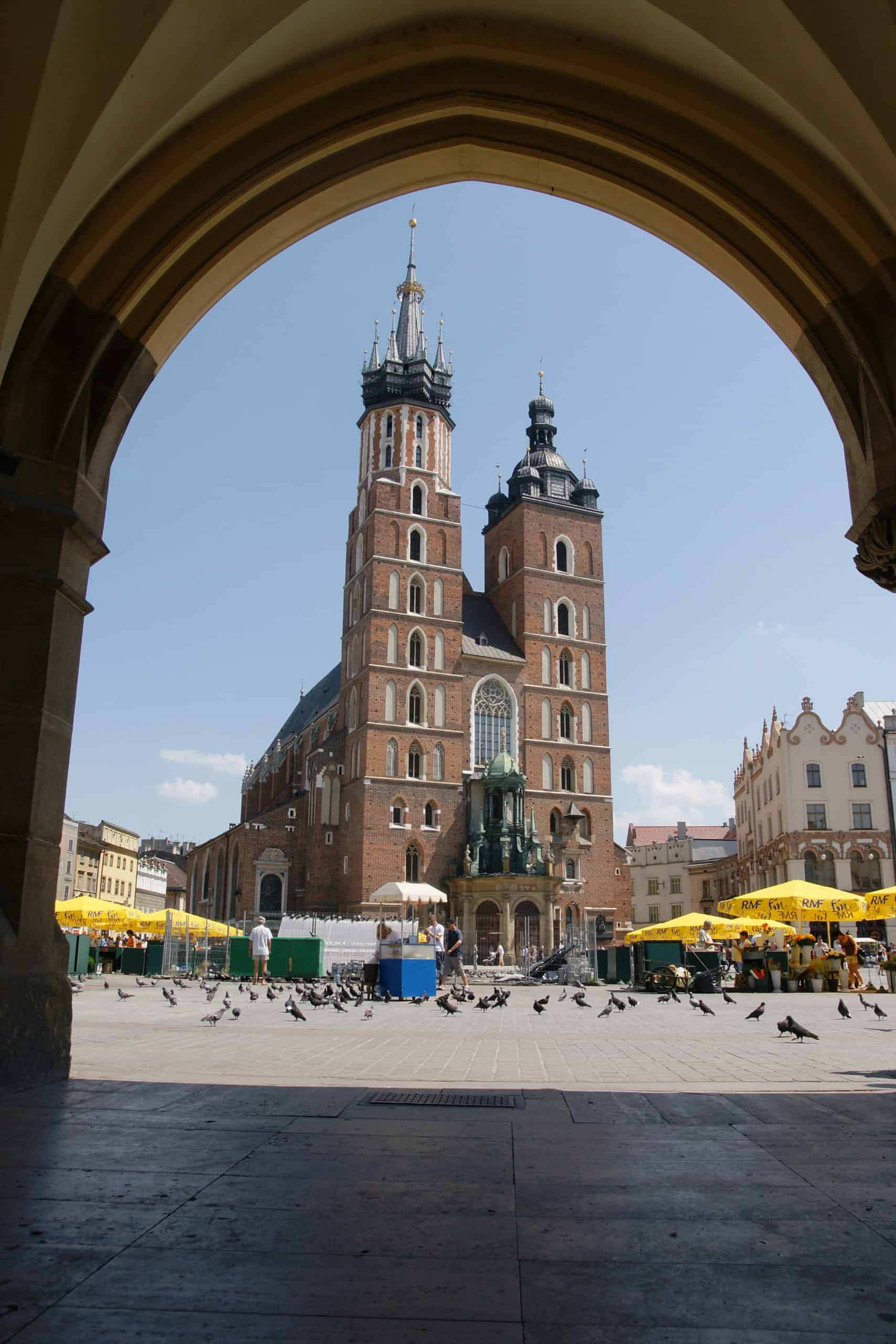
Explore Eastern Europe
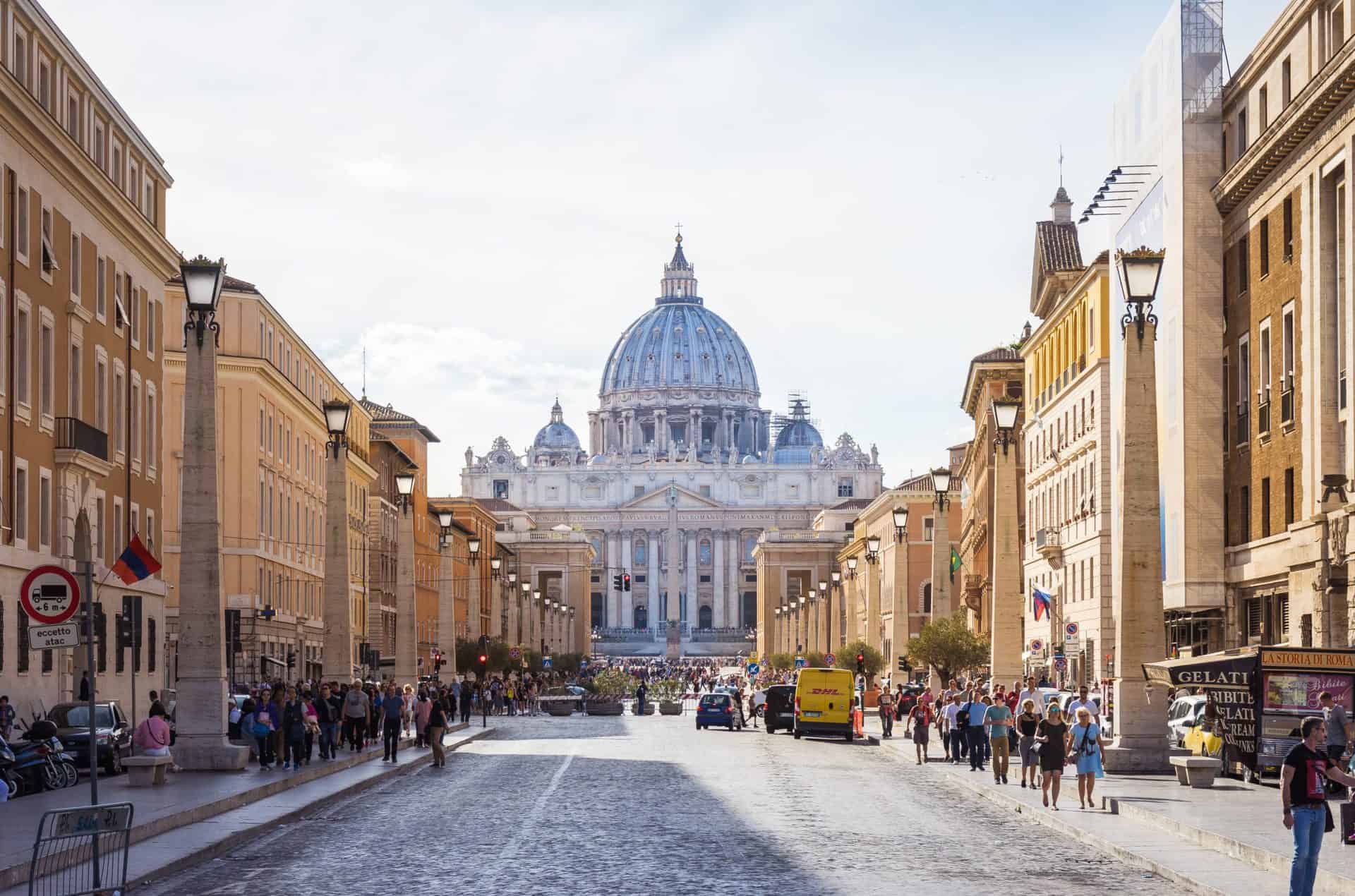
20 Affordable Activities to Do in Rome
All roads lead to Rome! Do they? Well, they did. All secondary cities in the Roman Empire had roads connecting...
read full article
10-Day Tour – Trips to England, Ireland, and Scotland: Explore the Best of these Three Countries
Arranging a journey to England, Ireland, and Scotland in a 10-day tour can feel like quite a daunting task. Blimey!...
read full article

Incredible Natural Wonders in Europe
Europe is made up of 50 uniquely distinctive countries. The places you’ll visit are some of the world’s most diverse...
read full article
The Ultimate Trip to England and France: Must-See Attractions and Itinerary
England and France, two nations forever bound by history, geography, and a touch of friendly rivalry, offer an irresistible travel...
read full article
Ancient Celtic Art Forms: Unveiling Historical Aesthetics
Ancient Celtic art is a distinctive and complex tradition that emerged thousands of years ago amongst the Celtic tribes of...
read full article
How The Spanish Armada Changed History
What is the most crucial date in British history? 1701, when The Act of Union was formalised, and the most...
read full article
Top Attractions
Discover Moscow: The Capital of the Red Empire
This city mixes Soviet with fancy shops. It is also a mixture of Asia and Europe which gives the city numerous sights and attractions that are worth visiting.
Discover Moscow: The Capital of the Red EmpireTop 11 Things to do in Koprivshtitsa, Bulgaria
The town of Koprivshtitsa is known for its architectural monuments, 383 to be exact that are a poignant example of the Bulgarian National Revival architectural style of the 19th century.
Top 11 Things to do in Koprivshtitsa, BulgariaYour Travel Guide To The Best Of Warsaw, Poland
The European metropolis of Warsaw is famous for its intense past and unparalleled friendliness. The Polish city keeps on evolving at full speed while preserving its personality that makes it a resolutely sparkling city.
Your Travel Guide To The Best Of Warsaw, PolandTop Experiences