


Saudi Arabia: Best Cities to Explore
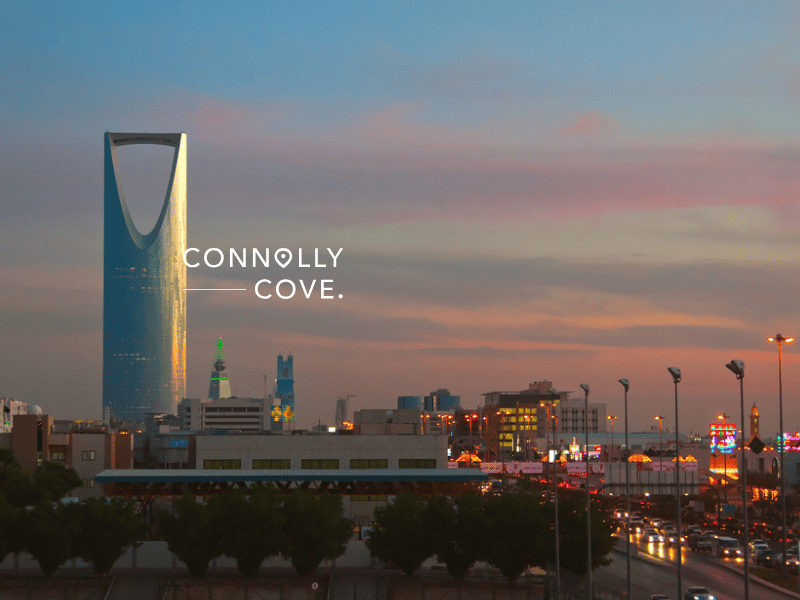
Updated On: April 22, 2024 by  ConnollyCove Team
If we went back in time and told someone that in the near future, Saudi Arabia would become so popular that it would be among the dreams of many people around the world, they would have considered us completely crazy. Many people had a stereotypical image of Saudi Arabia as nothing more than endless deserts or believed that nobody would travel there except for work or religious pilgrimages for Muslims.
However, Saudi Arabia has worked hard in recent years to expand its tourism industry and change these misconceptions. The nation has made investments to market its many natural attractions, historic past, rich cultural heritage, and modern landmarks. Saudi Arabia has been successful in introducing the world to its undiscovered gems through engaging marketing strategies and mesmerising visuals.
Today, there is a major change in how Saudi Arabia is perceived as a travel destination. People are becoming more and more aware of the nation’s incredible beauty and diverse experiences. Saudi Arabia is quickly becoming a must-see location, with attractions ranging from the historic Nabatean city of Al-Ula to the pristine Red Sea beaches.
Top Saudi Arabian Cities
Saudi Arabia has introduced several initiatives to facilitate tourism, such as providing tourist visas, developing the infrastructure, and planning global events and festivals. These initiatives have been successful in attracting tourists from all over the world, who have become eager to experience the welcoming hospitality, explore all of the distinct landscapes, and fully immerse themselves in Saudi Arabia’s rich culture.
So, if you’re one of those people who’s surprised by the rise of Saudi Arabia’s tourism and its popularity as a dream destination, this article is for you. We will embark on a journey to show the places that contributed to shattering stereotypes.
Riyadh
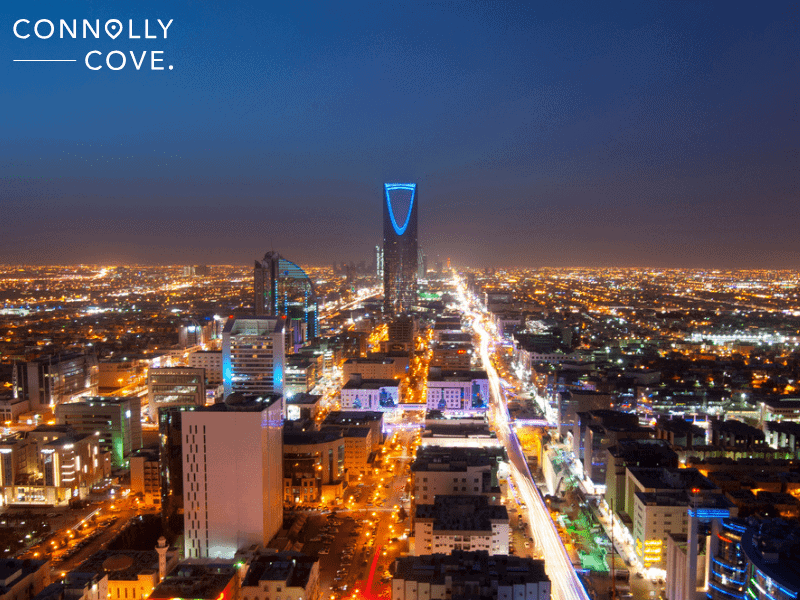
Saudi Arabia’s capital city, Riyadh, is a mesmerising location that skillfully combines ancient wonders with modern developments. With its eye-catching architecture, vibrant cultural scene, and wealth of activities, Riyadh has become a must-see location for tourists looking for an authentic Arabian experience.
The historical sites in Riyadh provide a window into the past of the area, as the city is rich in history. The fascinating Masmak Fortress, an iconic portrayal of the city’s history and the birthplace of modern-day Saudi Arabia, should be seen by all visitors. Equally important is Riyadh’s skyline, which is dotted with masterpieces of architecture that reflect the city’s modern transformation. With its panoramic views, the Kingdom Centre Tower is a tribute to the aspiration and grandeur of the metropolis. You can also discover the cutting-edge wonders of the King Fahd Cultural Centre, which combines stunning design with practicality.
Another must-see on any trip to Riyadh is the bustling local markets. Discover the colourful textiles, fragrant spices, and traditional handicrafts in the busy Souq Al Zal. Take in everything of the Souq Al Zal’s sights, noises, and aromas to learn about the culture of the town. If you wish to escape the city’s noise and bustle, visit Riyadh’s serene parks and gardens. With its beautiful grounds, fountains, and walking paths, King Abdullah Park provides a tranquil haven amidst the bustle of the metropolis.
Visitors to Riyadh should not miss Riyadh Season, an annual mega-event that has gained importance on the cultural and entertainment calendar of Saudi Arabia. Launched in 2019, this energetic festival turns the nation’s capital into a fascinating hub of celebrations, attracting people from all over the country and beyond.
Jeddah
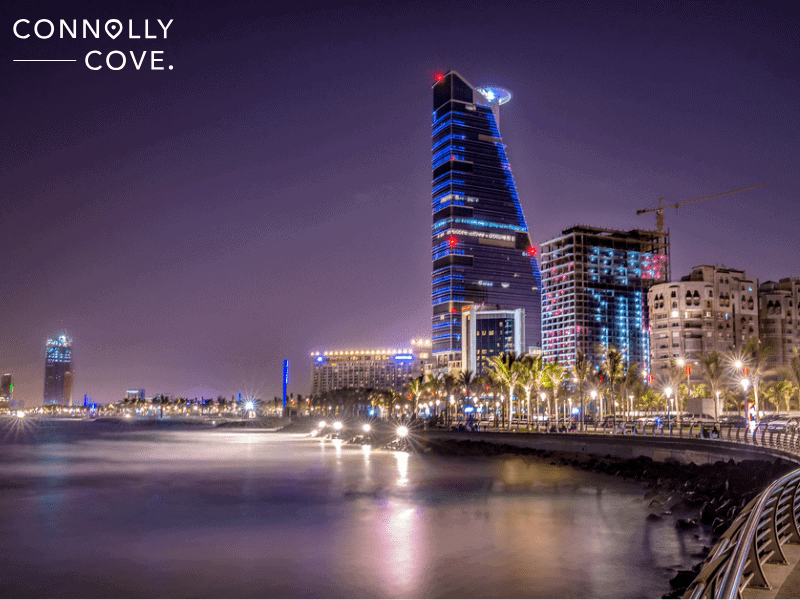
The vibrant Red Sea city of Jeddah is a captivating travel destination that combines ancient history with modern innovations. Jeddah, also called the “Bride of the Red Sea,” provides tourists with a unique and memorable experience.
Al-Balad, the city’s historic region, is home to a variety of historic buildings and cultural treasures. Discover wonderfully preserved buildings with finely carved wooden balconies by taking a stroll through its narrow alleys. Don’t miss the famous Nasseef House, a former home turned museum that highlights the city’s rich heritage.
Furthermore, you can take in the lively ambience of Jeddah’s bustling souks and markets. The busy Souq Al-Alawi is home to vendors selling local handicrafts, spices, and textiles. You can also explore the bustling Al-Balad Fish Market to learn about the tradition of local fishing and enjoy freshly caught seafood.
The Corniche of Jeddah is a charming waterfront promenade that stretches along the entire Red Sea coast and offers breathtaking views, leisure pursuits, and kid-friendly attractions. Experience the refreshing sea breeze by going for a relaxing stroll or by renting a bicycle. The King Fahd Fountain, which is the tallest fountain in the world and puts on a stunning display of water and lights, is one of the famous sights that can be found along the Corniche.
Tabuk
In Saudi Arabia, it snows! Snow covers Jabal Al-Lawz in Tabuk every year, which derives its name from the almond trees that once covered it. Since it is one of the tallest mountain peaks in the area, it receives snow during the winter, attracting both tourists and residents to experience magical moments.
Tabuk is located in the northwestern part of Saudi Arabia and is elevated above sea level. As a result, its climate tends to be moderate in summer and cold in winter. It is also known for its cultural influences from neighbouring countries, especially Jordan.
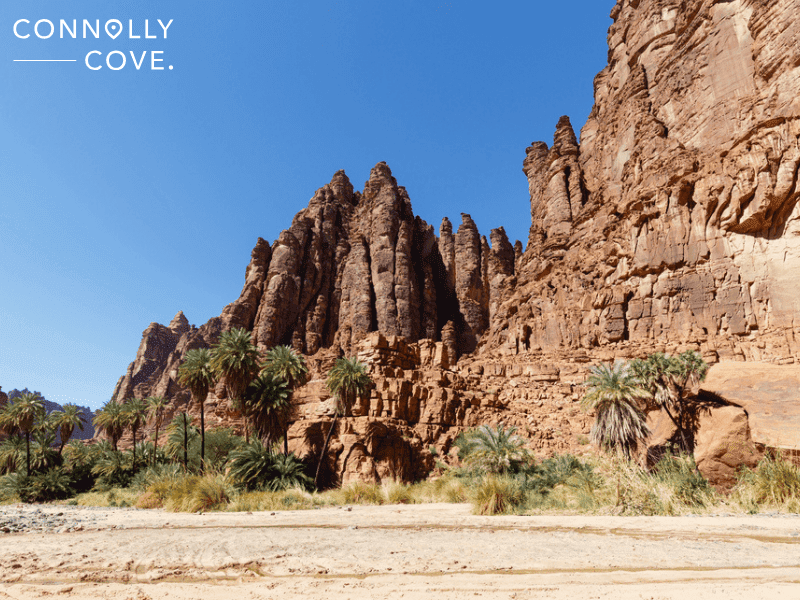
Moreover, Tabuk boasts an unmatched geographical diversity. It is home to Wadi Al-Disah, one of the most beautiful camping and hiking destinations, where visitors can connect with nature, explore mountains, valleys, and caves, and enjoy fresh water emerging from within the mountains.
There is also the Tabuk Historical Fortress, which dates back to 1559 AD and is one of the most significant historical landmarks in the city. Another attraction is Duba Port, known as the Pearl of the Red Sea, which attracts diving enthusiasts and marine life explorers. It also serves as a departure point for sea trips to Egypt and Jordan. Additionally, there is the Mughair Shuaib, located in western Tabuk, which consists of facades and tombs carved into the sandstone and is believed to be associated with the prophet Shuaib and the people of Midian.
Tabuk is a hidden gem that offers a unique blend of historic sites, natural wonders, and cultural experiences. Therefore, it should be at the top of your travel list if you’re seeking an unforgettable adventure.
Al-Ula
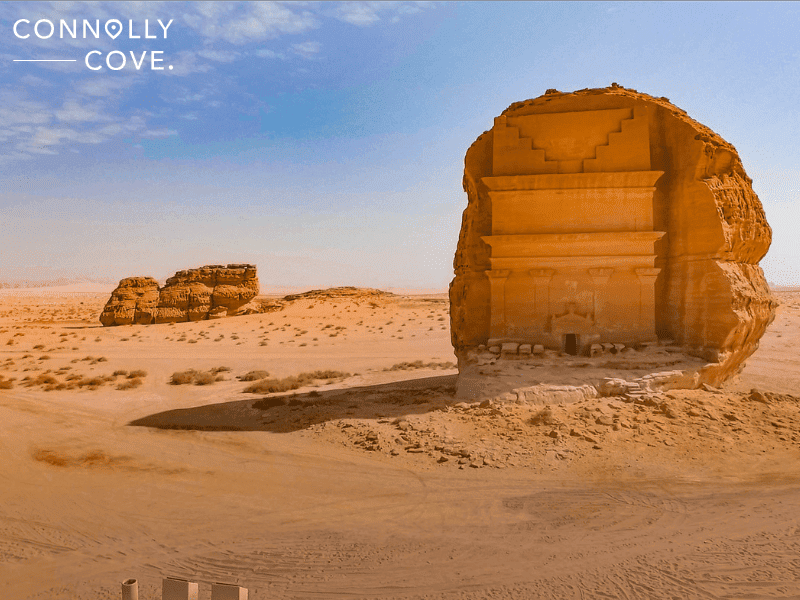
With its rich history and breathtaking landscapes, Al-Ula, a hidden gem in northwest Saudi Arabia, takes travellers back in time. Incredibly beautiful rock formations can be found in Al-Ula. A magnificent collection of ancient tombs and beautiful carvings can be seen in Madain Saleh (Al-Hijr site), providing a window into Nabatean civilisation.
Al-Ula has stunning mountains and canyons that encourage adventurers beyond the old remains. Jabal Ikmah‘s towering cliffs are home to historical artefacts and carvings that offer an interesting glimpse into the past. Also, you’ll be introduced to magnificent panoramas as you travel through the rugged terrain, giving you the impression that you are in a true, untouched natural paradise.
In the heart of Al-Ula, visitors have the opportunity to fully immerse themselves in the Old Town‘s rich cultural heritage. The region’s architectural heritage can be seen in the traditional mud-brick homes that are decorated with beautiful wooden carvings. While exploring the narrow roads, you’ll come across the bustling souk, where locals and tourists mingle, and a range of sights, sounds, and aromas pampers the senses.
At the same time, you should not miss the chance to take in one of the area’s famous events, like the Winter at Tantora Festival, to enrich your Al-Ula experience. World-class performers, art exhibits, and culinary delights are all featured during this outstanding annual event, which is set amidst Al-Ula’s breathtaking scenery. The immersive celebration of culture and art gives your trip a little more charm.
When you relax in its natural splendour, see its historical grandeur, and get involved in its vibrant culture, time appears to stand still. For anyone seeking a mixture of Saudi Arabia’s history, adventure, and natural beauty, Al-Ula is a must-visit place that provides an exceptional and remarkable experience.
Abha
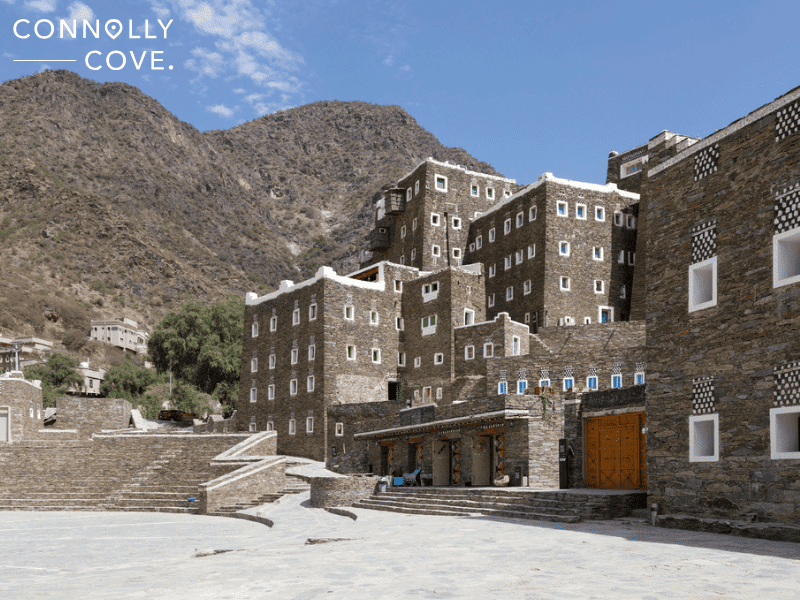
All who see Abha are charmed by the city and become attracted to it. Due to the countless Jacaranda trees, Abha gives off the impression of being the Japan of the Middle East. However, it is a city with outstanding beauty, and it is more than just a set of organised streets and some beautiful trees. Even on the hottest summer days, when the rest of the kingdom gets swept away by the heat, Abha evolves into a serene green haven.
All a visitor needs is a stroll amidst the mist-covered mountains of Abha, accompanied by a cup of Arabic coffee. If you are into hiking, take a hike in Al-Soudah Park, a green mountainous area that rises 3,000 metres above sea level and is shrouded in mist throughout the year. You can also explore the Al-Basta Historic District, which houses numerous historical buildings, fortresses, and traditional shops, providing a delightful opportunity to connect with the past.
Nature lovers and enthusiasts of breathtaking panoramic views must not miss the cable car ride that connects several destinations, including Abu Khayal Park and Green Mountain Park, Abha Resort, and the Green Mountain. They can also go camping and stargazing at Al-Dahna Waterfall, one of the most beautiful camping spots in the kingdom, located approximately 110 kilometres away from Abha.
Abha invites guests to lose themselves in its enchanting beauty with its breathtaking scenery and distinct cultural history. For those looking for a unique experience in the southwest of Saudi Arabia, it is a place that blends natural beauty, historical riches, and a peaceful ambience.
Umluj
A country as vast as Saudi Arabia, with a long coastline on the Red Sea and the Persian Gulf, is bound to have captivating seaside cities. Among the many stunning coastal cities, one cannot overcome Umluj, often referred to as the “Maldives of Saudi Arabia.” A person’s desire to visit Umluj and enjoy its white sands, crystal-clear waters, and the company of untouched marine life and coral reefs that human hands have not harmed is immediately ignited by seeing a picture of its beaches.
Umluj is known for its archipelago of over 100 breathtaking islands with palm-fringed beaches, warm waters for swimming, and enchanting depths for diving. But the allure of Umluj extends beyond the sea. From mango farms to volcanic crater areas that date back thousands of years, the land of Umluj is equally enticing.
Moreover, Umluj is famous for its natural reserves, which offer visitors an irresistible experience amidst nature and wildlife, allowing them to enjoy bird watching or feeding animals. Strolling along the Umluj Corniche is an activity not to be missed. Families, in particular, should visit Ras Al-Shab’an Beach due to its shallow, clear waters that are ideal for children.
Umluj, a not widely known gem in Saudi Arabia, offers a distinctive coastline experience similar to that of the renowned Maldives. For those looking for adventure and relaxation in the coastal paradise of the kingdom, Umluj promises a wonderful trip with its gorgeous beaches, vibrant marine life, and attractive blending of land and sea.
Dammam
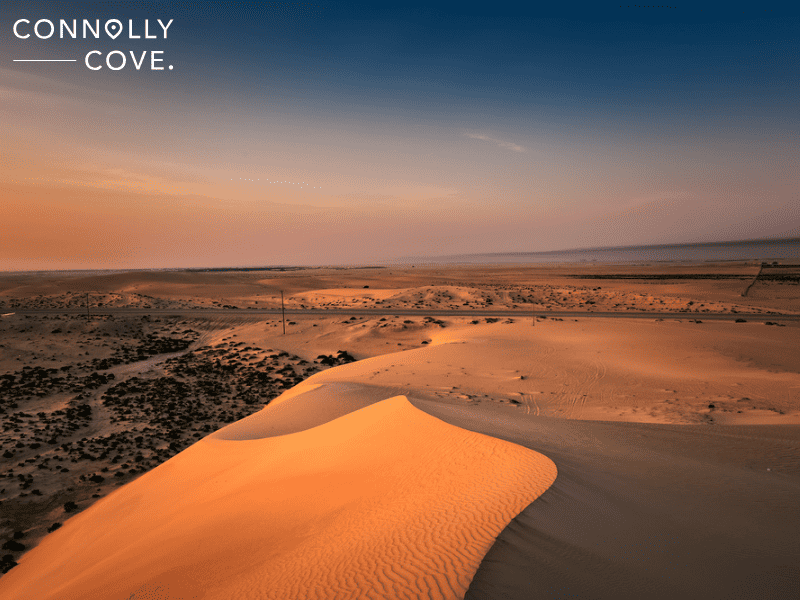
Dammam, the capital of the Eastern Province, is a bustling metropolis located on Saudi Arabia’s eastern coast. Dammam is a gateway to a wide range of cultural, commercial, and economic opportunities and is renowned for its strategic position on the Persian Gulf. The city has a thriving business district, great infrastructure, and a modern, cosmopolitan vibe. The city serves as a significant centre for trade and industry, drawing both domestic and foreign companies.
One of Dammam’s popular attractions is the Corniche, a lovely waterfront promenade. It offers amazing views, well-kept parks, and recreational amenities as it stretches along the Gulf Coast. Visitors can take leisurely strolls, ride bicycles, or just relax while taking in the stunning sunset.
For those who love history, Dammam is home to the Dammam Regional Museum, which features items and exhibitions that demonstrate the region’s rich cultural legacy. The museum offers information on the Eastern Province’s history, customs, and way of life.
Additionally, Dammam is a gastronomic destination that offers a wide variety of local and international cuisine. Fresh seafood from the Persian Gulf is sold in restaurants and traditional markets in the city. Due to Dammam’s ideal location, many neighbouring places are easy to reach, like Al Khobar, which is a well-liked spot for dining, shopping, and entertainment.
Overall, Dammam provides guests with a unique visitor experience due to its blend of modernism, cultural heritage, beautiful coastline, and accessibility to a variety of attractions. Whether travelling for work or pleasure, the city offers a vibrant and enriching opportunity along the coast of the Persian Gulf.
Saudi Arabia is a magnificent treasure trove of outstanding scenery, extensive history, vibrant culture, and generous people. The country provides a wide variety of travel experiences, from the historic beauties of Madain Saleh to the modern marvels of Riyadh and from the breathtaking Red Sea coast to the beautiful mountains of Asir. Visitors have the chance to experience Saudi Arabia’s beauty and authenticity immediately as the nation opens its doors to tourism and enters an era of growth and innovation. The nation seeks to reshape the tourism industry with its ambitious Vision 2030 strategy. Accordingly, Saudi Arabia will soon be recognised as one of the top tourist destinations in the world.

Exploring Aillwee Caves in County Clare, Ireland
County Clare
01/05/2024
Visiting Glasgow | Ultimate Travel Guide
Scotland
01/05/2024

Discovering Ireland | Explore County Tyrone
County Tyrone
01/05/2024
10 Charming Irish Towns You Must Visit
Ireland
01/05/2024

The Art of Solomon’s Knot: Complete Guide
Culture Exploration
02/05/2024