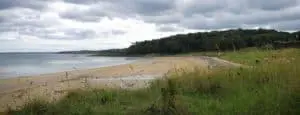
When you stand on the shores of Strangford Lough in County Down, Northern Ireland, you’re witnessing something quite extraordinary. This 150-square-kilometre stretch of water isn’t simply another pretty inlet. It’s Northern Ireland’s largest sea lough, a UNESCO Global Geopark, and home to over 2,000 marine species. The Vikings named it “Strangfyorthe,” meaning “place of strong currents,” and once you see the powerful tides surging through its narrow entrance, you’ll understand why.
Local communities have lived alongside these waters for over 5,000 years, fishing its depths, building boats in its sheltered coves, and weaving stories about its islands and creatures. Today, Strangford Lough remains as vital to the region as ever, supporting sustainable fishing, cutting-edge marine research, and a growing community of visitors who come seeking authentic experiences beyond typical tourist trails.
At ConnollyCove, we’ve spent countless hours exploring these waters, talking with local fishermen, walking its coastal paths, and learning about its conservation efforts. What we’ve discovered is a place where ancient history meets modern environmental stewardship, where you can kayak over Viking battlefields one morning and watch seal colonies the next afternoon. This guide will take you beyond the obvious attractions to discover the real character of Strangford Lough.
Table of Contents
Ancient Waters and Timeless Stories
The story of Strangford Lough stretches back through millennia, written in stone circles, medieval ruins, and the memories of communities who’ve called these shores home. Understanding this history transforms a simple day trip into a connection with something much deeper.
Neolithic Beginnings and Early Settlers
Archaeological evidence around Strangford Lough tells us people have been living here for over 5,000 years. The earliest inhabitants paddled primitive log boats across these waters, fishing and trading along the coastline. Near Mahee Island, you can still see remnants of Neolithic settlements, including stone circles that suggest the lough held spiritual significance for these ancient peoples.
The original Irish name for these waters was Loch Cuan, meaning “harbour lake” – a testament to its importance as a safe haven for boats throughout the centuries. Early Christian monks recognised this too, establishing monasteries on several islands. The most famous of these is the Nendrum Monastic Site on Mahee Island, where you can walk among ruins dating back to the 5th century.
Viking Raiders and Norman Lords
The Vikings arrived in the 9th century, drawn by the lough’s strategic position and rich fishing grounds. Their legacy lives on not just in the name Strangford, but in local place names and archaeological finds scattered around the shoreline. In 877 AD, rival Viking factions fought the Battle of Strangford Lough, one of several conflicts that shaped the region’s early medieval period.
Norman settlers followed the Vikings, building impressive stone castles that still dot the landscape today. Audley’s Castle, perched dramatically on the shore near Strangford village, dates from the 15th century and offers spectacular views across the water. Castle Ward, now managed by the National Trust, became famous worldwide as a filming location for Game of Thrones, though its history as a grand 18th-century estate predates any fictional dragons.
Maritime Traditions and Local Heritage
For centuries, the communities around Strangford Lough have made their living from the sea. Traditional fishing methods, passed down through generations, still influence how local fishermen work today. The lough’s unique tidal flows created specific techniques for catching its famous oysters, mussels, and fish that you won’t find anywhere else in Ireland.
Local boat-building traditions also evolved to match the lough’s challenging conditions. The distinctive design of Strangford Lough fishing boats, with their deep hulls and reinforced bows, reflects generations of practical knowledge about navigating these particular waters.
“When we first started exploring the lough’s hidden corners, we were struck by how every stone seemed to have a story, every inlet a legend. The local people didn’t just live alongside this water – it was woven into their very identity.” – Ciaran Connolly, Founder of ConnollyCove
A Wildlife Paradise Like No Other
Strangford Lough’s unique geography creates conditions found nowhere else in the British Isles, supporting an extraordinary diversity of life both above and below the waterline.
The Tidal Engine That Powers Life
The lough’s most distinctive feature is its connection to the Irish Sea through a narrow 8-kilometre channel known simply as The Narrows. Every six hours, approximately 300 million cubic metres of seawater surge in and out through this bottleneck, creating currents that can reach eight knots – some of the fastest tidal flows in Europe.
These powerful currents prevent the seabed from silting up, maintaining crystal-clear water that supports an incredible variety of marine life. The constant movement also ensures high oxygen levels throughout the water column, creating perfect conditions for everything from tiny sea anemones to large marine mammals.
Standing on the shores near Portaferry during a spring tide, you can feel the raw power of these waters. The sound alone is remarkable – a deep, rhythmic surge that locals say you can hear from miles away on quiet nights.
Birdwatching Paradise
From October through March, Strangford Lough transforms into one of Europe’s most important wintering grounds for waterfowl. Over 75% of Ireland’s Light-bellied Brent Geese spend their winters here, arriving from their Arctic breeding grounds in a spectacular migration that draws birdwatchers from across the British Isles.
The RSPB reserve at Castle Espie provides excellent viewing facilities and expert-led walks during peak migration periods. Here you’ll also spot curlews, redshanks, knot, and various duck species that depend on the lough’s mudflats for winter feeding.
Resident birds include grey herons, cormorants, and the occasional white-tailed eagle – recently reintroduced to Ireland after a 100-year absence. These magnificent birds, with their 2.5-metre wingspan, are gradually establishing territories around the lough, marking a conservation success story that locals are particularly proud of.
Marine Life and Seal Colonies
The underwater world of Strangford Lough rivals any marine reserve in Europe for diversity and abundance. Strong tidal currents support vast kelp forests that provide nursery areas for fish, while the varied seabed—from sandy shallows to rocky depths—creates habitats for over 2,000 species.
Common seals are the lough’s most charismatic residents. The best viewing spots are around the mouth of the lough near Strangford village, particularly during low tide when they haul out onto exposed rocks. Local boat operators offer respectful seal-watching tours that maintain appropriate distances while providing excellent viewing opportunities.
The lough is also famous among divers for its unique horse mussel beds – some of the oldest and most extensive in Europe. These long-lived molluscs create complex three-dimensional reefs that support countless smaller species, making every dive a voyage of discovery.
Conservation Success Stories
The designation of Strangford Lough as Northern Ireland’s first Marine Conservation Zone in 2013 marked the culmination of decades of conservation work by local communities, scientists, and environmental organisations. This protection ensures sustainable fishing practices, regulates water sports activities, and provides legal backing for habitat restoration projects.
Visitors can support these efforts by following marked trails, keeping dogs on leads during bird nesting seasons, and choosing tour operators who follow responsible wildlife watching guidelines. The Strangford Lough and Lecale Partnership provides excellent information on how travellers can explore the area while contributing to its protection.
Historic Sites and Cultural Treasures
Exploring Strangford Lough means stepping through layers of history, from prehistoric stone circles to medieval castles and grand Georgian estates. Each era has left its mark on the landscape, creating a rich cultural heritage that rewards curious explorers.
Castles and Fortifications
Audley’s Castle stands as perhaps the lough’s most photographed landmark, and for good reason. This 15th-century tower house occupies a commanding position on the eastern shore, built by the Audley family to control shipping traffic through The Narrows. The short walk from the car park leads through peaceful farmland before revealing dramatic views across the entire lough.
Castle Ward Estate, managed by the National Trust, offers a completely different architectural experience. This 18th-century mansion famously combines Gothic Revival and Palladian styles in a single building – reflecting the different tastes of its original owners, who apparently couldn’t agree on architectural preferences. The extensive grounds include formal gardens, working farmland, and several kilometres of shoreline walks.
Killyleagh Castle, visible across the water from many vantage points, claims to be Ireland’s oldest inhabited castle. Its distinctive fairy-tale towers and whitewashed walls make it one of Ulster’s most recognisable landmarks, though it remains a private residence and isn’t open for tours.
Monastic Heritage
The early Christian heritage of Strangford Lough centres on Nendrum Monastic Site, located on Mahee Island and accessible by car via a series of bridges. This remarkably well-preserved monastery operated from the 5th to the 12th centuries, making it one of Ireland’s oldest recorded religious sites.
Walking through Nendrum’s concentric stone walls, you can still make out the round tower, church foundations, and even the remains of the monks’ living quarters. Information boards explain the daily life of the medieval community, from their sophisticated water mill system to their role in preserving manuscripts during turbulent times.
The monastery’s position wasn’t chosen randomly. Mahee Island’s elevated location provided excellent views across the lough, allowing the monks to spot approaching raiders while maintaining a peaceful retreat from worldly concerns.
Traditional Fishing Villages
The villages around Strangford Lough each have their own character, shaped by centuries of maritime life. Strangford village itself clusters around a small harbour where fishing boats still land their daily catch. The narrow streets reflect the village’s medieval origins, while newer buildings show how the community has adapted to modern tourism while maintaining its working heritage.
Portaferry, at the entrance to The Narrows, serves as the lough’s unofficial capital. Its strategic position made it an important port for centuries, and today it combines working harbour facilities with visitor amenities. The Portaferry Hotel offers panoramic views across the water, while the local aquarium – Exploris – provides fascinating insights into the lough’s marine ecosystem.
Kircubbin, on the Ards Peninsula, represents the quieter side of life on the lough. This small fishing village maintains traditional boat-building skills and offers excellent shore fishing opportunities. Local pubs here serve some of the freshest seafood you’ll find anywhere, often caught the same morning you eat it.
Authentic Experiences and Activities
Strangford Lough offers activities to suit every type of traveller, from adrenaline-seekers to those preferring gentle exploration. The key is choosing experiences that connect you with the lough’s unique character rather than generic tourist activities.
On the Water Adventures
Kayaking provides perhaps the most intimate way to explore Strangford Lough’s hidden corners. Several local operators offer guided tours that take you into secluded bays inaccessible by larger boats. Spring and early summer offer the best conditions, with calmer waters and longer daylight hours.
The most popular kayaking route follows the eastern shore from Castle Ward to Audley’s Castle, combining spectacular scenery with historical interest. Experienced paddlers can tackle the more challenging waters near The Narrows, though this requires careful attention to tidal conditions and local weather forecasts.
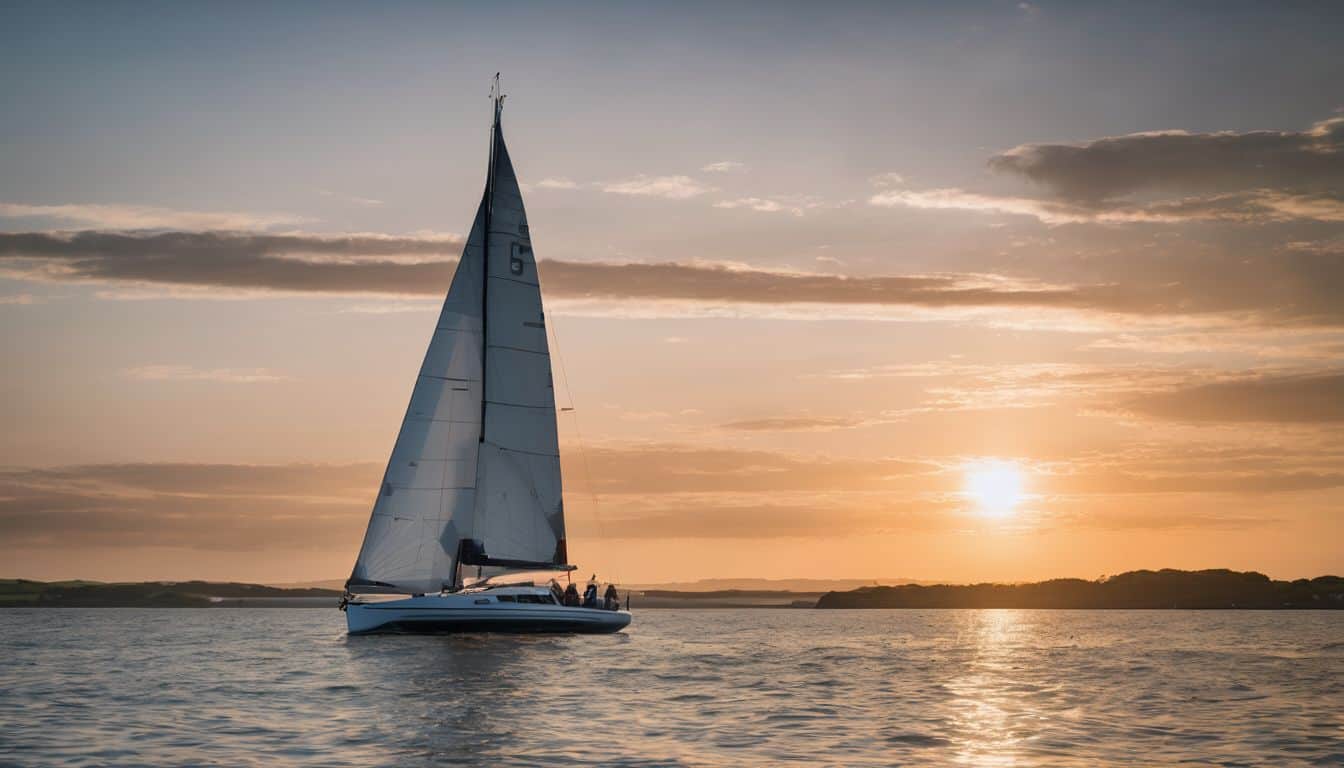
Sailing enthusiasts will find excellent facilities at marinas in Portaferry and Kircubbin. The lough’s sheltered waters make it ideal for learning, while the challenging tidal flows provide excitement for experienced sailors. Local sailing clubs welcome visiting yachtsmen and often organise informal races during the summer months.
For those preferring to stay dry, several operators run boat tours that combine wildlife watching with historical commentary. These trips typically last 2-3 hours and provide excellent opportunities to spot seals, seabirds, and occasionally dolphins that venture into the lough from the open sea.
Coastal Walking and Cycling
The Lecale Way, a waymarked walking trail, follows much of the lough’s coastline, offering constantly changing views and regular opportunities to explore historic sites. The complete trail covers 61 kilometres, but it’s divided into manageable sections that can be walked individually.
One of the most rewarding sections runs from Strangford village to Castle Ward, taking in Audley’s Castle and several prehistoric sites along the way. This 8-kilometre walk takes about 3 hours at a leisurely pace, with numerous spots perfect for picnicking and photography.
Cycling enthusiasts can follow quiet country roads that hug the shoreline, though the hilly terrain around the lough demands reasonable fitness levels. The route from Downpatrick to Portaferry via Strangford provides a perfect day’s cycling, with regular opportunities to stop at historic sites, local pubs, and viewpoints.
Culinary Experiences
The lough’s clean waters produce some of Ireland’s finest seafood, and several local restaurants specialise in serving it at peak freshness. The Boatyard in Portaferry sources its oysters, mussels, and fish directly from local boats, often serving catches landed the same morning.
Strangford village hosts a weekly farmers’ market where you can buy locally produced cheeses, artisan breads, and seasonal vegetables grown in the area’s fertile soil. Several small-scale producers offer farm tours and tastings, providing insights into sustainable food production in rural Northern Ireland.
For a more upmarket experience, the Cuan Restaurant in Strangford village has gained recognition for its creative use of local ingredients, combining traditional Irish cooking with contemporary techniques. Their tasting menu changes seasonally to reflect what’s available from local land and sea.
Family-Friendly Activities
Children particularly enjoy the hands-on exhibits at Exploris Aquarium in Portaferry, where they can see and touch many of the creatures that live in the lough’s waters. The aquarium also runs educational programmes that explain the importance of marine conservation in terms that children can understand and engage with.
Rock pooling at low tide reveals a miniature world of crabs, anemones, and small fish that children find endlessly fascinating. The best spots are around Strangford village and near Castle Ward, where rocky shores create perfect tidal pools.
The National Trust property at Castle Ward offers family trails, outdoor play areas, and regular events during school holidays. The estate’s mix of formal gardens, working farmyard, and wild shoreline provides something for all ages and interests.
Planning Your Strangford Lough Adventure
Getting the most from your visit to Strangford Lough requires some advance planning, particularly around tidal times, seasonal variations, and local accommodation options.
Getting There from the UK and Ireland
From Belfast, Strangford Lough is easily accessible by car via the A7 and A20, taking approximately 45 minutes to reach Portaferry. Public transport options include the Ulsterbus service from Belfast to Downpatrick, followed by local buses to villages around the lough, though a car provides much greater flexibility for exploring.
Visitors from the Republic of Ireland can reach the area via the M1/A1 route through Newry, or take the scenic coastal route via Newcastle and the Mourne Mountains. Both routes take approximately 2 hours from Dublin city centre.
For those arriving by ferry from Scotland, the Cairnryan to Belfast crossing provides the most convenient access, while ferries from Liverpool dock at Belfast or Larne. Both ports connect to the main road network leading to the lough area.
Where to Stay
Accommodation around Strangford Lough ranges from grand country house hotels to intimate bed and breakfasts run by local families. The Portaferry Hotel occupies a prime waterfront position and has been welcoming guests for over two centuries, combining period character with modern comforts.
For a more intimate experience, several working farms around the lough offer bed and breakfast accommodation, providing authentic insights into rural Northern Ireland life. These family-run establishments often include hearty Ulster breakfasts featuring local produce and insider knowledge about the best spots for walking, fishing, or birdwatching.
Self-catering options include traditional cottages, converted barns, and even a lighthouse keeper’s cottage on one of the smaller islands. These properties often provide the flexibility families need while offering the chance to prepare meals using fresh local ingredients from nearby farms and harbours.
Best Times to Visit
Each season brings different attractions to Strangford Lough, though spring and early summer offer the most comfortable conditions for outdoor activities. April through June provides mild weather, longer daylight hours, and active wildlife without the summer crowds.
Winter visits reward dedicated birdwatchers with spectacular migration displays, though weather conditions can be challenging. The months from October to February see the arrival of thousands of Arctic birds, creating some of the finest birdwatching opportunities in Europe.
Summer months offer the warmest weather and calmest sea conditions, making them ideal for water sports and family visits. However, popular sites can become crowded during school holidays, and accommodation prices reach their peak.
Essential Practical Information
Northern Ireland uses the pound sterling, and most businesses around the lough accept both cash and cards. Mobile phone coverage is generally good, though some remote coastal areas may have limited signal strength.
The weather around Strangford Lough can change quickly, influenced by its position between the Irish Sea and the Mourne Mountains. Pack waterproof clothing and warm layers regardless of the season, and check local weather forecasts before planning outdoor activities.
Tidal times significantly affect many activities around the lough. Local tourist information centres provide daily tide tables, and several smartphone apps offer accurate predictions for specific locations. Plan wildlife watching, rock pooling, and some walking routes around low tide for the best experiences.
Seasonal Highlights and Current Conditions
Understanding Strangford Lough’s seasonal rhythms helps visitors time their activities for maximum enjoyment and wildlife viewing opportunities.
Spring Awakening (March-May)
Spring sees the lough coming alive after winter’s quiet months. Resident birds begin nesting while late migrants continue arriving from southern wintering grounds. Wildflowers carpet the coastal meadows, creating colourful backdrops for photography and peaceful walks.
Water temperatures start warming, making kayaking and sailing more comfortable, though wetsuits remain advisable for extended time on the water. This season offers excellent visibility for underwater activities as marine life becomes more active.
Farm gates begin opening for seasonal visitors, with several establishments offering lamb watching and early seasonal produce. The first locally caught crabs and lobsters of the year appear in restaurant menus, marking the start of the prime seafood season.
Summer Glory (June-August)
Summer brings the warmest weather and longest days, perfect for extended outdoor exploration. Seal colonies are most active during daylight hours, and boat tours offer the best chances of marine wildlife encounters.
This is peak season for water sports, with sailing schools and kayak rental companies operating full programmes. Wild swimming becomes possible for hardy souls, though the water rarely exceeds 16°C even in high summer.
Local festivals and events concentrate during these months, including traditional boat races, seafood festivals, and historical reenactments at various castle sites. Many farms open for visiting, offering everything from pick-your-own soft fruit to guided walks through working agricultural landscapes.
Autumn Spectacle (September-November)
Autumn migration brings Strangford Lough’s most spectacular wildlife displays. Thousands of Light-bellied Brent Geese arrive from Arctic Canada, joined by curlews, godwits, and various duck species. The mudflats come alive with feeding birds, creating some of Europe’s finest birdwatching opportunities.
Weather becomes more changeable, with frequent rain showers interspersed with brilliant clear periods that offer exceptional photographic light. Storm watching from the shelter of coastal pubs becomes a popular local pastime.
This season marks the peak of the seafood harvest, with local restaurants featuring special menus highlighting the best of the lough’s produce. Oyster season officially opens, and several establishments offer tasting sessions for visitors wanting to experience this local delicacy.
Winter Wilderness (December-February)
Winter strips away the crowds and reveals Strangford Lough’s wild character. Storm systems rolling in from the Atlantic create dramatic seas and skies that change by the hour. Hardy walkers find coastal paths almost deserted, offering solitude rarely available during busier seasons.
This is the peak time for serious birdwatchers, with species diversity at its annual maximum. Guided walks led by local experts provide the best chances of spotting rare visitors and learning about the lough’s role in international migration patterns.
Many restaurants reduce their opening hours during the winter months, but those that remain open often offer special winter menus featuring hearty stews made with local ingredients. Traditional Irish hospitality shines during these quieter months, with pub fires, local musicians, and storytelling sessions that provide authentic cultural experiences.
Responsible Tourism and Conservation
Visiting Strangford Lough comes with responsibilities to protect this unique environment for future generations. Understanding these responsibilities doesn’t limit your enjoyment – it often creates more meaningful connections with the landscape and local communities.
Supporting Local Conservation
The Strangford Lough and Lecale Partnership coordinates conservation efforts across the region, working with farmers, fishermen, and tourism businesses to balance economic needs with environmental protection. Visitors can support this work by choosing accommodation and tour operators who participate in sustainable tourism initiatives.
The partnership also runs volunteer programmes that welcome visitors who want to contribute directly to conservation work. These might include beach clean-ups, habitat restoration projects, or citizen science programmes that monitor bird populations and marine life.
Several local businesses have achieved recognised environmental standards, from restaurants sourcing ingredients within 30 kilometres to tour operators using low-impact boats and following strict wildlife watching guidelines.
Practical Conservation Tips
Simple actions by visitors make a significant cumulative difference to the lough’s health. Always remove litter, even if it’s not yours – plastic waste poses particular dangers to marine life. Stick to marked paths to protect sensitive plant communities and nesting sites.
During bird nesting season (April through July), avoid walking close to shoreline vegetation where ground-nesting species like ringed plovers might be present. Keep dogs on leads near wildlife areas, and never attempt to feed wild animals or birds.
When choosing accommodation, look for establishments that participate in green tourism schemes. Many local businesses have made significant investments in renewable energy, waste reduction, and local sourcing that deserve visitor support.
Choose local restaurants that feature seasonal menus using regional ingredients. This supports the local economy while reducing the environmental impact of your visit. Ask about the source of seafood – responsible establishments are proud to tell you exactly where and how their fish was caught.
Your Strangford Lough Experience Awaits

Strangford Lough rewards visitors who take time to understand its rhythms and respect its character. Whether you’re drawn by its wildlife, fascinated by its history, or simply seeking beautiful landscapes away from crowded tourist sites, this remarkable corner of Northern Ireland offers authentic experiences that create lasting memories.
The lough’s combination of natural beauty, cultural heritage, and living communities provides something increasingly rare in our modern world – where you can still feel connected to the land, the sea, and the people who’ve shaped both over thousands of years.
Plan your visit around the tides and seasons, support local businesses that care for the environment, and take time to listen to the stories locals love to share. In return, Strangford Lough will reveal itself as more than just another scenic destination – it’s where Northern Ireland’s heart and soul are reflected in every ripple of its ancient waters.
Your adventure begins the moment you first glimpse these waters stretching toward the horizon, knowing that beneath the surface and along every shoreline, discoveries await those curious enough to look beyond the obvious and patient enough to let the lough reveal its secrets at its own unhurried pace.