Skip to content
Updated on: by Avatar image of authorCiaran Connolly

Ireland is now considered a must-see destination by global travellers, and this renewed enthusiasm has contributed to the significant growth of the tourism industry. In the Republic of Ireland, the tourism industry is valued at over €9 billion, making tourism a critical sector for the Irish economy.

This translates as supporting one in ten jobs in the republic. 2018 saw a record high of 10.6 million trips to the Emerald Isle, which made for the eighth consecutive year of growth above the previous high in 2007, which appears to be a measly 8 million compared to this year’s statistics.

What do the numbers say about Visiting Ireland?

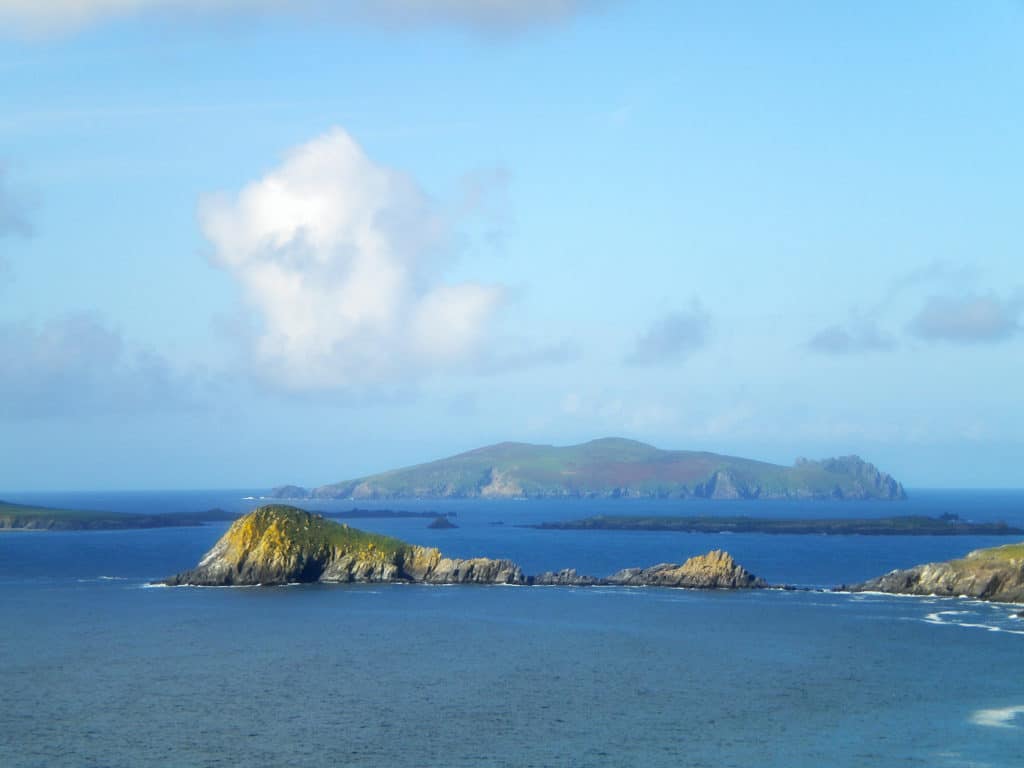
The Irish Coast (Sea and islands)
The Irish Coast (Sea and islands) – Visiting Ireland

While a focus has been placed on the North American and Mainland European markets, the UK remains Ireland’s biggest customer, accounting for 35% of visitors. As tourism grows, the Irish tourism market is beginning to rely less on British visitors as other countries increase their market share.
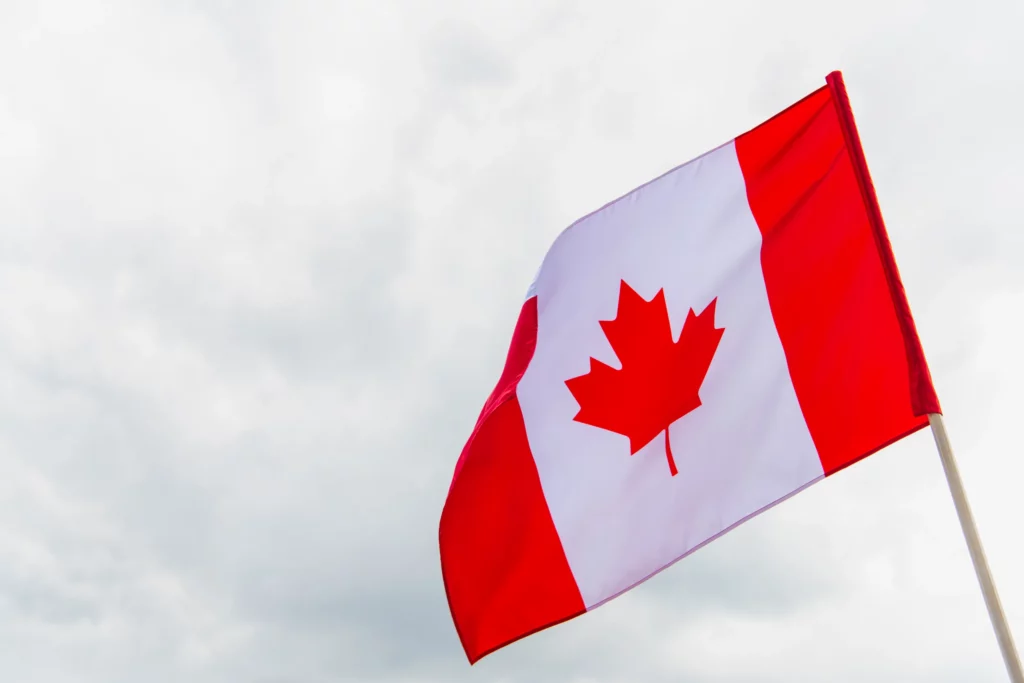
The stark contrast in figures from the North American market is staggering. From a conservative 0.9 million in 2010, North American visitors have increased to 2.4 million in 2018. Mainland Europe also contributes to tourism, accounting for 36% of Ireland’s visitor traffic.

With the continued development of continental travel routes, Ireland has become a more accessible destination for those who have longed to visit. Domestic visitors also contribute to their economy. Over 9.6 million trips were made by Irish residents in 2017, an increase of 2.9% from the previous year.
These residents spent €1.9 billion, signalling a demand for continued development in this sector. Plans for hotels, restaurants, cafes, and tourist attractions are continuously being established and reinvented in the republic, which can only show a continuing positive development for the Irish tourist sector.

Tourism’s Role in Ireland’s Economy

Visiting Ireland 2
Visiting Ireland

Tourism is one of Ireland’s most valuable industries, significantly contributing to the economy. Tourism has accounted for over €9 billion annually in recent years, making up nearly 4% of Ireland’s Gross Domestic Product (GDP). This contribution also extends to employment, with the tourism and hospitality sector supporting approximately 325,000 jobs, including direct employment (such as in hotels, transport, and attractions) and indirect employment (such as suppliers and support services).

The tourism industry has proven resilient, showcasing strong growth due to global challenges like economic recessions and pandemics. Ireland’s government recognises tourism’s critical role in financial stability and has actively invested in tourism promotion through agencies like Fáilte Ireland and Tourism Ireland.

Visitor Demographics: Who’s Visiting Ireland?

Ireland’s tourism draw spans continents, with visitors from Europe, North America, Asia, and beyond. In recent years, over 10 million international visitors have journeyed to Ireland annually, contributing significantly to the country’s revenue. Breaking down these figures reveals some interesting trends:

  • Europe: The largest share of visitors comes from the United Kingdom, with British tourists often being drawn to Ireland due to geographical proximity and cultural connections. Visitors from Germany, France, Italy, and Spain also represent substantial segments of European tourism to Ireland.
  • North America: The United States and Canada account for a significant share of Ireland’s international tourists. American tourists, in particular, are often captivated by Ireland’s history and landscape, with many tracing ancestral roots in the country.
  • Asia: While Asia represents a smaller share of total tourists, there has been a steady increase in visitors from China, India, and Japan. With direct flights now available from some Asian countries, Ireland is working to make the Emerald Isle more accessible to this growing market.
  • Australia and New Zealand: Visitors from these regions also form a notable part of Ireland’s tourism base. Many travel as part of extended European tours and are drawn by Ireland’s unique culture and natural beauty.
The Cliffs of Moher Tour – County Clare, Ireland

Ireland’s tourist attractions cater to various interests, from the bustling energy of urban centres to serene countryside escapes. The most visited spots include:

  • Dublin: Dublin attracts millions every year. The city boasts historical landmarks like Trinity College, which houses the famous Book of Kells, Dublin Castle, and St. Patrick’s Cathedral. The Guinness Storehouse also ranks among the top-visited sites, with over 1.7 million visitors annually eager to learn about Ireland’s most famous stout.
  • The Cliffs of Moher: These awe-inspiring cliffs on Ireland’s western coast have become synonymous with its natural beauty. Drawing over 1.5 million visitors yearly, they are known for their dramatic drop into the Atlantic Ocean, stunning views, and abundant wildlife.
  • The Ring of Kerry: This scenic drive around the Iveragh Peninsula is famed for its mountains, coastal views, and historic sites. It draws hundreds of thousands of tourists annually, particularly during the summer when the weather allows maximum enjoyment.
  • Galway and the Wild Atlantic Way: with its vibrant arts scene and bohemian vibe, Galway and the Wild Atlantic Way have become a favourite among tourists. The Wild Atlantic Way, stretching 2,500 km along Ireland’s rugged western coast, attracts those seeking outdoor adventures and picturesque landscapes.
  • The Giant’s Causeway: Situated in Northern Ireland, this UNESCO World Heritage Site is a geological wonder composed of interlocking basalt columns. It’s estimated that almost a million visitors make their way to the Giant’s Causeway each year, captivated by its unique beauty and mythic associations with the giant Fionn mac Cumhaill.

Modern travellers increasingly seek unique experiences and sustainable travel options. Ireland has capitalised on these trends with offerings that range from ecotourism to cultural festivals:

  • Heritage and Ancestry Tourism: Many visitors from North America come to Ireland to trace their ancestral roots. Genealogy tours, heritage trails, and visits to ancestral homelands have become popular, especially with Irish diaspora connections reaching over 70 million people worldwide.
  • Film Tourism: Ireland’s scenic locations have been featured in many prominent films and TV series, such as Game of Thrones and Star Wars: The Last Jedi. The ‘Game of Thrones’ tours in Northern Ireland are viral, with enthusiasts exploring the settings for iconic scenes from the series.
  • Festival Tourism: Ireland’s cultural events, including St. Patrick’s Day, Galway Arts Festival, and Lisdoonvarna Matchmaking Festival, attract tourists from around the globe. The Irish music and dance scene is also a big draw, with many visitors eager to experience traditional music sessions and Irish dancing.

The Economic Impact of Tourism by Region

Tourism’s financial contribution is distributed across Ireland, with some regions benefiting more than others based on accessibility and appeal. Dublin remains the biggest tourism earner, capturing around 30% of the total revenue. Meanwhile, the west coast and southern regions, such as Kerry, Galway, and Clare, capture a considerable share thanks to the Wild Atlantic Way and scenic coastal offerings.

Northern Ireland has also witnessed a substantial increase in tourism revenue. The Titanic Belfast attraction and sites like the Giant’s Causeway have contributed significantly, while ‘Game of Thrones’ has helped draw fans worldwide. This growth benefits local economies, helping create jobs and support community businesses.

Government Initiatives and Investment in Tourism

Ireland’s government plays a proactive role in promoting tourism and preserving the appeal of the country’s natural and cultural resources. Agencies such as Fáilte Ireland and Tourism Ireland invest heavily in marketing, infrastructure development, and tourism incentives to enhance the visitor experience.

The Ireland’s Ancient East initiative, launched to showcase Ireland’s historical landmarks, is an example of a successful government-backed project to attract history enthusiasts. Similarly, Dublin’s Docklands has been revitalised to draw more tourists, offering a unique blend of modern and historical attractions.

Sustainable tourism is also at the forefront of Ireland’s agenda. Efforts are being made to reduce tourism’s carbon footprint, with a push towards eco-friendly accommodations, transportation options, and responsible travel practices. Ireland is keen to become a leader in sustainable tourism, ensuring that its natural and cultural treasures are preserved for generations to come.

The Future of Tourism in Ireland

Ireland’s tourism industry is positioned for continued growth. As travel continues to rebound, Ireland’s unique combination of history, natural beauty, and culture is expected to attract even more visitors in the coming years. Forecasts indicate that tourism revenue could exceed €12 billion by 2027, and international visitor numbers are projected to reach new heights, with a strong emphasis on attracting high-value visitors seeking longer, immersive stays.

Investments in infrastructure, accessibility, and digital tourism platforms will play a key role in accommodating this growth. Initiatives such as increased flight connectivity, tourism mobile apps, and virtual reality previews of Irish destinations are some of the forward-thinking measures designed to enhance the tourist experience.

Challenges Facing Irish Tourism

Visiting Ireland
Visiting Ireland

While tourism in Ireland is flourishing, the sector faces challenges that require ongoing attention:

  • Overtourism: In popular locations like the Cliffs of Moher and specific areas in Dublin, high visitor numbers can lead to crowding, environmental degradation, and an impacted visitor experience. Ireland addresses this through visitor management strategies, including timed entry systems and promoting lesser-known destinations.
  • Seasonal Dependency: Ireland’s tourism peaks during the summer months, which creates a need for strategies to spread tourism throughout the year. By promoting off-peak seasons and diversifying the types of activities available, Ireland hopes to balance tourist numbers.
  • Economic Sensitivity: As with many industries, tourism is susceptible to global economic trends. A downturn can decrease disposable income, affecting travel choices. Ireland’s focus on diverse tourism offerings, from luxury stays to budget-friendly options, helps mitigate this vulnerability.
  • Sustainability Goals: The move towards more sustainable tourism presents both an opportunity and a challenge. Ireland invests in green initiatives but must balance tourism growth with preserving natural and cultural assets.

Conclusion

Ireland’s tourism industry is a remarkable success story, driven by the country’s breathtaking landscapes, warm hospitality, and rich cultural offerings. As visitor numbers and revenue grow, Ireland remains dedicated to enhancing the tourist experience while safeguarding its heritage and natural beauty.

Ireland’s tourism sector is well-positioned for a bright future through strategic government initiatives, a commitment to sustainability, and an ability to adapt to changing travel trends. Whether you’re drawn by the ancient myths, vibrant festivals, or scenic beauty, the numbers tell a compelling story: Ireland truly has something for everyone.

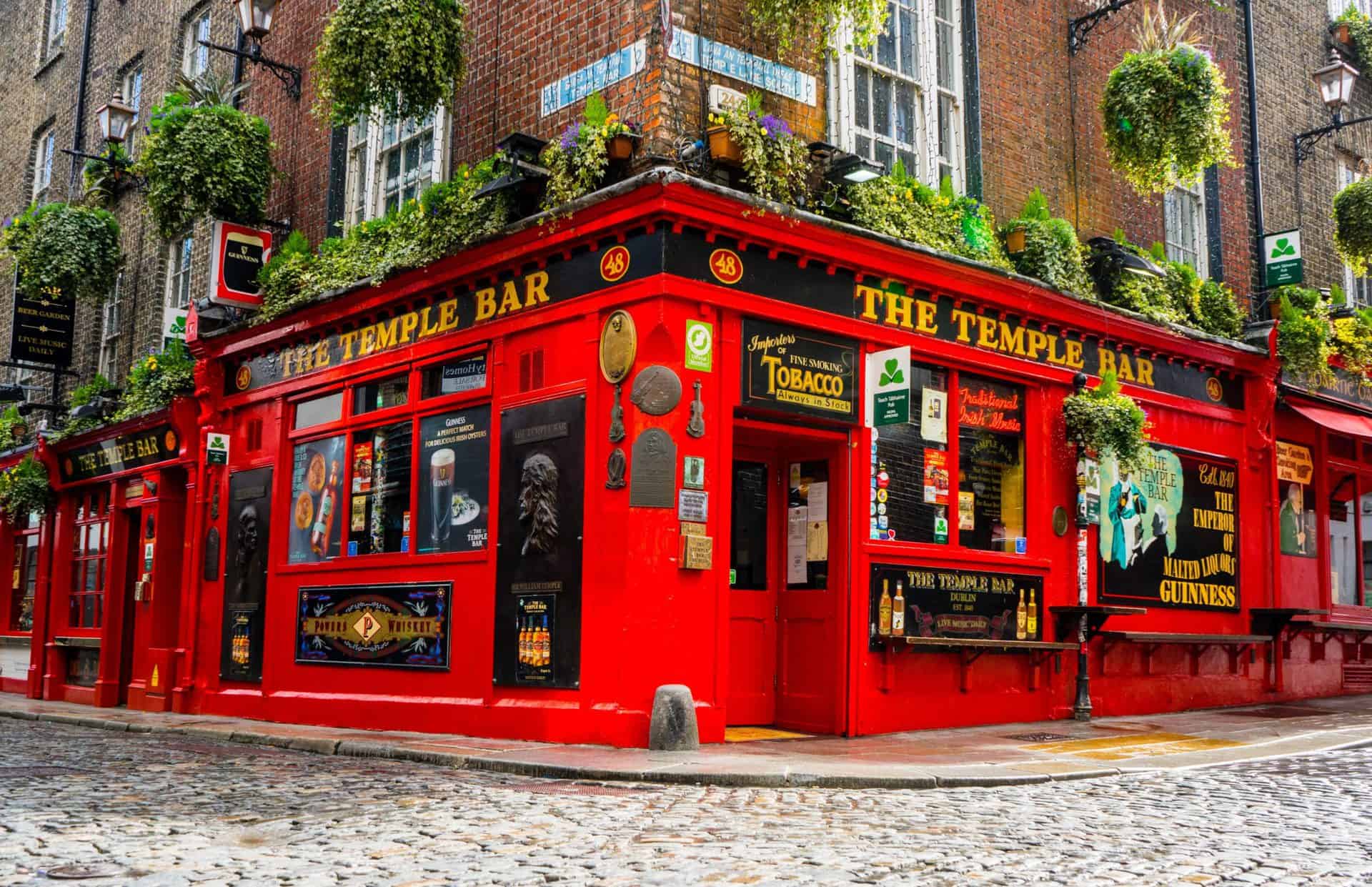
If you’re interested in reading more about the different aspects of Irish Tourism, such as the Top Attractions for Lovers of Literature or a pint, you can check out some of Ireland’s Oldest Pubs! We also offer more video content on this beautiful country on our ConnollyCove YouTube channel!

Leave a comment

Your email address will not be published. Required fields are marked *