


10 Best Things to Do on Achill Island in 2024
Updated On: April 20, 2024 by  Eman Sameh
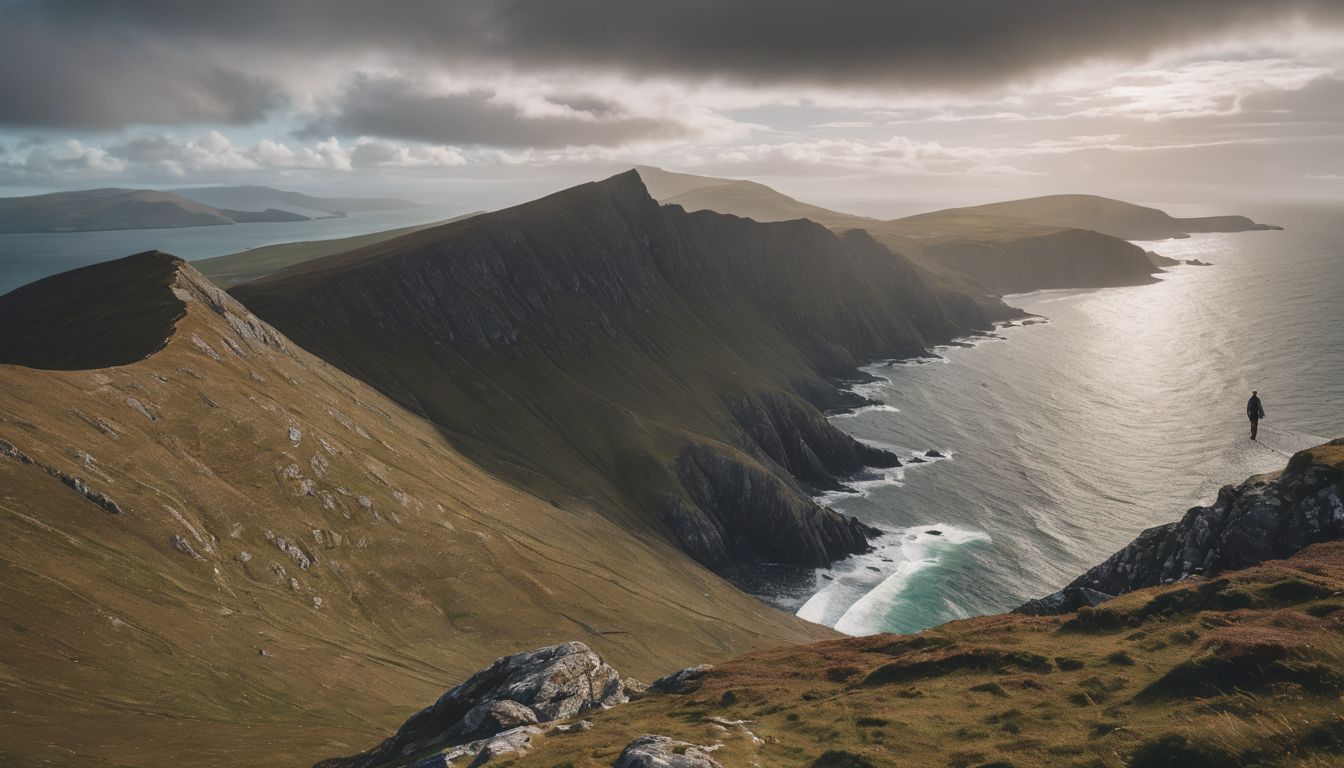
Achill Island, off Ireland’s coast, is a haven for travellers seeking a relaxing yet unique vacation. Its wild landscapes and rich cultural background offer a diversified experience for everyone. From dramatic cliffs and soft, sandy beaches to historical sites whispering tales of the past, Achill is a place where every turn reveals a new secret.
Here, you can surf the Atlantic waves, hike rugged trails, or simply soak in the serene beauty. Discover Achill Island, where nature’s wonders and hidden stories await. This article is your trusty companion, detailing the top things to do on Achill Island in 2024.
10 Things to Do on Achill Island
Explore the breathtaking views from Minaun Heights, relax on the beautiful Keem Beach, and marvel at the towering Croaghaun Cliffs while visiting Achill Island. Cycle the dramatic Atlantic Drive, savour fresh seafood and lively music in a cosy cafe and discover secrets like hidden coves and ancient ruins. On Achill Island, adventure awaits around every corner.
1. Minaun Heights
Look no further than Minaun Heights, a must-do activity on Achill Island for breathtaking views and a challenging hike. Situated in the island’s centre, Minaun Heights offers a tarmac road leading to a large parking area close to the summit (466 meters). From here, a marked trail continues to the peak, rewarding hikers with panoramic vistas encompassing Achill Island, Blacksod Bay, and even Clare Island on a clear day.
The hike to the summit is approximately 1 kilometre (0.6 miles) with an elevation gain of around 150 metres (492 feet). While not technically challenging, the path can be steep and uneven in sections, requiring sturdy footwear and some level of fitness. Be prepared for variable weather conditions, especially wind, as the summit is exposed to the elements.
Beyond the panoramic views, exploring the surrounding area offers additional rewards. The Minaun Cliffs, accessible from the summit, provide dramatic coastal scenery with opportunities for birdwatching. Several looped walking trails, ranging from moderate to challenging, start from the car park, allowing you to tailor your exploration to your preferences and time constraints.
2. Keem Beach
Renowned for its beauty and pristine environment, Keem Bay is a must-visit destination on Achill Island. This horseshoe-shaped beach boasts a captivating blend of soft white sand, clear turquoise waters, and dramatic cliffs, making it a haven for relaxation, swimming, and exploration.
Keem Beach Activities
- Swimming: The sheltered bay with calm waters provides excellent conditions for swimming, making it ideal for families and individuals of all ages.
- Sunbathing: Relax on the soft sand and soak up the sunshine, enjoying the tranquillity of the bay.
- Walking: Explore the shoreline, discover rock pools teeming with marine life, or take a longer hike along the cliff paths for stunning coastal views.
- Stand-up paddleboarding and kayaking: Rent equipment from local vendors and explore the bay from a different perspective, enjoying the peacefulness of the water.
3. Hiking on Croaghaun Cliffs
Reaching a staggering 688 meters (2,257 feet), these colossal cliffs boast the title of Ireland’s highest sea cliffs and rank third highest in Europe. This fact makes Achill Island hiking one of the top outdoor activities in Ireland. The summit hike is a demanding adventure leading to the peak via a marked but strenuous 8-kilometre (5-mile) round-trip hike. Prepare for steep inclines, loose scree, and exposed sections requiring strong fitness and experience.
If you are not much of a hiker, you can opt for the Base Loop, a shorter, 2-kilometer (1.2-mile) loop trail that starts near the car park and offers fantastic cliff views with less challenging terrain. Joining a guided hike ensures safety and provides valuable insights into the area’s geology, history, and wildlife.
4. Achill Experience Aquarium
The Achill Experience Aquarium offers a unique opportunity to delve into the island’s marine life and rich history. This family-friendly attraction showcases various exhibits and informative displays, making it a perfect addition to your Achill Island itinerary.
Exhibits and Activities
- Marine Life: Explore tanks showcasing local fish species like pollock, wrasse, and thornback rays alongside fascinating creatures from tropical waters, including clownfish and tangs. Learn about their habitats, behaviours, and the importance of marine conservation.
- Shark Tank: Get up close to catsharks, a smaller and less aggressive shark species, observing their movements and behaviour through the open-top tank.
- Interactive Displays: Touchpool exhibits allow you to safely interact with starfish, crabs, and other marine invertebrates, gaining a hands-on experience with island life.
- History Room: Journey through Achill Island’s past, exploring exhibitions on traditional island life, shark fishing history, and the infamous “Shark Arm” incident that made global headlines.
5. Keel Beach
Keel Beach is a sandy beach that stretches for two kilometres and offers stunning views of the Atlantic Ocean. It is an expansive stretch of golden sand, backed by majestic dunes, offering diverse activities and stunning scenery, making it a top attraction for all types of visitors.
Surfing Adventures
- Consistent Swells: Renowned for its consistent Atlantic swells, Keel Beach is a surfer’s paradise. Beginners can find gentle waves at the southern end, while more experienced surfers can tackle the challenging breaks further north.
- Surf Schools and Rentals: Several surf schools offer lessons and equipment rentals catering to all skill levels.
- Surfing Competitions: Witness the skill and excitement of professional surfers during competitions held throughout the year.
6. Atlantic Drive
This designated National Scenic Route, spanning approximately 55 kilometres (34 miles), is a must-do for visitors seeking stunning coastal scenery and historical landmarks. Begin your journey from Westport, taking the ferry to Achill Island and heading west towards Dooagh village. The route winds along the island’s edge, showcasing majestic cliffs like Slievemore and Minaun, secluded coves like Poll na bPéist and Dugort Beach, and charming villages like Keem and Dugort.
Stop at designated viewpoints for panoramic vistas, explore ancient ruins like Cloughmore Shellhouse and the Deserted Village, or visit craft shops and local businesses in the villages. Take your time to enjoy the scenery, stopping at points of interest and detours that pique your curiosity. Consider a self-guided audio tour for historical insights. Be mindful of narrow roads, single-lane sections, and passing places, especially during peak season.
7. Grace O’Malley’s Castle
Grace O’Malley’s Castle, also known as Carrickkildavnet Castle, offers a fascinating glimpse into history and stunning coastal scenery. This 15th-century tower house, steeped in legend and tradition, was once inhabited by the Pirate Queen of Ireland, one of the famous rare female pirates worldwide.
Exploring the Castle
- Exterior: Explore the three-story tower house, constructed from local stone and featuring characteristic features like vaulted ceilings and arrow slits. Climb the external steps (weather permitting) for panoramic views of Achill Sound, encompassing Blacksod Bay and Clew Bay.
- Interpretation Panels: Learn about the history of the castle and the life of Queen Grace O’Malley through informative panels and displays.
- Guided Tours: Join a guided tour for deeper insights into the castle’s past, the O’Malley clan’s legacy, and the intriguing local legends surrounding the site.
8. Slievemore Deserted Village
On the slopes of Slievemore Mountain, you will find a charming deserted village with a collection of over 80 stone dwellings abandoned in the early 20th century. Slievemore Village is a great opportunity that offers a unique window into past living conditions and hardships faced by island communities.
Follow marked paths winding through the ruins of the stone houses, each with distinctive features like fireplaces and sleeping areas offering a glimpse into past residents’ daily lives and challenges. Gain insights into the village’s history, reasons for abandonment, and ongoing archaeological research through informative panels throughout the site.
9. Dooagh Beach
Dooagh Beach, a vibrant hub on Achill Island’s west coast, offers a perfect blend of surfing excitement, family-friendly activities, and stunning scenery. This expansive stretch of golden sand, framed by unique dunes and rolling hills, attracts surfers, swimmers, and nature enthusiasts seeking an unforgettable beach experience.
10. Achill Secret Garden
In a quiet corner of Achill Island lies the Achill Secret Garden, a tranquil escape-away rich with diverse plant life attracting visitors all year long. This established garden, open seasonally, provides a unique blend of landscaped areas, sculptures, and local fauna, attracting nature enthusiasts and art lovers alike.
Exploring the Garden
- Themed “Chambers”: Discover six distinct garden chambers, each featuring a unique design and theme. Wander through the Japanese Garden, admire the vibrant colours of the Cottage Garden, or relax in the peaceful Meditation Area.
- Sculptures and Artwork: Enhance your stroll by encountering various sculptures and art installations seamlessly integrated into the garden’s layout. Appreciate the creativity and artistic expression present amidst the natural beauty.
- Plant Diversity: Immerse yourself in the diverse plant collection, showcasing both local and exotic species. Learn about the different flora and appreciate the vibrant colours, textures, and scents.
- Guided Tours: Join an optional guided tour for deeper insights into the garden’s history, design, and plant varieties. Gain valuable knowledge and a richer appreciation for the dedicated work behind the landscape.
Accommodation options
There’s something for everyone, from cosy guesthouses and bed-and-breakfasts to self-catering cottages and luxurious hotels. If you prefer a more immersive experience, consider staying in one of the island’s traditional thatched cottages or eco-friendly accommodations.
Some options even offer stunning sea views, such as the Teach Cruachan B&B. It is an award-winning B&B featuring luxurious rooms with en-suite bathrooms, a gourmet breakfast, and relaxing hot tubs with access to private beaches. Whether you’re looking for a budget-friendly stay or indulgent relaxation, Achill Island has it all.
Planning for your next vacation? Invest in Achill Island. With a wide range of beloved activities and attractions, we promise you will experience an adventure like no other. Explore our guide to the top 10 things to do in Achill Island, from hiking trails and breathtaking Atlantic scenery to golden beaches, and enjoy sweet memories for years and years to come.
FAQs
Is visiting Slievemore Village suitable for kids?
While the place could be intriguing for little visitors, it can be a bit challenging as no public restrooms or amenities are available at the site.
What are some famous restaurants on Achill Island?
McGrath’s Seafood Bar & Restaurant, a Michelin-recognised gem in Keel, offers an upscale dining experience with breathtaking ocean views. There is also Óstán Na Trá, an award-winning restaurant located in Dugort offering a contemporary take on Irish cuisine.
How to get to Achill Island from Dublin?
The most direct route from Dublin is via the N59 national road, taking approximately 4 hours and 15 minutes. This scenic drive offers stunning views of the West Coast countryside.
What is the best way to get to Achill Island?
If you’re coming from the West Coast, the best and easiest way is to take a ferry from Westport to Achill Sound. The ferry journey takes about 40 minutes and offers beautiful views of Clew Bay.
Exploring the Isle of Man’s Rich History and Culture
Ireland
29/04/2024
Exploring The Town of Carrickfergus
County Antrim
29/04/2024

Commercial Court: The Dazzling Lights of Belfast
Northern Ireland
29/04/2024

How to Make a Killy Kiss Cocktail By Killyhevlin Hotel
Northern Ireland
28/04/2024

Middle East Travel Statistics from 2019 to Now
Middle East
28/04/2024