Today’s trip will be to England to discover the top five parks in London. London is Europe’s greenest city, with more than 3,000 parks and open green spaces. This vast number means the beautiful city has one garden or park for every taste or occasion.
Whatever you plan for your picnic, you can find it in the gardens of London. You can easily find it in this charming city if you want relaxation, green space, spending time with the family, recreation, and more. So that parks will satisfy your taste.
The other important feature is that all these parks and gardens are free to visit. So, you can enjoy all this natural beauty without any cost. However, these many green space options may confuse you when choosing the garden or park that is most suitable for you. So, we present a short list for you to make it easier. Let’s go deeper to take a closer look.
Table of Contents
1. Hyde Park
Hyde Park, often called the “green lung” of London, is one of the city’s largest and most famous parks. Covering an impressive 350 acres, this historic park is situated in the heart of London and is part of the more extensive Royal Parks system.
History and Significance
Hyde Park’s rich history dates back to the 16th century when Henry VIII acquired it from the monks of Westminster Abbey. Originally a hunting ground, the park was opened to the public by James I in 1637. Over the centuries, Hyde Park has played a significant role in London’s social and political life, serving as a venue for protests, demonstrations, and celebrations.
Speaker’s Corner, located in the northeast corner of Hyde Park, is one of the most famous areas. This iconic spot has been a symbol of free speech and open debate since the 19th century, attracting speakers and audiences from all walks of life.
What to Do in Hyde Park
Hyde Park offers a plethora of activities for visitors. Whether you want to relax, exercise, or explore, there’s something for everyone.
- Boating on the Serpentine: The Serpentine, a large lake that bisects the park, is perfect for a leisurely boat ride. Pedal boats and rowboats are available for hire, offering a unique perspective of the park’s natural beauty.
- Swimming in the Serpentine Lido: If you’re visiting during summer, dip in the Serpentine Lido. This outdoor swimming area is refreshing to cool off and enjoy the sunshine.
- Exploring the Diana Memorial Fountain: This beautiful fountain, dedicated to Princess Diana’s memory, is a peaceful spot for reflection. The fountain’s unique design encourages visitors to interact with the water, making it a popular spot for families.
- Horse Riding: Hyde Park is one of the few places in London where you can go horse riding. The historic Rotten Row, once a famous horse-riding track, is now a dedicated route for equestrians.
- Cycling and Running: The park’s wide paths are perfect for cycling and running. You can hire bikes at various locations within the park or simply enjoy a jog along the scenic routes.
- Enjoying a Picnic: With ample green space, Hyde Park is ideal for a picnic. Grab some food from a nearby market or café and enjoy a relaxing meal in the park.
Events and Festivals
Hyde Park also hosts numerous events and festivals throughout the year. One of the most popular events is the Winter Wonderland, a festive extravaganza featuring ice skating, rides, food stalls, and live entertainment. The park becomes a hub for music lovers during the summer, with major concerts and festivals on the grounds.
2. Regent’s Park
Regent’s Park, located in north-central London, is another gem in the city’s collection of royal parks. Covering 395 acres, Regent’s Park is known for its stunning gardens, open spaces, and cultural attractions.
History and Design
Regent’s Park was designed by John Nash, the renowned architect who also designed Buckingham Palace and the layout of much of central London. The park was originally part of the estate of Marylebone Park, and it was transformed into a public park in the early 19th century.
The park’s design is a testament to Nash’s vision, with carefully planned gardens, lakes, and avenues that create a harmonious blend of nature and architecture. One of the park’s highlights is the Queen Mary’s Gardens, home to over 12,000 roses of various varieties.
What to Do in Regent’s Park
Regent’s Park offers a wide range of activities and attractions that cater to all interests.
- Visit the ZSL London Zoo: Located within the park, the ZSL London Zoo is one of the world’s oldest and most famous zoos. It houses diverse animals, from big cats to exotic birds, making it a popular destination for families.
- Explore the Open Air Theatre: Regent’s Park is home to the Regent’s Park Open Air Theatre, a unique venue hosting theatrical performances during summer. Set amidst the park’s lush greenery, the theatre offers a magical experience for culture enthusiasts.
- Rowing on the Boating Lake: Like Hyde Park, Regent’s Park has a boating lake where visitors can hire rowing boats and enjoy a peaceful ride on the water. The lake is also an excellent spot for birdwatching, with various waterfowl inhabiting the area.
- Strolling Through the Gardens: The park’s gardens are a highlight for nature lovers. In addition to Queen Mary’s Gardens, the Japanese Garden Island is a tranquil spot featuring traditional Japanese landscaping and a picturesque bridge.
- Playing Sports: Regent’s Park is a hub for sports enthusiasts. The park has several sports facilities, including tennis courts, football pitches, and a cricket ground. There’s also a dedicated area for outdoor gym equipment.
- Relaxing at the Café: After a day of exploring, unwind at one of the park’s cafés. The Boathouse Café and The Regent’s Bar & Kitchen offer a range of refreshments with stunning views of the park.
Wildlife and Nature
Regent’s Park is a haven for wildlife, with a variety of bird species, including herons, swans, and woodpeckers. The Regent’s Park Allotment Garden is also a fascinating spot where you can learn about sustainable gardening and see various plants and vegetables being grown.
3. Richmond Park
Richmond Park, located in southwest London, is the largest of the Royal Parks, covering 2,500 acres. This sprawling park is a designated National Nature Reserve and a Site of Special Scientific Interest, making it a unique destination for those seeking a wild and unspoiled natural landscape within the city.
History and Conservation
Richmond Park was created by Charles I in the 17th century as a deer park, and it remains home to a large population of deer. The park’s conservation efforts are focused on preserving its natural habitats, including ancient woodlands, grasslands, and ponds.
Richmond Park’s unmanicured beauty sets it apart from other parks in London. The park’s rugged landscapes, rolling hills, dense forests, and wide-open spaces give visitors a sense of being in the countryside rather than a major city.
What to Do in Richmond Park
Richmond Park offers a range of outdoor activities, from wildlife watching to cycling and hiking.
- Wildlife Watching: One of the park’s main attractions is its resident deer population. Over 600 red and fallow deer roam freely in the park, providing a unique wildlife experience. The park also has various bird species, including kestrels, woodpeckers, and kingfishers.
- Walking and Hiking: Richmond Park has numerous walking and hiking trails that take you through its diverse landscapes. The Tamsin Trail, a 7.2-mile loop around the park, is a popular route for walkers and runners, offering stunning views of the park’s natural beauty.
- Cycling: The park has designated cycling paths, making it an excellent spot for a leisurely bike ride. The undulating terrain also challenges more experienced cyclists.
- Horse Riding: Richmond Park has several horse-riding trails, and there are stables nearby where you can arrange a ride. Horse riding in the park is a fantastic way to explore its vast expanse.
- Visit the Isabella Plantation: This 40-acre woodland garden within Richmond Park is a must-see for plant lovers. The Isabella Plantation is known for its stunning displays of rhododendrons, azaleas, and camellias, particularly in the spring.
- Picnicking and Relaxation: Richmond Park’s wide-open spaces and scenic views make it perfect for a picnic. Find a quiet spot, spread out a blanket, and enjoy the peaceful surroundings.
Panoramic Views
One of the highlights of Richmond Park is King Henry’s Mound, a viewpoint that offers a stunning panoramic view of the Thames Valley and, on a clear day, a distant view of St Paul’s Cathedral in central London. This protected view has remained unobstructed for centuries and is a testament to the park’s historical and cultural significance.
4. St James’s Park
St James’s Park, located in the heart of London, is the oldest of the Royal Parks and is surrounded by some of the city’s most famous landmarks, including Buckingham Palace, the Mall, and Horse Guards Parade. Despite its central location, St James’s Park offers a peaceful retreat with its elegant gardens, lake, and wildlife.
History and Royal Connections
St James’s Park has a long and illustrious history that dates back to the 16th century when Henry VIII created it. In the 19th century, John Nash redesigned the park, giving it the appearance we see today.
The park’s royal connections are evident in its proximity to Buckingham Palace, and it often plays a role in state ceremonies and events. The Trooping the Colour parade, held annually to celebrate the Queen’s official birthday, takes place along the Mall and ends in St James’s Park.
What to Do in St James’s Park
Although St James’s Park is smaller than some other parks in London, it offers visitors plenty of activities and attractions.
- Walking Around the Lake: The park’s central lake is home to various waterfowl, including swans, ducks, and pelicans. A walk around the lake offers beautiful views of Buckingham Palace and the surrounding gardens.
- Feeding the Pelicans: One of the park’s unique attractions is its resident pelicans. These majestic birds were originally a gift from the Russian ambassador in the 17th century and have been a beloved feature of the park ever since. You can watch the daily pelican feeding, which takes place in the afternoon.
- Relaxing in the Deckchairs: During the warmer months, deckchairs are available for hire in St James’s Park. It’s the perfect way to relax and soak in the park’s tranquil atmosphere.
- Exploring the Flower Beds: The park’s beautifully maintained flower beds are a highlight, particularly in the spring and summer when they are in full bloom. The vibrant displays of flowers add colour and charm to the park’s landscape.
- Enjoying the Café: The St James’s Café offers a range of refreshments, including coffee, sandwiches, and pastries. With outdoor seating overlooking the lake, it’s a great spot to take a break and enjoy the view.
State Ceremonies and Events
Given its location, St James’s Park is often the backdrop for state ceremonies and events. In addition to Trooping the Colour, the park hosts yearly royal parades and military displays. If you’re lucky, you might even catch a glimpse of the changing of the guard at Buckingham Palace.
5. Kensington Gardens
Kensington Gardens, adjacent to Hyde Park, is a more formal and artistic green space that blends history, culture, and nature. Covering 265 acres, Kensington Gardens is home to several iconic landmarks and is a favourite spot for those seeking a more peaceful and reflective atmosphere.
History and Royal Connections
Kensington Gardens was once part of Hyde Park. Still, it was separated in the early 18th century to create a more private garden for Kensington Palace, the residence of the British royal family. Over the years, the gardens have been transformed into a public park while retaining their royal connections.
One of Kensington Gardens’ most significant landmarks is the Albert Memorial, a grand tribute to Prince Albert, the husband of Queen Victoria. Designed by Sir George Gilbert Scott, it is an impressive example of Victorian Gothic architecture.
What to Do in Kensington Gardens
Kensington Gardens offers various attractions catering to art lovers and nature enthusiasts.
- Visit Kensington Palace: Kensington Palace is a must-visit for history buffs and royal watchers. The palace, which is still a royal residence, houses several exhibitions that explore the lives of past and present royals, including Queen Victoria and Princess Diana.
- Explore the Serpentine Galleries: Kensington Gardens is home to the Serpentine Galleries, two contemporary art galleries located on either side of the Serpentine Lake. The galleries host rotating exhibitions of modern and contemporary art, making them a cultural highlight of the park.
- Discover the Peter Pan Statue: One of the park’s most beloved attractions is the Peter Pan Statue, a bronze sculpture by Sir George Frampton. The statue, inspired by J.M. Barrie’s famous character, is a whimsical addition to the park and a favourite spot for children and adults alike.
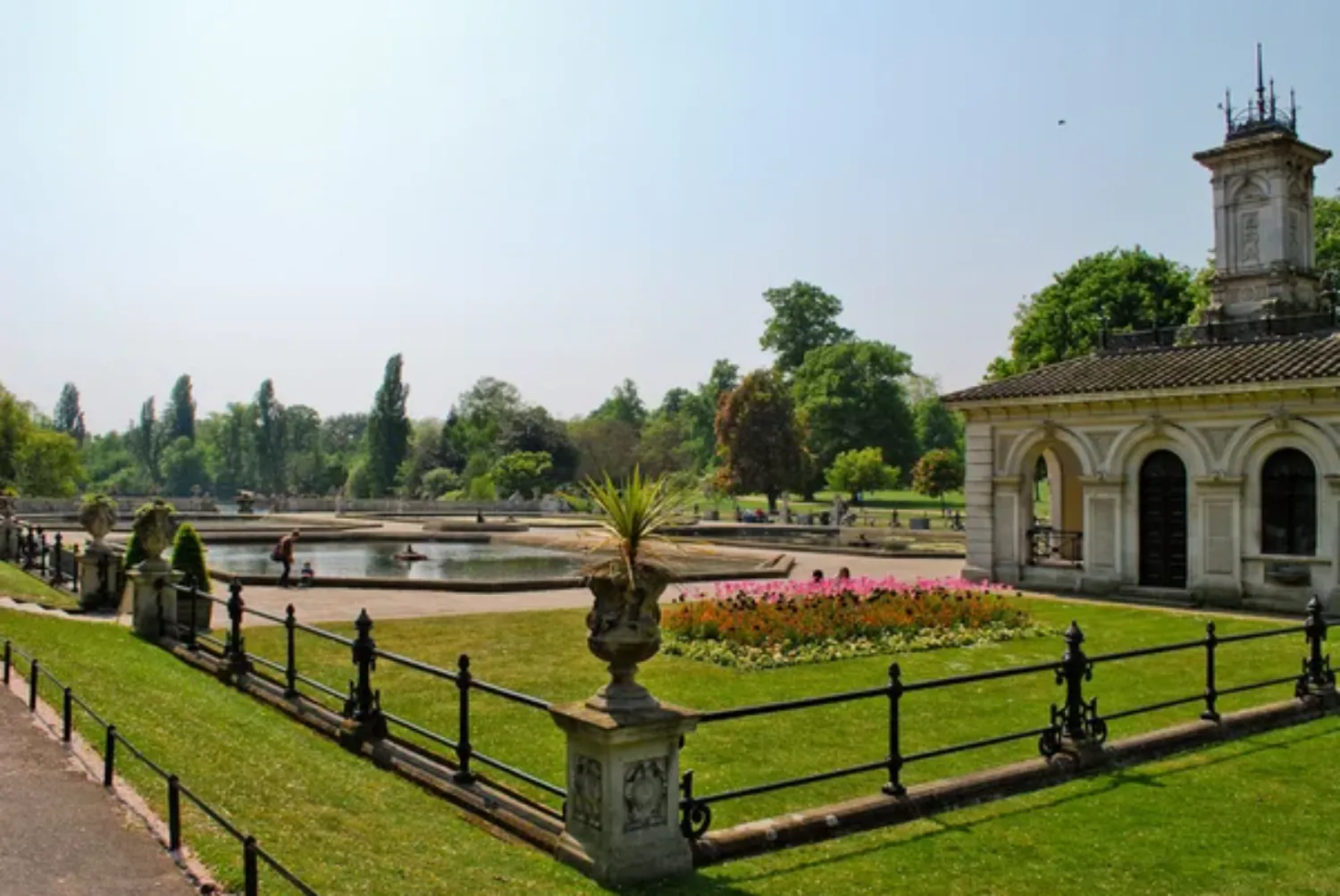
- Stroll through the Italian Gardens: The Italian Gardens are a beautifully landscaped area in the northeast corner of Kensington Gardens. Featuring ornate fountains, statues, and flower beds, they are a peaceful spot for a stroll or a quiet moment of reflection.
- Relax by the Round Pond: The Round Pond is a large ornamental lake located in front of Kensington Palace. It’s a popular spot for feeding ducks, watching swans, and simply enjoying the serene surroundings.
- Enjoy a Picnic: With its expansive lawns and shaded areas, Kensington Gardens is ideal for a picnic. Whether near the palace or by the Italian Gardens, there are plenty of picturesque spots to enjoy a meal outdoors.
Art and Culture
Kensington Gardens’ connection to art and culture is evident in its landmarks and galleries. In addition to the Serpentine Galleries and the Albert Memorial, the park hosts temporary art installations that add a contemporary touch to its historic landscape.
That’s It
London’s parks are more than just green spaces; they are cultural and historical treasures that offer a respite from the city’s urban landscape. Whether you’re exploring the expansive grounds of Hyde Park, admiring the gardens of Regent’s Park, immersing yourself in the wilderness of Richmond Park, enjoying the royal connections of St James’s Park, or appreciating the art and history of Kensington Gardens, each park has its unique character and charm.
A trip to these top five parks in London is a journey into nature and an exploration of the city’s rich history, culture, and traditions. So, the next time you find yourself in London, visit these parks and experience the tranquillity and beauty they offer.