


How to Plan an Unforgettable Day Trip to Amsterdam from London
Updated On: April 15, 2024 by  Yasmin Elwan
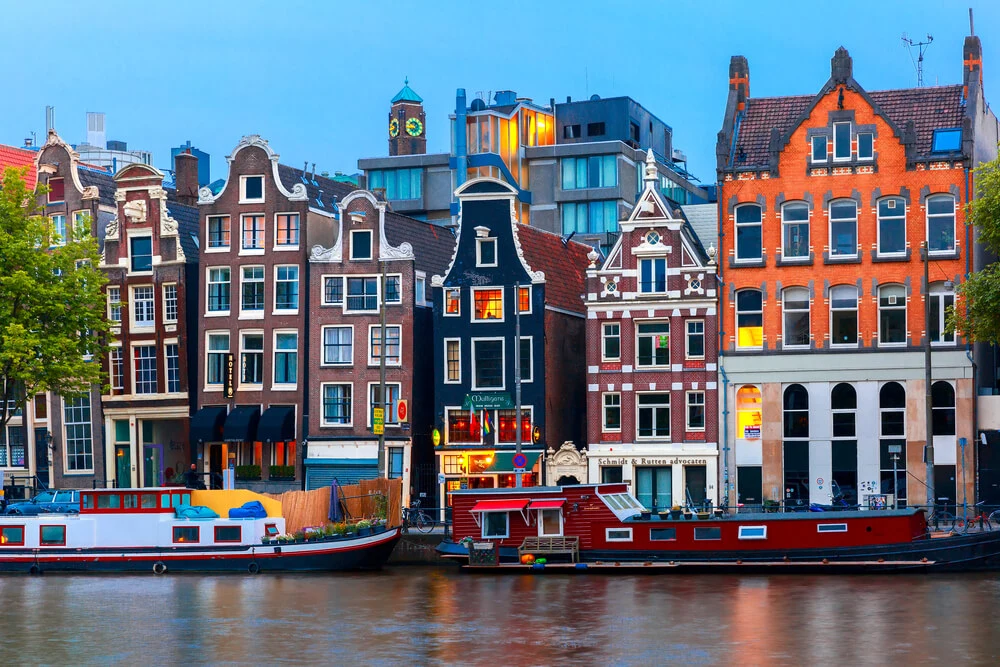
A day trip to Amsterdam from London can be what you need right now! Embark on a journey beyond the bustling streets of London and set your sights on the charming canals and cultural wonders of Amsterdam with our guide on planning the perfect day trip. Amsterdam beckons just a train ride or a short flight away, offering a delightful escape from the familiar cityscape of London.
In this comprehensive guide, we’ll navigate you through the best transportation options, budgeting tips, and a carefully crafted itinerary, ensuring your day trip to Amsterdam from London is a seamless and unforgettable experience. Let’s explore the enchanting Dutch capital together and make the most of every moment!
How to Get to Amsterdam from London
Getting to Amsterdam from London is a breeze, thanks to several convenient transportation options. Depending on your preferences and schedule, you can choose from the following:
Ferry
If you crave a scenic journey, consider taking a ferry from Harwich or Dover. Enjoy breathtaking views of the English Channel and arrive in Amsterdam refreshed and ready to explore. Ferries typically offer onboard amenities, making the voyage part of the adventure. Keep in mind that ferry travel takes longer, so plan accordingly.
Flight
For those seeking a quicker option, catch a flight from one of London airports. Several airlines operate direct flights to Amsterdam, providing a time-efficient way to reach your destination. Check for competitive prices and consider factors like airport transfer times.
Train
Eurostar: Opting for the Eurostar train is a popular choice, connecting London and Amsterdam in just a few hours. Departing from London St Pancras International, you’ll enjoy a comfortable ride with the added benefit of city-centre to city-centre convenience. The train journey offers stunning views of the countryside, and you’ll disembark at Amsterdam Centraal Station, conveniently located in the heart of the city.
Whichever mode of transportation you choose, be sure to check schedules, book tickets in advance, and consider factors such as travel time and budget.
Best Time for a Day Trip to Amsterdam from London
Choosing the perfect time to visit Amsterdam is crucial for a fulfilling experience. While the city charms visitors year-round, the ideal time largely depends on your preferences and the type of activities you have in mind.
Spring, from March to May, is particularly enchanting as blooming tulips paint the city in vibrant colours, and the weather begins to warm up. This period coincides with the famous Keukenhof Gardens’ opening, showcasing a mesmerising display of flowers.
Summer, from June to August, attracts tourists with longer days and pleasant temperatures, making it an excellent time for outdoor exploration along the picturesque canals. Autumn, from September to November, offers a quieter atmosphere, crisp weather, and the chance to witness the city adorned in autumnal hues.
Winter, from December to February, transforms Amsterdam into a festive wonderland with its charming Christmas markets and cosy atmosphere. Consider your preferred climate and the activities you wish to engage in to choose the best time for your memorable visit to Amsterdam.
Crafting Your Day Trip Budget
Planning your budget for a day trip to Amsterdam involves considering various factors to ensure a seamless and enjoyable experience. Here’s a breakdown of essential budgeting aspects:
Transportation Costs
- Ferry or Flight: Compare prices for ferry tickets or flights, taking into account any additional fees. Booking in advance often offers cost savings, so plan your journey ahead of time.
- Train (Eurostar): Check Eurostar ticket prices and availability. Sometimes, flexible dates or off-peak times can lead to more budget-friendly options.
- Within the City: If you opt for public transportation or plan to rent a bike, include these costs in your budget. Amsterdam’s efficient public transport system may offer day passes for unlimited travel within the city.
Accommodation (If Staying Overnight)
If your day trip extends into an overnight stay, research accommodation options. Amsterdam offers a range of hotels, hostels, and Airbnb choices. Consider locations near the city centre for convenience.
Meals and Dining
Explore local eateries and street food stalls for an authentic Dutch culinary experience. Budget for at least three meals and snacks throughout the day, and consider trying traditional dishes for a taste of Amsterdam’s gastronomic delights.
Attractions and Activities
Research entrance fees for attractions you plan to visit. Some museums and landmarks offer combination tickets for cost savings. Prioritise must-see sites to allocate your budget effectively.
Miscellaneous Expenses
Account for unexpected expenses, souvenirs, and any personal indulgences. Having a buffer in your budget ensures you can make the most of spontaneous opportunities that may arise during your day in Amsterdam.
By carefully considering these budgeting aspects, you can create a realistic and manageable budget for your day trip. Keep in mind that prices may vary, so it’s advisable to check current rates and plan accordingly.
How to Spend the Day
Maximise your day trip to Amsterdam by immersing yourself in a carefully curated itinerary that encapsulates the city’s cultural richness and historical charm. Here’s a guide to ensure you make the most of every moment in this captivating Dutch capital.
- 8:00 AM – 9:30 AM: Amsterdam Centraal Station and Breakfast
- Arrive at Amsterdam Centraal Station, a hub of architectural beauty. Grab a hearty Dutch breakfast at a nearby cafe to fuel your day.
- 10:00 AM – 11:30 AM: Anne Frank House
- Delve into history at the Anne Frank House. Explore the poignant exhibits that narrate the story of Anne Frank and her wartime experiences.
- 12:00 PM – 1:30 PM: Van Gogh Museum
- 2:00 PM – 3:30 PM: Lunch and Canal Cruise
- Enjoy a leisurely lunch at a canal-side cafe. Afterwards, embark on a scenic canal cruise to witness Amsterdam’s iconic architecture from the water.
- 4:00 PM – 5:30 PM: Rijksmuseum
- Visit the Rijksmuseum to admire Dutch masterpieces, including Rembrandt’s “The Night Watch.” Stroll through the museum gardens for a moment of tranquillity.
- 6:00 PM – 7:30 PM: Shopping in De Negen Straatjes (The Nine Streets)
- Indulge in some retail therapy in the charming boutiques of De Negen Straatjes, known for its unique shops and eclectic atmosphere.
- 8:00 PM – 9:30 PM: Dinner in Jordaan
- Head to the Jordaan district for a delightful dinner. Choose from a variety of local and international cuisines in this trendy and artistic neighbourhood.
- 10:00 PM Onwards: Nightlife or Evening Stroll
- Wrap up your day with a taste of Amsterdam’s nightlife in Leidseplein, or enjoy a peaceful evening stroll along the beautifully lit canals.
This itinerary offers a blend of history, art, and local experiences, ensuring a well-rounded day in Amsterdam. Feel free to customise based on your interests and pace, and don’t forget to embrace the spontaneity that makes every visit to Amsterdam unique.
Must-Try Dishes and Dining Delights

Choosing where to eat in Amsterdam is a breeze—no Dutch required! Dive into the delicious world of Dutch cuisine at these eateries for a taste of pure Amsterdam joy!
- The Pantry: A family-owned restaurant that serves homemade dishes from Dutch cuisine in a cosy, homely atmosphere. The restaurant offers traditional, home-made Dutch dishes such as stamppot (mashed potatoes with vegetables), hutspot (a stew of mashed potatoes, carrots, and onions), and kroketten (croquettes filled with beef ragout).
- Dutch Pancake Masters: A restaurant that serves delicious Dutch pancakes, poffertjes (miniature pancakes), and stroopwafels (two thin waffles stuck together with a layer of sweet syrup).
- VOLT: A restaurant that offers a modern twist on traditional Dutch cuisine. The restaurant serves dishes such as bitterballen (deep-fried crispy balls filled with beef ragout) and kibbeling (fried battered fish).
- Foodhallen Amsterdam: A 1200m2 indoor food market with 21 culinary stands located in a monumental building in Amsterdam-West. The food market offers a wide range of local craft beers, quality wines, and picture-perfect gin tonics to spice up your culinary experience. The food stands offer a variety of local street food, such as patatje oorlog (loaded war fries), haring (raw herring), and kroketten (croquettes filled with beef ragout).
What to Order
Indulge your taste buds in a culinary adventure with Amsterdam’s diverse and delectable offerings. Amsterdam’s culinary tapestry is as diverse as its culture, ensuring that each bite is a delightful revelation of flavours and a memorable part of your day trip experience. Some of the specific dishes and snacks that visitors should try include:
- Bitterballen: Deep-fried crispy balls filled with beef ragout, traditionally served with mustard for dipping.
- Stroopwafels: Two thin waffles stuck together with a layer of sweet syrup.
- Patatje oorlog: Thick-cut fries served in a piping hot paper cone slathered with any manner of tasty toppings such as peanut satay sauce, mayo, and onions.
- Haring: Raw herring served in a small sandwich with pickles and onions.
Dutch Culture and Etiquette: Embracing the Heart of Amsterdam

To make the most of your Amsterdam adventure, understanding Dutch culture and etiquette is key. The Dutch are known for their friendly and open demeanour, but a few insights can enhance your experience:
- Politeness Matters: Dutch people appreciate politeness, so don’t forget the magic words: “Dank je wel” (Thank you) and “Alsjeblieft” (Please/Here you go).
- Cycling Etiquette: With bicycles reigning supreme, be mindful of bike lanes. Look both ways before crossing, and keep an eye out for the swarm of cyclists navigating the city.
- Tipping Tidbits: Tipping is customary but not as high as in some other countries. Rounding up the bill or leaving a small percentage is appreciated.
- Embrace Directness: Dutch communication is straightforward. Don’t be surprised by direct questions or opinions – it’s a cultural norm.
- Language Lingo: While many Dutch people speak English fluently, attempting a few basic phrases will be met with smiles. Start with “Hallo” (Hello), “Goedemorgen” (Good morning), and “Tot ziens” (Goodbye).
- Queueing Courtesy: Whether waiting for a tram or in a museum line, observe the queue. Dutch people take their turns seriously.
- Shoe Etiquette: If invited into someone’s home, it’s customary to remove your shoes. Follow suit to respect the Dutch commitment to cleanliness.
By incorporating these cultural nuances and basic Dutch phrases, your Amsterdam experience transforms into a more immersive and enjoyable journey. “Veel plezier!” (Have fun!)
There you have it—your ticket to an Amsterdam adventure of a lifetime! Whether cruising the canals, savouring Dutch delights, or immersing in cultural charm, Amsterdam promises an unforgettable day. So, hop on that train, ferry, or flight, and let the Dutch magic unfold. Amsterdam is calling—are you ready to answer? Cheers to a day brimming with memories in the heart of the Netherlands!

Dracula Tourism: Must-see Locations
Destinations
12/05/2024

Does it Snow in Ireland? Exploring Winter Weather Patterns in the Emerald Isle!
Ireland
12/05/2024

Everything You Need To Know About the Eiffel Tower
France
12/05/2024

8 Must-Do Outdoor Activities in Ireland
Ireland
12/05/2024

Exploring the Legacy of the Wolfe Tones: A Journey Through The Irish Rebel Music!
Music and Arts
12/05/2024