


A Perfect Day on English Beaches: Sun, Sand and The Seaside
Updated On: February 17, 2024 by  Maha Yassin
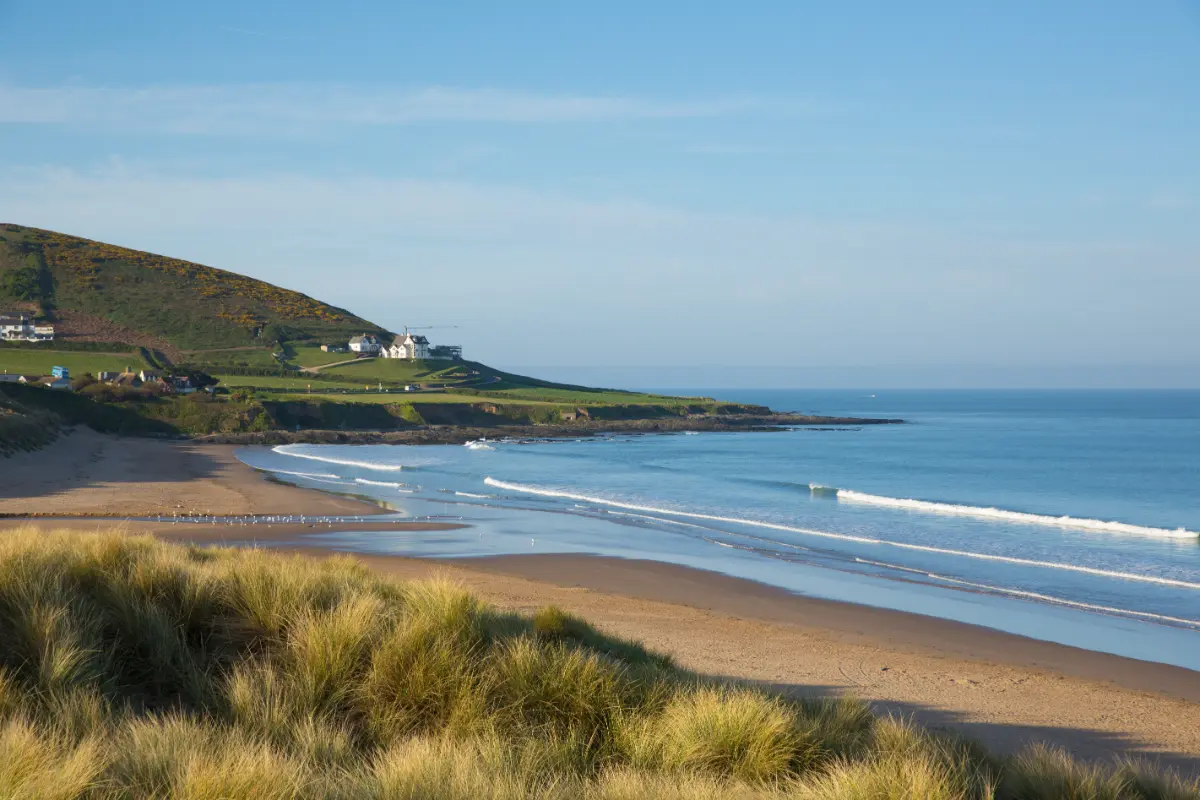
Imagine the crisp scent of saltwater hanging in the air, mingling with the earthy seaweed aroma and a distant bonfire’s sweet, smoky fragrance. Seagulls cry overhead, their calls echoed by the rhythmic crash of waves against the pebbled shore. Your toes sink into the cool, damp sand, and the vast expanse of the ocean stretches before you. This, our friend, is the quintessential English beach experience, and we’re here to take you on a sun-drenched journey through a perfect day at the seaside.
Whether you crave the bustling charm of Brighton Pier with its candy-coloured arcade games and thrilling rides or seek the secluded serenity of a hidden cove like Durdle Door, where dramatic cliffs frame a secluded beach, England’s coastline offers a kaleidoscope of moods and landscapes, today, we’ll escape together to a classic English beach, where time slows down. Worries melt away like grains of sand between our fingers.
So, pack your swimsuit, grab a beach towel, and don’t forget your sunblock! Join us on a sunny day on England beaches.
The Best 9 English Beaches for a Day in the Sun
Britain’s coastline boasts over 3,000 miles of beaches, offering a kaleidoscope of moods and landscapes to suit every sunseeker’s dream. From dramatic cliffs and hidden coves to bustling promenades and family-friendly shores, here’s a taste of the best English beaches for a perfect day trip:
1. Woolacombe Sands, Devon
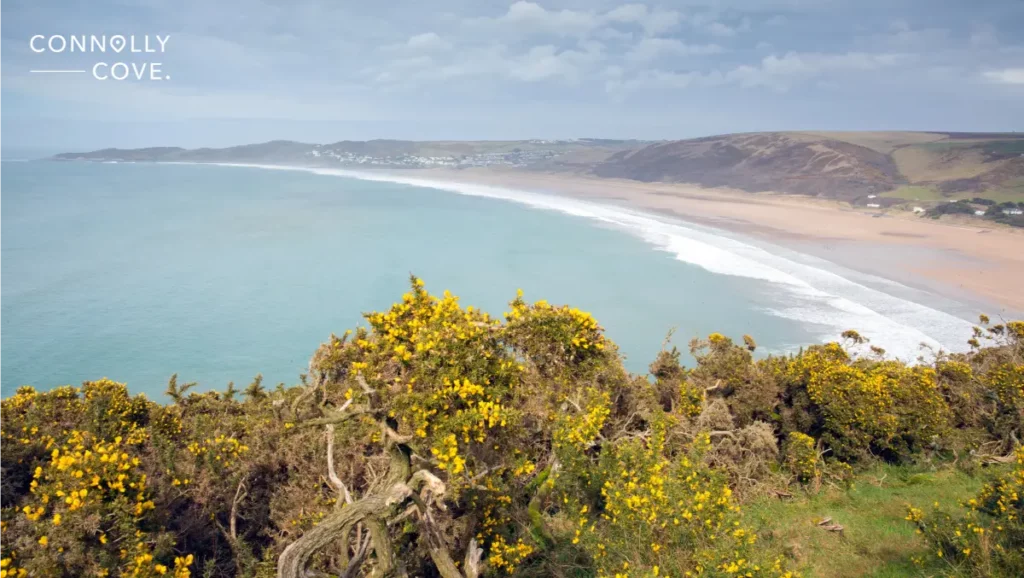
Imagine sinking your toes into miles of golden sand, the turquoise waters beckoning you in, and rolling dunes framing the scene like a picturesque postcard. Woolacombe is a surfer’s paradise, with waves perfect for catching thrills. But it’s also a haven for families, with rock pools to explore, sandcastles to build, and charming cafes serving delicious pasties to fuel your seaside adventures.
2. Bournemouth Beach, Dorset

This iconic stretch of golden sand is a quintessential English seaside experience. Stroll along the Victorian pier, a nostalgic symbol of seaside fun, or hop on the Dotto train for a charming ride along the coast. When hunger strikes, indulge in the ultimate seaside treat – classic fish and chips devoured right on the beach, with the salty breeze and the sound of waves providing the perfect soundtrack.
3. Westward Ho, Devon

Calling all surfers! Westward Ho! is where adrenaline meets breathtaking scenery. The strong waves and buzzing atmosphere make it a surfer’s playground, while the imposing Hobby Drive offers panoramic views for non-surfers, and the rock pools at low tide provide a treasure trove of marine life to discover.
4. Durdle Door, Dorset
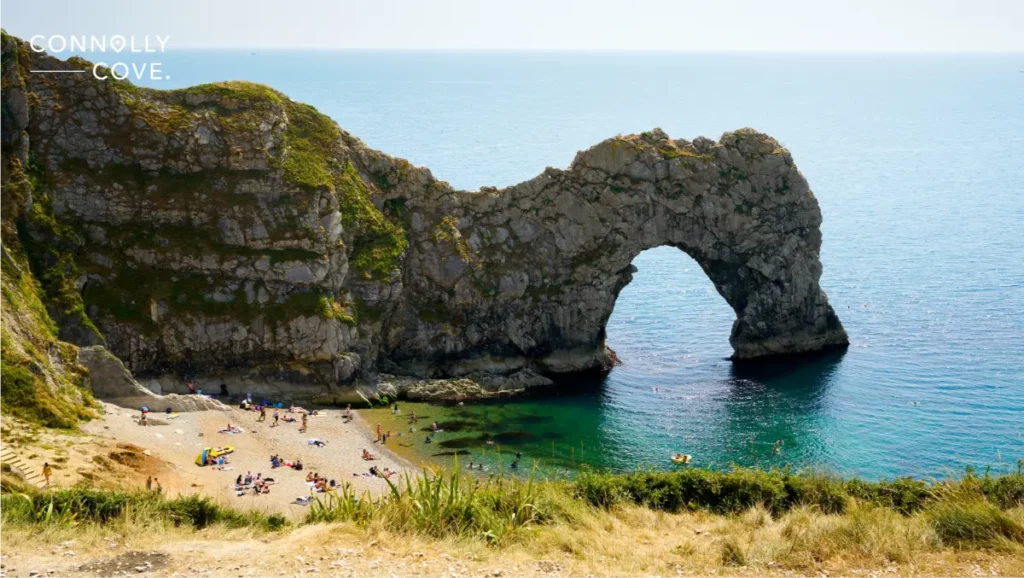
This natural archway carved by the waves is a photographer’s dream and a testament to the raw power of nature. Hike the cliff paths for breathtaking views, then descend to the secluded beach beneath the dramatic rocks. This is a place to embrace the wild beauty of the English coast, where the sound of crashing waves and the smell of salty air wash away all your worries.
5. Porthcurno Beach, Cornwall
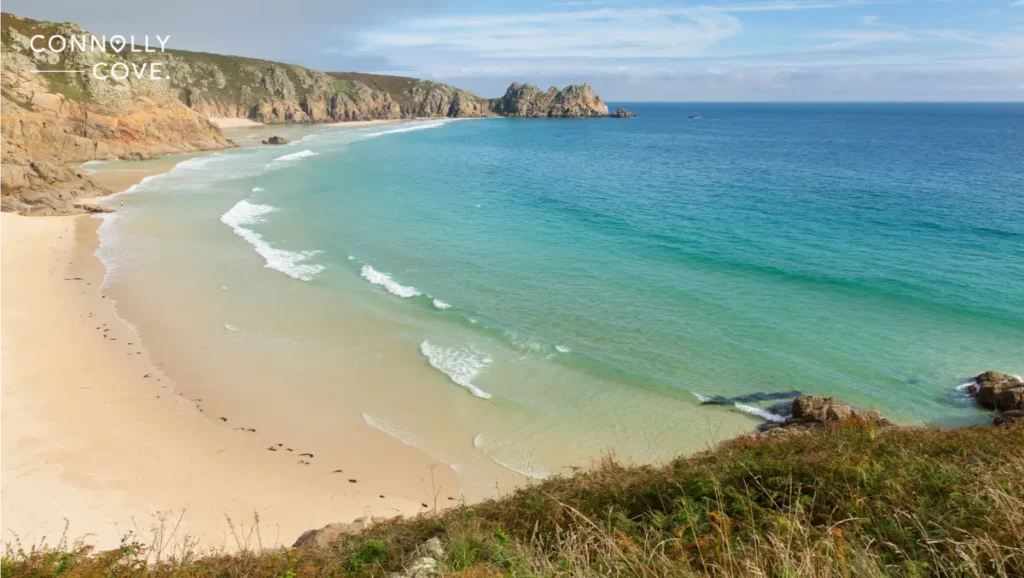
Turquoise waters lap against golden sands in this idyllic cove, creating a scene from a postcard. Explore the subtropical gardens of Glendurgan, a hidden oasis brimming with exotic plants, or simply paddle in the sheltered bay and soak up the serenity. Porthcurno is a place to reconnect with nature and find your inner peace.
6. Botany Bay, Kent
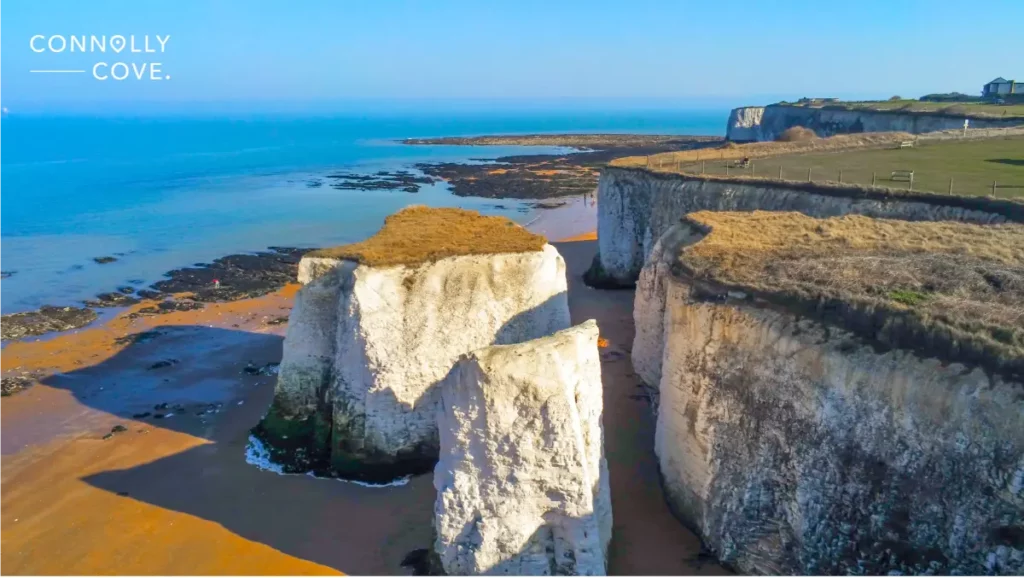
Discover a hidden gem tucked away on the Isle of Thanet. This secluded beach is a haven for wildlife, with rock pools teeming with creatures and dramatic cliffs providing a majestic backdrop. Botany Bay is a place to escape the crowds and immerse yourself in the raw beauty of the natural world.
7. Blackpool Sands, Devon

This sheltered bay with calm waters is a paradise for families. Build sandcastles that rival medieval fortresses, paddle in the shallows with your little ones, or explore the rock pools, a treasure trove of tiny marine life. Blackpool Sands is a place to create lasting memories with your loved ones, filled with laughter, sunshine, and simple seaside joys.
8. Camber Sands, East Sussex
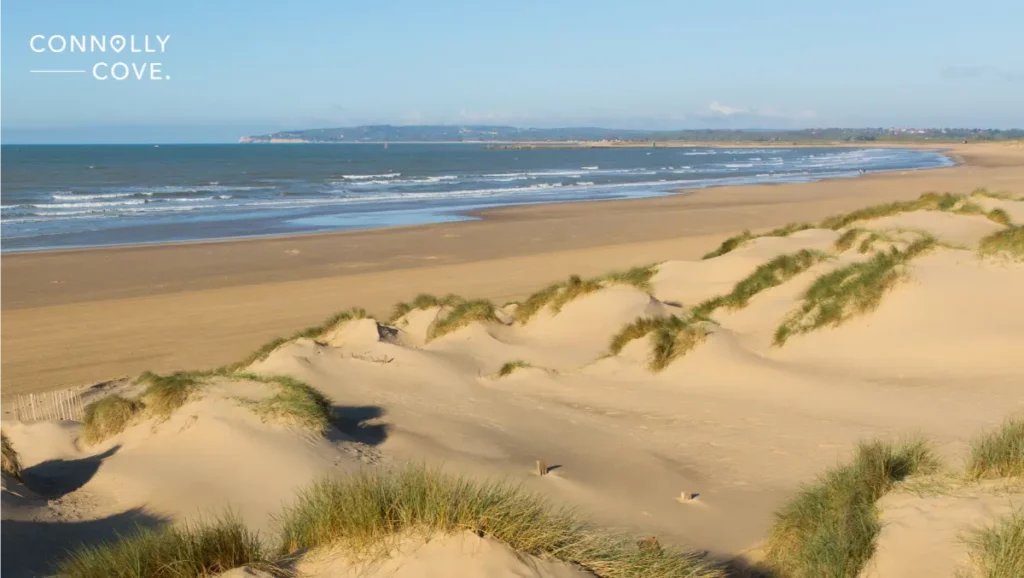
Miles of golden sand stretch beneath the dunes, making Camber Sands a playground for children and adults alike. Build sandcastle empires, have epic beach games, or relax and soak up the sun. Nearby Rye Harbour Nature Reserve offers birdwatching and exploring opportunities, adding to this beach’s diverse activities.
9. Tenby Beach, Pembrokeshire
This vibrant seaside town boasts a beautiful sandy beach, a bustling promenade lined with shops and cafes, and a historic castle perched on a clifftop, adding a touch of fairytale charm. Build sandcastles, take a boat trip to explore hidden coves, or grab an ice cream and watch the world go by. Tenby is a place to experience the lively spirit of a traditional English seaside town.
Any of these quintessential English beaches can give you a perfect sea, sun and sand experience that you will never forget. Whether you prefer relaxing on the sand, getting a golden tan, or trying every water activity available on earth, these English beaches will have your back!
The Perfect Day at a Sunny English Beach
Now, having a perfect beach day doesn’t need a lot of planning, but it needs some. If you put a little effort into your beach day plans, you will have a wonderful day that checks out all your favourite things about visiting the seaside.
English beaches offer multiple activities and experiences for visitors. Each part of the day has charm, from morning to afternoon to nighttime! So, Let’s follow the sun’s arc and dive into a full day of seaside bliss.
Morning: Nature’s Awakening
Sunrise Symphony: Greet the day with a breathtaking spectacle. Witness the sun’s golden fingers paint the horizon, turning the sea into a shimmering tapestry of orange and pink. Take a deep breath of the crisp, salt-laced air and feel the world’s worries melt away in the face of such natural beauty.
Invigorating Walk: Get your blood pumping with a brisk walk along the beach. Feel the sand squish between your toes, listen to the rhythmic crash of the waves, and let the sea breeze tousle your hair. This is a morning ritual that refreshes both body and soul.
Surfing: Catch the morning waves! England’s coasts boast legendary breaks, perfect for riders of all levels. Paddle out as the sun rises, feel the exhilarating adrenaline rush as you conquer the waves, and experience the camaraderie of the surfer community.
Stand-Up Paddleboarding: Glide gracefully across the calm morning waters. Explore hidden coves, spot playful dolphins, and enjoy the serenity of the sea from a unique perspective. Stand-up paddleboarding is a workout disguised as pure pleasure.
Afternoon – Seaside Playground
Sandcastle Extravaganza: Unleash your inner architect! Gather the family and build sandcastles worthy of medieval kings and queens. Moats, towers, bridges, and intricate details – let your imagination run wild and create masterpieces that rival the tide’s destructive power.
Rock Pool Explorers: Become marine biologists for the day! Explore the rock pools teeming with tiny creatures – crabs, anemones, starfish, and more. Learn about their fascinating lives and marvel at the intricate ecosystems hidden within these little pools.
Beach Scavenger Hunt: Turn the beach into a treasure trove! Create a list of natural objects to find – shells of different shapes and colours, seaweed in various shades, smooth pebbles, and feathery treasures. This fun activity keeps kids entertained and helps them appreciate the beauty of the seaside.
Picnic Paradise: Find a sunny spot on the sand and spread out a feast. Unpack a basket with fresh pastries, creamy cheeses, juicy fruits, and refreshing drinks. Savour every bite with the salty air, tickling your taste buds and the waves providing a rhythmic soundtrack.
Evening – Golden Sunset and Twilight Symphony
Beach Volleyball Bonanza: Gather your friends and bump, set, and spike under the golden glow of the setting sun. The sand makes for a challenging yet playful court, and the laughter echoing across the beach creates a memory to cherish.
Clifftop Hike: As the sun dips below the horizon, casting long shadows on the sand, embark on a clifftop hike. Witness the sky ablaze with vibrant orange, pink, and purple hues, and feel the cool twilight breeze caress your face. The panoramic views are nothing short of breathtaking.
Bonfire & Stories: Let the crackling flames of a bonfire illuminate the beach as you gather around with loved ones. Share stories, sing songs, and roast marshmallows to gooey perfection. This is a moment of warmth, connection, and simple seaside joy.
Stargazing Spectacle: As darkness descends, spread a blanket and lie back to marvel at the night sky. The vast expanse of stars, twinkling like diamonds on black velvet, will leave you humbled and amazed by the universe’s beauty.
From exhilarating adventures to peaceful moments of reflection, an English beach offers a kaleidoscope of experiences from dawn to dusk. So go out there, breathe in the salty air, and create unforgettable seaside memories. Let the sun guide you, the waves your rhythm, and the sand your canvas as you paint your masterpiece on the English coast.
Remember, this is just a starting point, with endless possibilities! Tailor your day to your interests, mood, and company. Whether you’re seeking thrills, relaxation, or family fun, the English beach has something for everyone. So, grab your beach bag and a sun-kissed spirit and prepare to be awestruck!
Tips for Your Perfect English Beach Day
Before your toes sink into the warm sand and the salty breeze kisses your face, a little pre-beach planning can lay the foundation for a perfect day. Here’s how to ensure your seaside escape unfolds like a dream:
Decide on the Perfect Beach for You
Research is key! Do you crave the bustling charm of Brighton Pier with its candy-coloured arcade games and thrilling rides? Or perhaps the secluded serenity of Durdle Door’s dramatic archway beckons? Consider your desired mood, activities, and family-friendliness. Factor in accessibility and amenities – does the beach have restrooms, lifeguards, or food vendors? Understanding the tides is crucial for exploring rock pools or planning a seaside swim. A quick online search or a chat with locals can paint a vivid picture of your ideal beach haven.
Pack All Your Essentials
Think of your beach bag as your trusty sidekick. Pack sunscreen – SPF 30+ is your non-negotiable shield against the sun’s rays. A wide-brimmed hat and sunglasses add extra protection, while a swimsuit and towel let you embrace the water’s cool embrace. Don’t forget a reusable water bottle to stay hydrated and throw in some healthy snacks and a light lunch to avoid overpriced concessions. For families, sand toys, buckets, and a first-aid kit are essential for beachside fun and peace of mind.
Take a Look at The Forecast
A quick peek at the forecast can be your beach day’s best friend. Pack layers for a sudden chill, or bring a windbreaker if breezes are predicted. If rain’s on the horizon, have alternative plans, like exploring quaint seaside towns or indulging in cosy pub lunches. Adaptability is key to turning a cloudy day into a memorable adventure.
Bonus Tip: Consider eco-friendly options! Pack a reusable bag for groceries, ditch plastic straws, and choose natural sunscreens to minimise your impact on the precious coastal environment.

By diligently planning and packing, you can transform your beach day from a casual outing to a meticulously crafted masterpiece of sun, sand, and seaside joy. A day at an English beach is like nothing you have seen before. This country might not be known as a summer destination, but that just means everyone is missing big time! Now that you know the secret of the English beach experience, it’s time to step onto the shore and paint your unforgettable beach escape with your blueprint!
FAQs
What’s the best time of year to visit English beaches?
Summer (June-August) offers the warmest weather, perfect for sunbathing and swimming. However, it can also be crowded and expensive. Spring and autumn offer milder temperatures and smaller crowds, ideal for exploring and enjoying coastal walks.
Is swimming safe on English beaches?
Always check for lifeguard flags and tide times before swimming. Some beaches have strong currents, so follow local advice and swim between the flags. Consider taking swimming lessons if you’re a beginner.
Are English beaches family-friendly?
Absolutely! Many beaches offer amenities like playgrounds, ice cream stands, and rock pools to keep little ones entertained. Look for beaches with lifeguards and calm waters for safe swimming.
Are English beaches expensive?
It depends. Food and drinks on the beach can be pricey, so pack a picnic. Public beach access is free, but parking can be costly in popular areas. Look for free parking options away from the beach and walk in.
What can I do to be an eco-friendly beachgoer?
Pack reusable bags and containers, avoid plastic straws and bottles, and dispose of your trash properly. Choose eco-friendly sunscreen products and support local businesses that use sustainable practices.
Are there any hidden gems on the English coast?
You bet! Explore the rugged beauty of Cornwall’s hidden coves, discover the dramatic cliffs of North Yorkshire, or find peace and quiet on the sandy shores of East Anglia. There’s a whole world of coastal treasures waiting to be discovered.

English Warriors: Legacy and Warfare
History and Heritage
04/05/2024

Top Attractions in Rome, Italy
Italy
04/05/2024

Discovering Ireland: County Cavan Outdoor Adventures
County Cavan
04/05/2024

The Curious Case of Irish Curses and the Magical Cursing Stone
Ireland
04/05/2024

May Day: Exploring the Spiritual Significance and Traditions of the Beltane Festival
Festivals and Events
04/05/2024