


Ultimate Guide to Kitchen Chef Job Roles
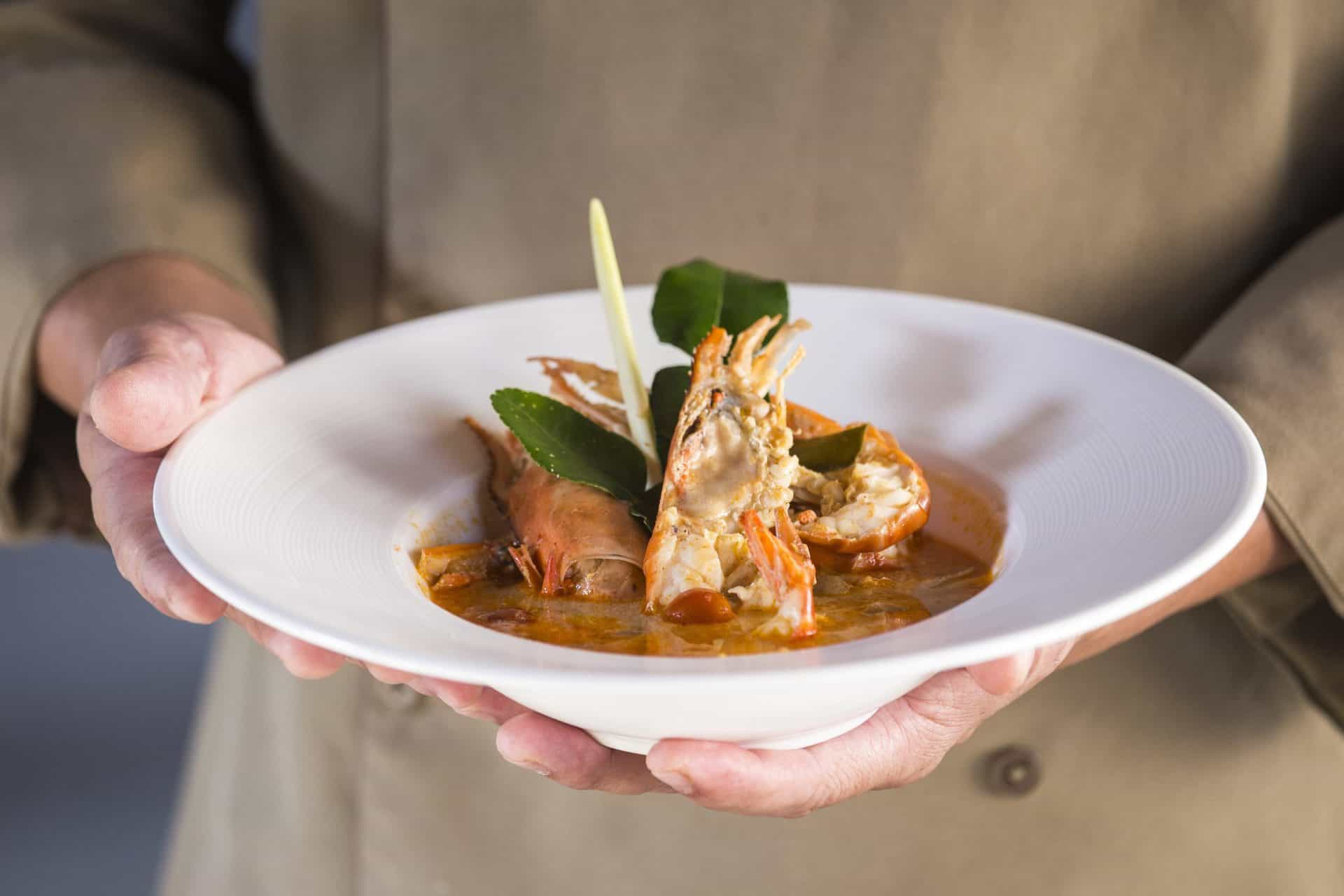
Updated On: February 19, 2024 by  Ciaran Connolly
Chefs prepare, cook and present food in hotels, bars and restaurants. It is a highly rewarding, but demanding job. The average salary starts from around £13,000 for a trainee, and can range up to £50,000 for a highly experienced head chef.
You can expect to work at least 40 hours a week, with many restaurants offering overtime incentives. You can get into this job through a university or college course, an apprenticeship or work experience/entry level roles.
Skills and knowledge
You’ll need:
- to be thorough and pay attention to detail
- knowledge of food production methods
- the ability to accept criticism and work well under pressure
- leadership skills
- the ability to work well with others
- knowledge of manufacturing production and processes
- maths knowledge
- the ability to work well with your hands
- to be able to use a computer and the main software packages competently
Professional kitchens are extremely busy, therefore a strict hierarchy is used to bring order to the chaos and ensure the smooth running of the entire operation. Based on the French Brigade system, the variety of positions are crucial to ensuring the kitchen operates like a well oiled machine.
If you are a budding chef, then the many positions available within a kitchen may be daunting, but it is important to understand the purpose and importance of each role. Knowing your Sous Chef from your Chef de Partie will help you understand the career options available to you.
Kitchen Roles Overview
Starting from the highest ranking member of the kitchen team, here is an overview of each vital role in the kitchen’s hierarchy.
Executive Chef (otherwise known as Group Chef)
This is a role reserved for larger establishments with multiple restaurants to manage, and as such it is the highest rank in the hierarchy. The Executive Chef rarely cooks; this is a management role, often overseeing the Head Chefs in each outlet and giving guidance on menus as well as budget management and top level supplier liaison.

This role is often held by the owner of a series of restaurants, allowing them to have the ultimate say in the operations of their restaurants.
Top Executive Chef Vacancies:
Executive Head Chef
Tifco Ltd, Crowne Plaza Dundalk
Executive Chef
Shamrock Lodge Hotel Athlone
Head Chef (otherwise known as Executive Chef or Chef de Cuisine)
Head Chef is the title most often used across the world, but in some European countries they go by Chef de Cuisine. This role is sometimes combined with the Executive Chef role, making it the top of the chain in smaller restaurants without multiple outlets.
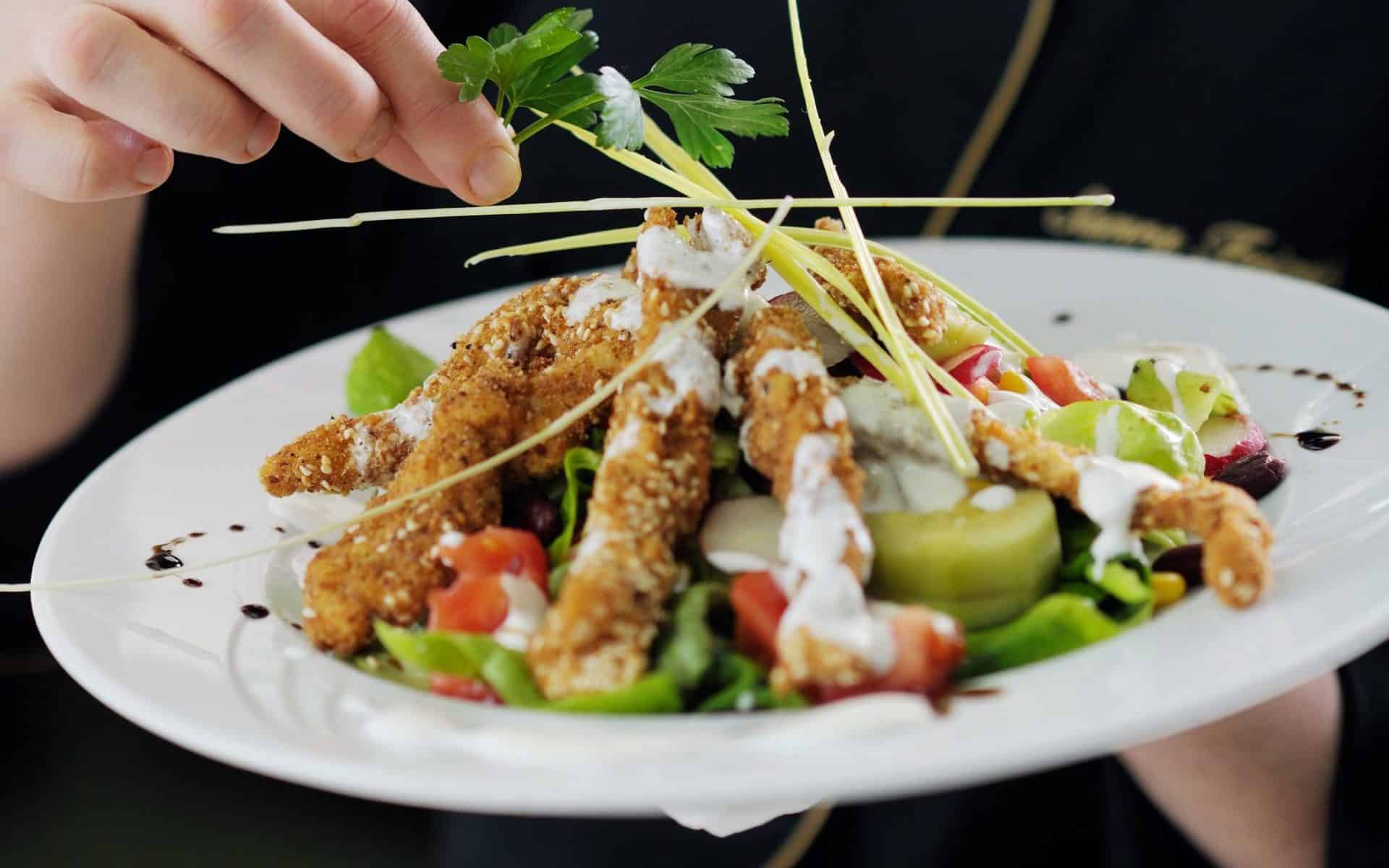
The Head Chef is the controller of everything that enters and leaves the kitchen; they manage the staff, inventory, finances and menu creation. They delegate to their staff and multitask with ease, ensuring that every element of the kitchen works in harmony without issues.
Top Head Chef Vacancies:
Head Chef
The Exchequer Wine Bar – Dublin
Head Chef
Farringtons – Rathcoffey, County Kildare
Sous Chef (otherwise known as Second Chef)
In French, Sous Chef translates to “under chef”. They are the second in command below the head chef, and usually are in charge of the day to day operations of the kitchen, helping to free up the Head Chef’s time to focus on higher level management tasks.
Different restaurant sizes dictate how many sous chefs there are; in smaller establishments there may be no need for a sous chef at all, whereas in large scale restaurants there may be multiple sous chefs. There is a hierarchy within this as well, with senior and junior sous chefs working together as a team to manage the entire kitchen.
Top Sous Chef Vacancies:
Sous Chef
Blue Haven Collection – Kinsale, County Cork
Sous Chef
Murphs at Derragarra Inn – Cavan
Chef de Partie (otherwise known as Station Chef, Line Chef or Line Cook)
Chefs de Partie are invaluable in the kitchen. They are responsible for a specific aspect of the food preparation operation, depending on their experience and area of expertise. The amount of Chefs de Partie in each kitchen depends on the size and specialism of the restaurant. Each Chef de Partie may have several assistants to help them with higher output from their specific station if needed.
Common examples of Chef de Partie roles include:
- Saute chef – This role is considered one of the most important roles in the kitchen under the sous chef; they take care of sauteing all dishes as well as preparing sauces and gravies to accompany all dishes.
- Butcher – the butcher in a kitchen prepares raw meat and poultry for use in the other stations.
- Fish Chef – this role is often combined with the butcher role, however in seafood establishments it is typical for this to be a standalone role. They prepare raw fish and seafood for use in the other stations.
- Fry chef – This role involves the preparation and frying of any dishes required.
- Grill chef – This role involves the preparation and grilling of any dishes required.
- Roast chef – This role involves the preparation and roasting of any meat, as well as the preparation of sauces to accompany the meat.
- Vegetable chef – This role involves preparing vegetables, soups and eggs. In larger establishments with a higher output, this role would be split out even further, with one chef taking care of eggs, one for soups and one for vegetables alone.
- Pantry chef – This role involves the preparation of all cold dishes, including pates, salads and sandwiches.
- Pastry chef – This role takes care of all desserts and sweets, and in some cases the preparation and baking of bread items.
With such a wide variety of specialisms required within a Chef de Partie role, this is the perfect role to hone a particular skill or gain experience in a new area.
Top Chef de Partie Vacancies:
Chef de Partie
The Manhattan Restaurant – Donegal
Chef de Partie
Woodford Dolmen Hotel – Carlow
Commis Chef
A Commis Chef is usually a junior member of the kitchen team who works alongside a Chef de Partie in each of the stations to learn the role of each station. This is generally a role held by a trainee chef wh o is completing or has recently completed their formal training.
Top Commis Chef Vacancies:
Commis Chef
BaxterStorey – Limerick
Commis Chef/Breakfast Chef
Clifden Station House Hotel – Galway
Kitchen Porter
A kitchen porter is a junior role generally held by someone with little or no formal culinary training or experience. This is a great role for school leavers or new entrants to the industry. This role involves keeping the kitchen clean and sanitary, washing produce and assisting the chefs with rudimentary tasks. This is a great role to start with as an apprentice, and many kitchens offer apprenticeships that start with this role and work up to a Sous Chef level.
Top Kitchen Porter Vacancies:
Kitchen Porter
The Gleneagle Hotel – Killarney, County Kerry
Kitchen Porter
The Garden House – Malahide, County Dublin
Now that you have a full oversight of the roles available within a kitchen environment, you are ready to find the perfect role to start or advance your career in the food service industry!
Another closely-tied business to the kitchen and chef job is Catering. A business that developed greatly in the past years with the facilitations offered by modern technology!

The Ultimate Guide to Finding the Best UK SIM Card for Travel
Travel Tips
23/04/2024

Planning Memorable Trips to the UK: Your Ultimate Guide
Travel Guides
23/04/2024

The Definitive Guide to Glamping in Scotland: Pods, Huts, and More!
Scotland
23/04/2024

The Ultimate Guide to the Best Places to Eat in Edinburgh
Scotland
23/04/2024

Explore the Majestic Beauty of UK National Parks
United Kingdom
23/04/2024