


Old Hollywood: Late 1920’s-1960’s-The Golden Age of Hollywood
Updated On: November 08, 2023 by  Ciaran Connolly
When you hear Old Hollywood your mind automatically goes to the glamour and the glitz of the Golden Age of Hollywood.
Although not many of us grew up in this era, it is a time in history that is still honoured today. The legends of Old Hollywood will live on forever with their names on the Hollywood walk of fame, their faces on our screens and their memories embedded in our minds.
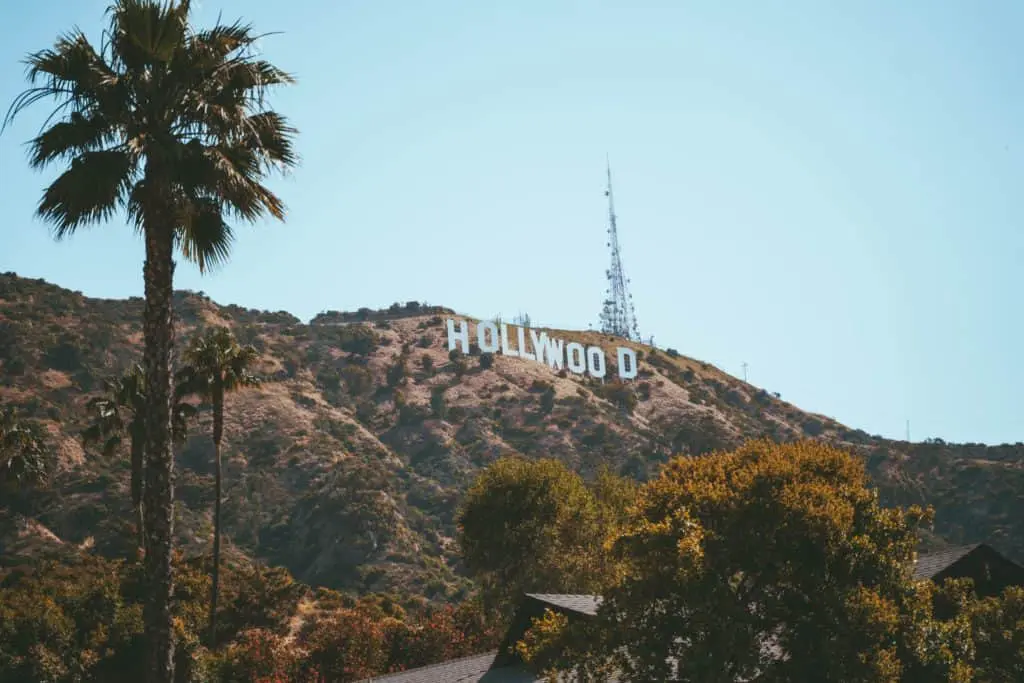
History of Old Hollywood
The beginning of the Old Hollywood era is marked by the introduction of sound films. Changing from silent films to “the talkies” was a changing point in Hollywood and with it came a rise to global cinema.In 1927, “The Jazz Singer” was the first film to use synchronized dialogue and it marked the beginning of the end for silent films. The Academy Awards also began that same year and Warner Bros. received an Honorary Award for their pioneering on “The Jazz Singer”. The movie was not nominated as Best Picture as it was deemed unfair to put a “talkie” up against silent movies.
The Old Hollywood era is understood to be the time when Hollywood dominated the film industry. Hollywood was the American dream for actors and actresses who hoped to make it onto the big screen. Old Hollywood is considered one of the most successful eras of filmmaking, with endless classics produced during this time. Sound films brought stardom to Hollywood.
During the Golden Age of Hollywood there were five main studios that were producing movies in Hollywood. Each studio used prefered actors and actresses and also often followed a certain genre of film in the majority of their movies. You will recognise these studio names from your favourite Old Hollywood movies;
Metro-Goldwyn-Mayer or MGM : MGM was the biggest studio during this time and it was ran by Louis B. Mayer alongside Irving Thalberg. Mayer is also credited for organising the very first Academy Awards in 1927. During the Golden Age of Hollywood, MGM produced Academy Award winning films such as Gone with the Wind, The Wizard of Oz, Ben-Hur and West Side Story. MGM is still today one of the biggest studios still producing many Award winning films after the Old Hollywood era, including The Silence of the Lambs, Rain Man and Dances with Wolves. It is also responsible for the incredibly successful film franchises James Bond and Rocky. The roaring lion is the symbol for MGM.
Paramount Pictures : Paramount Pictures have been around for over 100 years and they are the last remaining major studio still based in Hollywood out of the five major studios that once stood during the Golden Age of Hollywood. Paramount Pictures was founded by Adolph Zukor and W. W. Hodkinson and the famous Paramount logo that we have come to know so well was inspired by a mountain peak in Hodkinson’s childhood home and the 22 stars represent the 22 film stars that were signed with Paramount. Some of Paramounts most successful films during the Golden Age of Hollywood were The Ten Commandments, Sunset Boulevard, The Greatest Show on Earth and White Christmas.
Warner Brothers : Warner Bros. was founded in 1923 by four brothers, Harry, Albert, Samuel and Jack Warner. Warner Brothers quickly made a name as one of the Big Five in Hollywood when they revolutionized the film industry by producing The Jazz SInger in 1927. Warner Bros is well known for contributing to many classic films throughout the Golden Age of Hollywood, for example, Casablanca, Rebel Without a Cause and My Fair Lady.
20th Century Fox : 20th Century Fox was founded in 1935 after the mergence of Twentieth Century Pictures, which was founded by Joseph Schenck and Darryl F. Zanuck and the Fox Film Corporation, which was founded by William Fox. 20th Century had stars such as Shirley Temple and Betty Grable featured in their musicals. Well known Old Hollywood films that 20th Century Fox produced are The Grapes of Wrath, The King and I and South Pacific, All About Eve and Cleopatra. 20th Century Fox was well known for their musicals and westerns.
RKO: Radio-Keith-Orpheum, RKO Pictures was founded in 1928 when David Sarnoff, general manager of RCA and Joseph Kennedy’s FBO merged together. When RKO formed they declared that they would only make films with sound and that they did. RKO had stars such as Fred Astaire, Ginger Rogers, Katharine Hepburn and Cary Grant signed with them for movies. Some recognisable films that RKO are responsible for during the Golden Age of Hollywood are King Kong, Citizen Kane, Top Hat and Notorious. RKO also distributed films such as It’s a Wonderful Life, Snow White and the Seven Dwarfs and Pinocchio
Although it didn’t make the Big Five during the Golden Age of Hollywood, Universal Pictures were also in operation at the time and produced some classics.
Universal : Universal Pictures was founded in 1912 by Carl Laemmle, Mark Dintenfass, Charles O. Baumann, Adam Kessel, Pat Powers, William Swanson, David Horsley, Robert H. Cochrane, and Jules Brulatour and it is the fourth oldest major film studio in the world. During the Golden Age of Hollywood, Universal Pictures produced greats such as To Kill a Mockingbird, The Birds, Spartacus and Dracula.
Old Hollywood Glamour
It has been 60 years since the Golden Age of Hollywood, yet we are still trying to copy and recreate that stunning Hollywood glamour that encompassed Old Hollywood. Old Hollywood Glamour was elegance, sophistication and style. The biggest Hollywood stars were always dressed up to the nines and their casual wear would be nowhere near what we would consider casual today. Make-up, hair and clothes were always perfect and stars had their own unique looks which portrayed their personalities.
Stars went to great lengths in order to achieve and maintain Hollywood’s standards of how they should look, from hair transplants, dying their hair and changing their brows. Old Hollywood glamour was about simple, elegant make-up which showed the best version of the stars. It was about tiny waists and stylish clothes. The Old Hollywood glamour look usually looked far more glamorous than the actually reality of it.
Some great books about Old Hollywood glamour are “Timeless: A Century of Iconic Looks” by Louise Young, “Styling the Stars: Lost Treasures from the Twentieth Century Fox Archive” by Angela Cartwright and Tom McLaren, “Costume Design in the Movies: An Illustrated Guide to the Work of 157 Great Designers” by Elizabeth Leese and “Edith Head’s Hollywood” by Paddy Calistro.
Old Hollywood Stars
During the Golden Age of Hollywood in order to become a star you had to have a combination of acting, dancing and singing skills. If you couldn’t do all three then you had to be incredible good in one field or just have a face made for the screen. Old Hollywood actors and actresses were idolised and became stars, they saw stardom that no other actor will ever see. The glamour, the glitz and the drama was on another level and it was these stars that started the Hollywood Walk of Fame.
Old Hollywood Actresses
Audrey Hepburn
Audrey Hepburn was a Belgian-born actress who rose to stardom after her outstanding performance as Gigi in Broadway’s “Gigi”. Hepburn trained as a ballet dancer in her youth, the elegance, posture and determination she learnt from her lessons never left her. Her first film role was Roman Holiday (1953) in which she won the Academy Award for Best Actress. Audrey Hepburn is one of the most recognisable faces from the Golden Age of Hollywood.
Movies : Breakfast at Tiffany’s, My Fair Lady, Roman Holiday, Sabrina, Funny Face
Books : “Enchantment: The Life of Audrey Hepburn” by Donald Spoto, “Audrey & Givenchy: A Fashion Love Affair” by Cindy De La Hoz, “Audrey Hepburn Treasures” by Ella Erwin, et al., “Audrey: The 50’s” by David Wills
Sophia Loren
Sophia Loren is an Italian film actress who earned international success for her role in classic Hollywood movies. Sophia Loren was widely recognised for her beauty and acting talents, delivering both comedic and dramatic performances throughout her career. Sophia Loren won an Academy Award in 1962, she made history as the first performer to win an Academy Award for a foreign-language role with her performance in the French film Two Women.
Movies : Houseboat, It Started in Naples, The Pride and the Passion, Yesterday, Today and Tomorrow.
Books : “Sophia Loren: A Life In Pictures” by Candice Bal, “Yesterday, Today, Tomorrow: My Life” by Sophia Loren, “Sophia Loren’s Recipes & Memories” by Sophia Loren
Ava Gardner
Ava Gardner was an American film actress who was scouted by MGM because of her utter beauty. Throughout her acting career, Ava went on to perform in a huge range of films from musicals, romance, drama and sci-fi. Her performance in Mogambo was recognised and she was nominated for an Academy Award for Best Actress. Aside from her acting career, Ava Gardner was also in the spotlight for her highly publicised marriage to singer Frank Sinatra.
Movies : The Killers, Mogambo, Show Boat, The Barefoot Contessa, On The Beach
Books : “Ava Gardner: The Secret Conversations” by Ava Gardner and Peter Evans, “Ava Gardner (Turner Classic Movies): A Life in Movies” by Kendra Bean, “Ava Gardner: Love is Nothing” by Lee Server
Marilyn Monroe
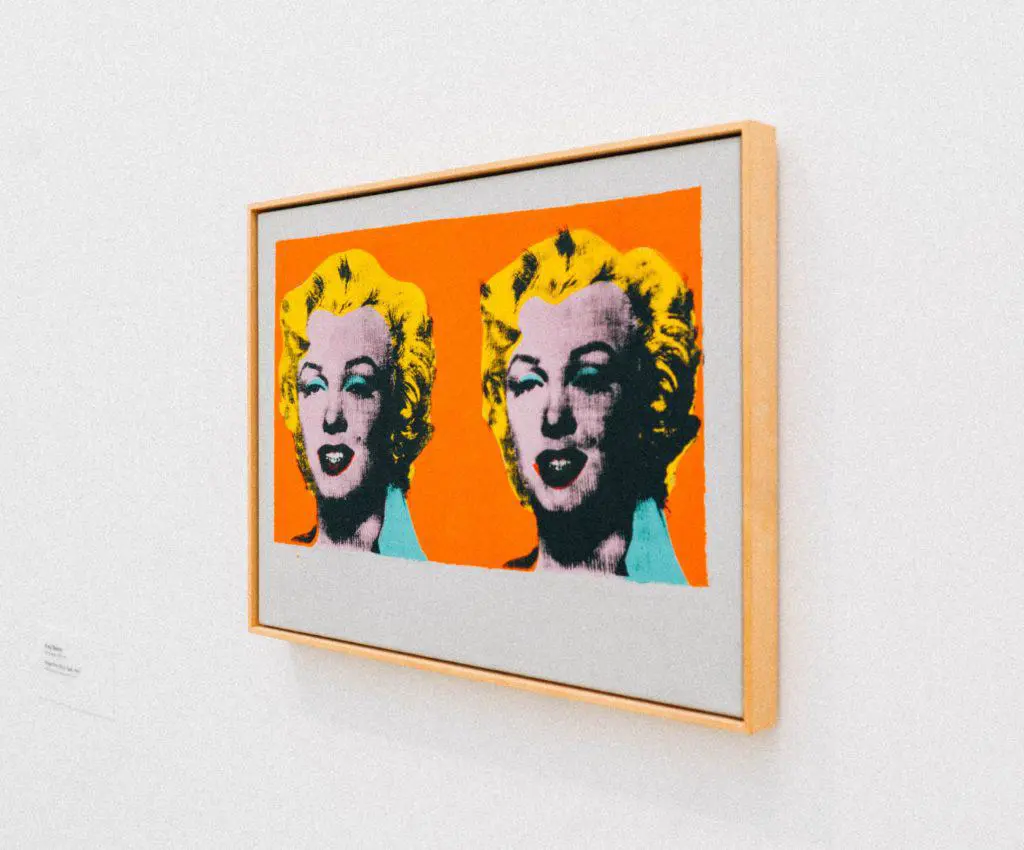
Marilyn Monroe is probably the first star that comes to mind when most of us think about Old Hollywood. She is without a doubt one of the biggest pop culture icons in our time and although her life wasn’t very long her legacy will live on forever. Norma Jeane began her career as a model and then changed her name to Marilyn Monroe as she pursued an acting career. In the height of her career, Monroe tragically passed away from a supposable drug overdose. Monroe’s performances have been forever stuck in our minds and are constantly recreated such as her Diamonds are a Girl’s Bestfriend number and that iconic scene in the Seven Year Itch.
Movies : Some Like It Hot, Gentleman Prefer Blondes, How To Marry A Millionaire, The Seven Year Itch, The Misfits.
Books : “Marilyn Monroe: Metamorphosis” by David Wills, “Marilyn: Norma Jeane” by Gloria Steinem, “Marilyn Monroe: The Private Life of a Public Icon” by Charles Casillo
Elizabeth Taylor
Elizabeth Taylor’s sixty year acting career makes her one of the biggest Old Hollywood icons. Throughout her career, Elizabeth Taylor’s talent was recognised by five Oscar nominations and two Best Actress Award wins. She became the first actor to negotiate a $1 million dollar contract for her role in Cleopatra. Despite her talent, Taylor’s acting career wasn’t the only thing that the public focused on, there was huge interest in Elizabeth’s personal life in particular her eight marriages to seven different men.
Movies : Cleopatra, Cat On A Hot Tin Roof, A Place in The Sun, Who’s Afraid of Virginia Woolf, Giant
Books : “Liz: An Intimate Biography of Elizabeth Taylor” by C. David Heymann, “Elizabeth: The Biography of Elizabeth Taylor” by J. Randy Taraborrelli, “Elizabeth: The Life of Elizabeth Taylor” by Alexander Walker
Vivien Leigh
Vivien Leigh was a British film actress and is best known for her portrayal of Scarlett O’Hara in Gone with the Wind, which earned her the Academy Award for Best Actress. Not only did she win this award once but twice, she also won the Academy Award for Best Actress for her role as Blanche in A Streetcar Named Desire. In both roles Leigh played strong-willed Southern women.
Movies : Gone With The Wind, A Streetcar Named Desire, Waterloo Bridge, Anna Karenina
Books : “Vivien Leigh: A Biography” by Anne Edwards, “Truly Madly: Vivien Leigh, Laurence Olivier and the Romance of the Century” by Stephen Galloway, “Vivien Leigh” by Hugo Vickers
Grace Kelly
Grace Kelly’s Old Hollywood story is unlike any other. After a highly successful acting career throughout the 1950’s, acting alongside, Frank Sinatra, Cary Grant and Bing Crosby to name a few, working with Alfred Hitchcock and winning the Academy Award for Best Actress in The Country Girl, Grace Kelly decided to leave Hollywood behind for love. In 1956, Grace Kelly became Princess Grace of Monaco when she married Prince Rainier III of Monaco. Her final film which was released that same year was High Society. In 1982, Grace Kelly tragically died after suffering from a stroke while driving her car in France.
Movies : The Country Girl, To Catch A Thief, High Society, Rear Window
Books : “Remembering Grace” by Howell Conant, “Grace Kelly: A Life From Beginning to End” by Hourly History, “High Society: The Life of Grace Kelly” by Donald Spoto
Ingrid Bergman
Ingrid Bergman was a Swedish actress who took Hollywood by a storm with her outstanding presence onscreen. Bergman starred in some of Hollywood’s most iconic films and her performance in these films was recognised by many Academy Award nominations. It was her performances in Gaslight which got her first Academy Award for Best Actress. Ingrid Bergman was banned from Hollywood due to her affair with the Italian director Roberto Rossellini, however after a few years she made the comeback of all comebacks with her performance in Anastasia which earned her second Academy Award for Best Actress.
Movies : Gaslight, Casablanca, Joan of Arc, Notorious, Anastasia, Indiscreet
Books : “Ingrid: Ingrid Bergman, a Personal Biography” by Charlotte Chandler, “Ingrid Bergman: My Story ” by Ingrid Bergman
Maureen O’Hara
Maureen O’Hara is an Irish-American Actress who began her acting career at the Abbey Theatre in Dublin. Maureen O’Hara was known for playing strong-minded women on the big screen and performed in many western and action movies, performing her own stunts. Maureen O’Hara had great on-screen chemistry with John Wayne and starred alongside him in five films throughout her career.
Movies : The Quiet Man,The Hunchback Of Notre Dame, Miracle on 34th Street, The Parent Trap, McLintock!
Books : “Tis Herself: A Memoir Book” by John Nicoletti and Maureen O’Hara, “Maureen O’Hara: The Biography” by Aubrey Malone
Rita Hayworth
Rita Hayworth was an American film actress, singer and dancer who rose to fame as a result of her breakout role in “Gilda”. Rita’s persona in Gilda and her beauty gave her the nickname of “The Love Goddess”. Her glamorous looks only added to her immense talent on the screen. Although Rita Hayworth has a successful career her personal life lacked the love she yearned for with all of her marriages ending in divorce.
Movies : Gilda, Cover Girl, Pal Joey, The Lady From Shanghai, Separate Tables, Only Angels Have Wings
Books : “If This Was Happiness: A Biography of Rita Hayworth” by Barbara Leaming, “Rita Hayworth: A Memoir” by James Hill, “The Life of Rita Hayworth” by Susan Barrington
Lauren Bacall
Lauren Bacall was an American actress who began her career as a model and became an overnight sensation after her debut film To Have And Have Not. It was while filming this movie, Lauren met her husband Humphrey Bogart. The pair had a very loving marriage however their romance was put to an end when Bogart sadly passed away 11 years into their marriage. Bacalls talent was recognised with Academy Award nominations and Tony award victories.
Movies : The Big Sleep, To Have And Have Not, How to Marry A Millionaire, Designing Woman
Books : “Lauren Bacall by Myself” by Lauren Bacall, “By Myself and Then Some” by Lauren Bacall
Ann-Margret
Ann-Margret is a Swedish American actress who always had a love for dancing from a very young age. This love for dance allowed Ann-Margret to pursue theatre and eventually pursue a career in acting. In her most famous films, Ann-Margret starred alongside Elvis Presley, the pair had great chemistry on screen and were fan favourites.
Movies : Viva Las Vegas, Pocketful of Miracles, The Cincinnati Kid, Bye Bye Birdie
Books : “Ann Margret: My Story” by Ann Margret, “Ann Margret: A Dream Come True : A Photo Extravaganza and Memoir” by Neal Peters
Greta Garbo
Greta Garbo was a Swedish-American actress and is regarded by many the greatest actress ever on screen. Greta Garbo began her career as a silent film actress and she transitioned well into the “talkies” with “Anna Christie” being the first movie that “Garbo talks!” At the age of 36, Garbo decided to leave Hollywood after making only 28 movies. In the movie Grand Hotel, Garbo’s character mutter the famous line” I just want to be alone”, a line that was fitting to Greta Garbo herself.
Movies : Ninotchka, Grand Hotel, Camille, Anna Karenina , Anna Christie
Books : “Garbo: Her Life, Her Films” by Gottlieb, “Greta Garbo: A Life Apart” by Karen Swenson
Natalie Wood
Natalie Wood started acting from the young age of five and successfully made it into the film industry as an adult, a transition not many child actors succeed in. Her breakout role as a child actor was Miracle on 34th Street and her role in Rebel Without a Cause showed her talents as a teenage actress, even earning an Academy Award nomination for her role as Judy. Not only did Wood act but she also sang and performed in musicals’ West Side Story and Gypsy. Wood tragically died in 1981 when she supposedly drowned while vacationing on her yacht, although the events around her death have never been fully solved.
Movies : The Great Race, Splendour in the Grass, Miracle On 34th Street, Rebel Without A Cause, West Side Story
Books : “Natalie Wood: The Complete Biography” by Suzanne Finstad, “Natasha: The Biography of Natalie Wood” by Suzanne Finstad, “Natalie Wood (Turner Classic Movies): Reflections on a Legendary Life” by Manoah Bowman
Joan Crawford
Joan Crawford began her career as a dancer on Broadway and in nightclubs. Her breakthrough performance was Mildred Pierce in 1945 for which she won the Academy Award for Best Actress. Joan Crawford was also given wide recognition for her role on What Ever Happened To Baby Jane, which she starred alongside Bette Davis. The series “Feud” came out in 2017, retelling the famous feud that the two world famous actors had while on set. A year after Crawford’s death, her adoptive daughter released a memoir “Mommie Dearest” depicting Crawford as an abusive mother.
Movies : What Ever Happened to Baby Jane, Mildred Pierce, The Woman, Johnny Guitar
Books : “Conversations with Joan Crawford” by Roy Newquist, “Joan Crawford: A Biography” by Bob Thomas
Doris Day
Doris Day appeared in many classic films and musicals throughout her career. Doris Day began her career as a signer and then went on to become an actress. She was able to combine her two talents in many of her movies. In many of her films Doris Day played strong witted wholesome characters who knew their own mind. She starred alongside Rock Hudson in three of her most popular films. She also had her very own tv show “The Doris Day Show”.
Movies : Calamity Jane. Pillow Talk, That Touch of Minx, Send Me No Flowers, Lover Come Back
Books : “Doris Day: Her Own Story” by A. E. Hotchner, “Doris Day: Images of a Hollywood Icon” by Michael Feinstein
Bette Davis
Bette Davis began her acting career on stage in Broadway and had a rocky transition from the stage to screen. After Universal dropped her, Warner Brothers saw Davis’ potential as an onscreen star and took her on. However, Bette Davis wasn’t given any roles that allowed her to truly shine as the star she was until she begged Warner Bros to lend her out to RKO and took Warner Bros on in a legal battle. Bette Davis won two Oscars throughout her career.
Movies : What Ever Happened To Baby Jane, All ABout Eve, Now,Voyager, Mr. Skeffington
Books : “Miss D & Me: Life with the Invincible Bette Davis” by Kathryn Sermak, “The Lonely Life: An Autobiography” by Bette Davis, “This ‘N That” by Bette Davis
Katharine Hepburn
Katharine Hepburn was an American film actress who cemented her name in Old Hollywood by earning twelve Academy nominations and achieving a record of four Academy awards for her outstanding performances. This is an achievement no other actor has been able to match since. Over her 60 year career, she starred alongside her love Spencer Tracy in nine films.
Movies : Long Day’s Journey Into Night , The African Queen,The Philadelphia Story, Guess Who’s Coming to Dinner
Judy Garland
Judy Garland is probably best known for her role in The Wizard of Oz in which she played the leading role of Dorothy Gale. She earned the Academy Award for this amazing performance and stunning vocals with “Somewhere over the Rainbow”. Garland’s Old Hollywood story is that of a tragic tale. Throughout her short career she had a strong onscreen partnership with Mickey Rooney. Judy struggled throughout her career and tragically died of an overdose way before her time.
Movies : The Wizard of Oz, A Star is Born, Meet Me in St. Louis, Easter Parade
Books : “Get Happy: The Life of Judy Garland” by Gerald Clarke, “Judy Garland on Judy Garland: Interviews and Encounters” by Randy L Schmidt
Olivia de Havilland
Olivia de Havilland was born in Japan and moved over to America when she was still a child. After acting on theatre in A Midsummer’s Night Dream, De Havilland landed her first film role in the film adaptation of the Shakespeare play. Olivia de Havilland had a total of nine on-screen appearances with Australian actor, Errol Flynn. Both herself and her sister Joan Fontaine won an Oscar for Best Actress, de Havilland won the Academy Award for her performance in the Heiress and in To Each His Own. De Havilland is remembered for her outstanding talent but also for taking on the studio system when she went against and beat Warner Bros in a legal battle over her contract extension.
Movies : Gone With The Wind, The Heiress, The Adventures of Robin Hood, Captain Blood
Books : “Olivia de Havilland and the Golden Age of Hollywood” by Ellis Amburn, “Every Frenchman Has One” by Olivia de Havilland, “Olivia de Havilland: Lady Triumphant” by Victoria Amador
Gina Lollobrigida
Gina Lollobrigida is an Italian actress who wowed Hollywood with her beauty and talents. Gina began her career as a model and soon made her way up the acting ranks. After starring in many European films she landed her debut Hollywood film with Beat the Devil. Lollobrigida acted in many genres of film but had great success in her comedic films such as Come September and Buona Sera, Mrs. Campbell. At the age of 95, Gina is showing no signs of slowing down, with her recently announcing her plans to run in the next general election.
Movies : Come September, The Hunchback of Notre Dame, Trapeze, Solomon & Sheba, Buona Sera, Mrs. Campbell
Books : “Imperial Gina: Strictly Unauthorized Biography of Gina Lollobrigida” by Luis Canales, “Italia mia” by Gina Lollobrigida
Shirley Temple
Shirley Temple is Old Hollywood’s biggest child star starring in many moving musicals. Temple’s dancing numbers and spirited singers got people through the hardships of the Great Depression and her appearance onscreen was a ray of sunshine and escapism for the people of America. Shirley Temple failed to make the transition from childhood stardom to acting as an adult and her acting career came to an end as her teenage years did.
Movies : Heidi, The Little Princess, Captain January, The Little Colonel
Books : “Child Star: An Autobiography” by Shirley Temple Black, “Shirley Temple: American Princess” by Anne Edwards, “The Little Girl Who Fought the Great Depression: Shirley Temple and 1930s America” by John F. Kasson
Jane Russell
Jane Russell was one of Old Hollywood’s greatest stars showing her acting talents, dancing skills and vocal capabilities in a range of her movies. Russell rose to fame from her role in The Outlaw and is probably best known for playing the role of Dorothy Shaw alongside Marilyn Monroe in Gentlemen Prefer Blondes. Jane Russell went on to have a career in the music industry and even appeared on Broadway.
Movies : Gentlemen Prefer Blondes, The Paleface, Son Of Paleface, His Kind of Woman
Books : “Jane Russell: My Path and My Detours : An Autobiography ” by Jane Russell, “Mean…Moody…Magnificent!: Jane Russell and the Marketing of a Hollywood Legend” by Christina Rice
Tippi Hedren
Tippi Hedren is an Old Hollywood American actress and former fashion model who played the leading lady in two of Hitchcock’s famous blockbusters, The Birds and Marnie. At the age of 92, Tippi Hedren’s career has lasted for over 70 years starring in many films and tv series throughout. Tippi Hedren’s acting talents were passed down to her family. She is the mother to Melanie Griffith, a famous actress and film producer and her granddaughter is Dakota Johnson, who has also starred in top Hollywood films.
Movies : The Birds, Marnie, A Countess From Hong Kong,
Books : “Tippi: A Memoir” by Tippi Hedren
Deborah Kerr
Deborah Kerr was a British actress who was known for her roles in some of Old Hollywood’s most iconic movies. After a successful start to her acting career in British cinema , Kerr decided to make the move to America’s MGM at the age of 26. Deborah was cast-typed as proper English lady in her roles until she took a risk and took on the role of an adulteress in An Affair to Remember, which was a huge success. In the film, From Here to Eternity, Kerr and Burt Lancaster’s famous beach scene kiss became one of the most iconic scenes in Old Hollywood history.
Movies : From Here To Eternity, An Affair to Remember, The King and I, Black Narcissus
Books : “Deborah Kerr: A Biography” by Michelangelo Capua, “Deborah Kerr” by Sarah Street
Lucille Ball
The fun-loving and bubbly Lucille Ball will forever be remembered as Old Hollywood’s favourite comedic actress. Although she starred in many hit comedy movies, Lucille Ball is probably best known for her highly popular tv programme, I Love Lucy. Lucille acted alongside her husband Desi Arnaz. The show was a comedic take on their own lives. Not only were the couple the stars of the show but it was their own production company Desilu that produced it. After the couple divorced, Lucille bought Arnaz’s share in the company and she became the first woman to lead a Hollywood studio.
Movies : Yours, Mines & Ours, Stage Door, Lured, Five Came Back, The Big Street
Books : “Love Lucy” by Lucille Ball, “Lucille: The Life of Lucille Ball” by Kathleen Brady
Ginger Rogers
When you hear Ginger Rogers your mind goes immediately to Fred Astaire, whom she danced many a times with on the screen. The famous dancing duo appeared in a total of ten movies together. Ginger Rogers was an American, singer, actress and incredible dancer. Although best known for her dancing, Rogers won an Academy Award for her performance as Kitty Foyle in the film by the same name. Winning this award recognised Roger as not only a dancer but a dramatic actor.
Movies : Top Hat, Swing Time, Kitty Foyle, 42nd Street, Flying Down to Rio
Books : “Ginger: My Story” by Ginger Rogers, “Ginger Rogers: The Shocking Truth!” by Harry Harrison, “Fred Astaire and Ginger Rogers: The Story of Hollywood’s Most Famous Dancers” by Charles River Editors
Debbie Reynolds
Debbie Reynolds was an American actress, singer and dancer who let her charming personality to shine on the screen. Reynolds amazing talent was often overshadowed by her dramatic personal life during the 1950’s when her husband Eddie Fisher left her and their two children for Elizabeth Taylor, causing one of the biggest scandals in Hollywood. While her career was striving, Reynolds had no luck with her love life, with her second husband Harry Karl who gambled away all her money leaving Debbie to declare bankruptcy not long after. Her acting talents spread to her children, with her daughter Carrie Fisher starring as Princess Leia in Star Wars.
Movies : Singing in the Rain, My Six Loves, How The West Was Won, The Tender Trap, The Unsinkable Molly Brown
Books : “Unsinkable” by Debbie Reynolds, “Debbie: My LIfe” by Debbie Reynolds, “Make ‘Em Laugh: Short-Term Memories of Longtime Friends ” by Debbie Reynolds
Kim Novak
Kim Novak is one of the few Old Hollywood stars that is still alive today. Kim Novak is probably best known for her iconic role in Alfred Hitchcock’s Vertigo, in which she played the role of two woman. She acted alongside singer Frank Sinatra in two films, Pal Joey and The Man With The Golden Arm. Kim Novak is now retired from acting and enjoys painting and is a mental health activist at the age of 89.
Movies : Vertigo, Pal Joey, Kiss Me Stupid, The Man With The Golden Arm, Picnic, Bell Book and Candle
Books : “Kim Novak: Reluctant Goddess” by Brown Peter Harry
Eva Marie Saint
Eva Marie Saint is an American film actress who has had a career in the film industry spanning over seven decades. Eva Marie Saint began her career on the best foot possible, with her performance in her debut film On The Waterfront, starring alongside Marlon Brando earned her the Academy Award for Best Supporting Actress.Her most memorable character was as one of “Hitchcock’s Blondes” playing Eve Kendal in North By Northwest. At 98 years of she is one of the longest living Academy Award winners.
Movies : North By Northwest, By The WaterFront, Grand Prix, Exodus
Hattie McDaniel
Hattie McDaniel made history by becoming the first African American to be nominated for and win an Oscar for her outstanding performance in Gone with the Wind in which she played the role as Mammy. When Hattie lost her job headlining at a nightclub, Sam Pick’s Suburban Inn due to the Great Depression, she saw no other option than to get a one way ticket to Hollywood. Performing was in the McDaniel’s blood with Hattie’s sister Etta and brother Sam also successful Hollywood actors.
Movies : Gone With The Wind, The Little Colonel, Showboat, Vivacious Lady, Alice Adams
Books : “Hattie McDaniel: Black Ambition, White Hollywood ” by Jill Watts, “Hattie: The Life of Hattie McDaniel” by Carlton Jackson
Vera-Ellen
Vera-Ellen was an American film actress and dancer, starring in many musicals throughout her career. In 1939, Vera-Ellen made her Broadway debut in Very Warm May and went on to perform in other Broadway musicals. It was her Broadway presence that drew the attention of MGM and began Vera-Ellen’s Hollywood career. Vera-Ellen only appeared in 14 Hollywood films, however those she performed in are still remembered today, starring alongside the best Hollywood actors such as Danny Kaye, Gene Kelly and Fred Astaire. The memorable Christmas classic, the musical White Christmas still remains a fan favourite and is shown every year on our tv screens.
Movies : On The Town, White Christmas, Three Little Words, The Belle Of New York
Books : “Vera-Ellen: The Magic and the Mystery” by David Soren
Jane Fonda
Jane Fonda is still a very much loved personality in Hollywood, who at the age of 84 is still acting and is a prominent activist. Jane is the daughter of Henry Fonda, a famous Old Hollywood star who was known for his role in The Grapes of Wrath. Fonda began her career as a model and then pursued acting. During her acting career, Fonda performances were recognised with nominations and two Oscar win during the 70’s winning Best Actress for Klute and Coming Home. Fonda went on to release highly successful fitness videos in the 80’s. Besides her acting career, Fonda is known for being a political and environmental activist and describes herself as a feminist.
Movies : Raging Kitty, The Chase, Barbarella, The Chapman Report, Walk on the Wild Side
Books : “My Life So Far” by Jane Fonda, “Jane Fonda: The Private Life of a Public Woman” by Patricia Bosworth
Julie Andrews
Julie Andrews is a British actress and singer who made quite the name for herself in Old Hollywood. Julie Andrews made her radio debut in 1946 at just 10 years old with her stepfather Ted Andrews in the BBC variety show. In her teenage years, Andrews performed in many pantomimes which paved the way for her Broadway debut in The Boy Friend at just 18 years of age. Two years later, she was chosen to play Eliza Doolittle in the musical My Fair Lady. Although Andrews hadn’t much acting experience she was praised for her outstanding performance. Julie Andrews won the Oscar for Best Actress for her performance as Mary Poppins.
Movies : Mary Poppins, The Sound of Music, Thoroughly Modern Millie, Torn Curtain
Books : “Home: A Memoir of My Early Years” by Julie Andrews, “Home Work: A Memoir of My Hollywood Years” by Julie Andrews, “Julie Andrews” by Richard Stirling
Angela Lansbury
Angela Lansbury is an English actress who discovered her talent for acting when she moved to America with her mother. In her film debut Gaslight, Lansbury earned herself an Academy Award nomination and again the following year for her performance in The Picture of Dorian Gray. At 96 years of age, Angela Lansbury has shown her talents on film, tv and theatre for over seven decades. She is probably best known for her role as Jessica Fox in the crime drama Murder, She Wrote.
Movies : Gaslight, The Picture of Dorian Gray, The Three Musketeers,The Manchurian Candidate
Books : “Balancing Act: The Authorized Biography of Angela Lansbury” by Martin Gottfried,
Old Hollywood Actors
Humphrey Bogart
Through his iconic performances, Humphrey Bogart cemented himself in Old Hollywood history as one of the greatest actors of all time. His performances in Casablanca and The Canine Mutiny earned him Oscar nominations and in 1952 he was awarded the Academy Award for Best Actor for his role as Charlie Allnut in The African Queen. It was from his movie Casablanca that the famous line “Here’s Looking at You Kid” came from.
Movies : Casablanca, The Treasure of the Sierra Madre, The Maltese Falcon, Sabrina, The African Queen
Books : “Bogart: In Search of My Father” by Stephen Humphrey Bogart, “Bogart” by Ann M. Sperber & Eric Lax
Cary Grant
Cary Grant was an English actor who’s handsome looks and charming personality made him one of the most loved actors during the Golden Age of Hollywood. Cary Grant performed in comedic films such as Houseboat, dramatic films and action/thriller films throughout his career. It was his performances in Alfred Hitchcock’s films that stand out among the rest and are his most memorable performances such as To Catch a Thief and Notorious.
Movies : To Catch A Thief, Charade, An Affair to Remember, North By Northwest, Houseboat
Books : “Cary Grant: A Brilliant Disguise” by Scott Eyman, “Cary Grant, the Making of a Hollywood Legend” by Mark Glancy, “Cary Grant: A Class Apart” by Graham McCann
Clark Gable
Clark Gable is an iconic Old Hollywood start and was referred to by many “The King of Hollywood”. His performances were recognised by three Academy Award nominations and he won the Best Actor Academy Award for It Happened One Night, a movie he didn’t even want to do. Clarke left Hollywood for awhile after the tragic death of his wife comedic, actress Carole Lombard who died in a plane crash. On his return and later in his career, Gable gave some of his most memorable performance such as The Hucksters and Mogambo.
Movies : Gone With The Wind, The Misfits, Mogambo, Mutiny On The Bounty, It Happened One Night
Books : “Clark Gable: In His Own Words” by Clark Gable, “Clark Gable: A Portrait of a Misfit” by Jane Ellen Wayne, “Clark Gable: A Biography” by Warren G Harris
Frank Sinatra
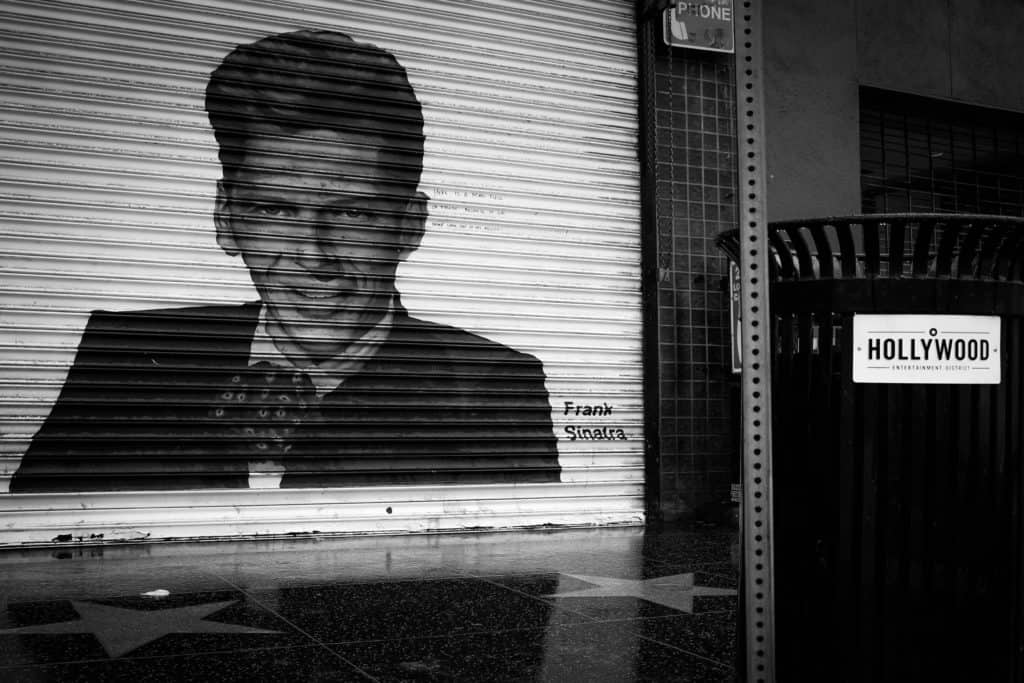
Nicknamed as “Ole Blue Eyes” for his steely blue eyes and smooth demeanour, Frank Sinatra was one of the greatest singers of the 20th Century and his Jazz music is still celebrated today. Sinatra became one of the top film stars in Hollywood with quality performances awarding him Academy Award nominations. For his performance in Here to Eternity, Sinatra earned the Oscar for best supporting actor. Sinatra is one of the few stars to be able to manage both a music career and acting career at such an equal level of success. Sinatra was also a member of the Ratpack, alongside Sammy Davis Jr. and Dean Martin, who performed as a group in Las Vegas.
Movies : Pal Joey, High Society, Young at Heart, From Here to Eternity, On the Town, Ocean’s Eleven
Books : “Frank: The Making of a Legend” by James Kaplan, “Sinatra: The Chairman” by James Kaplan, “Sinatra: Behind the Legend” by J. Randy Taraborrelli
James Dean
The life of Old Hollywood star James Dean is that of a tragic and thrilling one. James Dean was one of the most swoon worthy stars in Hollywood. Dean had an incredible future ahead of him in the film industry, however he only got to act in three films before his devastating death in 1955 resulting from a car accident. James Dean was the first actor to receive Academy Award nomination posthumously and remains still today the only actor to receive two.
Movies : Rebel WIthout a Cause, Giant, East of Eden
Books : “The Real James Dean: Intimate Memories from Those Who Knew Him Best” by Peter L. Winkler, “The Photography of James Dean” by Charles P. Quinn, “James Dean” by Dennis Stock
James Stewart
James Stewart was an American actor and decorated military pilot who is remembered by his timeless performances in classic films during Old Hollywood. James Stewart’s performances were rewarded with many Oscar nominations and in 1941 he took home the Academy Award for Best Actor for his outstanding performance in The Philadelphia Story. One of Stewarts most memorable films is It’s a Wonderful Life which has gone down as one of the most beloved movies of all time.
Movies : It’s a Wonderful Life, Rear Window, Vertigo, Harvey, Mr. Smith Goes To Washington
Books : “Jimmy Stewart and His Poems” by James Stewart, “Pieces of Time: The Life of James Stewart” by Gary Fishgall, “Jimmy Stewart: A Biography” by Marc Eliot
Marlon Brando
Marlon Brando was one of Old Hollywood’s finest method actors who produced compelling and passionate performances throughout his career which spanned over five decades. Marlon’s outstanding performances were acknowledged by many Academy Award nominations, in 1954 he took home the Oscar for Best Actor for his role as Terry Malloy in On The Waterfront. Later in life, Brando starred in probably the best movie of his whole career, The Godfather, which earned him his second Oscar, however Brando refused the award due to the treatment of Native Americans in the film industry.
Movies : On the Waterfront, Guys & Dolls, Julius Caesar, A Streetcar Named Desire, The Wild One
Books : “Brando: Songs My Mother Taught Me” by Marlon Brando
Fred Astaire
When we think of Old Hollywood there are a few performers that come to mind and Fred Astaire is certainly one of them. Fred Astaire starred alongside some of the biggest actors and actress in Hollywood throughout his film career. Astaire was very much an all-rounder of a performer he could sing, act and without a doubt he could dance. Fred Astaire was a brilliant choreographer and is credited for ten of his movies including Top Hat and Funny Face. His tv variety show An Evening with Fred Astaire won an incredible nine Emmy awards.
Movies : Funny Face, Top Hat, Easter Parade, Swing Time, Bandwagon
Books : “Steps in Time: An Autobiography” by Fred Astaire, “Fred Astaire: His Friend’s Talk” by Sarah Giles, “Fred Astaire Style” by G. Bruce Boyer
Gregory Peck
Gregory Peck is one of Old Hollywood’s most respected film stars with a career spanning for nearly six decades which included over sixty films. Pecks outstanding performance on the screen didn’t go unnoticed with five Academy Awards nominations to his name and one Oscar for his role as Atticus Finch in To Kill A Mockingbird. Peck’s performance in this film was outstanding and To Kill A Mockingbird has gone down as one of the all time classics. The author of the book, Harper Lee commended Peck’s performance by saying “Atticus Finch gave Gregory Peck an opportunity to play himself.”
Movies : Roman Holiday, To Kill a Mockingbird, Spellbound, Twelve O’Clock High, Moby Dick
Books : “Gregory Peck: A Biography” by Gary Fishgall, “Gregory Peck: A Charmed Life” by Lynn Haney, “American Legends: The Life of Gregory Peck” by Charles River Editors
Charlie Chaplin
Charlie Chaplin is synonymous with Old Hollywood. Chaplin was an English comedy performer and filmmaker and has gone down in history as one of the film industry’s most iconic figures. Chaplin’s first feature length film was The Kid and in it he introduced Jackie Coogan, who became on of Hollywood’s first and most successful child star. Chaplin won his first Academy Award for his film The Circus in 1929. Chaplin often played the character which was named “The Tramp” in many of his films. In 1940, Chaplin made his first ever talkie with The Dictator and he certainly used his voice to send a message.
Movies : The Great Dictator, Modern Times, City Lights, The Kid, The Gold Rush
Books : “My Autobiography” by Charles Chaplin, “Chaplin: His Life And Art” by David Robinson, “Charlie Chaplin’s Own Story” by Charles Chaplin
Laurence Olivier
Laurence Olivier was an English actor and director who was and still is highly regarded as one of the most significant stars of Old Hollywood. Olivier’s contributions to the film and theatre industry have been recognised in many ways. The Society of West End Theatre Awards were renamed as the Laurence Olivier Awards. These prestigious awards are given out in recognition of excellence in professional theatre in London. Throughout his long career he was nominated for 12 Academy Awards in three different categories, actor, producer, and director. He won two Academy Awards in total, one for Best Actor in Hamlet.
Movies : The Prince and The Showgirl, Wuthering Heights, Hamlet, Spartacus, Rebecca
Books : “Confessions of an Actor: The Autobiography” by Laurence Olivier, “On Acting” by Laurence Olivier, “Laurence Olivier In His Own Words” by Laurence Olivier
John Wayne
John Wayne, originally known as Marion Morrison, was an American actor who starred in many Westerns and war movies and today is regarded as an American icon. Nicknamed “The Duke”, Wayne began his career in Hollywood as a prop man and it was in 1930 that director Raoul Walsh saw potential in John and gave him his acting debut in The Big Trail. Wayne produced his first film in 1947 with Angel and the Badman, the first of many that he would both star and produce in. Wayne had a very successful onscreen partnership with Maureen O’Hara and a thriving behind the camera partnership with director John Ford.
Movies : The Searchers, McLintock!, The Quiet Man, Rio Bravo, Red River
Books : “John Wayne: The Man Behind the Myth” by Michael Munn, “John Wayne Speaks: The Ultimate John Wayne Quote Book ” by Mark Orwoll, “John Wayne: A Life From Beginning to End” by Hourly History
Gene Kelly
On par with Fred Astaire, Gene Kelly was an all-rounder of Old Hollywood. Throughout his incredible career during the Golden Age of Hollywood Gene Kelly was an actor, dancer, singer, choreographer, director and producer. Gene Kelly’s athletic dance style and animated personality transformed the Hollywood musical scene. In 1942, Kelly scored his debut film For Me & My Gal, in which he starred alongside Judy Garland. Gene Kelley was truly an innovator and during his time in Hollywood he made history by becoming the first person to dance with cartoons. Yes you read that right, in his movie Anchors Aweigh, Kelly did a dance scene with the world famous mouse Jerry, from the duo Tom & Jerry.
Movies : Singing in the Rain, An American in Paris, The Pirate, On The Town, Anchors Aweigh
Books : “Gene Kelly: The Making of a Creative Legend” by Earl Hess & Pratibha A. Dabholkar, “Gene Kelly: A Life of Dance and Dreams” by Alvin Yudkoff, “He’s Got Rhythm: The Life and Career of Gene Kelly” by Cynthia Brideson
Sidney Poitier
Sidney Poitier was the first Black actor to win an Academy Award. The Bahamian American actor won the Oscar for Best Actor in 1963 for his performance in the film Lilies of the Field. Poitiers acting talents and presence on the screen shone throughout his career during the Golden Age of Hollywood. Sidney Poitier was a film actor and director who starred and directed many highly acclaimed films throughout his career including A Patch of Blue, A Raisin in the Sun and Stir Crazy. Poitier’s career spanned over seven decades and the actor passed away in 2022 at the age of 94.
Movies : In The Heat of The Night, A Raisin in the Sun, The Defiant Ones, Lilies of the Field
Books :”This Life” by Sidney Poitier, “Life Beyond Measure” by Sidney Poitier, “The Measure of a Man: A Spiritual Autobiography” by Sidney Poitier
Paul Newman
Paul Newman was not only loved because of his good looks and charisma but because of his compelling performances that caught the attention of so many on the screen. In 1953, Newman made his debut appearance and also met Joanne Woodward, an understudy at the time. The two feel in love and married in 1958, remaining married until Paul’s death in 2008. Their relationships was one of the most sweetest and endearing relationships in Hollywood, where commitment and loyalty was few and far found. The two were Hollywood’s unshakable and favourite couple. Although many of Newman’s performance were nominated for Academy Awards it wasn’t until later in his career that he would finally win the prestigious Oscar.
Movies : Cat on a Hot Tin Roof, Hud, Butch Cassidy and The Sundance Kid, The Hustler
Books : “The Extraordinary Life of an Ordinary Man: A Memoir” by Paul Newman, “Paul Newman: A Life” by Shawn Levy, “Paul Newman: Blue-Eyed Cool” by James Clarke
Dick Van Dyke
Dick Van Dyke is one of Old Hollywood’s most cherished performers. Van Dyke became a much loved actor by fans for his charm, comedic wit and his not-so-serious personality. Dick Van Dyke grew in popularity after his comedic show “The Dick Van Dyke Show” which received many accolades. The American actor went on to star in the favourite classic musicals such as Mary Poppins and Chitty Chitty Bang Bang. At 96 years of age, Van Dyke still hasn’t lost it starring in Mary Poppins Returns in 2018.
Movies : Mary Poppins, Chitty Chitty Bang Bang, Bye Bye Birdie, What a Way To Go!
Books : “My Lucky Life in and Out of Show Business” by Dick Van Dyke, “Keep Moving: And Other Tips and Truths About Living Well Longer” by Dick Van Dyck
Montgomery Clift
Montgomery Clift began his acting career on Broadway and was begged by Old Hollywood directors to appear on the big screen. Montgomery, nicknamed Monty, agreed to come to Hollywood after 12 years of turning down film proposals, it was the John Wayne film Red River which finally took his interest. During his career, Clift received many Academy Award nominations, unfortunately he never took home the Oscar and his career was cut short in 1966 when Clift died from a heart attack at the young age of 45.
Movies : A Place in the Sun, The Misfits, The Heiress, Judgement at Nuremberg, Red River
Books : “Montgomery Clift: A Biography” by Patricia Bosworth, “Montgomery Clift: The Revealing Biography of a Hollywood Enigma” By Maurice Leonard
Rock Hudson
Rock Hudson was one of the most recognisable faces in Old Hollywood, starring alongside huge stars such as Gina Lollobrigida, Elizabeth Taylor and James Dean. Hudson demanded the screen as a tall, dark and handsome character who fans swooned over. Hudson had a great friendship with Doris Day, whom he shared the screen with many times. In July 1985, Hudson announced that he was suffering from acquired immune deficiency syndrome otherwise known as AIDS. During this time there was huge stigma around AIDS, and Hudsons announcement shocked the media. Only a short three months after his announcement, Rock Hudson sadly passed away as a result from the disease.
Movies : Pillow Talk, Lover Come Back, Come September, Send Me No Flowers,
Books : “All That Heaven Allows : A Biography of Rock Hudson” by Mark Griffin, “Rock Hudson: His Story” by Rock Hudson
Bing Crosby
Bing Crosby is one of the most successful recording artists of all time and like Frank Sinatra he too made an equally successful and respected career as both a singer and an actor. From 1944-1948, Crosby was Old Hollywood’s top box-office star. Throughout his acting career Bing Crosby starred, co-starred, narrated or had a cameo appearance in a total of 104 films. His career spans for nearly five decades and he was one of the first multi-media stars in Hollywood.
Movies : High Society, White Christmas, The Country Girl, Holiday Inn, Going My Way
Books : “Bing Crosby: A Pocketful of Dreams – The Early Years 1903 – 1940” by Gary Giddins, “Bing Crosby: Swinging on a Star: The War Years, 1940-1946” by Gary Giddins, “Call Me Lucky” by Bing Crosby
Steve McQueen
Steve McQueen was known as the real cool dude of Old Hollywood. His performances in action and western movies were widely acclaimed such as The Magnificent Seven and The Great Escape. Although Steve McQueen had many memorable movies he earned only one Oscar nomination in his career for his performance in Sand Pebbles. McQueen was one of the most popular actors during his time and is still remembered today as one of Old Hollywood’s most captivating performers.
Movies : The Great Escape, The Magnificent Seven, The Thomas Crown Affair, Bullitt, The Cincinnati Kid
Books : “Steve McQueen: A Biography” by Marc Eliot, “McQueen: The Biography” by Christopher Sandford, “Steve McQueen: The Salvation of an American Icon ” by Greg Laurie
Richard Burton
Richard Burton made his Hollywood debut in the 1952 film My Cousin Rachel and his performance earned him his first of many Academy nods. From then on Burton’s success only grew and he reached international stardom when he played the role of Mark Anthony in Cleopatra alongside Elizabeth Taylor, who he would go on to marry not once but twice. Their romance started in an affair while on set and the marriages ended in divorce. The two stars acted opposite each other in a total of eleven movies.
Movies : Cleopatra, The Taming of the Shrew, Who’s Afraid of Virginia Woolf, Becket
Books : “The Richard Burton Diaries” by Richard Burton, “Rich: The Life of Richard Burton” by Melvyn Bragg, “Richard Burton: Prince of Players” by Michael Munn
Mickey Rooney
Mickey Rooney was another star who successfully transitioned from the silent era of films to the talkies and also from a child actor to a successful adult actor, a feat not everyone could achieve. Mickey Rooney’s career was boosted by the beloved character he played Andy Hardy, who appeared in nearly 20 films. Rooney also acted opposite Garland in many films throughout his career. Adding to a hugely successful film career, Rooney appeared in television with his own show “The Mickey Rooney Show” from 1954 until 1955.
Movies : Breakfast at Tiffany’s, Babes in Arms, Boys Town, National Velvet, Love Finds Andy Hardy
Books : “Life is Too Short” by Mickey Rooney, “The Life and Times of Mickey Rooney” by Richard A. Lertzman
Tony Curtis
Tony Curtis had a career that spanned over 70 years during the Golden Age of Hollywood. Curtis earned his first and only Academy Award nomination for his performance in The Defiant ones, looking back on how successful Tony Curtis is today it is hard to imagine that he was never nominated again. Curtis’ daughter Jamie Lee Curtis, followed in her father and mother, Janet Leigh’s footsteps and has become a Hollywood legend herself.
Movies : Operation Petticoat, Some Like It Hot, The Great Imposter, Sweet Smell of Success, The Defiant Ones
Books :”Tony Curtis: The Autobiography” by Tony Curtis, “Some Like It Hot: Me, Marilyn and the Movie” by Tony Curtis. “American Prince: A Memoir” by Tony Curtis & Peter Golenbock
Top 10 Old Hollywood Movies
Old Hollywood produced hundreds of amazing movies and musicals for us to enjoy. Old Hollywood movies are simply classics that have stood the test of time, with many of them still enjoyed today. Here are a list of the most memorable Old Hollywood Movies that were made during the Golden Age of Hollywood.
Gone with The Wind (1939)
Gone with the Wind was released in 1939 and is the film adaptation of the novel by the same name which was written in 1936 by Margaret Mitchell. The film stars Vivien Leigh as Scarlett O’Hara, daughter of a Georgia plantation owner, Leslie Howard as Ashley Wilkes, Scarlett’s romantic interest, Olivia de Havilland as Melanie Hamilton, Ashley’s wife and Clark Gable as Rhett Butler, Scarlett’s husband. The film is set during the American Civil War and follows Scarlett’s love affair between Wilkes and Butler.
The famous line “Frankly my dear, I don’t give a damn” came from Clark Gable’s character in the movie. Gone with the Wind won eight Academy Awards including Best Picture, Best Actress in a Leading Role (Vivien Leigh) and Best Actress in a Supporting Role, Hattie McDaniel.
Breakfast At Tiffany’s (1961)
Breakfast At Tiffany’s is based on the Truman Capote’s novel. It follows the story of Holly Golightly, an expensive escort who is searching for a rich, older man to marry but meets a young struggling writer, Paul Varjak played by George Peppard, who moves into her apartment instead. Paul quickly falls in love with Holly, however it takes Holly longer to realise her feelings for Paul.
The Wizard of Oz (1939)
The Wizard of Oz is a musical adaptation of L. Frank Baum’s novel The Wonderful Wizard of Oz. The movie follows Dorothy who is played by Judy Garland, and her dog Toto who find themselves in Munchkinland in the land of Oz after a Tornado lifted their Kansas home to the unknown land. Dorothy follows the Yellow Brick Road to the Emerald City to meet the Wizard of Oz so that she can go back home to Kansas. On her adventure she meets a Scarecrow that needs a brain, a TinMan that needs a heart and a Cowardly Lion that needs a courage.
Casablanca (1942)
Humphrey Bogart, plays Rick Blaine, a nightclub owner in Casablanca, who discovers his old flame Ilsa, who is played by Ingrid Bergman is in town with her husband, Victor Laszlo, played by Paul Henreid. Blaine must help Ilsa and her husband to flee the country while fighting his growing feelings for Ilsa.
Roman Holiday (1953)
Roman Holiday is a fun filled movie based in Rome which follows Audrey Hepburn’s character, princess Anne. One night in Rome, an overwhelmed and bored Anne goes on an adventure for a night in the Italian capital. When princess Anne falls asleep on a park bench she is found by American reporter, Joe Bradley, played by Gregory Peck. When Joe finds out that Anne is actually a princess he bets his editor that he can get an exclusive interview with her. However, Joe doesn’t expect to fall for the princess during the process.
Singin’ In The Rain (1952)
Singin’ in The Rain is a musical which tells the story of the transition from silent films to `talkies’. Don, played by Gene Kelly and Lina, played by Jean Hagen are used to be cast repeatedly as a romantic couple, but things change when their newest film is remade into a musical and Don has the voice for the new singing part but Lina doesn’t. Kathy, played by Debbie Reynolds is a young aspiring actress, who is chosen to record over Lina’s voice for the new movie. Singin’ in the Rain is full of memorable music and dance numbers.
High Society (1956)
High Society is one of those classic old Hollywood films that just stays with you. The catchy songs and beautiful costumes are hard to forget. The film follows Tracy Samantha Lord, played by Grace Kelly as she prepares for her wedding day she is wrapped up in love triangle with her ex-husband Jazz artist C.K. Dexter Haven, played by Bing Crosby and magazine reporter, Frank Sinatra. Both men work hard to convince Tracy that he is the best choice, but Tracy can only choose one. With Sinatra and Crosby in one movie, you just know the music will be spectacular.
Gentlemen Prefer Blondes (1953)
Who could forget that iconic Marilyn Monroe number in Gentlemen Prefer Blondes? Lorelei Lee, played by Marilyn Monroe is a beautiful showgirl engaged to Gus Esmond, played by Tommy Noonan. Gus’ rich father, however, Esmond Sr., thinks that Lorelei is just after his money. When Lorelei goes on a cruise with her best friend, Dorothy Shaw, played by Jane Russell, Ernie Malone, played by Elliott Reid, a private detective, is hired by Esmond Sr. to follow her and report any behaviour that would bring the marriage to an end.
Houseboat (1958)
Cary Grant plays Tom Winston, a father of three who is struggling to raise his children after the death of his wife. When Tom meets the beautiful Cinzia Zaccardi, played by Sophia Loren at a concert, he hires her as a nanny. Little does Tom know that Cinzia is actually a socialite on the run from her father and there’s one slight problem, she has no experience with cleaning, cooking or raising children.
To Catch a Thief (1955)
Former burglar John Robie, played by Cary Grant, finds himself trying to clear his name when a series of robberies are committed in his style. John begins following Francie, played by Grace Kelly,suspecting her expensive jewels may be next on the burglars list. However, when Francies jewels are stolen she suspects John, putting an end to their romance. John must then find the burglar to not only clear his name but to win back Francie.
The Golden Age of Hollywood
There are so many other great Old Hollywood movies that should be watched and trying to choose just ten to put in a list was a struggle. The Golden Age of Hollywood produced without a doubt some of the greatest movies ever made. Old Hollywood certainly had its ups and downs and not everything is as glamorous as we wish to remember but one thing is for sure, it has certainly left an everlasting mark on our society and defined an era.

Scotland in May: Sunshine, Mild Temps, and Outdoor Adventures
Scotland
25/04/2024
Discover the Top 15 Best Places to Visit in Northern Ireland
Travel Guides
24/04/2024

How to Find the Best Scotland Travel Guide: An Ultimate Guide
Scotland
24/04/2024

The Ultimate Guide to the Best Shopping Areas in London
England
24/04/2024

The Absolute Guide to the Best Restaurants in Bath, England: Unveiling the Culinary Gems of Bath!
Food and Cuisine
24/04/2024