


The Emerald Isle’s Secret: Why Is Ireland So Green?
Updated On: December 31, 2023 by  Raghda Elsabbagh
Everything around you changes. Flowers bloom and wilt, the seasons come and go, and the weather outside changes every hour. Nothing stays the same. But, hold on a moment; there’s one thing that refuses to join this constant shuffle—Ireland. No matter what the weather does or how the rest of the world shifts, Ireland is always green. So, while the rest of the world plays its game of change, Ireland stands painted with a thousand shades of green, adding a bit of magic to the dance of seasons.
If you’ve ever looked at a picture of the Emerald Isle or strolled through its rolling hills that seem to stretch on forever, you’ll feel as if someone cranked up the saturation button on Mother Nature’s remote control. So, the question lingers in the air: “Why is Ireland so green?” Is there some magical dust sprinkled across the land, or is there a scientific phenomenon behind the luscious green landscapes?
Join us as we demystify the emerald secret and uncover why Ireland boasts such vibrant and enchanting greenery.
Table of Contents
Why is Ireland so green?
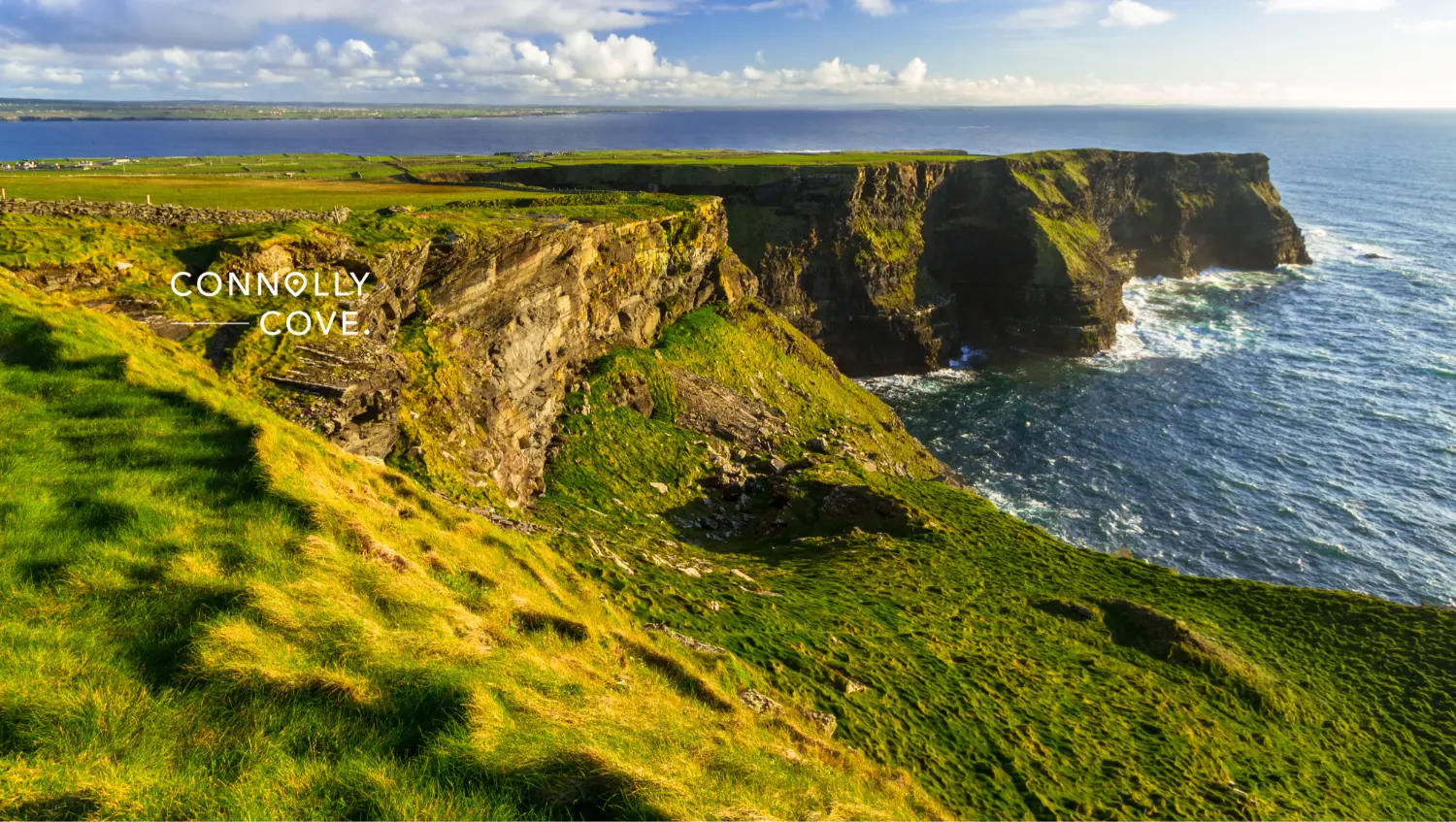
Ireland is the third-largest island nation in northwest Europe and the twentieth-largest island in the world. The Atlantic Ocean, the Celtic Sea, and the Irish Sea surround it.
Ireland’s stunning green palette is like nature’s own Instagram filter, and the answer is no mere coincidence; it lies in a harmonious dance of some natural elements. The lush greenery that defines Ireland’s landscape is the result of a delicate choreography between climate, soil, geography, and a cast of unique plant performers.
The Climate in Ireland: A Symphony of Rain and Greenery
The Irish weather is a bit like your friendly neighbour who never forgets to water the plants. With its temperate maritime climate, Ireland experiences mild temperatures and abundant rainfall all year long, thanks to its proximity to the Atlantic Ocean. The ocean acts as a moderating influence, keeping temperatures relatively mild throughout the year.
Unlike extreme climates with scorching deserts or icy tundras, Ireland enjoys the Goldilocks zone—not too hot, not too cold, just right. This magical climate provides the canvas upon which the vibrant green tapestry of Ireland unfolds.
Being an island in the North Atlantic, Ireland receives considerable rainfall, rivalling a tropical rainforest, just without the parrots and swinging monkeys. The prevailing westerly winds bring moist air from the ocean, resulting in frequent and consistent rainfall, particularly in the western parts of the country. This constant precipitation, often drizzling gently but sometimes pouring down like a grand waterfall, gives Ireland’s plants the perfect sip of H2O to stay fresh and fabulous and keeps the soil fertile. This is a key reason why Ireland is so green—the plants don’t just survive; they throw a photosynthesis party!
The sporadic bursts of sunlight that filter through the clouds, often accompanied by a light mist or drizzle, create a mesmerising play of light and shadow, enhancing the greenery. It’s as if the weather patterns are choreographed to perfection, ensuring the landscape remains eternally green.
Winter in Ireland: Cosy, Not Cold
But what about winter, you might wonder? Well, Ireland’s winter is subtle, more like a gentle whisper rather than a roaring snowstorm, a cosy nap rather than a deep freeze. Even if it snows, you’ll find snowflakes performing a delicate ballet rather than creating a blizzard.
The temperatures may dip, but they do so with a politeness that could make even the chilliest season elsewhere blush. Unlike places where winter turns everything into a frozen tundra, Ireland’s mild temperatures ensure that the greenery doesn’t hibernate but stays wide awake, creating a year-round spectacle of vibrant hues. It’s like the country never takes a break from being fabulous!
Examples of Evergreen Plant Life Thriving in Ireland’s Winter Conditions
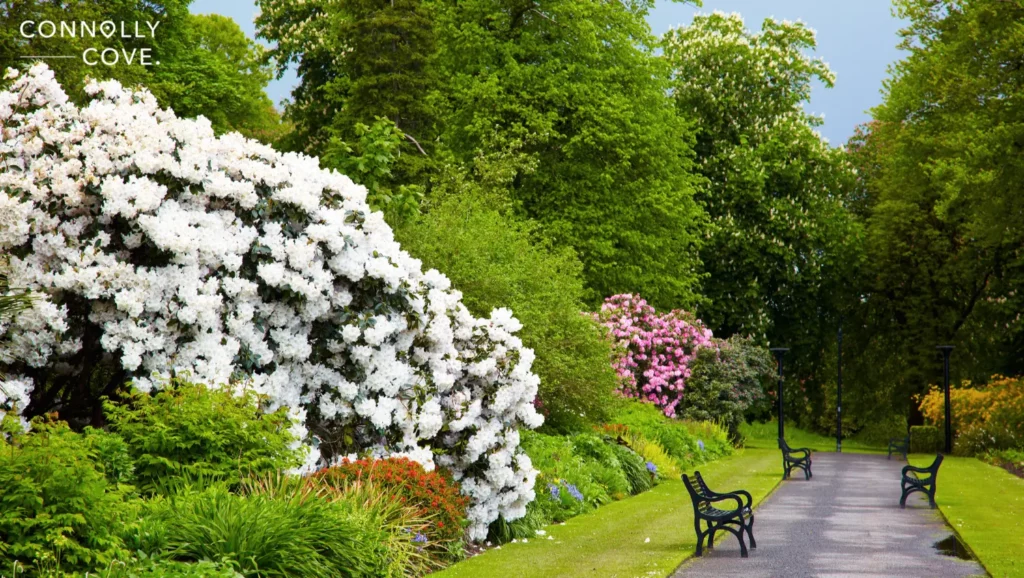
Meet the true winter warriors of Ireland—the evergreen plants that don’t just survive winter; they flaunt their greenery like a badge of honour. The Holly, with its glossy leaves and festive red berries, stands tall in winter gardens, adding a touch of elegance to the subdued winter palette. The Yew, a coniferous maestro, keeps its needles in a perpetual state of green, contrasting with the muted winter landscape. Rhododendrons, the floral daredevils, bloom in the dead of winter, their vibrant colours defying the seasonal norm.
So, the next time you wander through an Irish garden in December and wonder, “Why is Ireland so green, even in winter?” remember, it’s because nature’s actors never take a break—they’re always ready for an encore; even in the coldest of winters.
The Soil in Ireland: A Feast Fit for Greenery
Dive beneath the emerald surface of Ireland, and you’ll discover a hidden treasure that plays a crucial role in the country’s verdant charm—its soil. It’s not just any old dirt; it’s a rich, nutrient-packed feast for plants. Ireland’s soil is like a gourmet, five-star buffet, offering everything a growing plant could desire. The influence of the Atlantic Ocean, combined with the island’s geological history, has contributed to the development of these fertile and nutrient-rich soils.
So, why is Ireland so green? The secret lies in the ground beneath our feet. This fertile ground provides the essential vitamins and minerals that turn a simple seed into a flourishing emerald-hued masterpiece.
Examples of Specific Nutrients Present in Irish Soil and Their Impact on Vegetation
Nitrogen, phosphorus, and potassium—the Irish soil’s rock stars! Nitrogen, the Elvis of nutrients, ensures that plants grow big and strong. Phosphorus, the secret weapon, supports root development, giving plants the stability to weather any storm. Potassium helps regulate essential plant functions.
Trace elements like iron, copper, and zinc join the nutrient fiesta, playing essential roles in the plant’s overall health. It’s a balanced diet for plants, resulting in a landscape that bursts with colour and life.
The Geography of Ireland: Nature’s Grand Canvas
Geography plays its part, too, as Ireland’s landscape is a patchwork quilt of rolling hills, mountains, and plains. The diverse landscapes, from the Wicklow and Mourne Mountains to the Cliffs of Moher and the Boyne Valley, contribute to why Ireland is so enchantingly green. Consider the Ring of Kerry, a visual feast where mountains kiss the sky, hills roll like waves, and plains stretch like emerald carpets. The Burren, with its limestone hills, is a botanical puzzle where hardy plants find a way to thrive in seemingly inhospitable terrain.
So, when you find yourself surrounded by Ireland’s green embrace, know that it’s a palette crafted by the hills, mountains, and plains. Each curve of the land adds a stroke to the canvas, turning Ireland into a visual masterpiece.
Flora in Ireland: Nature’s Green Symphony
Ireland boasts a diverse cast of native plant species, each playing its unique role in the emerald drama that unfolds across the landscape. From the delicate petals of wildflowers to the sturdy leaves of ancient trees, the flora in Ireland answers the question, “Why is Ireland so green?”
Native plants in Ireland have become experts in navigating the whims of the weather, the dance of sunlight and shadows, and the nutrient-rich soil beneath. It’s like they’ve attended the “Surviving and Thriving in Ireland 101” course. From the hardy Heather that blankets the hills to the resilient Sphagnum Moss that carpets the bogs, these plants are the unsung heroes that give Ireland its signature green glow.
The Gorse, with its golden flowers, is like a burst of sunshine on hillsides. The Shamrock, Ireland’s iconic emblem, is a small yet mighty symbol of resilience, thriving in diverse environments and adding a touch of luck to the landscape. The ancient Oak trees, standing tall and wise, have witnessed centuries of Irish history, their branches contributing to the intricate green canopy that graces the countryside. And then there’s the iconic Irish Bluebell, turning woodlands into a sea of blue in spring. These plants are the artists painting the canvas of Ireland in every shade of green imaginable.
Cultural Significance: The Emerald Isle’s Identity
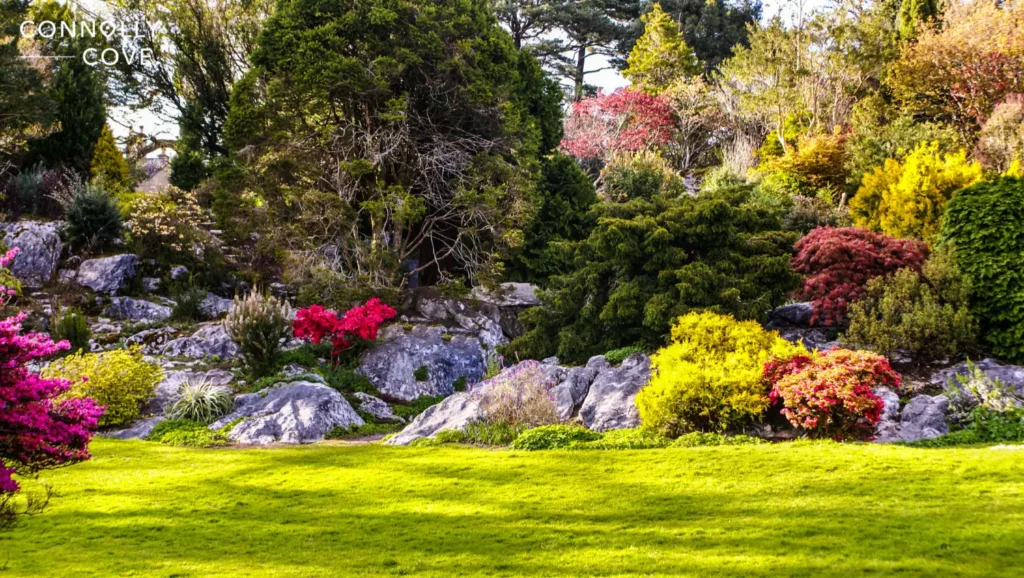
The lush greenery of Ireland has become an integral part of the country’s identity and symbolism, woven into the very fabric of its culture, history, and collective consciousness. This phenomenon can be explored through various aspects:
National Identity
The green landscape is often referred to as the reason behind Ireland being called the “Emerald Isle.” This moniker has become synonymous with the country itself.
The Irish people often identify strongly with the green imagery. It is a source of pride and a visual representation of their homeland.
Cultural Symbolism
The colour green is deeply embedded in Irish culture and traditions. It is associated with luck, prosperity, and hope, symbolised by the iconic shamrock, a three-leaved clover.
The Irish flag itself is a tricolour of green, white, and orange, with green representing the Catholic and nationalist population.
The image of the green Irish countryside has been romanticised and immortalised in literature, poetry, and art, becoming a symbol of Ireland’s resilience and connection to the land.
St. Patrick’s Day Celebration
St. Patrick’s Day, a widely celebrated Irish holiday, is synonymous with the colour green. Cities worldwide turn green in celebration, reinforcing the global association between Ireland and the colour.
So, there you have it, the magical recipe behind Ireland’s captivating green landscape. The consistent rainfall, fertile soil, diverse geography, and a vibrant cast of plant performers have all come together to answer the age-old question: “Why is Ireland so green?” So, the next time you gaze upon the rolling hills of the Emerald Isle, you’ll know what gives Ireland its signature green colour and contributes to its reputation as a country with beautiful, verdant scenery.

Discover the Best Scottish Golf Courses for an Unforgettable Golf Break
Scotland
28/04/2024
Irish Folklore: Mythical Monsters and Terrifying Creatures
Ireland
28/04/2024
Discover the Best Scenic Drives in Northern Ireland
Northern Ireland
28/04/2024
Exploring Ireland’s Ancient East
Ireland
28/04/2024

Viking History: Insight into the Age of Phantom Travellers
History and Heritage
28/04/2024