


40 Things to do for a Perfect Vacation in Vietnam
Updated On: November 08, 2023 by  Ahmed Samir
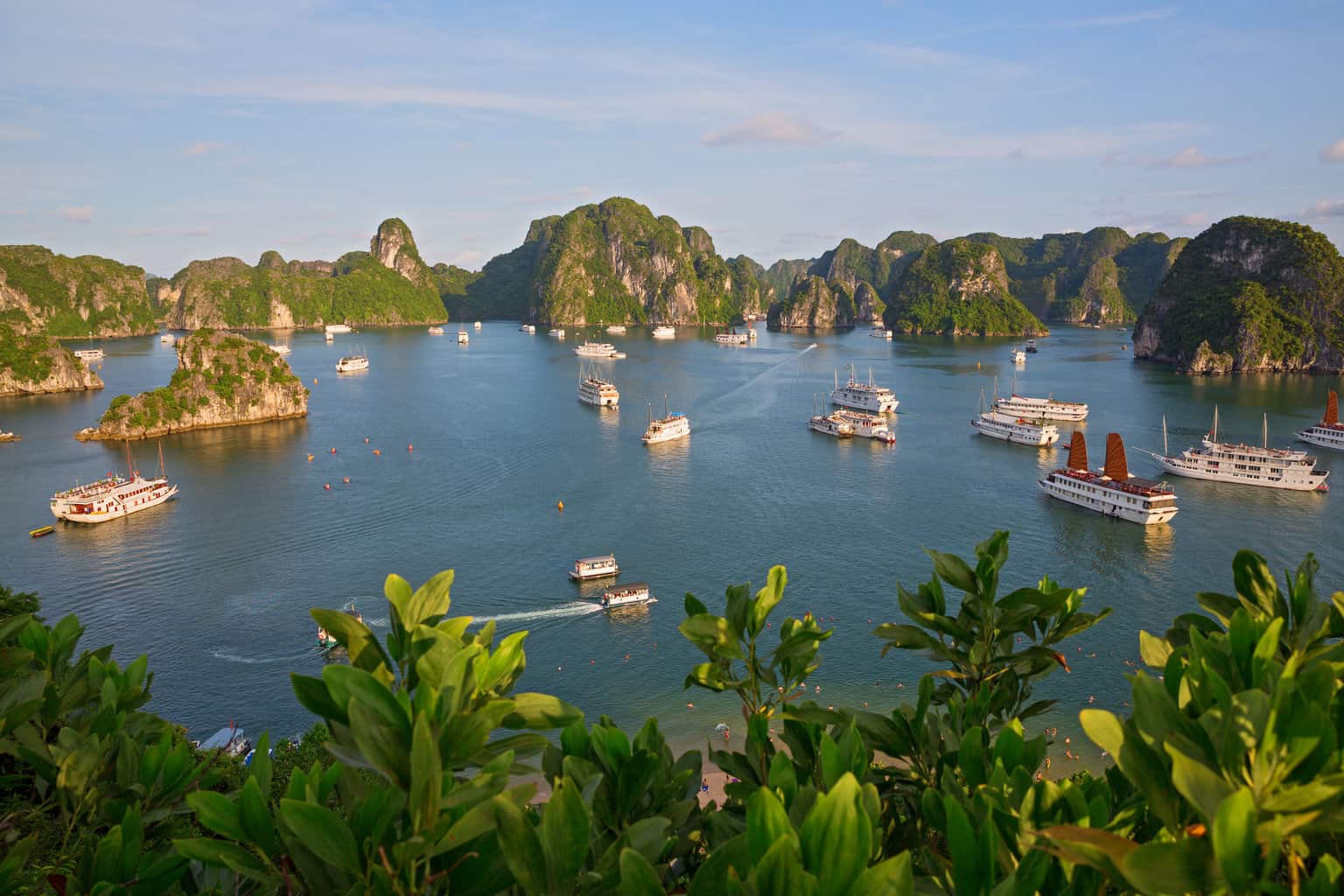
Vietnam is in the continent of Asia, specifically in southeast of the continent of Asia. It is close to the Gulf of Tonkin, and the China Sea, the easternmost parts of the Indian lands. It shares its borders from the North with China and the east with the Gulf of Tonkin. Its maritime borders are Indonesia, Malaysia, the Philippines, and Thailand, and Vietnam gained its independence in 1954 after obtaining sovereignty from France.
It is officially known as the Socialist Republic of Vietnam, and its most famous cities are Haiphong, Ho Chi Minh City, and the capital, Hanoi. It was known as Nam Viet in ancient times, which means South Viet. In 1804, Emperor Jia Long changed this name to Vietnam, and in 1839 Emperor Minh Mang changed its name again to Dai Nam, meaning the Greater South, and in 1945 it was called Vietnam again.
The country is characterized by the fact that it is mountainous, with dense forests covering 40% of its land area. The northern parts of the country are primarily made up of highlands and the Red River delta and contain Van Chi Bang in Lao Cai Province, the highest point in Vietnam, with an altitude of 3,143 meters.
South Vietnam is divided into coastal plains, mountains such as the Annamite Mountains, extensive forests, and five relatively flat plateaus of soil and basalt. The highlands constitute 16% of the country’s arable land.
History of Vietnam
The human traces of habitation in Vietnam date back more than 22,000 years, and humans have lived there for much longer. In the 10th century, the region’s inhabitants depended on trade with neighbors, such as China, Thailand, the Philippines, and Taiwan.
The Han Dynasty Tam Viet invaded Vietnam, and in the year 43 AD, the region witnessed a revolt against the Chinese, but it did not succeed. Chinese domination of Vietnam continued until AD 544, and Vietnam seceded that year. In 602, China invaded the region again and continued its rule until 905, when the Khok family managed to expel the Chinese invaders.
After the end of World War II, France demanded the return of its colonies, which were Vietnam, Cambodia, and Laos. The Vietnamese people wanted independence. This led to the outbreak of a war that resulted in France’s withdrawal and Vietnam’s partition. The northern part was soon conquered under the rule of the Communist Party, while the United States supported the southern region.
American support for the South versus Communist support for the North eventually led to the outbreak of the Vietnam War. The North Vietnamese won the war in 1975, and before that, the United States withdrew from it. The communist victory led to the formation of a state that is still communist today.
Language in Vietnam
Most of the people of Vietnam speak the Vietnamese language, which has developed over the ages. The ancient people of Vietnam used Chinese characters to write, create and modify until the Vietnamese language was formed in the 13th century.
Minorities of the population of Vietnam speak Chinese, Thy, and Chimera, and traces of French colonialism are still present in Vietnam, where many of its residents speak French as a second language besides English. The Japanese language has spread in Vietnam due to increased trade links between the two countries.
Weather in Vietnam
There is a remarkable diversity in the topography, where the climate tends to have significant differences from place to place, and the winter season extends from November to April.
The temperatures are lower in the southern plains around Ho Chi and the Mekong Delta, which ranges from 21 to 28 degrees throughout the year, and temperatures in the mountainous areas and plateaus in the northern regions during December and January reach 5 degrees, and 37 degrees from July to August.
Economy in Vietnam
The state of Vietnam depends on its economy on two primary sources: foreign trade and tourism. Tourism is considered one of the sources of income that is witnessing evident growth. Most tourists come to it from neighboring countries such as China, Japan, Thailand, Malaysia, the United States, France, and more. Among the most popular places for tourists are Halong Bay and Funk Nha-Ke Bank National Park.
Foreign trade has witnessed a vast and significant development in the last two decades as the Vietnamese government began to identify the mistakes and defects that it experienced over the past years. This resulted in a significant reform at the economic level, which opened the way for the diversity of economic and commercial sectors in it. It became classified among the emerging markets globally, contributing to the improvement of the national and individual income of the country.
The Best Time to Visit Vietnam
It is considered that the months between December and February are the driest in Vietnam, with no flooding, roads are not impassable, and monsoon rains affect your travel plans.
In the cities, the humidity is lower, and the temperatures are great, and if you love the countryside, it is also the best time to go to Vietnam, where the weather is better less mud and lower humidity for jungle tours.
Things to do in Vietnam
The country is distinguished as a tourist destination in the Asian continent, receiving approximately 6 million tourists each year. The country is famous for its archaeological sites, historical cities, beautiful beaches, and distinctive culture.
Hanoi is famous for its French cafés and sweets, and the UNESCO World Heritage Site of Hue is filled with historical monuments and structures, including which the castle can be found, a complex of palaces and walls, gates, and ornate temples.
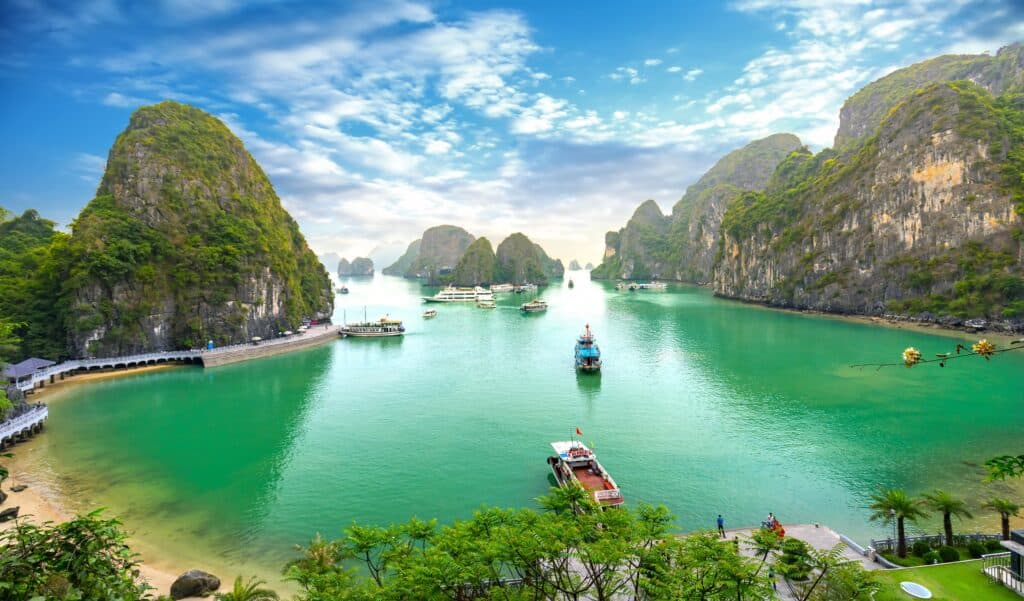
Ha Long Bay is one of the most famous tourist attractions in Vietnam, and it consists of more than 2,000 small islands topped with dense forests full of caves to explore, along with lakes and other beautiful sites and accommodations for visitors.
It has high mountains, some of which are surrounded by forests covered in thick fog. Vietnam offers its visitors many cuisines that satisfy all tastes, shopping centers, and tourist areas, some of which are shown in this article.
Ho Chi Minh City
Vietnam has 32 national parks, 7 UNESCO World Heritage sites, and 21 national tourist areas. Hanoi, the capital, is the most popular city to visit and is famous for offering modern amenities and heritage and historical sites.
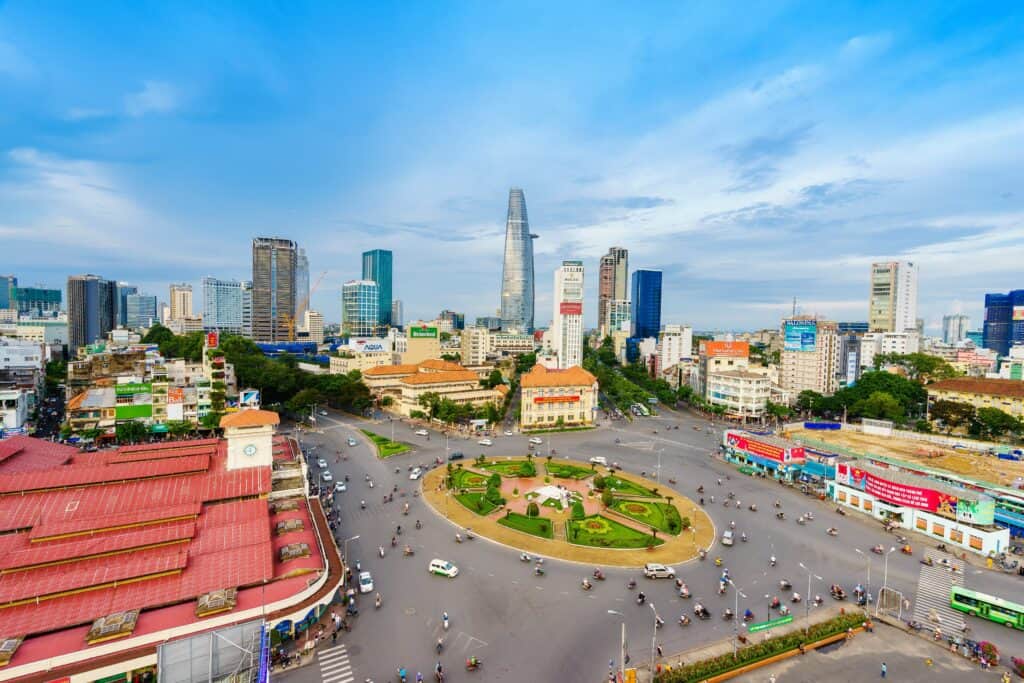
Ho Chi Minh City is one of the famous cities in Vietnam, it is the buzzing commercial hub of the country, and the streets are full of motorbikes and cars. The restaurant and café scenery are incredibly cosmopolitan, and the shopping is the best in Vietnam, and you will love it.
When you visit the city, you can go to Dong Khoi, a small central district with most of the city’s sights. While walking, you will find the HCMC Museum, which includes many artifacts interweaving the city’s story and the grand Notre Dame Cathedral.
Also, you can go to the old district of Da Kao to see many examples of the city’s French colonial architecture. Besides that, there is the Jade Emperor Pagoda with its fantastic Buddhist and Taoist religious iconography layout. If you are a history lover, then the History Museum is the perfect place with its collections from different archaeological sites.
One of the popular attractions you can visit in the city is the Reunification Palace or Independence Palace. It was the residence of South Vietnam’s president and is famous for being where North Vietnam’s tanks stopped on 30 April 1975 and ending the war.
Ho Chi Minh City Museum
The Ho Chi Minh City Museum is near the Reunification Palace, in a neoclassical building, and it was well-known as Gia Long Palace, which was once home to the Cochinchina’s governor. You can visit the place to learn more about the city’s history and see the beautiful architecture.
The museum includes exhibits that give you information about the city’s past, like nature and archaeology, trade, village handicrafts, and much more.
Jade Emperor Pagoda
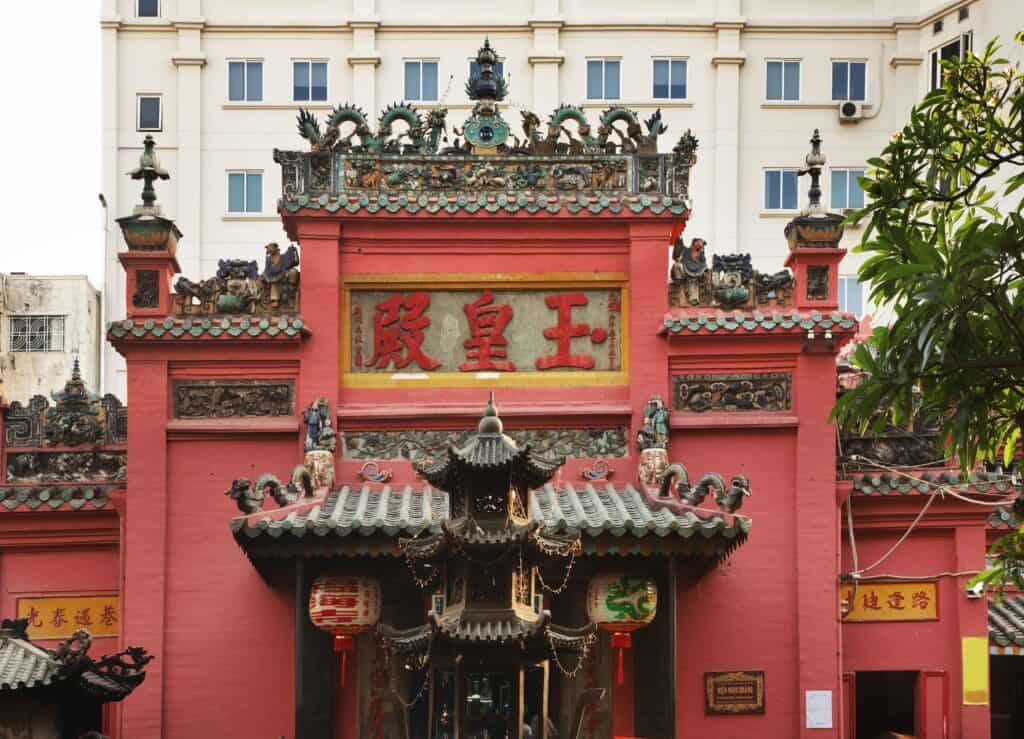
The Jade Emperor Pagoda is near the Botanical Gardens. It was built in the 20th century in honor of the Taoist god. You will see many representations of Buddhist and Taoist deities when you enter.
You will also see candles illuminate altars brimming with offerings, and there are intricately carved panels of woodwork and the many elaborate dragons and animal sculptures adorning the roof. When you enter the temple, turtles swim in a pond, some with inscriptions on their shells. That’s why the temple is called by many the tortoise pagoda.
Notre Dame Cathedral Basilica of Saigon
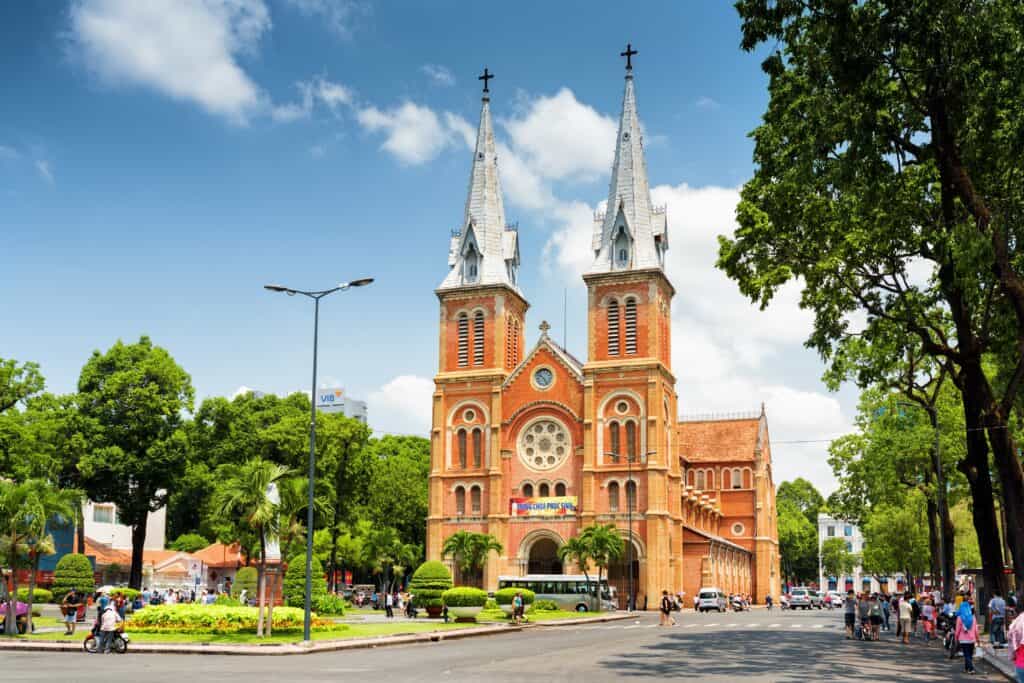
It is a famous tourist destination in Ho Chi Minh’s middle. It was built in a Neo-Romanesque style and included two square towers 60 meters above the city. Notre Dame Cathedral was built from 1877 to 1883 to be a place for colonial missions to worship and a symbol of power.
When you visit the place, you will see the exterior was built from red bricks from Marseille, and the two bell towers were built in Switzerland in 1887. The interior contains 56 squares of stained glass by Lorin from Chartres, France, and 12 pillars representing the 12 apostles.
War Remnants Museum
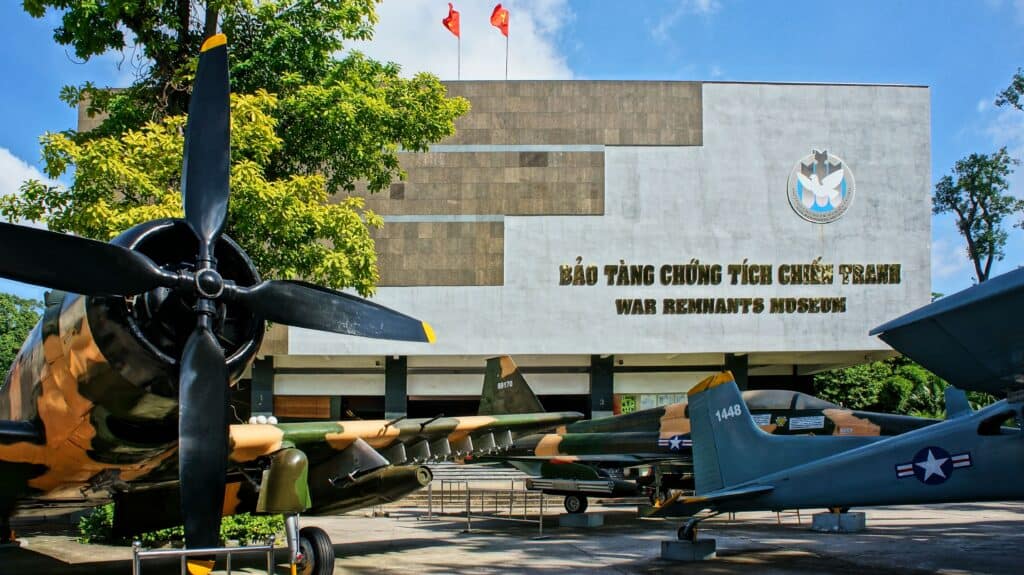
Another famous museum you can visit in Vietnam includes exhibits that display many things about the wars, especially the Vietnam War, and shows that display all about the First Indochina War with French colonialists.
Inside the museum, you will see many photographic images and artifacts, including a guillotine and the tiger cage used for Viet Cong prisoners. Also, the museum has collections of the work of war photographers who lost their lives during the wars.
Saigon Opera House
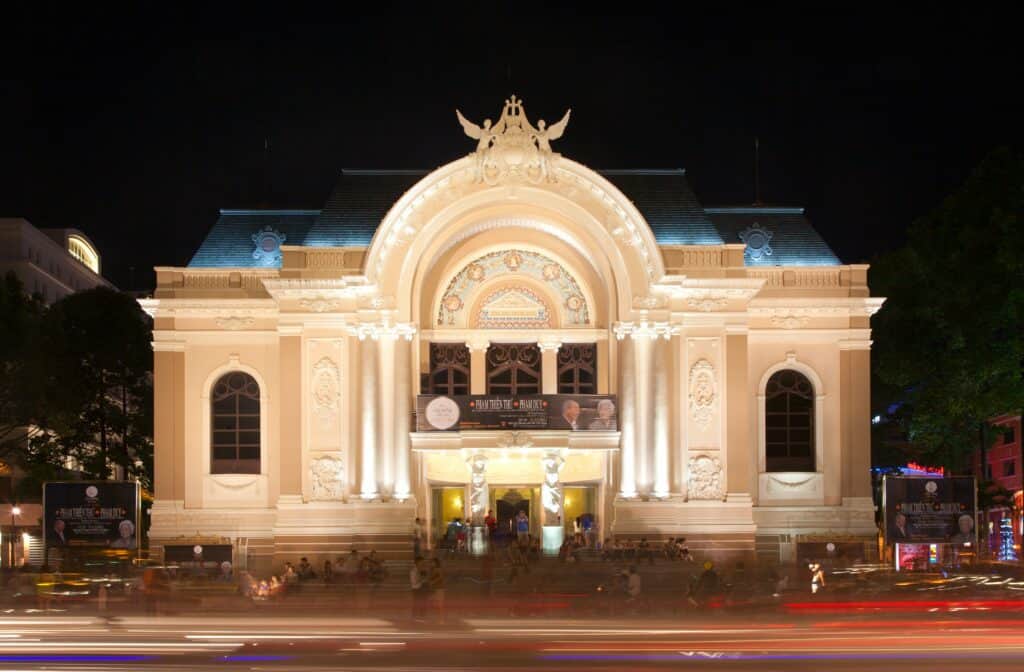
The Saigon Opera House, also called The Municipal Theatre of Ho Chi Minh City, was built in 1897 by Eugene Ferret, a French architect, and aimed to entertain French colonists. During wartime, specifically in 1956, it was used as the home of the Lower House assembly of South Vietnam but then became an opera once again in 1975.
Cu Chi Tunnels
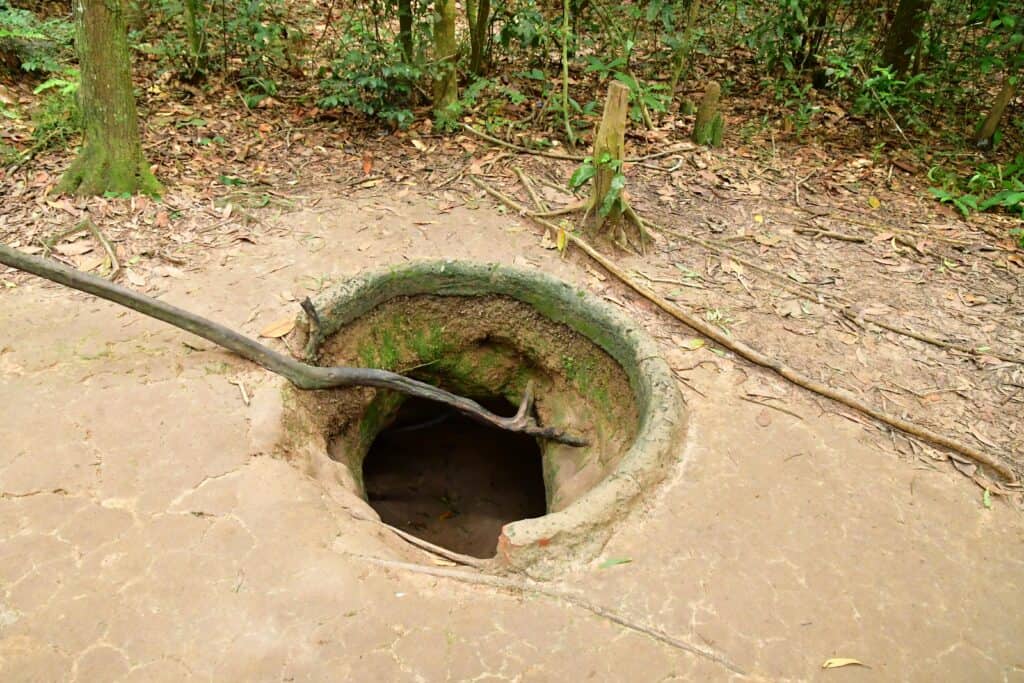
The Cu Chi Tunnels are about 60 km away from the city of Ho Chi Minh. It is a 250-kilometer-plus network of tunnels that was the base for the Viet Cong’s military operations during the Vietnam War. When you visit the tunnels, you will have the opportunity to explore the place and see the conditions faced by troops during the conflict and the strategies in the Vietnam War.
Reunification Palace
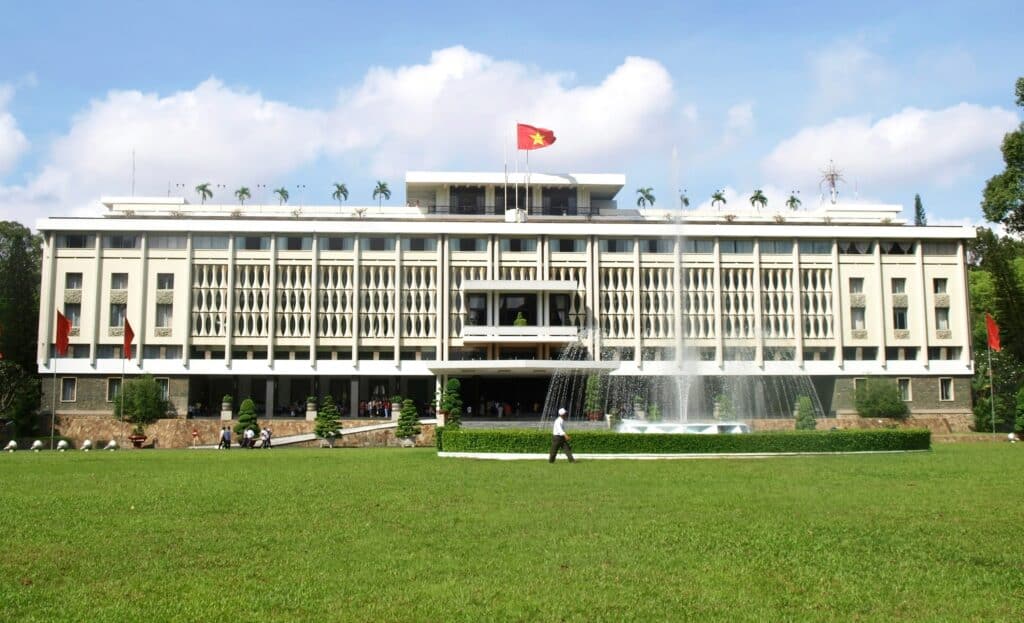
It was known as Independence Palace before, many historical events took place in the palace, and it was built in a 1960s style. When you enter the palace, you will see large rooms and furniture. The palace hosted an important event when a North Vietnamese army tank crashed through the iron gates here, ending the Vietnam War in 1975.
The Reunification Palace is on 44 acres of lush lawns and gardens. It was built in the same place as the former Norodom Palace, bombed by fighter jets in 1962. In 1966, the palace became the home and workplace of the successive president. That was when Vietnam was split between the North and the south.
Museum of Vietnamese History
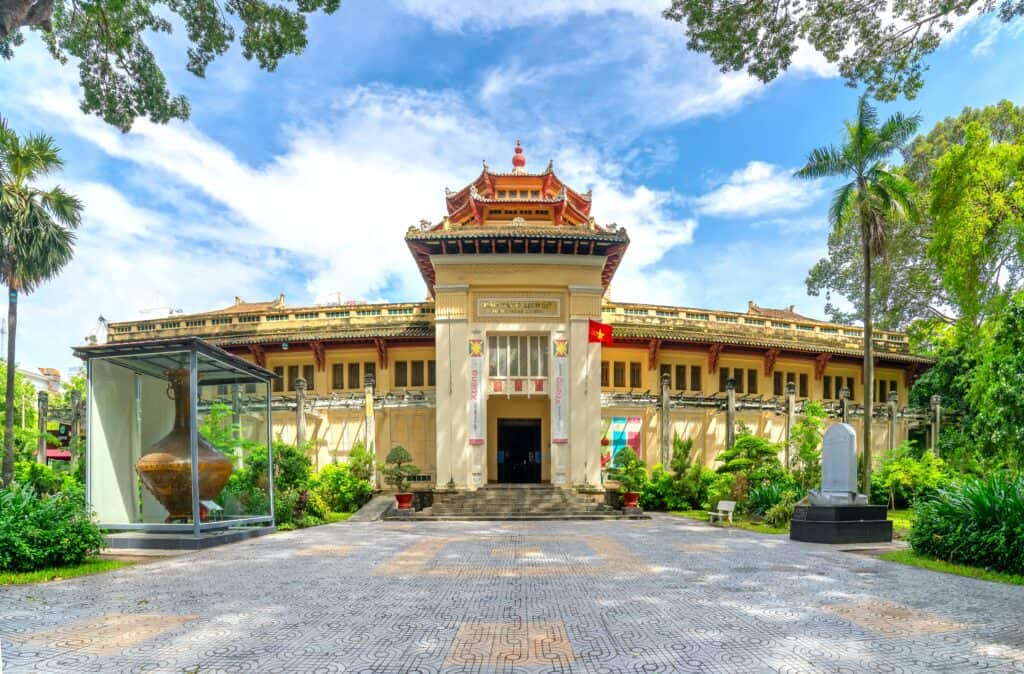
The Museum of Vietnamese History shows you the cultural evolution of Vietnam from the Bronze Age to the 20th century, including artifacts from Vietnam’s former ethnic groups and stone and bronze sculptures. The building was built in French and Asian architectural styles, and it is inside the botanic gardens where you can have a great time and relax.
Phong Nha-Ke Bang National Park
Phong Nha-Ke Bang National Park is a World Heritage-listed and one of the best places you can visit for caving. The place is a karst mountain formation honeycombed with huge caverns and home to superb stalactite and stalagmite displays.
When you visit the park, you can see Paradise Cave, which extends 31 km below ground. Tu Lan Cave is a wet cave where you can swim through the cave systems river. Also, you can make another tour of the Phong Nha Caves if you go inside using a boat.
Halong Bay
Halong Bay is considered one of the best places to visit in the world for its magnificent sea views and is a UNESCO World Heritage Site. You will see many limestone islands sitting within this bay in the Gulf of Tonkin, and they were eroded into jagged pinnacles by wind and water action over millennia.
Don’t miss visiting the caves located in the bay, such as the Hang Sung Sot, with three mammoth caverns, and the Hang Dao Go, with beautiful stalagmites and stalactites.
Hanoi
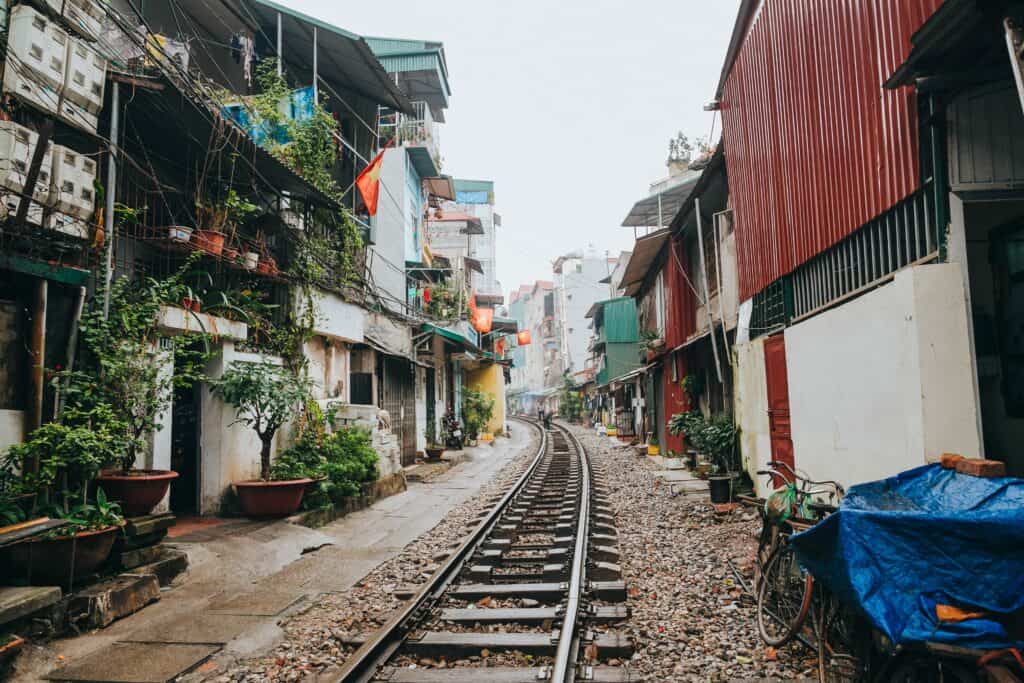
Hanoi is the capital city of Vietnam; it is well-known for its motorbike and constant clamor of street vendors, but it is an excellent place to discover and have a good time. Don’t miss visiting the old town quarter with many charming sites and beautiful museums for history lovers.
Visit the Vietnam Museum of Ethnology and Vietnam Fine Art Museum to learn more about the country’s diverse artistry. The Ho Chi Minh Mausoleum is a famous tribute to the founder of modern Vietnam.
Ba Be National Park
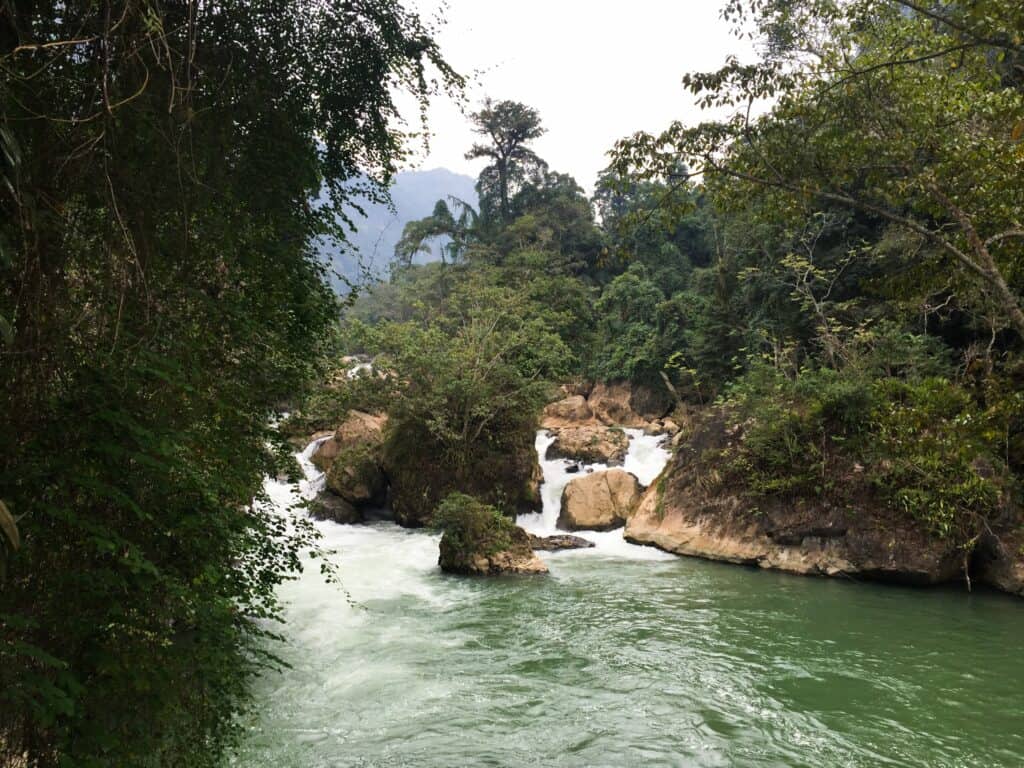
It is another beautiful place you can visit, where it includes the three Ba Be Lakes in the middle of the park and is edged by jagged karst peaks and thickly forested slopes. Tourists go there to take a boat trip or kayak on the lake to discover the caves full of stalactites and stalagmites.
Many activities you can do there, like hiking and trekking in the hills of the villages located in the park. Many tourists love spending the night in houses and homestay accommodation along the lakeshore, which gives you a great experience.
My Son
When you visit My Son, you will find that Jungle Mountains surround it, and the place is a ruined Cham-era temple city built in the 4th century. It was used as a Hindu religious center from the 7th to the 10th century and was abandoned during the 13th century.
You will find around 20 temples located there. They are built of brick or sandstone blocks and show exciting influences from various Asian empires.
Sapa Countryside
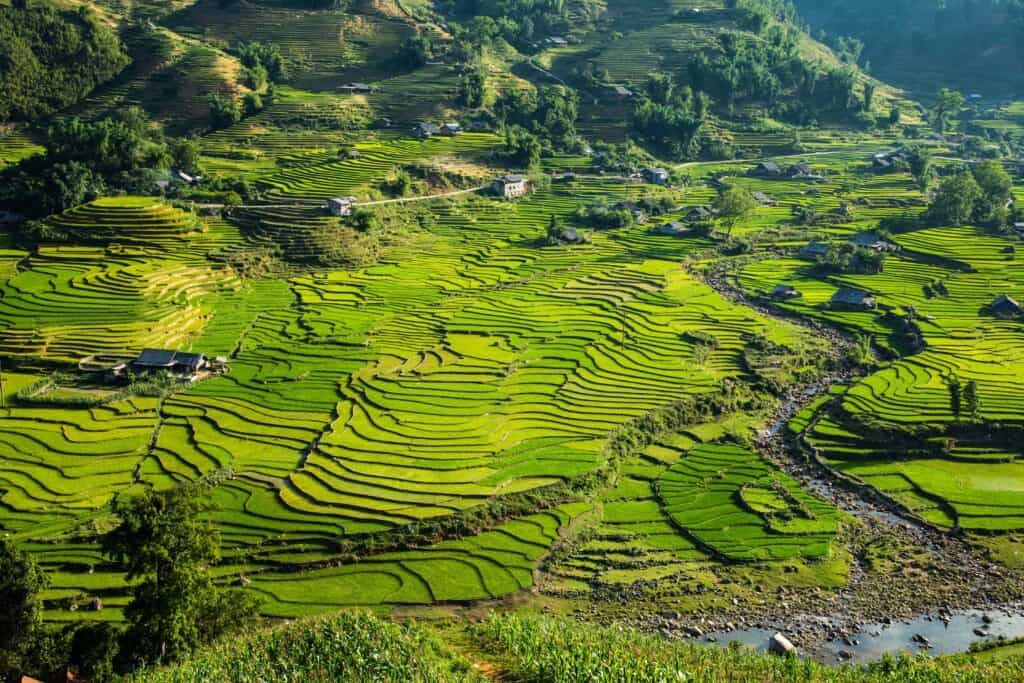
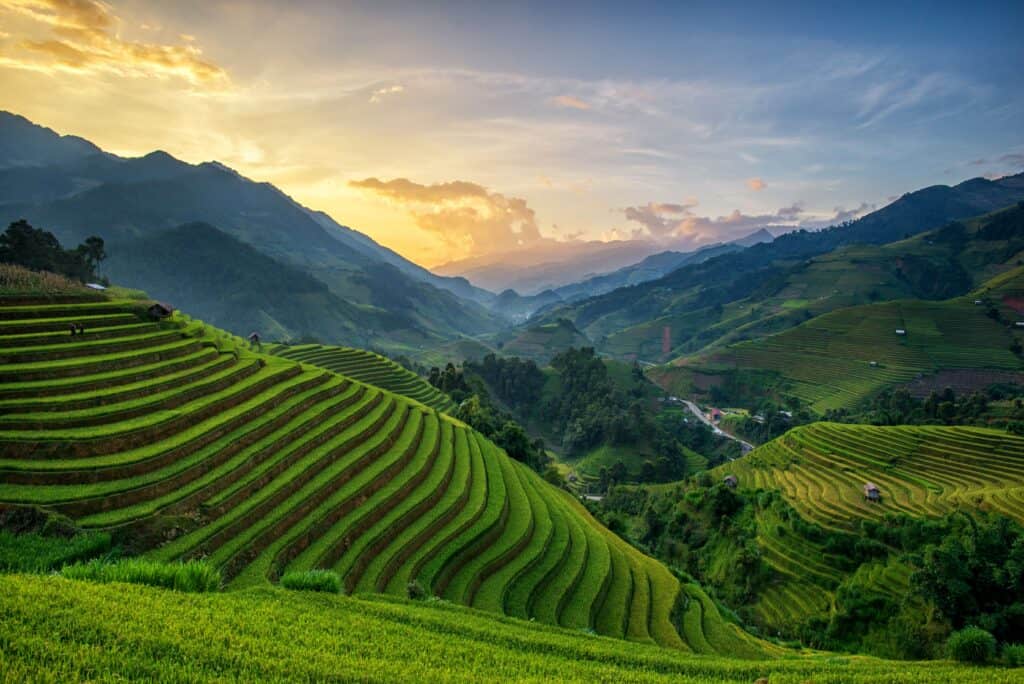
The Sapa Countryside is a well-known place in Vietnam, there are many verdant rice fields surrounding the area, and the peaks of the Hoang Lien Mountains border it, and it is a place where you can see the most beautiful rural vistas in Vietnam.
The rippling hills are terraced with rice fields and overlooked by the country’s tallest peak, Fansipan Mountain. It is one of the best tours that you can take to hike between the villages and experience the staggering mountain views.
Hoi An
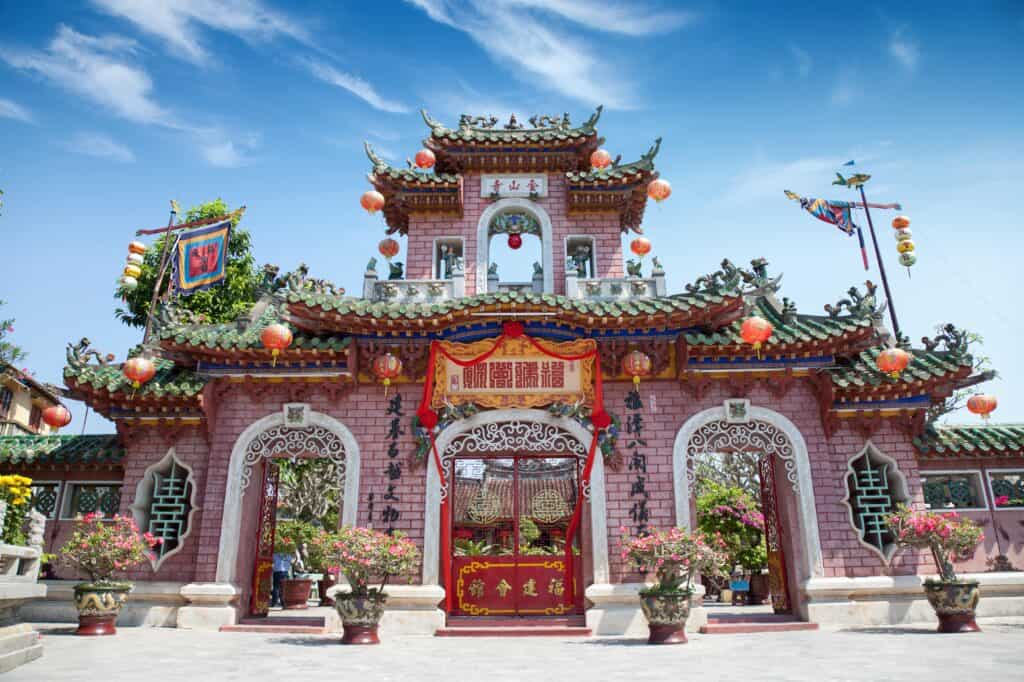
Hoi An is a beautiful city in Vietnam, it is famous for its historic architecture, and you will love discovering the city. When you arrive there, you will see well-preserved merchant houses dating back to the 15th century, and it was well-known as the central meeting point for Japanese and Chinese merchants who trooped here for the local silks.
You will find many old merchant houses open to the public, one of the best houses there is Tan Ky House from the 17th century, which includes decorative elements. The main attractions in the city are the Japanese Bridge at the western end of Tran Phu Street and the Fujian Chinese Complex, with lovely decorations.
An Bang Beach
An Bang Beach is one of the most beautiful beaches in Vietnam. It is near the center of Hoi An city and has a fantastic ocean view. You can practice many activities on the beach, such as surfing, and the best time to do it is between September and March, and at that time it is full of foreigners. It is a suitable place for relaxing and enjoying the sound of the waves.
Cat Ba Island
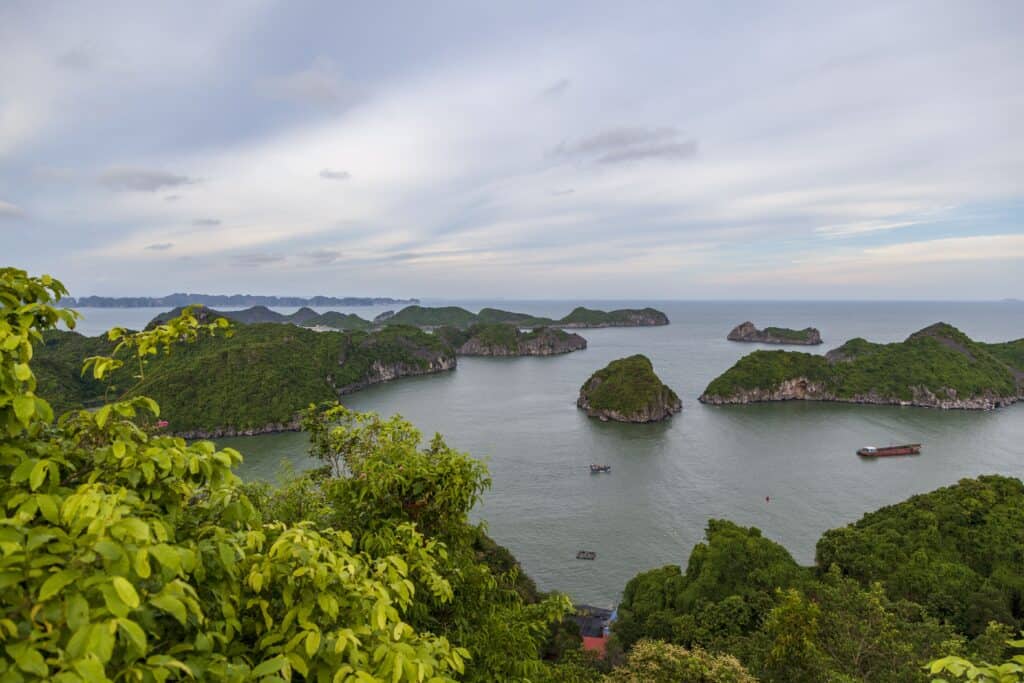
The island of Cat Ba is in the western part of Halong Bay. It is a favorite place for tourists to practice many activities and adventures. You can take a cruise, go to the island, and make kayaking trips in Lan Ha Bay, on the south coast of Cat Ba Island.
Also, not far from the water, there is Cat Ba’s thick jungle, which is considered the inner part of Cat Ba National Park, and you can see many kinds of birds and animals in the wilderness. One of the most famous activities visitors like to do on the island is climbing, where there are many limestone cliffs and Lan Ha Bay’s outcrops, giving them experiences to suit both complete climbing beginners and experienced climbers.
Hoi An Museum
The Hoi An Museum is in the Quan Yin Pagoda Temple, known as the Museum of History and Culture, and it was built in the 1600s for the Goddess of Mercy. Although it was made for centuries, the temple remains beautiful. The temple and the museum include details of the history of Hoi An that came across the city over 2,000 years.
When you visit the museum, you will find that it is divided into four sections, showing you the city’s history through the Vietnam War and the rebirth of the city until modern times. The collections include bells next to ceramics, Cham sculptures, and maritime artifacts.
Hoi An Ancient Town
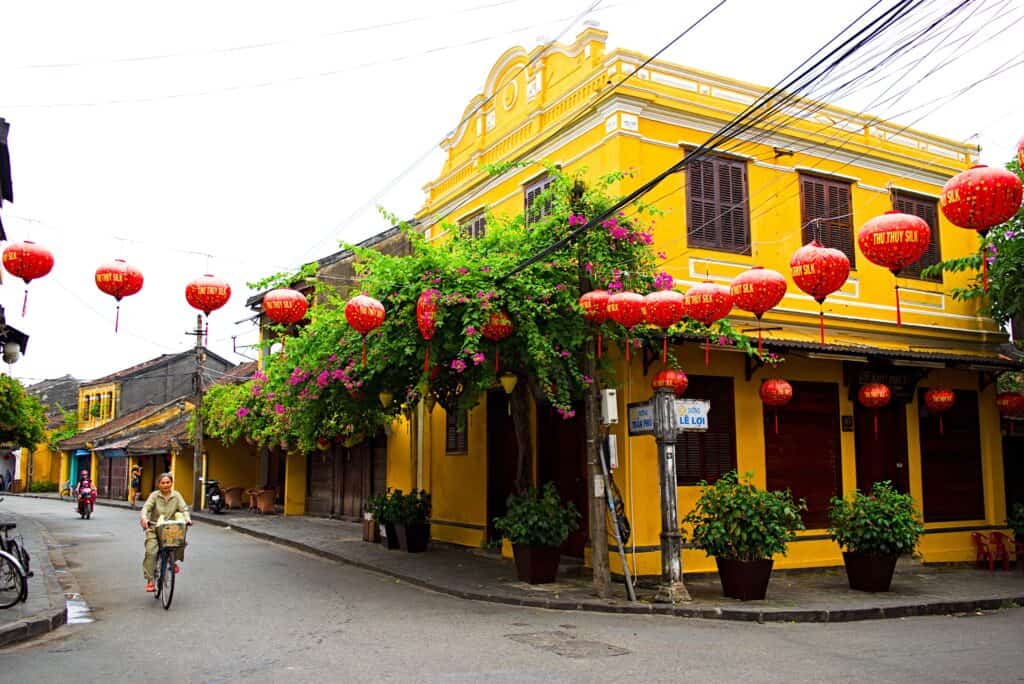
The Hoi An Ancient Town is announced as a UNESCO World Heritage Site, a place mixed with cultures, architecture, and monuments, and it was known as one of the busiest ancient trading ports in South Asia.
It is located over 30 hectares and has 1,107 timber frame buildings, a mix of religious buildings, monuments, and family homes. Beautiful wooden and brick 15th to 18th-century houses line up the pedestrian streets. While walking in the streets of the old town, you will see the Chinese and Japanese influences in the place, and there are many places to eat and shop in the town, and places to watch the sunset.
Japanese Covered Bridge
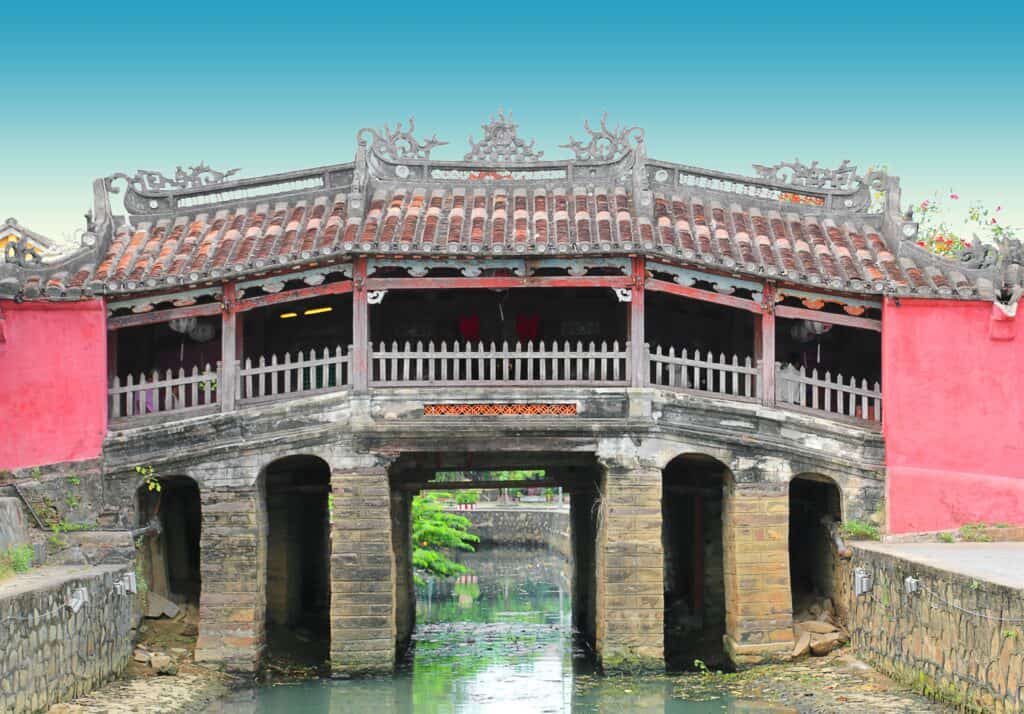
The Japanese Covered Bridge is one of the popular attractions in Hoi An, Vietnam, it was built about four centuries ago, and although it is a small bridge, it is famous there.
The bridge was built in a Japanese style, with Chinese symbols and now-weathered statues of astrological animals, and changed to arches over the years to commemorate important dates. It became a UNESCO World Heritage site in 1999, and when you visit the bridge, you will see that it leads directly to a small temple dedicated to Tran Vo Bac De, the Taoist God of weather.
Phung Hung House
The Phung Hung House is one of the famous buildings in the city of Hoi An, it is back 200 years, and it was a merchant house for a family selling spices, silk, and chinaware. There are colorful hanging lanterns, dark red and brown colors, and a Japanese-style roof.
If you visit the place, you will see 80 columns that keep the structure up and are set on a unique lotus-shaped base that protects the columns from moisture and termites. The house can be completely closed off in case of a flood, which covers the rest of the house.
Mekong Delta
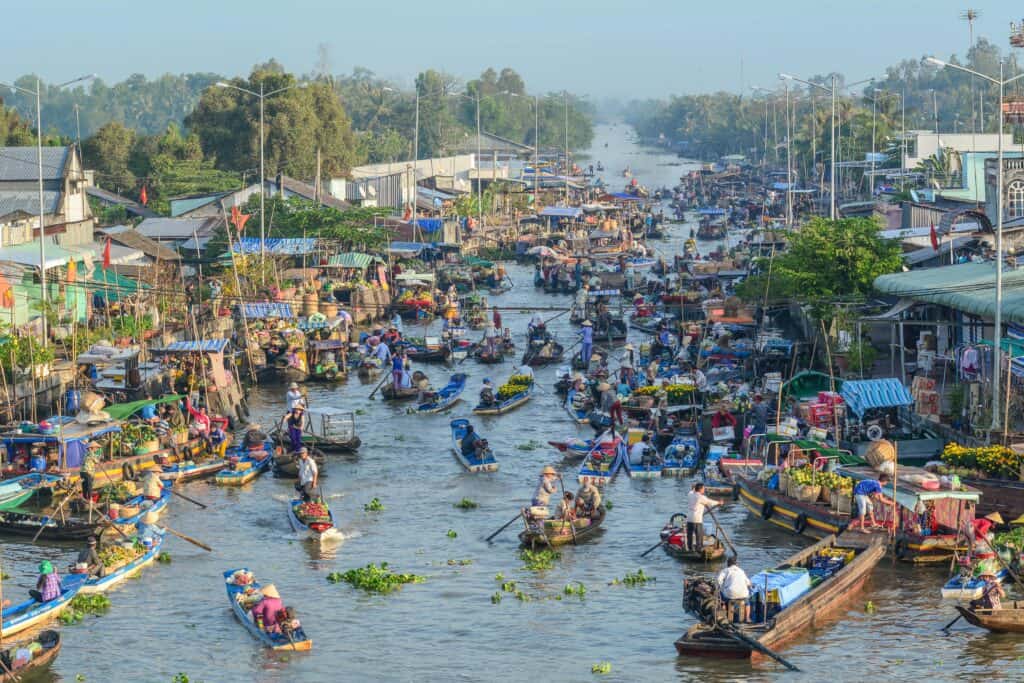
The Mekong Delta is located in the southern part of Vietnam, where the Mekong River finds its way to the sea in waterways, and it is one of the perfect places that tourists can discover. The delta includes paddy field vistas and mangroves with chaotic floating markets to explore by boat. All of that is located near the town of Can Tho, where you can start your tour.
Phu Quoc Island
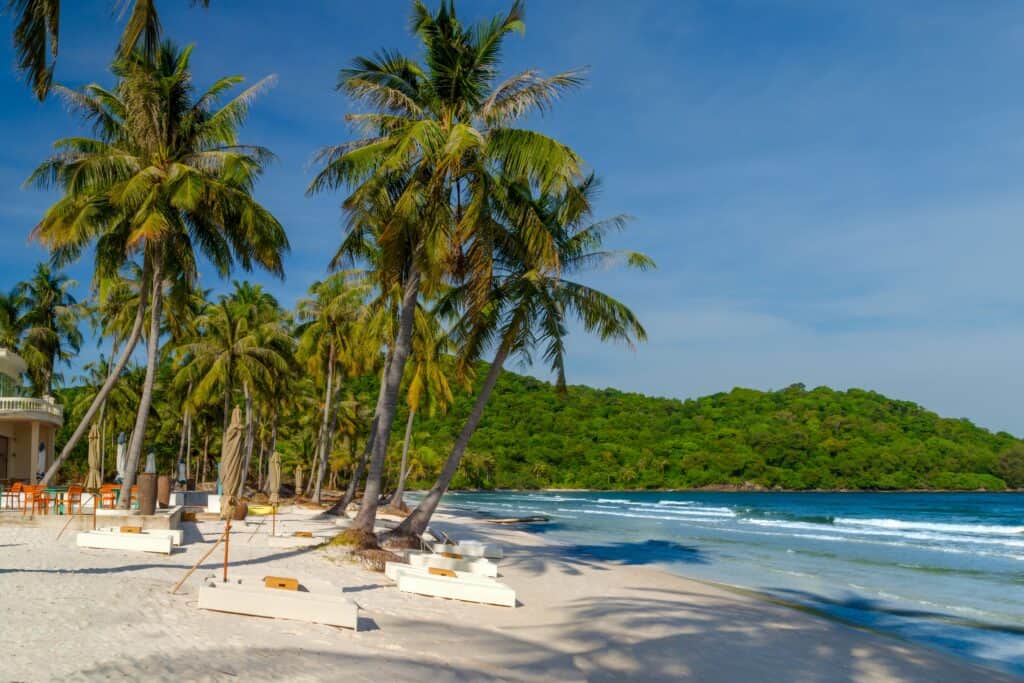
The magnificent island of Phu Quoc is located 45 km away from the southern part of Vietnam. It is a forested island with a beautiful white-sand beach that is a top attraction for visitors, and it can be reached by plane or regular ferries from the mainland towns of Rach Gia and Ha Tien.
The perfect time to visit the place is from November to May when you can practice diving at many sites besides snorkeling, kayaking, and boat trips. One of the best sites for diving there is the An Thoi Islands, located just south of Phu Quoc.
Another thing you can try there is the cable car that provides you with beautiful views of about 8 km of the seascape and islands, from the Phu Quoc islands to Hon Thom in the An Thoi Islands.
Hue
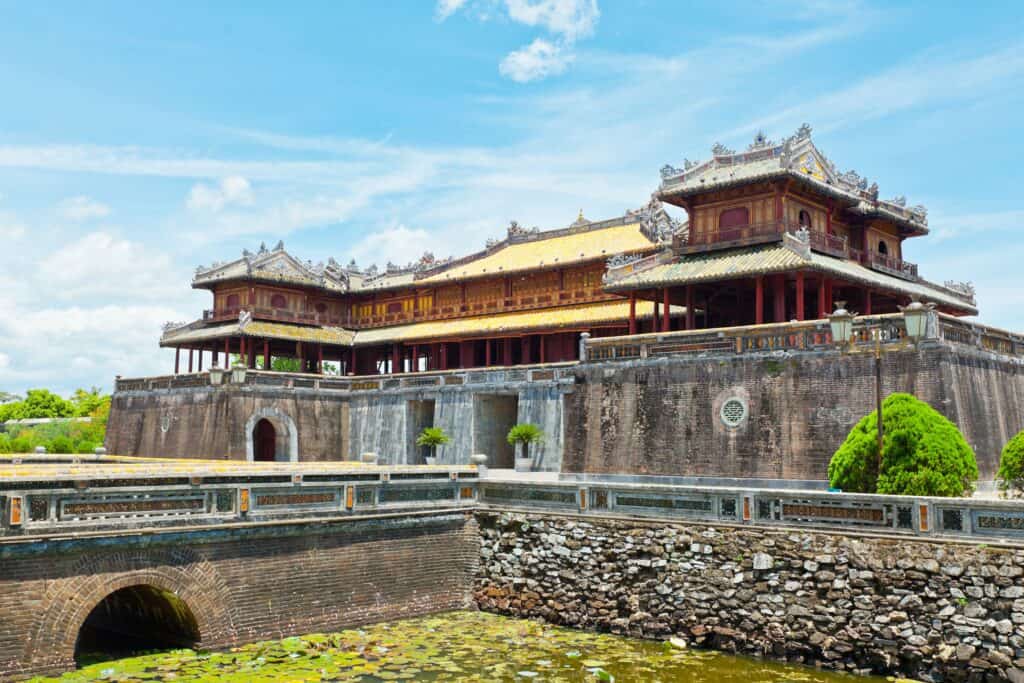
One of the historical cities that is full of antiques from the Nguyen emperors regions in the 19th century, inside the city, you will find the Imperial Enclosure, a prominent site located inside the walls of the city extending for 2.5 km along the banks of the Perfume River.
You can see more attractions inside the city, such as the Ngo Mon Gate, the Thai Hoa Palace’s beautiful interior design, and the Dien Tho Residence, where the Queen Mothers would live.
Also, you can take a riverboat cruise and tour the Perfume River, and the tour will take you to visit several royal tombs, and the famous tomb to see is the Tomb of Tu Doc.
Hue Museum of Royal Fine Arts
The Hue Museum of Royal Fine Arts is inside the former Long An Palace. You will learn many things about the history of the city of Hue. It includes many collections of over 10,000 objects, from ceramics and silver objects to personal belongings and royal clothing of former Vietnam Emperors and much more.
You will find everything labeled in English, and many include background details to help visitors better understand the history, and for your information, photography inside the museum is not allowed.
Royal Tomb of Emperor Khai Dinh
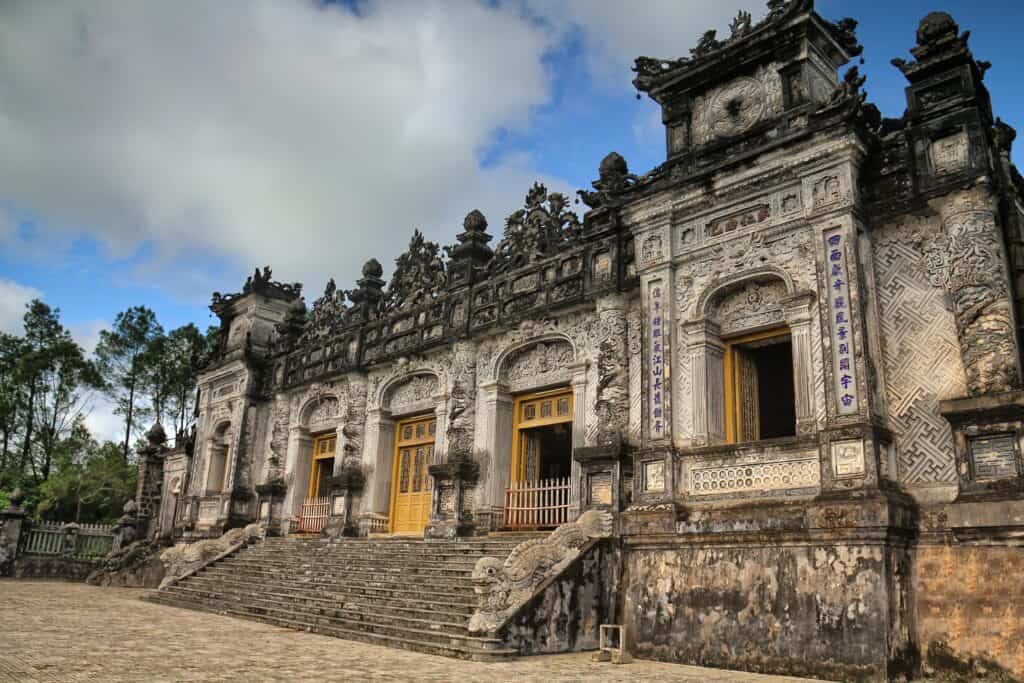
The Royal Tomb of Emperor Khai Dinh is located just outside of Hue, on the Chau Chu mountain, and it was built for the 12th Emperor of the Nguyen dynasty, who died in 1925.
Emperor Khai Dinh’s tomb is one of the most magnificent tombs ever designed in Vietnam, with detailed construction that mixes Eastern and Western details. When you visit the tomb, you will see two giant dragon sculptures, 12 statues serving as bodyguards, a palace room decorated with porcelain and glass, and a small temple with an altar.
Thai Hoa Palace
The palace was built in the era of the Nguyen dynasty, which was the last dynasty in Vietnam, it survived the Vietnam War bombings, but it had to be repaired to restore the damage that happened during the battle of Hue. The palace is located in the middle of the Hue Citadel after going through the Ngo Mon Gate.
When you enter the palace, you will find a large hall with a timber roof and 80 timber columns, and it was for royal ceremonies and events. It was also considered the crowning place for Emperor Gia Long and the area where he received visitors.
Thien Mu Pagoda
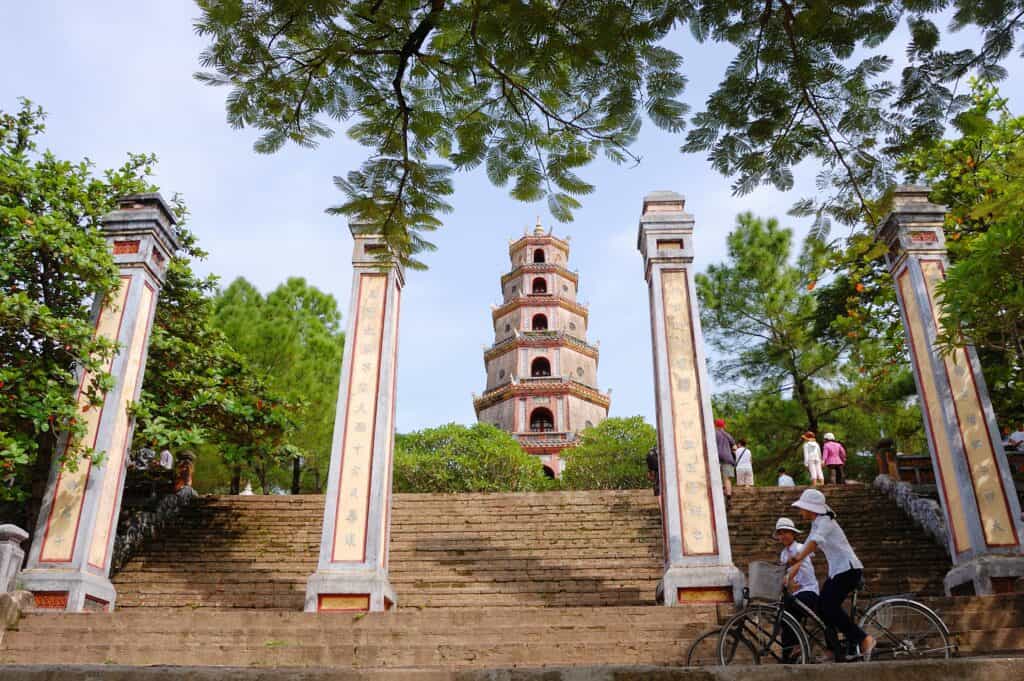
The Thien Mu Pagoda is a 7-story pagoda or temple, it is one of the most famous symbols of the city of Hue, and it was built in 1601 by Lord Nguyen Hoàng. After that, the temple was extended, and many things were added, including a big bell that can be heard 10 km away, praying halls, and much more.
There are charming gardens, like a bonsai garden, that surround the buildings, and also you will see a car used during the Diem Regime protests.
Thanh Toan Bridge
Thanh Toan Bridge is a foot wooden bridge near the city of Hue. It was built in the 18th century in a Japanese style over a small river. There is inside the bridge an altar dedicated to the memory of Tran Thi Dao, a wealthy widow who originally paid for the bridge’s construction.
Also, you can visit the village where the bridge is located and discover the rice paddies, temples, and many other things. Don’t miss seeing the columns of the city gate and the local Farming Museum, where ancient farming tools are used to cultivate rice.
The To Mieu Shrine
The To Mieu Shrine is the same as the Imperial Ancestral Temple in China’s Forbidden City, it was built to allow ancestor worship of past emperors, but no emperors were buried there.
If you visit the place, you will see a large stone gate, sweeping grounds, a quarter of the original structures that survived the Vietnam War, and a reconstruction was made to restore the ruins. It is an excellent place to spend a good time in it and learn more about Vietnam’s history.
Con Dao Islands
The Con Dao Islands are a group of outlying islands located about 140 km offshore in the South China Sea, and it is one of the famous diving sites in Vietnam. Most of the islands are protected wilderness areas, and it is home to nesting turtles and bushy forests.
The central island, which is the first place for visitors to go to, is Con Son Island, and there you will find sand string out across its coast, and it attracts tourists, especially divers.
Also, you can see other attractions like the historical sites of Con Son Town, which includes Phu Hai Prison and Bao Tang Con Dao Museum. The place is well-preserved, consisting of the prison cages used by the US forces, the Tiger Cages, and other sites.
Nha Trang
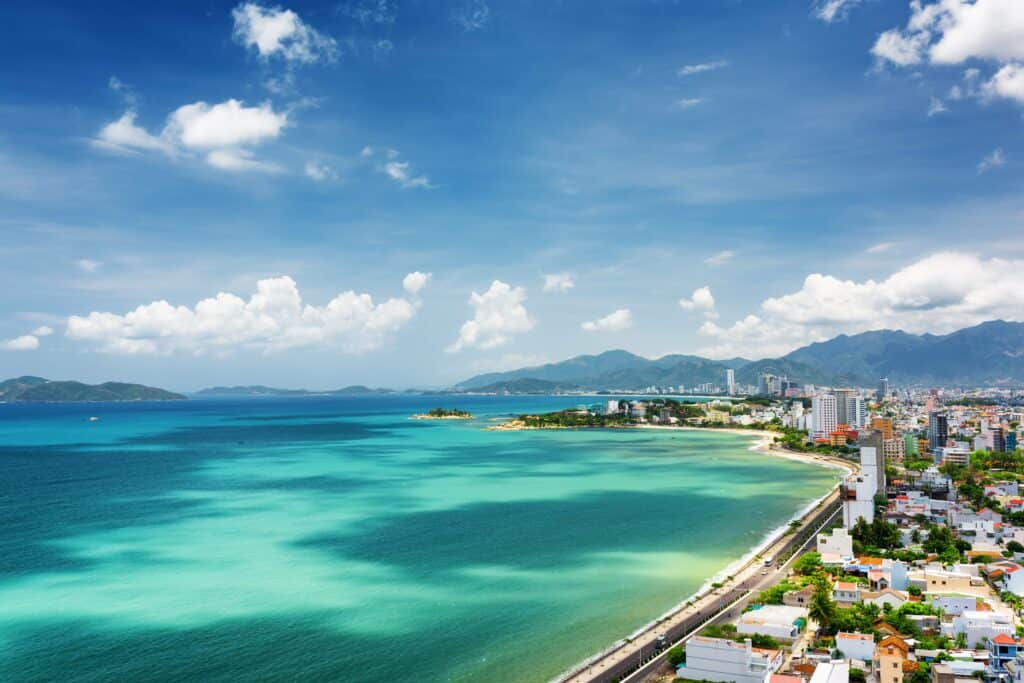
Nha Trang is one of the magnificent cities to visit in Vietnam, it is full of beautiful beaches 6 km long, and in summer, the beaches are full of locals and foreign visitors. There you can find swimming areas and manicured lounging areas, and it is an excellent place for relaxing and enjoying the sun and the sand.
While staying in the city, you can visit many attractions besides enjoying the beaches, such as the ancient Po Nagar Cham Towers, which are located north of the city across the Xom Bong Bridge and have been used as a place of worship since the 7th century. Also, you can visit a famous museum there dedicated to the work of Alexandre Yersin, who discovered the cause of the bubonic plague.
National Oceanographic Museum of Vietnam
The National Oceanographic Museum of Vietnam is located in the city of Nha Trang, specifically in the Nha Trang Oceanography Institute building, the oldest scientific research institute in the country and the biggest Vietnamese research center focused on marine biodiversity and ecology.
The museum is divided into sections, including thousands of marine and bird specimens, and displays things to educate the public on marine conservation. The museum also contains an 18-meter-long skeleton of a humpback whale found underground and glass tanks holding puffers and turtles.
Long Son Pagoda
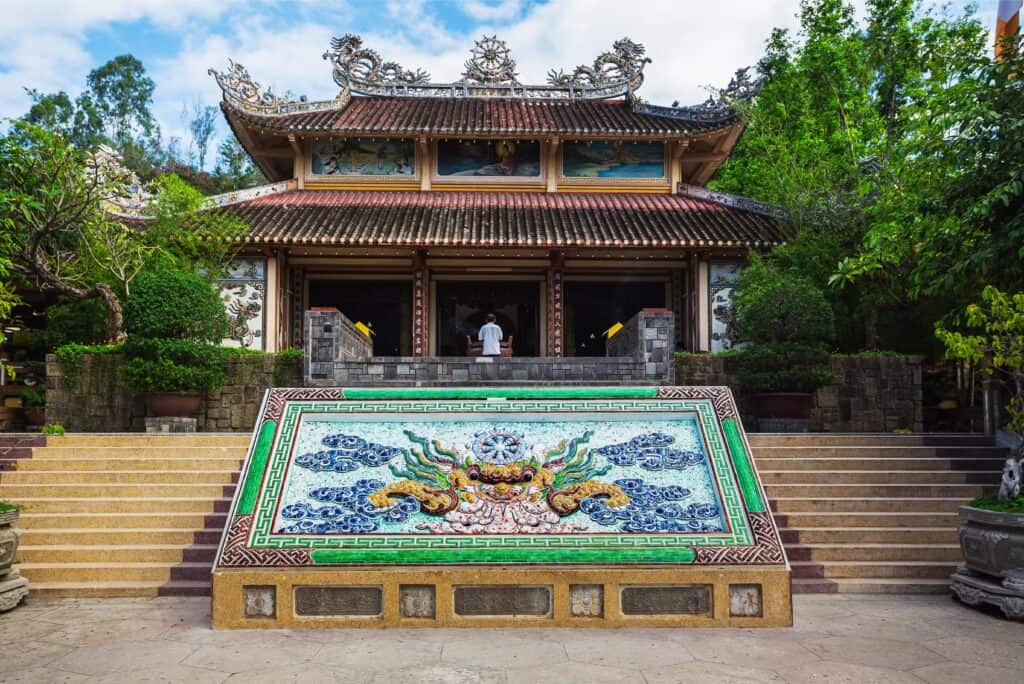
The Long Son Pagoda is one of the most visited temples in Nha Trang. It was built over centuries and was moved to the Trai Thuy Mountain after being partially destroyed in 1900. When you visit the place, you will see that the dragon mosaics and intrinsically decorated ceramic tiles cover the temple’s entrance.
The 24-meter-tall white Buddha statue is located on the upper hill above the pagoda, and it is one of the most famous spots to visit in Nha Trang.
Ba Ho Waterfalls
The Ba Ho Waterfalls are just 40 minutes by car from Nha Trang City. It consists of three waterfalls, and the bottom one is the most crowded, but you have to walk for half an hour through the jungle to reach the place.
If you want to go to the other two waterfalls, you will have to climb using stone steps and large boulders, push through the thicker forest, and wear hiking shoes because the rocks can get slippery, and it is a famous place for cliff-jumping.
Vinpearl Cable Car
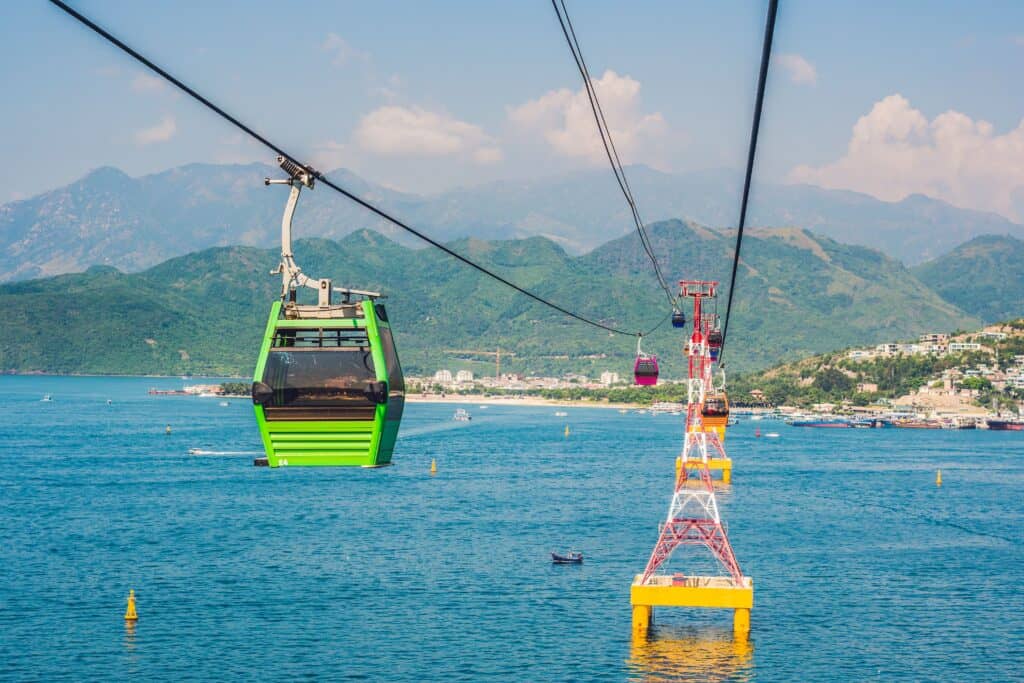
The Vinpearl Cable Car is a famous means of transportation to use while you are visiting Nha Trang, it connects Nha Trang with Vinpearl Island, and the tour in it takes about 15 minutes and is 3,000 meters long. The cable car took a year to be built to resist earthquakes, strong winds, and monsoon rains.
While taking your tour in the cable car, you will be able to see beautiful views over the sea and the Disney-like Vinpearl park, and it is considered the longest overwater cable car in the world.
Vinpearl Land
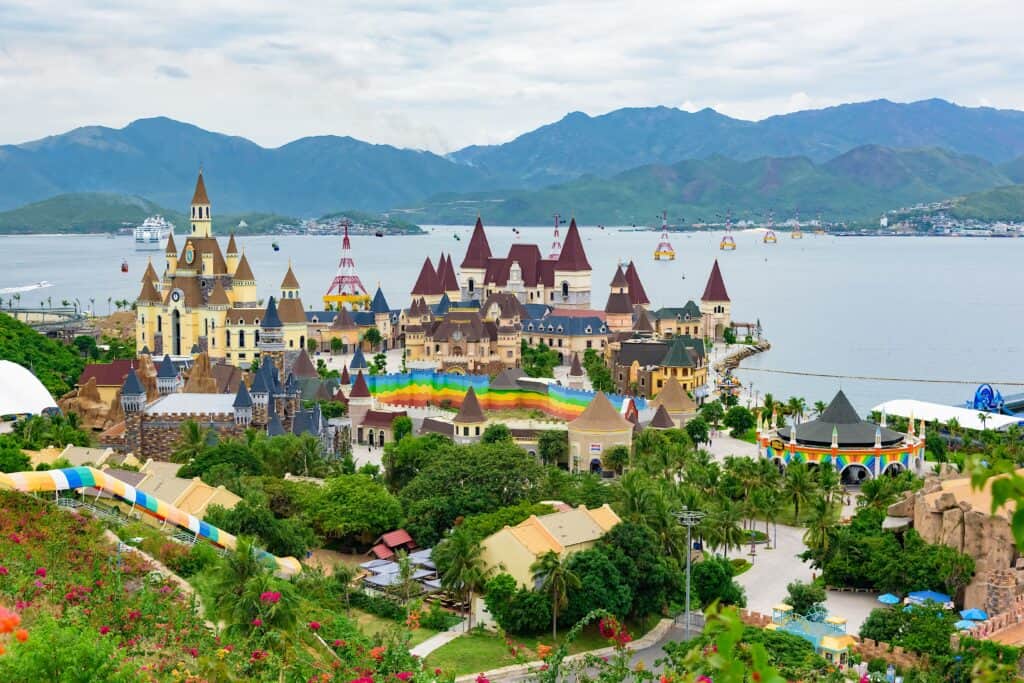
The Vinpearl Land is something like Disney Land, located on Vinpearl Island, and it is a mixture of amusement park and Water Park that offers rides and thrills for all ages. While there, you can go to the Vinpearl water park, a prominent place that offers lazy rivers, adrenaline-filled slides, a water obstacle course, and a beach.
Also, don’t forget to go to the entertainment part, which includes an arcade area, horse riding, castles that look like the ones in Disney, a 3D movie theater, and live performances. Another lovely thing to try there in the park is the Vinpearl sky wheel, considered one of the tallest Ferris wheels in the world at 120 meters.
Hon Mun
Hon Mun is one of the famous islands that surround the city of Nha Trang. It is covered with limestone cliffs, caves, and stunning black rocks cover the coastline, and it is a perfect place for climbing and hiking.
Also, it is an excellent place for diving, where you will see coral reefs, and many tourists come from all over the world to enjoy and discover the nature there. While you enjoy your time, you will see the clear water, and boats with clear bottoms allow a direct view of the ocean.
Mui Né
Mui Né is one of Vietnam’s most famous beach resorts, after being a coastal fishing town and a popular destination for sailing and kitesurfing.
When you visit the town, you can also explore many attractions, such as the natural Red Sand Dunes located near the town, and you can practice sand-sledding. There are towering orange limestone formations with a slow-moving warm stream like a walkway, ad follow it until you reach a waterfall.
Hotels to stay in while your visit to Vietnam
While visiting the beautiful country of Vietnam and visiting all these fantastic attractions, the first thing that will come to your mind is a hotel to stay in, and here are some of these hotels that you can stay in.
Four Seasons Resort The Nam Hai, Hoi An
The luxury hotel of the Four Seasons is located between Da Nang and Hoi An, a five-star resort that opened in 2016. The hotel offers many activities like fishing in traditional basket boats with fishermen. It is also a perfect choice for couples, especially villas with private pools and butlers to handle your every request and need.
Premier Village Danang Resort
The Premier Village Danang Resort is located in the city of Da Nang in the center of Vietnam. It is a famous resort there for Vietnamese people and international tourists. The resort is a luxury residential development that can be rented by night. It is a perfect place for relaxation with a full-service, country club, dining options, and other amenities.
Six Senses Con Dao
The Six Senses Con Dao is located on its island, 40 minutes by plane from Ho Chi Minh City, and it is a perfect resort for couples and families. It includes about 50 villas with a private infinity pool, and some villas are in front of the ocean. In the resort, you can do many activities like diving, snorkeling in the coral reefs, and seeing sea turtles.
Hyatt Regency Danang Resort & Spa
Another famous resort in Da Nang is situated on a beautiful beach and includes standard hotel rooms, suites, one- to three-bedroom residences, and three-bedroom villas. The resort contains:
- Five swimming pools.
- A Camp Hyatt all-day kids’ program.
- Babysitting services are available to try playing tennis on the courts.
Salinda Resort Phu Quoc Island
The resort is located on Phu Quoc Island near the coast of Cambodia. Most of the island is a nature reserve, the Phu Quoc National Park. It is a luxury hotel with about 121 rooms, suites, and villas, and also you will find a private beach, a spa, and restaurants.
InterContinental Nha Trang
The InterContinental Nha Trang is located just south of Vietnam, with a long beachfront promenade filled with hotels, shops, and restaurants, an extensive spa, multiple dining options, and a beautiful pool and pool deck overlooking the beach.

A Walk in Ireland Guide: Best Trails, Routes, and Tips
Ireland
26/04/2024

An Ultimate Guide to 6 of the Finest Castle Tours in England
England
26/04/2024

Unveiling the Most Terrifying Haunted Tours in Scotland
Scotland
25/04/2024

7 Top Amusement Parks in England for an Unforgettable Adventure
England
25/04/2024

Miami Tourism Statistics: A Comprehensive Overview of Visitor Numbers and Revenue
Travel Statistics
25/04/2024