
Skip to content
Updated on:September 9, 2025 by Avatar image of authorAhmed Samir

Alaska is part of the New World, and it was discovered by the famous sailor Christopher Columbus in 1492. It is one of the five states within the Pacific Ocean region, which is one of the largest areas of the United States by area. Alaska is one of the critical US states, which recently joined the United States in 1959, becoming the 48th state.

Alaska includes many large cities, and the most important of these cities is the city of Anchorage, which is the largest city in terms of population density; the city of Fairbanks, the city of Astika, and the state capital is the city of Juneau.

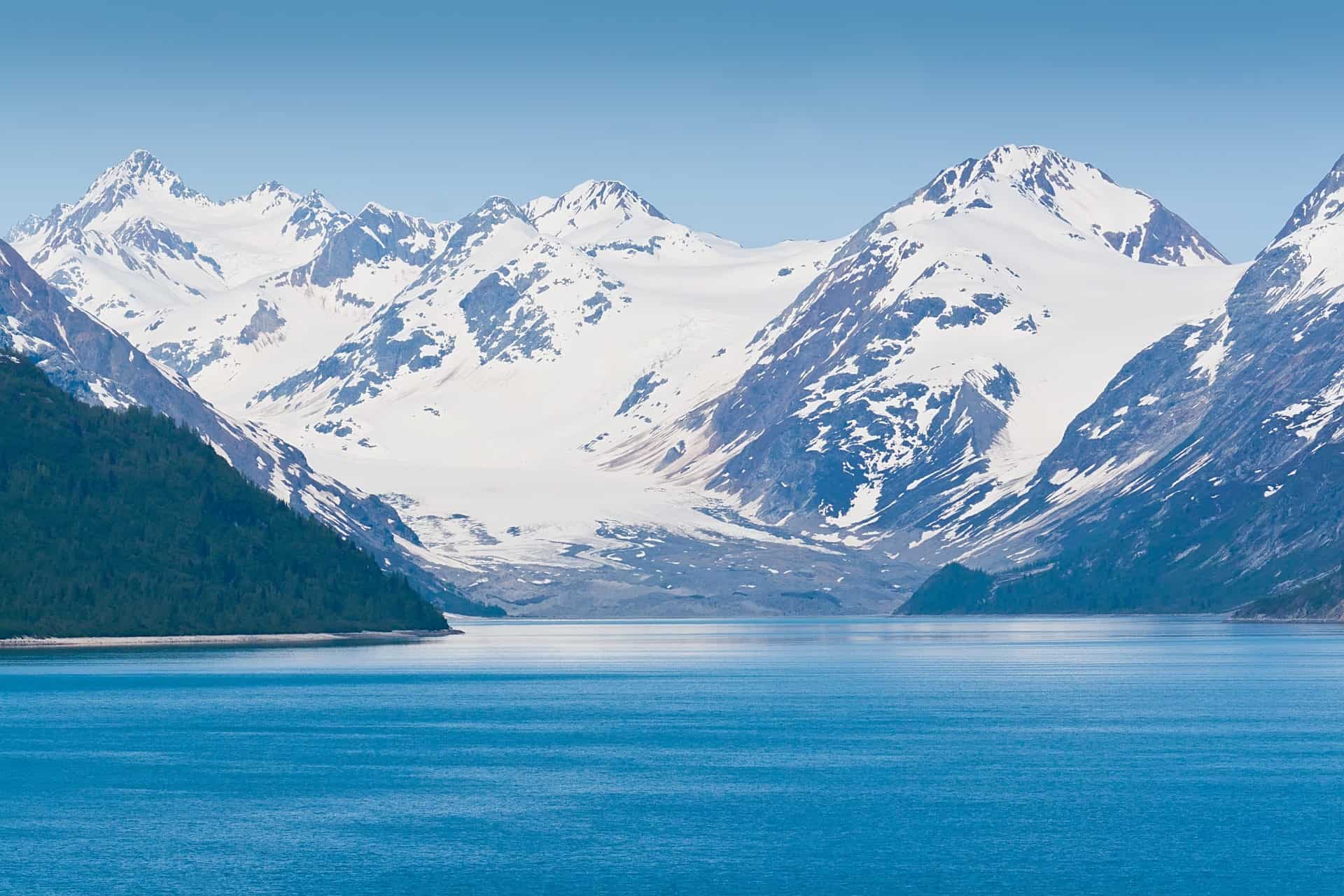
Alaska is featured by its picturesque nature of glaciers, forests, and wildlife and the spectacular scenery of the northern lights. It offers tourists many activities, such as hiking and fishing. Alaskan attractions include several rich museums and some of the largest national parks in the United States.

Weather in Alaska

The weather in Alaska is cold, but the temperature is mild on the south coast, where the inhabitants live. The best time to visit Alaska is from July until the middle of August when the tourist season is at its peak. 

So, if you are not a fan of crowded places, you can visit Alaska from May to September, when it is less crowded.

Things to do in Alaska

Alaska is such a beautiful state. Its magnificent nature surrounds you, making you love it a lot. You can enjoy hiking, fishing, and much more. There are many tourist attractions and things to do there, like going to museums, visiting the state’s towns and cities, and visiting the national parks spread all over Alaska.

So, tell us more about Alaska and the things you can do there to have a great time with family or even your friends. 

University of Alaska Museum of the North

Located in Fairbanks, the University of Alaska Museum of the North is a must-visit for those interested in understanding Alaska’s unique cultural and natural history. This museum is more than just a collection of artefacts; it’s a gateway to Alaska’s past, present, and future story.

The museum houses over 1.4 million objects, including extensive archaeological collections, ethnological objects from Alaska’s Native cultures, and natural history specimens. The Gallery of Alaska provides visitors with an overview of the state’s five major regions, showcasing everything from the artistry of Native Alaskans to the wildlife that calls this place home. The Rose Berry Alaska Art Gallery blends contemporary and historical Alaskan art, visually representing the state’s evolving cultural landscape.

The museum’s architecture is a work of art, designed to evoke the shapes and forms found in Alaska’s landscapes. A visit to the museum is an enriching experience that will deepen your appreciation for Alaska’s complex and fascinating heritage.

Denali National Park

Alaska

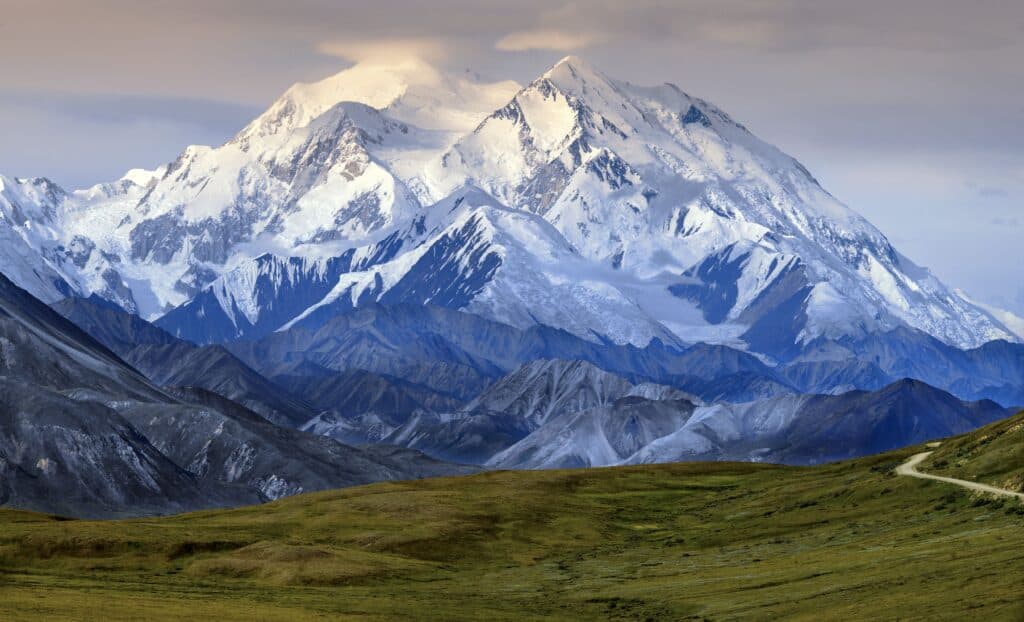
Denali National Park is one of Alaska’s crown jewels, drawing visitors from around the world to experience its untamed beauty. The park is home to North America’s tallest peak, Denali (formerly known as Mount McKinley), which rises to an awe-inspiring 20,310 feet. The park’s six million acres of wilderness encompass everything from boreal forests and alpine tundra to glaciers and rivers.

Activities in Denali National Park

  • Wildlife Viewing: Denali is a haven for wildlife enthusiasts. Look for grizzly bears, wolves, moose, caribou, and Dall sheep in the park’s open tundra, which provides excellent opportunities to spot these animals in their natural habitat.
  • Hiking: With over 35 miles of maintained trails, Denali offers something for hikers of all skill levels. Whether you prefer a stroll along the Savage River Loop or a more challenging trek up the Mount Healy Overlook Trail, the park’s diverse landscapes will impress.
  • Flightseeing Tours: Consider booking a flightseeing tour for a bird’s-eye view of Denali. These small-plane excursions take you over the park’s rugged terrain, offering unparalleled views of Denali’s summit, glaciers, and vast wilderness.
  • Camping and Backpacking: Camping and backpacking are excellent options for those who want to immerse themselves fully in Denali’s wilderness. The park offers front-country campsites and backcountry permits for those seeking solitude and adventure.
  • Winter Activities: While most visitors come to Denali in the summer, the park is equally stunning in winter. Snowshoeing, cross-country skiing, and dog sledging are popular winter activities that allow you to experience the park’s snowy landscapes.

Best Time to Visit Denali National Park

The best time to visit Denali National Park is from late May to early September when the weather is more favourable and the park’s services are fully operational. During this period, the park’s shuttle buses run regularly, making exploring the park’s interior easier.

However, if you’re interested in seeing the Northern Lights, consider visiting in the autumn or winter months. While the park’s services are limited during these seasons, the chance to witness the aurora borealis dancing in the night sky is well worth the trip.

Kenai Fjords National Park

Alaska

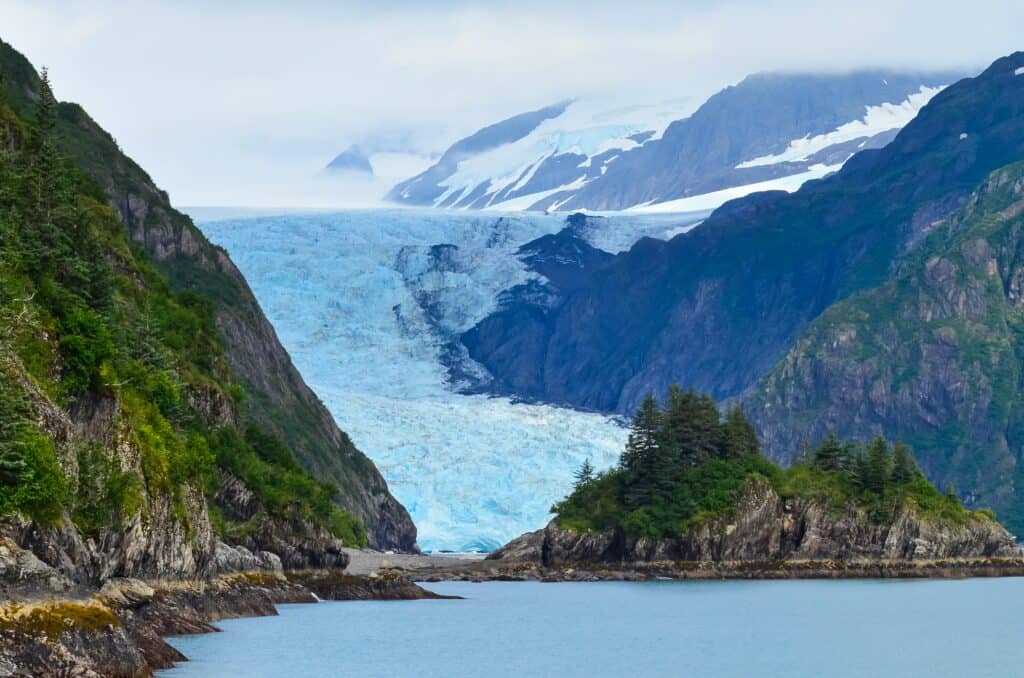
Kenai Fjords National Park, located near Seward, is a stunning coastal wilderness showcasing Alaska’s rugged coastline and glaciers. This park is home to the Harding Icefield, one of the largest ice fields in North America, and the many fjords carved by glaciers over millennia.

A visit to Kenai Fjords National Park offers opportunities for wildlife viewing, glacier hiking, and boat tours through the park’s dramatic fjords. Look for marine life, such as sea otters, seals, humpback whales, and birds like puffins and bald eagles. The park’s towering glaciers, including the famous Exit Glacier, are a testament to the power of nature and offer breathtaking photo opportunities.

For those looking to explore on foot, the Harding Icefield Trail is a challenging yet rewarding hike that provides panoramic views of the icefield and the surrounding mountains. Guided tours and ranger-led programmes are also available for those who want to learn more about the park’s geology, ecology, and history.

Alaska Native Heritage Center

The Alaska Native Heritage Center in Anchorage is a cultural centre dedicated to preserving and sharing the traditions, languages, and stories of Alaska’s indigenous peoples. The centre features indoor exhibits and outdoor village sites, offering visitors a comprehensive look at the diverse cultures that have thrived in Alaska for thousands of years.

Inside the main building, exhibits showcasing traditional art, tools, clothing, and other cultural artefacts from Alaska’s eleven major indigenous groups. The centre also hosts dance performances, storytelling sessions, and craft demonstrations, allowing visitors to experience Alaska Native culture firsthand.

The outdoor village sites are one of the highlights of the Alaska Native Heritage Centre. These re-creations of traditional dwellings, such as an Aleut baidarka (kayak) or an Inupiaq sod house, provide insight into how Alaska’s indigenous peoples adapted to the harsh environments of the Arctic and sub-Arctic regions. Guided tours of the village sites offer more profound understanding and context, making this a truly immersive cultural experience.

Inside Passage

Alaska

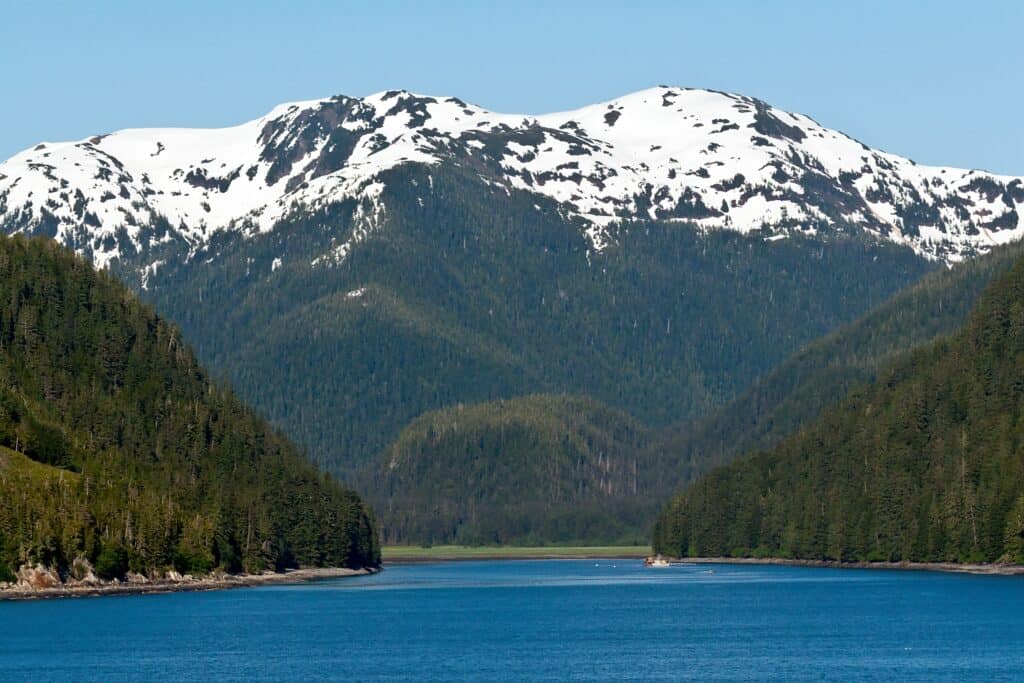
The Inside Passage is one of Alaska’s most iconic and scenic routes. This coastal waterway stretches from Puget Sound in Washington State to the Gulf of Alaska, winding through a labyrinth of fjords, islands, and glaciers. It’s a journey that showcases the best of Alaska’s coastal beauty and offers a unique perspective on the state’s rich maritime culture.

Highlights of the Inside Passage

  • Glacier Bay National Park: One of the most famous stops along the Inside Passage is Glacier Bay National Park. This UNESCO World Heritage site is renowned for its tidewater glaciers, which calve dramatically into the sea, creating massive icebergs. The park is also a haven for wildlife, including humpback whales, sea lions, and bald eagles.
  • Charming Coastal Towns: The Inside Passage is dotted with charming coastal towns with unique character and history. Ketchikan, known as the “Salmon Capital of the World,” is famous for its Native Tlingit totem poles and vibrant arts scene. Juneau, Alaska’s capital, offers a blend of modern amenities and frontier charm, with easy access to the nearby Mendenhall Glacier. With its gold rush history, Skagway transports visitors back to the days of the Klondike Gold Rush.
  • Wildlife Viewing: The waters of the Inside Passage are teeming with marine life. Look for humpback whales breaching, orcas swimming in pods, and sea otters floating on their backs. Birdwatchers will also be delighted by the abundance of bald eagles and other seabirds.

Cruising Options

Independent Travel: If you prefer to explore at your own pace, you can also travel the Inside Passage by ferry on the Alaska Marine Highway System. This option allows you to hop between coastal towns and explore off the beaten path.

Large Cruise Ships: Many travellers explore the Inside Passage on a large cruise ship. These vessels offer a range of amenities and activities, making them a popular choice for families and those seeking a more relaxed experience.

Small Ship Cruises: Consider booking a small ship cruise for a more intimate and immersive experience. These vessels can navigate narrower waterways and get closer to glaciers and wildlife, offering a more personalised experience.

Totem Bight State Historic Park

Totem Bight State Park & Ketchikan Highlights

Totem Bight State Historic Park, located near Ketchikan, is a testament to the rich cultural heritage of Alaska’s Native peoples, notably the Tlingit and Haida tribes. The park is home to an impressive collection of totem poles, which Native peoples traditionally carved to tell stories, honour ancestors, and commemorate significant events.

As you wander the park, you’ll encounter beautifully carved totem poles depicting animals, mythical creatures, and human figures. Each totem pole tells a story, often passed down through generations, and offers a glimpse into Alaska’s indigenous cultures’ spiritual beliefs and social structures.

The park also features a replica of a traditional Tlingit clan house, where you can learn about the communal living arrangements and cultural practices of the Tlingit people. Interpretive signs and guided tours provide valuable context and background information, making Totem Bight State Historic Park both an educational and visually stunning experience.

Wrangell St. Elias National Park and Preserve
Alaska

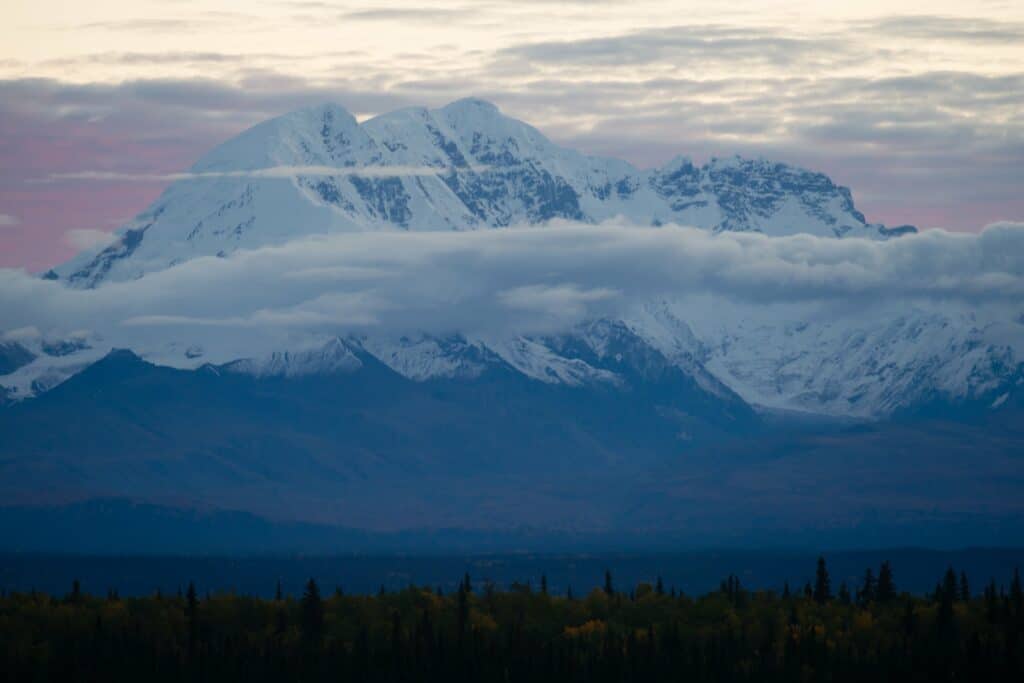
Wrangell-St. Elias National Park and Preserve is the largest national park in the United States, encompassing over 13 million acres of rugged wilderness. This remote and awe-inspiring park, located in southeastern Alaska, is home to some of the tallest mountains in North America, including Mount St. Elias, which rises to 18,008 feet.

The park’s vast landscape includes glaciers, volcanoes, rivers, and forests, making it a paradise for outdoor enthusiasts. Whether you’re interested in hiking, mountaineering, or wildlife viewing, Wrangell-St. Elias offers endless opportunities for adventure. The park is also rich in history, with remnants of old mining towns and indigenous settlements waiting to be explored.

One of the most popular destinations within the park is the historic town of McCarthy and the nearby Kennecott Mines National Historic Landmark. The Kennecott Mines were once a bustling copper mining operation, and today, visitors can tour the well-preserved buildings and learn about the area’s mining history. The park’s remote location and rugged terrain make it a destination for those seeking solitude and the chance to connect with nature on a grand scale.

Iditarod National Historic Trail

The Iditarod National Historic Trail is a network of trails that stretches over 2,300 miles across Alaska, from Seward to Nome. Initially used by Alaska Native hunters and later by gold prospectors, the trail gained fame during the early 20th century as the route for the Iditarod sledge dog race, one of the world’s most challenging and prestigious sledge dog races.

Today, the Iditarod National Historic Trail offers a unique way to experience Alaska’s wilderness and history. While the entire trail is not accessible to the average traveller, several sections can be explored by foot, bike, or even dog sledge. The trail is a popular winter destination for snowmobiling and cross-country skiing.

To taste the Iditarod experience, consider visiting the town of Nome, where the annual Iditarod race finishes. Here, you can learn about the history of the race, meet mushers and their dogs, and even try your hand at dog sledging. The Iditarod National Historic Trail is a living link to Alaska’s past, offering a glimpse into the state’s rugged and adventurous spirit.

Tracy Arm Fjord

Alaska

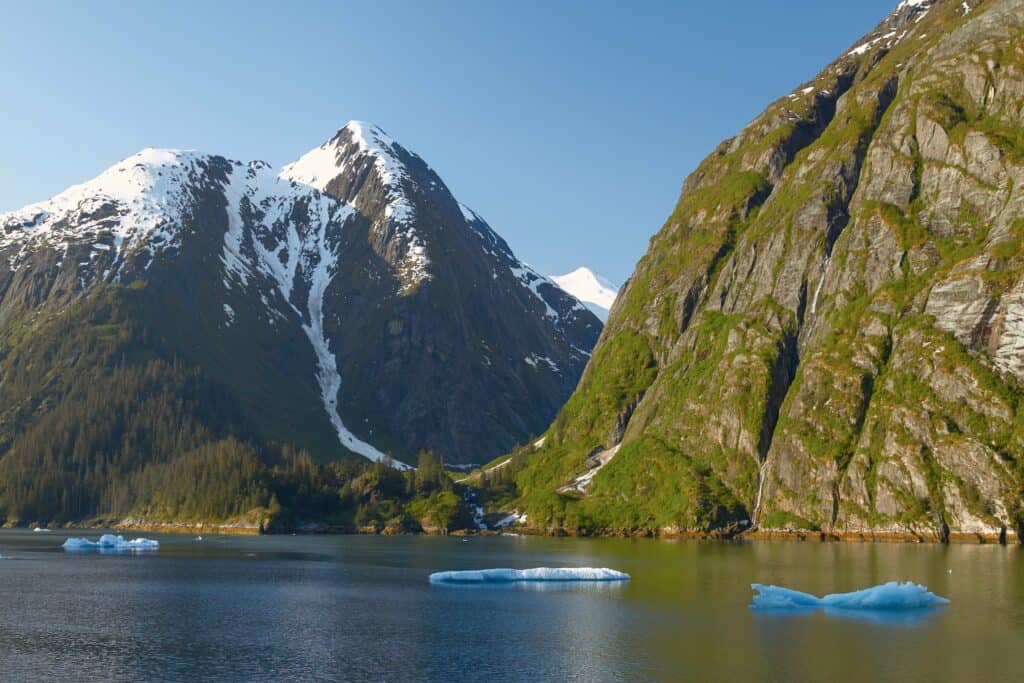
Tracy Arm Fjord, located about 45 miles south of Juneau, is one of Alaska’s most stunning natural wonders. This narrow fjord, carved by glaciers, is surrounded by towering cliffs that rise over 3,000 feet from the water and are filled with icebergs of all shapes and sizes. At the fjord’s end, you’ll find the majestic twin glaciers, Sawyer Glacier and South Sawyer Glacier.

A boat tour through Tracy Arm Fjord is the best way to experience its beauty. As you navigate the icy waters, you’ll be treated to breathtaking views of waterfalls cascading down the cliffs, lush forests, and the vibrant blue hues of the glaciers. Keep an eye out for wildlife, as the fjord is home to seals, whales, and various seabirds.

The tranquillity and grandeur of Tracy Arm Fjord make it a must-visit destination for nature lovers and photographers alike. Cruising through this pristine wilderness, surrounded by icebergs and glaciers, is an experience that will stay with you long after you’ve left Alaska.

Seward Alaska

Seward, a charming coastal town on the Kenai Peninsula, is a gateway to Alaska’s most stunning natural attractions, including Kenai Fjords National Park. This picturesque town is known for its vibrant harbour, scenic views, and outdoor adventures.

Seward is the starting point for many boat tours that explore the fjords and glaciers of Kenai Fjords National Park. These tours offer a chance to see whales, sea lions, and puffins and the awe-inspiring glaciers that define the region. For those interested in fishing, Seward is also a popular destination for deep-sea fishing trips, where you can try catching salmon or halibut.

The town is home to several attractions, including the Alaska SeaLife Centre, a marine research facility and a public aquarium showcasing Alaska’s aquatic wildlife. The Seward Waterfront Park offers a lovely spot for a stroll along the shore, with views of the surrounding mountains and Resurrection Bay.

Seward also serves as the starting point for the famous Mount Marathon Race, a gruelling mountain race held every Fourth of July. Whether looking for outdoor adventures or a relaxing seaside escape, Seward has something for everyone.

The Northern Lights

Alaska

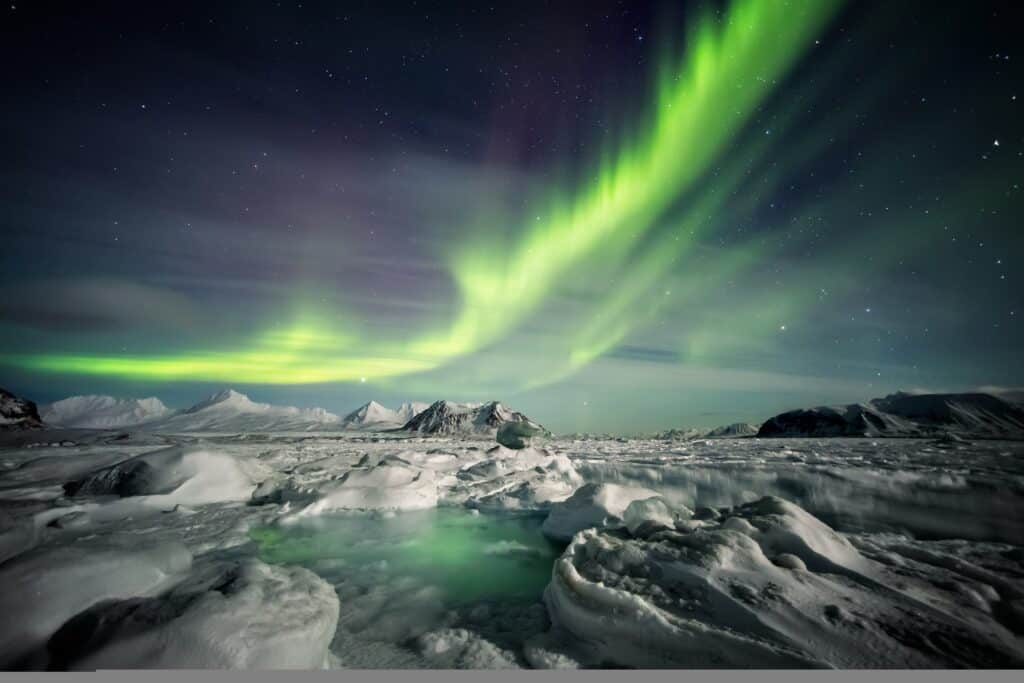
The Northern Lights, or Aurora Borealis, is one of the most awe-inspiring natural phenomena on the planet. Alaska’s northern latitude makes it one of the best places in the world to witness this celestial light show. The vibrant ribbons of green, pink, and purple that dance across the night sky are a sight that will leave you spellbound.

Best Places to See the Northern Lights in Alaska

  • Fairbanks: Located in the heart of Alaska, Fairbanks is considered one of the top destinations for Northern Lights viewing. The city’s clear skies and low light pollution make it an ideal location for spotting the aurora. Many hotels and lodges in the area offer aurora wake-up calls, so you won’t miss the show if it happens in the middle of the night.
  • Coldfoot: For a more remote and rugged experience, head to Coldfoot, a small village in the Brooks Range. This is one of the northernmost locations accessible by road and offers excellent aurora viewing opportunities. Combine your Northern Lights adventure with dog sledging, snowmobiling, or ice fishing for a truly Alaskan experience.
  • Chena Hot Springs: Just a short drive from Fairbanks, Chena Hot Springs is another great spot for Northern Lights viewing. After a day of exploring, relax in the natural hot springs while gazing up at the aurora-filled sky. The resort also offers guided aurora tours and snow coach rides to more remote viewing locations.

When to See the Northern Lights

The best time to see the Northern Lights in Alaska is from late August to early April, when the nights are the longest and the skies are the darkest. While the aurora can be seen anytime during this period, the most intense displays typically occur around the equinoxes in September and March.

Conclusion

Alaska is a land of extraordinary beauty and adventure, offering many experiences for travellers of all interests. From exploring ancient glaciers and fjords to learning about the rich cultural heritage of its indigenous peoples, Alaska promises unforgettable memories. Whether hiking through national parks, cruising past majestic glaciers, or immersing yourself in local history and culture, Alaska’s diverse attractions ensure that your visit will be nothing short of magnificent.

Leave a comment

Your email address will not be published. Required fields are marked *