


Napoleon’s Global Footprint: 4 Filming Locations That Capture His Legacy
Updated On: April 22, 2024 by  Yasmin Elwan
It was Napoleon Bonaparte who said, “A man will fight harder for his interests than for his rights…” and apparently, the man was really interested in conquering whatever land under the sun. People might see this guy as a superb military commander and a brilliant political mind; others might think he’s nothing but a criminal. Love him or hate him, there’s no denying that Napoleon Bonaparte left a prominent mark on the annals of history.
Napoleon’s escapades and stories served as a wellspring of inspiration for many documentaries and films, such as Napoléon (2002), Campaigns of Napoleon (2001), Adieu Bonaparte (1985), and Waterloo (1970). However, not as many works delved into the nitty-gritty of the man himself, his true colours, his love life, and the demons he battled within. That’s why fans can’t wait for the highly anticipated film Napoleon, starring the Academy Award-winning sensation Joaquin Phoenix.
Napoleon’s Odyssey: How to Make History with a Hat and a Horse
Napoleon Bonaparte was a French military leader and political figure who made a name for himself during the French Revolution, leading his armies to victory after victory. In Notre Dame Cathedral in the French capital, Napoleon crowned himself Emperor of the French in 1804, and just like a wildfire on a summer’s day, his empire spread across Europe faster than you can say, “Vive la France!”
In 1769, the world welcomed one of the most powerful conquerors of all time on the island of Corsica. Napoleon enlisted in the French army as a young recruit and swiftly ascended the ranks. During the renowned French Revolution, Napoleon was a republican through and through. He fought against the royalists and helped to set up the First French Republic. But by 1799, he had had enough of all the messing about and staged a coup d’état to become the First Consul of France.
As the top dog, Napoleon consolidated his power and started spreading France’s wings across Europe. He went to war against multiple coalitions of European powers, and in the end, he emerged victorious, leaving them all in the dust. By 1811, Napoleon’s empire was as wide as the eye could see, reaching from the land of flamenco to the land of matryoshka dolls.
However, Napoleon’s great empire started to crumble in 1812 when he bit off more than he could chew by invading Russia. Leo Tolstoy, one of the most esteemed Russian authors of all time, created an extraordinary literary masterpiece that delves into that particular era. This enthralling work, aptly titled War & Peace, has even been adapted into a gripping drama series with the same title.
What to Expect From the Upcoming Napoleon Film
The highly-anticipated Napoleon film, directed by Ridley Scott and starring Joaquin Phoenix as the man himself, is set to be a real showstopper in 2023, delving deep into Napoleon’s life, both on and off the battlefield. Picture this: a wild adventure, from Napoleon’s humble beginnings right up to his meteoric rise, legendary battles, and sizzling love story with his missus. So, grab your diaries, circle November 22nd, and prepare for a cinematic journey you won’t soon forget!
The film is expected to be on a grand scale, with fancy sets, snazzy costumes, and battles that’ll make your eyes pop out. Ridley Scott’s no stranger to making epic flicks, like Gladiator (an earlier collaboration with Joaquin Phoenix) and Exodus: Gods and Kings, so you bet this Napoleon film will be a real feast for the eyes!
Another exciting aspect of this film to stay tuned for is its intimate portrait of Napoleon. This flick will give us a real up-close and personal peek into Napoleon’s life – the whole shebang! We’re talking about diving deep into the man’s head, his family ties, his love for Josephine, and even his relationship with those trusty generals of his.
And you know what? Phoenix, that bloke, he’s got a knack for going all in. Expect him to pull out all the stops, bringing Napoleon to life in a way that’ll have us all on the edge of our seats. It will be a performance to remember, that’s for sure.
The film is expected to be historically accurate, with Scott and his team doing extensive research to ensure that the film is as true to history as possible. But no worries, it won’t be one of those dry, dusty documentaries. Scott will surely add a dash of creativity and some movie magic to the narrative.
Who’s in the Film?
Now, let’s talk star power—we’ve got Joaquin Phoenix (Napoleon Bonaparte), Vanessa Kirby (Empress Josephine), Tahar Rahim (Paul Barras), Edouard Philipponnat (Alexander I), and more top-notch talent gracing the screen. These actors are all set to blow your socks off with their performances.
Not Only France! Where is Napoleon Filmed?
While you’d think the land of baguettes and berets would be the logical shooting location for such a film, they actually filmed most of it in the land of fish and chips and the King! You won’t believe how many times the cast and crew had to jet off before the director finally shouted, “That’s a wrap!” Let’s go on a quick tour around the most prominent filming locations of Napoleon:
The United Kingdom
Napoleon had a bit of a thing for Britain, even though the Brits weren’t exactly fond of him. France and England had been at loggerheads for most of the Napoleonic Wars, and in 1803, Napoleon amassed a massive army and navy in preparation for an invasion. Nonetheless, the British Royal Navy put a stop to his plans at the Battle of Trafalgar in 1805, sinking his fleet and effectively dashing his dreams of conquering England. Let’s follow the French footprints throughout England:
Lincoln
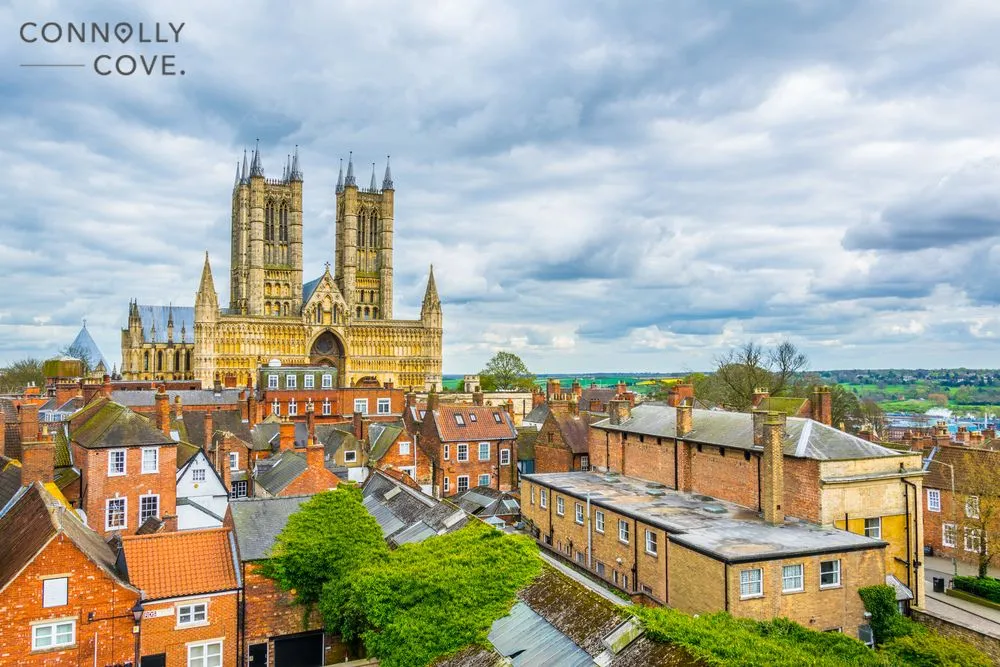
Historically, Bonaparte’s coronation took place in the Cathédrale Notre-Dame de Paris; however, since the majestic cathedral is temporarily closed, the filmmakers had to shoot the coronation scenes in the magnificent Lincoln Cathedral instead.
Lincoln Cathedral is a prime example of stunning Gothic architecture in England and stands tall among the world’s tallest cathedrals. It took over 200 years to build, beginning in the 11th century. This cathedral is known for its three striking towers, exquisite stained glass windows, and the intricate stone carvings that adorn it.
Lincoln Cathedral isn’t just a typical place of worship; it’s a vibrant mix of culture, music, and art. You can scale one of its towers for breathtaking city and countryside vistas or wander inside to discover some of the UK’s most amazing artworks, like the Lincoln Angel Choir and the Chapter House. It’s a whole world of wonder under one roof.
Woodstock, Oxfordshire
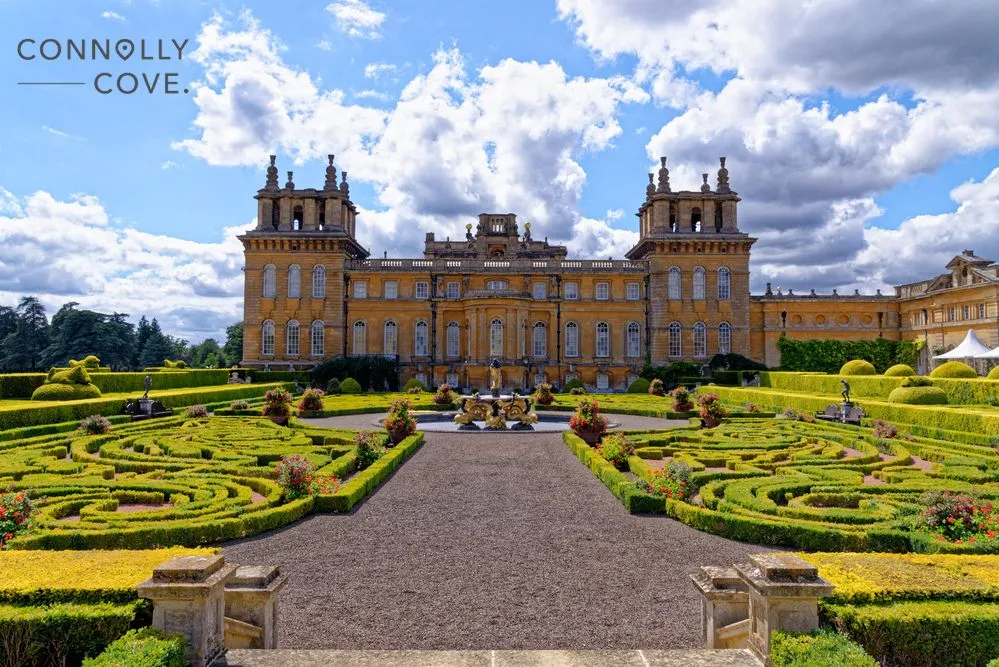
Oxfordshire is this fancy-sounding place in the southeast bit of England. Now, there’s this town called Woodstock, and what really stands out there is Blenheim Palace, tucked away in Blenheim Park. This UNESCO World Heritage Site played host to a plethora of scenes in the film.
Blenheim Palace is a real Baroque gem, a sight for sore eyes, constructed in the early 18th century as a gift to John Churchill, the 1st Duke of Marlborough, for his outstanding military accomplishments. It’s set in a sprawling parkland with gardens, lakes, and temples that’ll leave you breathless.
The palace has plenty of ways to make your visit a blast. You can join a guided tour that’ll whisk you through its fascinating history, mind-blowing architecture, and the incredible legacy of the famous Churchill family. Inside, it’s like a treasure trove, with stunning artwork, intricate tapestries, and fancy furniture that ooze elegance.
Learn about the life and times of Sir Winston Churchill, who was born at the palace, at the Churchill Exhibition. This immersive experience is packed with personal mementoes, photographs, and documents that chronicle his remarkable career.
And for a truly unique experience, venture into the tropical paradise of the Butterfly House within the Pleasure Gardens. Here, you can get up close and personal with a kaleidoscope of colourful butterflies.
Peper Harow Park, Surrey
The trailer kicks off with a dramatic bang as Queen Marie Antoinette’s execution unfolds on the screen. But don’t be fooled—this scene wasn’t actually filmed in the Place de la Concorde, Paris, where the real event took place. Instead, the filmmakers headed to Peper Harow Park in England to recreate the scene.
Peper Harow Park in Surrey is the epitome of an English countryside lark, where you can frolic amidst the lush green hills, soak in the historical vibes, and indulge in some much-needed R&R. It’s like stepping into a postcard-perfect snapshot of quintessential England, with a side of fun and leisure thrown in for good measure.
Once you’ve finished exploring the place, make your way to the delightful local watering holes in quaint villages such as Godalming or Guildford. There, you can indulge in a British pint and feast on some scrumptious pub grub that will warm your heart and fill your belly. Cheers to that!
Paris, France
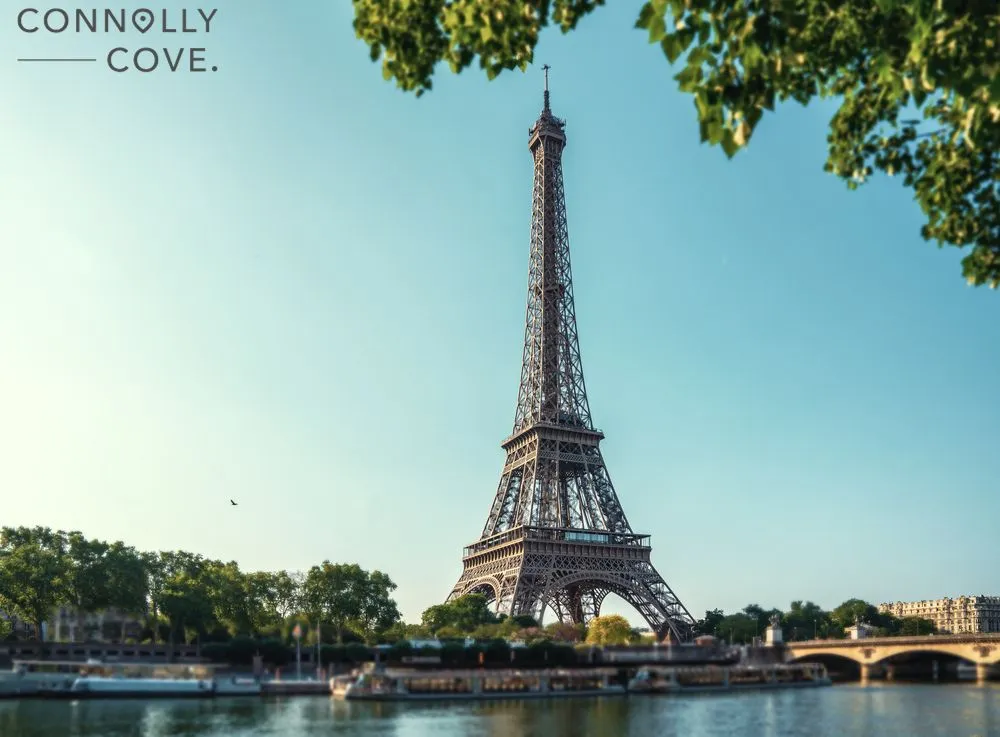
Imagine a movie about Napoleon without scenes in France – that would be strange, right? Well, it’s only logical for a film about him to include Paris as one of its filming spots. It’s no wonder it’s been the backdrop for loads of other movies and TV shows like John Wick: Chapter 4 (2023), Sex and the City (1998–2004), Inception (2010), Lupin (2021–2023), and Léon: The Professional (1994). Paris has that special something that filmmakers just can’t resist!
Paris is practically a living museum of Napoleon’s fingerprints, scattered across iconic landmarks like Notre Dame Cathedral and Chateau Fontainebleau. His presence is so formidable that you might just catch yourself involuntarily saluting his ghostly aura.
When gallivanting through the streets of Paris, one simply cannot resist indulging in the delectable croissant from the famous Cedric Grolet OPÉRA. Why not elevate your experience with a nice cup of coffee from Café Nuances? Paris is filled with attractions and beautiful vistas, so a cruise down the Seine River is a wonderful way to take in sights like the Eiffel Tower and the Louvre.
Kalkara, Malta
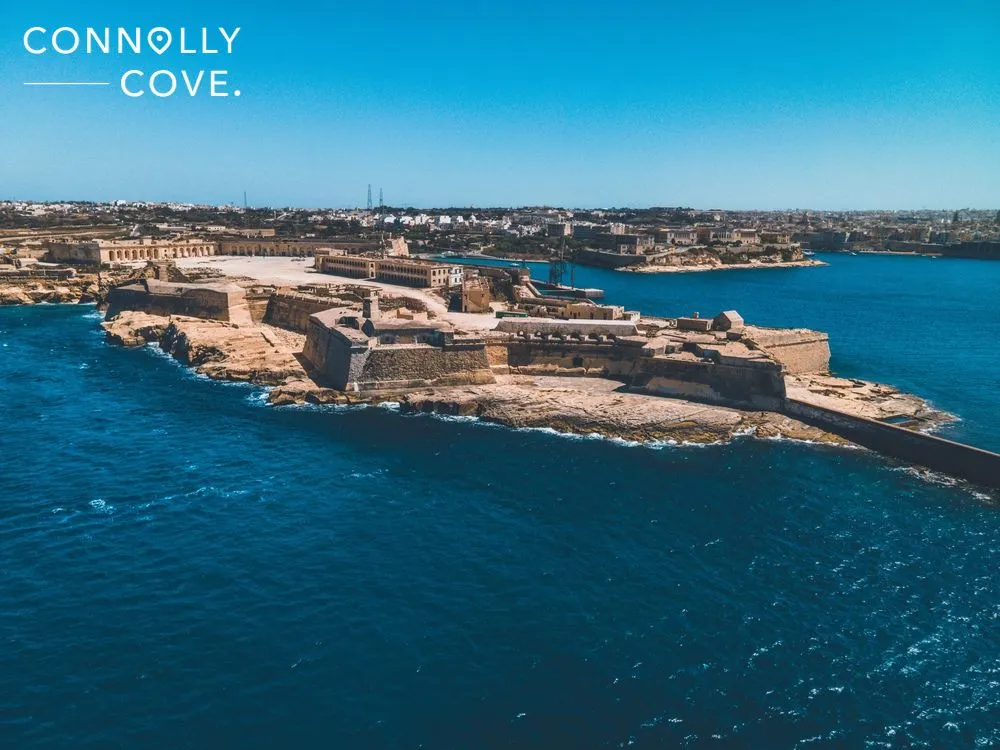
The makers of Napoleon chose Fort Ricasoli in Kalkara, Malta, to recreate the French general’s very first victory at the 1793 siege of Toulon. This magnificent star-shaped fort was built by the Order of Saint John in the 17th century and was used to defend the Grand Harbour. It’s a fitting setting for a film about such an epic figure, with its imposing walls and towers standing like sentinels over the sea.
Kalkara is an incredibly charming village in the sunny southeastern region of Malta. It’s an amazing place to visit if you’re seeking a relaxed and truly authentic Maltese experience. Kalkara boasts a stunning waterfront promenade that offers the perfect opportunity for a relaxing stroll while admiring the breathtaking views of the harbour and the city of Valletta.
Merzouga Desert, Morocco
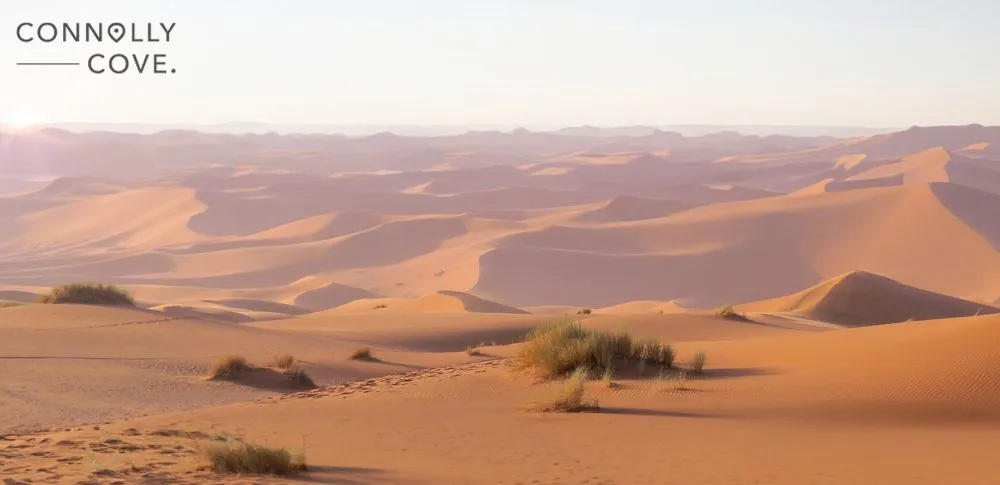
Please don’t confuse the French conquest of the Moroccan lands that began in 1907 with the Napoleonic wars. The crew chose the Merzouga desert in Morocco to shoot several scenes, including those of Napoleon invading Egypt (Yes, the Sphinx and Pyramids in the trailer aren’t the real ones).
The Merzouga Desert in southeastern Morocco is a vast and stunning expanse of golden sand, with towering dunes that ripple like waves in the wind. It’s like a total wildlife party over there, with camels, snakes, fennec foxes, and lizards just chilling out and calling it home. The desert has welcomed lots of cameras for plenty of films, such as the thrilling Aquaman (2018), Prince of Persia: The Sands of Time (2010), and Queen of the Desert (2015).
Napoleon was a complex and controversial figure. The new Napoleon film is pulling out all the stops with a star-studded cast and is poised to knock it out of the park. It’s really interesting to see all of those amazing filming locations from around the world in one cinematic piece. Where will you watch the film?
Great Scotland Yard – London Attractions
England
27/04/2024

Bangor Town: The Colorful Open House Festival
Northern Ireland
27/04/2024
Must-See Casablanca
Africa
27/04/2024
The Ultimate Guide for London One Day Tours!
England
27/04/2024

Key Insights: Global Medical Tourism Statistics and Market Growth Analysis
Travel Statistics
26/04/2024