

The Lost City of Z Filming Locations From Screen to Reality
Updated On: April 20, 2024 by  Yasmin Elwan
Embarking on a cinematic journey often takes us to places we’ve only dreamed of, and The Lost City of Z is no exception. This film, a visual masterpiece, transports us to the heart of the Amazon and beyond, all from the comfort of our living rooms. The magic behind this teleportation lies in the film’s authentic and diverse filming locations. In this blog post, we’ll explore the real-world settings that brought this film to life, taking you on a behind-the-scenes tour of The Lost City of Z filming locations. So, buckle up and get ready for an adventure!
What is the Film About?
The Lost City of Z, directed by James Gray and released in 2016, is a biographical adventure film based on the non-fiction book of the same name by David Grann. The film follows the true story of British explorer Percy Fawcett, played by Charlie Hunnam, who becomes obsessed with finding a mythical ancient civilisation he calls “Z” during multiple expeditions into the Amazon rainforest in the early 20th century.
Set against the backdrop of the early 20th century, the film introduces Percy Fawcett, a British military officer and explorer sent to South America to map the border between Bolivia and Brazil. In the depths of the Amazon jungle, Fawcett becomes captivated by the idea of a lost civilisation and devotes himself to the quest for its discovery despite facing ridicule and scepticism from his peers.
As Fawcett’s obsession with finding “Z” deepens, he embarks on several perilous expeditions into the heart of the Amazon rainforest. Along the way, he encounters numerous challenges, including hostile natives, disease, and the unforgiving landscape of the jungle. The film explores themes of ambition, obsession, colonialism, and the clash between civilisation and the untamed wilderness.
Character Development
In addition to Fawcett’s journey, the film delves into the personal struggles and relationships of its characters. Fawcett’s wife, Nina Fawcett, portrayed by Sienna Miller, and his son, Jack Fawcett, played by Tom Holland, play significant roles in the story. Fawcett’s pursuit of “Z” strains his relationships with his family and forces him to confront his own beliefs and convictions.
Cinematic Elements
Visually stunning cinematography captures the beauty and danger of the Amazon rainforest, while a haunting and immersive musical score enhances the sense of adventure and mystery. The narrative unfolds as a classic adventure tale, with Fawcett’s expeditions serving as the backbone of the story.
Despite receiving critical acclaim for its performances, direction, and visuals, The Lost City of Z did not achieve significant commercial success. Nevertheless, the film’s exploration of historical themes and its portrayal of the Amazon jungle have contributed to its enduring appeal among audiences and scholars alike.
Filming Locations: Bringing the Amazon to Life
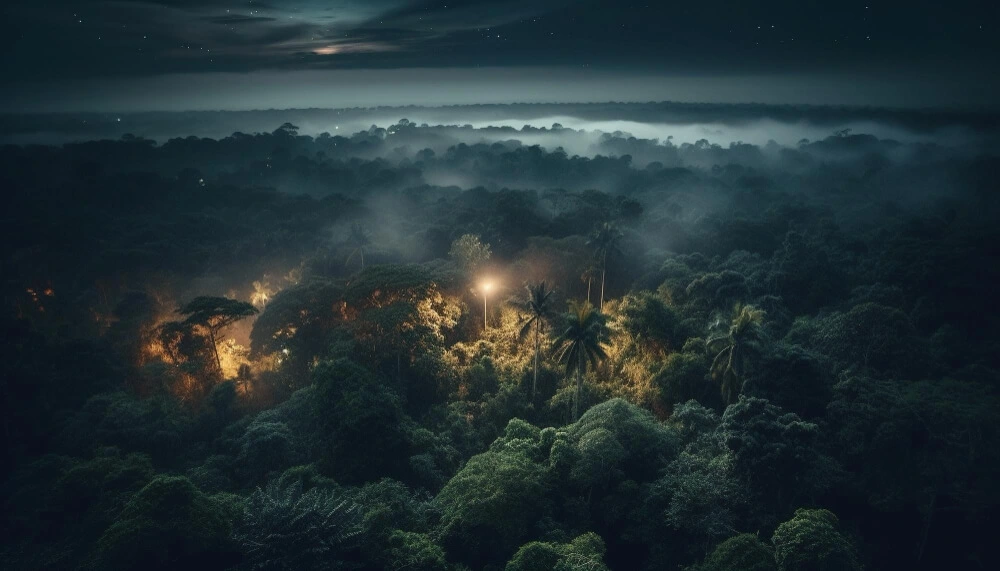
The cinematic portrayal of the Amazon rainforest takes centre stage as a character in its own right. The lush, untamed wilderness serves as the backdrop for Percy Fawcett’s daring expeditions and encapsulates the film’s sense of adventure and mystery.
The primary filming location for The Lost City of Z was Colombia, chosen for its diverse landscapes that closely resemble the Amazon rainforest. Deep within Colombia’s dense jungles, the film crew recreated the untamed beauty and perilous terrain of the Amazon, transporting viewers to Fawcett’s world of exploration and discovery.
Throughout the filming process, the production team faced numerous challenges inherent to filming in remote and rugged locations. From navigating treacherous terrain to contending with unpredictable weather conditions, capturing the essence of the Amazon required meticulous planning and resourcefulness.
Despite these challenges, the decision to film on location in Colombia imbued the film with unparalleled authenticity and immersive quality. The verdant landscapes and dense foliage of the Colombian jungles provided a convincing backdrop for Fawcett’s epic journey, allowing audiences to fully immerse themselves in the world of The Lost City of Z.
Filming in Northern Ireland
While the story takes place in the Amazon jungle, The Lost City of Z filmed a significant portion of the movie in Northern Ireland. For five weeks in 2015, the production crew transformed Belfast and its surroundings into various settings. Scenes ranged from the elegant halls of Belfast City Hall to the dramatic landscapes of Strangford Lough.
Even a World War I battlefield was recreated in the Antrim Hills, showcasing the versatility of Ireland’s filming locations. This creative use of local sites helped bring the early 20th-century world of explorer Percy Fawcett to life.
Exploring The Lost City of Z Filming Locations in Real-Life
From the lush jungles of Colombia to the historic streets of Belfast, we delve into the real-life settings that brought Percy Fawcett’s legendary quest to life on the silver screen. Join us as we explore the enchanting filming locations of The Lost City of Z and uncover the beauty and allure of these iconic destinations.
Colombia
Exploring Colombia is a journey into a vibrant tapestry of scenery, culture, and history. From the bustling streets of Bogotá to the serene shores of the Caribbean coast, Colombia offers an array of experiences waiting to be discovered. Adventurers can trek through the lush jungles of the Amazon, marvel at the snow-capped peaks of the Andes, or wander through colonial-era towns frozen in time.
The country’s rich cultural heritage is reflected in its diverse cuisine, colourful festivals, and warm hospitality. Whether exploring the vibrant street art scene of Medellín, savouring the flavours of Colombian coffee in the lush coffee regions, or dancing the night away to the rhythms of salsa and cumbia, Colombia beckons travellers with its irresistible charm and endless possibilities for exploration.
Notable Films Featuring Colombia
Several notable films have showcased Colombia’s breathtaking landscapes and vibrant culture, captivating audiences around the world. These films have not only spotlighted Colombia’s natural beauty but also shed light on its rich history and complex societal dynamics.
- Love in the Time of Cholera (2007)
- Colombiana (2011)
- Maria Full of Grace (2004)
Northern Ireland – Belfast
Nestled along the banks of the River Lagan, Belfast, the capital city of Northern Ireland, offers visitors a fascinating blend of culture, history, and modern charm. From its storied past to its vibrant present, Belfast beckons travellers with its rich heritage and diverse array of attractions.
- Titanic Belfast: Pay homage to the city’s maritime heritage at Titanic Belfast, an award-winning museum located on the site of the former Harland & Wolff shipyard. Explore interactive exhibits, learn about the construction and tragic sinking of the RMS Titanic, and delve into Belfast’s shipbuilding legacy.
- St. George’s Market: Immerse yourself in Belfast’s bustling culinary scene at St. George’s Market, one of the oldest covered markets in Ireland. Browse stalls selling everything from fresh produce and artisanal goods to local crafts and antiques, and sample a variety of delicious street food offerings.
- Belfast City Hall: Marvel at the grandeur of Belfast City Hall, an iconic landmark situated in the heart of the city. Take a guided tour of the ornate building, admire its stunning architecture, and explore the beautifully landscaped grounds.
- Political Murals: Gain insight into Belfast’s complex political history with a guided tour of the city’s famous political murals. These striking artworks, located primarily in the neighbourhoods of Falls Road and Shankill Road, depict themes of conflict, peace, and reconciliation.
- Cathedral Quarter: Discover Belfast’s thriving arts and entertainment district in the Cathedral Quarter. Stroll along cobblestone streets lined with historic buildings, browse independent boutiques and art galleries, and enjoy live music and theatre performances at local venues.
- Botanic Gardens: Escape the hustle and bustle of the city at Belfast’s Botanic Gardens, a tranquil oasis featuring exotic plant species, scenic pathways, and the iconic Palm House Conservatory. Spend a leisurely afternoon exploring the gardens, picnicking on the lawns, and admiring the Victorian-era architecture.
Movies and TV Shows Featuring Belfast
Belfast’s rich history and picturesque landscapes have made it a popular filming location for numerous movies and TV shows. Some notable productions that have featured the city include:
- Game of Thrones: The hit HBO series, based on the novels by George R.R. Martin, utilised various locations in and around Belfast to depict the fictional lands of Westeros and Essos. Iconic filming locations include Castle Ward, Tollymore Forest Park, and the Dark Hedges.
- Good Vibrations: This biographical drama tells the story of Terri Hooley, a record store owner and music promoter who played a pivotal role in Belfast’s punk rock scene during the Troubles. Filmed on location in Belfast, the movie captures the city’s gritty urban landscapes and vibrant music culture.
- The Fall: Set and filmed in Belfast, this psychological thriller series follows a detective, played by Gillian Anderson, as she pursues a serial killer terrorising the city. The Fall showcases Belfast’s distinctive architecture and atmospheric cityscapes, providing a compelling backdrop for its gripping narrative.
Where is City Z located?
Colonel Percy Harrison Fawcett, a British cartographer from the early 1900s, coined the term “The Lost City of Z” to refer to an indigenous settlement he hypothesised existed within the dense jungle of Brazil’s Mato Grosso state.
What are some of the theories about what happened to the Lost City of Z?
Theories on Z’s fate range from being swallowed by the jungle to Fawcett being accepted by a local tribe.
The Lost City of Z filming locations not only served as mere settings but became integral characters in the narrative, breathing life into Percy Fawcett’s epic quest. Through meticulous attention to detail and immersive cinematography, viewers were transported deep into the heart of the Amazon rainforest, experiencing firsthand the beauty, challenges, and allure of the unexplored wilderness.
Exploring The Town of Carrickfergus
County Antrim
29/04/2024
Commercial Court: The Dazzling Lights of Belfast
Northern Ireland
29/04/2024

How to Make a Killy Kiss Cocktail By Killyhevlin Hotel
Northern Ireland
28/04/2024

Middle East Travel Statistics from 2019 to Now
Middle East
28/04/2024
Exploring the Rich Heritage of Mining in Ireland
History and Heritage
28/04/2024