

The Art Lover’s Haven: Museo Reina Sofía’s Rich Cultural Heritage
Updated On: April 22, 2024 by  Maha Yassin
Within Madrid’s vibrant heart, the Museo Reina Sofía is more than just a museum; it’s a portal to a century of artistic expression. Dedicated to Spain’s 20th-century art scene, it stands proudly within the prestigious “Golden Triangle of Art,” alongside the renowned Prado and Thyssen-Bornemisza museums.
Prepare to be captivated by iconic works like Picasso’s heart-wrenching “Guernica,” and Dalí’s surreal masterpiece, “The Persistence of Memory“. But the journey doesn’t end there. Delve deeper into the artistic tapestry of Spain through the works of Miró, Juan Gris, and countless others, each stroke echoing the social and political turmoil of a tumultuous century.
So, dear traveller, whether you’re an art lover or simply curious to witness the soul of Spain reflected on canvas, the Museo Reina Sofía awaits. Let’s embark on this artistic adventure together, exploring the museum’s walls and the vibrant stories waiting to be unveiled.
From Hospital Halls to Artistic Haven: The History of Museo Reina Sofía
Our journey began in the 18th century with the construction of the imposing San Carlos Hospital by King Carlos III. The building served as a medical centre for two centuries, witnessing countless stories of illness and recovery. However, by the mid-20th century, its purpose shifted dramatically. Emerging from the shadows of dictatorship, Spain yearned for a space dedicated to showcasing its contemporary art scene. With its vast halls and historical significance, the hospital seemed destined for a new life.
Centro del Arte Reina Sofía
In 1986, a pivotal moment arrived. The former hospital was reborn as the Centro de Arte Reina Sofía, named after Queen Sofía, an ardent supporter of the arts. Initially, the focus was on temporary exhibitions, allowing the developing institution to explore its identity and curate groundbreaking shows. This period was crucial in paving the way for the museum’s permanent collection.
Birth of a National Museum (1988)
Two years later, in 1988, a monumental moment arrived. The Centro del Arte Reina Sofía officially became the Museo Nacional Centro de Arte Reina Sofía, solidifying its status as Spain’s national museum dedicated to 20th-century art. This milestone was accompanied by the acquisition of the Spanish Museum of Contemporary Art’s collection, forming the core of its permanent display.
Evolution through Architecture
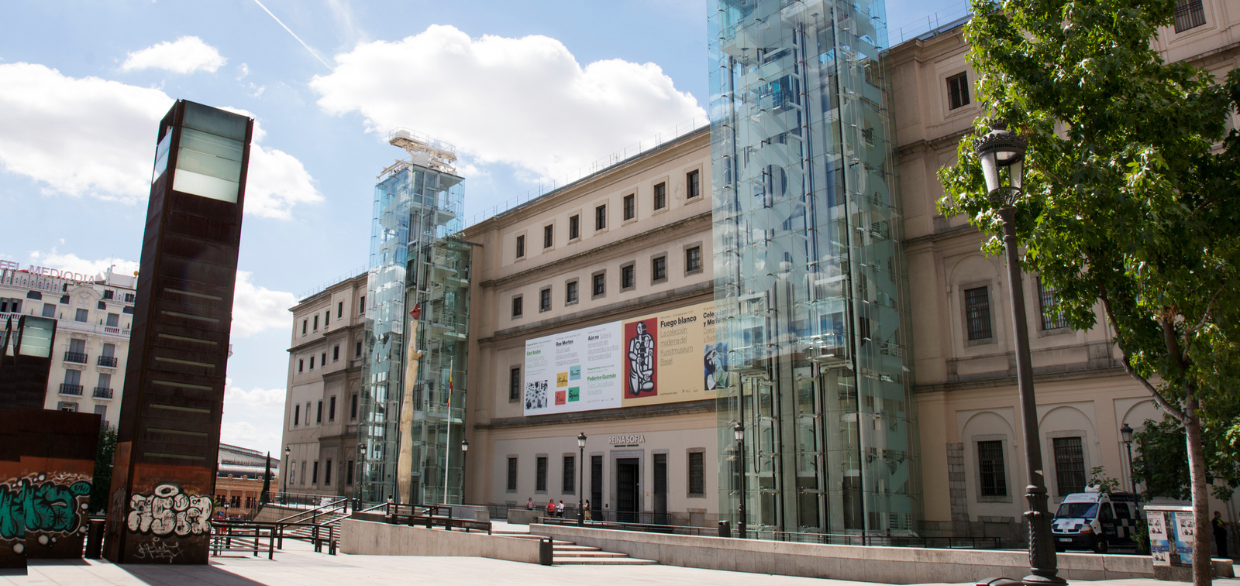
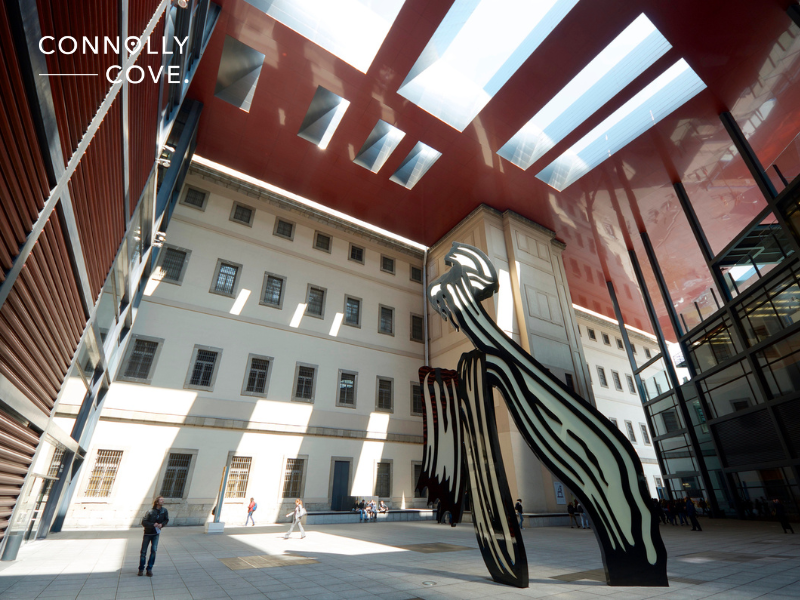
The museum’s physical transformation mirrored its artistic growth. Renowned architect Francisco Sabatini meticulously restored the historical hospital building, while contemporary architect Jean Nouvel added his modernist touch to the iconic glass towers. This interplay of old and new became a defining characteristic of the museum, symbolising its dedication to bridging the past and present.
A Legacy of Artistic Dialogue
Today, the Museo Reina Sofía is a testament to Spain’s artistic journey. Its permanent collection features masterpieces like Picasso’s Guernica, Dalí’s Persistence of Memory, and countless others, offering a window into the social and political upheavals of the 20th century. But the museum isn’t content to rest on its laurels. It continues to champion contemporary art, host thought-provoking exhibitions, and engage with the community through educational initiatives.
Delving into the Depths: Exploring the Museo Reina Sofía
Stepping into the Museo Reina Sofía is like entering a labyrinth of artistic expression, each gallery a new twist and turn in the captivating narrative of 20th-century Spanish art. Let’s embark on a virtual tour through its diverse offerings, unravelling the stories within its walls.
A Journey Through Time
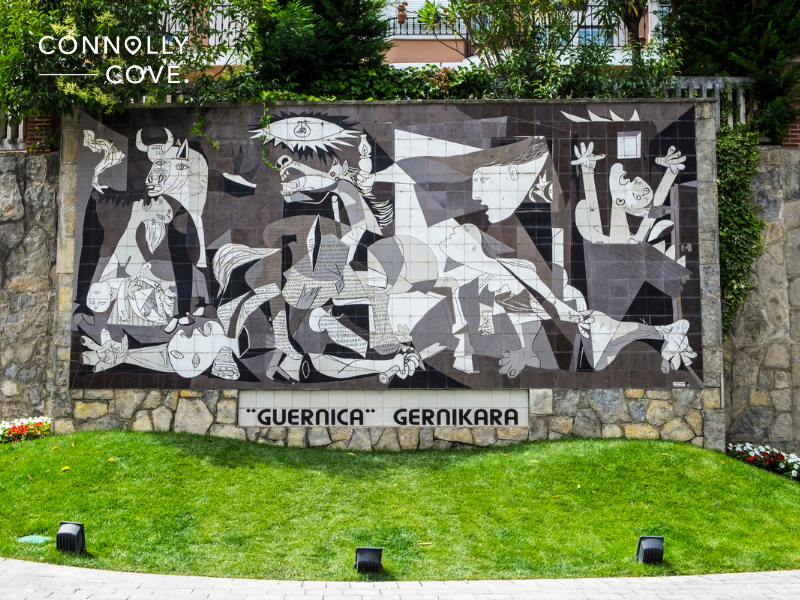
Your exploration begins in the Sabatini Building, housing the permanent collection. Start with Spanish modernism, where the vibrant brushstrokes of Sorolla and Zuloaga transport you to sun-drenched landscapes and bustling cityscapes. Then, enter the realm of Picasso and Dalí, where dreams blur with reality, and societal critiques unfold on canvas. Witness the haunting power of “Guernica” and decipher the melting clocks of “The Persistence of Memory.”
Beyond the Icons
While these iconic works are undoubtedly captivating, the museum’s beauty lies in its lesser-known gems. Explore the avant-garde movements like cubism and surrealism through lesser-known Spanish artists, each offering a unique perspective on the era. Delve into the social commentary of Equipo Crónica, a group exploring the realities of postwar Spain. Be surprised by the poignant sculptures of Julio González and be mesmerised by the abstract creations of Juana Francés.
Nouvel’s Modern Twist
Step into the Nouvel Building, a contemporary architectural marvel, and discover the museum’s focus on international art. Explore the works of European masters like Mondrian and Klee, then journey to Latin America with vibrant pieces by Frida Kahlo and Diego Rivera. Witness the global artistic dialogue that unfolded throughout the 20th century.
More Than Just Paintings
Remember, the Reina Sofía isn’t just about paintings. Descend into the basement and dive into the world of film, a crucial medium for Spanish artists like Buñuel and Saura. Explore the museum’s photography collection, capturing snapshots of Spanish life and social struggles. Don’t miss the temporary exhibitions, which constantly refresh the museum’s perspective and spark new conversations.
Engaging with Art
The museum transcends static displays, offering enriching experiences. Join a guided tour to gain deeper insights into specific artworks or movements. Participate in workshops, delve into film screenings, or simply relax in the café, contemplating the masterpieces you’ve encountered.
Beyond the Walls
Your artistic journey doesn’t end at the museum’s doors. Step outside and explore the surrounding Retiro Park, a haven of tranquillity mirroring the reflective nature of many artworks. Visit the nearby Palacio de Velázquez and Palacio de Cristal, showcasing smaller, thought-provoking exhibitions.
From iconic masterpieces to hidden gems, from historical narratives to contemporary dialogues, the Museo Reina Sofía offers an artistic odyssey unlike any other. So, pack your curiosity, let your imagination soar, and get ready to be swept away by the magic of 20th-century Spanish art.
Beyond Masterpieces: The Museo Reina Sofía’s Key Features
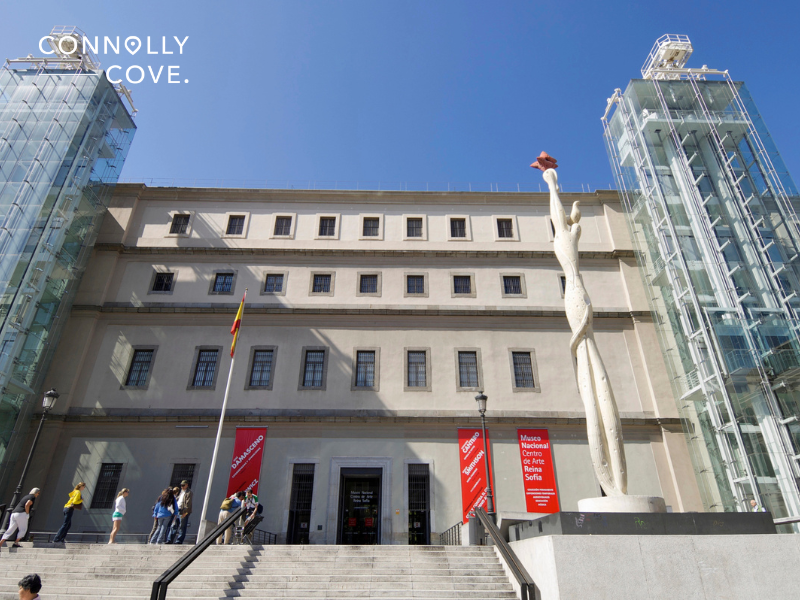
While the Museo Reina Sofía’s permanent collection, brimming with iconic works like Guernica, is undoubtedly a star attraction, the museum’s true brilliance lies in its multifaceted offerings. Let’s delve deeper and discover the features that set it apart:
Embracing Spanish Identity, Celebrating Global Dialogue
At its core, the museum celebrates Spanish art. From early 20th-century modernism to contemporary expressions, it offers a comprehensive understanding of the nation’s artistic evolution. Yet, it doesn’t limit itself to national borders. International galleries showcase European masters and Latin American giants, fostering a dialogue between diverse creative voices and creating a global perspective.
A Gateway to Knowledge and Engagement
The museum transcends passive observation. A dedicated library houses an extensive collection of art books, journals, and archival materials, offering researchers and art enthusiasts a treasure trove. Regular film screenings, workshops, and lectures delve deeper into specific artists, movements, and historical contexts, fostering active engagement and enriching understanding.
A Platform for Experimentation and Innovation
The Reina Sofía doesn’t shy away from the avant-garde. Temporary exhibitions push artistic boundaries, exploring emerging trends and challenging audiences’ preconceptions. Dedicated spaces like La Casa Encendida and Teatro Circo Price serve as vibrant platforms for contemporary performances, installations, and experimental expressions, keeping the museum at the forefront of artistic discourse.
Education at the Heart
The museum recognises the power of art to educate and inspire. Guided tours tailored to different ages and interests cater to casual visitors and art lovers. Educational programs engage children and young adults, nurturing their creative potential and fostering a lifelong appreciation for art.
A Community Hub and Cultural Connector
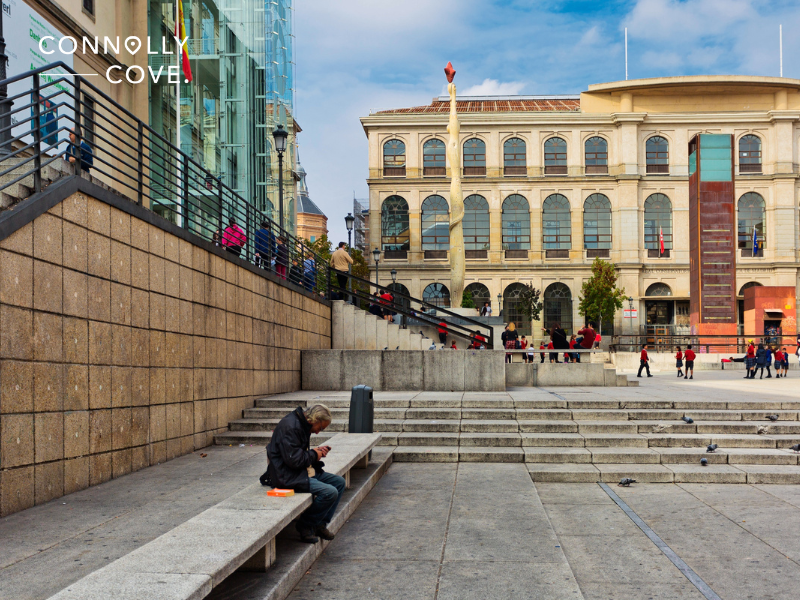
The Reina Sofía transcends its physical walls. Its outreach programs engage with diverse communities, bringing art to underserved areas and fostering dialogue between social groups. Partnerships with other institutions and international collaborations further solidify its role as a cultural hub, contributing to the city’s vibrant artistic landscape.
A Sanctuary for Reflection and Inspiration
In conclusion, the Museo Reina Sofía is more than just a museum; it’s a space for learning, reflection, and inspiration. Beyond the iconic masterpieces, it offers a journey through Spanish and global art history, fosters critical thinking, and celebrates artistic experimentation. Whether you’re an art history buff, a curious adventurer, or simply seeking a moment of quiet contemplation, Reina Sofía’s diverse offerings cater to every visitor, leaving an indelible mark on your artistic journey.
The Museo Reina Sofía’s Impact on Madrid and Beyond
The Museo Reina Sofía isn’t just a museum housed within majestic walls – it’s a vibrant force woven into the cultural fabric of Madrid and beyond. Let’s explore its reach and impact:
A Beacon in Madrid’s “Golden Triangle of Art”
Located within the prestigious “Golden Triangle of Art,” alongside the Prado and Thyssen-Bornemisza museums, the Reina Sofía plays a crucial role in attracting tourists and art enthusiasts to Madrid. Its unique focus on 20th-century art complements the offerings of its neighbours, creating a diverse and enriching artistic experience for visitors.
Revitalising a Neighborhood
The museum’s presence has revitalised the surrounding area, formerly an industrial district. Bustling cafes, art galleries, and trendy shops have sprung up, transforming it into a vibrant cultural hub. This positive impact extends beyond tourism, fostering residents’ sense of community and cultural pride.
Engaging with Communities
The Reina Sofía doesn’t confine itself to its four walls. Its outreach programs extend to diverse communities, bringing art education and engagement to underserved areas. Mobile exhibitions, workshops, and community partnerships make art accessible to a wider audience, fostering social inclusion and dialogue.
A Global Ambassador for Spanish Art
The museum actively participates in international collaborations, loaning artworks, organising travelling exhibitions, and participating in cultural exchange programs. This proactive approach positions Spain at the forefront of the global art scene, showcasing its rich artistic heritage and fostering international understanding.
A Platform for Social Discourse
The Reina Sofía actively engages with social issues through its exhibitions and programming. It tackles themes like political conflict, gender equality, and environmental concerns, sparking conversations and encouraging critical reflection on societal challenges. This commitment to social justice makes the museum an artistic haven and a platform for positive change.
A Legacy Beyond Bricks and Mortar
The Museo Reina Sofía’s influence extends beyond its immediate surroundings. Its commitment to preserving and showcasing 20th-century art ensures that this era’s voices, struggles, and triumphs are not forgotten. The museum inspires future generations by fostering artistic appreciation and critical thinking, contributing to a more just and equitable world.
So, remember, when you step into the Museo Reina Sofía, you’re not just entering a museum; you’re experiencing a vibrant cultural force that shapes Madrid, Spain, and the global art scene. With its innovative programs, dedication to engagement, and commitment to social impact, the Reina Sofía transcends its walls, leaving a lasting legacy on everyone it touches.
Planning Your Artistic Adventure: Visiting the Museo Reina Sofía
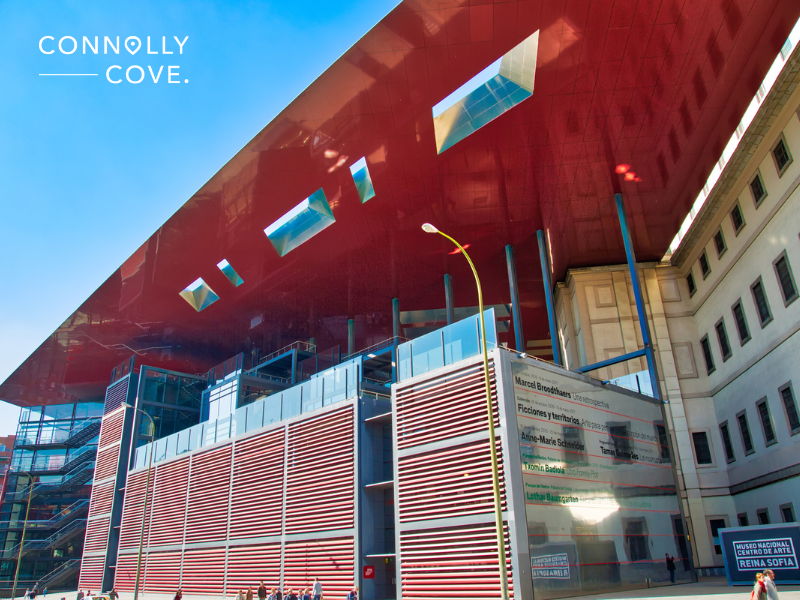
Ready to embark on your journey through the Museo Reina Sofía? Here’s everything you need to know before you go:
Opening Hours
- Sabatini and Nouvel Building: Monday, Wednesday, Thursday, Friday and Saturday from 10 am to 9 pm. Sunday from 10 am to 2:30 pm. Tuesday closed.
- Parque del Retiro Venues (Palacio de Velázquez and Palacio de Cristal): Monday to Sunday from 10am to 6pm. Note that Palacio de Cristal is currently closed for restoration.
Ticket Prices
- General Admission: €12
- Two visits: €18
- Free Admission for specific groups like students under 25, people over 65, and unemployed individuals (with proof). Check the museum website for the complete list.
Accessibility
The museum is fully accessible for visitors with disabilities, offering ramps, elevators, adapted bathrooms, and audio guides in sign language.
Family-Friendly Fun
The museum offers special activities and guided tours designed for families with children. They also have a dedicated space for families to relax and explore interactive exhibits. Look for special events and workshops geared towards young audiences.
Planning Your Visit
- Purchase tickets online in advance: This helps avoid queues, especially during peak season.
- Download the museum app: It provides information about the collection, exhibitions, and a museum map.
- Dress comfortably: The museum is large, so be prepared for walking.
- Allocate enough time: There’s a lot to see, so plan to spend at least a few hours exploring.
- Take a break: Relax at the café or picnic in the Retiro Park nearby.
- Enjoy the surrounding area: Visit the Atocha railway station or explore the vibrant Lavapiés neighbourhood.
Additional Tips:
- Consider joining a guided tour to understand the artworks and their historical context better.
- Ask museum staff for recommendations based on your interests.
- Don’t forget to pick up a souvenir from the museum shop!
With its diverse collection, engaging programs, and welcoming atmosphere, the Museo Reina Sofía is a must-visit for any art lover or curious explorer. So, plan your trip, pack your enthusiasm, and get ready to be swept away by the magic of 20th-century Spanish art!
More Things To See and Do Around Madrid
Obviously, Museo Reina Sofía is one of our top recommendations for attractions to visit while in Madrid. However, Madrid is a gorgeous city that is one of the most popular tourist destinations in the world for a reason: you will never run out of places to visit or activities to do!
Here are some other attractions in Madrid that we think you must visit!
The History Museum of Madrid
The History Museum of Madrid traces the city’s vibrant past, showcasing artefacts and artworks spanning centuries. From Roman relics to Renaissance treasures, it offers a captivating glimpse into Madrid’s rich cultural heritage.
Royal Palace of Madrid
The Royal Palace of Madrid, an 18th-century masterpiece, epitomizes Spanish royalty with its grandeur and opulence. As the royal family’s official residence, it dazzles visitors with its lavish architecture and rich historical collections, standing as an enduring symbol of Spain’s regal legacy.
Plaza de España
Plaza de España in Madrid is a bustling square with iconic landmarks like the Cervantes Monument and the Spain Building. Its vibrant atmosphere and rich cultural heritage make it a beloved gathering spot for tourists and locals.
Almudena Cathedral
Almudena Cathedral, an architectural masterpiece in Madrid, blends neo-Gothic and neoclassical styles to create a stunning sight. Completed in the late 20th century, its beauty and spiritual significance draw visitors worldwide.
In conclusion, Madrid is a city that has so much to offer to art lovers! Step into the Museo Reina Sofía and transcend mere walls. Immerse yourself in a century of Spanish art, from iconic masterpieces to hidden gems. Engage with thought-provoking exhibitions, interactive workshops, and a vibrant cultural hub. This artistic adventure awaits, waiting to spark your curiosity and leave a lasting impression. Don’t delay; your artistic journey begins now!
FAQs
What is the collection of the Museo Reina Sofía?
The collection of the Museo Reina Sofía includes over 20,000 works of art, including paintings, sculptures, drawings, prints, and photographs. The collection focuses on Spanish art from the late 19th century to the present and includes works from other countries.
Are there any special activities for children at the Museo Reina Sofía?
Yes, the Museo Reina Sofía offers a variety of special activities for children, including workshops, guided tours, and storytelling sessions.
How can I get to the Museo Reina Sofía?
The Museo Reina Sofía is located in the centre of Madrid, near the Atocha railway station. It can be reached by metro, bus, or taxi.
Is there a café or restaurant at the Museo Reina Sofía?
Yes, there is a café and a restaurant at the Museo Reina Sofía. The café is on the ground floor, and the restaurant is on the first floor.
Is there a gift shop at the Museo Reina Sofía?
Yes, there is a gift shop at the Museo Reina Sofía. The gift shop is located on the ground floor and sells a variety of souvenirs, including books, postcards, and posters.
Breton Language: Safeguarding the Rhythmic Pulse of Brittany’s Celtic Heart
Culture Exploration
29/04/2024
The Enchanting Helen’s Bay Beach – Northern Ireland
Northern Ireland
29/04/2024

Discover The Mythical Valkyrie Horses: Steeds of Legend
Mythology and Folklore
28/04/2024

Exploring the Concept of Anam Cara: A Celtic Perspective on Soul Friendship
Culture Exploration
29/04/2024

Kensington Palace – London Attractions
England
29/04/2024