Updated on:
by
 Cove Team
 Cove Team
We’re lucky to walk on a planet home to diverse cultures and rich history in every corner. We live in a big world that spans from the frigid landscapes of Antarctica to the tranquil cities of Europe and the warm forests of Asia. Earth is home to seven continents, each with its fair share of traditions, customs, beliefs, and languages.
While the two Americas are known to be part of the seven continents, the emergence of the term “Latin America” has perplexed many people. Latin America isn’t a continent on its own; instead, it describes countries in both Americas, especially those of Hispanic heritage. Does that mean that Brazil isn’t part of Latin America?
Well, that’s where the confusing part surfaces. Although people use terms like Latinos and Latinas to describe those who speak Spanish, other definitions encompass all Latin American countries that speak Romance languages, such as Latin-derived ones. So yes, Brazil, in most cases, is part of Latin America.
Now that you’ve got quite a brief about this confusing term, it’s time to dig deeper and divulge more exciting information. This article will share some enthralling facts about Latin America that go beyond this trivial debate. Here are some appalling facts that will compel you to visit this beautiful part of the world:
Table of Contents
1. The Land of Extreme Contrasts
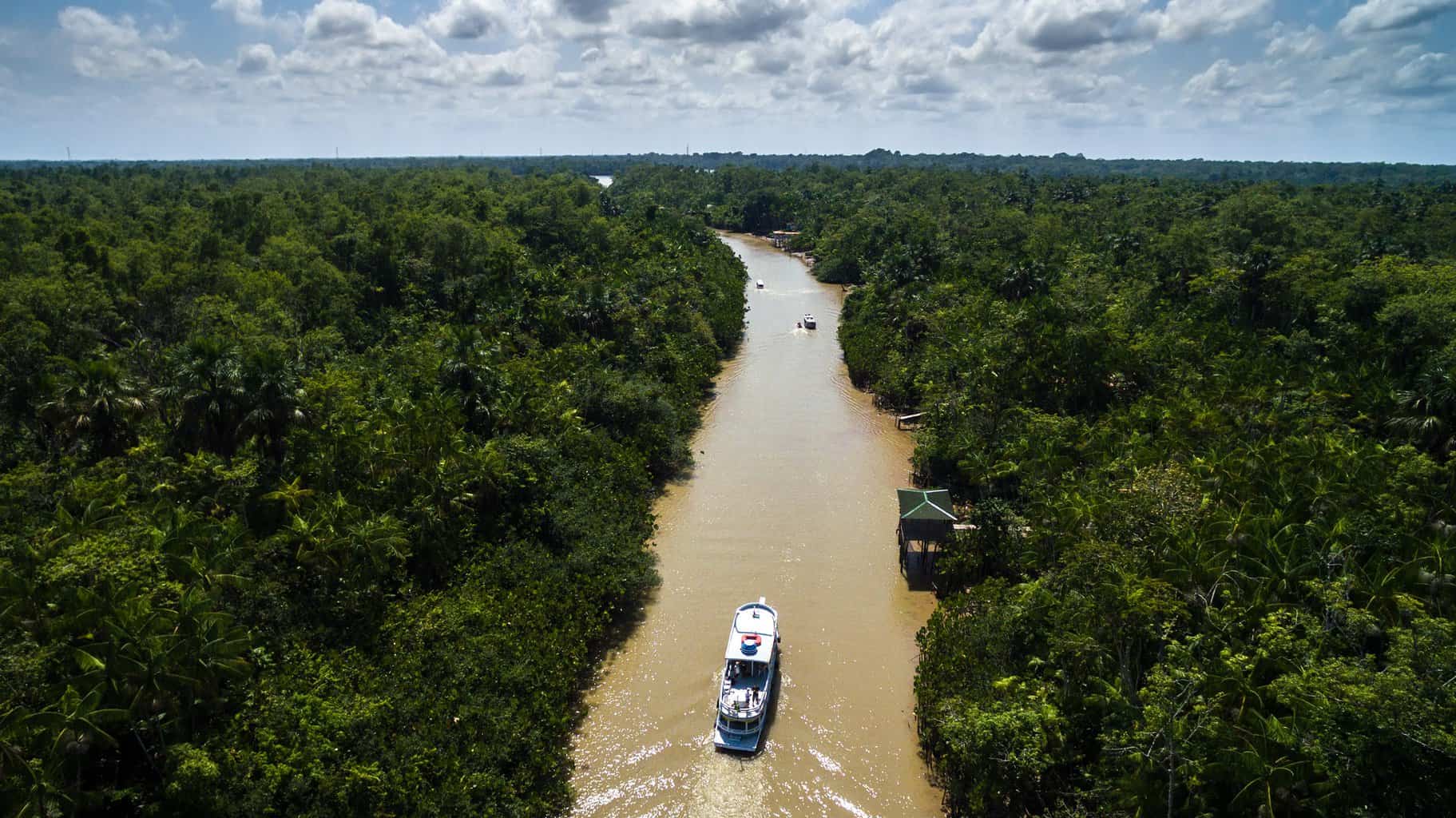
One of the fascinating facts about South America is that it embraces two extremes within its borders. It’s home to the second-largest river in the world, the Amazon River, which starts in Peru and courses all the way to Brazil, flowing through six countries. So, there is always a high chance of finding the Amazon River wherever you go.
On the other hand, Latin America is also home to the fascinating Atacama Desert, located in Chile and the driest place in the world. This dessert is one of the unmissable destinations in Chile. It has spellbinding landscapes and offers plenty of activities, including swimming in the lagoons and thermal pools and observing the intriguing volcanoes.
2. Guinea Pigs Aren’t Pets in Parts of Latin America
Guinea pigs are cute and fluffy, so most people worldwide keep them as pets. However, some countries in Latin America seem to have different opinions about the little furry buddies. Guinea pigs are a part of Hispanic cuisine, a delicacy in Peru, Colombia, and Bolivia.
This dish is commonly known as cuy, and it’s usually served with potatoes on the side and creamy peanut sauce drizzled all over. While acceptance is the core existence of diverse cultures, it may sound pretty objectionable in other countries. It’s said that this tradition goes way back to the Inca civilisation, where those pigs were quite affordable and more accessible to raise than other farm animals.
3. The Mighty Amazon River Courses Over Another River
It goes without saying that the Amazon River is one of Latin America’s best features. The fact that it flows through as many countries as it does is quite interesting, too. However, there’s another interesting fact about this river that not many people seem to be aware of. Just beneath the mighty Amazon River lies another river.
As bizarre as it may sound, this other river flows at a lower level of the Earth’s crust, becoming one of the world’s surreal phenomena. It was discovered by a group of Brazilian scientists and given the name “Rio Hamza” or River Hamza. Although the name hasn’t been officially recognized yet, this Amazon twin river is deemed the longest underground river in the world, for it runs parallel to the renowned Amazon.
4. Latin America Is Home to the Longest Mountain Range
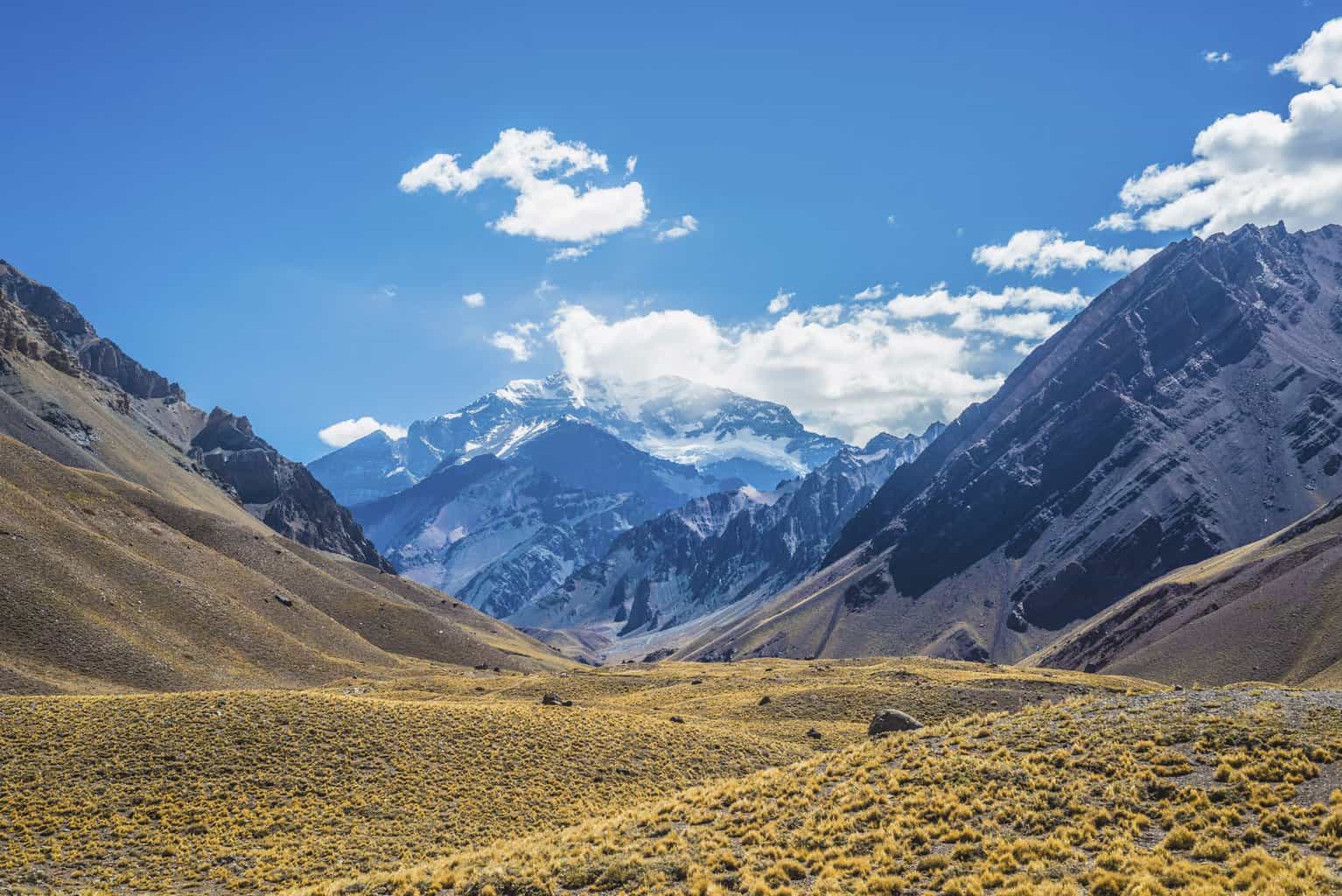
Again, the renowned Amazon River may be one of the best-known geographical features of Latin America, yet it’s not the only one. South America, in particular, is home to the Andes Mountain Range, famous for being the most extended range in the world. It’s most certainly not the highest, but it spans seven countries of Latin America.
This feature is similar to the Amazon, giving you the most significant chance to observe the mighty mountains anywhere. In addition, Andes Mountain is always an unmissable destination in all the countries it stretches along, ideal for hiking and trekking while observing outstanding natural beauty.
5. Medellin City Was A Drug Capital
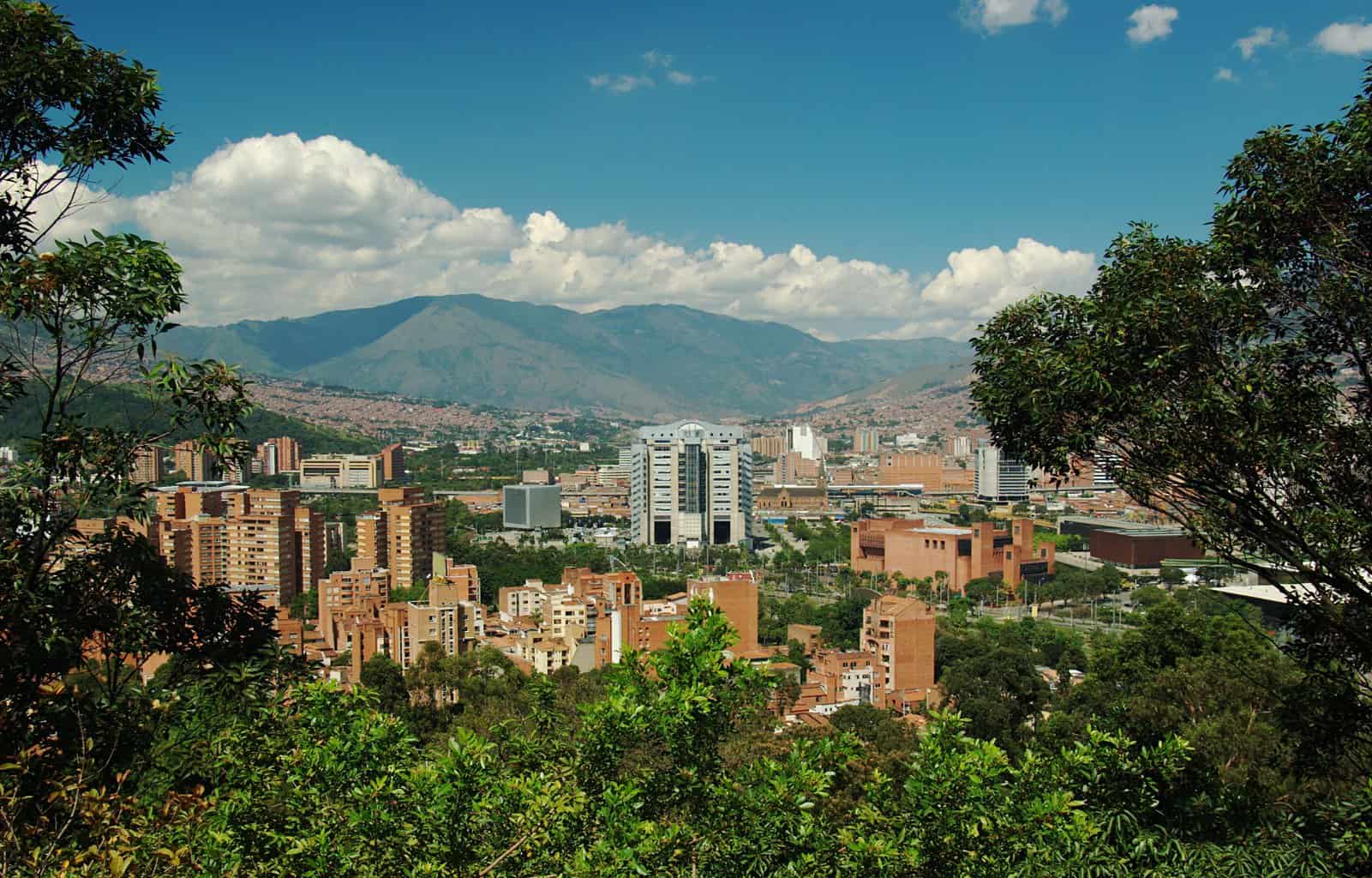
The Colombian city of Medellin had a unique way of being recognised by the world. In the early ‘80s, this city earned the title of the Murder Capital of the World for having the highest crime rates at the time. Later, it attempted to clear its name of murder, but only to become the world’s drug capital.
Medellin was home to the world’s most notorious cartel, known as the Medellin Cartel. They were the biggest narcotrafficking group under the leadership of the famous Colombian criminal mastermind, Pablo Escobar, the biggest drug lord. You may have heard a thing or two about him or even watched the Netflix series Narcos, but we think it’s safe to blame him for earning Latin America the unfair drug trafficking stereotype.
6. Spanish Isn’t the Only Spoken Language
Latinos and Latinas have become associated with those of Hispanic heritage who speak Spanish as their first language. While this is true, Latin America is home to more than just the Spanish language. Over 350 languages, or even more, are spoken across the continent.
Most of these languages are indigenous and belong to the early settlers and ancestors of the current people. Paraguay, for example, is home to two official languages: Spanish and Guarani. The latter is the native language of the country, and Paraguayans are keen to keep it alive to preserve their authentic roots.
7. The Amazon, the Earth’s Largest Rainforest, is in Latin America

It’s pretty known that the term “Amazon” is always associated with South America, for it holds the mighty Amazon River and the untamed Amazon Rainforest. This rainforest is known to be the largest on the planet, stretching over about nine South American countries. It’s also famous for its imposing beauty and unparalleled dramatic landscapes.
The pristine site is home to many ecosystems, embracing more than a few rare species of plants and animals. Interestingly, the Amazon River flows through the rainforest to complement its striking allure, including the Amazon pink dolphin, the world’s rarest species. Another interesting fact about the lush forest is its significance to the world, which is far more extensive than some may know, for it provides our planet with about 30% of the oxygen.
8. Chile Has the Second-Largest Swimming Pool in the World

Several seas and oceans bound South America, yet it has the shortest coastline, which is another weird fact. The reason behind its short coastline is the continent’s almost triangular shape. Although it suffers no shortage of coasts and beaches, Latin America is home to the world’s second-largest swimming pool, the Crystal Lagoon, in Chile.
The colossal pool makes it hard to believe that it’s an artificial lagoon and not the works of nature, extending for over a kilometre and containing over 200 million litres of filtered ocean water. This phenomenal pool went for the record, being accounted for in the Guinness Book of World Records. It’s located in San Alfonso del Mar, in Algarrobo, and it makes for an ideal spot for a family vacation and a decent addition to your itinerary.
9. It Rains Fish in Yoro, Honduras
Fish rain may sound like a typical metaphor, yet it is one of Latin America’s surreal facts. Rain of fish is a well-known phenomenon that takes place in Honduras, particularly in Yoro, four times a year around May or June. It’s even known as ‘lluvia de peces” or “aguacero de pescado”, which literally translates to “rain of fish” and “downpour of fish”, respectively.
This phenomenon has been taking place for centuries, so people have become entirely acquainted with it, yet they believe it to be a miracle or God’s work providing for the poor. However, the more secular theory states that powerful tidal changes and water tornadoes result in strong jets that carry aquatic life and sprout for a few miles in the air, where many end up landing on land.
10. The Evolution Theory Started in the Galápagos Islands

The world undoubtedly recognises and widely believes in Charles Darwin’s evolution theory. However, very few know what inspired him to formulate the groundbreaking theory. Legends have it that Latin America played a pivotal role in putting some ideas into Darwin’s mind, with the Galápagos Islands being the protagonist.
These beautiful islands of the Galápagos sit across the coast of Ecuador. Darwin visited the secluded islands in the early 19th century and couldn’t help but notice the vast array of animal and plant species that resided in that part of the ecosystem. After some observation throughout the days, the evolution theory by natural selection struck Darwin’s mind and became one of today’s eminent and most arguable theories.
11. Most of the World’s Emeralds Are Here

Ireland may be known as the Emerald Isle, yet the real deal is in Latin America. Colombia is known to possess most of the world’s emeralds, for it mines around 90%. It exports many magnificent gemstones to the global market, which are said to be much pricier than diamonds.
The insanely high price of Colombian emeralds is because they contain a considerable amount of chromium, a chemical element found in much smaller quantities in other emeralds worldwide. Chromium is responsible for giving the gemstones their purely bright green colour with higher saturation.
12. Your Morning Cup of Coffee Travels from South America
Do you know that this cup of coffee you enjoy each morning, with its intense taste and rich aroma, travelled thousands of miles, especially for you? Brazil and Colombia are the world’s largest coffee industry powerhouses, and it’s no secret. Both proudly sit within the borders of the breathtaking region of Latin America, which is one more reason to love this area.
If you ever plan a trip to either Colombia or Brazil, we compel you to visit their vast coffee plantations and take a tour around the aromatic fields. It’s always a great idea to taste the authenticity of our favourite food and beverages right at the source.
13. Italian Venice Inspired Latin Venezuela

Venezuela is a fascinating country in Latin America, attracting tourists yearly for its renowned Angel Falls. An interesting fact about these beautifully cascading falls is that they inspired the famous “Paradise Falls” in Pixar’s Up movie. They look in real life as mesmerising as they were in this sentimental animation. Another remarkable fact about Venezuela that you probably don’t know is that it means “little Venice.
Amerigo Vespucci, the Italian explorer that the Americas were named after, was the one to set foot in Venezuela in 1499 and gave it its name. During his naval expedition, he realised that Venezuela had stilt villages built over the water, pretty much resembling Venice. Thus, he called it “Venezuola”, which is Italian for “Little Venice”, and later was changed to the Spanish version “Venezuela.
14. Machu Picchu Isn’t to Be Missed

The Peruvian lands are among the most beautiful in Latin America. Not only is Peru the native home to llamas, but it also has rich layers of history and fascinating secrets to unravel. Machu Picchu remains one of the top destinations in Peru and one of the world’s greatest mysteries. The site is quite mesmerising, but its secrets remain the most intriguing.
Machu Picchu was home to one of the world’s oldest civilisations, the Inca Empire. It’s also believed to have been a religious site sacred to the Inca leaders. Moreover, it became one of the New Wonders of the Modern World and a recognisable UNESCO Heritage Site. The site now serves as a hot hiking spot, where visitors trek the Inca Trail to the top to be rewarded with fascinating scenes.
15. Bolivia Is Home to the Largest Salt Flats

Bolivia is where part of the famed Atacama Desert is. It also lies in the passage where the Amazon Rainforest spans, and the Andes Mountains extend. Given the abundant natural wonders and impressive historical landmarks, Bolivia has become a hot tourist destination in the past decade. Still, the salt flats remain one of the country’s best features.
Salt flats offer an exceptional experience, given the surreal views of the vastly expanded white landscapes. These natural formations occurred because salt leaked from waters in the surrounding mountains and remained after the lakes dried out. Though they’re formed throughout different parts of the world, the most extensive salt flats exist in Bolivia.
16. Brazil Shares Borders with Most of the South American Countries

Although most Brazilians speak Portuguese, it’s most commonly considered part of Latin America. Even if you don’t deem it part of it, it’s still the most influential country in South America and the largest one, too. Brazil is famous for a lot of things, being home to the largest coffee plantation, home to samba dancing, and exporting lots of goods to the world. It is also known as the country of football.
Another interesting fact about this peculiarly exquisite country is its strategic location. It literally shares borders with all the South American countries. Although Chile and Ecuador are the only exceptions, this fact still makes Brazil the friendliest country, neighbouring all its Latin American counterparts.
17. Mexican Cuisine Made it to the UNESCO

Latin America isn’t limited to South America, but it encompasses some vibrant countries in North and Central America, including Mexico and the Caribbean islands. Mexico firmly lies in North America, sharing borders with the United States, yet it has a leading status in the dynamic Latin world. It’s rich in culture, steeped in history, and embraces breathtaking landmarks and exotic beaches.
Mexico is known to be a gastronomical heaven, influencing Hispanic cuisine and its culinary wonders. Its delectable cuisine is laden with flavours and has made its way to the world, gracing it with its palatable tacos, burritos, and fajitas. The most exciting fact is that UNESCO has recognised Mexican cuisine as part of the Intangible Cultural Heritage of Humanity. No matter what kind of eater you are, there’s always a delicacy for you to find.
18. Observe the Surreal Phenomenon of Bioluminescent Bay
If you’re looking for an unearthly experience that will leave you hypnotised for years to come, you should fly to Latin America right now. In fact, it’s home to one of nature’s most phenomenal creations: bioluminescent bays. There are five bioluminescent bays worldwide, three in Puerto Rico and only one in Jamaica.
Bioluminescence is a mysterious creation of nature. Tiny microorganisms reside in the oceans, emitting a gorgeous blue light during a pitch-black night. Witnessing the glowing lights reflecting and twinkling in the water is surreal and will amaze you. It’s one of the rare wonders of the world that you wouldn’t want to miss.
It doesn’t matter whether you’re a wanderlust or still taking the first steps in exploring the world. After rummaging through this long list of fascinating and captivating facts, we’re sure you’ve had enough reasons to fall in love with the beautiful region of Latin America. It’s an enchanting part of the world that has something for everyone.