


Springhill House: A Pretty 17th Century Plantation House
Updated On: November 29, 2023 by  Ciaran Connolly
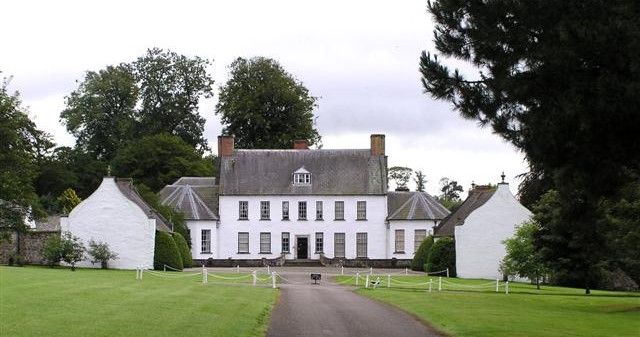
Ireland is filled with historical treasures from castles, houses, museums and even its landscape is special. Located in County Derry/Londonderry you’ll discover the beautiful 17th-century plantation house known as Springhill. The House is one of the National Trusts most reminiscent properties.
It has been in the hands of the National Trust since 1957. Springhill House carries with it a fascinating history. One of Irelands most-documented ghosts is said to reside here known simply as Olivia. The Spirit of Olivia has been said to capture the heart of every visitor to step inside the house.
The stunning house brings with it an enchanted charm through the portraits, furniture and decorations found inside. Revealing the many generations of the Lenox-Conynghams family that have lived at Springhill House from 1680.
History of Springhill House
House Features
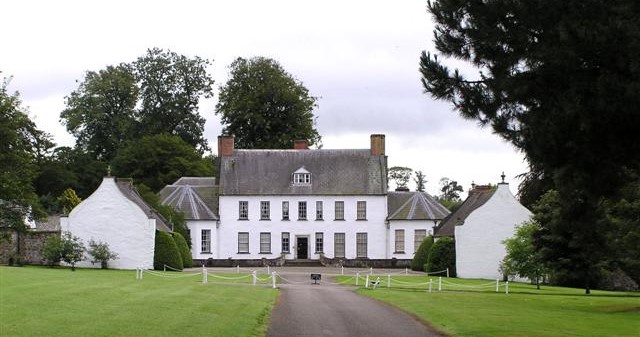
The house was built sometime in the late 16th century and was originally surrounded by a defensive bawn. In 1765 they added two single-storey wings to the house and the front entrance was improved to the current agreement of seven windows across its width.
In every way possible Springhill House is truly attractive with its beautiful white walls, grey slate roof, narrow windows that blends effortlessly into the surrounding landscape.
The Conyngham Family
The family had first arrived in Northern Ireland in 1611 after coming from Ayrshire in Scotland. The House was first built for William Conyngham, who was a member of the plantation family after they were granted land. Over time the house was passed down through generations, each adding their own bit of history and style to the home. When George Butle Conyngham passed the house on to his son Col William of the 7th Dragoon Guards, he added two wings, one on each side of the house. One was to be used as a nursery and the other as a ballroom.
When Col William passed away he was not married, so the estate passed on to his brother Davide Conyngham. He also died young without any children meaning the estate was passed on to his sister Ann. She was married to Clotworthy Lenox of Derry who was the grandson of the Mayor of Derry, James Lenox.
When George Lenox inherited the house he adopted the name Lenox-Conyngham. His family lived in Springhill House until 1957. It is believed that his second wife Olivia is the ghost that haunts the house to this present day.
Mina Lowry of Rockdale in Cookstown was the last member of the family to live in the home. She was married to William Arbuthnot Lenox- Conyngham who died in 1938. She chose to reside at Springhill even after her husband’s death before the National Trust took over in 1956.
When the National Trust took ownership of the Springhill House it underwent a huge restoration to reflect its original appearance.
Springhill House Today
The house today represents an important and historical collection of one family’s occupation for over three hundred years. You will discover the largest surviving 18th-century wallpaper scheme in the UK located at Springhill House. The Springhill library is pretty incredible that offers an important collection of 17th and 18th-century books.
In the old laundry house, there is an amazing costume collection featuring 18th to 20th-century pieces. These beautiful pieces contain over 2000 items of Irish costumes and stories representing a unique time in Ireland.
Today visitors can tour the house and admire the period furnishings and beautiful design. Springhill has stayed true to its heritage and history, not much has been changed allowing people to step back into the period of time of the Conyghman Family. Many of the family portraits are still on the walls today.
The Ghost of Springhill House
It has been well documented that within the walls of Springhill House is the famous Ghost of Olivia. Olivia was the wife of George Lenox-Conyngham who committed suicide after being severely depressed. Olivia was then left to raise her children alone at Springhill. It is believed she felt a lot of guilt over her husband’s death. Blaming herself for not being able to save him.
The Spirit of Olivia still roams the house today and its believed that she mainly appears in the presence of children. It was noted that Olivia was quite fond of children, often choosing to appear to the youngest in the house.
Appearances of her have mainly been seen during the day, walking through the house or simply standing along quietly on the stairs. Her spirit doesn’t seem to have any malice but comes from a place of peace. Although there has been one strange story relating to a wooden cot that Olivia used for her children.
The story goes that during the Second World War when US soldiers temporarily stayed at Springhill House they complained of strange noise. It was a knocking noise coming from the Nursery during the night. This was where the cot was located.
The soldiers asked for the cot to be removed and the knocking stopped. The cot was temporarily housed at the Armagh Museum. After the war had ended, the cot returned to the house and again the haunting knocking sound was heard.
Filming of Death and Nightingales
Springhill House played a central role in the new series Death and Nightingales, being used as one of the Northern Ireland filming locations. This period drama stars some famous Northern Ireland actors; Jamie Dornan, Matthew Rhys and Anne Skelly. It follows the life of Beth Winters over a 24hr period during the 18th century in County Fermanagh.
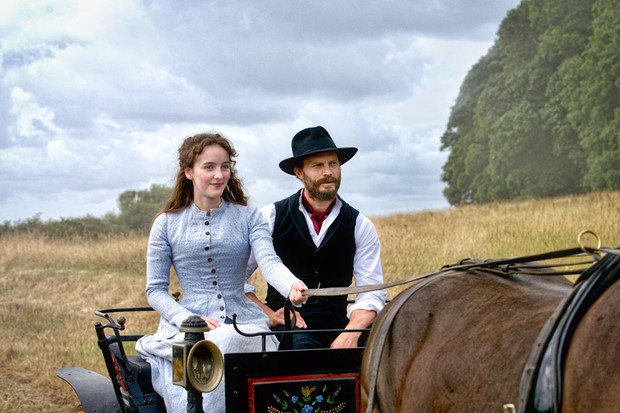
Although the series is set in County Fermanagh, many locations were used around Northern Ireland. Springhill House appearing in show allows for an authentic setting for this period drama. It was used as the home of the Winter family’s where much on the story unfolds.
During filming at Springhill the house was closed to the public for most of May and June in 2018. Staff and volunteers had to pack away over 1,000 objects at the house before shooting began. Twelve places within the house were used for filming including the live-in apartment where National Trust staff stayed. They had to move out temporarily to accommodate the production of Death and Nightingales.
The Production company The Imaginarium had said “Springhill is the perfect house for Death and Nightingales. The house is lovingly preserved by The National Trust who were very supportive as we recreated a late 19th-century gentleman’s residence”. (National Trust)
An Enchanting 17th Century House
Springhill House is one of those special locations in Northern Ireland that you must take the time to visit. You’ll be enchanted by the stories and history that surrounds the house. Along with its incredible designs and collections on display that allows you to step back into a marvellous period of time. Check out the National Trust website to learn more about this incredible 17th-century house.
Other worthy reads:
Mount Stewart House & Garden| County Mayo: The Perfect Blend of History, Culture & Fun| Castle Ward: A Place with a Remarkable History| The Fascinating History of Belfast| Famous Landmarks in Ireland|
Discover the Top 15 Best Places to Visit in Northern Ireland
Travel Guides
24/04/2024
How to Find the Best Scotland Travel Guide: An Ultimate Guide
Scotland
24/04/2024

The Ultimate Guide to the Best Shopping Areas in London
England
24/04/2024

The Absolute Guide to the Best Restaurants in Bath, England: Unveiling the Culinary Gems of Bath!
Food and Cuisine
24/04/2024

Planning a Trip to Scotland: Your All-Inclusive Guide to Exploring the Great Highlands
Travel Guides
23/04/2024