


Explore the Magnificence of Scenic Drives in Scotland and Impressive Routes
Updated On: April 26, 2024 by  Fatma Mohamed
Have you ever found yourself longing for the rush of a riveting drive, enveloped in landscapes? That can only be described as awe-inspiring. You are certainly not alone.
We have also spent countless hours yearning for such an experience, imagining what it would feel like to traverse Scotland’s most breathtaking routes. Having ventured along these captivating drives, we can tell you they deliver vistas and unforgettable experiences— a testament confirmed by their popularity among tourists and locals alike.
This article is your carefully curated guide to planning an extraordinary trip across Scotland’s mesmerising scenic roads. There are thrilling sights that merge seamlessly with rich history and natural splendour to leave indelible marks on your memory.
So please sit back, buckle up and prepare yourself as we journey together through the unspoiled beauty that is quintessentially Scottish!
Overview of Most Scenic Drive Routes in Scotland
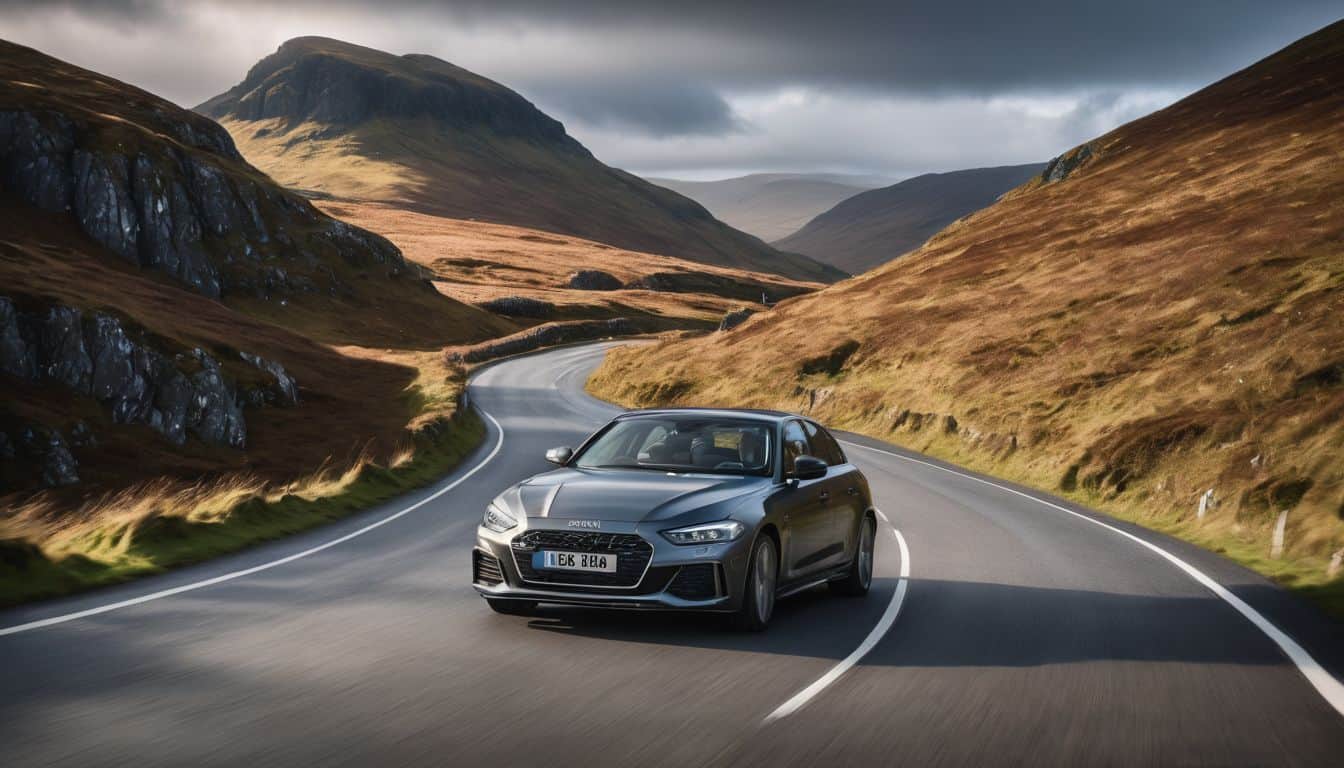
The enthralling journey through Scotland’s captivating landscapes is a forgettable experience. Where winding roads weave through majestic mountains and charming villages, Scotland has breathtaking scenic driving routes; we will dive into some of them here.
Moray Firth Route
The Moray Firth route is a well-deserved sight to see. It starts at Inverness, a city full of history and charm. The drive takes you out to the stunning Loch Fleet.
As you drive, look out for dolphins leaping out of the water in Moray Firth! You will remember this magical experience. This route gives you beauty, wildlife and history all packed into one journey. You will be glad you took it!
Deeside Tourist Route
The Deeside tourist route is a magnificent driving route in Scotland. It starts from Perth to Aberdeen with 108 miles (174 km).
It offers impressive views and opportunities for exploration. This scenic drive takes you through picturesque towns and villages. It allows you to explore the rich history and culture of the region.
As you drive along this route, you will be surrounded by majestic landscapes, including the beautiful River Dee and breathtaking mountains. History buffs will appreciate the historic castles and ruins that dot the landscape. At the same time, nature lovers can enjoy hiking trails and wildlife spots. The Deeside tourist route will captivate your senses with its beauty and charm.
Angus Coastal Route
The Snow Roads scenic route is a must-see for anyone who wants to experience the majesty of Scotland’s snowy landscapes. This road is a 90-mile journey between Blairgowrie and Grantown-on-Spey. It takes you through the heart of the Cairngorms National Park. It presents incredible views of snow-capped mountains and pristine winter scenery.
Along the way, you will pass by charming villages like Braemar and Tomintoul, where you can stop and explore historic castles. Enjoy local cuisine, or learn about Scottish folklore. Nature lovers will be in awe of the wildlife that calls this region home, including red deer and golden eagles.
Whether you are seeking solitude or looking to immerse yourself in stunning surroundings, the Snow Roads scenic route is an unforgettable adventure waiting to be explored.
The Snow Roads Scenic Route
The Snow Roads scenic route is a must-see for anyone who wants to experience the majesty of Scotland’s snowy landscapes. This 90-mile journey between Blairgowrie and Grantown-on-Spey takes you through the heart of the Cairngorms National Park. It presents incredible views of snow-capped mountains and pristine winter scenery.
Along the way, you will pass by charming villages like Braemar and Tomintoul, where you can stop and explore historic castles. Enjoy local cuisine, or learn about Scottish folklore. Nature lovers will be in awe of the wildlife that calls this region home, including red deer and golden eagles.
Whether you are seeking solitude or looking to immerse yourself in stunning surroundings, the Snow Roads scenic route is an unforgettable adventure waiting to be explored.
Argyll Coastal Route
The Argyll coastal route in Scotland is an amazing road stretching more than 200 km.
This scenic drive takes you along the picturesque coastline of the Argyll region. The road offers enthralling sights of rugged cliffs, pristine beaches, and lovely fishing villages.
You can visit historic castles and learn about Scotland’s rich heritage while exploring this route. The Argyll coastal route promises a gorgeous journey through Scotland’s most majestic landscapes. There will be plenty of remarkable moments to capture along the way. So, remember your camera!
Borders Historic Route
The Borders historic route is the only tourist road that starts outside Scotland. It picks up near Carlisle before passing into the lush countryside of the Scottish Borders. The route crosses picturesque towns, such as Melrose and Jedburgh.
While driving along this scenic route, you will be immersed in centuries of Scottish history and culture. Tourists who love history will hope to explore these well-preserved landmarks and learn about the region’s rich heritage.
Nature lovers will also appreciate the beautiful countryside surrounding the route, with rolling hills and lush green landscapes. Everyone can enjoy the charm and beauty of the Borders historic route.
Galloway Tourist Route
We took the Galloway tourist route during our trip to Scotland, which was stunning. The drive took us through the beautiful region of Dumfries and Galloway, where we encountered breathtaking landscapes and charming coastal towns. This lovely road is located between Gretna and Ayr. Tourists can dive into several attractions along the route, including Threave Castle and The Devil’s Porridge Museum.
This scenic route is perfect for nature lovers as it passes through Galloway Forest Park. It is known for its dark skies and incredible stargazing opportunities.
The South West Coastal 300
The South West Coastal 300 is located in a quiet corner and takes you on a journey along the southwest coast of Scotland.
You will pass through charming coastal towns such as Stranraer and Kirkcudbright along the way. Tourists can try delicious Scottish cuisine during their route journey.
You can see the beauty of rugged cliffs, sandy beaches, and picturesque countryside. With its majestic landscapes and captivating road journeys, the South West Coastal 300 is worth exploring during your trip to Scotland.
Fife Coastal Route
The Fife coastal route in Scotland is the way between Kincardine and Newport on Tay, with 77 miles (124 km). This scenic drive takes you along the stunning coastline of Fife.
You can witness breathtaking sights of the North Sea and explore charming fishing villages in the East Neuk and historic St Andrews.
You can visit historic castles like St Andrews Castle and Falkland Palace. Travellers can enjoy a round of golf at one of the world-famous courses in St Andrews.
Highland Tourist Route
The Highland tourist route is one of Scotland’s most breathtaking scenic drives. It is from Aberdeen to Inverness and 116 miles (187 km).
The road is a real treat for lovers of Scottish history. It takes in no less than four castles, several museums and iconic sites like Urquhart Castle and Culloden Battlefield.
Travellers who love nature and dynamic ones will also be delighted as the route travels through the worthy Cairngorms National Park. You can see rare species in this place or enjoy an exhilarating sport.
There are excellent accommodations and delicious local cuisine to indulge in.
Clyde Valley Tourist Route
The Clyde Valley tourist route in Scotland is a scenic drive. This route is perfect for nature lovers and history buffs, offering stunning views of rolling hills, charming villages, and historic spots.
You can visit attractions through the road, including the Falls of Clyde and the New Lanark World Heritage Site. While driving across the route, you can enjoy and relax by the greenery of Scotland’s landscapes and breathtaking views of the River Clyde.
North and West Highland Route
The North and West Highlands driving route connects Ullapool with John O’Groats. The route offers impressive sights of the North West Highlands Geopark.
On the route, you will be amazed by some of Scotland’s most spectacular wild landscapes. The beautiful view is completed with panoramic sea views, tranquil lochs and towering mountains.
It passes by iconic attractions such as Eilean Donan Castle and the Isle of Skye. Whether you’re exploring the enchanting Glencoe or admiring the wild beauty of Loch Ness, this driving route guarantees a fantastic adventure filled with natural wonders and historical landmarks.
Forth Valley Tourist Route
The Forth Valley tourist route offers a fascinating journey through Scotland’s landmarks. You will pass through charming towns, including Stirling and Falkirk, as visitors can explore impressive castles and ancient battle sites.
Tourists who love history will enjoy visiting Stirling Castle. It played a significant role in Scottish history.
The route also presents fabulous views of the Forth River as it flows towards the coast. Visit the iconic Kelpies sculptures and experience the engineering marvel of the Falkirk Wheel. The Forth Valley tourist route has something for everyone to discover and admire during your Scottish adventure.
Perthshire Tourist Route
We recently discovered the enchanting Perthshire tourist route in Scotland. It is an absolute gem for nature. This stunning driving route takes you through some of the most picturesque landscapes in the country. Driving through Perthshire, you will be surrounded by generous mountains, tranquil lochs, and lush green forests. It’s truly a feast for the eyes!
One highlight along this route is Loch Tay, a beautiful freshwater loch stretching over 15 miles. The scenic drive around this loch provides gorgeous views at every turn.
Another must-see stop on the Perthshire tourist route is Pitlochry. It is a charming town known for its Victorian architecture and stunning scenery. Blair Castle, one of Scotland’s finest castles, is located near Pitlochry and is worth a visit for history lovers.
North Coast 500
The North Coast 500 is a famous road trip in Scotland that passes along the country’s stunning coastline. The route covers 500 miles of picturesque villages and spectacular scenery.
Driving through the road lets you explore towns like Inverness and Stirling and visit historic spots. This unforgettable driving route provides an incredible opportunity to witness Scotland’s favourable landscapes and create lasting memories.
Tips for Planning Your Scenic Driving Route in Scotland
When planning your scenic driving route in Scotland, there are some elements to consider. It’s essential to note the best time to visit, driving times, whether you need to rent a car, recommended stops and places to see along the way, where to stay overnight and ensure you have a route map.
Best Time To Visit
The best time to visit Scotland for scenic driving routes is spring and summer (April to September) when the weather is milder and the days are longer. It allows you to enjoy the breathtaking landscapes fully.
Remember to check for any road closures or disruptions before planning your trip.
Driving Times
Driving times in Scotland can vary depending on the route and traffic conditions. It is essential to plan your journey ahead of time and consider factors such as distance, speed limits, and rest stops.
The North Coast 500, for example, covers 500 miles of stunning coastline and can take around 5-7 days to complete at a leisurely pace. Other scenic routes may take a few hours to a couple of days to fully explore. Remember to factor in breaks for meals and sightseeing along the way. The journey should be enjoyable, not just to reach the destination.
Need To Rent a Car
Renting a car is highly recommended to experience scenic drives in Scotland. It allows you to explore and take in the breathtaking landscapes at your own pace. Having your wheels lets you venture off the beaten path and discover hidden gems.
The road network in Scotland is well-maintained and easily accessible, making it convenient for travellers from all over. So go ahead and rent a car— it’s the best way to embark on an unforgettable journey through Scotland’s stunning driving routes.
Recommended Stops and Places To See
During your scenic drives in Scotland, there are several recommended stops and places to see that will enhance your overall experience. For solo travellers and nature lovers, the Moray Firth route offers opportunities for wildlife spotting, with a chance to see dolphins and seals along the coast.
History buffs can visit the stunning castles on the Deeside tourist route, such as Balmoral Castle and Crathes Castle. Gastronomies will enjoy exploring the Angus Coastal Route. It is known for its fresh seafood and charming coastal towns like Arbroath. Luxury travellers can indulge in the beauty of Glencoe while driving along the A82 road.
Where To Stay
During your scenic drives in Scotland, there are several recommended stops and places to see that will enhance your overall experience. For solo travellers and nature lovers, the Moray Firth route offers opportunities for wildlife spotting, with a chance to see dolphins and seals along the coast.
History buffs can visit the stunning castles on the Deeside tourist route, such as Balmoral Castle and Crathes Castle. Gastronomies will enjoy exploring the Angus Coastal Route. It is known for its fresh seafood and charming coastal towns like Arbroath.
Luxury travellers can indulge in the beauty of Glencoe while driving along the A82 road.
Map of the Route
Having a route map is helpful while planning your scenic drives in Scotland. A map will guide you through the beautiful landscapes and ensure you get all must-see stops.
Whether exploring any of the routes in Scotland, having a map will help you navigate and appreciate all the breathtaking scenery Scotland offers.
With a map, travellers can confidently embark on their journey, knowing exactly where they are headed.
Luxury travellers can create personalised itineraries by mapping out the most picturesque drives. Gastronomies can even pinpoint local restaurants and cafes recommended along each route.
Conclusion
Scotland’s scenic drives are a must-see for travellers seeking breathtaking beauty. From the North Coast 500 to the stunning National Tourist Routes, there is something for everyone to enjoy. Arrange your trip and get ready to explore the magnificence of Scotland’s most picturesque routes!
FAQs
What is the most scenic route in Scotland?
Crowning the most scenic route in Scotland is the North Coast 500, a 516-mile odyssey along the country’s ruggedly beautiful northern coast.
What is the most famous road in Scotland?
While there are many iconic routes, the most famous road in Scotland is arguably the A82. It is known as the Bealach na Bà (Pass of the Cattle). It winds through stunning mountains and offers breathtaking views, making it a must-see for any driver.
Explore the Amazing Norman Dundrum Castle in Northern Ireland
Northern Ireland
28/04/2024

The Impact of Scottish Warriors on History: Exploring Scotland’s Heroes and Villains
Culture Exploration
28/04/2024
Exploring the Myth of the Celtic Symbol for New Beginnings
Culture Exploration
28/04/2024

Kenya Tourism Statistics: An Increase in International Tourist Arrivals
Travel Statistics
28/04/2024

Albert Memorial – London Attractions
England
28/04/2024