


Conquering the Weather in the UK: Best Places and Times to Visit
Updated On: January 25, 2024 by  Maha Yassin
Imagine this: sun-kissed cliffs overlooking a turquoise ocean, the air buzzing with the laughter of families picnicking in emerald meadows. Or perhaps, cosy pubs crackling with log fires, their windows aglow against a backdrop of snow-dusted mountains. The United Kingdom, a land woven from contrasting threads of rolling hills, charming villages, and vibrant cities, offers a kaleidoscope of experiences like no other. But one factor can dramatically shift the scenery: the UK’s famously fickle weather.
Fear not, intrepid traveller! While the weather in the UK can be as changeable as a London afternoon, this guide will be your compass, navigating you through its diverse patterns and pinpointing the best times and places to visit. Forget battling crowds for a sliver of the beach during peak season or shivering through a rainy Edinburgh festival. With some forethought, you can unlock the UK’s magic in all seasons, basking in sunshine and serenity in equal measure.
So, if you want to plan the perfect trip to the UK, head to our guide! We’ll tell you about all the ins and outs of the weather in the UK, how to prepare for it, and the best places to enjoy it!
Weather in the UK: A Guide to Seasonal Enchantment
The United Kingdom, a land of rolling hills, captivating castles, and bustling cities, paints itself in ever-shifting hues thanks to its famously fickle weather. But fear not, for each season unveils a unique charm waiting to be embraced by the adventurous traveller. This guide will be your compass, navigating you through the diverse weather in the UK patterns and highlighting the best activities to match each season’s character.
Spring in the UK (March to May)
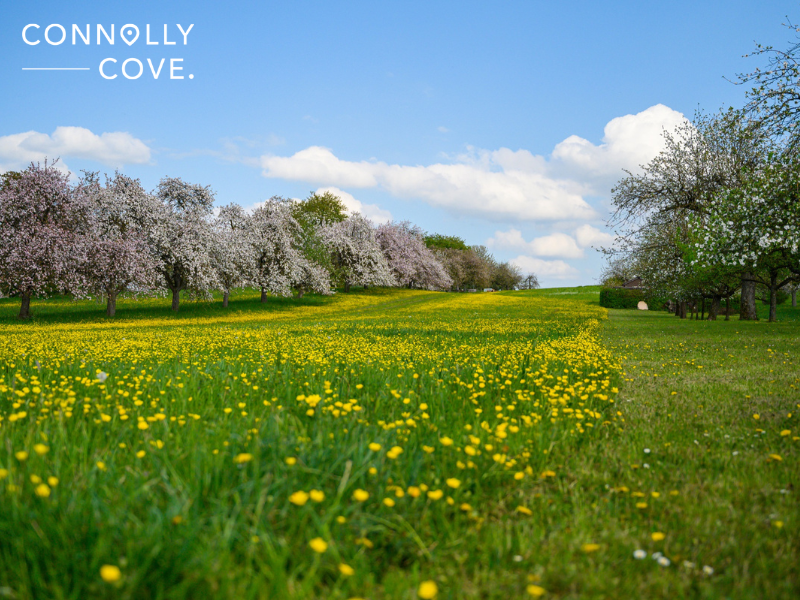
Spring in the UK, lasting three months, arrives with a gentle hand, coaxing life back into the land. Temperatures hover around 10°C (50°F), with frequent showers that nourish the countryside. This is the season to witness nature’s grand awakening: daffodils carpeting the Cotswolds, cherry blossoms bursting in London parks, and lambs frolicking in the Lake District. Embrace the spring weather in the UK by:
- Exploring the blooming countryside: Hike through fragrant wildflower meadows, cycle through verdant landscapes, or picnic amidst buzzing gardens.
- Celebrating cultural events: Attend the RHS Chelsea Flower Show, a floral extravaganza, or immerse yourself in the vibrant atmosphere of St. Patrick’s Day parades.
- Exploring charming villages: Wander through quaint Cotswolds towns, discover hidden coves in Cornwall, or lose yourself in the historic streets of York.
Summer in the UK (June to August)
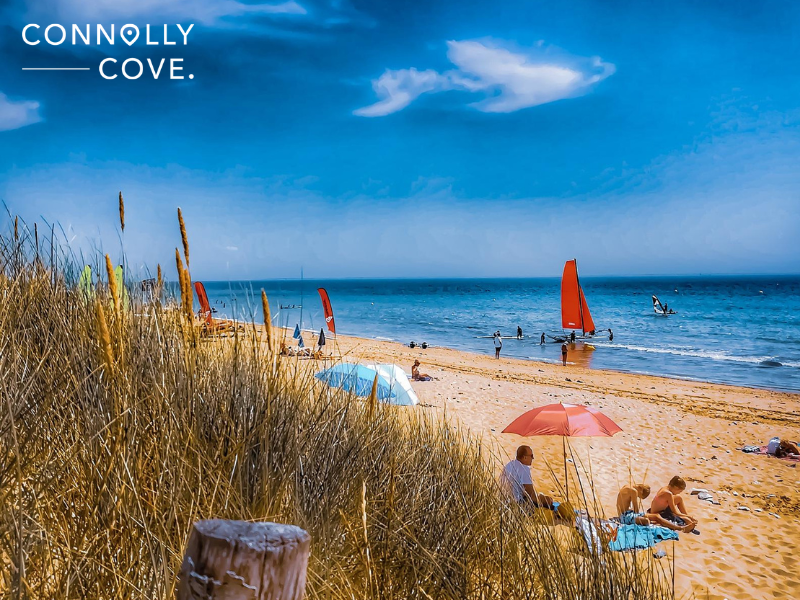
Summer paints the weather in the UK in vibrant strokes, stretching long, balmy days before you like warm invitations. Temperatures climb to 18°C (64°F), punctuated by occasional thunderstorms. This is the season to bask in the UK’s golden glow:
- Hitting the beaches: Dive into the turquoise waters of Brighton, build sandcastles on the Isle of Wight, or surf the waves of Cornwall’s rugged coast.
- Exploring buzzing cities: Picnic in Hyde Park, take a boat trip on the Thames, or delve into the street art scene of Bristol.
- Unwinding in the countryside: Hike through the Lake District’s verdant valleys, cycle through the rolling hills of Yorkshire Dales, or attend a lively summer in the UK festival.
Autumn in the UK (September to November)
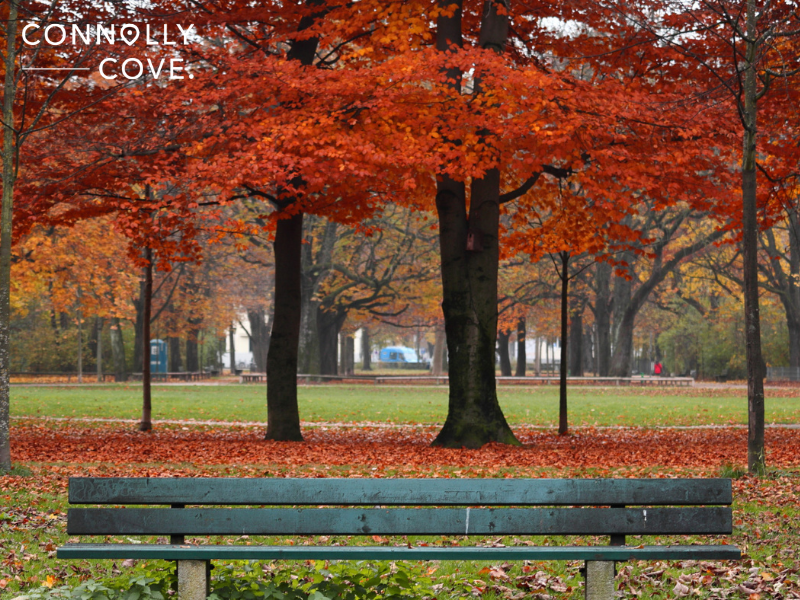
Autumn arrives like a slow waltz, transforming the landscape into a fiery masterpiece. Temperatures dip to 12°C (54°F), with crisp air and occasional rain showers. This is the season to embrace the cosy comfort of the weather in the UK:
- Soaking up the fall foliage: Hike through Snowdonia National Park’s dramatic mountains, admire the golden hues of Sherwood Forest or drive along the Scottish Highlands’ scenic roads.
- Indulging in local culture: Savor cosy pub lunches with roaring fires, explore haunted castles adorned with pumpkins, or attend one of the many harvest festivals.
- Discovering historical gems: Visit stately homes bathed in autumn light, wander through ancient cities adorned with fallen leaves, or lose yourself in the brooding beauty of gothic ruins.
Winter in the UK (December to February)
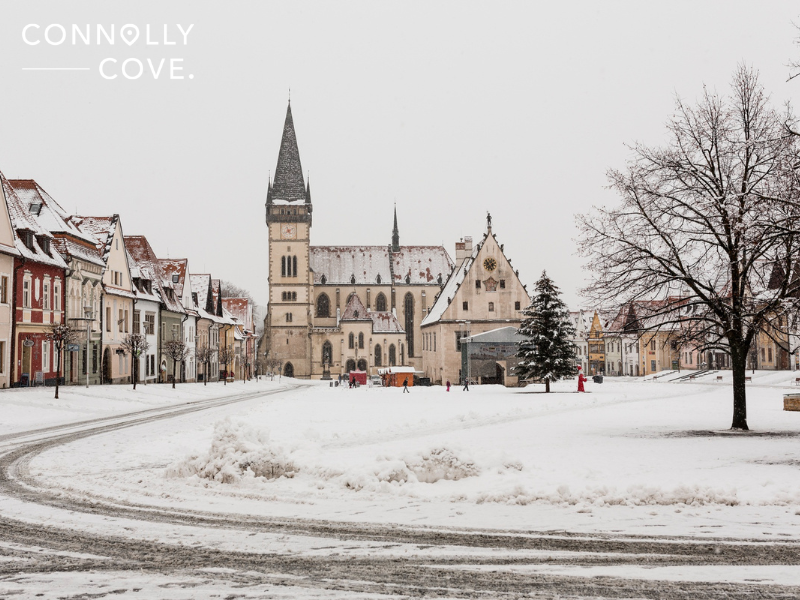
Winter paints the weather in the UK in a soft, crystalline light, with temperatures hovering around 5°C (41°F). Crisp air invigorates, while snow occasionally dusts the landscapes. This is the season to embrace the festive spirit and cosy delights:
- Celebrating Christmas magic: Wander through bustling Christmas markets, sip mulled wine in charming villages, or marvel at the spectacular illuminations in London.
- Enjoy winter sports: Hit the Scottish Highlands slopes, ice skating on frozen lakes, or build snowmen in the Lake District.
- Exploring historical cities: Witness the majesty of Edinburgh Castle lit up for Christmas, delve into the museums and galleries of London, or discover the charming Christmas traditions of York.
Remember, the weather in the UK is as diverse as its landscape. Embrace the unpredictability, pack for all weather, and let this guide be your compass as you unlock the magic of each season. From spring’s gentle rebirth to winter’s festive spark, the UK offers a tapestry of experiences waiting to be woven into your memories.
The Tapestry of Weather in the UK: A Country-by-Country Guide
The United Kingdom, a captivating mosaic of nations, unfolds each season like a unique chapter in a story. While the weather in the UK holds a central role, its nuances dance across England, Scotland, Wales, and Northern Ireland, painting each land with its distinctive charm. So, pack your bags, adventurer, and let’s embark on a seasonal journey through the UK’s regional variations:
Spring
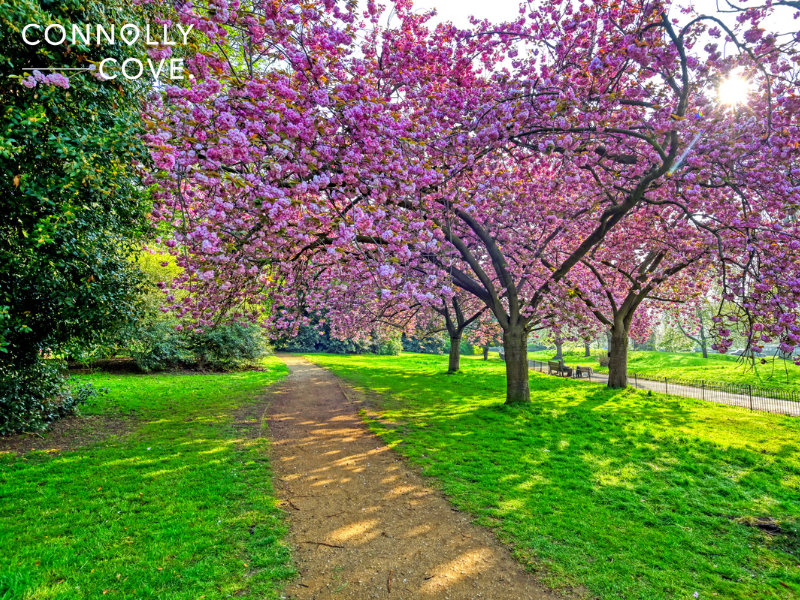
England: Southern England, blessed with the warmest spring mornings, welcomes you with blooming daffodils in the Cotswolds, vibrant gardens in Bath, and bustling Bath Festivals. Hyde Park awakes with blossoming trees in London, while Brighton’s seaside beckons with sunshine and cheerful crowds.
Scotland: Spring arrives a tad later up north, but the reward is a dramatic awakening. Hike through Glencoe’s mountains adorned with purple heather, or witness the breathtaking spectacle of Edinburgh’s blooming cherry blossoms in Princes Street Gardens.
Wales: Snowdonia National Park explodes with emerald new foliage, perfect for exhilarating hikes. Alternatively, explore Cardiff’s bustling waterfront, where spring sunshine paints the bay in golden hues.
Northern Ireland: The Giant’s Causeway basks in spring’s gentle light, while Belfast’s Titanic Quarter offers a vibrant escape with its blossoming gardens and lively pubs.
Summer
England: Sunshine bathes the south coast, making Brighton a haven for beach lovers and Brighton Pride revellers. The Isle of Wight beckons with charming villages and lavender fields, while London explodes with open-air theatre and bustling street life.
Scotland: The sun illuminates the dramatic landscapes of the Isle of Skye, perfect for exploring hidden coves and turquoise waters. Edinburgh transforms into a festival hub with the Fringe and Royal Military Tattoo, while Loch Ness invites adventurous souls for monster-hunting cruises.
Wales: Snowdonia’s peaks offer exhilarating hikes under clear skies, while Pembrokeshire Coast National Park’s beaches become playgrounds for surfers and kayakers. Cardiff’s parks buzz with summer picnics, while Tenby’s seaside charm welcomes sunbathers and seafood enthusiasts.
Northern Ireland: The Antrim Coast Road unfolds its breathtaking coastal scenery while Belfast’s pubs erupt with summer music and craic (good times). Hike Mourne Mountains’ granite peaks or explore Derry’s historic walls, bathed in golden sunshine.
Autumn

England: The Cotswolds ignite with fiery fall foliage, ideal for scenic drives and cosy pub stops. Bath’s Roman Baths glow with a warm autumnal hue, while London’s parks offer a canvas of red and gold leaves.
Scotland: The Highlands wear their most regal attire, with mountains cloaked in crimson and gold. Hike through Glencoe’s dramatic landscapes or cruise Loch Lomond amidst the breathtaking spectacle of falling leaves. Edinburgh’s Halloween celebrations add a spooky charm to the city.
Wales: Snowdonia National Park offers stunning autumnal hikes, while Cardiff’s parks become a mosaic of fallen leaves. Discover medieval castles bathed in golden light or sip cider in a cosy Welsh pub, relishing the autumnal bounty.
Northern Ireland: The Mourne Mountains offer breathtaking hikes through fiery landscapes, while Belfast’s City Hall becomes a backdrop for spectacular Halloween celebrations. Explore charming villages adorned with pumpkins or embark on a scenic drive along the Causeway Coast, where autumn paints the cliffs in dramatic hues.
Winter
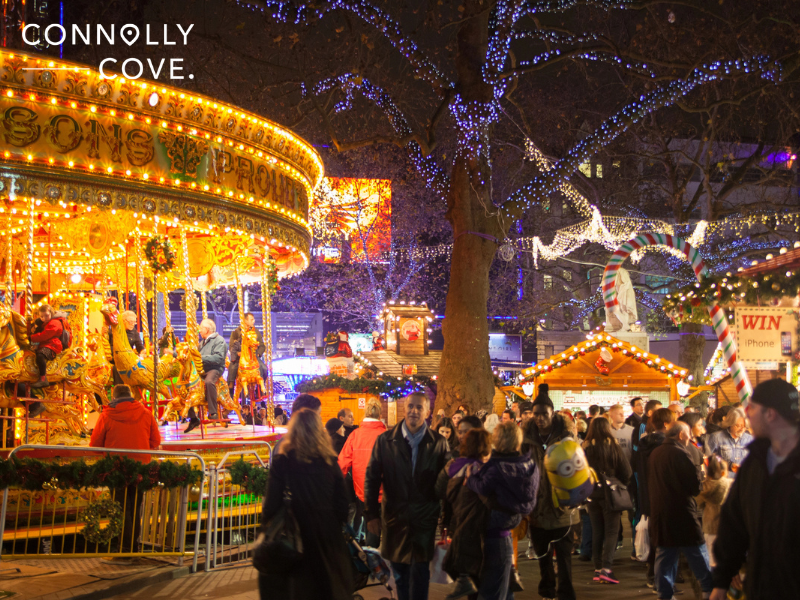
England: London’s Christmas lights create a magical wonderland, while Hyde Park’s Winter Wonderland offers festive fun. Bath’s Roman Baths provide a cosy escape from the crisp air, while Brighton’s seafront twinkles with festive lights.
Scotland: The Scottish Highlands transform into a winter wonderland, perfect for skiing in Glencoe or exploring frozen lochs. Edinburgh’s Hogmanay celebrations bring the city alive, while cosy pubs offer respite from the winter chill.
Wales: Snowdonia National Park becomes a haven for winter sports enthusiasts, while Cardiff’s Christmas markets offer festive cheer. Explore charming villages adorned with twinkling lights or visit historic castles enveloped in a fairytale-like winter mist.
Northern Ireland: Belfast’s Christmas markets offer festive gifts and treats, while the city hall’s lights create a magical spectacle. The Giant’s Causeway takes on a dramatic winter guise, perfect for brave souls seeking a windswept coastal adventure.
Remember, the weather in the UK remains a playful enigma, always holding the possibility of a surprise shower or a burst of sunshine. But with this guide as your compass, embrace the diverse beauty of each season and region, weaving your unique tapestry of memories across the captivating landscapes of the United Kingdom.
Beyond Weather: Your UK Festival Passport to Unforgettable Adventures
The weather in the UK, while a charmingly unpredictable dance partner, doesn’t hold the sole ticket to the nation’s magic. Each year unfolds a dazzling calendar of festivals, celebrations, and events, promising to ignite your senses and paint your memories with unforgettable experiences.
So, pack your wanderlust, adventurer, and let’s dive into the UK’s festival passport, ready to stamp your way through a year of unique adventures:
Spring Fling
- RHS Chelsea Flower Show (London): Immerse yourself in a floral explosion, where blooming gardens and exquisite designs paint a sensory paradise.
- Bath Festival (Bath): Witness history comes alive through talks, workshops, and readings at this literary feast.
- Edinburgh International Festival (Edinburgh): Be captivated by a vibrant fusion of music, theatre, and dance in this prestigious festival.
- Llandudno Victorian Extravaganza (Wales): Travel back in time with horse-drawn carriages and vintage costumes in this charming escape.
- Hay Festival of Literature (Wales): Dive into the world of books, rubbing shoulders with renowned authors at this bookworm haven.
- Belfast International Arts Festival (Northern Ireland): Feel the pulse of contemporary music, theatre, and visual arts in this electrifying festival.
- Lough Erne Lakeland Festival (Northern Ireland): Immerse yourself in Irish folklore with traditional music, storytelling, and boat tours.
Summer Sizzle
- Glastonbury Festival (England): Witness epic performances and vibrant crowds at this legendary music and arts extravaganza.
- Brighton Pride (England): Celebrate diversity and inclusivity with dazzling costumes and contagious energy in this lively parade.
- Notting Hill Carnival (London): Feel the pulse of London under a kaleidoscope of Caribbean music, costumes, and dancing.
- Royal Edinburgh Military Tattoo (Scotland): Be mesmerised by a spectacular display of military bands, pipers, and highland dancers.
- Loch Ness Festival (Scotland): Embark on a quirky quest for the legendary monster amidst boat tours and festive celebrations.
- Gower Festival of Cycling (Wales): Get the adrenaline pumping on challenging routes with breathtaking coastal scenery.
- Belfast Comic Con (Northern Ireland): Unleash your inner geek and explore the world of comics, cosplay, and pop culture.
Autumn Brilliance
- Goodwood Halloween Spooktacular (England): Get spooked (but not seriously!) with trick-or-treating, pumpkin carving, and spooky surprises in this family-friendly event.
- Bath Christmas Market (England): Indulge in festive cheer with mulled wine, local delicacies, and handcrafted gifts amidst twinkling lights.
- Edinburgh Halloween Festival (Scotland): Embrace the season of spookiness with ghost tours, costumes, and city-wide events.
- St. Andrew’s Day Celebrations (Scotland): Savor haggis suppers, join lively ceilidhs, and let bagpipes fill the air with Scottish spirit.
- Edinburgh International Book Festival (Scotland): Delve into the world of literature and engage with authors from around the globe.
- Tenby Lantern Festival (Wales): Witness the beauty of illuminated lanterns dancing across the historic harbour, creating a magical spectacle.
- Belfast Christmas Market (Northern Ireland): Get into the festive spirit with handcrafted gifts, delicious treats, and a contagious dose of holiday cheer.
- Belfast International Storytelling Festival (Northern Ireland): Cosy up and listen to captivating tales worldwide, weaving magic through every word.
Come, traveller, let the weather in the UK be your guide. Feel the earth breathe with each spring shower, bask in the vibrant bloom of summer landscapes, hear the crackling symphony of autumn leaves, and embrace the peaceful serenity of winter’s frosted silence. With an open heart and a sense of adventure, you’ll discover that the weather in the UK is not an obstacle but an invitation to experience the land in all its breathtaking, ever-changing splendour.
FAQs
What should I pack to accommodate the weather in the UK?
Layering is key! Pack light, breathable clothes for warmer days and easily add sweaters, jackets, and a waterproof layer for cooler or wetter moments. Comfortable shoes are essential for exploring all landscapes.
Is there a “best” time to visit the UK?
It depends on your preferences! Spring offers blooming landscapes and mild temperatures, summer boasts sunshine and vibrant festivals, autumn paints the land in fiery hues, and winter brings cosy charm and festive cheer. Choose your season based on the activities you wish to enjoy.
Are there events related to the weather in the UK?
Absolutely! The UK’s calendar is sprinkled with weather-themed events, from the Chelsea Flower Show celebrating spring blooms to the quirky Loch Ness Festival honouring the legendary monster.
Where can I find the sunniest spots in the UK?
The Isle of Wight, Brighton, and parts of East Anglia generally bask in more sunshine hours than their northern counterparts. However, like Pembrokeshire and the Orkney Islands, even Wales and Scotland have sunny pockets.
Does it rain all the time in the Lake District?
While the Lake District receives its fair share of precipitation, it’s not constant rain! The mountains act as rain shadows, creating pockets of sunshine, and dramatic skies add to the region’s romantic charm.
Where can I find snow in the UK?
Scotland’s Highlands, particularly the Cairngorms, offer the best chance for winter wonderlands. Snowdonia in Wales and parts of northern England, like the Peak District, can also experience snowfall during cold snaps.

Discover the Best Scottish Golf Courses for an Unforgettable Golf Break
Scotland
28/04/2024

Irish Folklore: Mythical Monsters and Terrifying Creatures
Ireland
28/04/2024
Discover the Best Scenic Drives in Northern Ireland
Northern Ireland
28/04/2024

Exploring Ireland’s Ancient East
Ireland
28/04/2024

Viking History: Insight into the Age of Phantom Travellers
History and Heritage
28/04/2024