


Bus Tour Belfast – The Best Way To See The City?
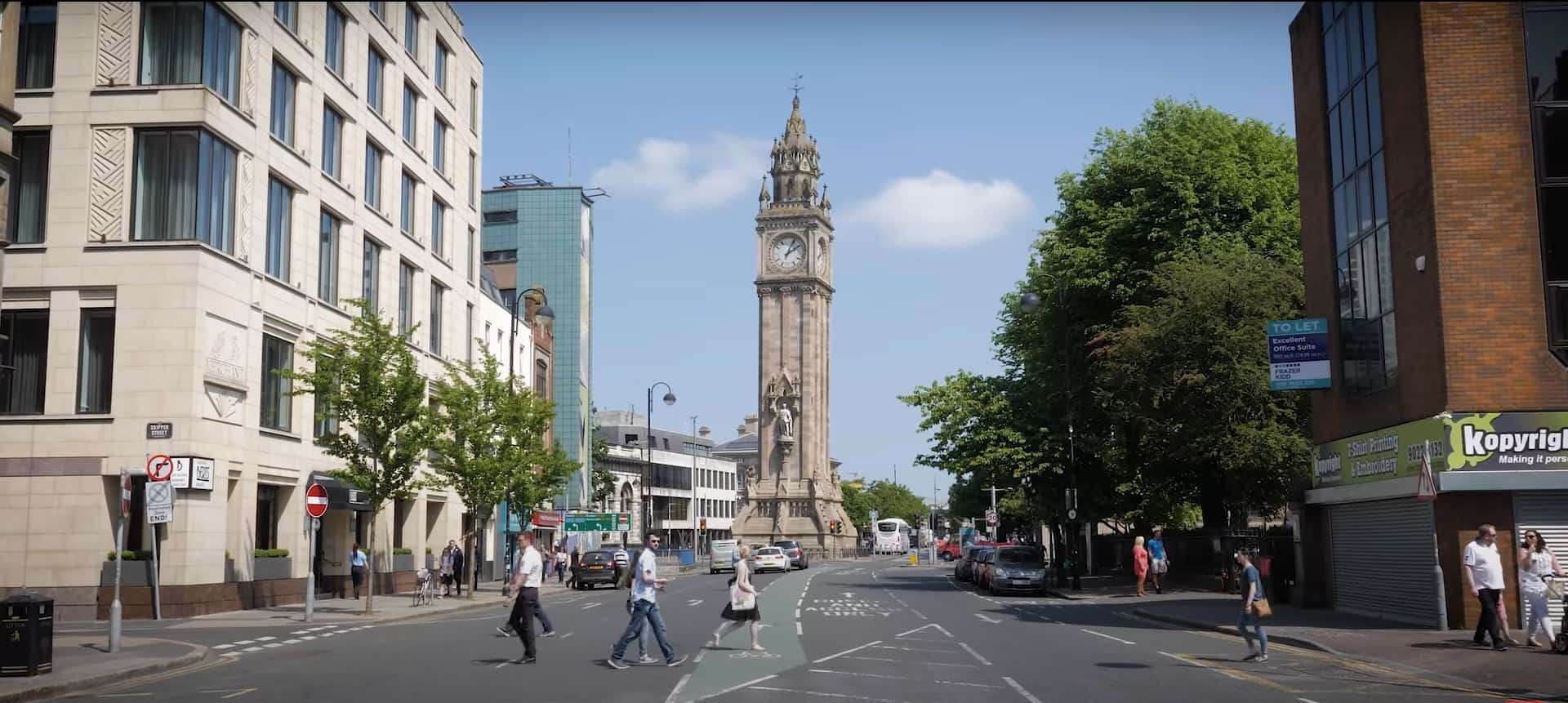
Updated On: March 04, 2024 by  Ciaran Connolly
Belfast, the vibrant capital of Northern Ireland, is a city steeped in history, culture, and undeniable charm. From its tumultuous past to its bustling present, Belfast has much to offer visitors eager to explore its streets and soak in its atmosphere. A bus tour is one of the most popular ways to experience all that Belfast has to offer. Offering convenience, comfort, and knowledge, bus tours provide a unique perspective on the city’s landmarks, neighbourhoods, and hidden gems. But is a bus tour indeed the best way to see Belfast? Let’s delve into the reasons why it just might be.
The Convenience Factor
One of the primary advantages of taking a Belfast bus tour is its unparalleled convenience. Rather than navigating unfamiliar streets or deciphering public transportation routes, visitors can simply hop on a bus and relax as they are chauffeured to the city’s top attractions. This convenience is especially beneficial for those with limited time or mobility challenges. Bus tours provide a hassle-free way to see Belfast’s highlights without the stress of planning or walking long distances.
Comprehensive Commentary
One of the standout features of bus tours in Belfast is the informative commentary provided by knowledgeable guides. As passengers journey through the city, guides offer captivating insights into Belfast’s history, culture, and landmarks, enriching the experience with fascinating anecdotes and historical context. Whether it’s the iconic murals of West Belfast, the historic Titanic Quarter, or the storied political divide, passengers gain a deeper understanding of Belfast’s complex tapestry through the commentary on bus tours.
Flexibility and Freedom
While some may assume that bus tours are rigid and inflexible, many Belfast operators offer customizable experiences catering to diverse interests and preferences. Whether you’re interested in history, architecture, or local cuisine, there’s likely a bus tour itinerary that aligns with your interests. Additionally, some tours offer hop-on-hop-off privileges, allowing passengers to disembark at various stops and explore attractions at their own pace before rejoining the tour later—a perfect option for those who value flexibility and freedom in their sightseeing adventures.
Weatherproof Exploration
In a city known for its unpredictable weather, bus tours provide a welcome respite from the elements, ensuring visitors enjoy Belfast’s sights regardless of rain, wind, or chilly temperatures. With comfortable seating, climate control, and panoramic windows, buses offer a sheltered vantage point from which to admire the city’s landmarks without the inconvenience of getting wet or cold. This weatherproof aspect of bus tours makes them an attractive option year-round, appealing to visitors regardless of the season.
Social Interaction
Bus tours offer a valuable opportunity for social interaction and camaraderie for solo travellers or those seeking to connect with fellow explorers. As passengers embark on their journey through Belfast, they can engage with fellow travellers, share travel tips and recommendations, and forge new friendships. Whether swapping stories about past adventures or marvelling at Belfast’s sights together, bus tours foster a sense of community among passengers, enhancing the overall experience.
Environmental Considerations
In an era increasingly conscious of environmental sustainability, bus tours offer a more eco-friendly alternative to traditional modes of transportation. Bus tours help reduce carbon emissions and alleviate traffic congestion in urban areas like Belfast by consolidating transportation for multiple passengers into one vehicle. Additionally, many operators are investing in eco-friendly practices such as using fuel-efficient vehicles or offsetting carbon emissions, allowing travellers to explore the city with peace of mind, knowing they’re minimizing their environmental impact.
Bus Tour Belfast – Visit All the Popular Attractions
There are a few options for tours around Belfast City – from buses, taxis and or simply walking. We opted for Titanic City Tours for a 48-hour bus ticket to see what Belfast has to offer. So off we went on our own tour around Belfast.
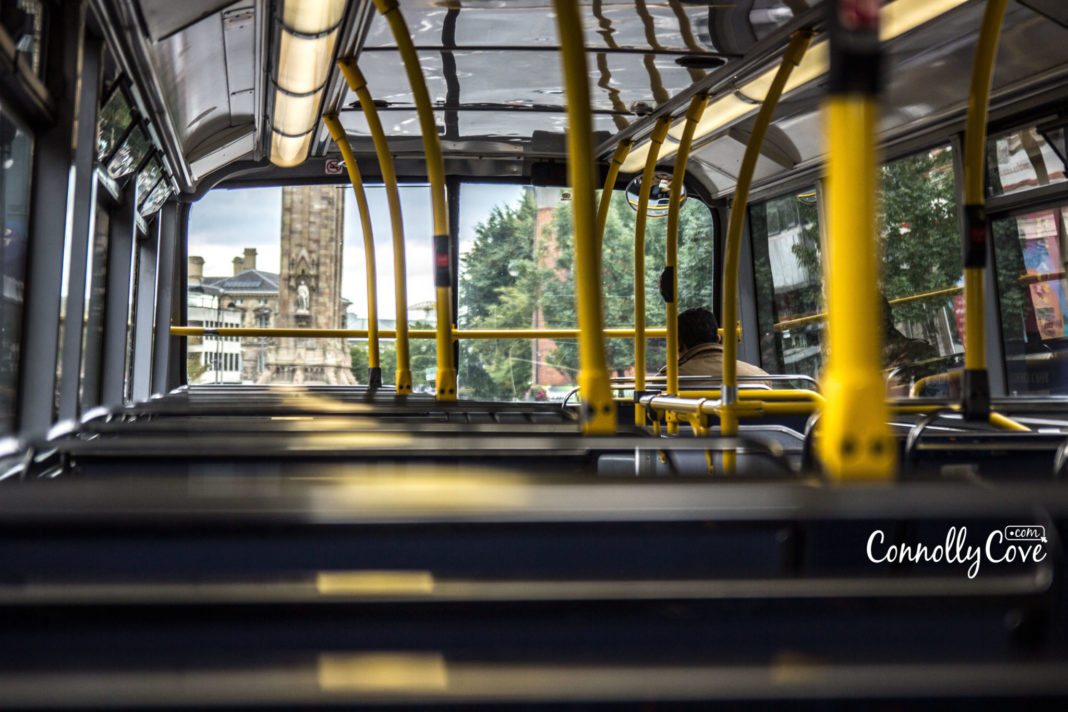
It’s an amazing way to go sightseeing in the city. The tour goes very regularly, 7 days a week. So you are never long waiting for a bus. Taking the bus means you can get around Belfast’s attractions quicker and cheaper than using a car/taxi.
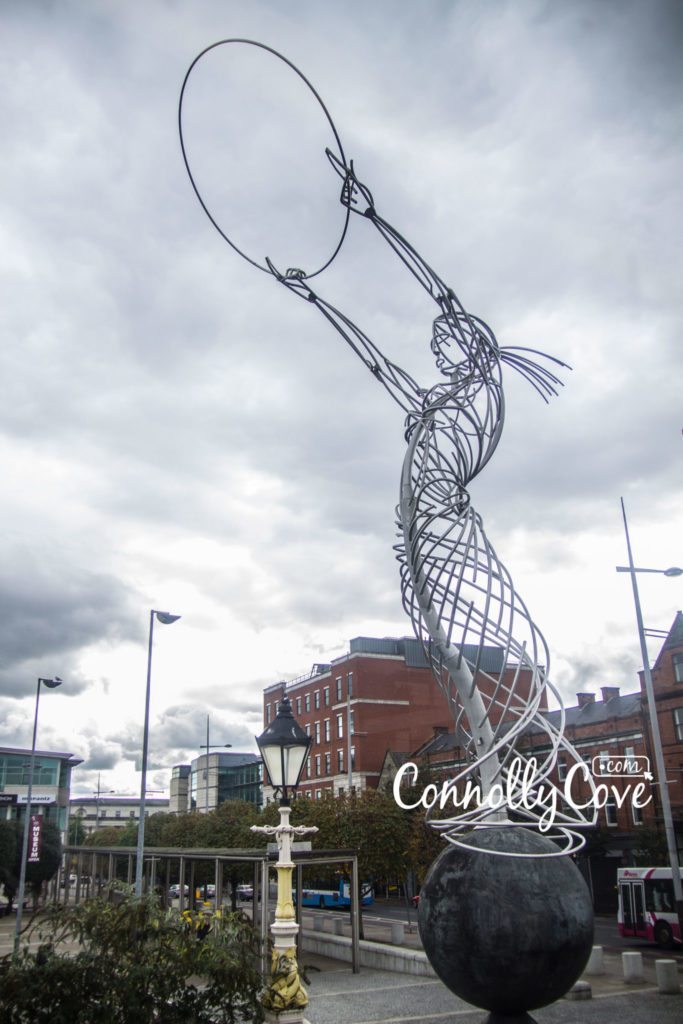
The Best of Belfast
While there are loads of hidden gems and less well-known attractions in Belfast. Many visitors will be focused on seeing the Titanic Museum. Visitors to the city of Belfast can board the Belfast City Sightseeing hop-on / hop-off tour bus in order to reach Titanic Belfast while becoming acquainted with the city on the way!
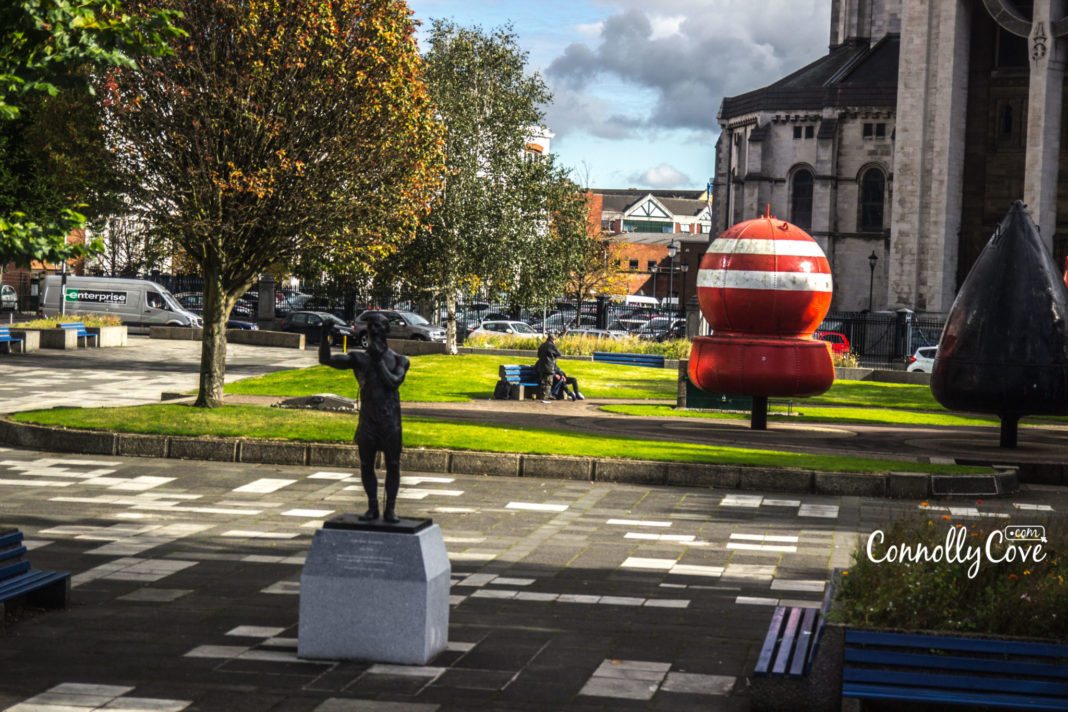
Tourists get to explore the turbulent history of Belfast from an open-top bus provided with commentary on the Titanic City Tours. The route covers numerous significant architectural sites, including the renowned Queen’s University, the giant H&W cranes, the Titanic birthplace, and the Cathedral and Arts Quarters.
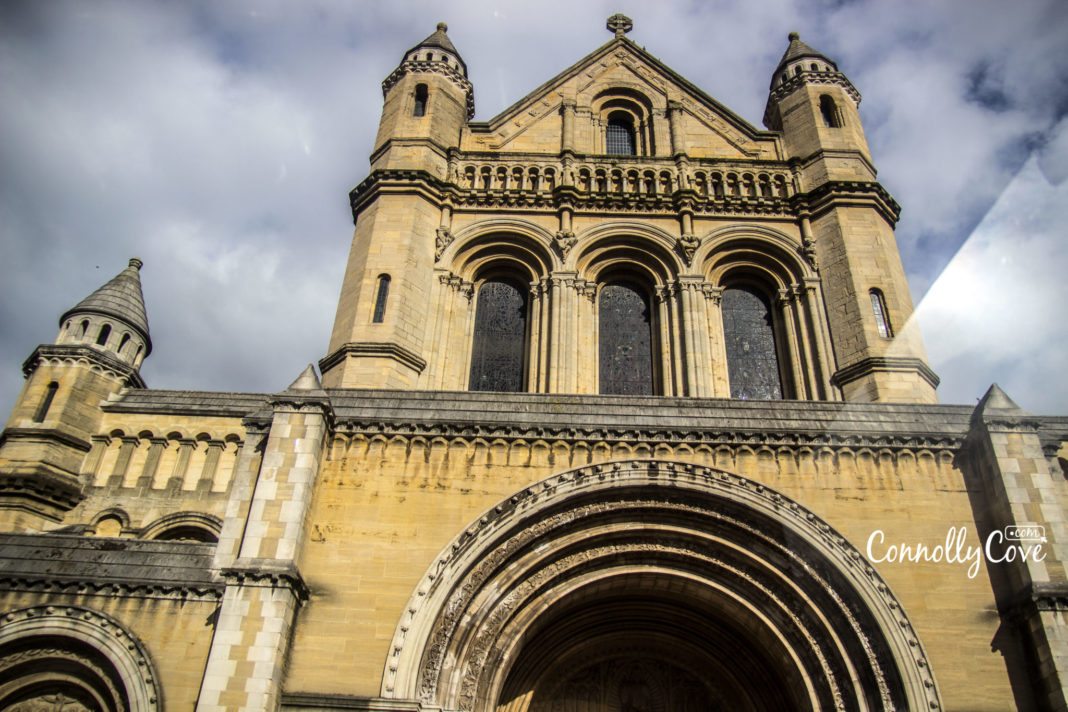
On the 48-hour hop-on-hop-off tour, visitors can also check out the amazing Ulster Museum.

The tour also includes the dark Crumlin Road Gaol and informs the guests of the Belfast murals on the Arty Falls and Shankill roads. These famous murals hold a lot of history surrounding the city that is worth visiting.

About Belfast
Belfast is the capital and largest city in Northern Ireland. It represents the centre of several Irish industries, including linen, tobacco, rope-making and shipbuilding. In the early 20th century, Harland and Wolff, which built the RMS Titanic, was the world’s biggest and most productive shipyard.

Belfast played an important role in the Industrial Revolution and was a global industrial centre until the second half of the 20th century. It has sustained a major aerospace and missile industry since the mid-1930s. Industrialisation and the inward migration it brought made Belfast Ireland’s biggest at the beginning of the 20th century.

Even though the city suffered greatly during the conflict called the Troubles, it has undergone a period of peace and economic and commercial growth.
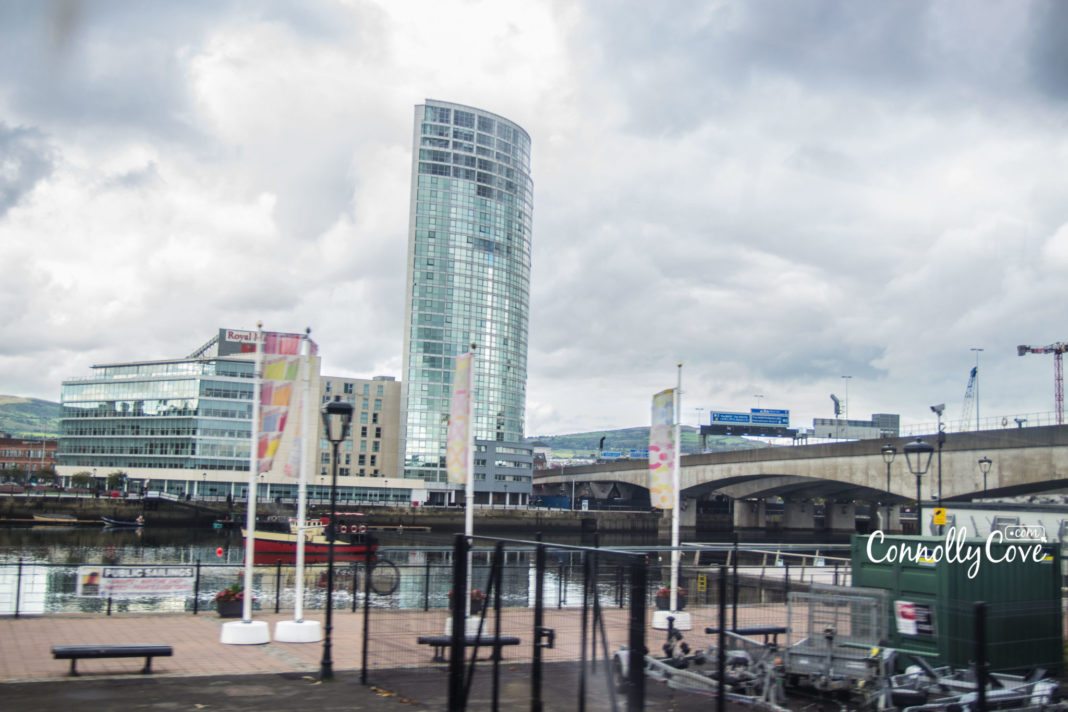
The Titanic Visitor Experience
Located in the heart of Belfast, right next to the historic site of the original ship’s construction, Titanic Belfast is the World’s Largest Titanic Visitor Experience.
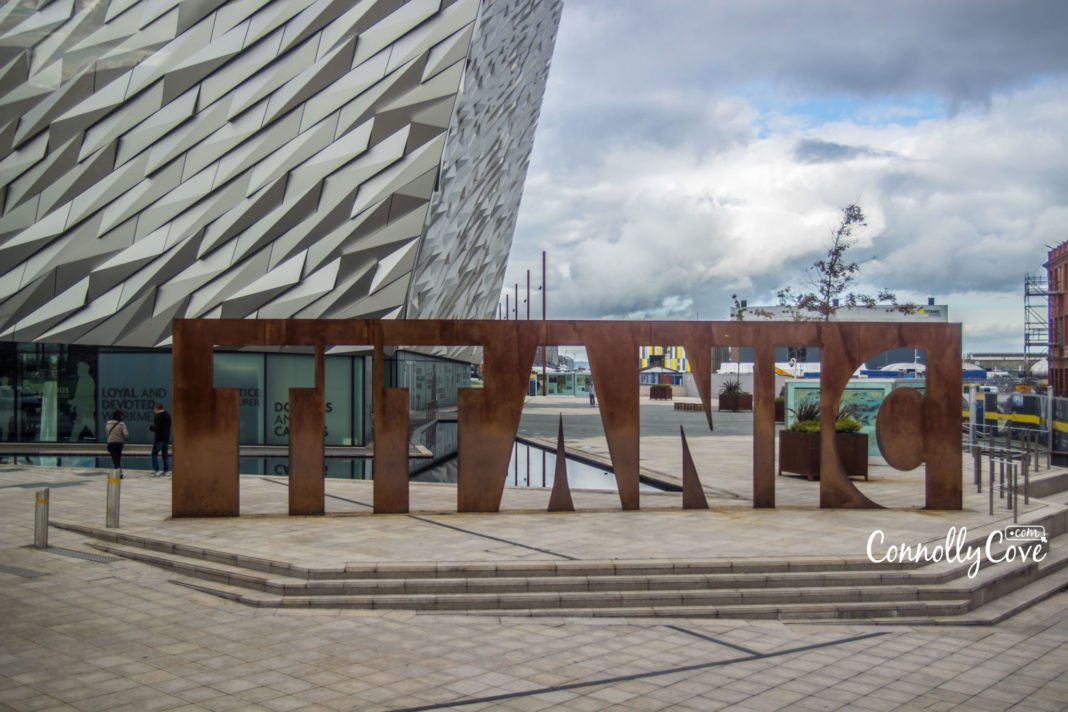
Housed within an iconic six-floor building, this state-of-the-art visitor experience retells the history of the Titanic. From its conception in Belfast in the early 1900s through the construction and launch to the famous maiden voyage and subsequent tragic sinking.
Contemporary interactive technology, special effects, and even a thrilling shipyard ride are all employed to immerse visitors in the Titanic experience.
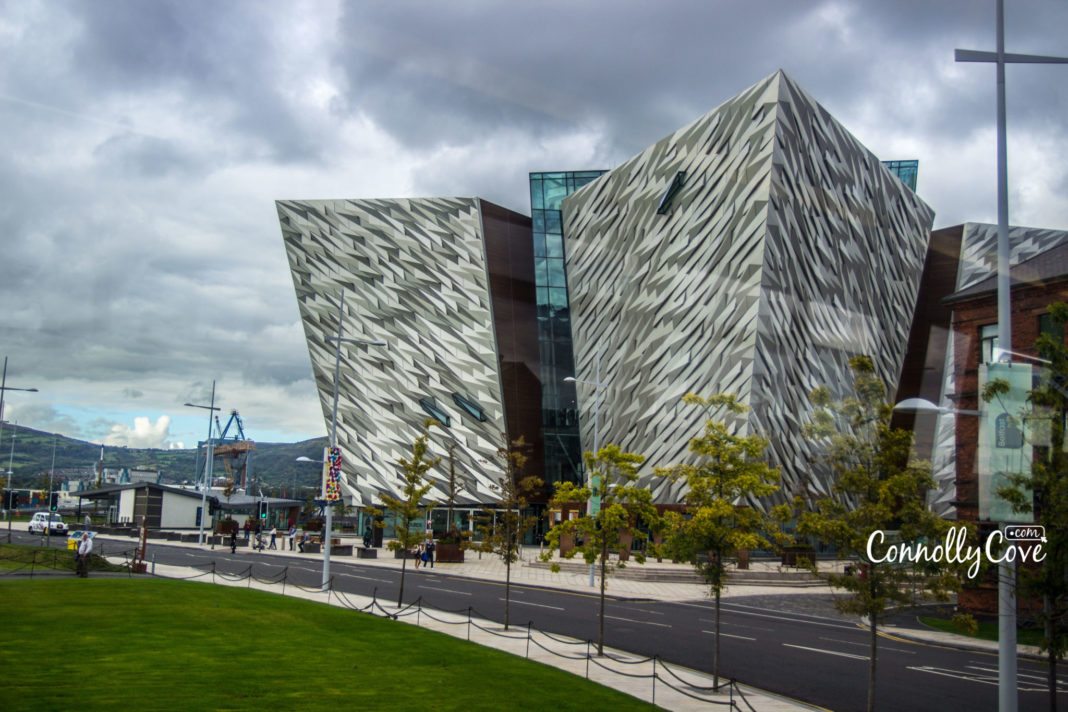
The building comprises nine galleries: Boom Town Belfast, The Arrol Gantry & Shipyard Ride, The Launch, The Fit-Out, The Maiden Voyage, The Sinking, The Aftermath, Myths and Legends, and Titanic Beneath.
Audio tours are also available in a variety of languages, including English, German, Spanish, French, Italian, Mandarin, and Polish, to cater to tourists from all over the world.
An on-site gift shop also offers visitors a chance to purchase an exclusive range of clothing, gifts and unique memorabilia alongside a wide range of publications and contemporary products from across Northern Ireland.
More Belfast Tours
Other options for tours of Belfast include black cab tours, and other bus companies – there are also walking tours that now operate. Each will have its own unique style… so you might be tempted to try out more than one tour!

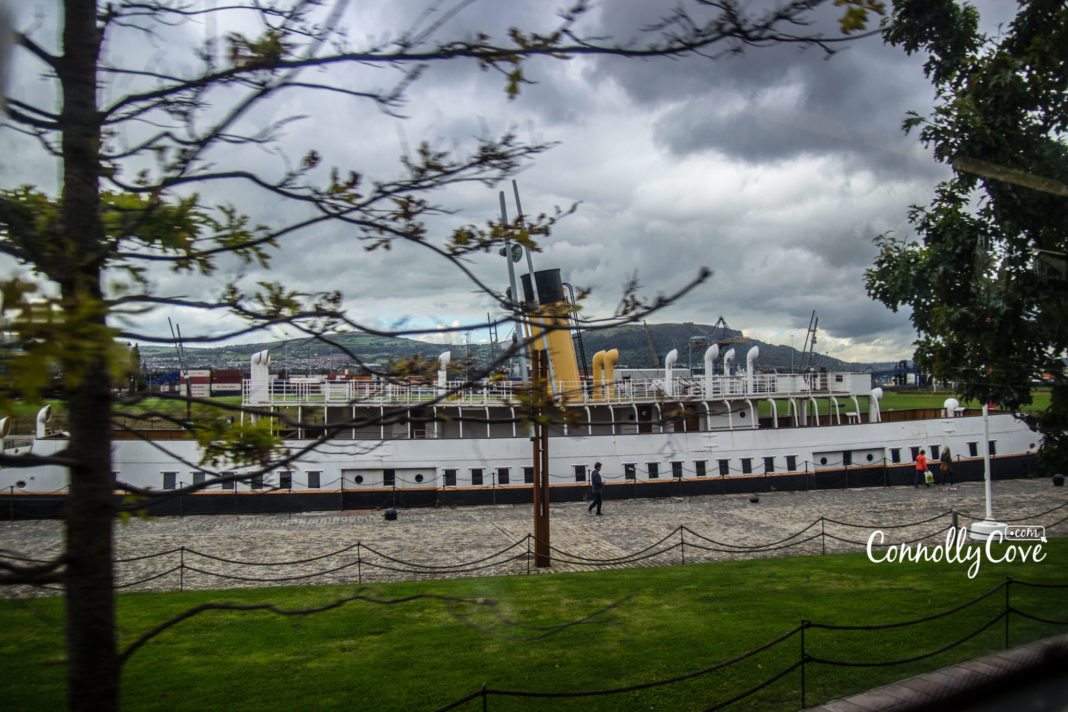
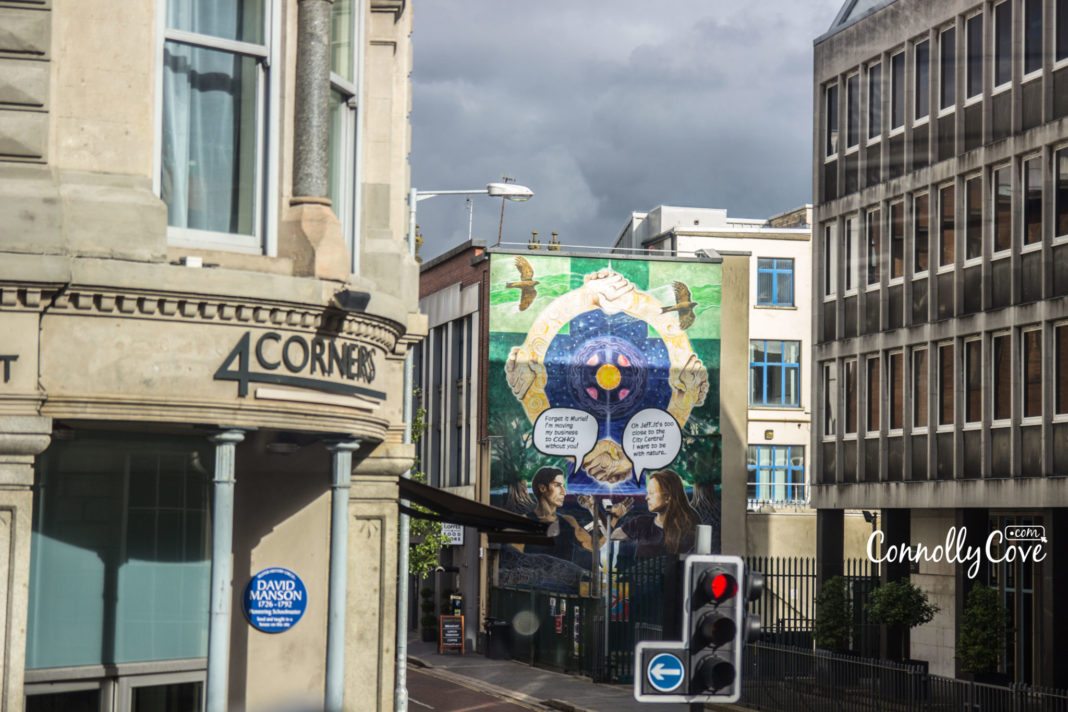
Some more great photos from our bus trip – An amazing way to see Belfast City.
Conclusion
While there are many ways to explore Belfast, from walking tours to self-guided adventures, bus tours undoubtedly offer a compelling blend of convenience, comfort, and cultural enrichment. With informative commentary, panoramic views, and the flexibility to cater to diverse interests, bus tours provide an immersive experience that showcases the best of Belfast’s past and present. Whether you’re a first-time visitor eager to discover the city’s highlights or a seasoned traveller seeking a fresh perspective, hopping on a bus tour may be the best way to see all that Belfast offers. So please sit back, relax, and let Belfast reveal its secrets as you embark on an unforgettable journey through its storied streets.
What was your favourite part of the city? Or if you have been to Belfast yet anything you’d like to see? 🙂 We would love to know! Belfast attractions and more.
Also, don’t forget to check out some of our other blogs that you might like: Peace Walls Belfast | Crumlin Road Gaol | Titanic Museum | St Annes Cathedral | SS Nomadic | Titanic Dock and Pump House | Explore Belfast and all the popular spots.

Discover the Top 15 Best Places to Visit in Northern Ireland
Travel Guides
24/04/2024

How to Find the Best Scotland Travel Guide: An Ultimate Guide
Scotland
24/04/2024

The Ultimate Guide to the Best Shopping Areas in London
England
24/04/2024

The Absolute Guide to the Best Restaurants in Bath, England: Unveiling the Culinary Gems of Bath!
Food and Cuisine
24/04/2024

Planning a Trip to Scotland: Your All-Inclusive Guide to Exploring the Great Highlands
Travel Guides
23/04/2024